Ghumoopedia — Explore, Discover, Experience
Sign in
Mata no Madh, near Naliya

City guide · Gujarat

Naliya

Naliya is a small town at the western end of Kutch and the administrative headquarters of Abdasa taluka. Its location makes it a useful base for exploring this quieter, far-western corner of Gujarat, including the coastal landscape around Jakhau, about 19 km away by road.

Famous for

  • Kutch Bustard Sanctuary
  • Historic Zanzibar trade
  • Western Kutch gateway
  • Abdasa taluka headquarters
  • Jakhau port connection

Why Naliya matters

Naliya is a small town at the western end of Kutch and the administrative headquarters of Abdasa taluka. Its location makes it a useful base for exploring this quieter, far-western corner of Gujarat, including the coastal landscape around Jakhau, about 19 km away by road. The town’s best-known natural attraction is the nearby Kutch Bustard Sanctuary, associated with the endangered great Indian bustard and the open grasslands of Abdasa. Access to sensitive habitat may be restricted, so visitors should seek local guidance and follow conservation rules.

Naliya also has a distinctive trading past: its merchants once maintained commercial ties with Zanzibar and Bombay. Today, its importance is chiefly regional, serving residents and travellers moving through western Kutch rather than functioning as a major resort or shopping destination. Visitors come for the area’s wide horizons, rural character, birdlife and links to the coast. The town is a practical stop for learning about Abdasa and for planning excursions into the surrounding countryside.
Famous for: crafts, trade & products

Naliya is not especially identified with a signature textile, saree, GI-tagged product or large manufacturing industry. Its commercial character is more closely connected with its role as Abdasa taluka’s service centre and with its history as a trading town. The town’s local bazaar is the most practical place to look for everyday provisions and regionally made goods, although selection can vary.

Travellers seeking Kutch crafts can ask local sellers about work from across the district, including embroidered textiles, bandhani and other traditional handicrafts. These crafts are associated with Kutch more broadly and should not be taken as products made specifically in Naliya. For a wider choice, explore established craft centres and villages elsewhere in Kutch, where makers and specialist shops can explain the techniques and provenance of their work. Naliya’s strongest distinctive associations remain its historic links with Bombay and Zanzibar, its position near Jakhau, and the nearby grassland habitat of the Kutch Bustard Sanctuary—not a particular local textile or branded product.

History

Naliya developed as a prosperous trading town on Kutch’s western side. Merchants from the town had commercial connections with Bombay and Zanzibar, linking this inland settlement to wider coastal and Indian Ocean networks. Its proximity to Jakhau, an old port, helped connect the surrounding region with maritime trade. These links gave Naliya importance beyond its size, though the town’s history is also part of the wider story of western Kutch and its changing trade routes.

Before Indian independence, Kutch was a princely state ruled by the Jadeja dynasty under British paramountcy. Naliya’s fortunes were shaped by regional commerce and by the gradual changes in transport and administration during the colonial period. After Kutch joined India, the town continued as a local centre for the surrounding settlements. Today it is the headquarters of Abdasa taluka in Kutch district, with an administrative and service role for the region. Its older trading connections remain a notable part of local history.

Food, festivals & culture

Daily life in Naliya reflects the mixed traditions of Kutch and western Gujarat. Kutchi and Gujarati are widely used, while Hindi is also understood in many everyday settings. Meals commonly draw on Gujarati and Kutchi home cooking: expect breads, lentils, vegetables, seasonal produce and, in some households, dairy-rich dishes. Sweet and savoury snacks are part of the broader regional food tradition, but particular specialities and availability vary between homes and local eateries.

Navratri, usually in autumn, brings the familiar Gujarati tradition of garba and dandiya; Diwali is also widely celebrated. Janmashtami and Eid are observed by communities in the region, alongside other religious occasions. Kutchi folk songs, devotional music and forms of community dance are part of the area’s cultural life, though performances are not necessarily scheduled for visitors. Temples and mosques serve local communities; visitors should ask locally about access and customs. Naliya is better approached as a working town than as a destination with a regular calendar of cultural shows.

Visiting the city

The cooler months, roughly November to February, are generally the most comfortable time to visit. Summers can be hot, while most rain falls during the June–September monsoon. Bhuj Airport is the nearest practical commercial airport, and Bhuj railway station is the main rail gateway for the region. Check current transport connections before setting out; local onward travel is usually by road.

Within Naliya, walking and local vehicles are useful for short trips, while a hired vehicle is more practical for reaching Jakhau and the countryside. Explore the central bazaar and older town streets for a sense of everyday life, then use Naliya as a base for the surrounding Abdasa region. The Kutch Bustard Sanctuary lies nearby, but wildlife viewing depends on access rules and conservation guidance. Carry water and plan rural excursions ahead, as services can be limited outside town.

Trips from the city

Nearest places to visit from Naliya

Our closest destination guides, by straight-line distance.

Mata no Madh

33 km away · Kutch district

Mata no Madh

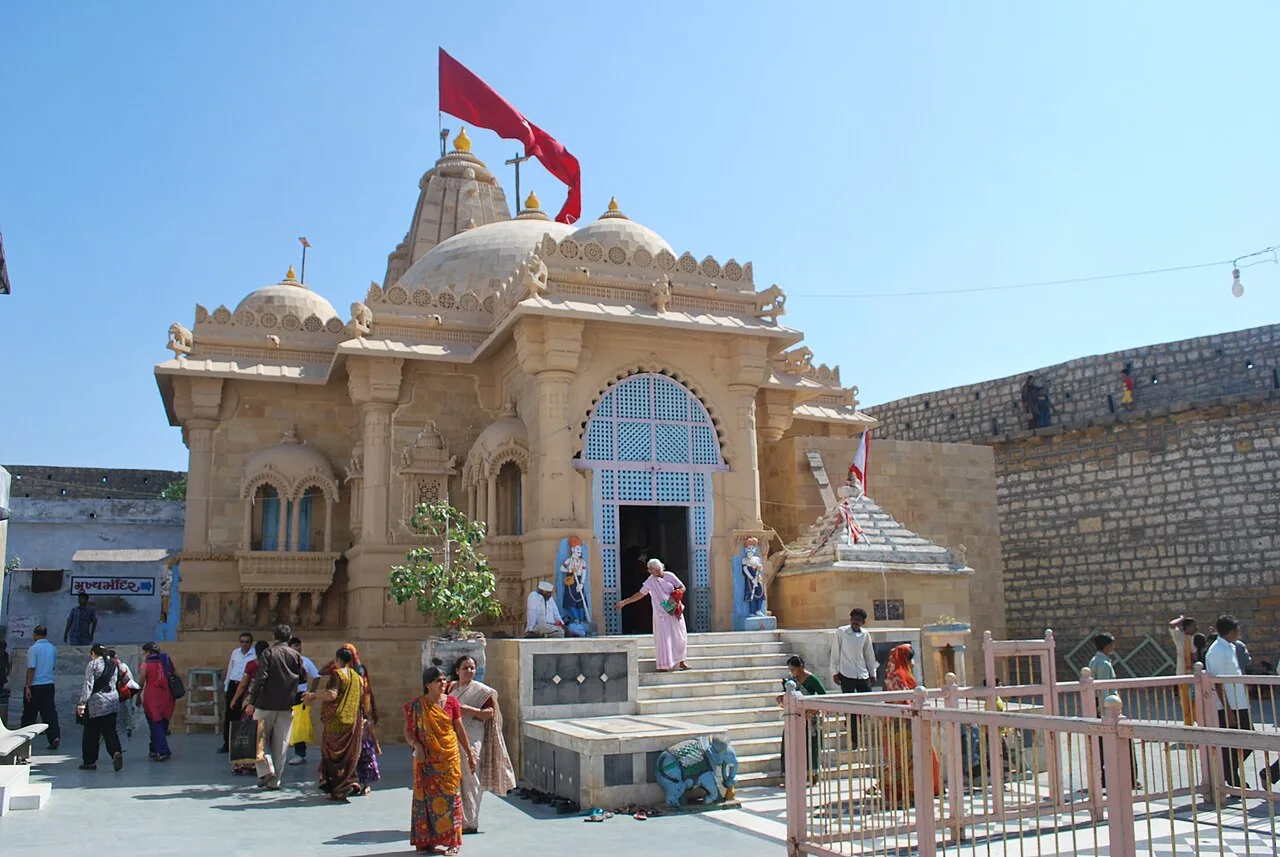
Mata no Madh is a village in Gujarat’s Kutch district, visited for its temple to Ashapura Mata, the household deity of Kutch’s former Jadeja rulers and a patron deity of the region.

Narayan Sarovar

55 km away · Kutch district

Narayan Sarovar

Narayan Sarovar is a village in Gujarat’s Kutch district and a Hindu pilgrimage destination beside Kori Creek. Its religious significance and the nearby Koteshwar temple draw visitors to the area.

Vijaya Vilas Palace

67 km away · Kutch district

Vijaya Vilas Palace

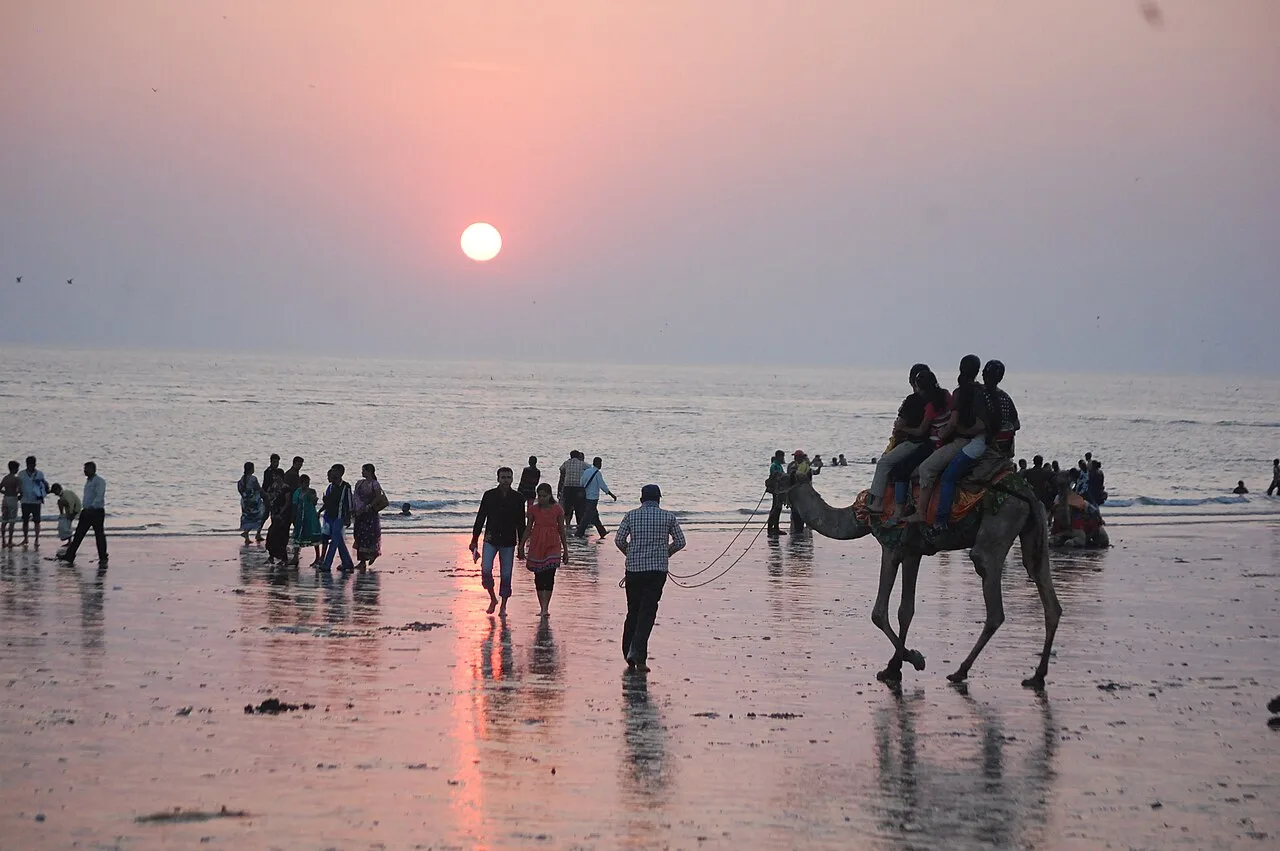
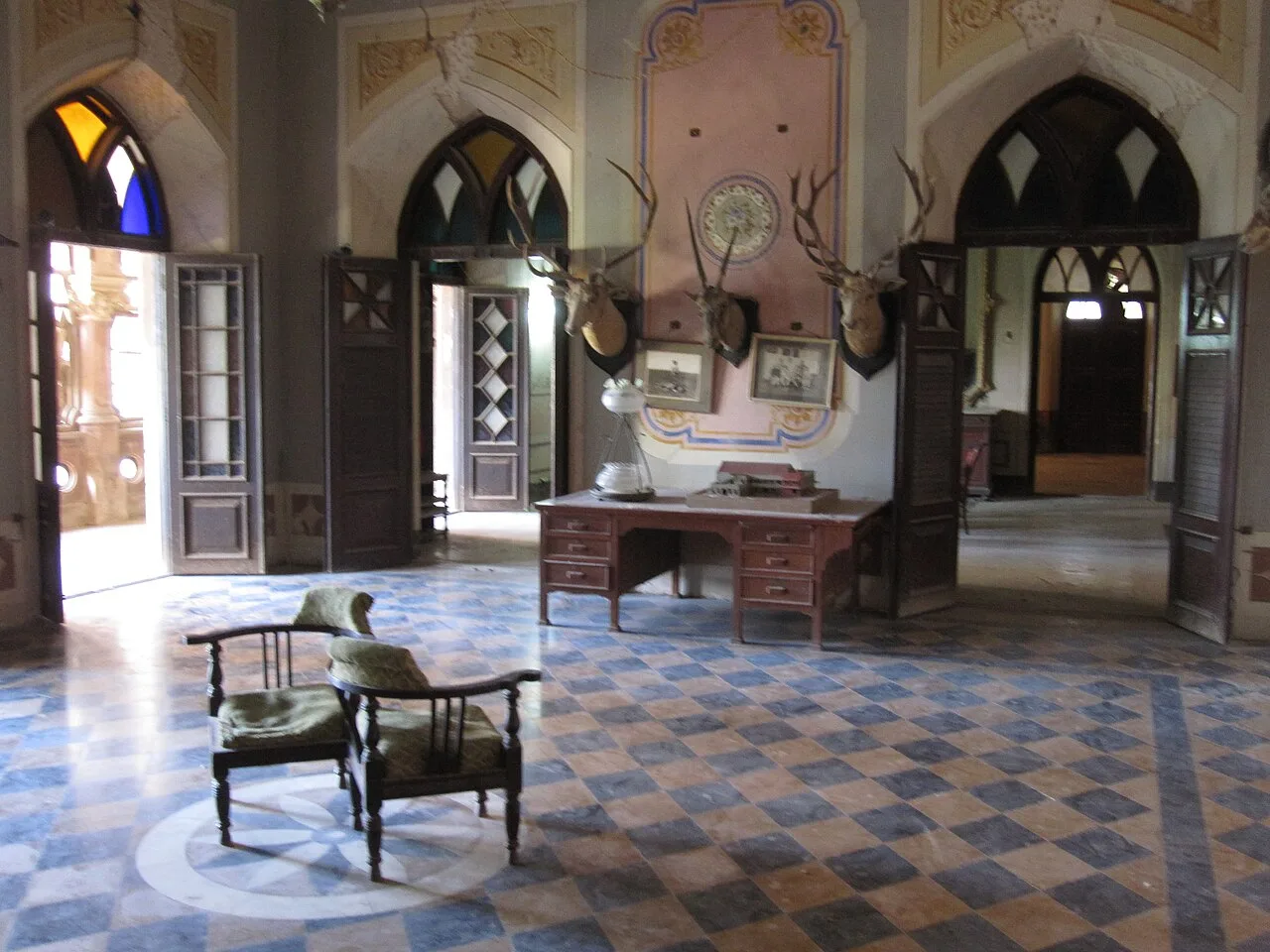
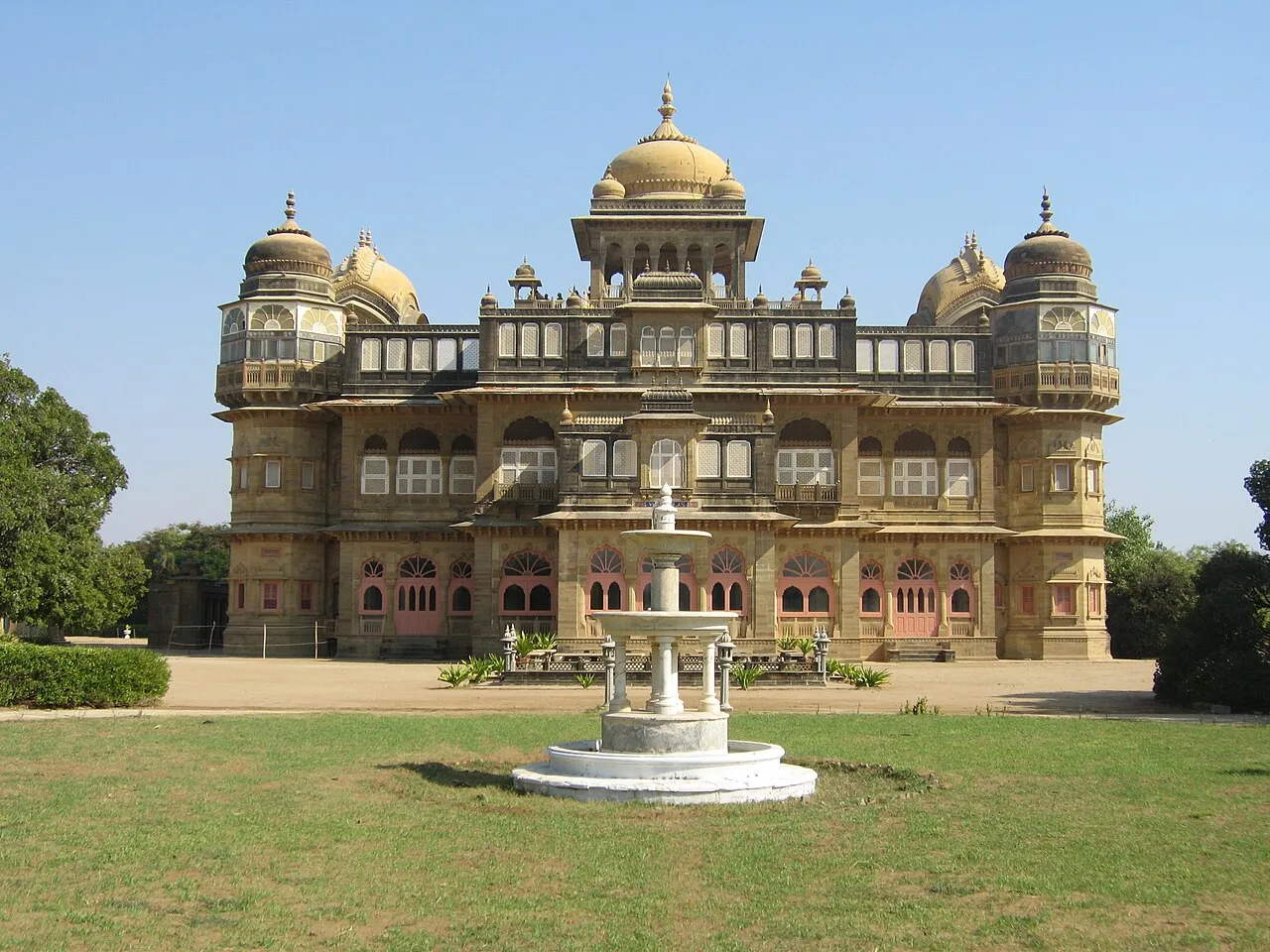
Vijaya Vilas Palace served as the Maharao of Kutch’s summer residence. Set beside the beach at Mandvi, Gujarat, it draws visitors interested in the palace and its seaside setting.

Mandvi

72 km away · Kutch district

Mandvi

Mandvi is a coastal municipal town in Gujarat’s Kachchh district, drawing visitors for its beach, remains of old fortifications and centuries-old shipbuilding tradition.

Aina Mahal

86 km away · Kutch district

Aina Mahal

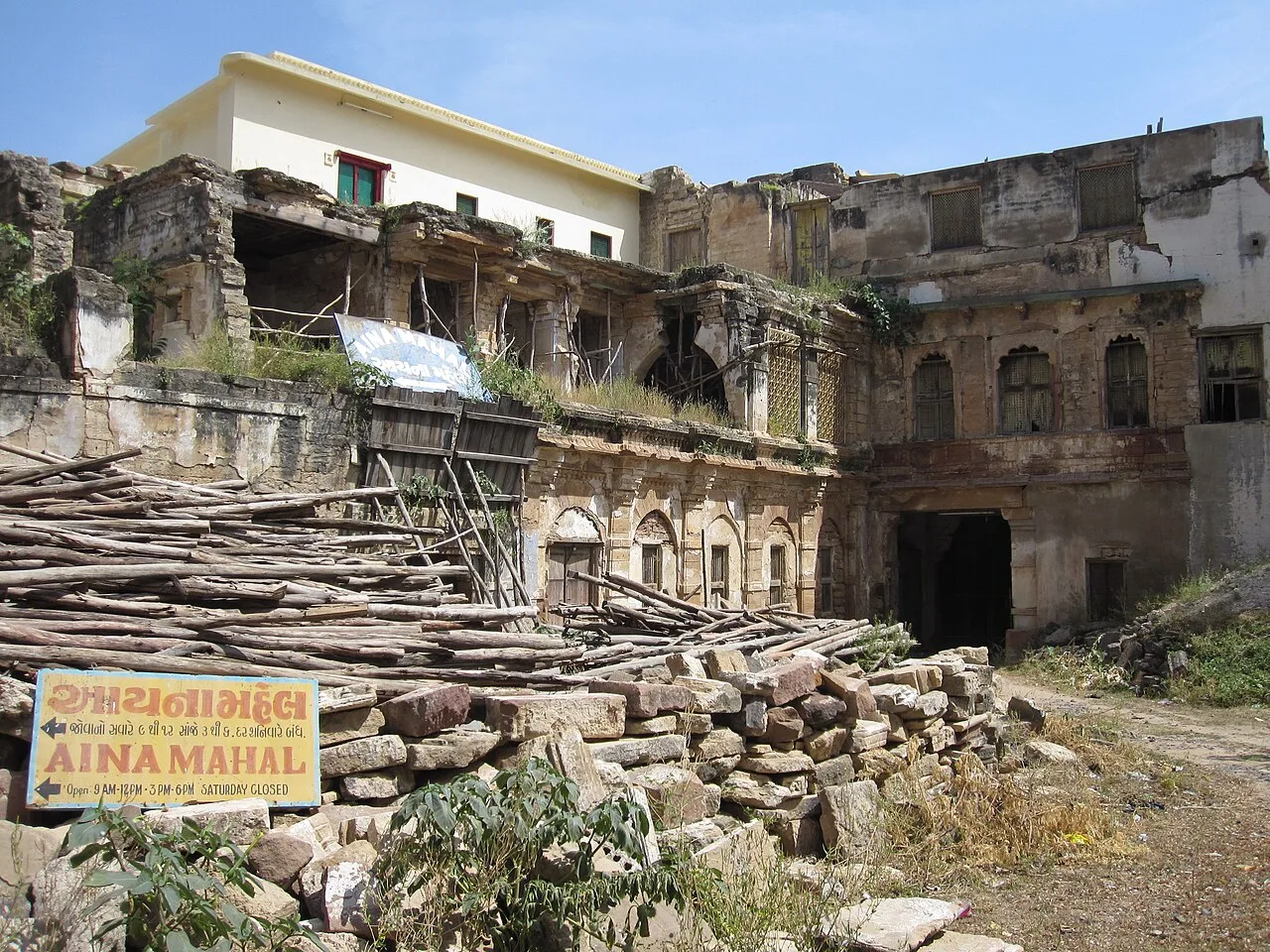
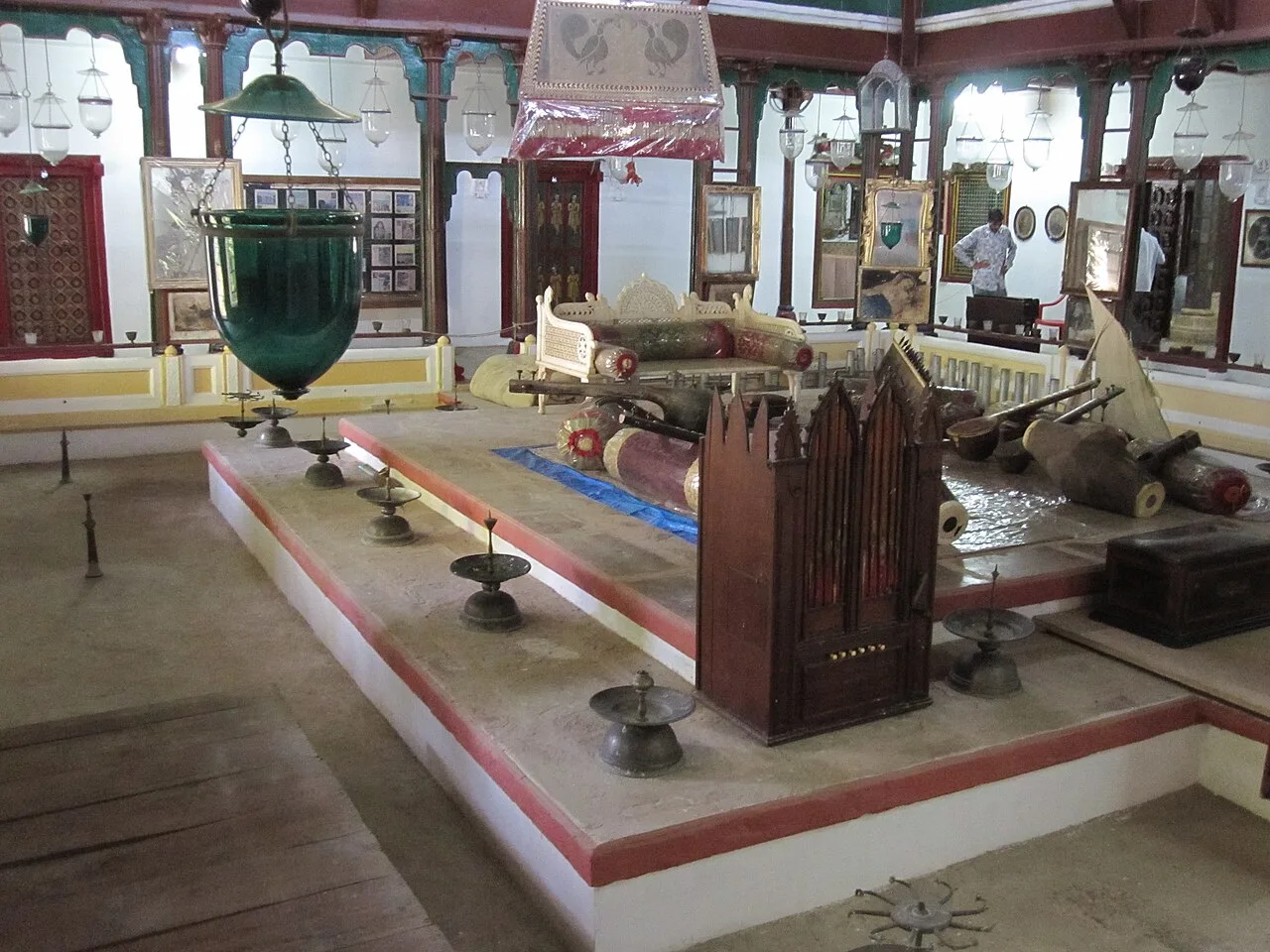
Aina Mahal is an eighteenth-century palace beside Prag Mahal in Bhuj, Gujarat. Visitors explore its historic interiors and museum collection, which includes clocks, mechanical toys and paintings.

Bhuj

86 km away · Kutch district

Bhuj

Bhuj is a city and administrative centre in Gujarat’s Kutch district. Visitors interested in Kutch’s past may come to learn about its former role as the capital of Kutch State.

Prag Mahal

86 km away · Kutch district

Prag Mahal

Prag Mahal is a nineteenth-century palace in Bhuj, in Gujarat’s Kutch district, adjoining Aina Mahal. Visitors can see the palace and its position beside its neighbour.

Dhordo

91 km away · Kutch district

Dhordo

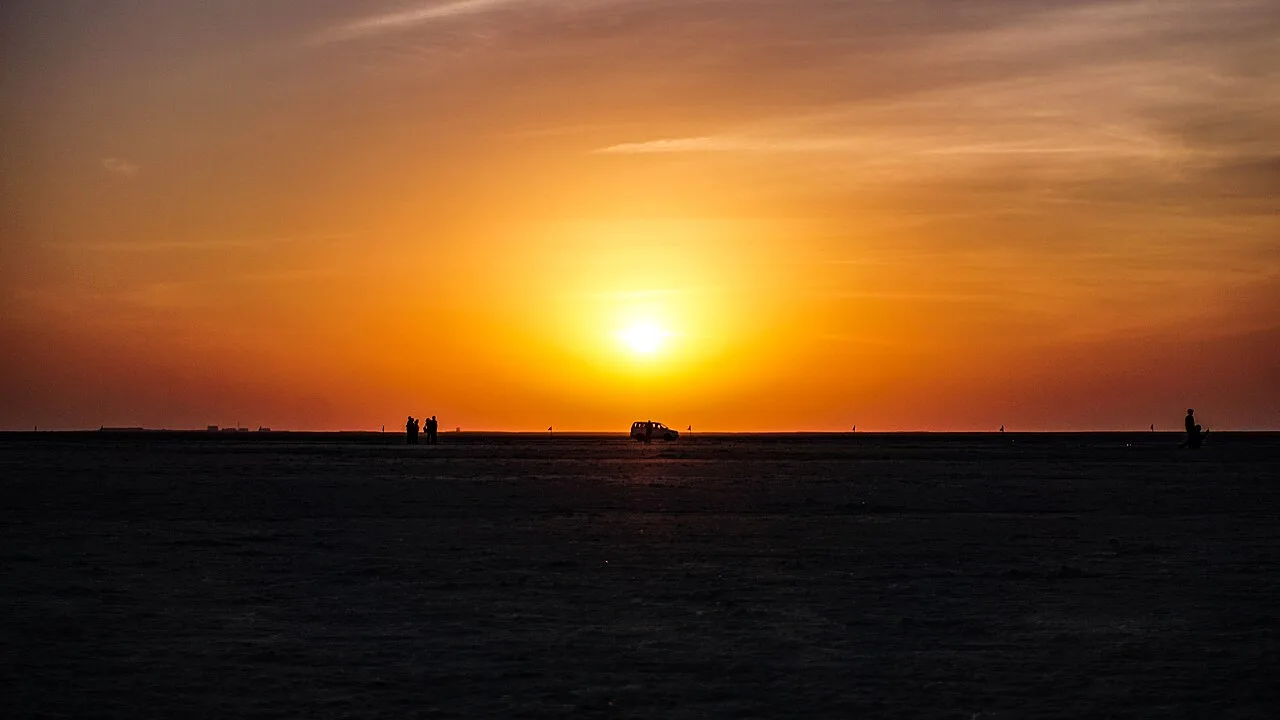
Dhordo is a village in Gujarat’s Kutch district, near the India–Pakistan border. Visitors come for Rann Utsav, a three-month festival held there each year.

Map

Naliya on the map

  1. 1Mata no Madh
  2. 2Narayan Sarovar
  3. 3Vijaya Vilas Palace
  4. 4Mandvi
  5. 5Aina Mahal
  6. 6Bhuj
  7. 7Prag Mahal
  8. 8Dhordo

Gujarat

Other cities to explore