Ghumoopedia — Explore, Discover, Experience
Sign in
Lakshmi Vilas Palace, near Karjan

City guide · Gujarat

Karjan

Karjan is a municipality in Vadodara district, serving as a local centre for shopping, agricultural trade and rail travel. Its position on the railway network makes it a useful stop for people travelling through the region, while its markets draw shoppers from Karjan and nearby towns.

Famous for

  • Karjan saree market
  • Shankheshwar Parshwanath Tirth
  • Sumeru Navkar Golden Temple
  • Nava Bazar APMC market
  • Gujarati savoury snacks

Why Karjan matters

Karjan is a municipality in Vadodara district, serving as a local centre for shopping, agricultural trade and rail travel. Its position on the railway network makes it a useful stop for people travelling through the region, while its markets draw shoppers from Karjan and nearby towns. The saree trade is one of its best-known attractions, and the busy bazaars offer a glimpse of everyday commercial life in this part of Gujarat.

Visitors also come for the Jain pilgrimage sites associated with the town, including Shri Shankheshwar Parshwanath Jain Tirth at Anastu and Sumeru Navkar Jain Tirth, often called the Golden Temple. Food is another part of Karjan’s appeal: local shops are known for snacks such as samosa, khaman, sev-khamni and gota. Together, the temples, retail markets and railway connections give Karjan a distinctly regional character. It is less a destination for grand monuments than a place to experience local commerce, worship and Gujarati food.
Famous for: crafts, trade & products

Karjan is particularly known for sarees and the retail trade around them. Its saree market attracts buyers from nearby places, with shops in the town’s bazaars providing the main places to browse and purchase. Nava Bazar is the larger market area and includes the APMC market, an important centre for agricultural produce and trade. Juna Bazar offers another part of the town’s traditional market life. These commercial areas are good places to see how Karjan serves residents and surrounding communities.

The city’s identity is centred on trade and local retail rather than on a widely recognised craft industry or a specific GI-tagged product. Visitors may find a range of everyday textiles and clothing, but should ask individual sellers about fabric, origin and workmanship rather than assume that a saree is locally woven. Food shops are another draw, especially for Gujarati savouries such as khaman, sev-khamni, gota and samosa. Karjan’s Jain pilgrimage institutions, including the Anastu tirth and Sumeru Navkar Jain Tirth, are also significant local institutions and reasons for visitors to come.

History

Karjan’s development reflects its position within the wider Vadodara region, where settlements grew through agriculture, local trade and connections between towns. The area formed part of the historical territories governed by the Gaekwad rulers of Baroda. During the period of British paramountcy, Baroda remained a princely state, and Karjan’s local life continued within that regional framework. As with many towns in the area, markets and transport links helped connect nearby villages with larger centres.

After India’s independence, the former princely state was integrated into the country. Karjan became part of Gujarat when the state was formed in 1960, and it is now within Vadodara district. The railway junction has strengthened the town’s role as a point of connection, while its bazaars and APMC market continue to support trade in the surrounding area. The town’s Jain pilgrimage sites have also helped shape its visitor profile, alongside its everyday commercial importance.

Food, festivals & culture

Gujarati is the main language of daily life in Karjan, and Hindi is also widely understood. The town’s food culture is easy to explore through its snack shops, where samosa, khaman, sev-khamni and gota are familiar favourites. Gujarati meals and sweets are available at local eateries, though menus and specialities vary between businesses. The bazaars are lively places to sample snacks alongside shopping.

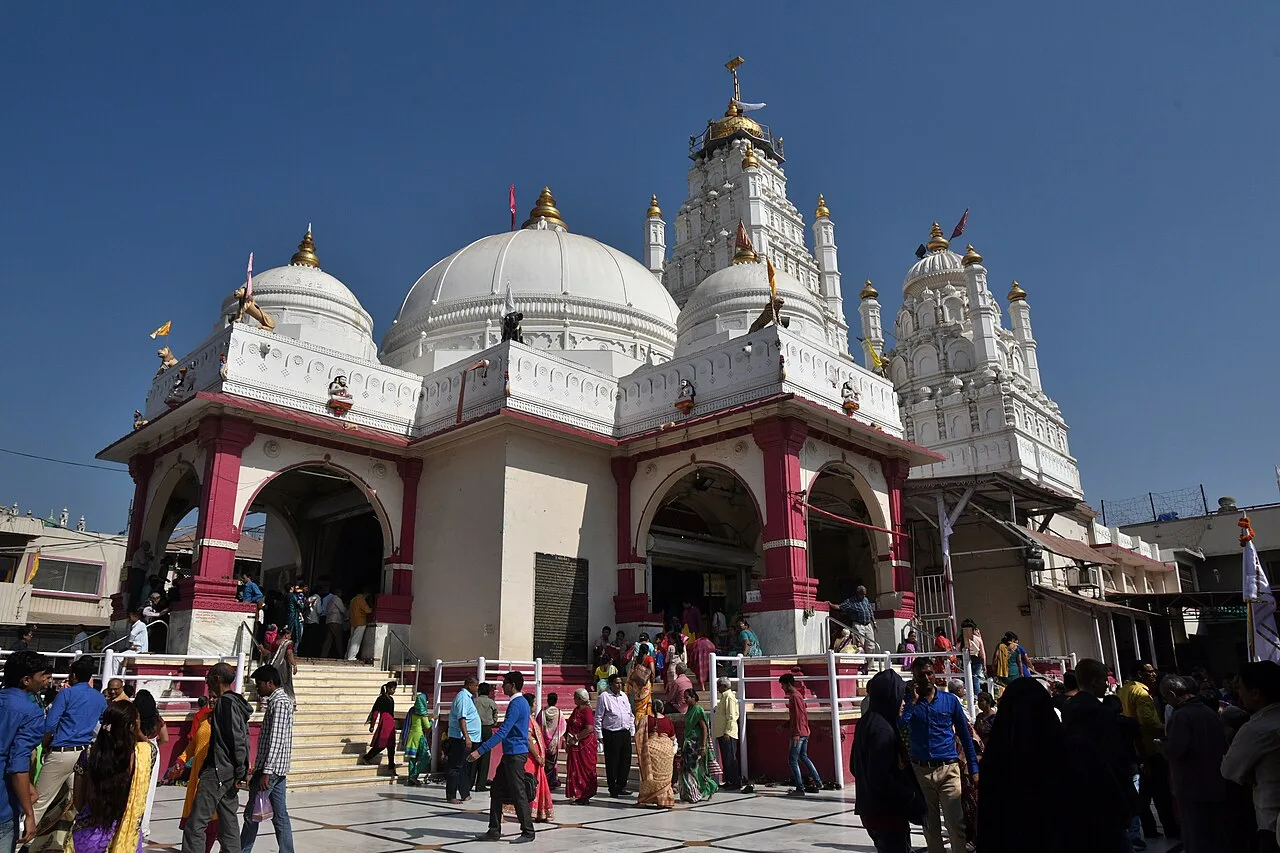
Hindu festivals such as Navratri, usually celebrated in autumn, bring devotional events and garba dancing; Diwali and Uttarayan are also widely observed across Gujarat. Jain religious life is visible at Shri Shankheshwar Parshwanath Jain Tirth at Anastu and Sumeru Navkar Jain Tirth. Paryushan, an important Jain observance generally held in the monsoon season, is marked by prayer, reflection and community gatherings. Visitors should dress respectfully at places of worship and check locally for any visitor guidance or festival events.

Visiting the city

The cooler months, roughly October to February, are generally the most comfortable time to visit. Vadodara Airport is the nearest major airport, while Karjan Junction is the town’s main railway station and a convenient arrival point. Local buses, auto-rickshaws and taxis can help with journeys around town and to nearby places; arrange transport locally for Anastu and other temple visits.

Nava Bazar is a good starting point for the larger market and APMC area, while Juna Bazar offers a look at another established shopping quarter. Set aside time for the saree shops and local snack stalls, and visit Sumeru Navkar Jain Tirth or the Jain tirth at Anastu if these are part of your plans. Ask at the temples about current visitor practices before entering.

Trips from the city

Nearest places to visit from Karjan

Our closest destination guides, by straight-line distance.

Lakshmi Vilas Palace

29 km away · Vadodara district

Lakshmi Vilas Palace

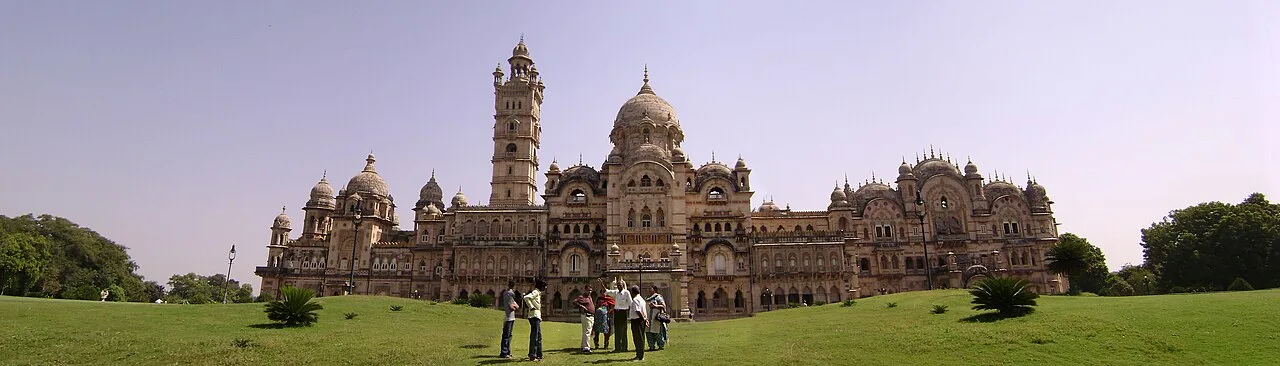
Lakshmi Vilas Palace is a former Gaekwad royal residence in Vadodara, known for its Indo-Saracenic architecture and extensive grounds. People visit to see the palace, its museum and links to the dynasty.

Sayaji Baug

30 km away · Vadodara district

Sayaji Baug

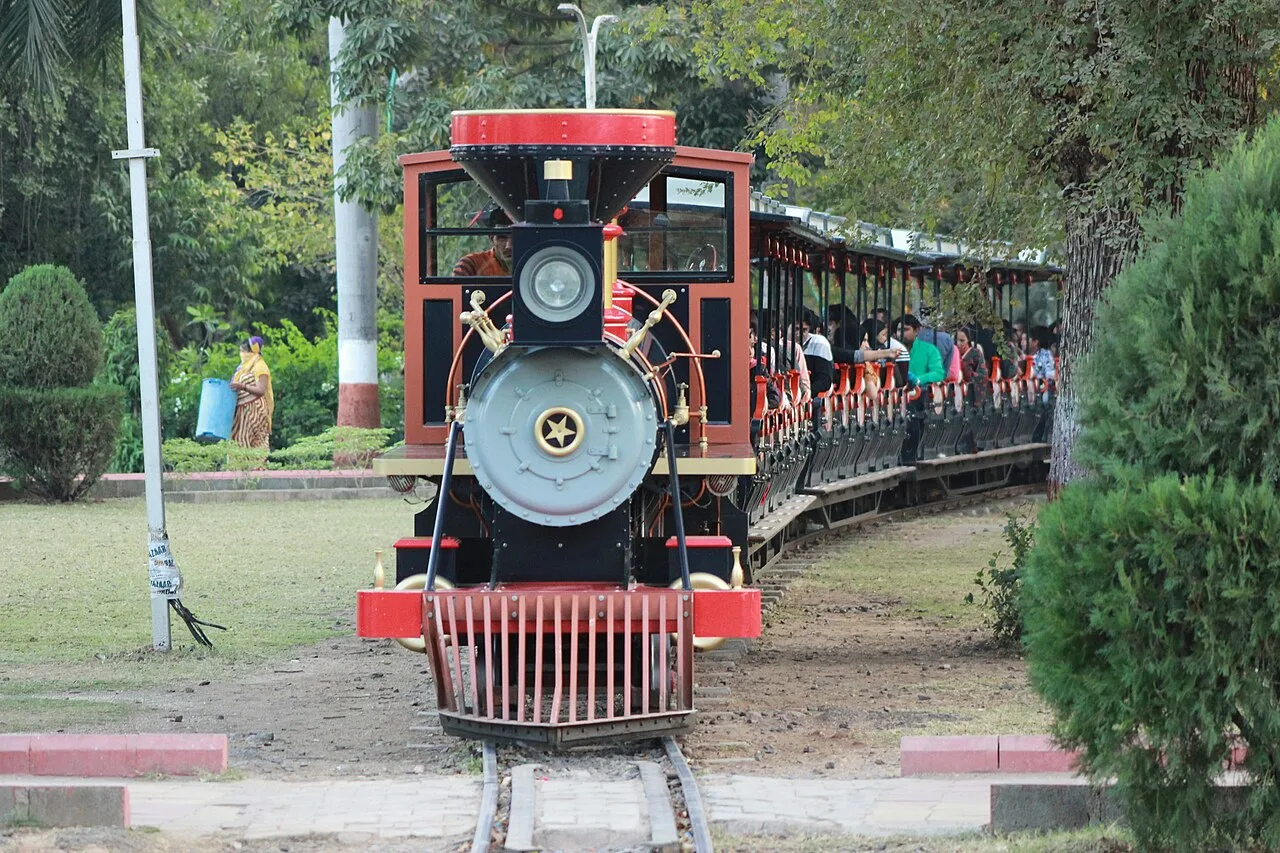
Sayaji Baug, also called Kamati Baug, is a garden in Vadodara, Gujarat, established by Maharaja Sayajirao Gaekwad and visited for recreation and tourism.

Pavagadh

62 km away · Panchmahal district

Pavagadh

Pavagadh is a municipal area in Gujarat’s Panchmahal district, about 46 kilometres from Vadodara. Visitors come to see its Mahakali temple and the Champaner-Pavagadh Archaeological Park, a UNESCO World Heritage Site.

Champaner-Pavagadh Archaeological Park

65 km away · Panchmahal district

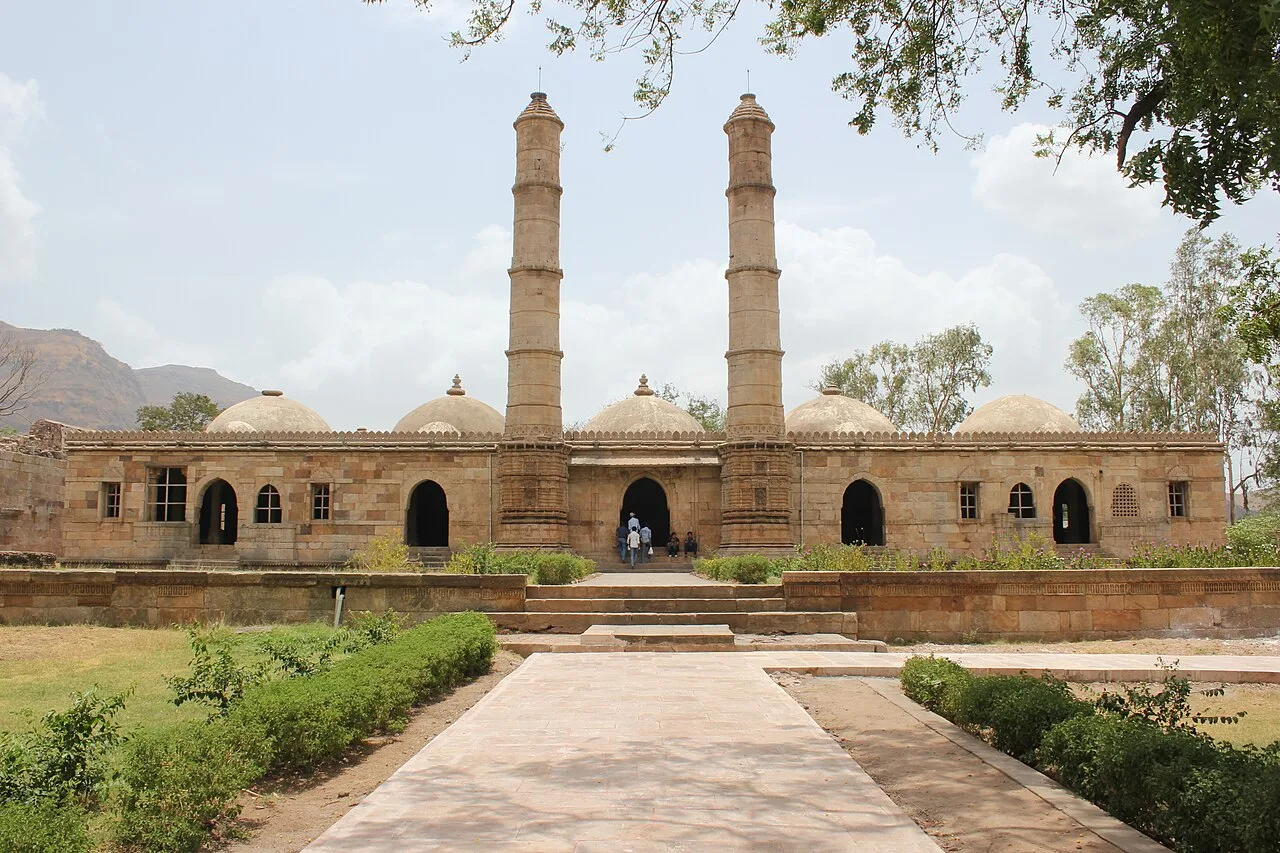
Champaner-Pavagadh Archaeological Park

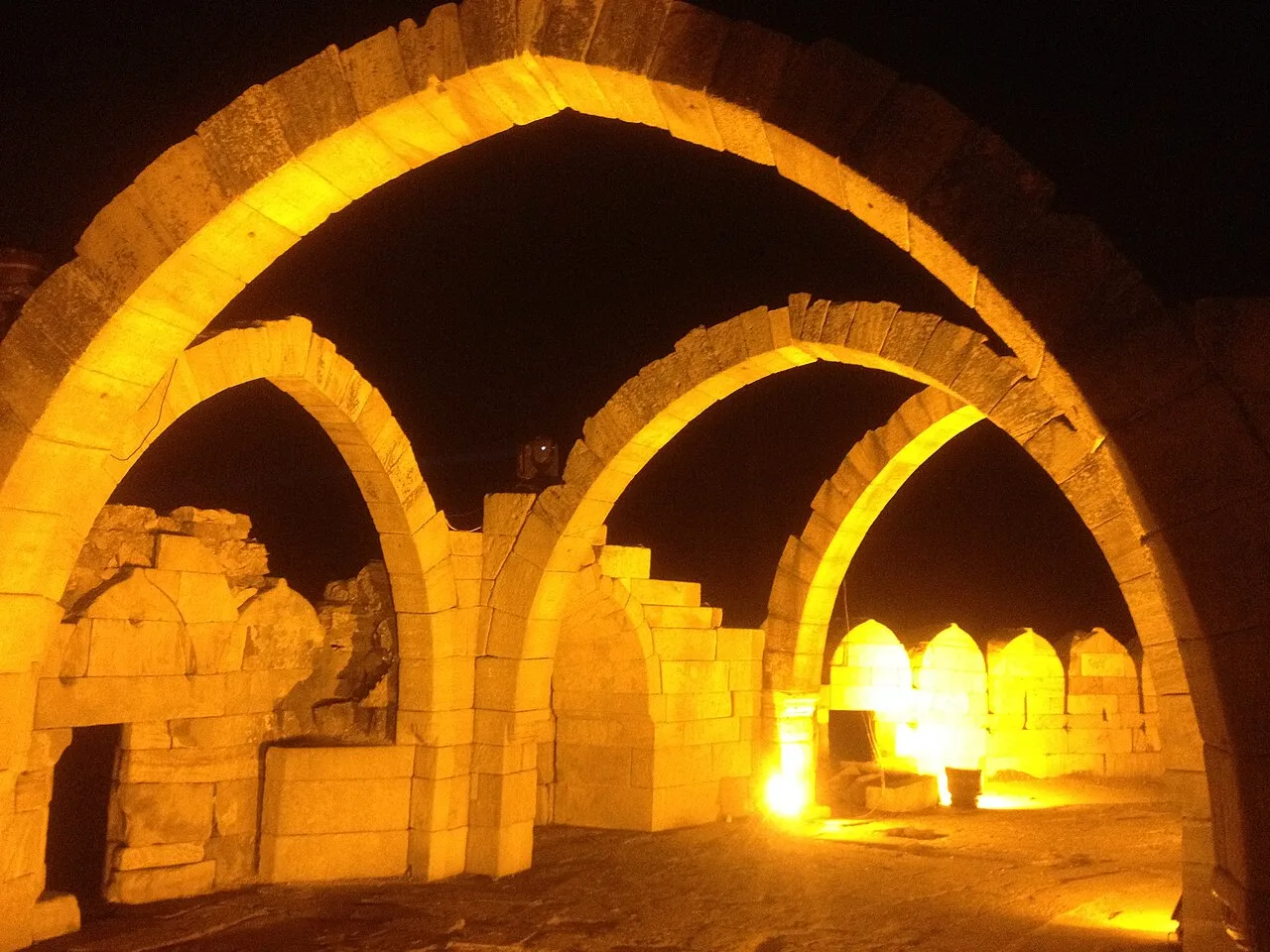
This archaeological park in Gujarat’s Panchmahal district preserves Champaner, Pavagadh’s hill fortress and monuments from several periods. Visitors explore its historic architecture and visit the Kalika Mata Temple.

Statue of Unity

66 km away · Narmada district

Statue of Unity

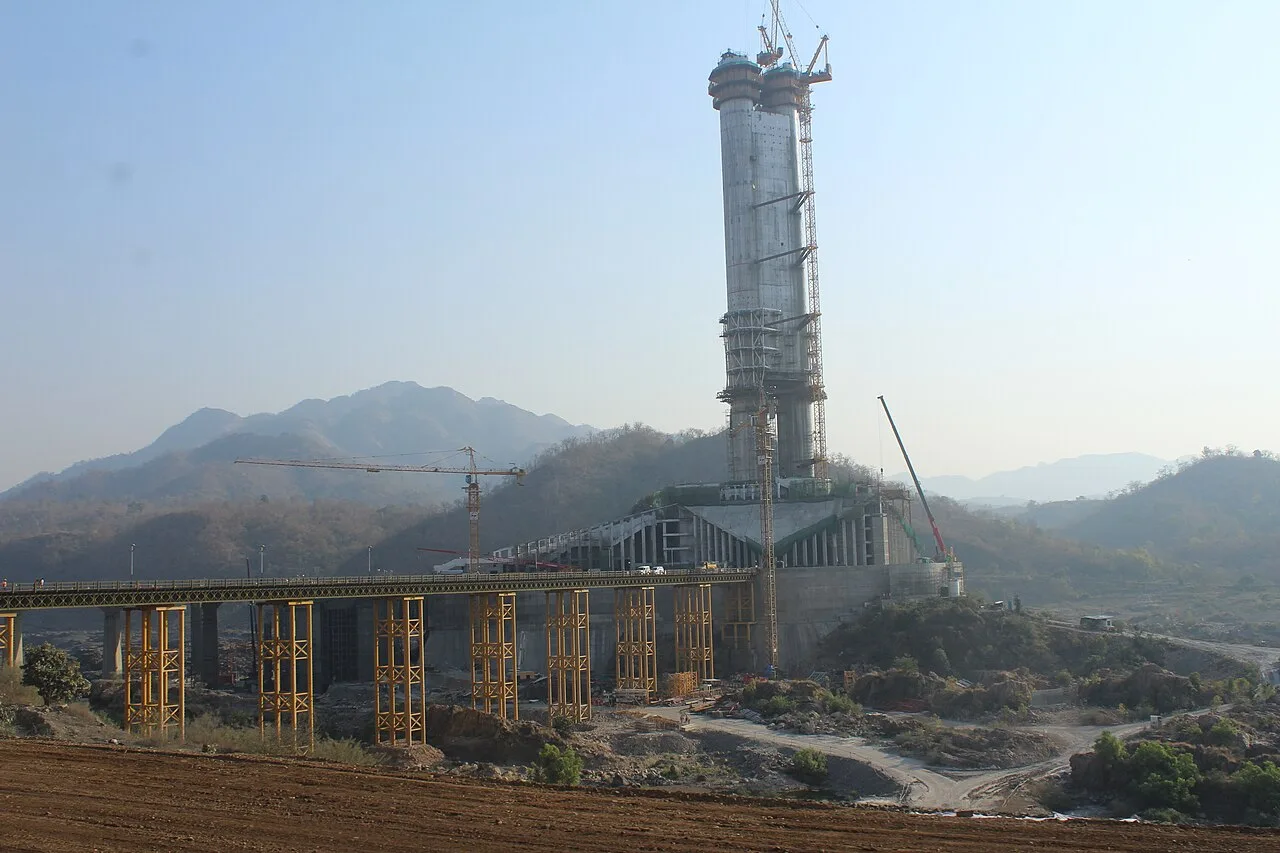
The Statue of Unity is a 182-metre tribute to Sardar Patel in Gujarat’s Narmada valley. Visitors come to see the world’s tallest statue and its commemoration of Patel’s role in India’s political integration.

Sardar Sarovar Dam

69 km away · Narmada district

Sardar Sarovar Dam

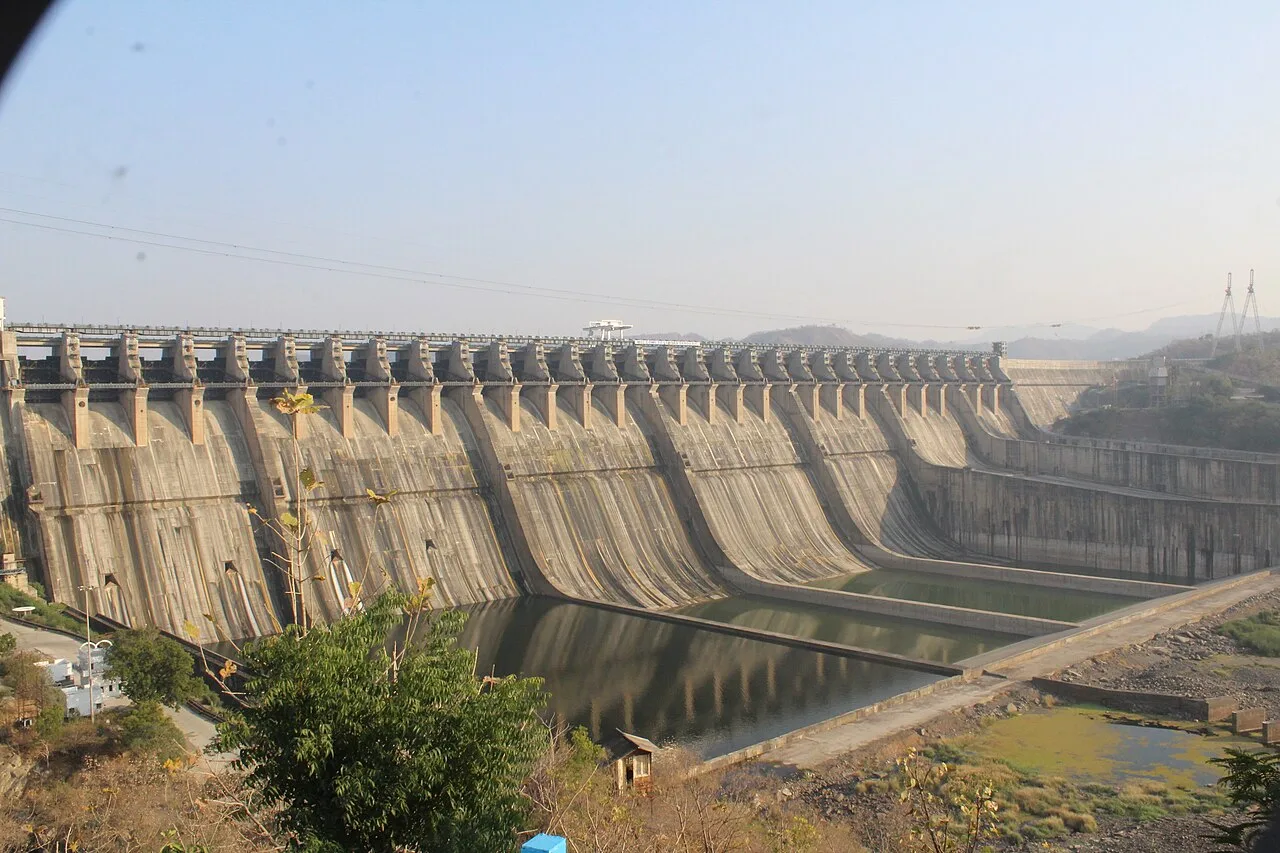
Sardar Sarovar Dam is a major concrete structure on the Narmada, built to support irrigation and power generation. Visitors may be interested in its scale and its role in the river’s development.

Shoolpaneshwar Wildlife Sanctuary

77 km away · Narmada district

Shoolpaneshwar Wildlife Sanctuary

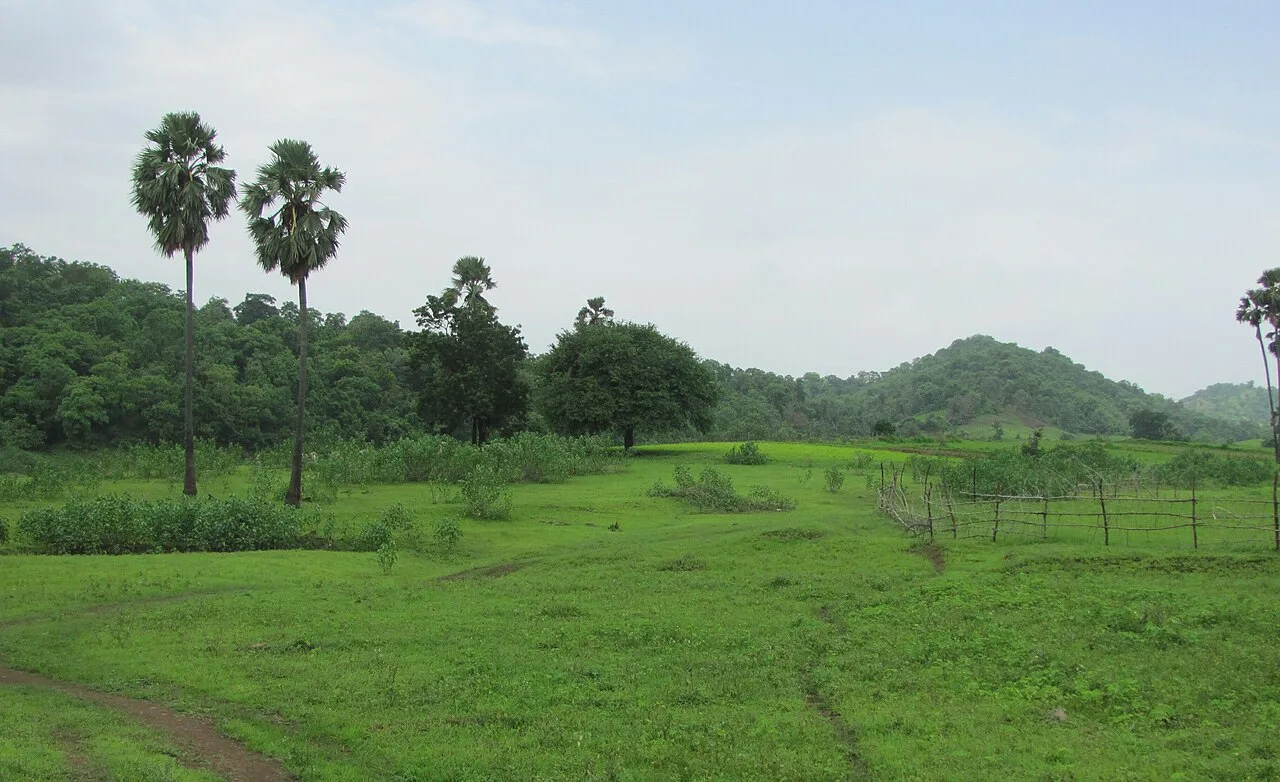
Shoolpaneshwar Wildlife Sanctuary is a 607.7-square-kilometre protected area in Gujarat’s Narmada district. Visitors come to experience its varied forest habitats and natural setting.

Dakor

78 km away · Kheda district

Dakor

Dakor is a small city and municipality in Gujarat’s Kheda district, known for the temple of Raṇchoḍrāyjī, which draws people to the town.

Map

Karjan on the map

  1. 1Lakshmi Vilas Palace
  2. 2Sayaji Baug
  3. 3Pavagadh
  4. 4Champaner-Pavagadh Archaeological Park
  5. 5Statue of Unity
  6. 6Sardar Sarovar Dam
  7. 7Shoolpaneshwar Wildlife Sanctuary
  8. 8Dakor

Gujarat

Other cities to explore