Ghumoopedia — Explore, Discover, Experience
Sign in
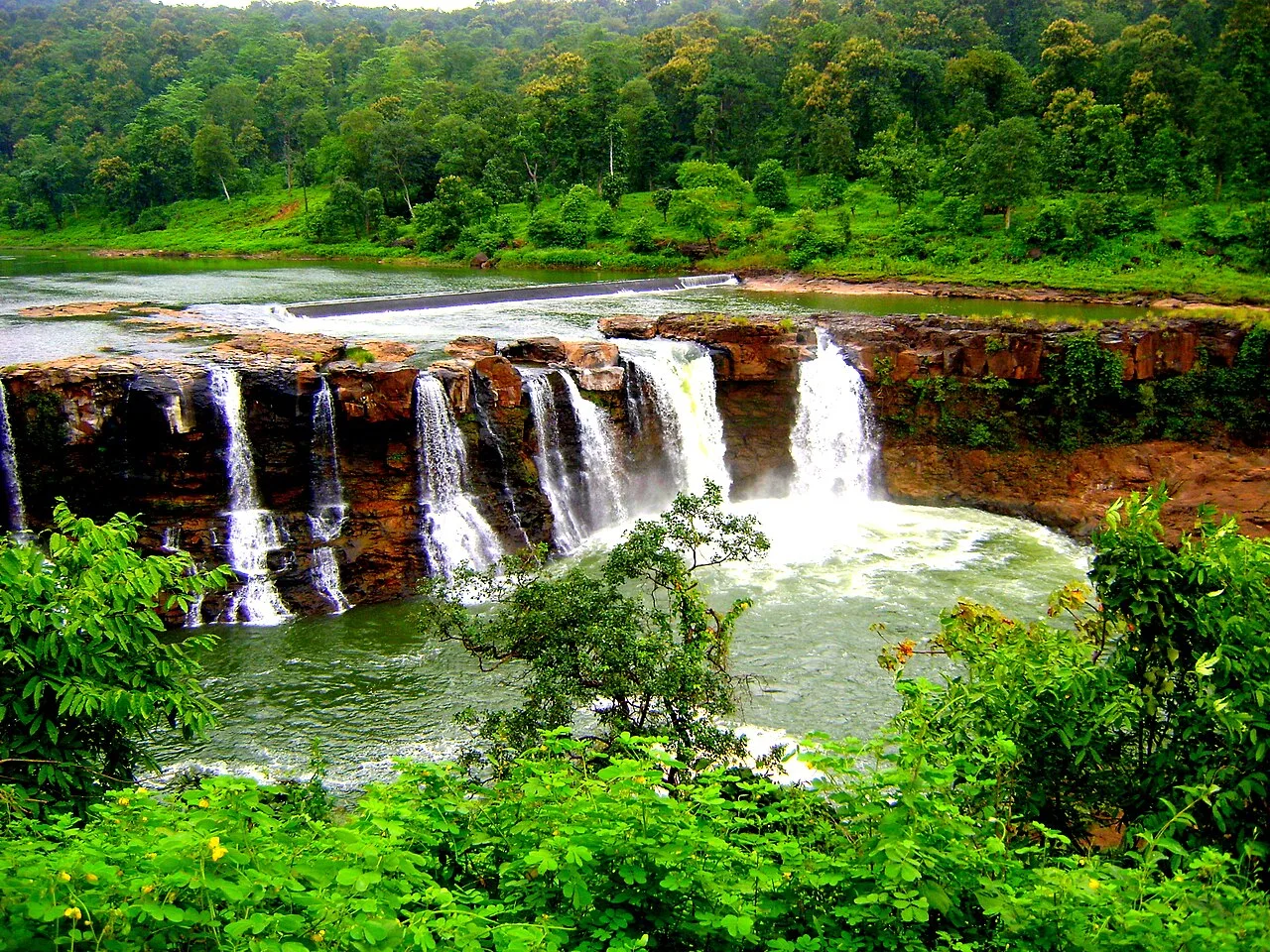
Waghai (Gira Falls), near Songadh

City guide · Gujarat

Songadh

Songadh is a taluka town in Tapi district, set in southeastern Gujarat near the Maharashtra border. It serves as a local service and transport centre, with its busy Navagam Main Road and bus terminal connecting travellers and trade moving between Surat, Vyara and towns farther east.

Famous for

  • Songadh Fort
  • Bhil-Gaekwad heritage
  • Tapi stone quarries
  • Ukai Dam
  • Chimer Waterfall

Why Songadh matters

Songadh is a taluka town in Tapi district, set in southeastern Gujarat near the Maharashtra border. It serves as a local service and transport centre, with its busy Navagam Main Road and bus terminal connecting travellers and trade moving between Surat, Vyara and towns farther east. Vyara, the district headquarters, is about 18 km away, while Surat is about 85 km to the west.

The town’s landmark is Songadh Fort, perched on a hill above the built-up area. Its elevated setting and blend of Mughal and Maratha architectural influences make it a rewarding short visit and a reminder of the region’s layered past. Around town, stone quarries are a visible part of the landscape and local economy. Songadh also makes a useful base for visiting nearby attractions such as Ukai Dam, the Tapi river landscape, temples and Chimer Waterfall. Semi-dense forest in the surrounding countryside adds a greener contrast to the town and its working outskirts.
Famous for: crafts, trade & products

Songadh is better known for its fort, quarrying and connections to the Ukai region than for textiles or a distinctive craft tradition. No particular saree, handicraft or GI-tagged product is widely associated with the town. Stone quarrying is prominent in the surrounding area, while nearby industrial and energy sites include Central Pulp Mills and the Ukai thermal and hydroelectric power facilities.

For everyday shopping, Navagam’s Main Road is the most practical place to look for groceries, snacks and routine household goods; the bus-terminal area brings steady local and passing trade. Junagam, the older part of town, offers a quieter glimpse of the original settlement. Visitors looking for a specialised craft or regional product should ask locally about current makers and availability rather than expect a dedicated artisan market. Ukai Dam and the nearby countryside are regional attractions, not shopping districts. Songadh’s commercial character is primarily that of a transport-linked small town serving residents, travellers and nearby communities.

History

Songadh’s early history is associated with Bhil rulers. Pilajirao Gaikwad occupied the area in 1719, and the Gaekwad dynasty is credited with building the hilltop fort in the late 1720s. The stronghold’s position offered a broad view of the surrounding approaches. Its architecture reflects both Maratha and Mughal influences, and control of the fort and surrounding territory shifted between Bhil and Gaekwad powers over time.

During the colonial era, the Gaekwads ruled Baroda State as a princely house under British paramountcy. The fort’s importance was chiefly strategic; its hill is modest compared with the mountain strongholds of neighbouring Maharashtra. In modern times, Songadh developed as a transport and trading town, with Navagam expanding beyond old Junagam around the main road and bus terminal. Quarrying and nearby industrial and power facilities have also shaped the local economy. Songadh is now part of Tapi district, whose administrative headquarters is at Vyara.

Food, festivals & culture

Gujarati is the main language of everyday life, and Hindi is also commonly understood; Bhili and other local tribal languages may be heard in the wider area. Food is typical of southeastern Gujarat, with home-style rotli, shaak, dal and khichdi, alongside snacks and sweets sold around the town’s main road. Songadh is not especially known for a signature dish, so visitors can ask at local eateries about seasonal or household specialities.

Navratri in autumn brings garba and dandiya, while Diwali, Uttarayan in January and Holi in spring are widely observed. Local and tribal communities also sustain folk music and dance traditions across the region. Places of worship include the hilltop fort precinct, Rokadiya Hanuman Temple near town and temples in the surrounding settlements. Nearby, Parshuram Temple and BAPS Swaminarayan Mandir at Ukai offer further stops for visitors interested in religious sites. Festival events and temple activity vary locally, so it is worth checking with residents while in town.

Visiting the city

The cooler months from October to February are generally the most comfortable for exploring Songadh. The monsoon brings greener scenery and can make nearby waterfalls more attractive, though heavy rain may affect road and trail conditions. The nearest airport with regular commercial connections is Surat Airport. Rail travellers can use Ukai Songadh railway station; Songadh’s bus terminal is a useful regional hub for onward road travel.

Auto-rickshaws and local buses serve the town, while a hired vehicle is convenient for reaching sites outside it. Explore Navagam’s Main Road for everyday town life, then visit older Junagam and allow time for the climb to Songadh Fort. Nearby outings include Ukai Dam, temple stops and, farther afield, Chimer Waterfall. Confirm local access conditions before setting out to remote sites.

Trips from the city

Nearest places to visit from Songadh

Our closest destination guides, by straight-line distance.

Waghai (Gira Falls)

46 km away · Dang district

Waghai (Gira Falls)

Waghai is a town and taluka in Gujarat’s Dang district, associated with Gira Falls. Visitors come to the area to see the falls and explore this part of the district.

Saputara

68 km away · Dang district

Saputara

Saputara is a hill station in Gujarat’s Dang district, within the Sahyadris, also called the Western Ghats. People visit it as a recognised tourist destination.

Shoolpaneshwar Wildlife Sanctuary

70 km away · Narmada district

Shoolpaneshwar Wildlife Sanctuary

Shoolpaneshwar Wildlife Sanctuary is a 607.7-square-kilometre protected area in Gujarat’s Narmada district. Visitors come to experience its varied forest habitats and natural setting.

Sardar Sarovar Dam

76 km away · Narmada district

Sardar Sarovar Dam

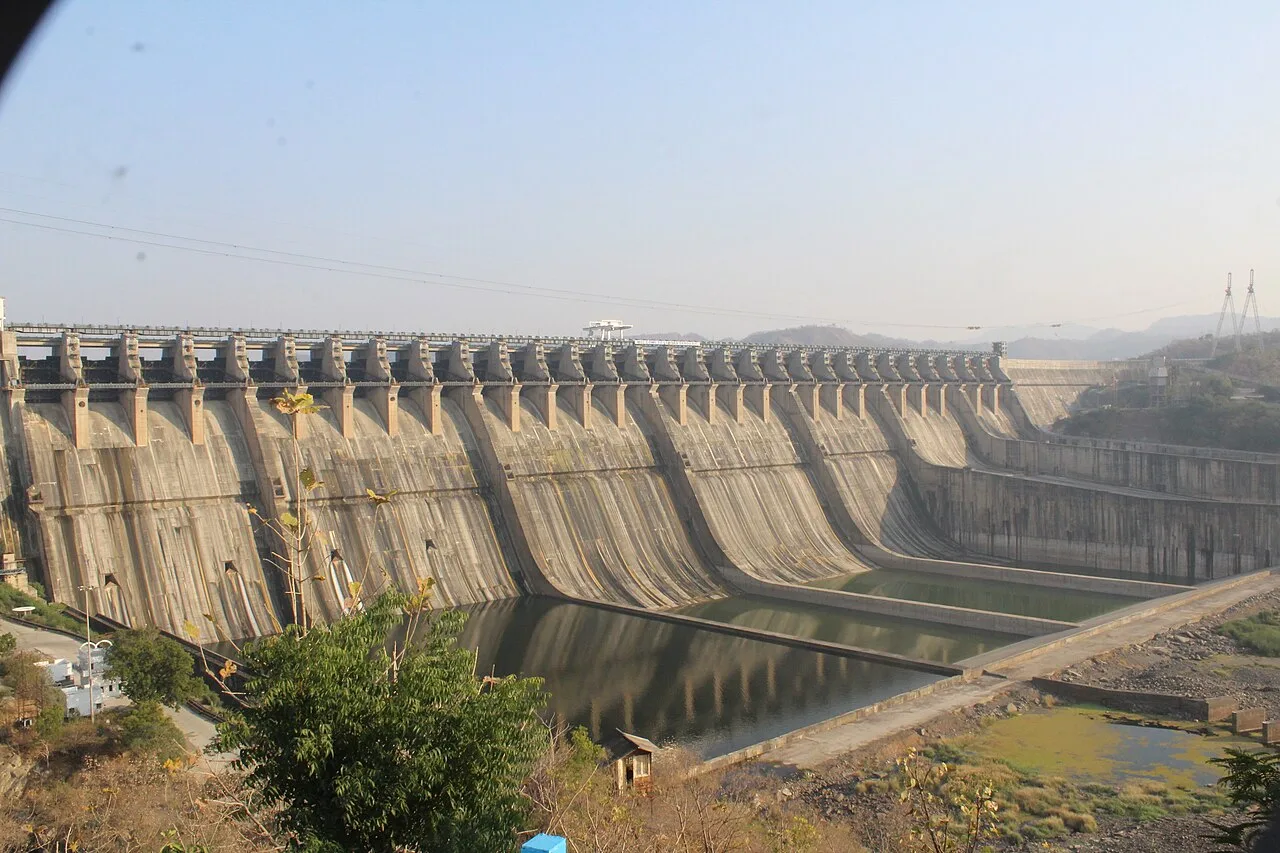
Sardar Sarovar Dam is a major concrete structure on the Narmada, built to support irrigation and power generation. Visitors may be interested in its scale and its role in the river’s development.

Statue of Unity

76 km away · Narmada district

Statue of Unity

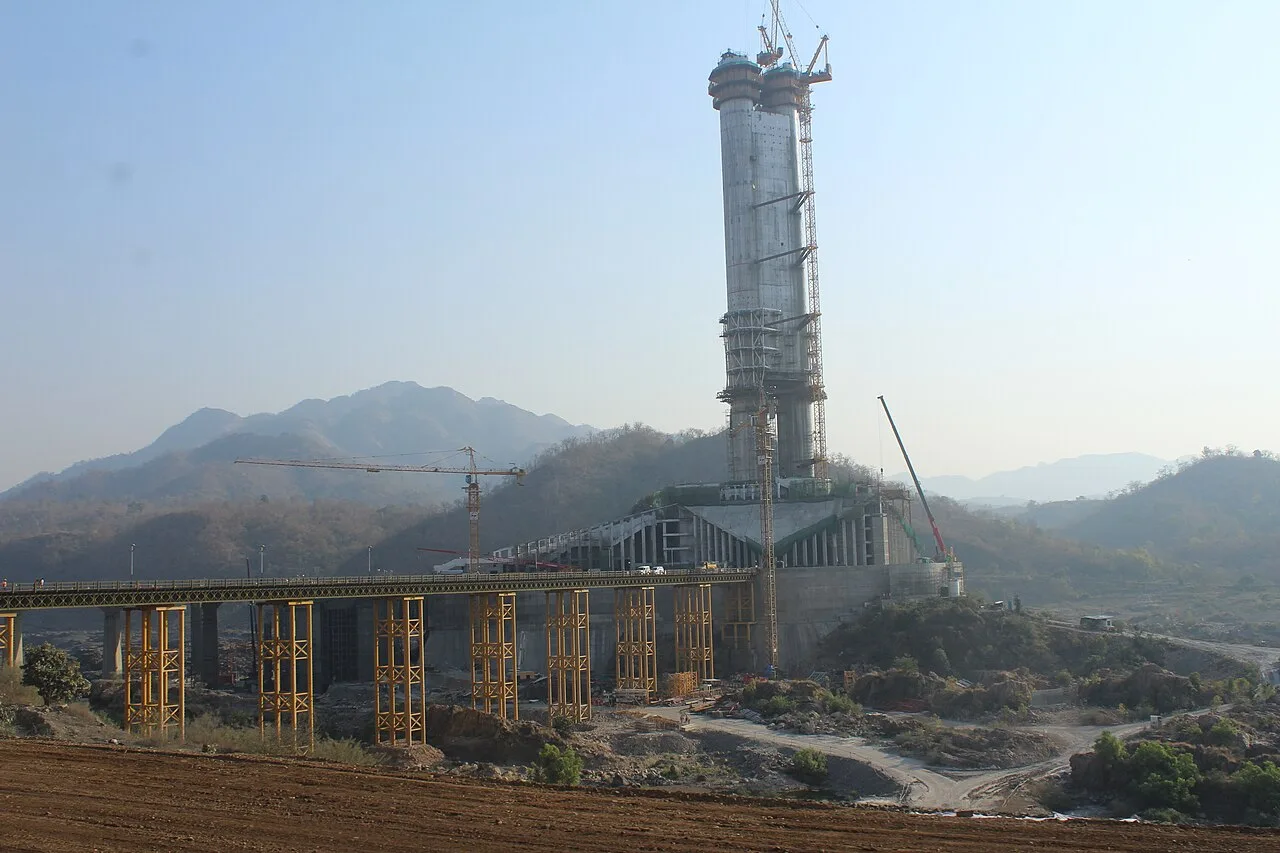
The Statue of Unity is a 182-metre tribute to Sardar Patel in Gujarat’s Narmada valley. Visitors come to see the world’s tallest statue and its commemoration of Patel’s role in India’s political integration.

Dandi (Salt March Memorial)

85 km away · Navsari district

Dandi (Salt March Memorial)

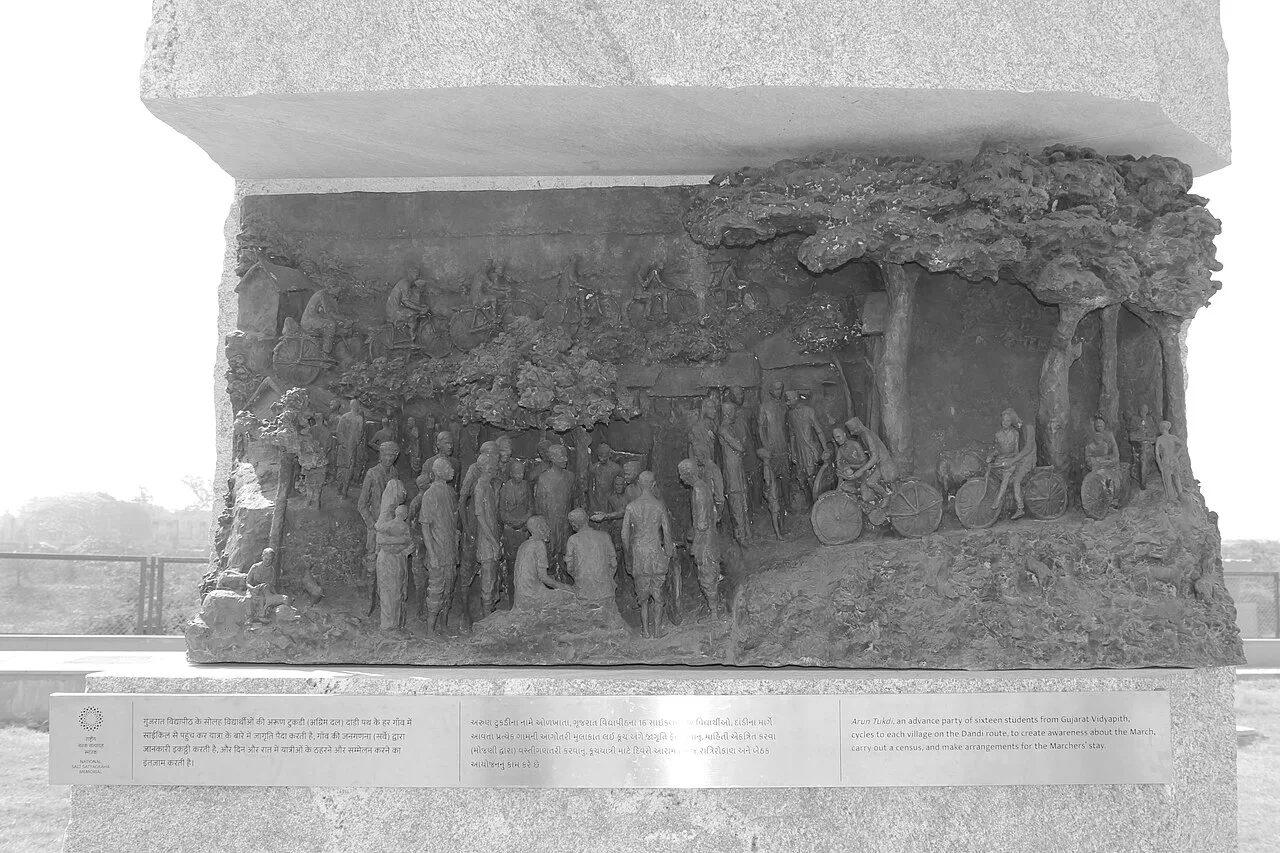
Dandi is a coastal village in Gujarat’s Navsari district, visited for its connection to Gandhi’s 1930 Salt March and the memorial commemorating the campaign.

Dumas Beach

89 km away · Surat district

Dumas Beach

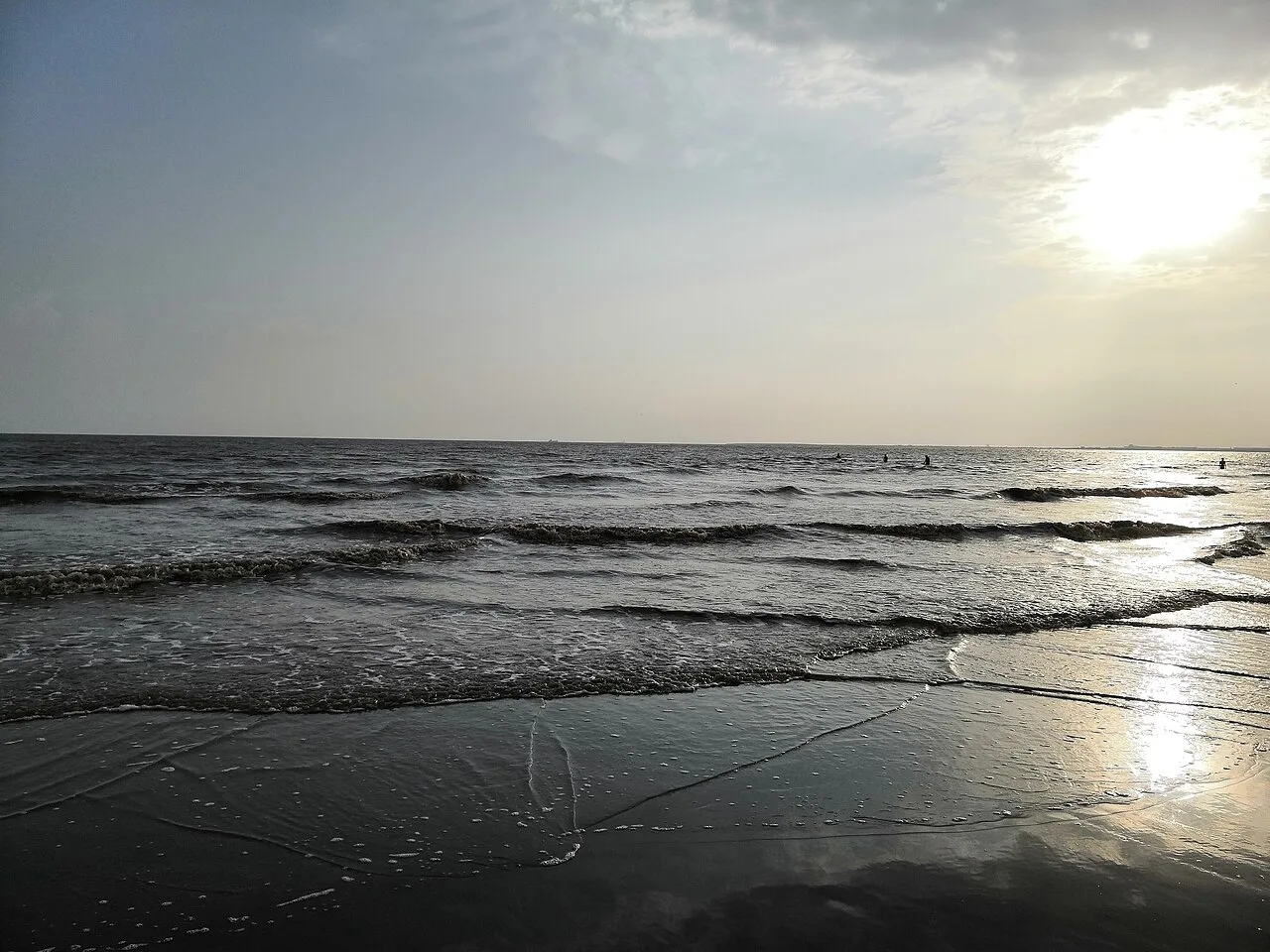
Dumas Beach is a rural coastal destination in Surat district, Gujarat, on the Arabian Sea. People visit as part of South Gujarat’s tourism, while the beach is also said to be haunted and was once a burial site.

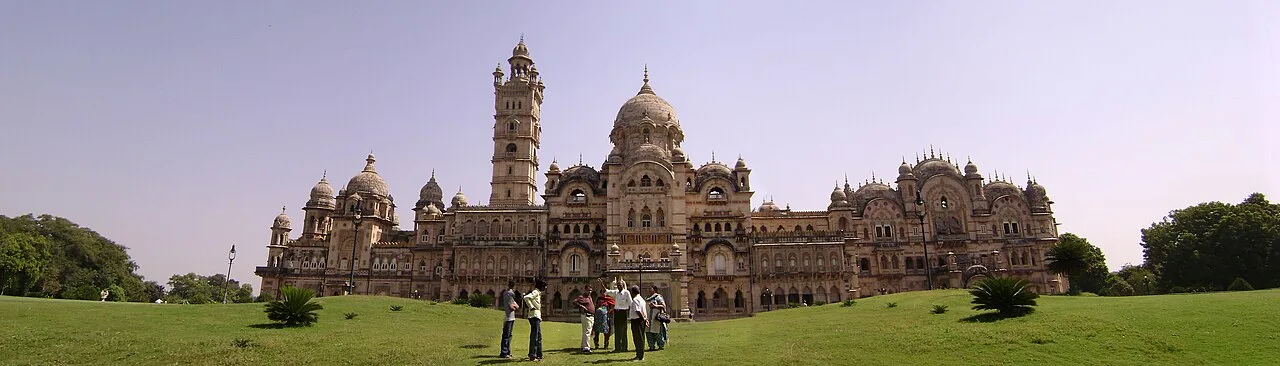
Lakshmi Vilas Palace

131 km away · Vadodara district

Lakshmi Vilas Palace

Lakshmi Vilas Palace is a former Gaekwad royal residence in Vadodara, known for its Indo-Saracenic architecture and extensive grounds. People visit to see the palace, its museum and links to the dynasty.

Map

Songadh on the map

  1. 1Waghai (Gira Falls)
  2. 2Saputara
  3. 3Shoolpaneshwar Wildlife Sanctuary
  4. 4Sardar Sarovar Dam
  5. 5Statue of Unity
  6. 6Dandi (Salt March Memorial)
  7. 7Dumas Beach
  8. 8Lakshmi Vilas Palace

Gujarat

Other cities to explore