Ghumoopedia — Explore, Discover, Experience
Sign in
Dakor, near Balasinor

City guide · Gujarat

Balasinor

Balasinor, also called Vadasinor, is a town in Gujarat’s Mahisagar district whose story brings together princely-state history and an internationally noted dinosaur fossil site. Its most distinctive attraction is the Dinosaur Fossil Park at Raiyoli, a village near the town.

Famous for

  • Raiyoli dinosaur fossils
  • Dinosaur Fossil Park
  • Rajasaurus narmadensis
  • Babi princely heritage
  • Hindu-Muslim traditions

Why Balasinor matters

Balasinor, also called Vadasinor, is a town in Gujarat’s Mahisagar district whose story brings together princely-state history and an internationally noted dinosaur fossil site. Its most distinctive attraction is the Dinosaur Fossil Park at Raiyoli, a village near the town. Fossils found in the area include dinosaur eggs and bones, and the discoveries have made Balasinor a destination for visitors interested in palaeontology and natural history. The park’s exhibits help place those finds in context, including the region’s connection with Rajasaurus narmadensis.

The town also preserves the legacy of the Babi rulers, who governed Balasinor State before it became part of India. Historic palaces, mosques and temples reflect the area’s layered past and the coexistence of Hindu and Islamic traditions. Balasinor is connected by National Highway 47 and Gujarat State Highway 2, making it a regional stop as well as a base for visiting Raiyoli. Its appeal lies in this combination of fossils, heritage and small-town Gujarat, rather than in large-scale urban attractions.
Famous for: crafts, trade & products

Balasinor is best known for its dinosaur heritage, not for a signature textile, handicraft or GI-tagged product. Raiyoli’s fossil discoveries are the area’s defining attraction; visitors can learn about them at the Dinosaur Fossil Park, where interpretation focuses on the finds and their scientific importance. Fossils are heritage, not ordinary souvenirs, so visitors should avoid collecting or buying claimed fossil specimens and follow site rules.

The town’s everyday shops and local bazaar serve residents and travellers with routine provisions, clothing and food, but Balasinor is not widely recognised as a specialist shopping destination or a major centre for a particular craft or industry. Those looking for Gujarat’s established textile traditions or craft markets may find a broader selection in larger cities. In Balasinor, the most meaningful local “product” for visitors is the experience of its fossil landscape and princely heritage. Ask locally about current access to heritage buildings and the fossil park, as visitor facilities and arrangements can change.

History

Balasinor State took shape in the eighteenth century under the Babi dynasty, whose rulers used the title Nawab Babi. The dynasty descended from Pathan rulers of Gujarat and became part of the region’s shifting political landscape. Balasinor was a princely state under British rule, retaining its own ruling family while operating within the framework of British India. Its palaces and places of worship reflect the town’s political and cultural history.

The state existed from September 1758 until its accession to India in June 1948. After independence, Balasinor developed as a town within Gujarat and is now part of Mahisagar district. In modern times, discoveries at Raiyoli have added a new chapter to its public identity. Dinosaur eggs, bones and other fossils brought international attention to the area, while local heritage advocates, including members of the former royal family, have helped promote its history and fossil park. Today, Balasinor’s past is visible both in its princely legacy and in its growing association with palaeontology.

Food, festivals & culture

Balasinor’s cultural life reflects the mix of Hindu and Muslim traditions found in its historic mosques, temples and older neighbourhoods. Gujarati is the principal language of daily life; Hindi is also understood, and Urdu is used in some settings. The town is not especially known for a distinct cuisine, but visitors can expect familiar Gujarati meals such as rotli, dal, shaak and khichdi, alongside snacks and sweets available from local eateries. Farsan, jalebi and other regional sweets are common across Gujarat, though particular offerings vary by shop and season.

Navratri, usually in autumn, brings devotional music and garba in keeping with wider Gujarati practice. Diwali is also celebrated, while Eid observances follow the Islamic lunar calendar. Family gatherings, prayer and community visits are important parts of these festivals. Bhajans and devotional songs are heard in religious settings, and garba is a familiar festive dance. For a sense of the town’s shared heritage, visitors can explore its places of worship respectfully and ask before entering or photographing religious spaces.

Visiting the city

The cooler months, broadly from October to February, are generally the most comfortable for exploring Balasinor and Raiyoli. Vadodara Airport is a nearby air option; Ahmedabad’s Sardar Vallabhbhai Patel International Airport offers a wider range of connections. Sevaliya is a nearby railway station, while Anand is a larger rail hub that may suit some itineraries. Check current connections before travelling, as onward road transport is needed.

National Highway 47 and Gujarat State Highway 2 connect the area. Auto-rickshaws and local vehicles are useful for short journeys in town; arrange a car or taxi for Raiyoli and other outlying stops. Explore the old town for its historic buildings and places of worship, then allow time for the Dinosaur Fossil Park at Raiyoli. Confirm local access arrangements before setting out.

Trips from the city

Nearest places to visit from Balasinor

Our closest destination guides, by straight-line distance.

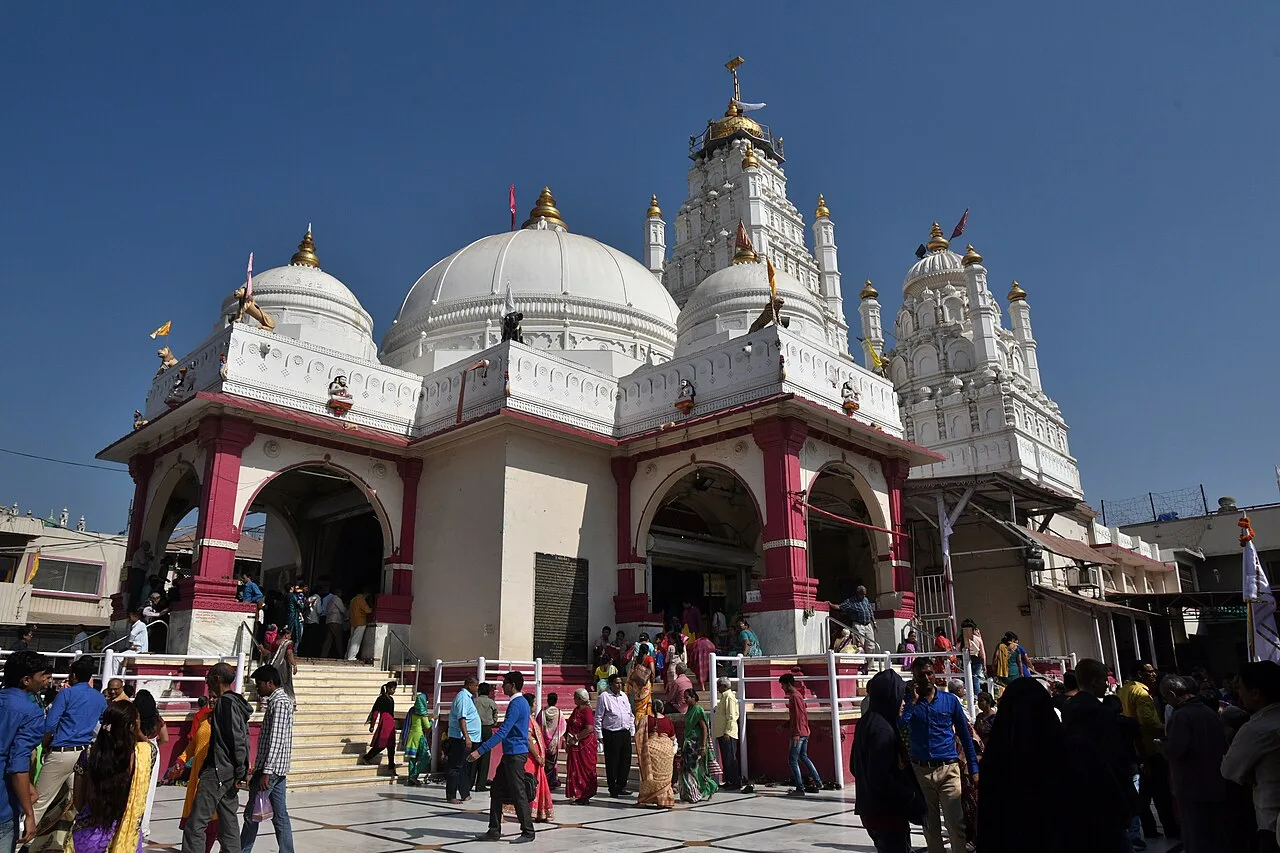
Dakor

30 km away · Kheda district

Dakor

Dakor is a small city and municipality in Gujarat’s Kheda district, known for the temple of Raṇchoḍrāyjī, which draws people to the town.

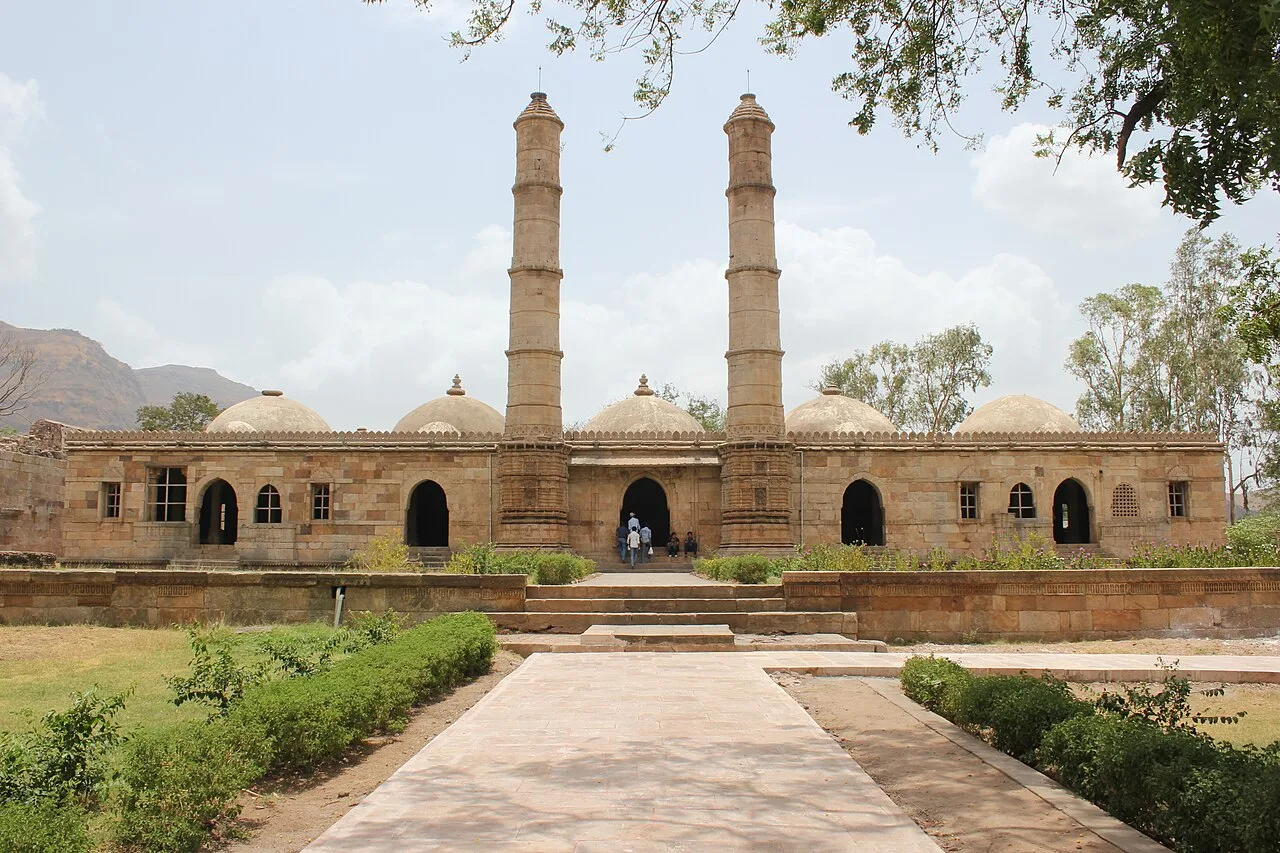
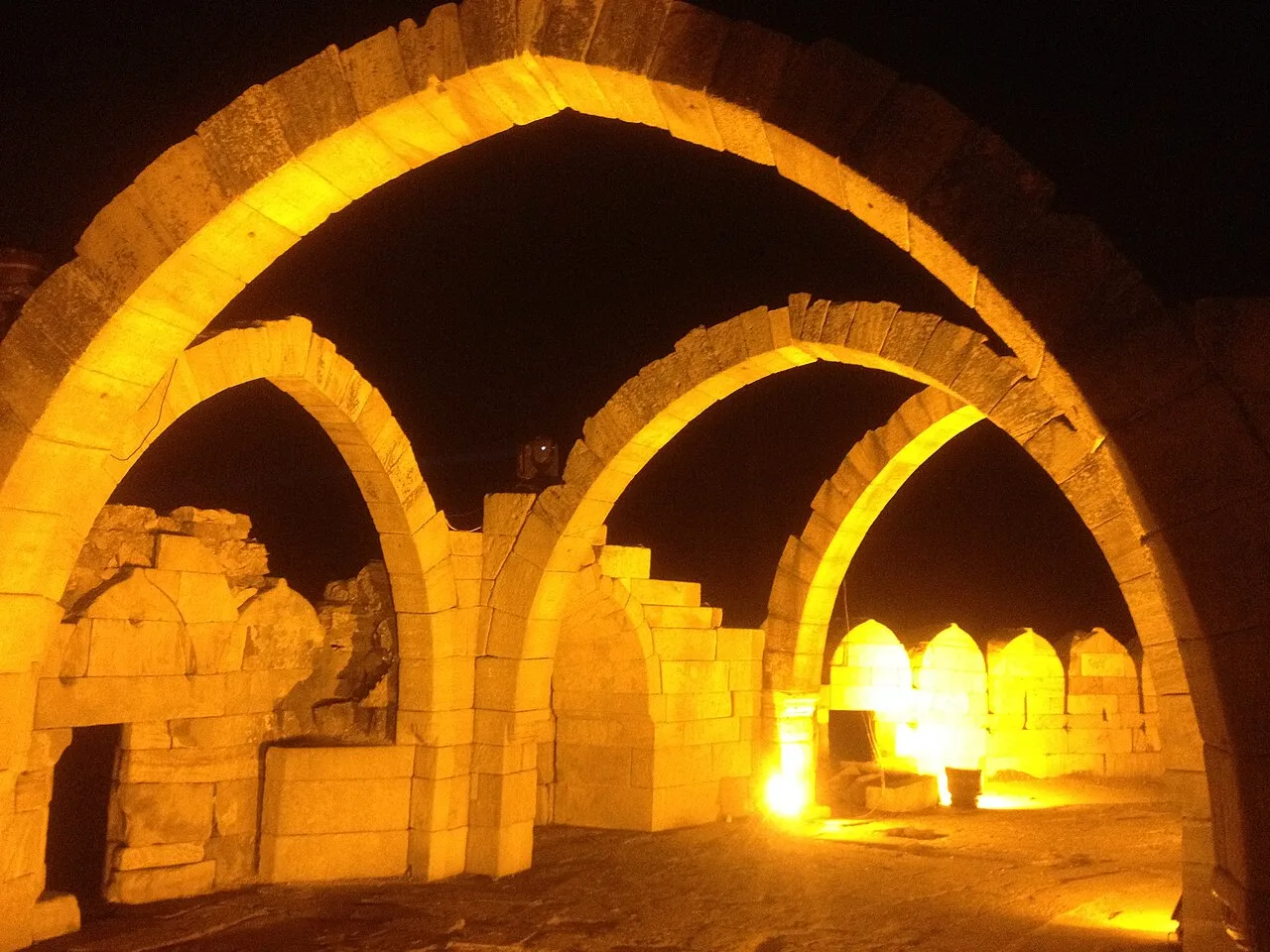
Champaner-Pavagadh Archaeological Park

56 km away · Panchmahal district

Champaner-Pavagadh Archaeological Park

This archaeological park in Gujarat’s Panchmahal district preserves Champaner, Pavagadh’s hill fortress and monuments from several periods. Visitors explore its historic architecture and visit the Kalika Mata Temple.

Pavagadh

58 km away · Panchmahal district

Pavagadh

Pavagadh is a municipal area in Gujarat’s Panchmahal district, about 46 kilometres from Vadodara. Visitors come to see its Mahakali temple and the Champaner-Pavagadh Archaeological Park, a UNESCO World Heritage Site.

Sayaji Baug

73 km away · Vadodara district

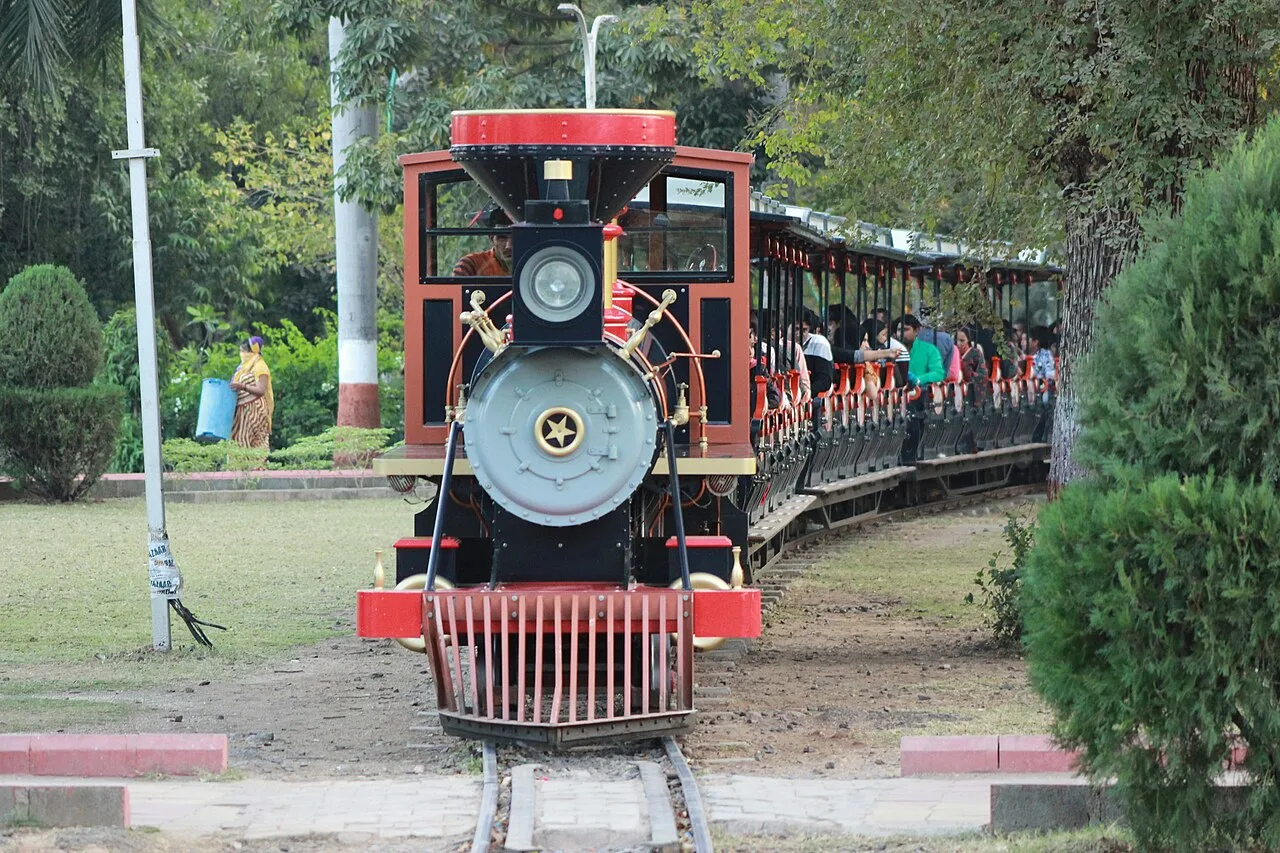
Sayaji Baug

Sayaji Baug, also called Kamati Baug, is a garden in Vadodara, Gujarat, established by Maharaja Sayajirao Gaekwad and visited for recreation and tourism.

Swaminarayan Akshardham

74 km away · Gandhinagar district

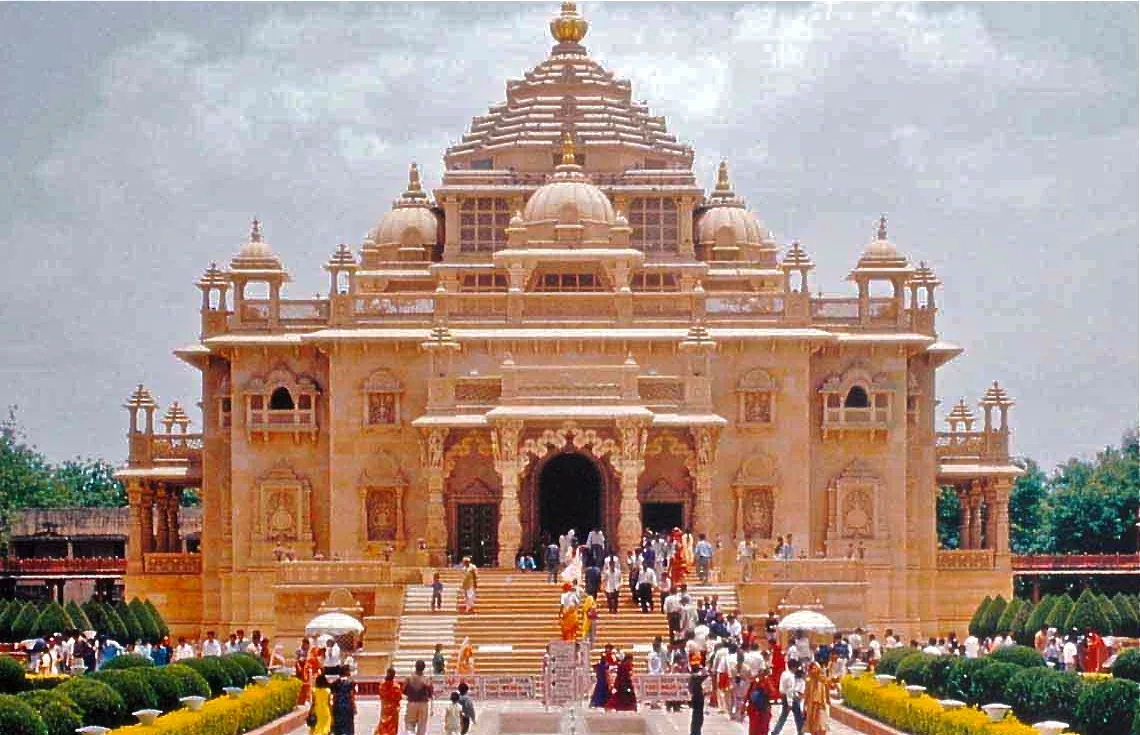
Swaminarayan Akshardham

This Hindu temple complex in Gandhinagar, Gujarat, draws visitors interested in Swaminarayan’s teachings, BAPS traditions and its central shrine built from pink sandstone.

Dada Harir Stepwell

75 km away · Ahmedabad district

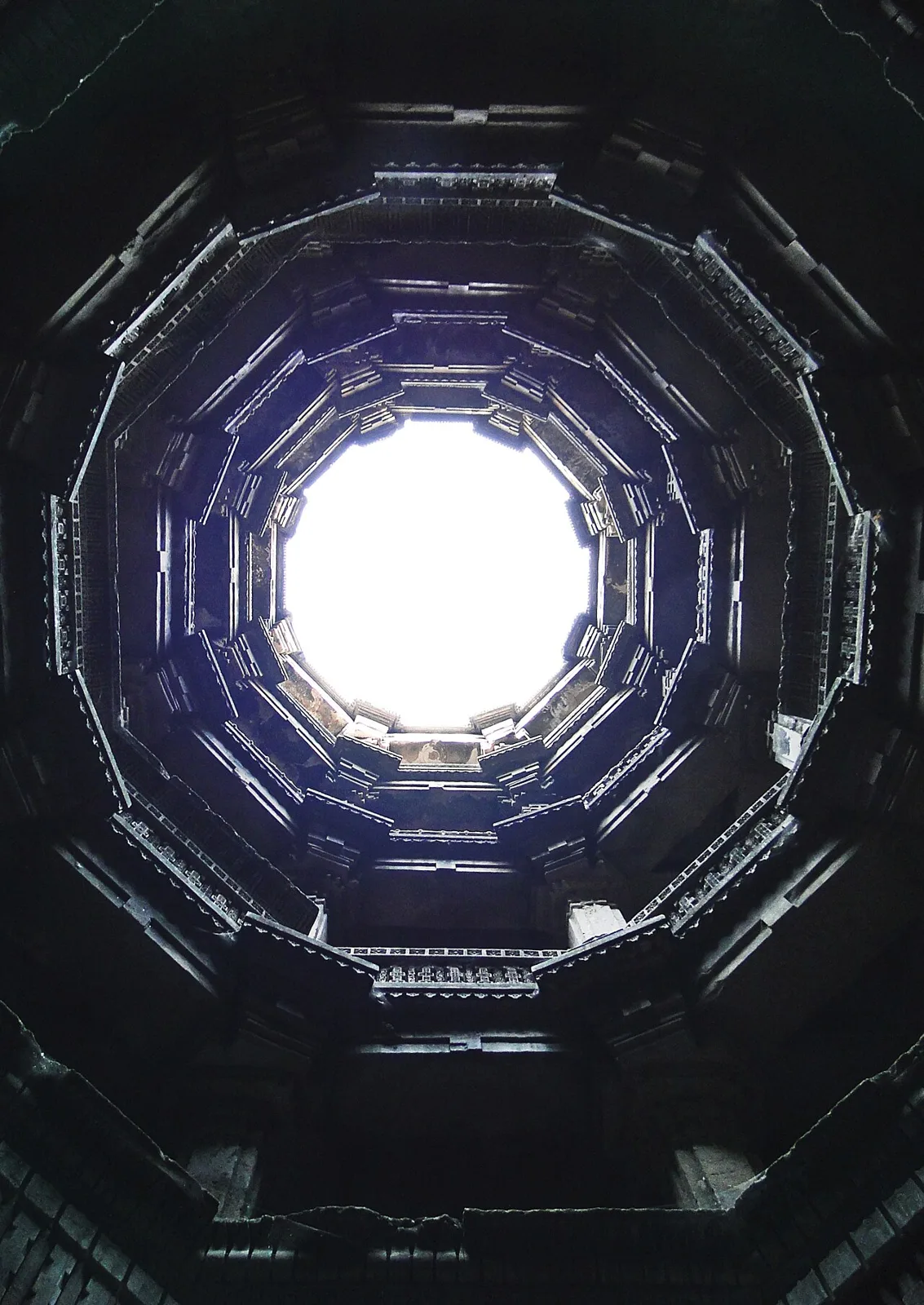
Dada Harir Stepwell

Dada Harir Stepwell is a fifteenth-century stepwell in Asarwa, Ahmedabad district, Gujarat. Visitors can see this historic structure about 15 kilometres from Ahmedabad.

Kankaria Lake

75 km away · Ahmedabad district

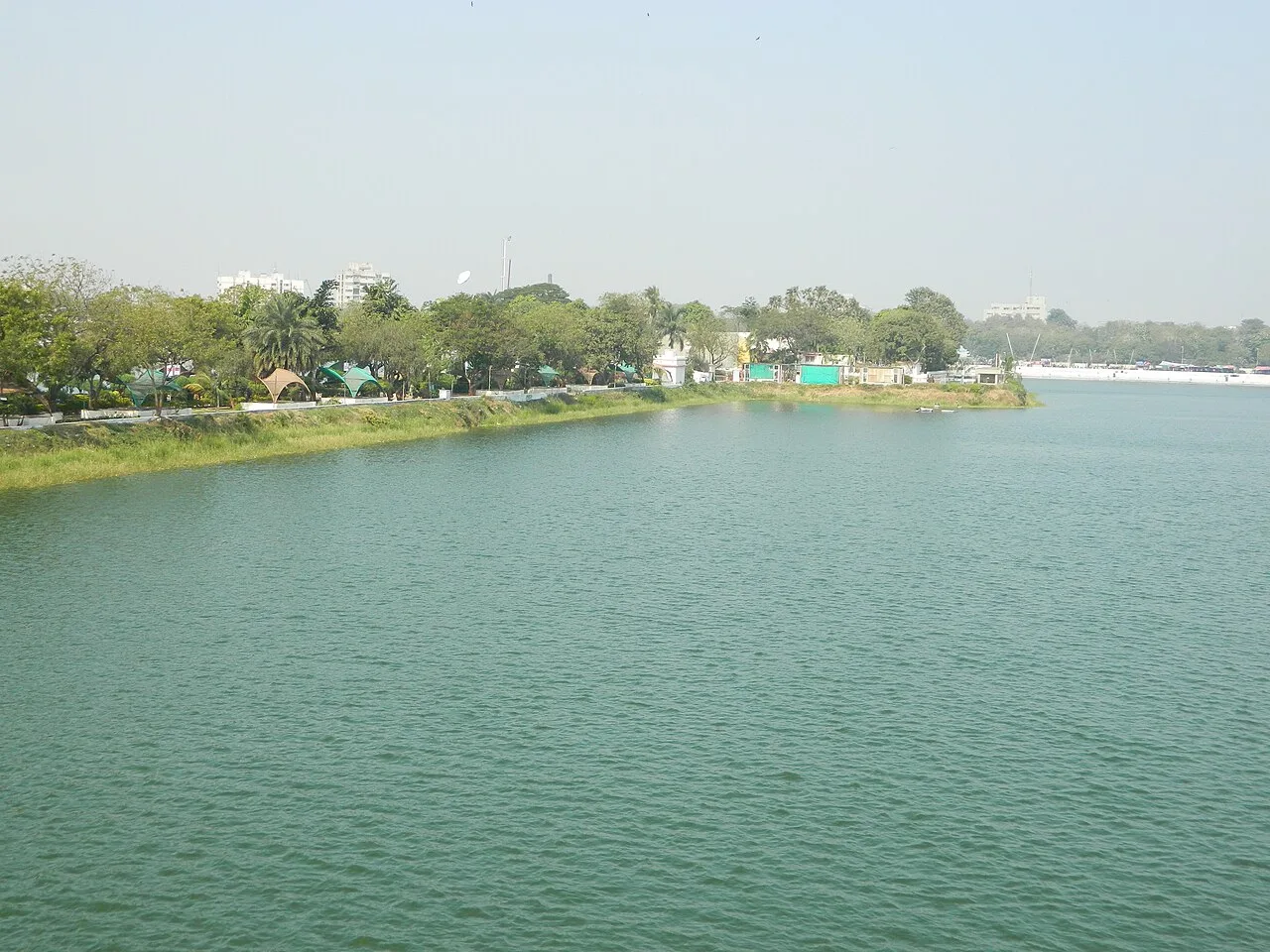
Kankaria Lake

Kankaria Lake is Ahmedabad’s largest lake, situated in Maninagar. Visitors come for its leisure attractions and the cultural, artistic and social programme of the Kankaria Carnival.

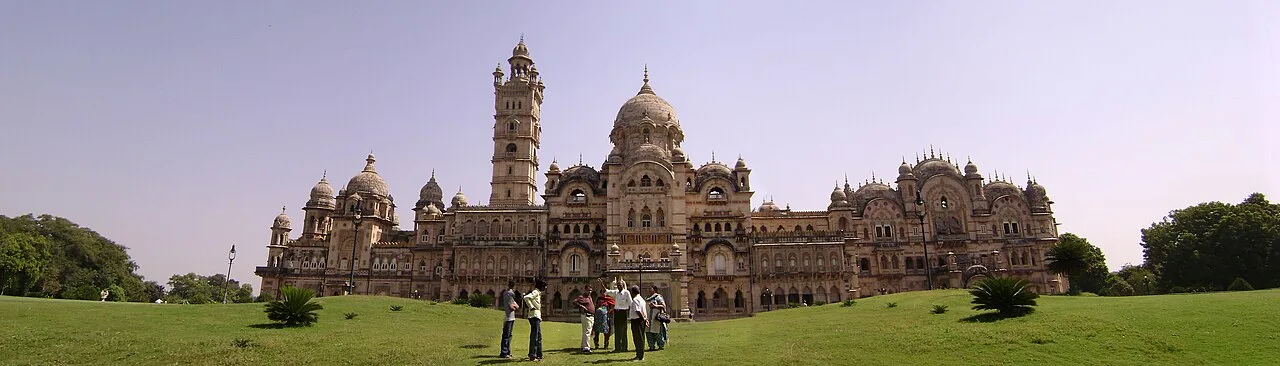
Lakshmi Vilas Palace

75 km away · Vadodara district

Lakshmi Vilas Palace

Lakshmi Vilas Palace is a former Gaekwad royal residence in Vadodara, known for its Indo-Saracenic architecture and extensive grounds. People visit to see the palace, its museum and links to the dynasty.

Map

Balasinor on the map

  1. 1Dakor
  2. 2Champaner-Pavagadh Archaeological Park
  3. 3Pavagadh
  4. 4Sayaji Baug
  5. 5Swaminarayan Akshardham
  6. 6Dada Harir Stepwell
  7. 7Kankaria Lake
  8. 8Lakshmi Vilas Palace

Gujarat

Other cities to explore