Ghumoopedia — Explore, Discover, Experience
Sign in
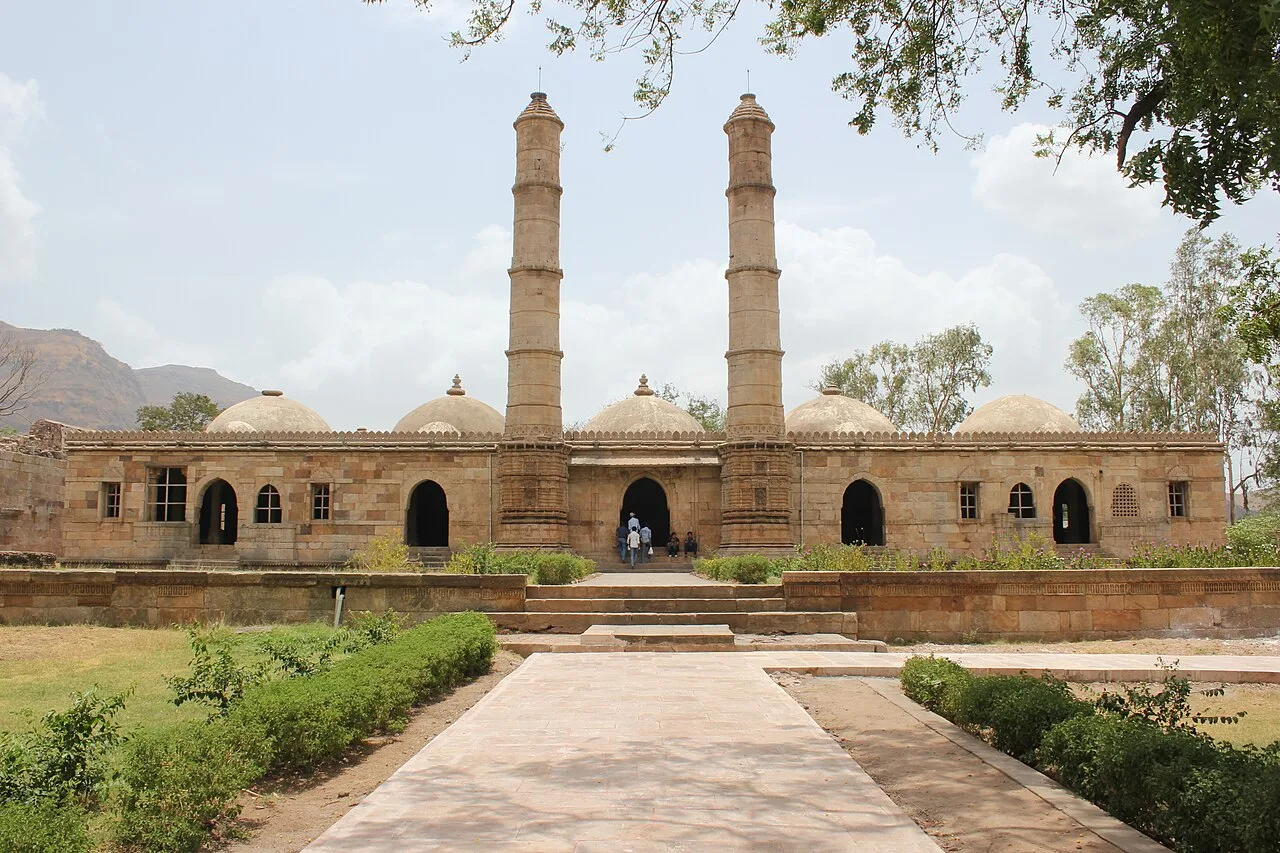
Champaner-Pavagadh Archaeological Park, near Godhra

City guide · Gujarat

Godhra

Godhra is the administrative headquarters of Panchmahal district in eastern Gujarat and an important road and rail junction. Its location connects district towns and rural markets with larger centres across the state.

Famous for

  • Panchmahal district headquarters
  • Road and rail junction
  • Timber and farm trade
  • Oilseed and flour mills
  • Patel–Gandhi meeting
  • 2002 train-burning incident

Why Godhra matters

Godhra is the administrative headquarters of Panchmahal district in eastern Gujarat and an important road and rail junction. Its location connects district towns and rural markets with larger centres across the state. The city’s commercial life is tied to agricultural produce, timber and small-scale industry, while its colleges and technical institutions serve students from the surrounding region.

Godhra is also a point of departure for visits to the historic Champaner-Pavagadh area, including its hilltop pilgrimage sites. The city has a painful place in modern Indian history: the burning of a passenger train near Godhra railway station on 27 February 2002 killed about 59 people and was followed by widespread communal violence in Gujarat. This history remains essential to understanding how the city is remembered. Another significant association is Vallabhbhai Patel’s first meeting with Mahatma Gandhi in Godhra in 1917, which helped draw Patel into the freedom movement.
Famous for: crafts, trade & products

Godhra is better known for trade and practical industry than for a distinctive textile, handicraft or GI-tagged product. Its markets serve the city and nearby agricultural communities, with local commerce involving farm produce and timber. Central shopping areas and bazaars are the most useful places to look for everyday goods and seasonal produce; visitors should not expect a specialised craft district or a recognised signature souvenir.

The city’s established industries include oilseed pressing, flour milling and glass manufacture. These activities reflect its role as a district market and transport centre rather than a single-product manufacturing hub. Godhra also has educational institutions across science, commerce, arts, law, information technology, industrial training, engineering and medicine. These colleges and training centres are part of the city’s regional importance, alongside government and administrative services. For visitors, the central markets offer a straightforward introduction to local commerce, while nearby towns and rural areas supply much of the produce traded in the city.

History

Godhra’s name is associated with cattle and water. Local tradition links it to cows grazing here from Pavagadh, while one proposed derivation connects the name with Godrahaka, a pond or lake visited by cattle or buffalo. The historic name is also recorded as Godhrahk; tradition attributes the establishment of the settlement in 1415 to the Parmar ruler Dhudhul Mandalik. A Jain inscription referring to the Gohadra community of monks provides evidence of an older religious association in the region.

In the colonial era Godhra developed as a market and transport centre, a role strengthened by its rail and road connections. In 1917 Vallabhbhai Patel met Gandhi here for the first time and became involved in the freedom struggle. After independence, Godhra’s position as the administrative centre of Panchmahal district supported further growth in services, education and commerce. The train burning of 2002 and the violence that followed became a defining and deeply painful chapter in its modern history.

Food, festivals & culture

Gujarati is the main language of daily life; Hindi is also widely understood, and Urdu is spoken within parts of the community. Food reflects the broader Gujarati home and market tradition: visitors can find thalis, rotli, lentil dishes, farsan and familiar sweets such as jalebi or local mithai. These are regional favourites rather than products unique to Godhra, and menus vary between households and eateries.

Navratri, usually in autumn, brings devotional observances and garba dancing; Diwali is celebrated in autumn, while Uttarayan in January is marked by kite-flying. Eid and other Muslim observances are also part of the city’s religious calendar. Hindu temples, mosques and Jain places of worship serve local communities, though Godhra is not chiefly promoted as a single-monument pilgrimage destination. Garba is the most recognisable dance tradition in the wider region. For a respectful visit, follow local customs at places of worship and be mindful that the city’s recent history remains sensitive.

Visiting the city

The cooler months, roughly October to February, are generally the most comfortable time to visit; summers can be very hot, and monsoon travel may be affected by rain. Vadodara Airport is the nearest major airport commonly used for Godhra. Godhra railway station is the city’s main rail station, and road connections link it with other Panchmahal towns and regional centres.

Auto-rickshaws and local vehicles are useful for getting around the central area. The station vicinity, central bazaars and district-administration area give a sense of the city’s everyday life. Godhra can also serve as a base for excursions towards Champaner-Pavagadh, although visitors should arrange onward transport and check local conditions. Because of the city’s history, approach memorial or news-related sites with sensitivity and respect.

Trips from the city

Nearest places to visit from Godhra

Our closest destination guides, by straight-line distance.

Champaner-Pavagadh Archaeological Park

34 km away · Panchmahal district

Champaner-Pavagadh Archaeological Park

This archaeological park in Gujarat’s Panchmahal district preserves Champaner, Pavagadh’s hill fortress and monuments from several periods. Visitors explore its historic architecture and visit the Kalika Mata Temple.

Pavagadh

36 km away · Panchmahal district

Pavagadh

Pavagadh is a municipal area in Gujarat’s Panchmahal district, about 46 kilometres from Vadodara. Visitors come to see its Mahakali temple and the Champaner-Pavagadh Archaeological Park, a UNESCO World Heritage Site.

Dakor

48 km away · Kheda district

Dakor

Dakor is a small city and municipality in Gujarat’s Kheda district, known for the temple of Raṇchoḍrāyjī, which draws people to the town.

Sayaji Baug

68 km away · Vadodara district

Sayaji Baug

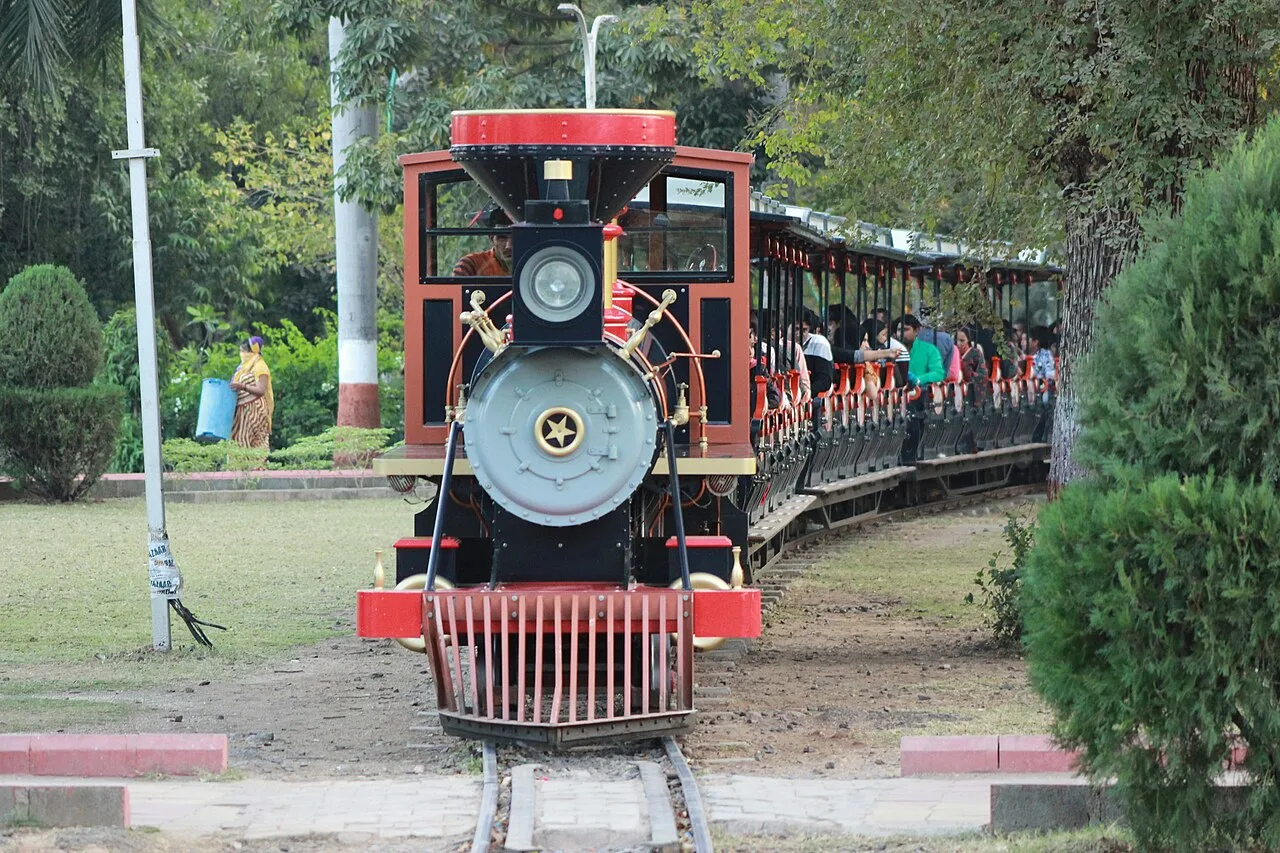
Sayaji Baug, also called Kamati Baug, is a garden in Vadodara, Gujarat, established by Maharaja Sayajirao Gaekwad and visited for recreation and tourism.

Lakshmi Vilas Palace

69 km away · Vadodara district

Lakshmi Vilas Palace

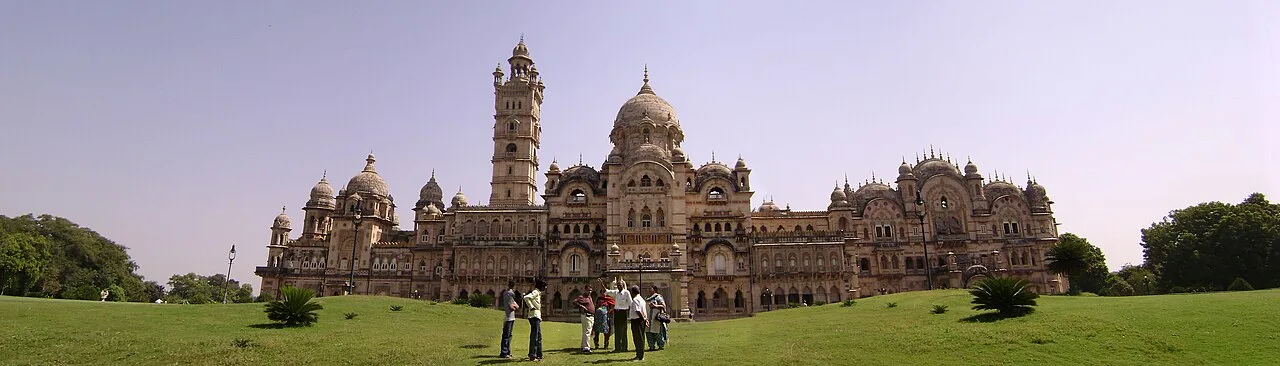
Lakshmi Vilas Palace is a former Gaekwad royal residence in Vadodara, known for its Indo-Saracenic architecture and extensive grounds. People visit to see the palace, its museum and links to the dynasty.

Statue of Unity

105 km away · Narmada district

Statue of Unity

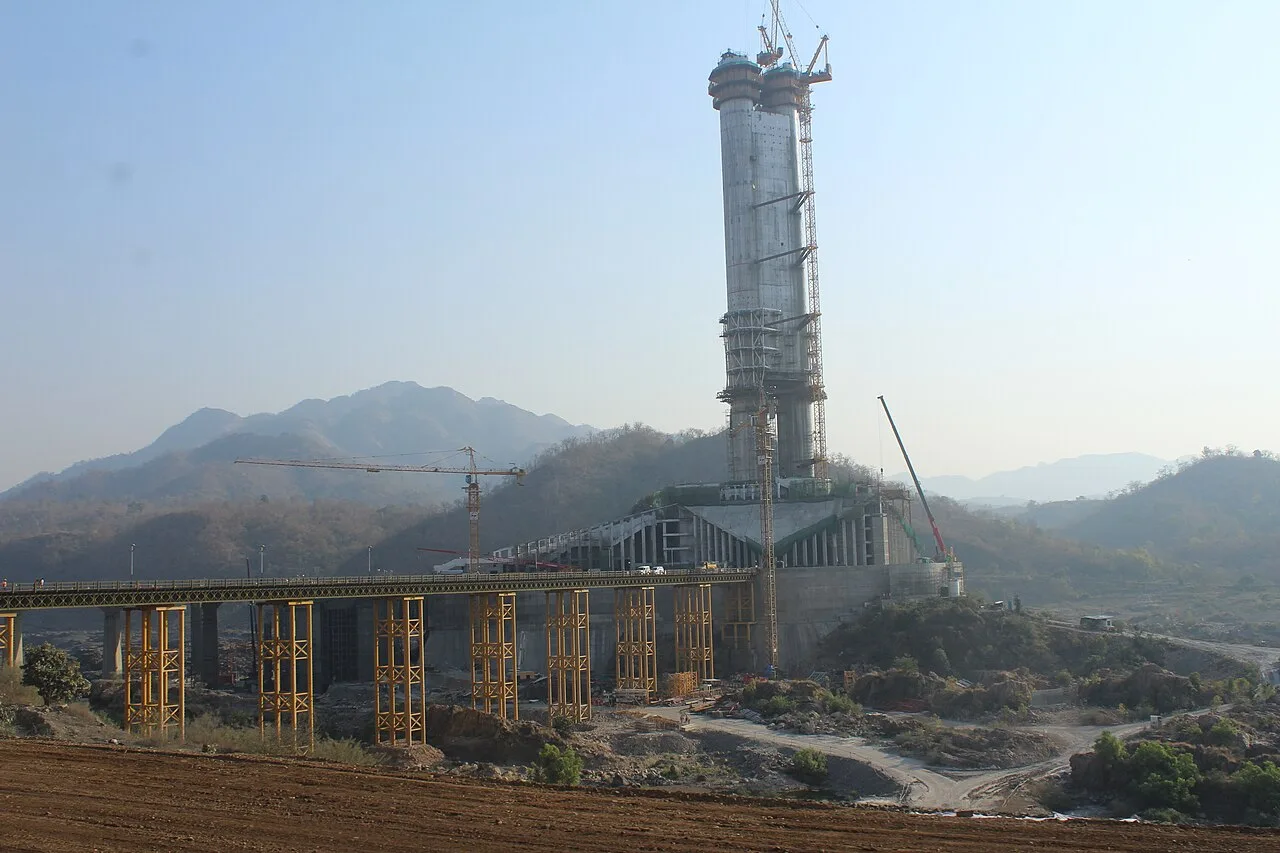
The Statue of Unity is a 182-metre tribute to Sardar Patel in Gujarat’s Narmada valley. Visitors come to see the world’s tallest statue and its commemoration of Patel’s role in India’s political integration.

Sardar Sarovar Dam

106 km away · Narmada district

Sardar Sarovar Dam

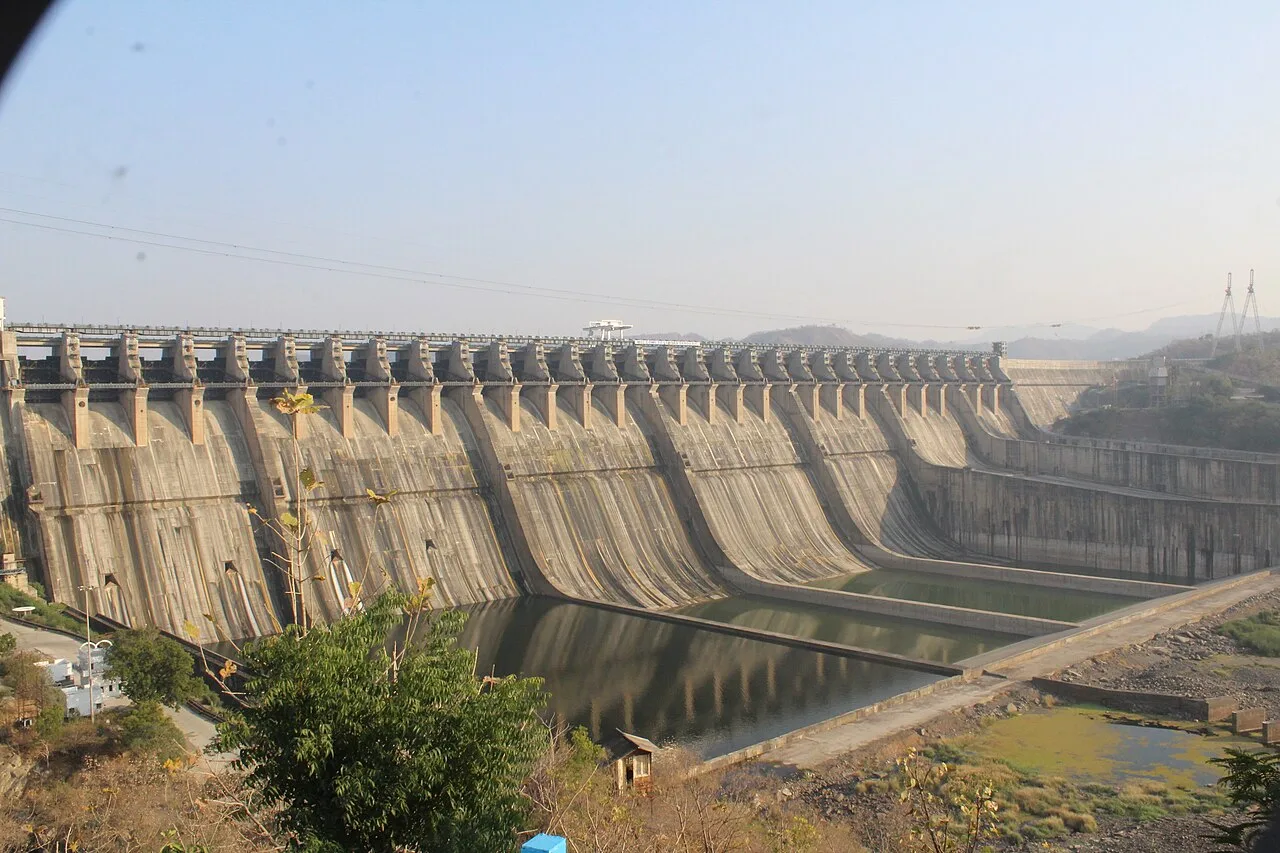
Sardar Sarovar Dam is a major concrete structure on the Narmada, built to support irrigation and power generation. Visitors may be interested in its scale and its role in the river’s development.

Kankaria Lake

107 km away · Ahmedabad district

Kankaria Lake

Kankaria Lake is Ahmedabad’s largest lake, situated in Maninagar. Visitors come for its leisure attractions and the cultural, artistic and social programme of the Kankaria Carnival.

Map

Godhra on the map

  1. 1Champaner-Pavagadh Archaeological Park
  2. 2Pavagadh
  3. 3Dakor
  4. 4Sayaji Baug
  5. 5Lakshmi Vilas Palace
  6. 6Statue of Unity
  7. 7Sardar Sarovar Dam
  8. 8Kankaria Lake

Gujarat

Other cities to explore