Ghumoopedia — Explore, Discover, Experience
Sign in
Lothal, near Khambhat

City guide · Gujarat

Khambhat

Khambhat, also known historically as Cambay, is a coastal town in Anand district with a past that reaches far beyond its present-day role as a regional market and craft centre. Its position at the northern end of the Gulf of Khambhat once made it a busy port linking Gujarat with merchants from across the Indian Ocean.

Famous for

  • Khambhat agate craft
  • Halvasan sweet
  • Sutarfeni
  • Historic port trade
  • Jain temples
  • Traditional kites

Why Khambhat matters

Khambhat, also known historically as Cambay, is a coastal town in Anand district with a past that reaches far beyond its present-day role as a regional market and craft centre. Its position at the northern end of the Gulf of Khambhat once made it a busy port linking Gujarat with merchants from across the Indian Ocean. The harbour later silted up, but the town’s trading history remains visible in its old streets, religious buildings and enduring artisan traditions.

Today, visitors come for the agate and carnelian craft, Jain heritage, local sweets and a glimpse of a town shaped by the gulf’s dramatic tides. Khambhat is especially notable for keeping agate bead-making alive as a working craft, with stones brought in from outside the area. Its identity also includes a history of cotton and silk textile commerce, though it is better known now for handicrafts and food specialties than for large-scale textile production. The tidal gulf and nearby low-lying wetlands give the surrounding landscape a distinctive coastal character.
Famous for: crafts, trade & products

Khambhat’s signature craft is working agate and carnelian into beads, ornaments and other small objects. The tradition is often linked to the ancient bead-making culture of nearby Lothal, while the stones used by artisans are brought from the Rajpipla hills rather than quarried locally. Visitors can look for finished pieces and ask about the making process at local craft workshops and shops in the town’s market areas. Khambhat agate craft is recognised as a regional heritage product; check the maker and origin when buying, since designs and materials vary.

The town was also renowned in earlier centuries for cotton and silk cloth, including textiles traded under the name Cambay cloth. That history is part of Khambhat’s commercial legacy, but it should not be mistaken for a present-day speciality in a particular saree style. Local bazaars are useful places to browse agate work, everyday goods and seasonal kites. Khambhat is also associated with halvasan and sutarfeni, which are commonly sought out from local sweet shops. Oil and gas occur in the wider area, though they are not visitor-facing attractions.

History

Khambhat developed as a port on the Gulf of Khambhat and became an important centre of maritime commerce. Arab traveller al-Masudi described it in the early tenth century, and Marco Polo referred to it as Cambaet in the thirteenth century. Later accounts describe a busy, cosmopolitan town whose merchants dealt in textiles and other goods across long-distance sea routes. Jain communities also established a lasting presence, reflected in the town’s temples and manuscript traditions.

The harbour’s access gradually became more difficult as silt accumulated in the gulf, and maritime trade shifted elsewhere. Khambhat nevertheless remained the capital of the princely state of Cambay, established in the eighteenth century. British forces took the state in 1780; it later passed back to Maratha control before being ceded to the British in 1803. A railway reached the state in 1901. In the modern era, Khambhat has continued as a town in Gujarat’s Anand district, with its identity shaped by local commerce, food and agate craftsmanship rather than its former port activity.

Food, festivals & culture

Khambhat is best known locally for halvasan, a rich sweet, and sutarfeni, a fine, layered confection. Sweet shops and market streets are natural places to look for them, though recipes and availability can vary. Gujarati is the main language of everyday life; Hindi is also understood in many settings. The town’s food and social customs reflect Gujarat’s wider traditions, with vegetarian options readily found alongside regional snacks and sweets.

Navratri, usually in autumn, brings garba and dandiya celebrations, while Diwali is marked with lights, family gatherings and festive food. Jain observances such as Paryushan generally fall in the late monsoon period, with dates varying by calendar; Eid celebrations also follow a shifting lunar calendar. Khambhat’s cultural landscape includes old Jain temples and mosques, reminders of its diverse mercantile communities. Visitors should dress respectfully at places of worship and follow local guidance about entry, photography and ceremonies.

Visiting the city

The cooler months, roughly November to February, are generally the most comfortable time to explore Khambhat. Summers are hot and humid, while the monsoon can bring heavy rain and disruption in low-lying areas. Tides in the gulf can be exceptionally strong, so avoid approaching the water without reliable local advice.

Khambhat Railway Station connects the town by rail with the wider regional network. Vadodara Airport is a nearby airport option; Ahmedabad’s Sardar Vallabhbhai Patel International Airport offers another route, with onward travel by road or rail. Within town, auto-rickshaws and local transport can help with short journeys; confirm arrangements locally. Explore the old market streets for craft shops and sweets, and visit historic Jain temples and mosques with respect for worshippers. The waterfront and surrounding tidal landscape are best approached cautiously and with local guidance.

Trips from the city

Nearest places to visit from Khambhat

Our closest destination guides, by straight-line distance.

Lothal

44 km away · Ahmedabad district

Lothal

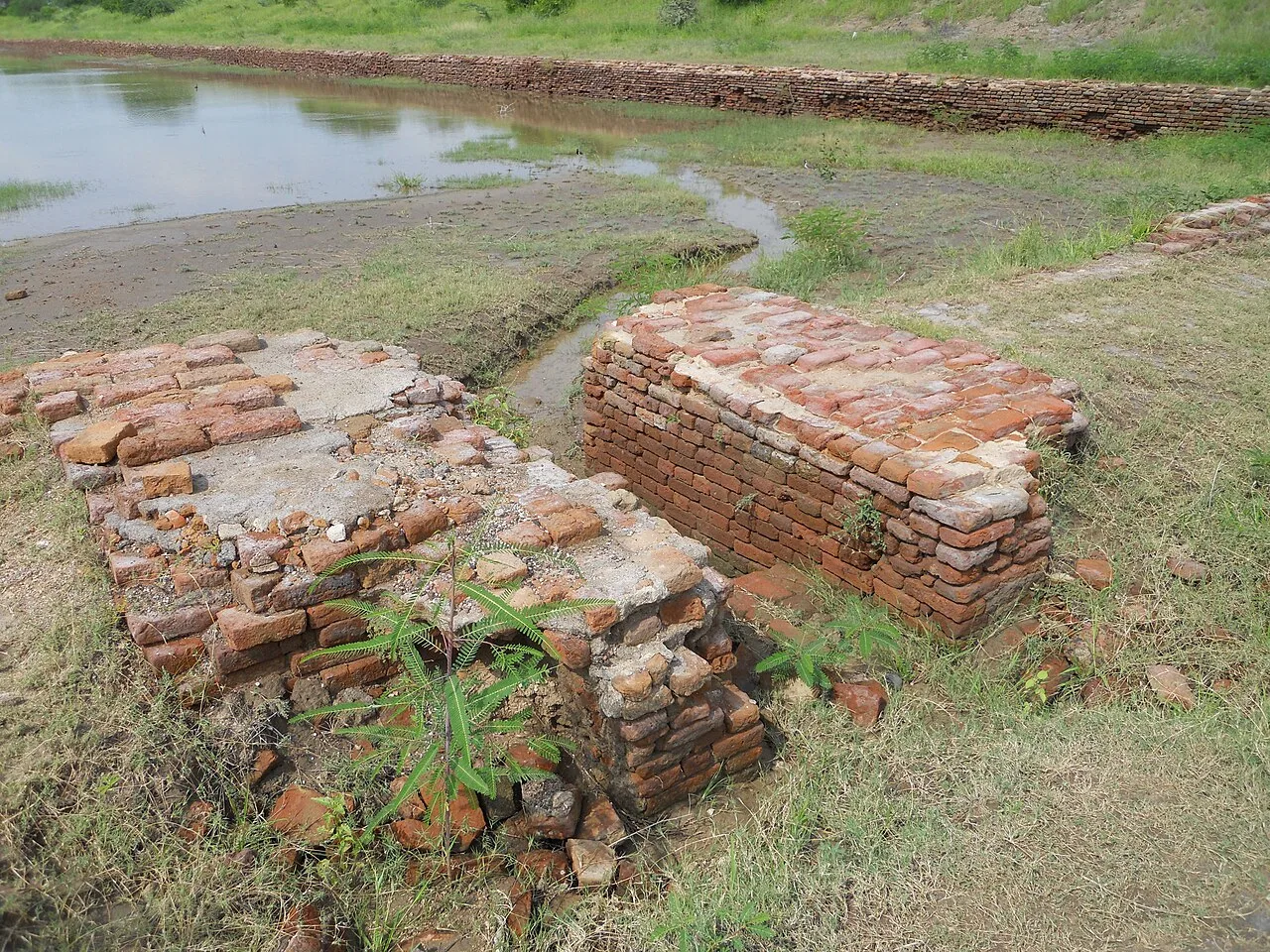
Lothal is a settlement of the ancient Indus Valley Civilisation in Gujarat. Visitors come to learn about its place among the civilisation’s southernmost sites and its early history.

Lakshmi Vilas Palace

59 km away · Vadodara district

Lakshmi Vilas Palace

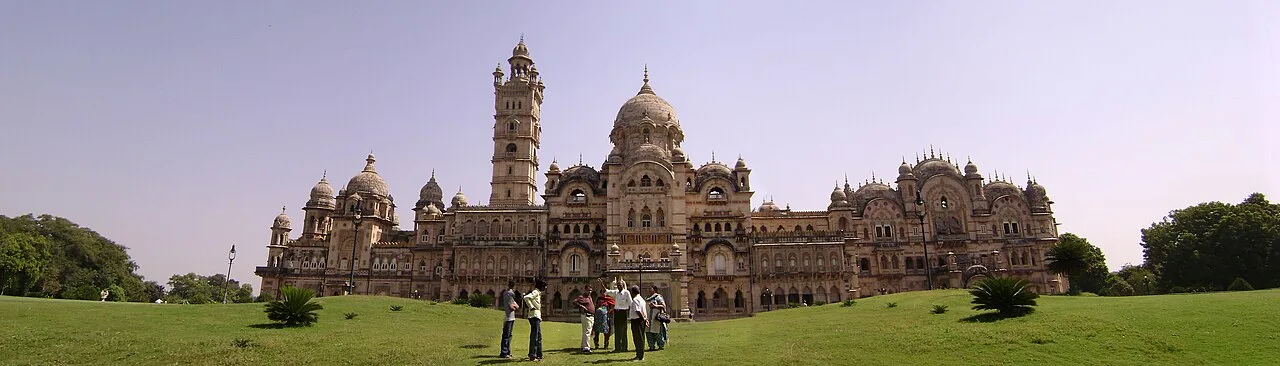
Lakshmi Vilas Palace is a former Gaekwad royal residence in Vadodara, known for its Indo-Saracenic architecture and extensive grounds. People visit to see the palace, its museum and links to the dynasty.

Sayaji Baug

59 km away · Vadodara district

Sayaji Baug

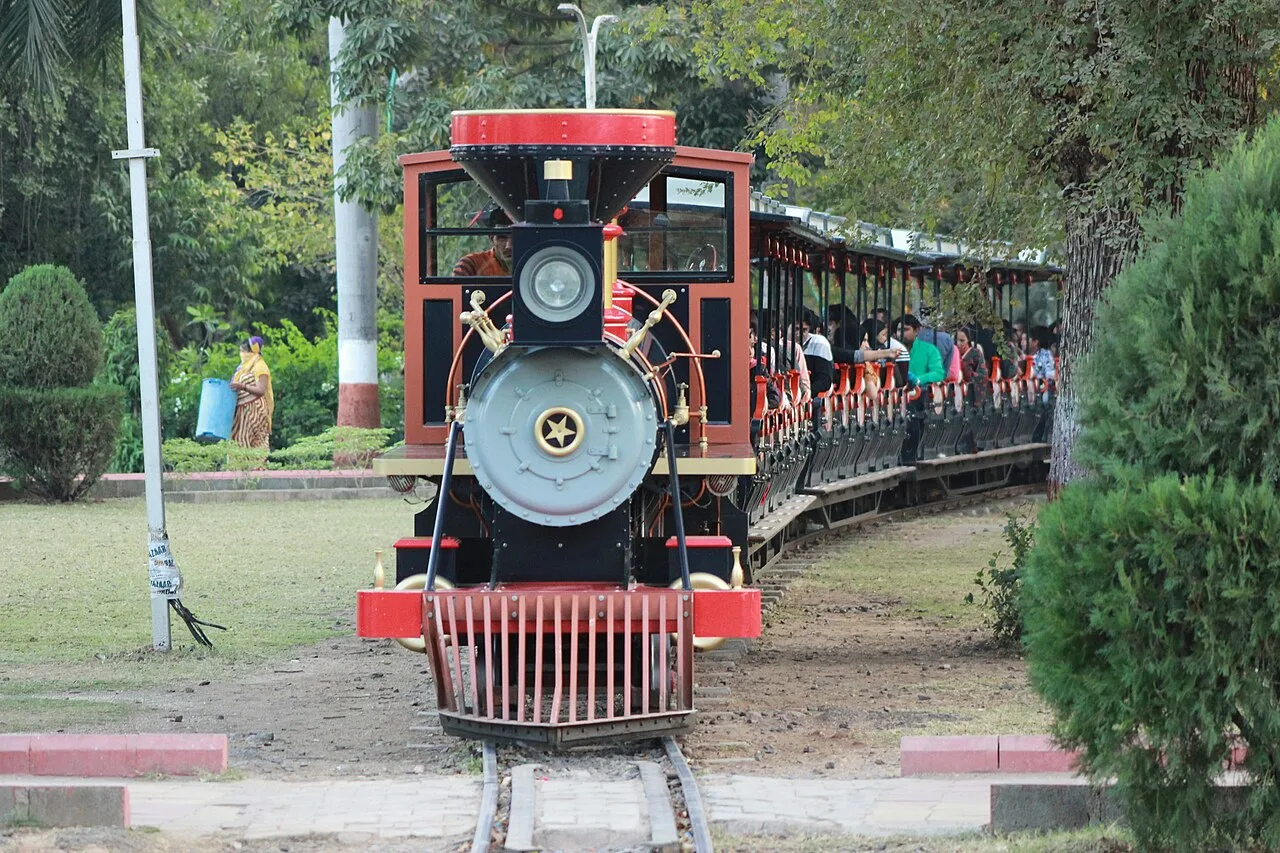
Sayaji Baug, also called Kamati Baug, is a garden in Vadodara, Gujarat, established by Maharaja Sayajirao Gaekwad and visited for recreation and tourism.

Blackbuck National Park

67 km away · Bhavnagar district

Blackbuck National Park

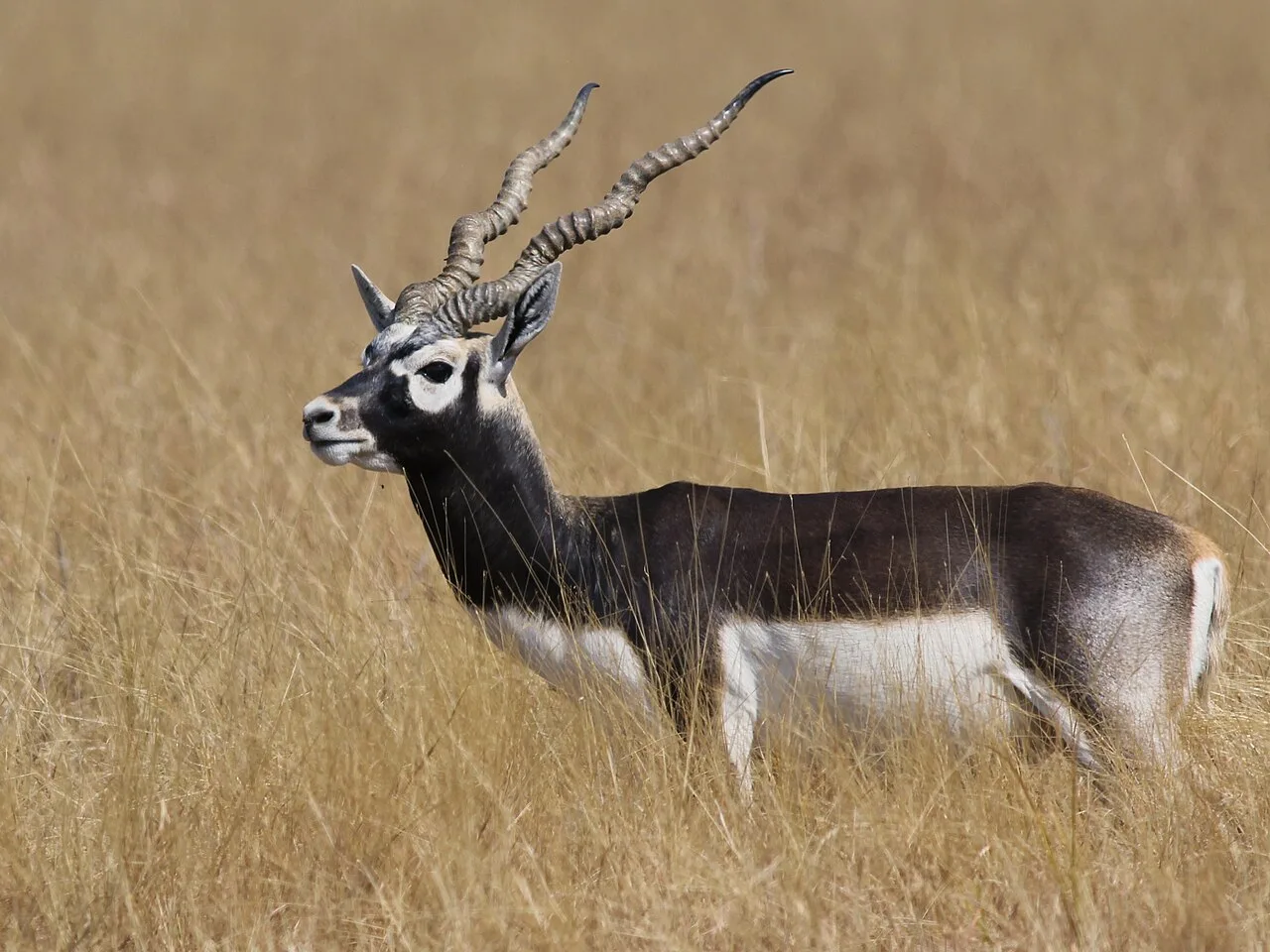
Blackbuck National Park is a protected area in Bhavnagar district, Gujarat, valued for its blackbuck and conservation efforts involving wolves and the lesser florican.

Dakor

73 km away · Kheda district

Dakor

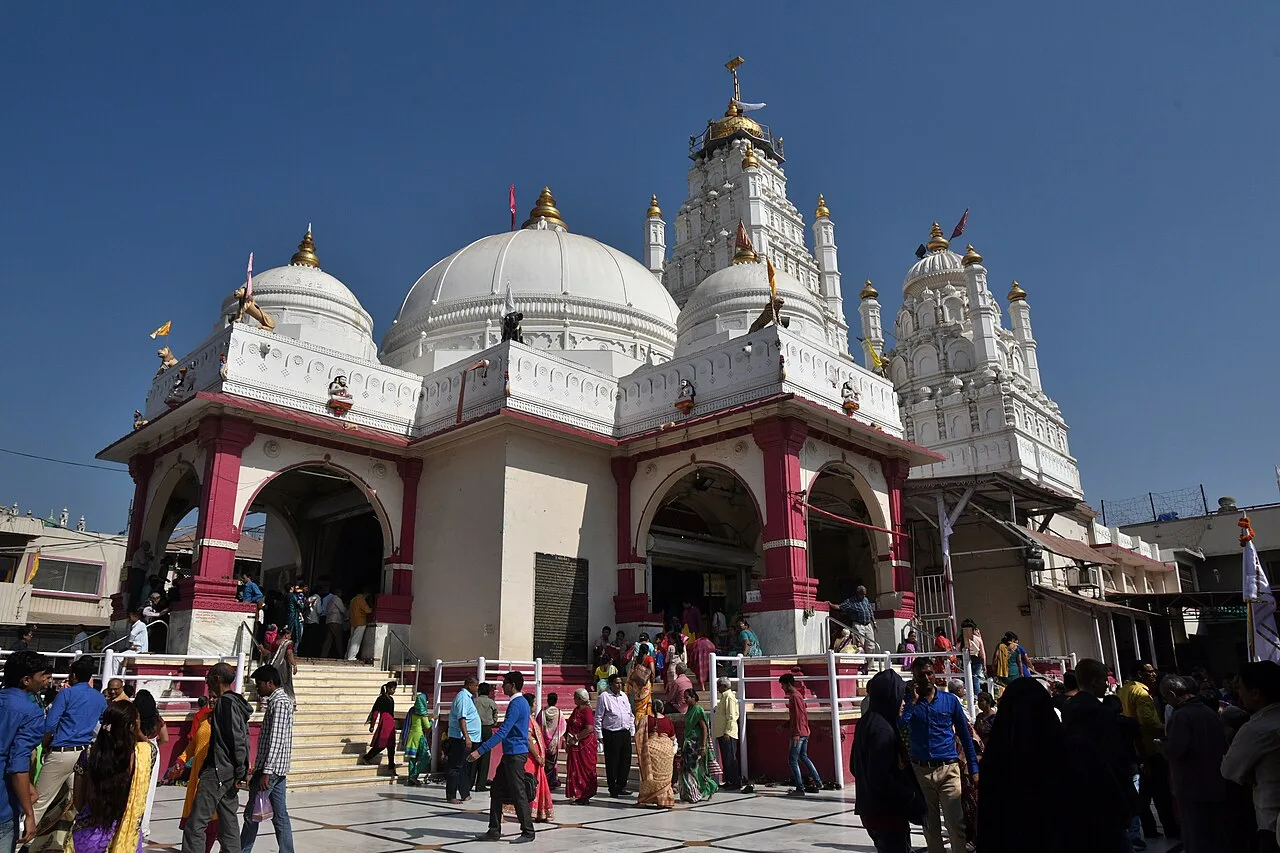
Dakor is a small city and municipality in Gujarat’s Kheda district, known for the temple of Raṇchoḍrāyjī, which draws people to the town.

Sarkhej Roza

76 km away · Ahmedabad district

Sarkhej Roza

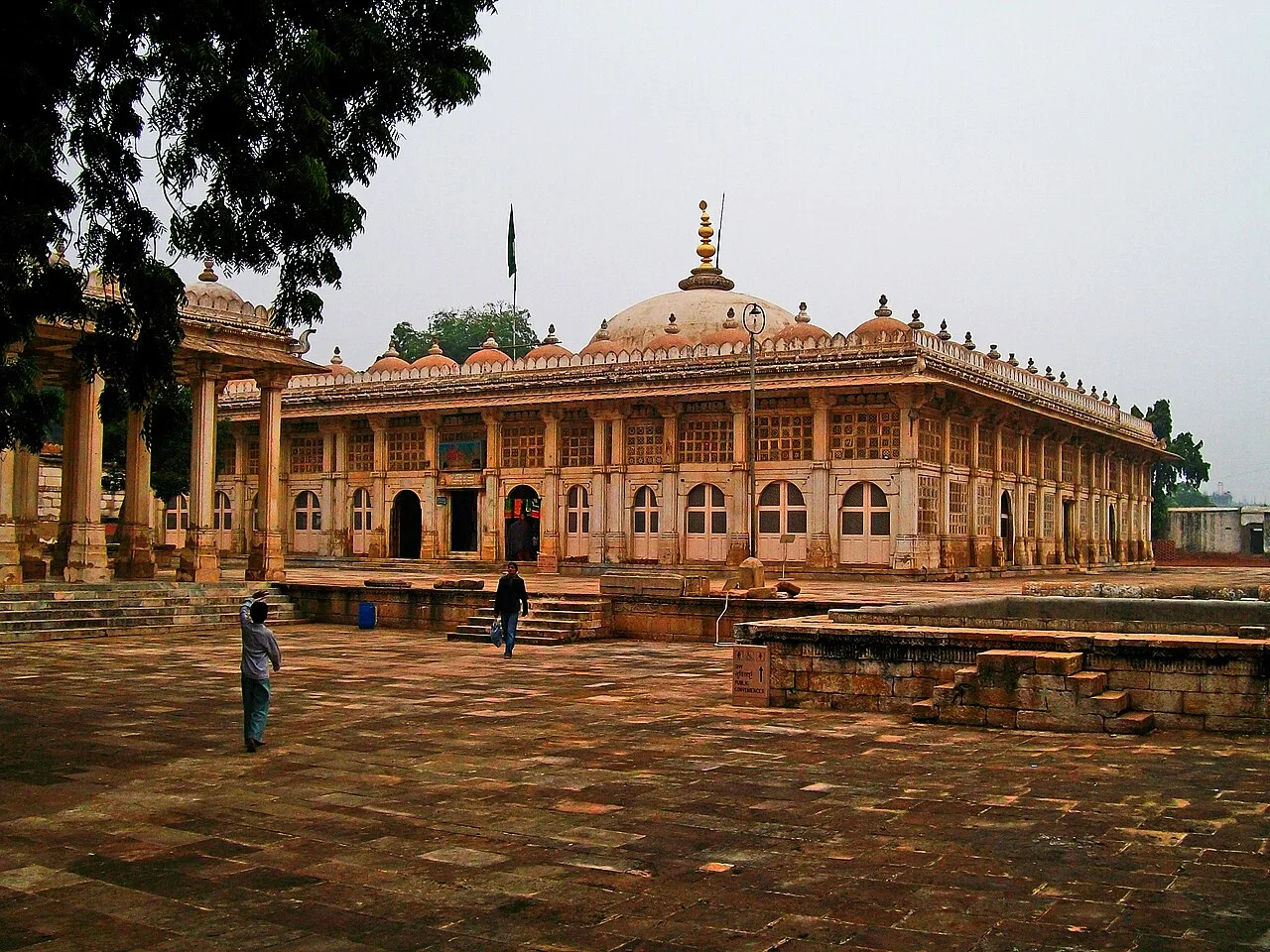
Sarkhej Roza is a Sufi religious complex in Makarba, Ahmedabad district, made up of a mosque and tombs. Visitors explore its nationally recognised status and its association with Shaikh Ahmed Ganj Baksh.

Kankaria Lake

77 km away · Ahmedabad district

Kankaria Lake

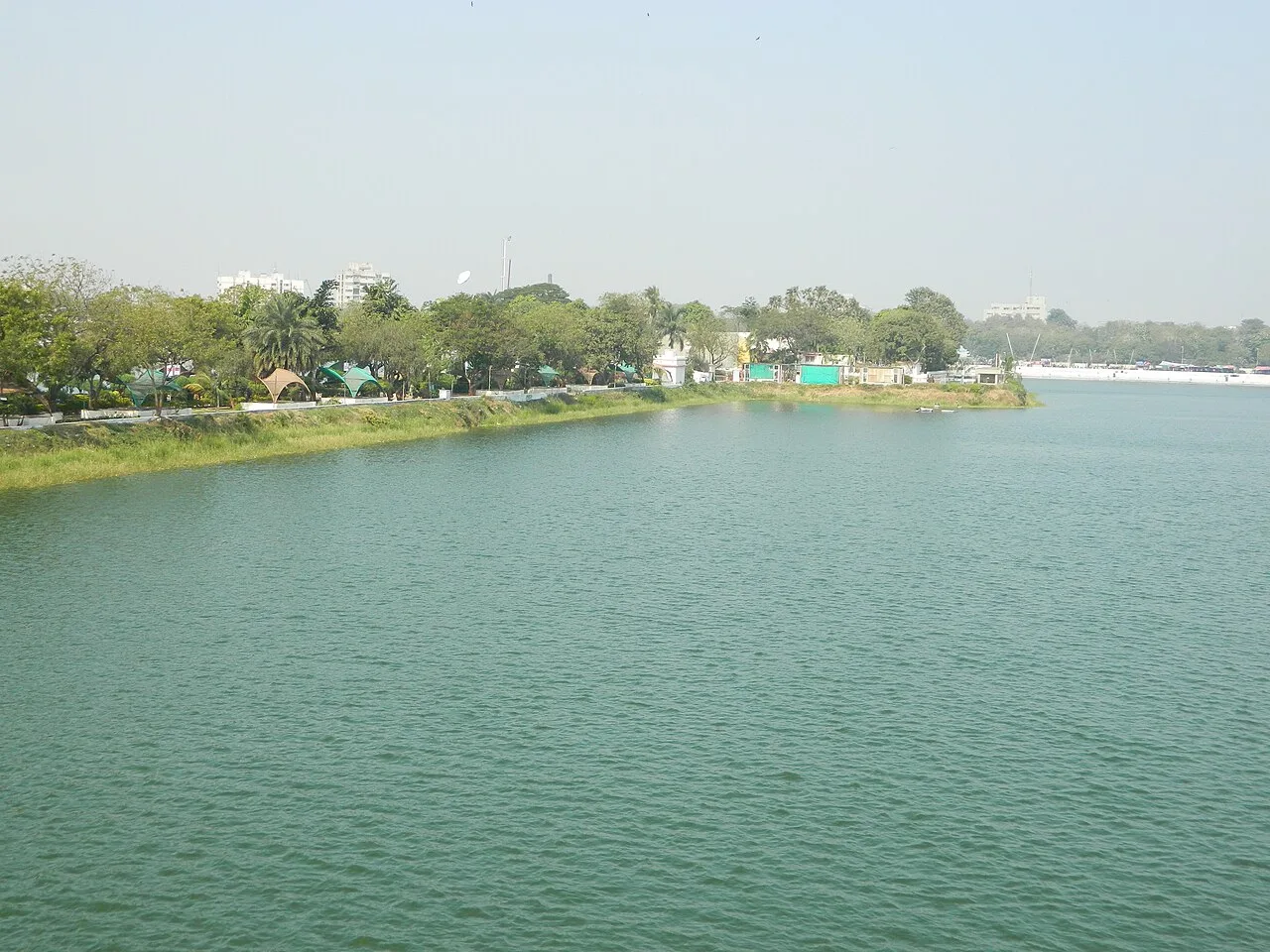
Kankaria Lake is Ahmedabad’s largest lake, situated in Maninagar. Visitors come for its leisure attractions and the cultural, artistic and social programme of the Kankaria Carnival.

Nal Sarovar Bird Sanctuary

78 km away · Ahmedabad district

Nal Sarovar Bird Sanctuary

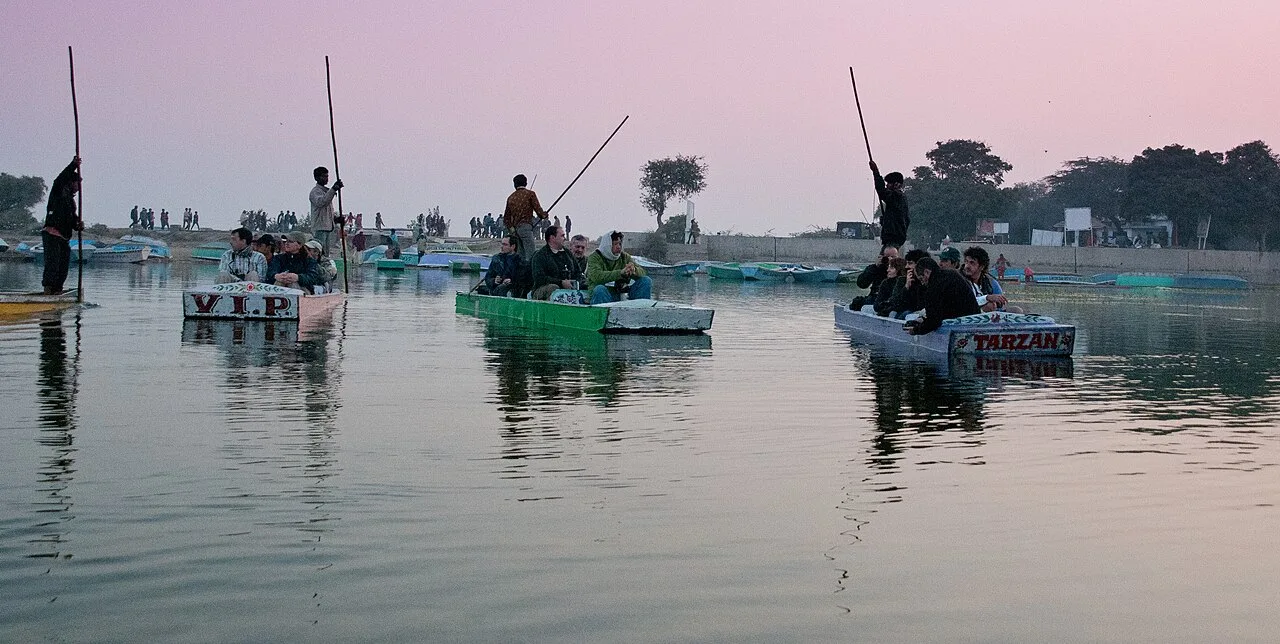
Nal Sarovar is a large lake and marshland reserve in Gujarat, known for the many resident and seasonal birds that gather there. Visitors come to observe its wetland wildlife, especially during the cooler months.

Map

Khambhat on the map

  1. 1Lothal
  2. 2Lakshmi Vilas Palace
  3. 3Sayaji Baug
  4. 4Blackbuck National Park
  5. 5Dakor
  6. 6Sarkhej Roza
  7. 7Kankaria Lake
  8. 8Nal Sarovar Bird Sanctuary

Gujarat

Other cities to explore