Ghumoopedia — Explore, Discover, Experience
Sign in
Tarnetar, near Wankaner

City guide · Gujarat

Wankaner

Wankaner is a town in Gujarat’s Morbi district, set on the Machhu River about 53 kilometres from Rajkot. Its name is traditionally understood as “riverbend,” reflecting the town’s position by the winding river.

Famous for

  • Ranjit Vilas Palace
  • Jhala royal heritage
  • Machhu River setting
  • Hindu and Muslim shrines

Why Wankaner matters

Wankaner is a town in Gujarat’s Morbi district, set on the Machhu River about 53 kilometres from Rajkot. Its name is traditionally understood as “riverbend,” reflecting the town’s position by the winding river. Wankaner is best known for its royal past and Ranjit Vilas Palace, a prominent landmark associated with the former princely state and the Jhala rulers. The palace and the town’s places of worship give visitors a glimpse of a smaller Saurashtra centre shaped by both courtly history and everyday religious life.

Today, Wankaner serves local residents and surrounding settlements as a regional hub for travel, commerce and services. It is also a convenient stop for visitors exploring the wider Morbi–Rajkot region. The town is not primarily a destination for a single famous craft or product; its appeal lies more in its heritage, river setting and connections to nearby urban centres. Travellers should check locally whether palace interiors or grounds are open, as access arrangements can vary.
Famous for: crafts, trade & products

Wankaner’s clearest identity is its royal heritage rather than a widely recognised textile, handicraft or GI-tagged product. Ranjit Vilas Palace is the town’s best-known landmark, while the history of Wankaner State and its Jhala rulers is an important part of local heritage. Visitors interested in shopping can browse the town’s everyday markets for household goods, clothing, snacks and produce, but should not expect a dedicated, nationally known craft bazaar.

Wankaner lies within the broader Morbi–Rajkot region, where ceramics and other manufacturing are prominent; these are regional industries and should not be confused with a distinctive Wankaner-made speciality. For a wider selection of branded goods, textiles and craft shopping, visitors can look to Morbi or Rajkot. In Wankaner, ask locally about market streets and palace access before setting out. There is no well-established city-specific GI product or signature saree tradition that defines the town, so it is best approached as a heritage stop rather than a specialist shopping destination.

History

Wankaner’s foundation is traditionally attributed to Shrimant Raj Sartanji Jhala. The town developed as the centre of Wankaner State, a princely state ruled by members of the senior branch of the Jhala Rajput dynasty. During the British Raj, Wankaner State held the status of an 11-gun salute state. Its royal past remains visible in Ranjit Vilas Palace and in the town’s broader association with the former ruling family.

Wankaner also grew as a settlement beside the Machhu River and as a local centre for surrounding communities. Hindu and Muslim places of worship reflect the religious life of the town across generations. After independence and the integration of princely states into India, Wankaner became part of the modern state’s municipal and district structure. It was formerly within Rajkot district and became part of Morbi district when that district was formed in 2013. Its present-day role is mainly regional, linking nearby settlements with the Morbi and Rajkot area.

Food, festivals & culture

Gujarati is the main language of daily life, and Hindi is also understood in many public settings. Wankaner shares the food traditions of Saurashtra: meals commonly feature rotli or thepla, vegetables, dal, rice, pickles and farsan. Gujarati snacks and sweets such as dhokla, ganthiya, jalebi and peda may be found in local shops, though availability varies and none should be treated as a uniquely Wankaner speciality.

Navratri, usually in autumn, brings devotional music and garba dancing, while Diwali is marked with lamps, family gatherings and festive foods. Holi is observed in spring, and Eid celebrations follow the lunar calendar. Weddings and community events may feature Gujarati folk music and garba; dayro performances are part of the wider regional tradition. The town has Hindu and Muslim places of worship, which serve local communities and offer visitors a view of its varied religious life. Dress modestly and ask before photographing worshippers or entering restricted areas.

Visiting the city

The cooler months, roughly November to February, are generally the most comfortable for visiting. The nearest major air connection is Rajkot International Airport at Hirasar; confirm current flight options and onward transport before travelling. Wankaner Junction is the town’s main railway station, with road connections to Rajkot, Morbi and nearby settlements.

Auto-rickshaws and local taxis are practical for short trips, while a hired car can help with regional excursions. Start with the palace area and ask locally about visitor access, then explore the older town and nearby places of worship respectfully. The Machhu River setting offers a sense of the landscape behind the town’s name. Wankaner works well as a brief heritage stop or as part of a wider Morbi–Rajkot itinerary; carry water in warmer months and allow extra time for road travel.

Trips from the city

Nearest places to visit from Wankaner

Our closest destination guides, by straight-line distance.

Tarnetar

28 km away · Surendranagar district

Tarnetar

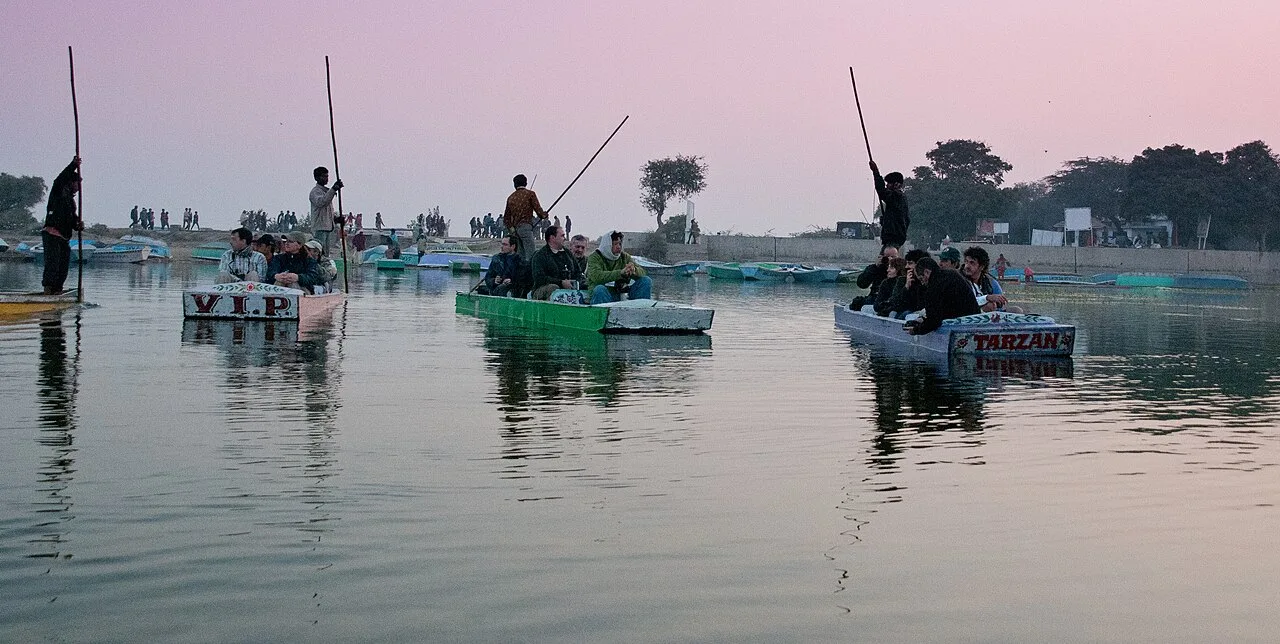
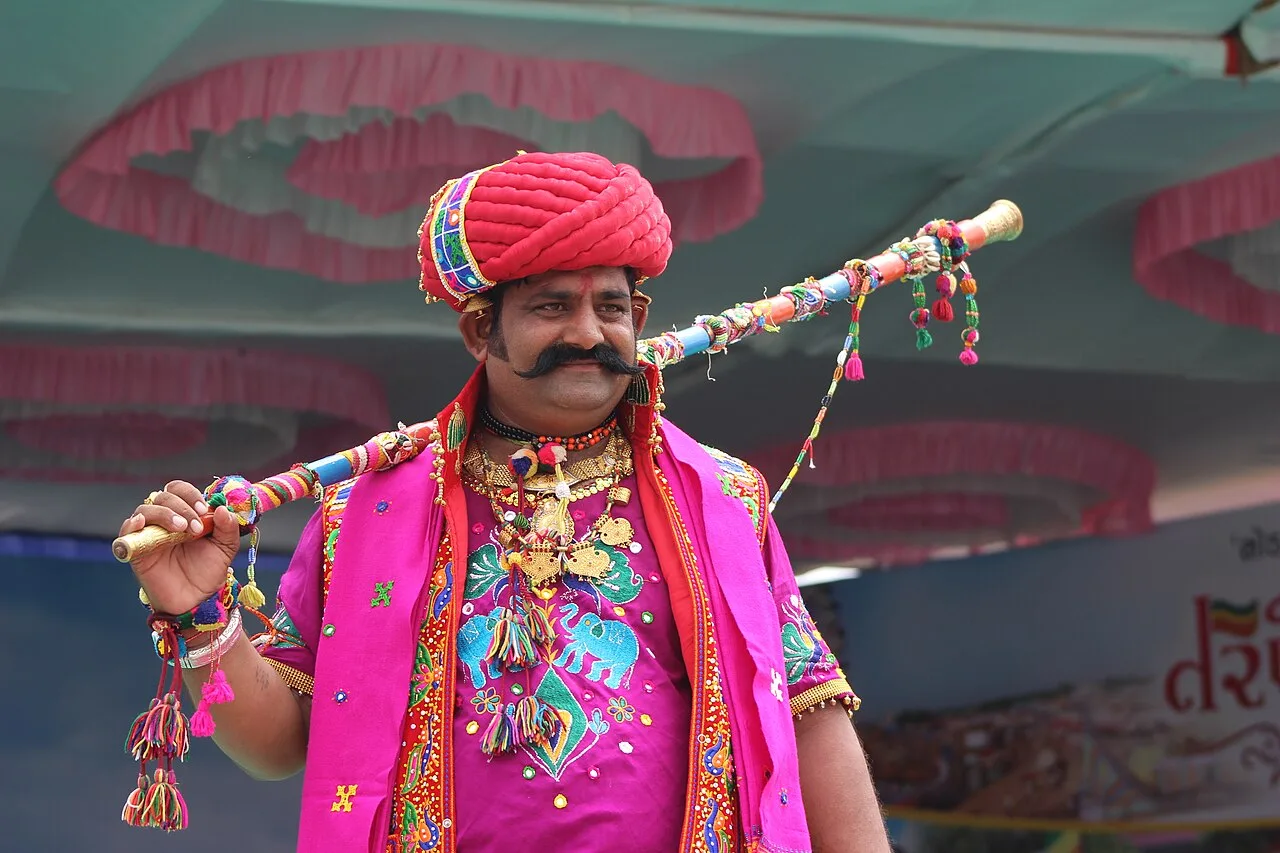
Tarnetar is a village in Gujarat’s Surendranagar district, close to Thangadh. Visitors in the vicinity can include it in their travels around the nearby city.

Watson Museum

38 km away · Rajkot district

Watson Museum

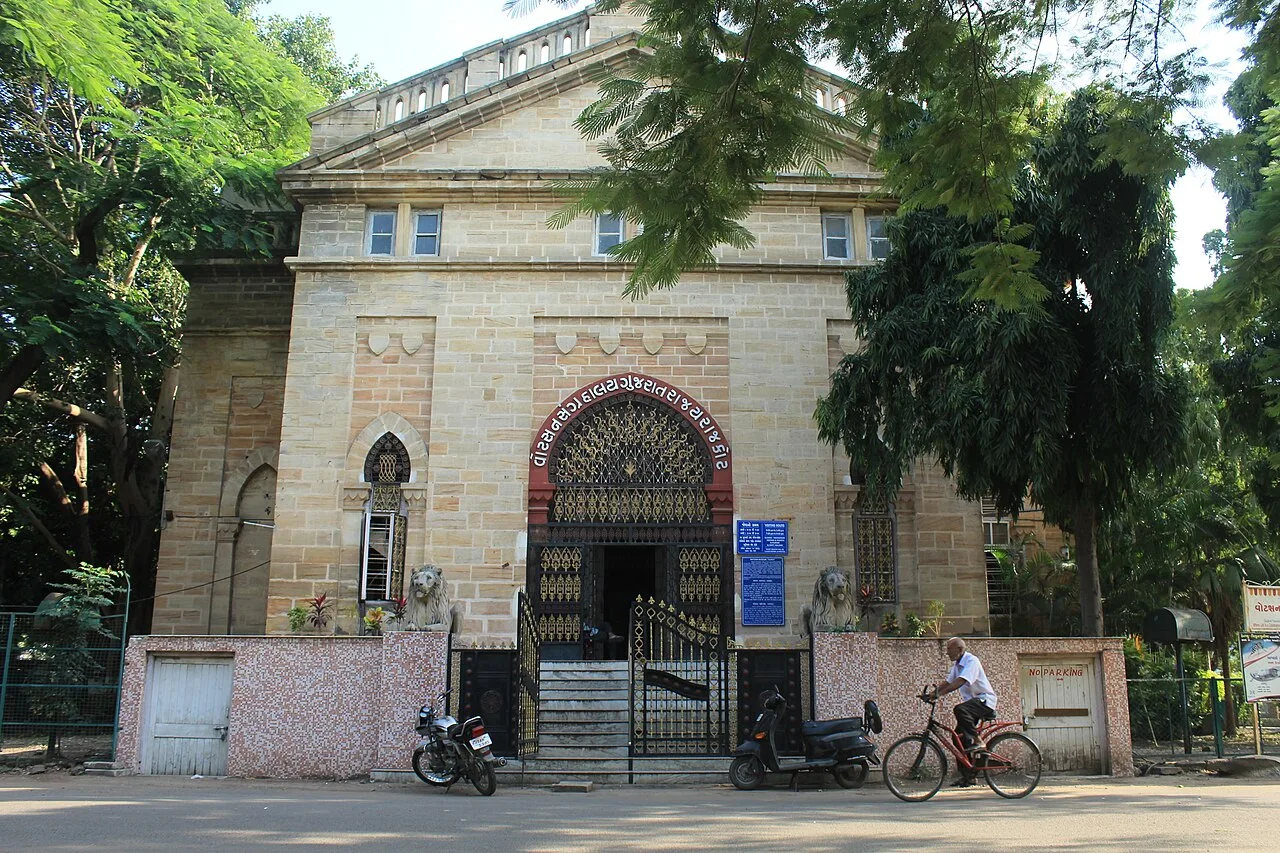
Watson Museum in Rajkot district displays objects connected with the former princely State of Rajkot. Visitors can also see photographs and artefacts, consult its reference library, and find museum publications at the sales counter.

Lakhota Lake

92 km away · Jamnagar district

Lakhota Lake

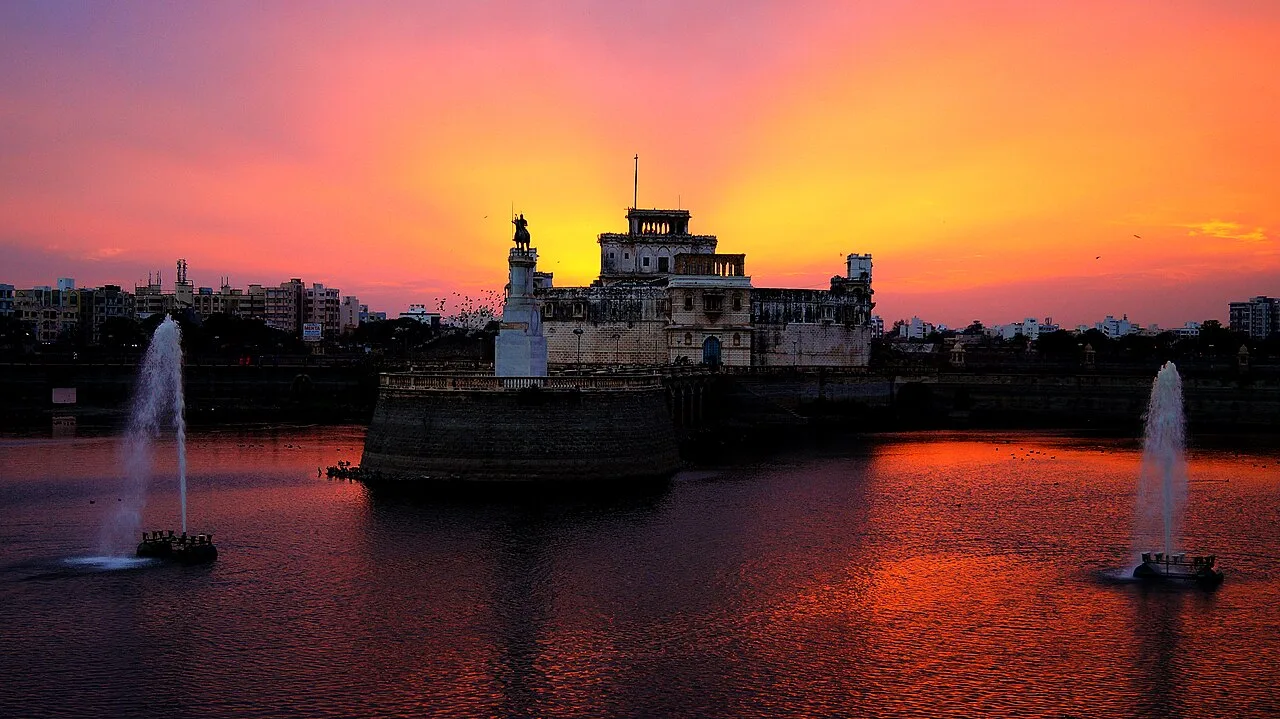
Lakhota Lake is an artificial lake in central Jamnagar, Gujarat, also known as Lakhota Talav and Ranmal Lake. Visitors come to see Lakhota Fort, which stands on an island in the water.

Indian Wild Ass Sanctuary

108 km away · Surendranagar district

Indian Wild Ass Sanctuary

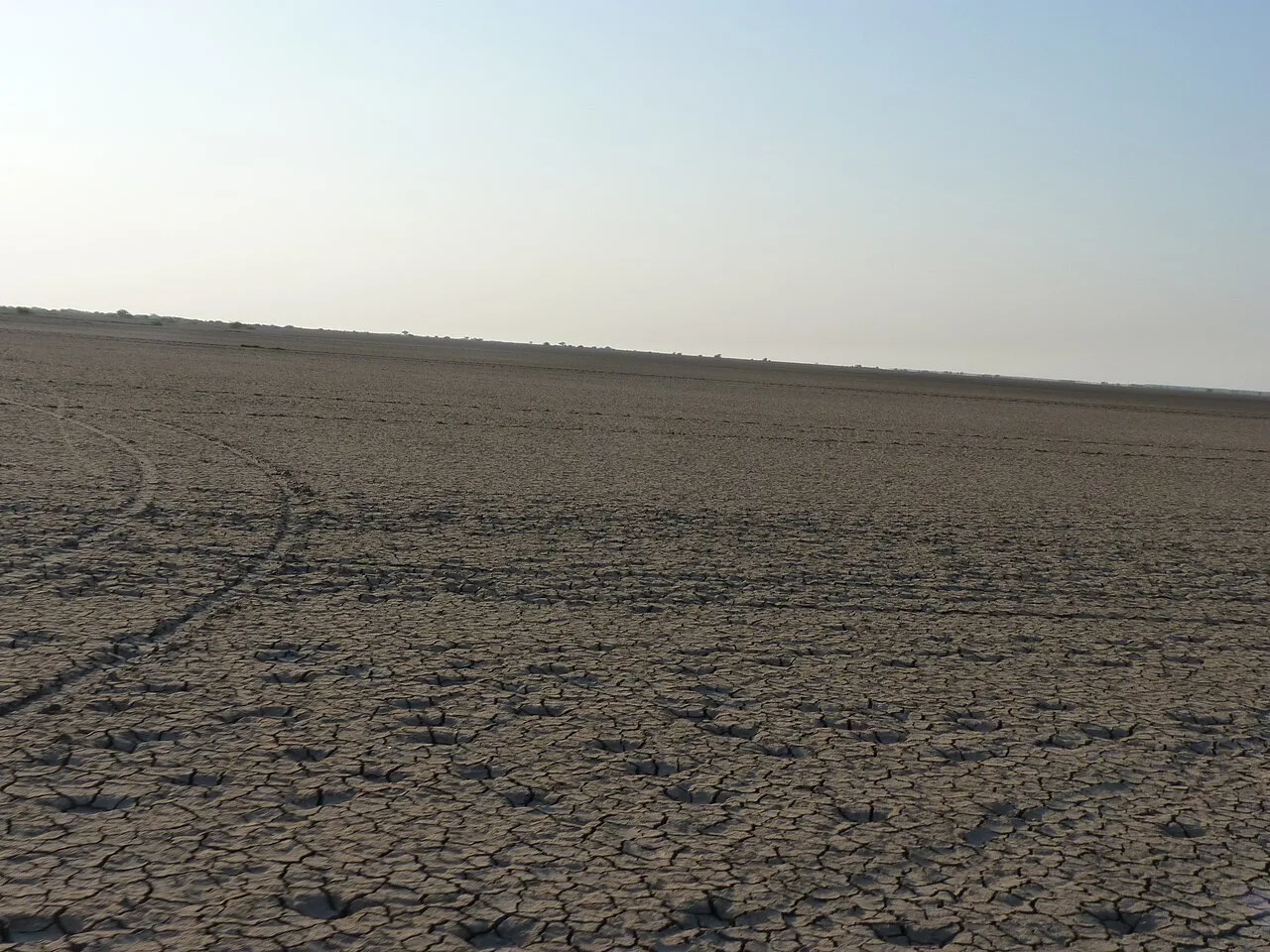
In Gujarat’s Little Rann of Kutch, the Indian Wild Ass Sanctuary protects the endangered khur. Visitors are drawn by the chance to see this wild ass, a southern subspecies of the Asiatic wild ass.

Nal Sarovar Bird Sanctuary

113 km away · Ahmedabad district

Nal Sarovar Bird Sanctuary

Nal Sarovar is a large lake and marshland reserve in Gujarat, known for the many resident and seasonal birds that gather there. Visitors come to observe its wetland wildlife, especially during the cooler months.

Sakkarbaug Zoological Garden

129 km away · Junagadh district

Sakkarbaug Zoological Garden

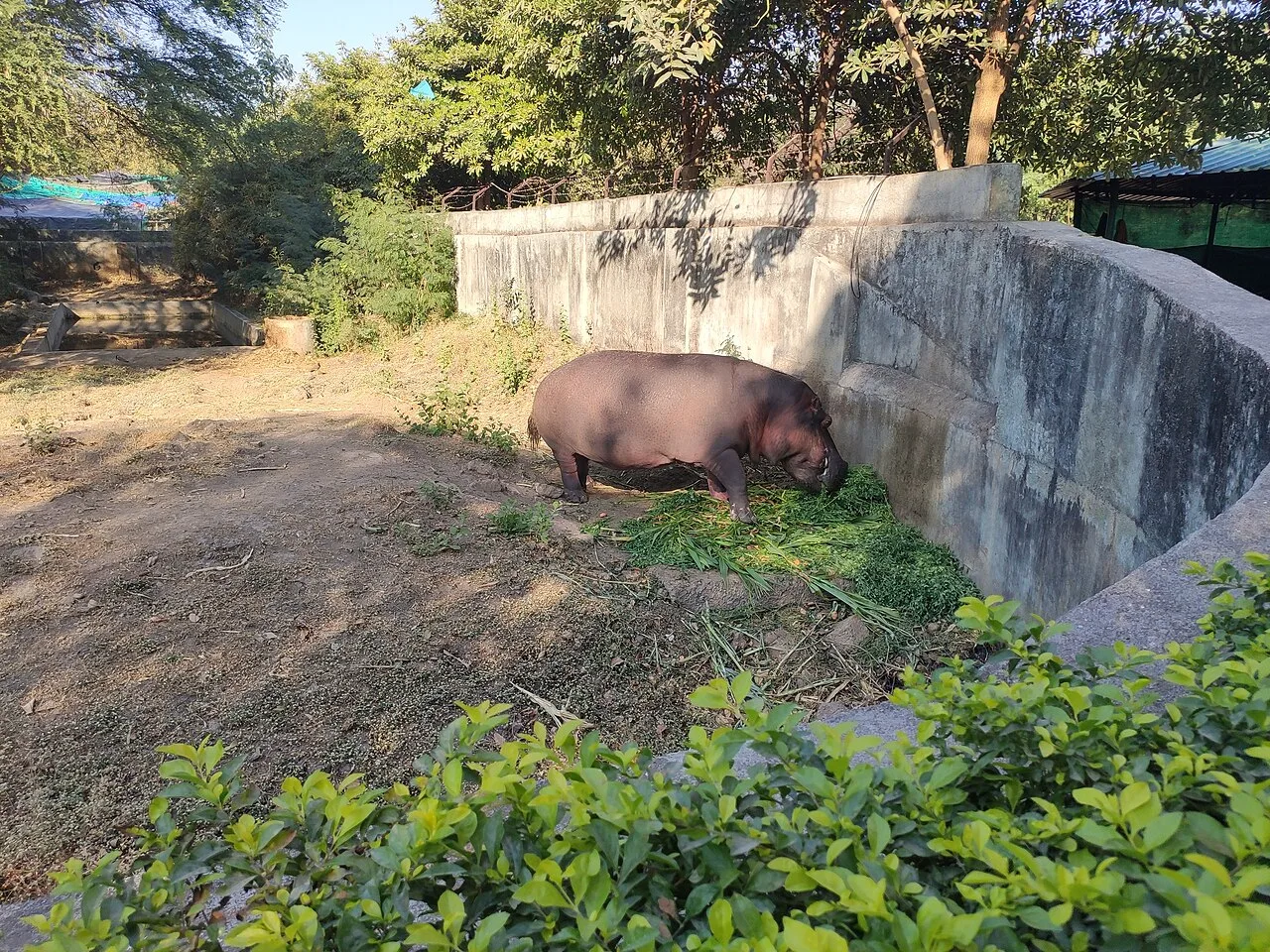
In Junagadh, Gujarat, Sakkarbaug Zoological Garden is an 84-hectare zoo established in 1863. Visitors come to see the zoo and its part in captive breeding programmes for Asiatic lions.

Blackbuck National Park

131 km away · Bhavnagar district

Blackbuck National Park

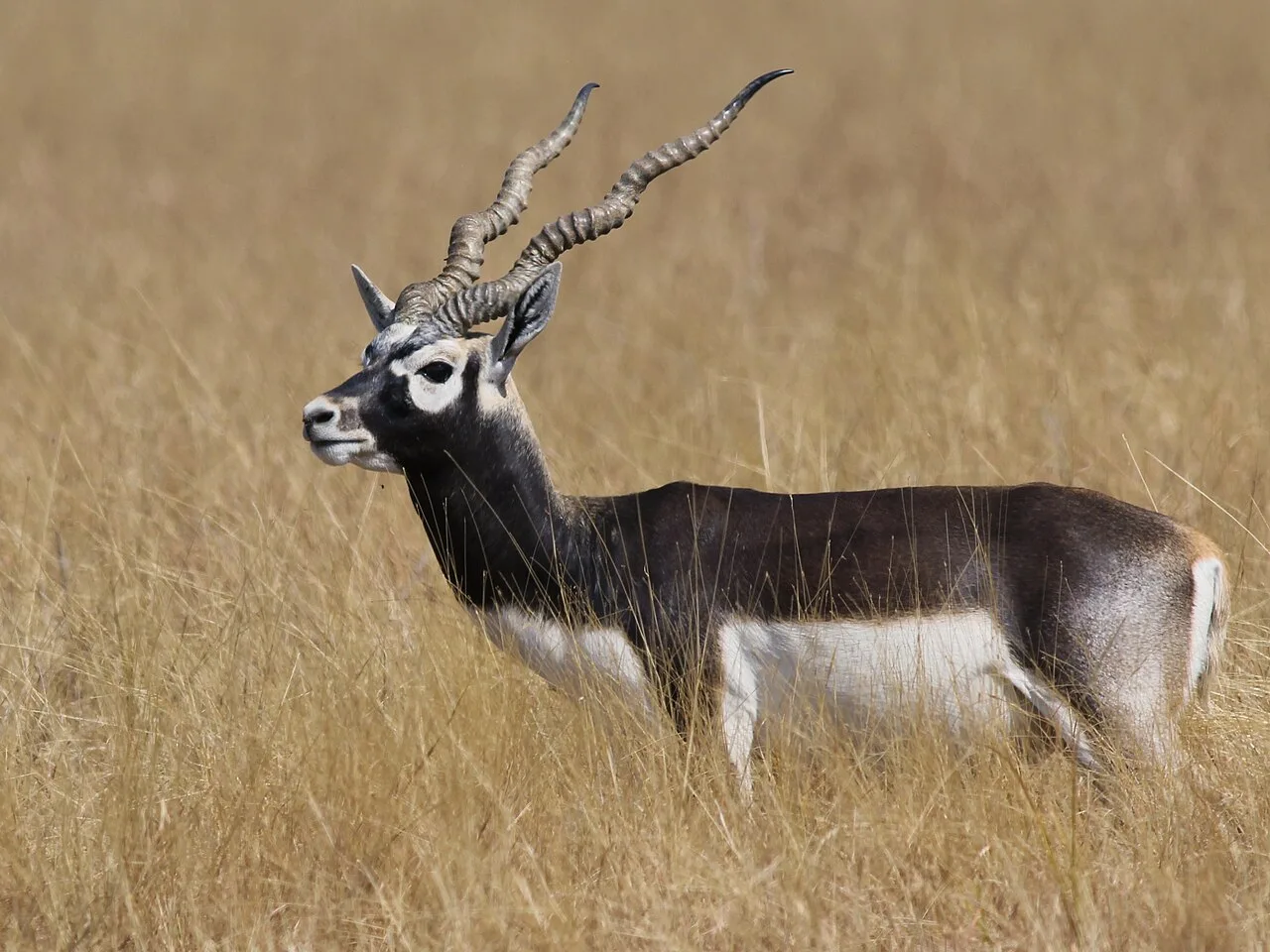
Blackbuck National Park is a protected area in Bhavnagar district, Gujarat, valued for its blackbuck and conservation efforts involving wolves and the lesser florican.

Mahabat Maqbara complex

131 km away · Junagadh district

Mahabat Maqbara complex

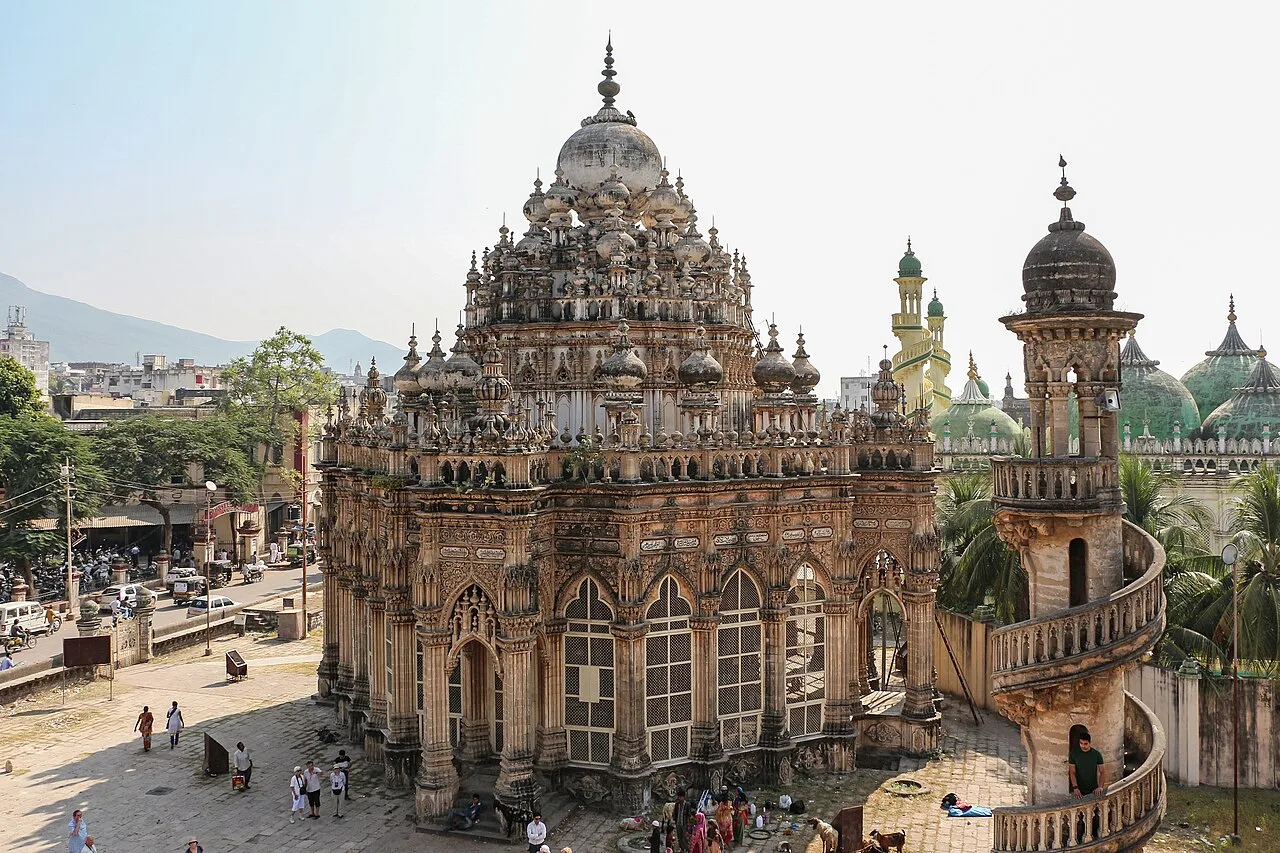
The Mahabat Maqbara complex in Junagadh, Gujarat, contains two mausoleums; visitors come to see memorials dedicated to Nawab Mahabat Khan II and his minister.

Map

Wankaner on the map

  1. 1Tarnetar
  2. 2Watson Museum
  3. 3Lakhota Lake
  4. 4Indian Wild Ass Sanctuary
  5. 5Nal Sarovar Bird Sanctuary
  6. 6Sakkarbaug Zoological Garden
  7. 7Blackbuck National Park
  8. 8Mahabat Maqbara complex

Gujarat

Other cities to explore