Ghumoopedia — Explore, Discover, Experience
Sign in
Palitana temples, near Dhasa

City guide · Gujarat

Dhasa

Dhasa is a small town and railway junction in Botad District, Gujarat. Its importance comes less from large tourist attractions than from its role as a transport and service centre for nearby villages.

Famous for

  • Dhasa Junction
  • Cotton ginning mills
  • Oil mills
  • Ambaji Jain shrine
  • Naga temple
  • Regional shopping hub

Why Dhasa matters

Dhasa is a small town and railway junction in Botad District, Gujarat. Its importance comes less from large tourist attractions than from its role as a transport and service centre for nearby villages. Dhasa Junction links the town to the wider rail network, while State Highway 25 connects the Bhavnagar–Rajkot corridor and provides road links towards Botad and Amreli. State transport buses serve the town and connect it with other parts of Gujarat.

The name Dhasa is also used for two nearby settlements: Dhasagam and the area around the railway junction. Local trade, oil mills and cotton ginning give the town an economic role beyond transport. Residents of surrounding villages come here for shopping and medical services, including hospitals. Visitors may stop to see the Ambaji shrine associated with a Jain kuldevi and a temple devoted to a Naga kuladevata. Dhasa is therefore best understood as a practical regional hub, with railway history and local places of worship rather than a destination built around a major monument or resort.
Famous for: crafts, trade & products

Dhasa’s best-known local industries are oil milling and cotton ginning. These businesses reflect the town’s place in an agricultural region, where processing and trade support livelihoods alongside shops and transport services. Cotton is handled here as an industrial commodity; Dhasa is not widely identified with a signature handloom, saree style or textile craft. Nor is a specific GI-tagged product associated with the town.

The junction and town centre serve as everyday commercial areas for Dhasa and nearby villages. Visitors can look to local shops for routine goods and supplies, rather than expecting a dedicated tourist bazaar or specialist handicraft market. The town is also valued as a service centre: people from surrounding settlements come for shopping and medical care, with hospitals among the facilities noted locally. Oil and cotton processing are more characteristic of Dhasa’s trade identity than branded consumer products. Those interested in the town’s economy will find its mills, shops and busy transport areas more representative than a formal craft district.

History

Dhasa’s early growth is closely associated with railway development in the princely-state era. Dhasa Junction was established in 1880 on the Bhavnagar-Gondal State Railway, including a metre-gauge route between Dhasa and Dhoraji. This connection helped make the settlement an important junction and a point of movement for people and goods. Its history is therefore tied to the regional railways built under the former princely states, rather than to a well-documented royal capital or a single major monument.

Over time, settlement developed both around the railway junction and in nearby Dhasagam. Road links strengthened Dhasa’s role as a local centre, particularly along State Highway 25 between the Bhavnagar and Rajkot sides of the region. In modern times, oil mills and cotton ginning have contributed to its working economy, while shops and medical facilities serve surrounding villages. Dhasa is now part of Botad District and remains notable for the combination of rail, road and local commercial activity.

Food, festivals & culture

Gujarati is the main language of daily life, and Hindi may also be understood in shops and transport settings. Dhasa’s culture is rooted in the rhythms of a small regional town: local commerce, family and community gatherings, and visits to places of worship. The Ambaji shrine associated with a Jain kuldevi and the Naga temple devoted to a kuladevata are among the religious places noted in town.

Meals across the region commonly include rotli, shaak, dal or kadhi, rice and khichdi, with snacks such as farsan and sweets available through local eateries and shops. Navratri in autumn is widely marked across Gujarat with devotional music and garba; Diwali in autumn and Uttarayan, the January kite festival, are also prominent in the state. Temple visits and bhajans form part of local devotional life, though customs and events can vary by community and year.

Visiting the city

The cooler months, roughly November to February, are generally the most comfortable time to visit; summer can be very hot, while monsoon travel may bring rain. Bhavnagar Airport is a nearby airport option, but check current flight availability before planning. Dhasa Junction is the town’s main railway station and an important local connection.

State transport buses and road services link Dhasa with towns across Gujarat. Within the town, local vehicles and walking are practical for short distances; confirm onward transport locally. Explore the railway-junction area to understand Dhasa’s transport role, then visit Dhasagam and the local Ambaji and Naga temples. The town centre is useful for everyday shops and food, while the surrounding highway approaches show its connection to nearby villages and regional trade. Dhasa is most convenient as a short stop or a base for local journeys rather than a resort-style stay.

Trips from the city

Nearest places to visit from Dhasa

Our closest destination guides, by straight-line distance.

Palitana temples

46 km away · Bhavnagar district

Palitana temples

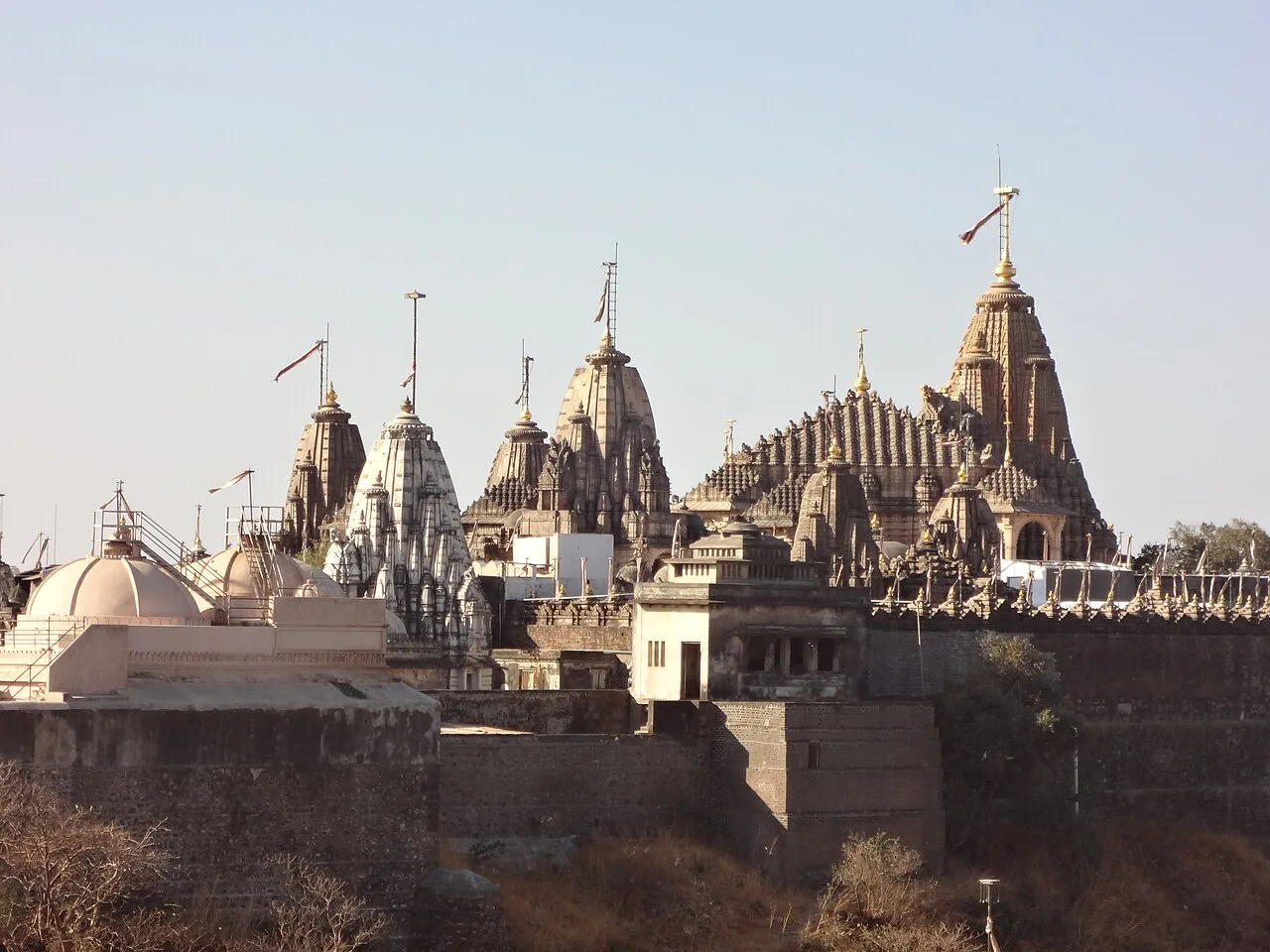
Palitana is a major Jain temple complex on Shatrunjaya Hill in Gujarat. Pilgrims visit its many shrines, especially revered by the Śvetāmbara community and linked with the Tirthankaras.

Blackbuck National Park

61 km away · Bhavnagar district

Blackbuck National Park

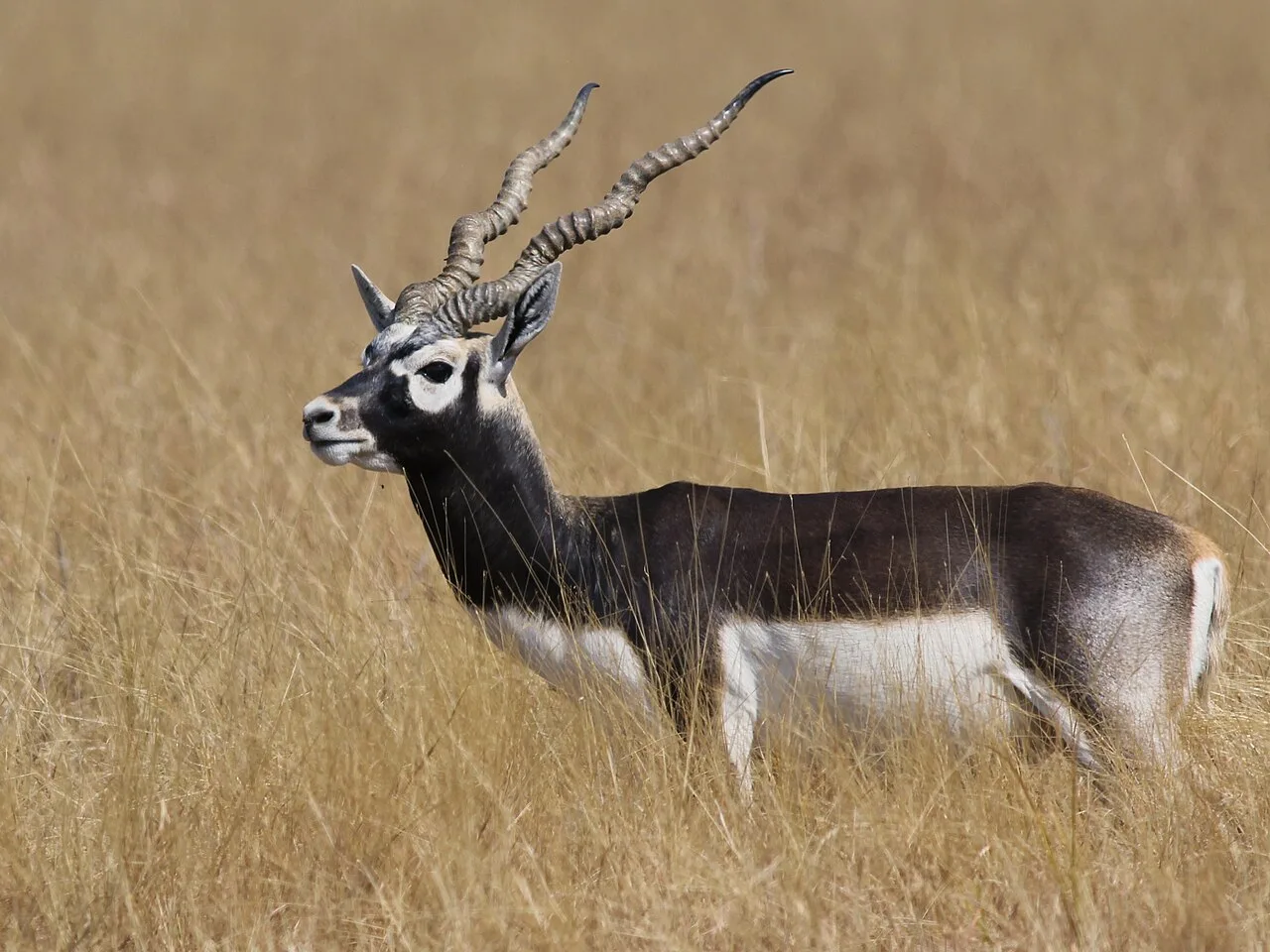
Blackbuck National Park is a protected area in Bhavnagar district, Gujarat, valued for its blackbuck and conservation efforts involving wolves and the lesser florican.

Watson Museum

92 km away · Rajkot district

Watson Museum

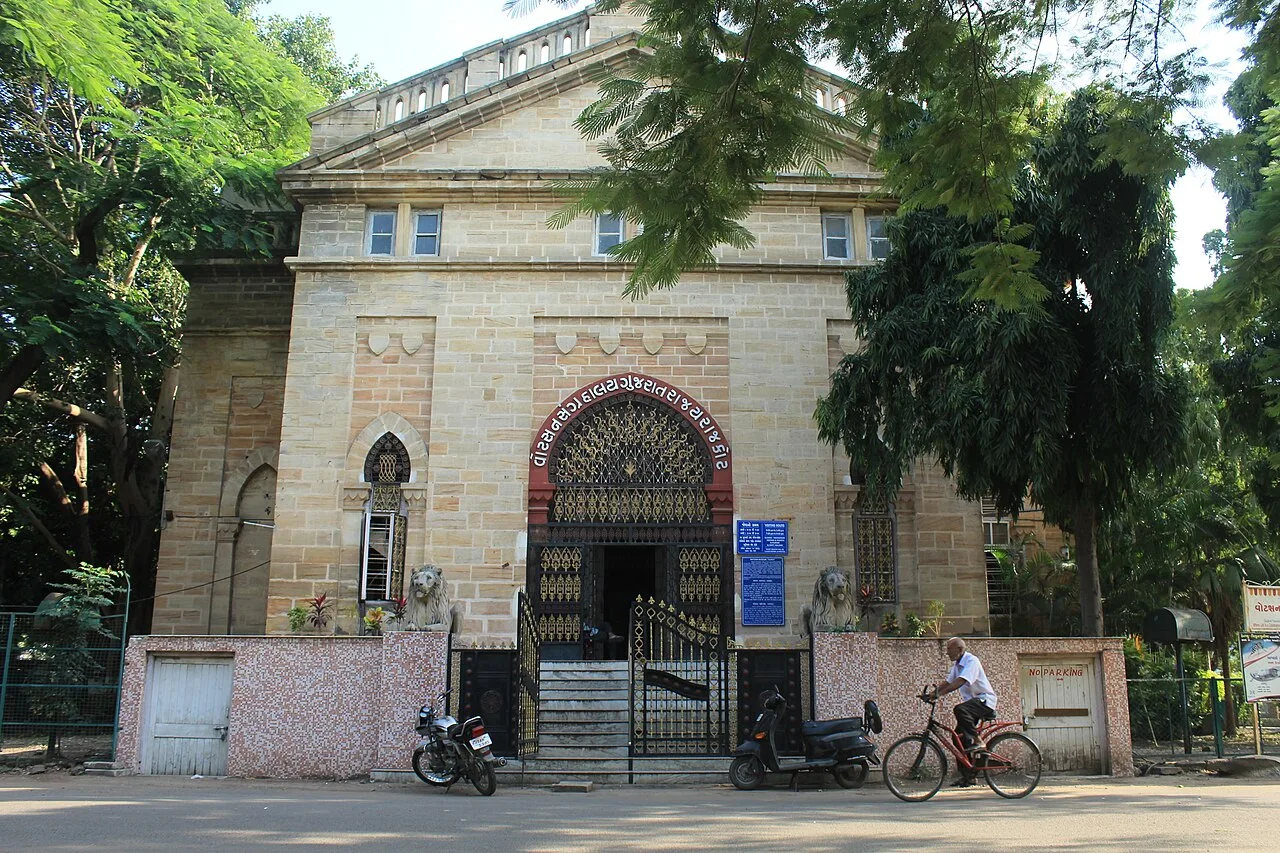
Watson Museum in Rajkot district displays objects connected with the former princely State of Rajkot. Visitors can also see photographs and artefacts, consult its reference library, and find museum publications at the sales counter.

Tarnetar

99 km away · Surendranagar district

Tarnetar

Tarnetar is a village in Gujarat’s Surendranagar district, close to Thangadh. Visitors in the vicinity can include it in their travels around the nearby city.

Gir National Park

105 km away · Gir Somnath district

Gir National Park

Gir National Park, also called Sasan Gir, is a protected area in Gujarat known for its Asiatic lions. Visitors come to see its wildlife and forest landscape.

Girnar Hill

110 km away · Junagadh district

Girnar Hill

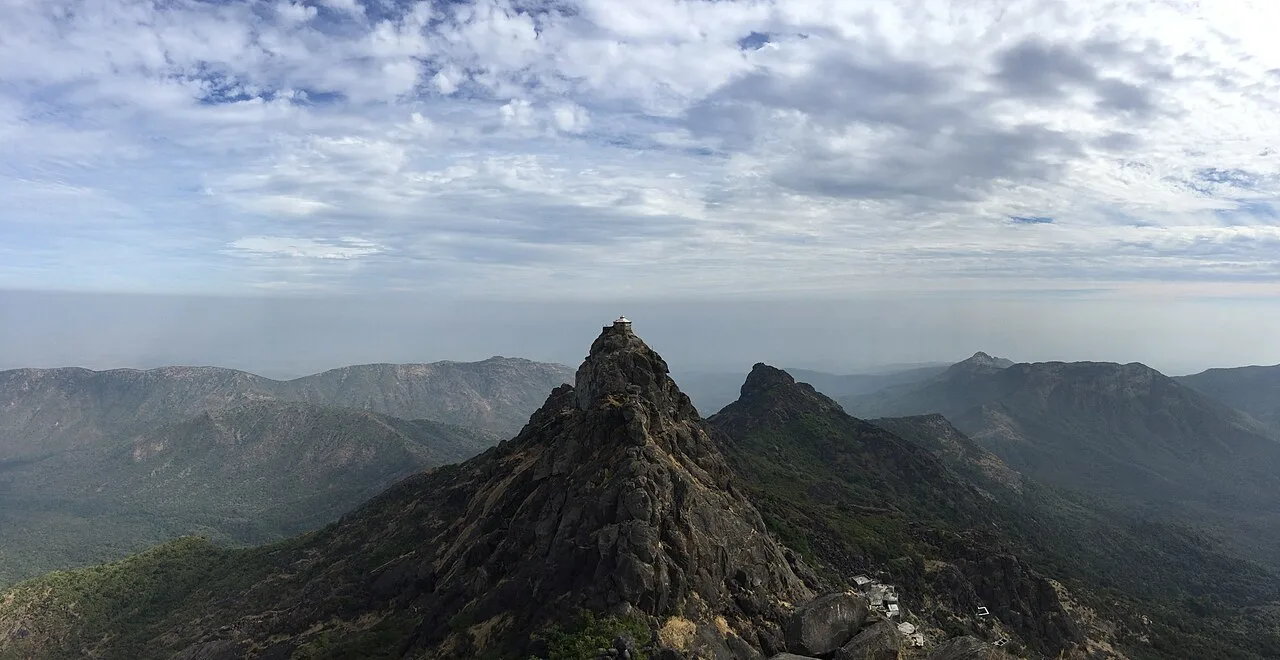
Girnar is a hill in Junagadh, Gujarat, revered as a Jain Mahatirth. Pilgrims visit in connection with traditions about Neminath, the 22nd Tirthaṅkar, and the hill’s highest summit.

Lothal

110 km away · Ahmedabad district

Lothal

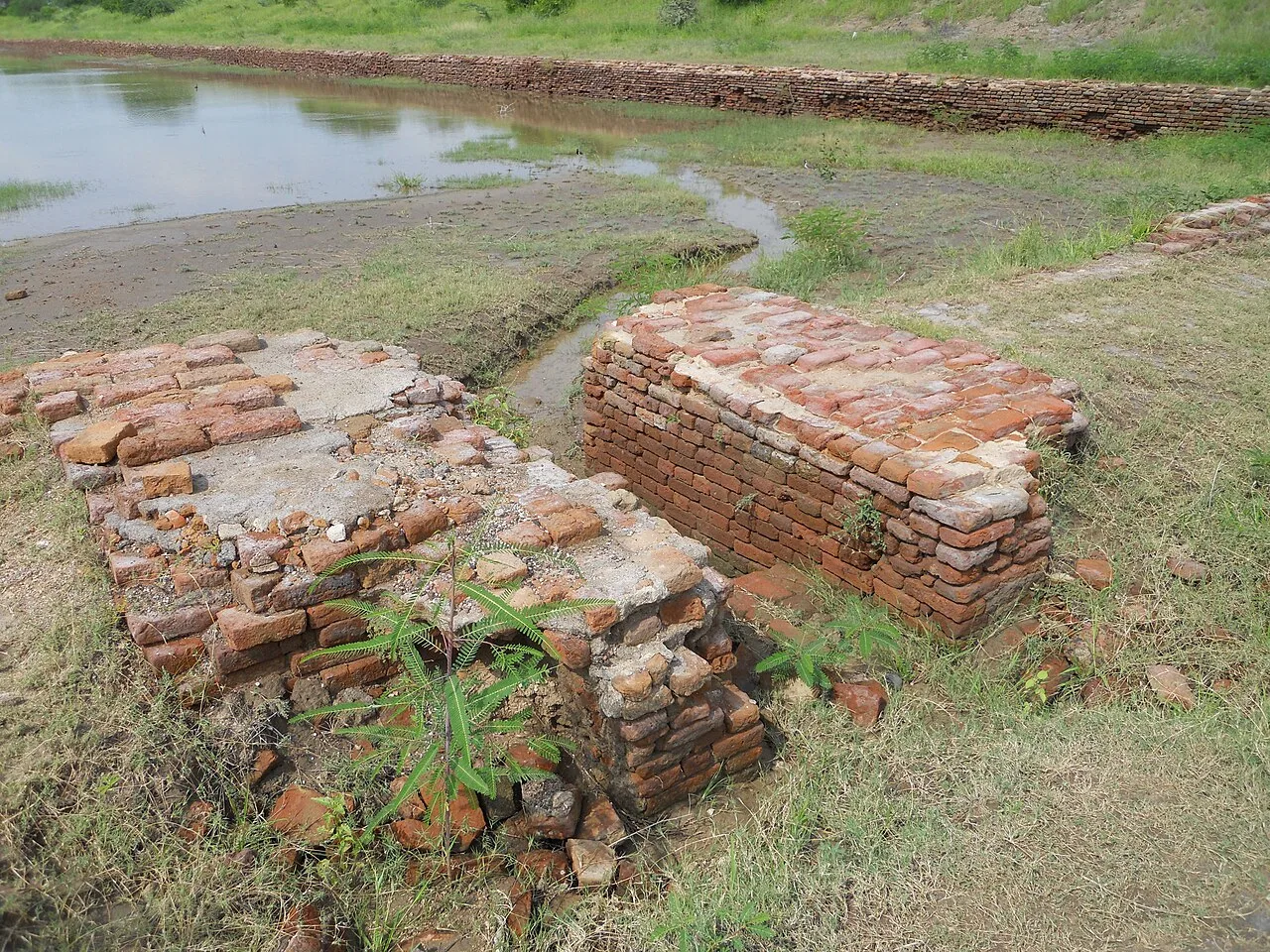
Lothal is a settlement of the ancient Indus Valley Civilisation in Gujarat. Visitors come to learn about its place among the civilisation’s southernmost sites and its early history.

Sakkarbaug Zoological Garden

112 km away · Junagadh district

Sakkarbaug Zoological Garden

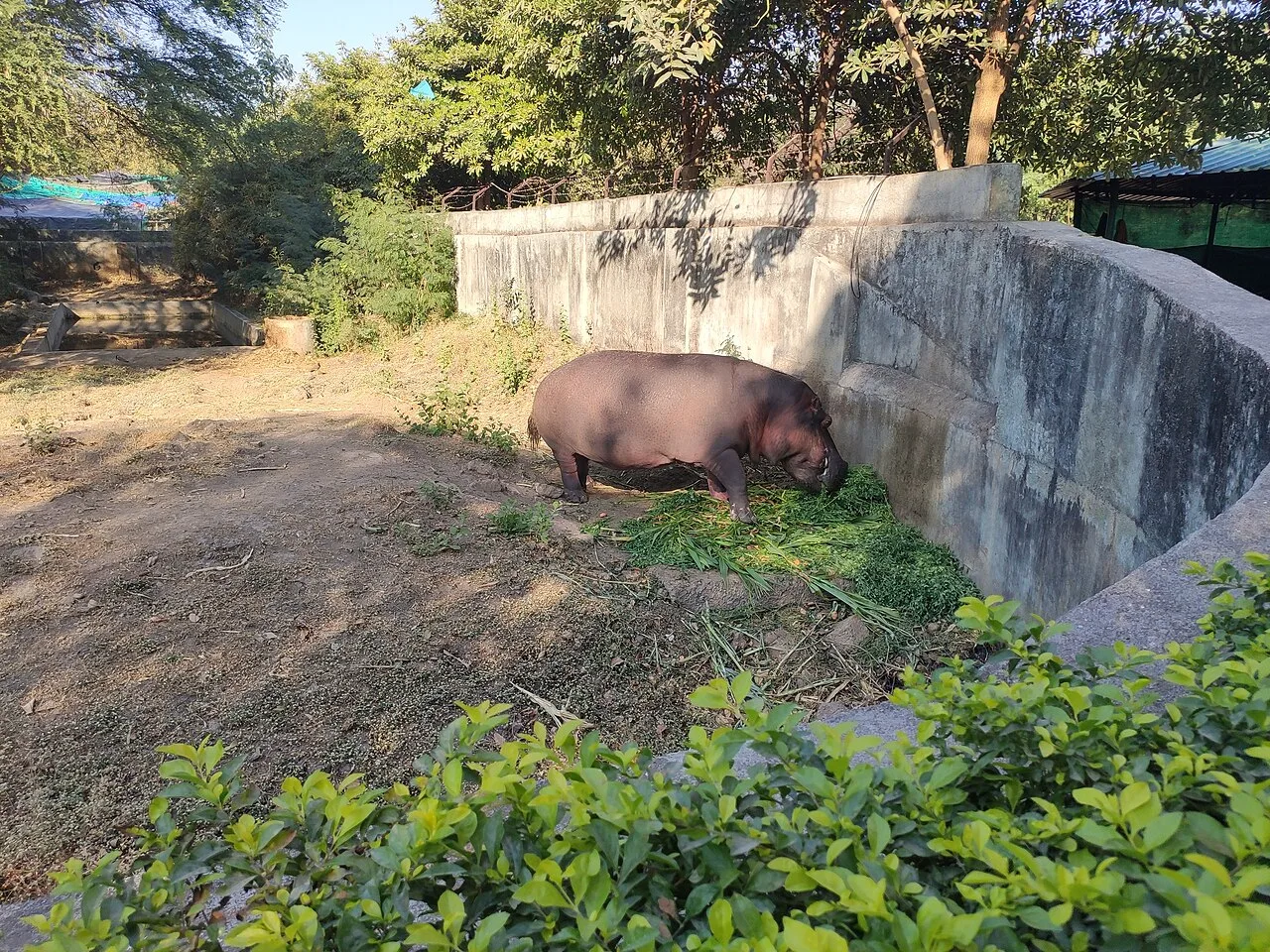
In Junagadh, Gujarat, Sakkarbaug Zoological Garden is an 84-hectare zoo established in 1863. Visitors come to see the zoo and its part in captive breeding programmes for Asiatic lions.

Map

Dhasa on the map

  1. 1Palitana temples
  2. 2Blackbuck National Park
  3. 3Watson Museum
  4. 4Tarnetar
  5. 5Gir National Park
  6. 6Girnar Hill
  7. 7Lothal
  8. 8Sakkarbaug Zoological Garden

Gujarat

Other cities to explore