Ghumoopedia — Explore, Discover, Experience
Sign in
Dakor, near Kathlal

City guide · Gujarat

Kathlal

Kathlal is a small town in Kheda district, in central Gujarat, serving as a local administrative and market centre for surrounding villages. Its place in the Charotar region connects it with a largely agricultural landscape and the everyday commerce of rural Kheda.

Famous for

  • Kheda district market town
  • Charotar agricultural trade
  • Gujarati festival traditions
  • Local temples and bazaars

Why Kathlal matters

Kathlal is a small town in Kheda district, in central Gujarat, serving as a local administrative and market centre for surrounding villages. Its place in the Charotar region connects it with a largely agricultural landscape and the everyday commerce of rural Kheda. Rather than a major sightseeing destination, Kathlal offers a chance to experience the rhythms of a Gujarati town beyond the state’s best-known urban centres.

Visitors come for local markets, neighbourhood places of worship and the town’s role as a gateway to nearby communities. The wider district is associated with farming, dairy and the history of rural life in Gujarat. Kathlal’s appeal is consequently more local than landmark-driven: a visit might include browsing the bazaar, sampling familiar Gujarati snacks and taking a short excursion through the surrounding countryside. It is most rewarding for travellers interested in regional culture and small-town life, or for those visiting family and other destinations in Kheda.
Famous for: crafts, trade & products

Kathlal is best understood as a local trading town rather than a centre for a widely recognised textile, handicraft or GI-tagged product. Its bazaar serves nearby communities, with everyday shops and vendors supplying household needs and goods connected to the surrounding farming economy. Seasonal farm produce and staples are part of this local trade, though the range varies with the season.

For visitors, the town’s main market streets are the natural place to browse for groceries, snacks, clothing and practical items. Small food shops and sweet counters offer a more accessible introduction to local tastes than a dedicated craft market. There is no well-established visitor district devoted to artisan workshops or signature souvenirs, so travellers seeking specialist crafts may find a wider selection in larger regional centres such as Nadiad or Ahmedabad. Kathlal’s identity lies more in its role within Kheda’s network of agricultural towns and villages than in a single export industry or product.

History

Kathlal’s development is tied to the history of the Kheda region, whose fertile plains supported settled agriculture and village networks over many centuries. The area came under successive Gujarat Sultanate and Mughal authorities, followed by Maratha influence and British rule. As administration and trade evolved, market settlements such as Kathlal served surrounding villages with local services and exchange.

During the colonial period, Kheda became associated with agrarian protest. The 1918 Kheda Satyagraha, led by Mahatma Gandhi and Vallabhbhai Patel, challenged land-revenue demands during a period of hardship. It was a district-wide movement, rather than an event centred solely on Kathlal, but it remains an important part of the region’s modern history.

After independence, Kathlal continued to function as a local town and administrative centre. Roads, public services and commerce have linked it more closely with Nadiad and other parts of Kheda, while the surrounding countryside remains central to its character.

Food, festivals & culture

Gujarati is the main language of daily life; Hindi is also understood by many residents. Food reflects the broader Gujarati home-cooking tradition, with thalis, rotli, shaak, dal and rice common choices. Khichdi with kadhi, thepla and savoury farsan are familiar regional foods, while local sweet shops often sell favourites such as jalebi and mohanthal. Menus and availability vary between small eateries, so asking for the day’s dishes is useful.

Navratri, usually in autumn, brings community garba and devotional music. Uttarayan, in January, is marked across Gujarat with kite-flying, while Diwali and Holi are also widely celebrated. Janmashtami is observed by many Hindu communities. Bhajans and folk songs accompany religious and family gatherings. Hindu temples and neighbourhood mosques serve local communities; visitors should dress respectfully and follow any customs posted at places of worship. The town’s cultural life is generally community-based rather than organised around large visitor events.

Visiting the city

The cooler months, from roughly November to February, are the most comfortable time to visit. Summers can be very hot, while the monsoon brings rain and greener countryside. Sardar Vallabhbhai Patel International Airport in Ahmedabad is the nearest major airport. Nadiad Junction is a practical main rail gateway for the area; onward travel to Kathlal is by road. State and private buses, taxis and shared vehicles connect towns in the region, while local auto-rickshaws are useful for short trips.

Explore the central bazaar and nearby neighbourhoods on foot, then consider a drive through the surrounding villages and farmland. Kathlal is compact, and visitors looking for larger shopping areas, more rail connections or a wider choice of accommodation can use Nadiad as a regional base. Check local transport availability before setting out for smaller villages.

Trips from the city

Nearest places to visit from Kathlal

Our closest destination guides, by straight-line distance.

Dakor

23 km away · Kheda district

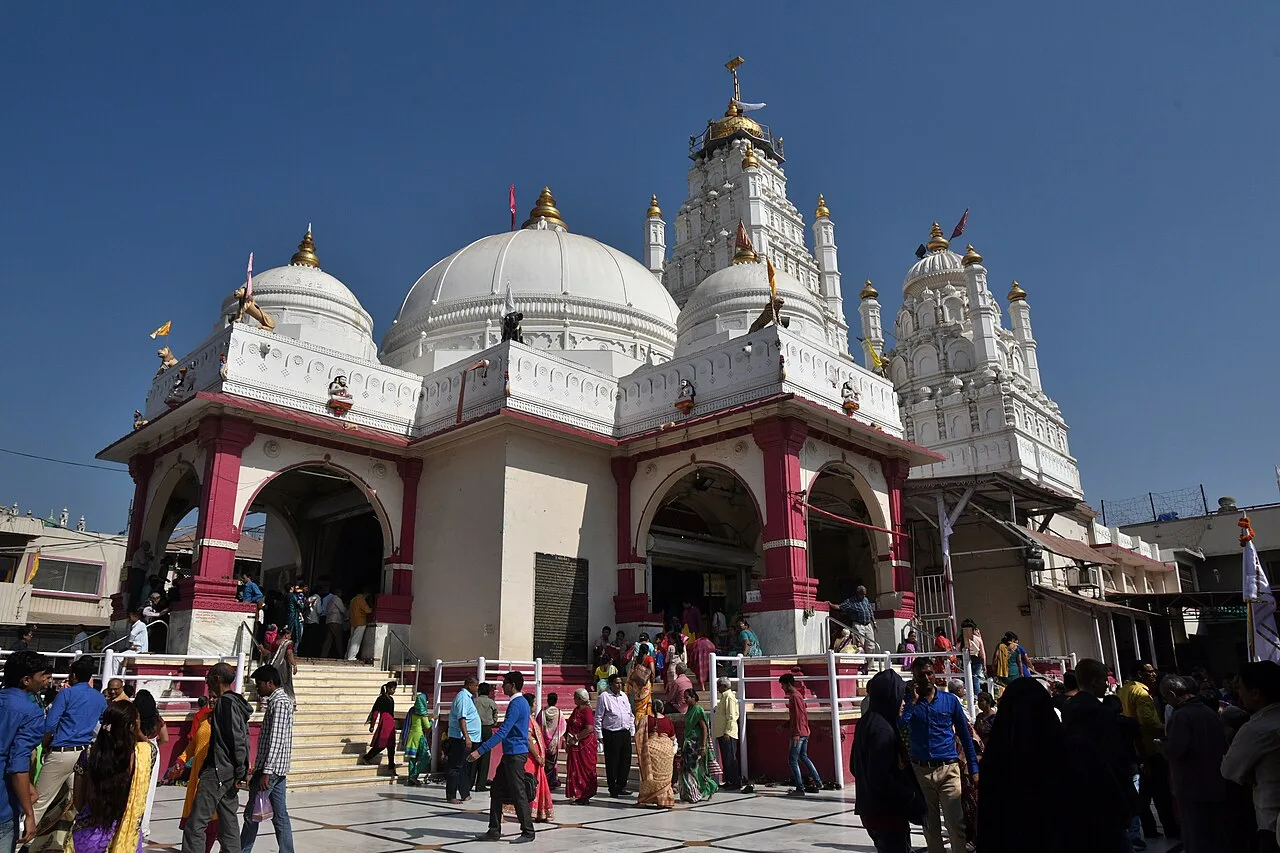
Dakor

Dakor is a small city and municipality in Gujarat’s Kheda district, known for the temple of Raṇchoḍrāyjī, which draws people to the town.

Kankaria Lake

42 km away · Ahmedabad district

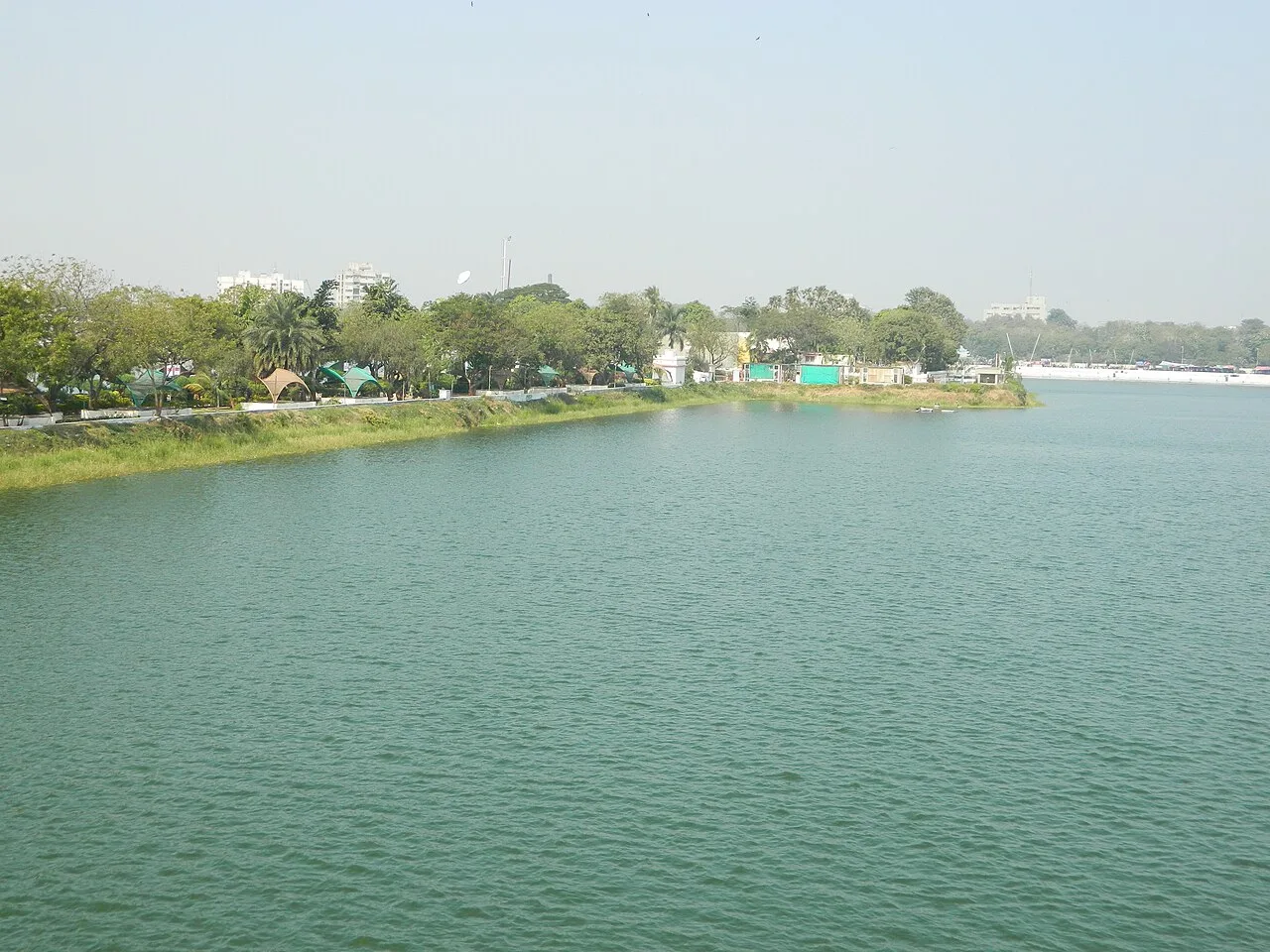
Kankaria Lake

Kankaria Lake is Ahmedabad’s largest lake, situated in Maninagar. Visitors come for its leisure attractions and the cultural, artistic and social programme of the Kankaria Carnival.

Dada Harir Stepwell

43 km away · Ahmedabad district

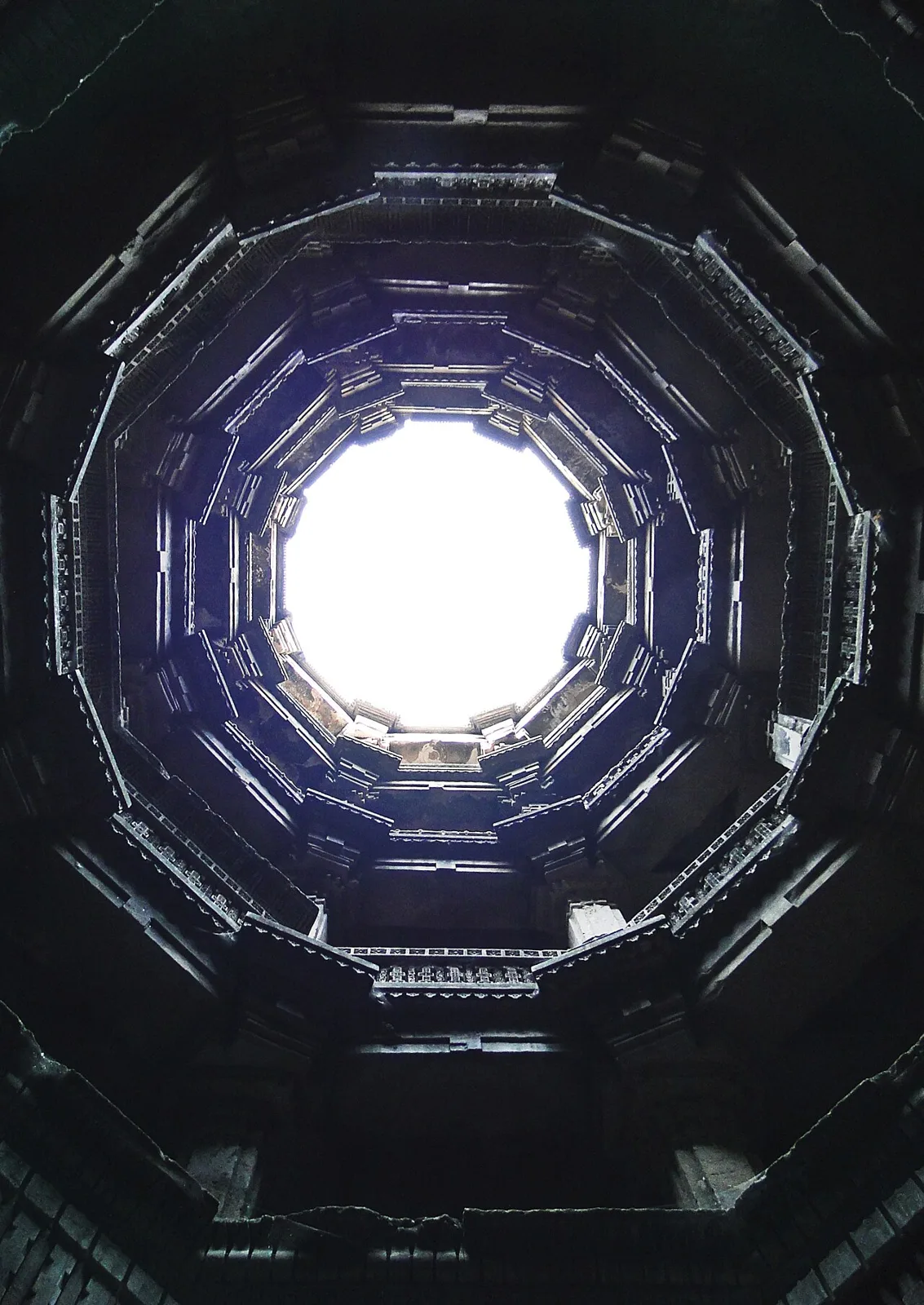
Dada Harir Stepwell

Dada Harir Stepwell is a fifteenth-century stepwell in Asarwa, Ahmedabad district, Gujarat. Visitors can see this historic structure about 15 kilometres from Ahmedabad.

Bhadra Fort

44 km away · Ahmedabad district

Bhadra Fort

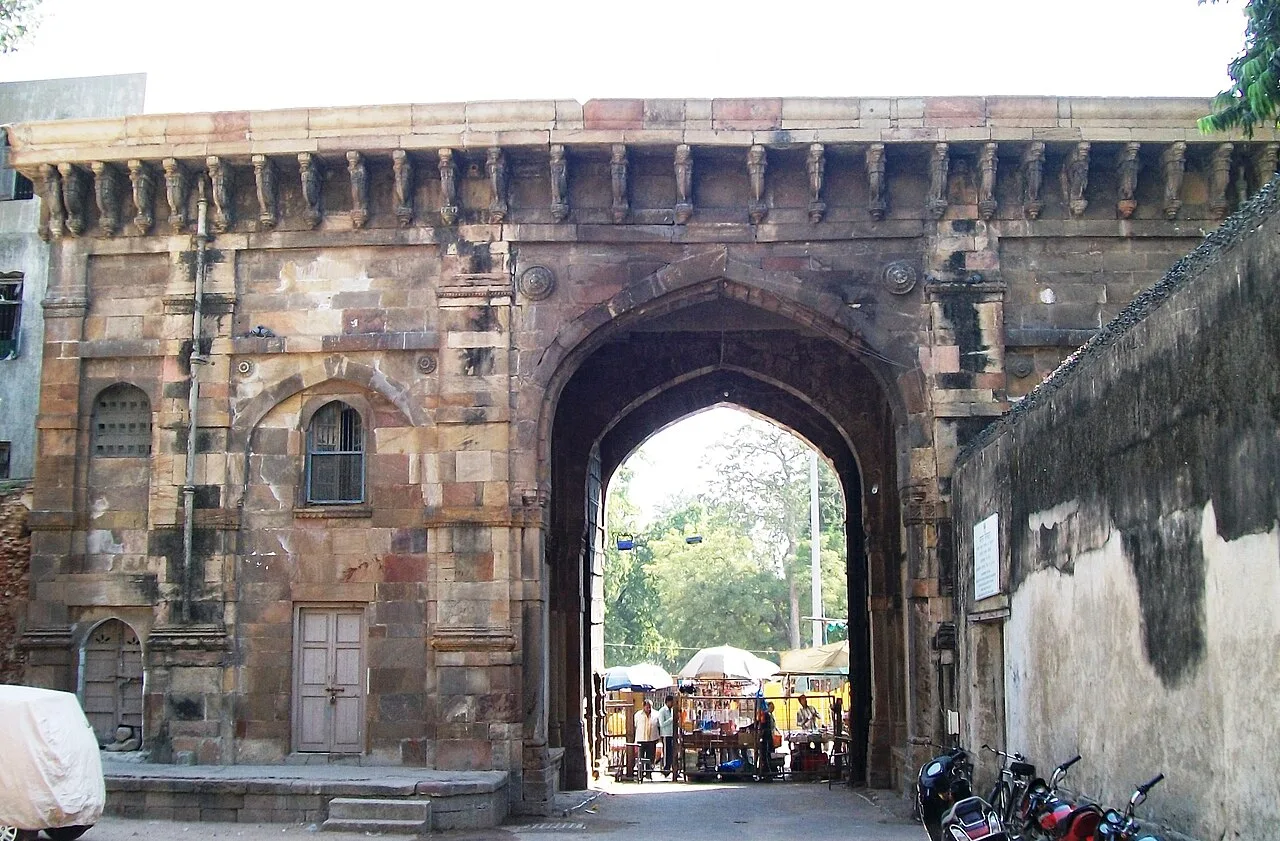
This historic Ahmedabad complex brings together royal buildings, mosques, gateways and open areas. Visitors explore its architecture and its present role as a cultural centre for the city.

Calico Museum of Textiles

44 km away · Ahmedabad district

Calico Museum of Textiles

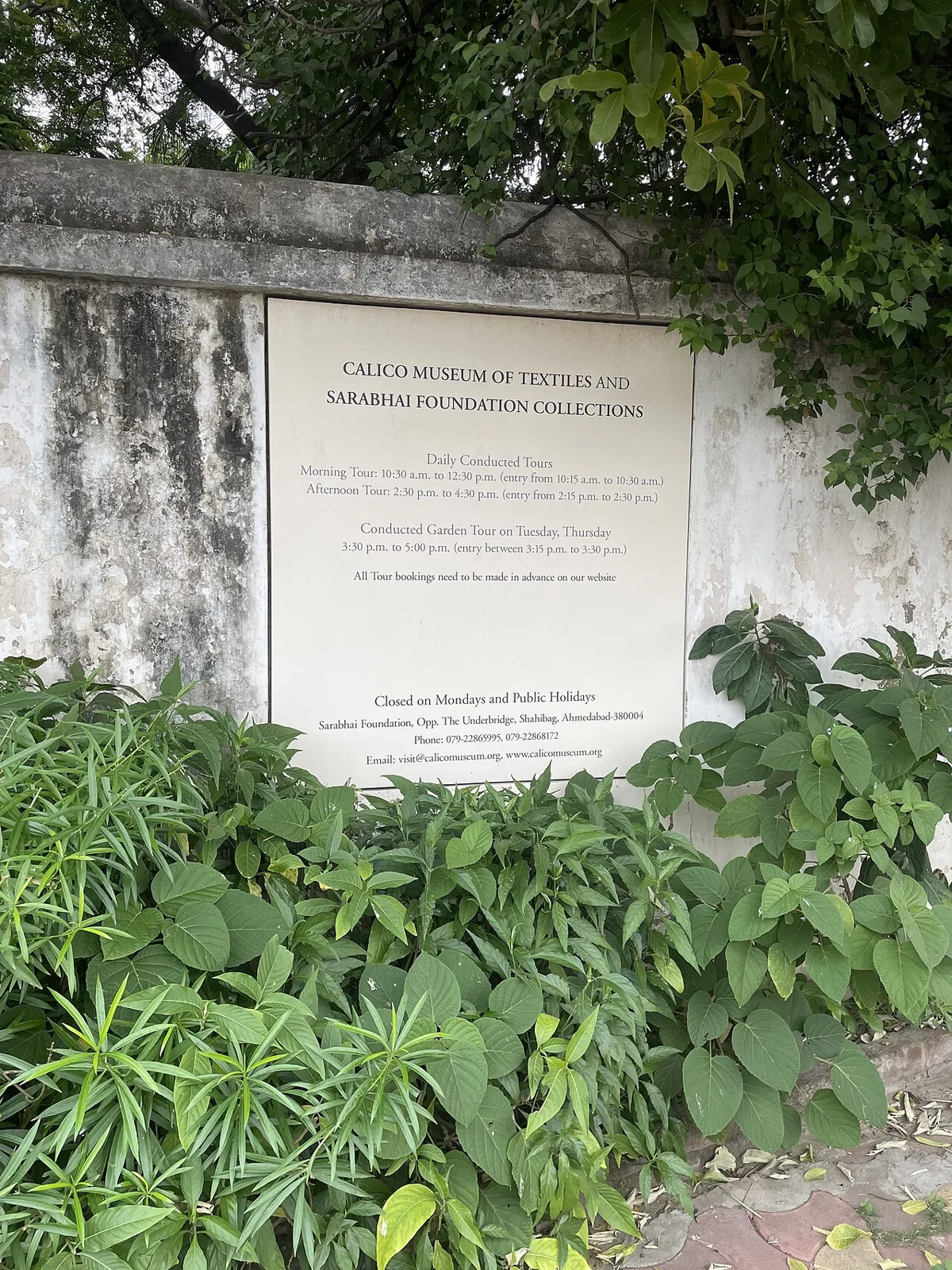
The Calico Museum of Textiles is a textile museum in Ahmedabad, Gujarat. Visitors come to see and learn about textiles at this institution, which is managed by the Sarabhai Foundation.

Hutheesing Jain Temple

44 km away · Ahmedabad district

Hutheesing Jain Temple

Ahmedabad's Hutheesing Jain Temple, in Gujarat, is a place of Jain worship built by the Hutheesing family in 1848. Visitors can see its blend of Maru-Gurjara temple design and haveli features.

Jama Masjid, Ahmedabad

44 km away · Ahmedabad district

Jama Masjid, Ahmedabad

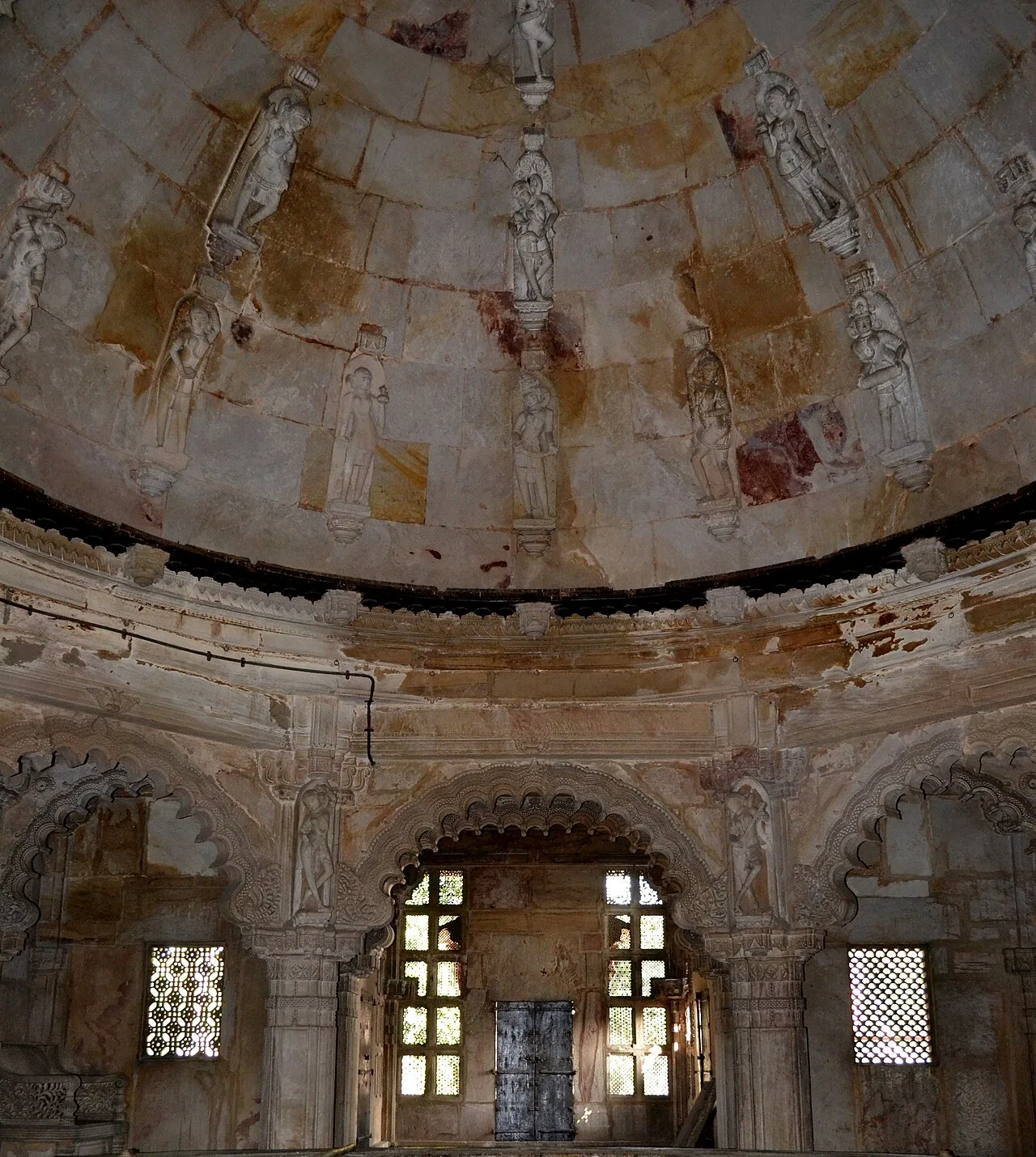
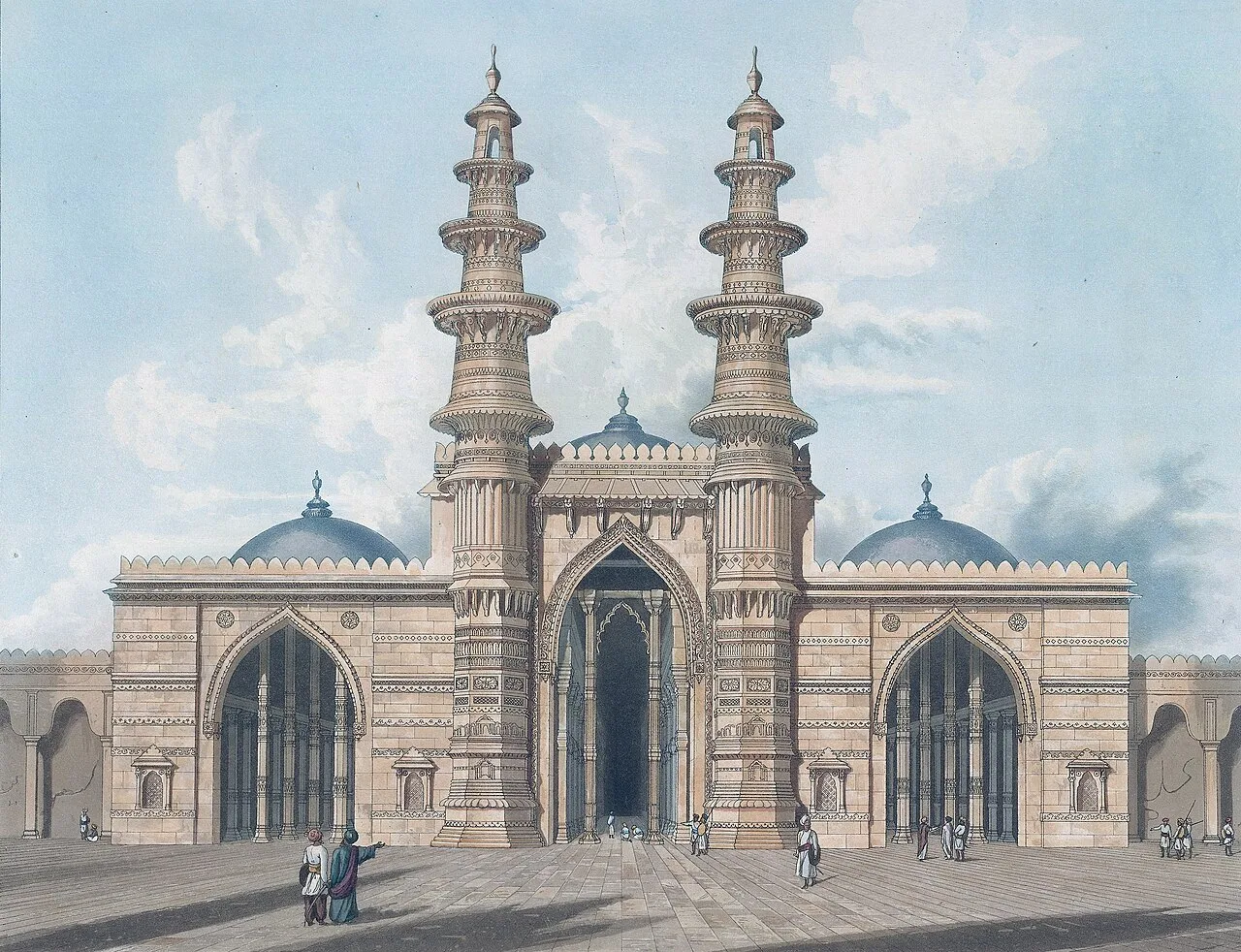
Ahmedabad’s Jama Masjid is a historic Friday mosque in the old city, visited for its impressive scale, central courtyard and expression of Gujarat-style architecture.

Sidi Saiyyed Mosque

45 km away · Ahmedabad district

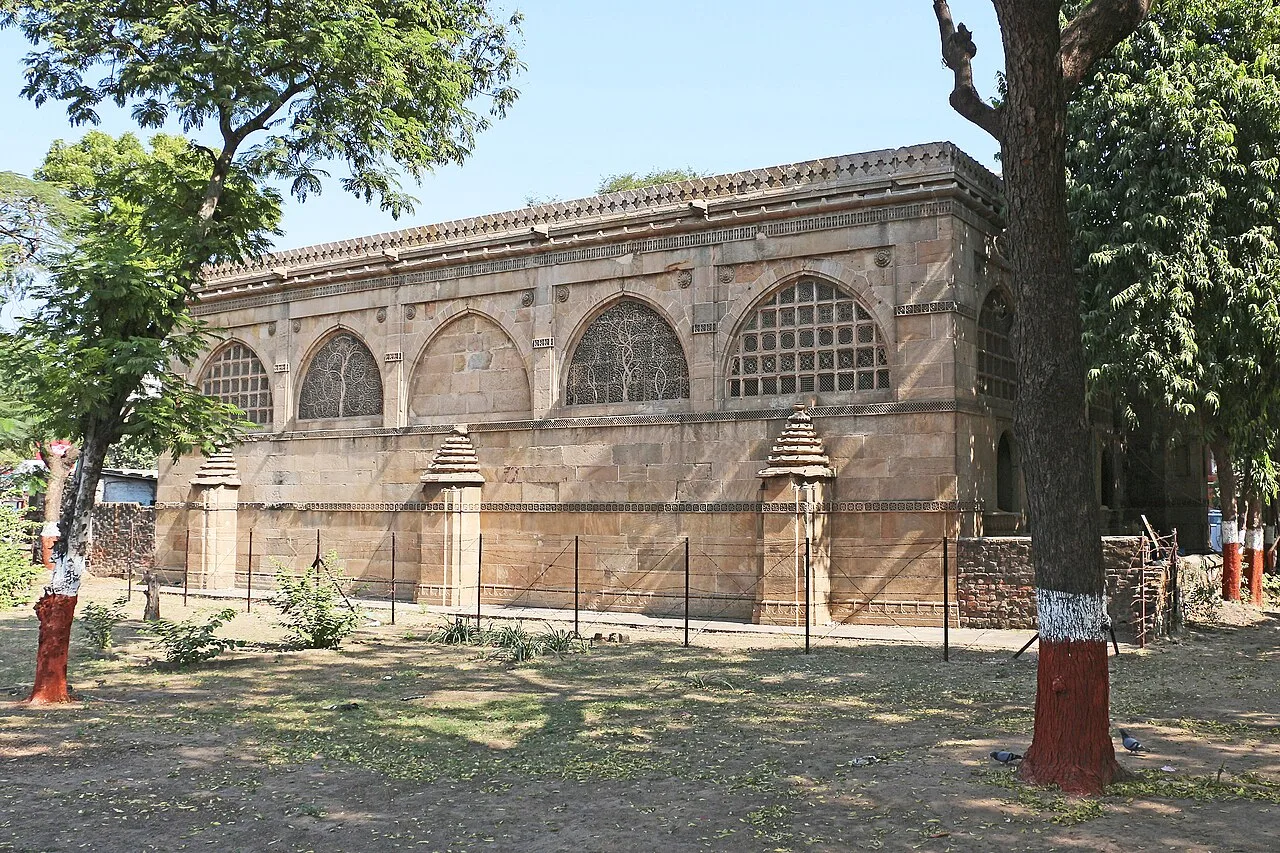
Sidi Saiyyed Mosque

Sidi Saiyyed Mosque is a Sunni place of worship in Ahmedabad, Gujarat, also known locally as Sidi Saiyyed ni Jali. Visitors come to see this nationally important historic monument.

Map

Kathlal on the map

  1. 1Dakor
  2. 2Kankaria Lake
  3. 3Dada Harir Stepwell
  4. 4Bhadra Fort
  5. 5Calico Museum of Textiles
  6. 6Hutheesing Jain Temple
  7. 7Jama Masjid, Ahmedabad
  8. 8Sidi Saiyyed Mosque

Gujarat

Other cities to explore