Ghumoopedia — Explore, Discover, Experience
Sign in
Sahasralinga Tank, near Radhanpur

City guide · Gujarat

Radhanpur

Radhanpur is a historic town in Patan district, in the northern part of Gujarat. Its importance comes chiefly from its past as the seat of a princely state ruled by the Babi family and from its continuing role as a local centre for surrounding settlements.

Famous for

  • Babi princely-state heritage
  • Radhanpur State history
  • Historic North Gujarat town
  • Local bazaar trade

Why Radhanpur matters

Radhanpur is a historic town in Patan district, in the northern part of Gujarat. Its importance comes chiefly from its past as the seat of a princely state ruled by the Babi family and from its continuing role as a local centre for surrounding settlements. The town’s layered history—from Vaghela and Gujarat Sultanate connections to Babi rule and the colonial-era princely state—gives it a distinctive place in the region’s story.

Visitors come for a quieter, everyday view of North Gujarat rather than a large circuit of headline attractions. The old town and central market offer a sense of local life, while the former princely-state setting gives the streets historical interest. Radhanpur is also a useful stop for travellers moving through the region by road or rail. It is not widely associated with a nationally recognised craft or signature textile; its appeal lies more in its history, local commerce and Gujarati culture. A visit can be combined with other destinations in northern Gujarat, though travel plans should allow for the distances between towns.
Famous for: crafts, trade & products

Radhanpur is chiefly known for its historic association with the Babi-ruled princely state, rather than for a widely documented signature textile, handicraft or GI-tagged product. It should not be confused with Patan, the nearby city known for Patola weaving. No distinct craft district or specialist shopping quarter is firmly established as a major visitor attraction in Radhanpur.

For everyday shopping, the central bazaar and surrounding town streets are the most practical places to browse. Small shops serve local needs with clothing, household goods, snacks and other everyday merchandise; selection varies by shop. Visitors looking for regional food items can ask locally about seasonal produce and sweets, but these are better treated as local shopping than as a formally recognised Radhanpur speciality. The town’s trade is primarily that of a regional service centre, connecting nearby communities with routine retail and services. Those seeking dedicated craft workshops or a wider range of heritage textiles may find more options in larger nearby centres, including Patan. Ask shopkeepers before photographing goods or workspaces.

History

Radhanpur’s history reflects successive powers in northern Gujarat. The settlement was once associated with the Vaghelas and was known as Lunavada, a name linked to Vaghela Lunaji. It later came under the Gujarat Sultanate. Local tradition connects the name Radhanpur with Radhan Khan, of the family of Fateh Khan Baloch, who received territory in the area.

The Babi family gradually established control over Radhanpur and nearby villages. In the eighteenth century, Jawan Mard Khan II gained authority over parts of North Gujarat, amid conflict with local rulers and the Maratha Gaekwads. In 1813, Sher Khan made an agreement with the Gaekwar and the British, and Radhanpur became a British-protected princely state. Babi descendants ruled until Indian independence in 1947. The state was administered within the colonial-era agency system and later became part of Gujarat when the state was formed in 1960. Radhanpur is now in Patan district.

Food, festivals & culture

Daily life reflects the Gujarati traditions of North Gujarat. Gujarati is the main language, while Hindi is also understood by many residents. Meals commonly draw on familiar regional staples such as rotla or other breads, lentils, vegetables, kadhi and khichdi. Farsan and sweets are enjoyed as snacks or at celebrations; the particular offerings vary among local shops, so it is best to ask what is freshly made rather than expect one defining Radhanpur dish.

Navratri, usually in autumn, brings worship and community garba gatherings, while Diwali is marked with homes, shops and places of worship illuminated for the festival. Uttarayan, the January kite festival, is another lively season across Gujarat. Eid is observed by Muslim residents according to the lunar calendar, with dates that shift each year. The town’s religious life includes Hindu temples and mosques, serving communities with different traditions. Visitors should dress respectfully at places of worship and check locally about access, customs and any festival events.

Visiting the city

The cooler months, roughly October to February, are generally the most comfortable time to visit. Summers can be very hot, so plan outdoor activities for the cooler parts of the day. The nearest major commercial airport is Sardar Vallabhbhai Patel International Airport in Ahmedabad. Radhanpur has its own railway station, Radhanpur railway station; check current connections before setting out.

Road travel is useful for reaching nearby towns. Within Radhanpur, visitors can explore the central bazaar and older town streets on foot, using local autos or taxis for longer trips. The historic centre is the best area to begin for a feel of the town’s everyday life and past as a princely-state seat. Ask locally about access to heritage buildings, as not every historic property is open to visitors.

Trips from the city

Nearest places to visit from Radhanpur

Our closest destination guides, by straight-line distance.

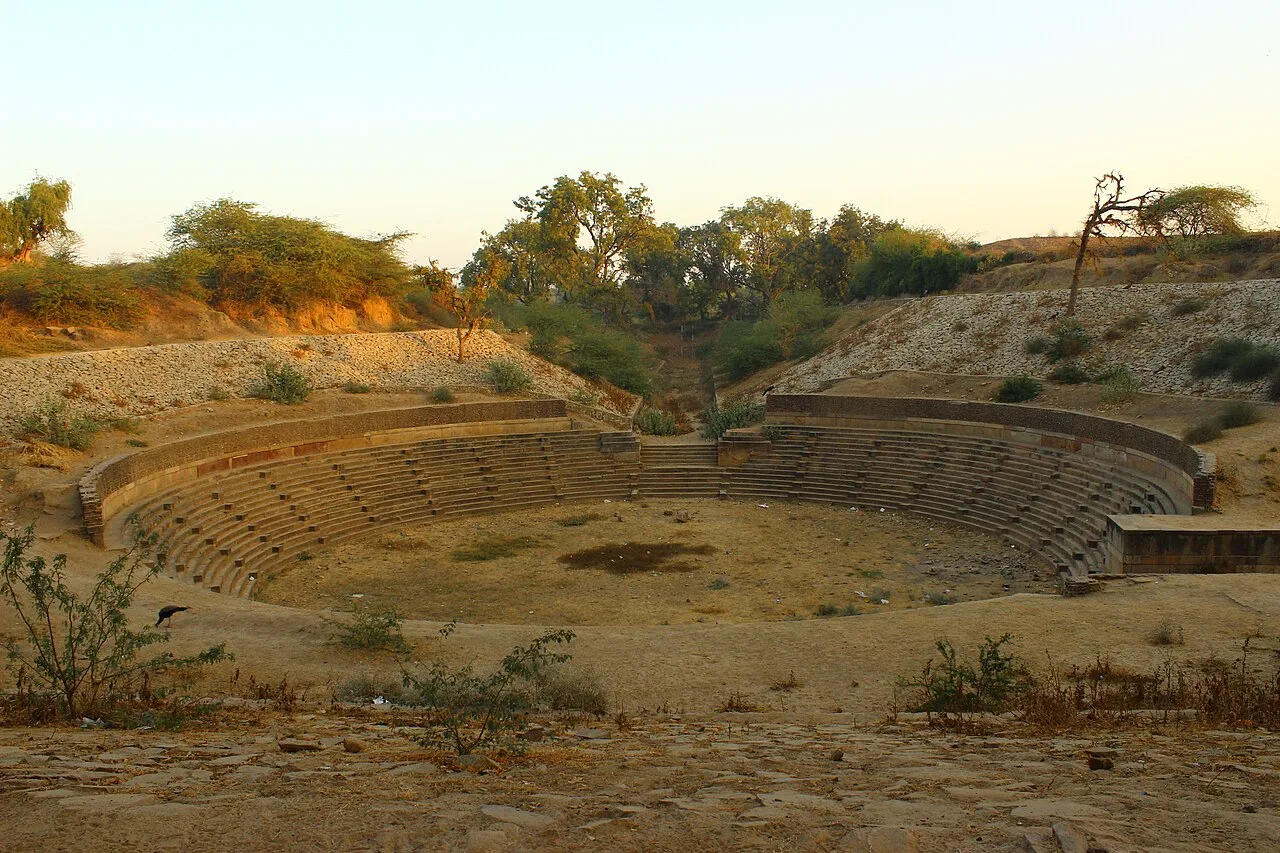
Sahasralinga Tank

50 km away · Patan district

Sahasralinga Tank

Sahasralinga Tank is a medieval, human-made reservoir in Gujarat’s Patan district, commissioned under Chaulukya rule. Visitors come to see this historic site, which is protected as a national monument.

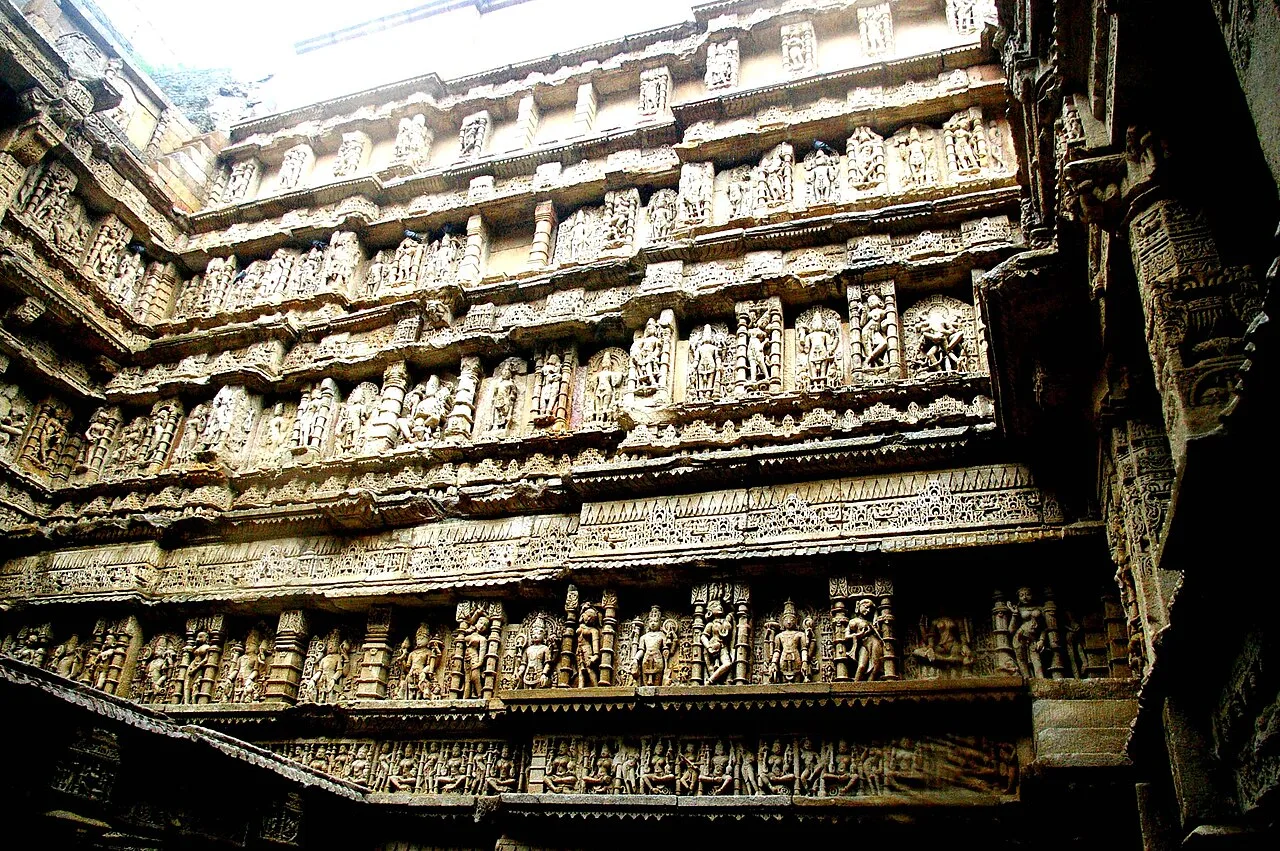
Rani ki Vav

51 km away · Patan district

Rani ki Vav

Rani ki Vav is a stepwell in Patan, Gujarat, notable for its tiered underground design and extensive sculpture, which reflect the monument’s religious and architectural significance.

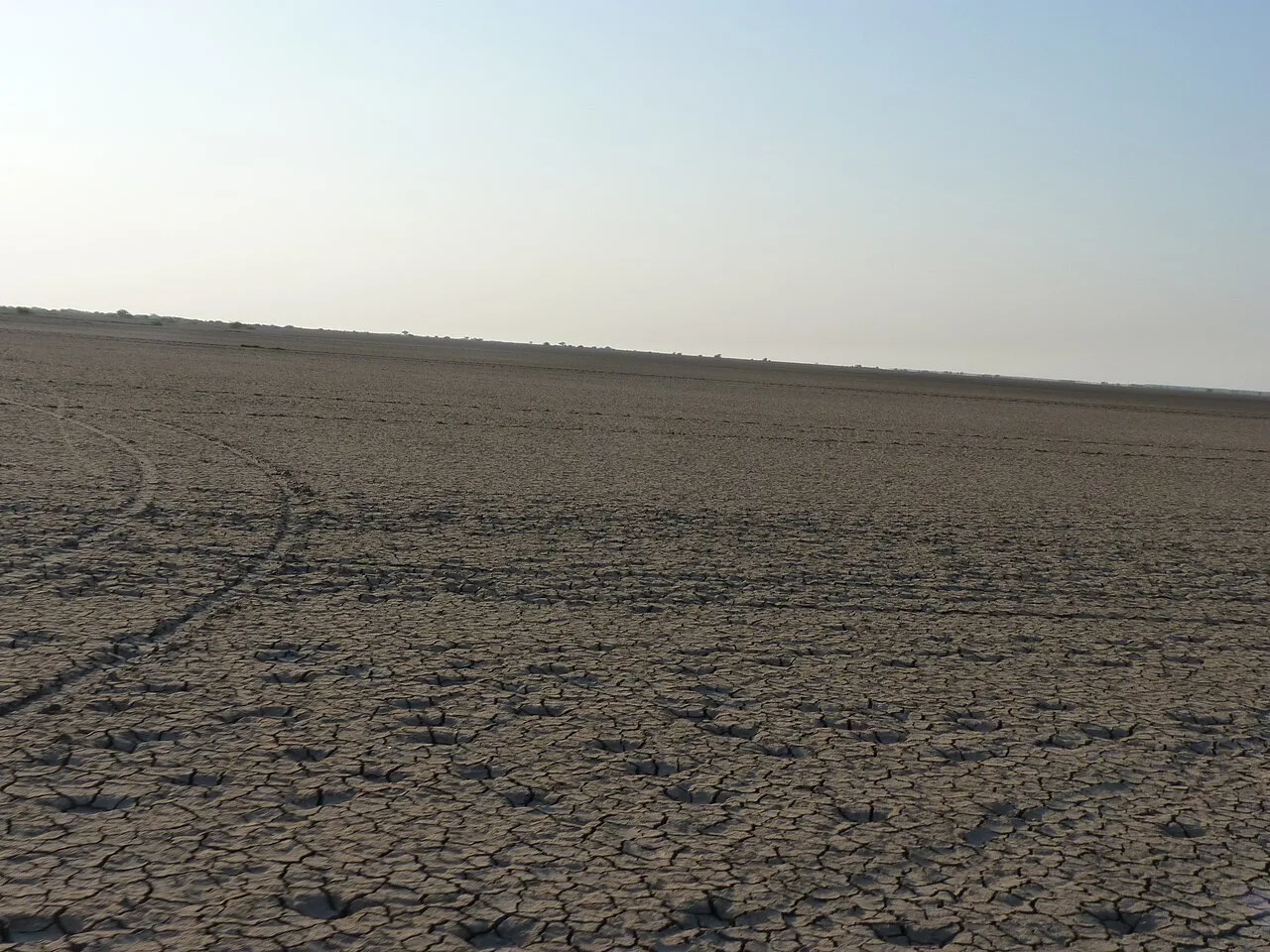
Indian Wild Ass Sanctuary

54 km away · Surendranagar district

Indian Wild Ass Sanctuary

In Gujarat’s Little Rann of Kutch, the Indian Wild Ass Sanctuary protects the endangered khur. Visitors are drawn by the chance to see this wild ass, a southern subspecies of the Asiatic wild ass.

Modhera Sun Temple

60 km away · Mehsana district

Modhera Sun Temple

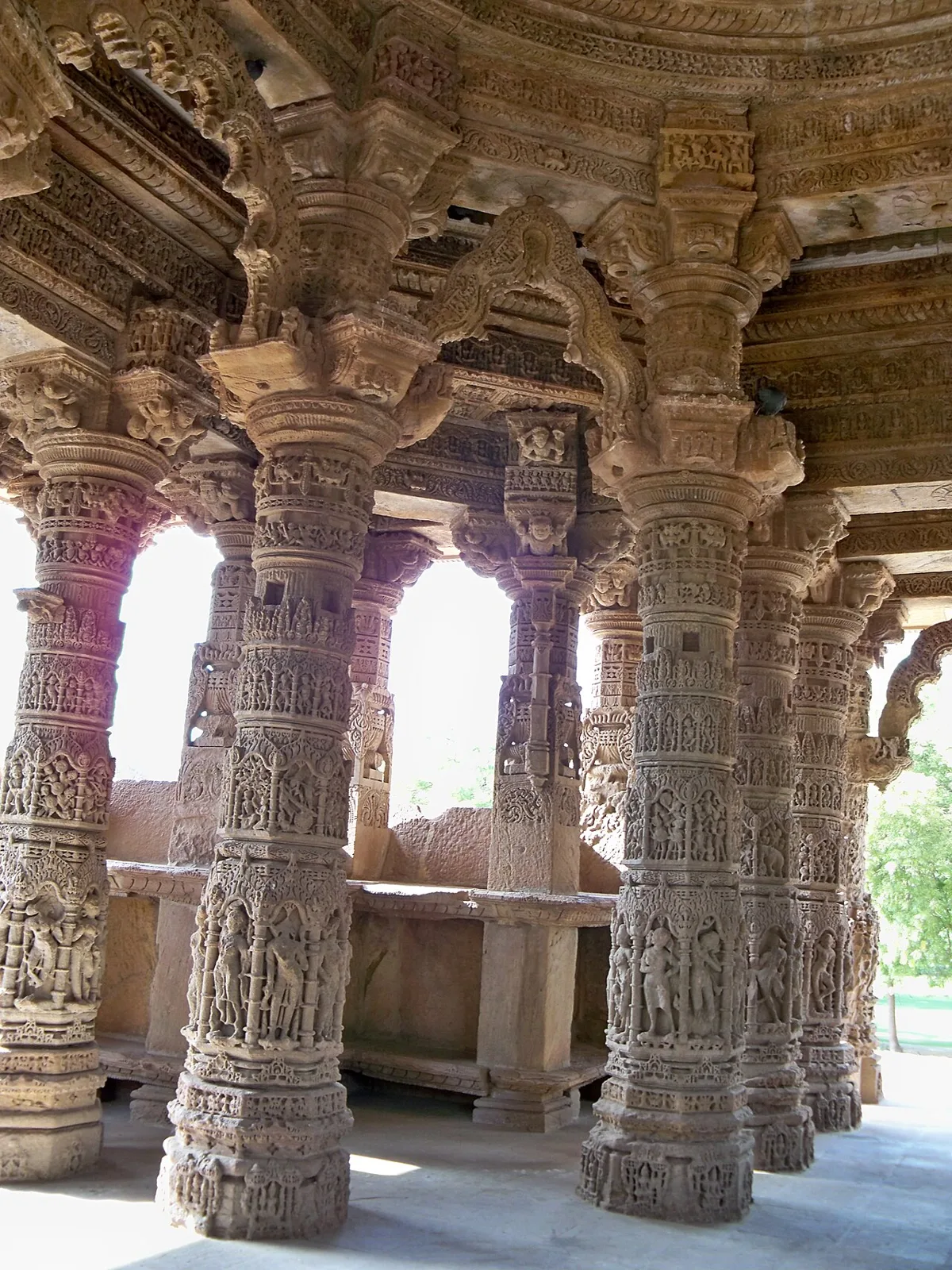
This Hindu temple complex in Modhera, Gujarat, honours Surya. Visitors come to see its carved halls, decorated pillars and stepped reservoir, which is dotted with small shrines.

Great Rann of Kutch

102 km away · Kutch district

Great Rann of Kutch

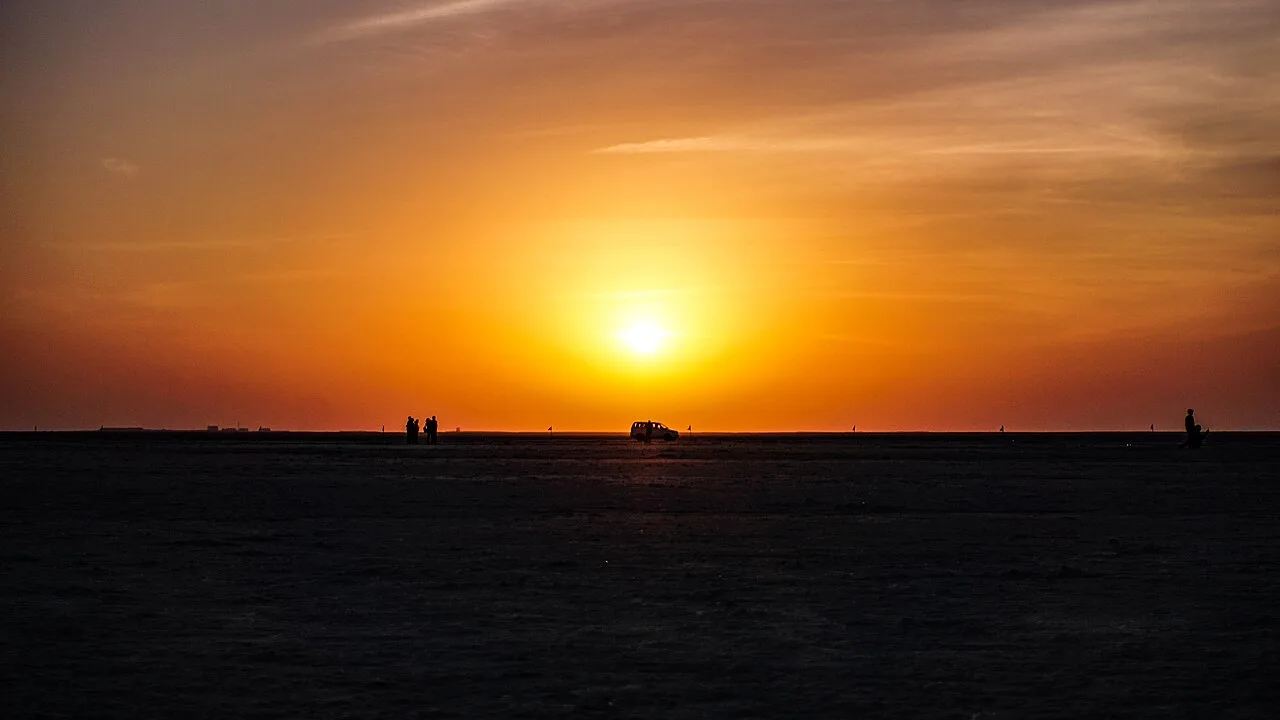
A vast saline desert in Gujarat’s Kutch district, the Great Rann forms part of the Thar Desert. Visitors come to encounter its immense salt-flat landscape.

Taranga Jain Temples

118 km away · Mehsana district

Taranga Jain Temples

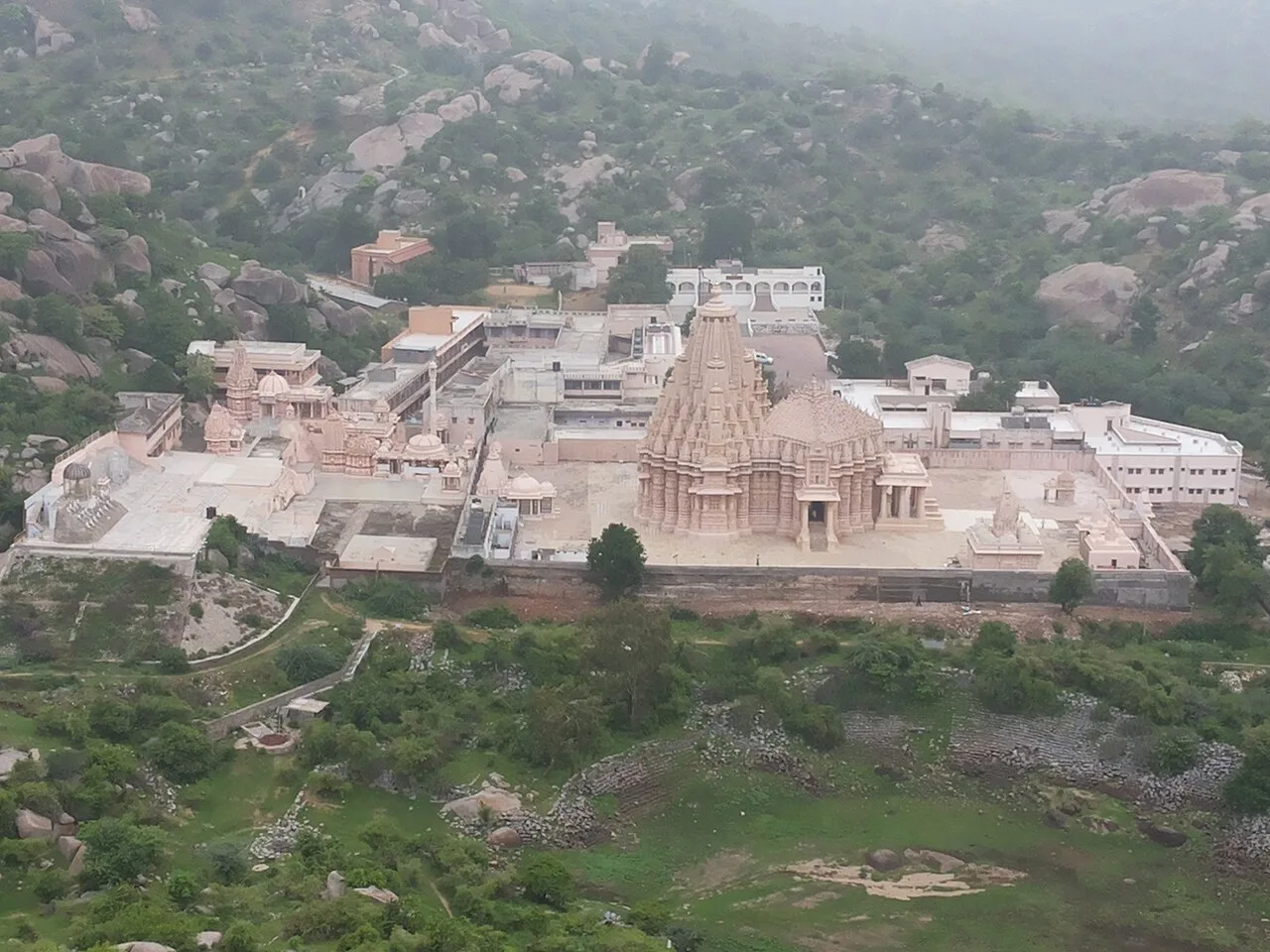
Taranga is a Jain pilgrimage site near Kheralu, known for temples representing Śvetāmbara and Digambara traditions and for its notable Māru-Gurjara architecture.

Adalaj Stepwell

124 km away · Gandhinagar district

Adalaj Stepwell

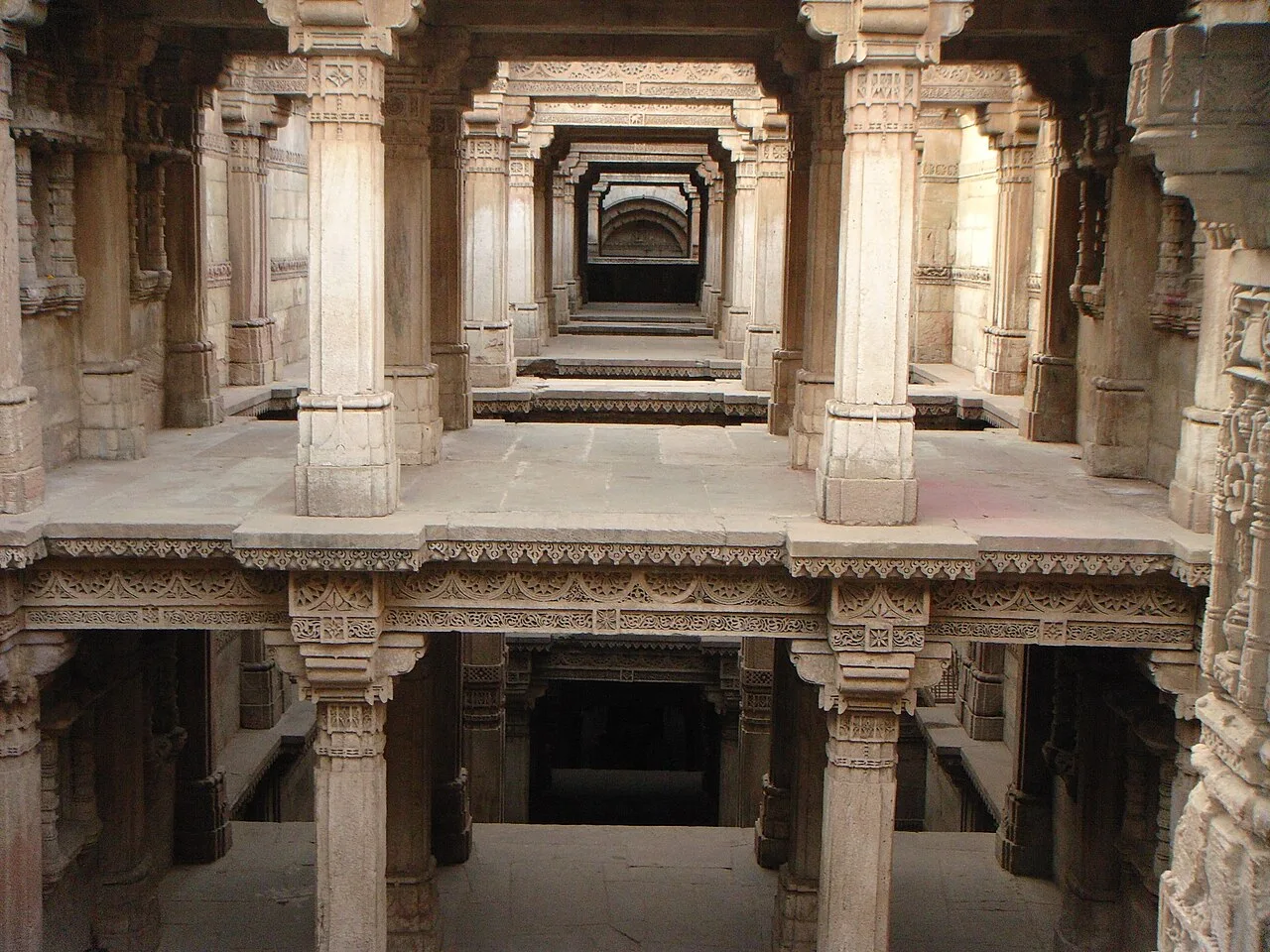
Adalaj Stepwell, also known as Rudabai Stepwell, is a sandstone structure in Gujarat’s Gandhinagar district. Visitors come to see its Solanki-style design and its connection to Rana Veer Singh.

Nal Sarovar Bird Sanctuary

126 km away · Ahmedabad district

Nal Sarovar Bird Sanctuary

Nal Sarovar is a large lake and marshland reserve in Gujarat, known for the many resident and seasonal birds that gather there. Visitors come to observe its wetland wildlife, especially during the cooler months.

Map

Radhanpur on the map

  1. 1Sahasralinga Tank
  2. 2Rani ki Vav
  3. 3Indian Wild Ass Sanctuary
  4. 4Modhera Sun Temple
  5. 5Great Rann of Kutch
  6. 6Taranga Jain Temples
  7. 7Adalaj Stepwell
  8. 8Nal Sarovar Bird Sanctuary

Gujarat

Other cities to explore