Ghumoopedia — Explore, Discover, Experience
Sign in
Swaminarayan Akshardham, near Mansa

City guide · Gujarat

Mansa

Mansa is a municipality and regional town in Gandhinagar district, north of Ahmedabad. Its importance comes from its role as a local centre for surrounding villages and from its history as the capital of a small princely state.

Famous for

  • Former Chavda Rajput state
  • Mahi Kantha-era heritage
  • Mahudi Jain pilgrimage nearby
  • Gujarati market-town life

Why Mansa matters

Mansa is a municipality and regional town in Gandhinagar district, north of Ahmedabad. Its importance comes from its role as a local centre for surrounding villages and from its history as the capital of a small princely state. The town’s identity is closely connected with the Chavda Rajputs, who ruled Mansa state, and with the political landscape of the former Mahi Kantha Agency.

Visitors find a quieter, everyday side of Gujarat here: a busy town centre, local shops and places of worship, with rural scenery nearby. Mansa is also a convenient base for visiting Mahudi, an important Jain pilgrimage destination in the surrounding area. It is not chiefly known for a major textile industry or a signature handicraft; its appeal lies instead in its regional heritage, local religious life and position within the Gandhinagar–north Gujarat travel circuit. A visit can pair a look at the town’s streets and markets with excursions to nearby pilgrimage sites and larger urban centres.
Famous for: crafts, trade & products

Mansa is best understood as a service and trading town for its surrounding countryside rather than as a destination for a nationally recognised textile, craft or GI-tagged product. Its shops and market areas cater mainly to local needs, with everyday goods and produce moving between the town and nearby villages. Visitors can browse the central bazaar for provisions, household items and Gujarati snacks, though specialist craft shopping is limited.

The wider region has an agricultural character, and local trade reflects that connection. Mansa does not have a widely established signature saree, handicraft or branded food product that defines its identity. For a broader choice of Gujarati textiles, handicrafts and organised retail, travellers can look to larger centres such as Gandhinagar or Ahmedabad. Mahudi, nearby, is primarily a religious destination rather than a shopping hub; its temples and pilgrimage activity are the stronger draw. Travellers seeking local products can ask in town shops about seasonal produce and regional sweets, while treating Mansa’s markets as a glimpse of ordinary north Gujarati commerce rather than a specialised shopping district.

History

Mansa developed as the capital of a princely state ruled by the Chavda Rajputs. Its past belongs to the patchwork of small states that shaped north Gujarat before and during British rule. Under the British Raj, Mansa was classed as a third-class non-salute state and administered within the Mahi Kantha Agency, a political agency that coordinated relations with the region’s princely rulers.

After India became independent, the state joined the Union of India in 1948, bringing its separate princely administration to an end. Mansa subsequently continued as a town serving its surrounding settlements and later became part of Gandhinagar district. Its present-day role is municipal and regional: local administration, commerce and services are more prominent than courtly functions. The town’s historical importance is therefore best understood through its former status as a small state capital and its place in the changing political geography of Gujarat, rather than through a large surviving royal complex or a major industrial transformation.

Food, festivals & culture

Gujarati is the principal language of daily life; Hindi is also commonly understood, and English may be used in some formal settings. Food follows familiar Gujarati patterns, with thali meals, rotli, vegetable dishes, khichdi and kadhi among everyday choices. Shops and eateries may also offer snacks such as dhokla, fafda and thepla, along with local sweets; these are regional favourites rather than dishes unique to Mansa.

Navratri, usually in autumn, brings devotional music and garba dancing, while Diwali, Uttarayan in January and Holi are widely observed seasonal festivals. Religious life centres on local temples and community places of worship, with Jain pilgrimage at Mahudi in the surrounding area drawing visitors beyond the town. Gujarati folk singing and devotional performances are part of the broader cultural setting; programmes are often linked to festivals and community gatherings. The pace is generally that of a small north Gujarati town, where market visits, family celebrations and religious observances shape daily rhythms.

Visiting the city

The cooler months, roughly October to February, are generally the most comfortable for exploring Mansa; summer afternoons can be hot, while monsoon weather may affect road journeys. The nearest major airport is Sardar Vallabhbhai Patel International Airport in Ahmedabad. Rail travellers can use Kalol railway station, with onward travel by road; Gandhinagar Capital is another option depending on connections.

Local buses, auto-rickshaws and hired vehicles are useful for getting around, while a car or taxi makes visits to nearby places such as Mahudi easier. Begin in Mansa’s central market and older town streets for a sense of local life, then visit nearby religious sites. The town works well as a short stop or as part of a wider trip through Gandhinagar and north Gujarat; confirm current transport connections locally before setting out.

Trips from the city

Nearest places to visit from Mansa

Our closest destination guides, by straight-line distance.

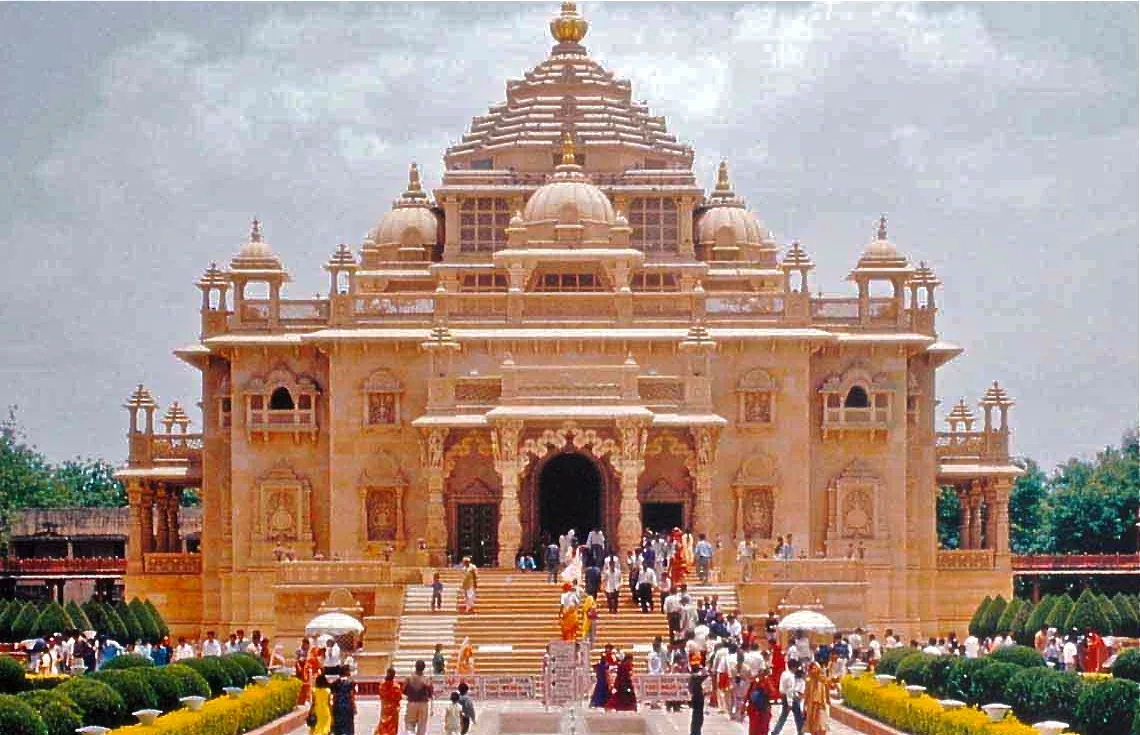
Swaminarayan Akshardham

22 km away · Gandhinagar district

Swaminarayan Akshardham

This Hindu temple complex in Gandhinagar, Gujarat, draws visitors interested in Swaminarayan’s teachings, BAPS traditions and its central shrine built from pink sandstone.

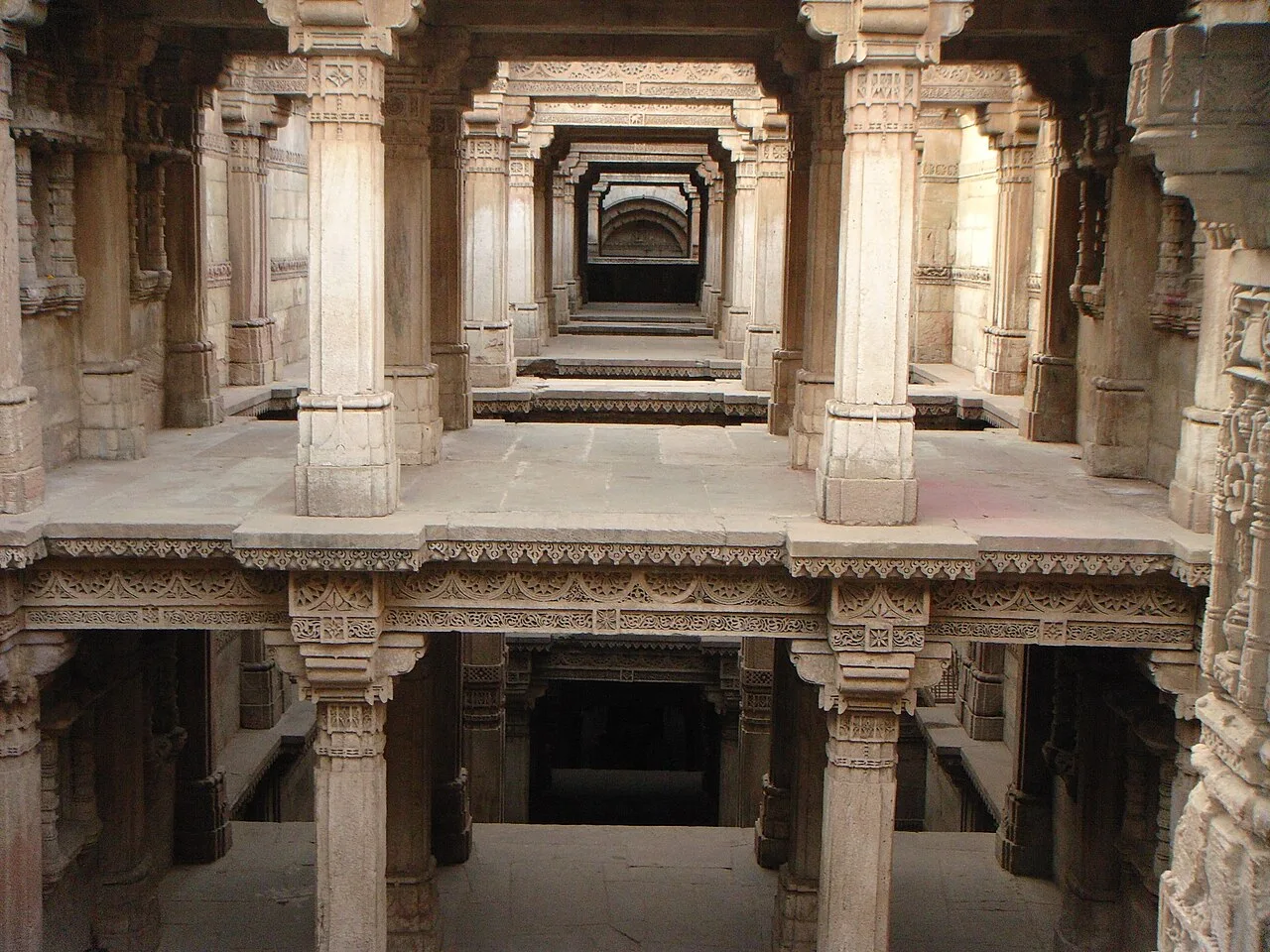
Adalaj Stepwell

30 km away · Gandhinagar district

Adalaj Stepwell

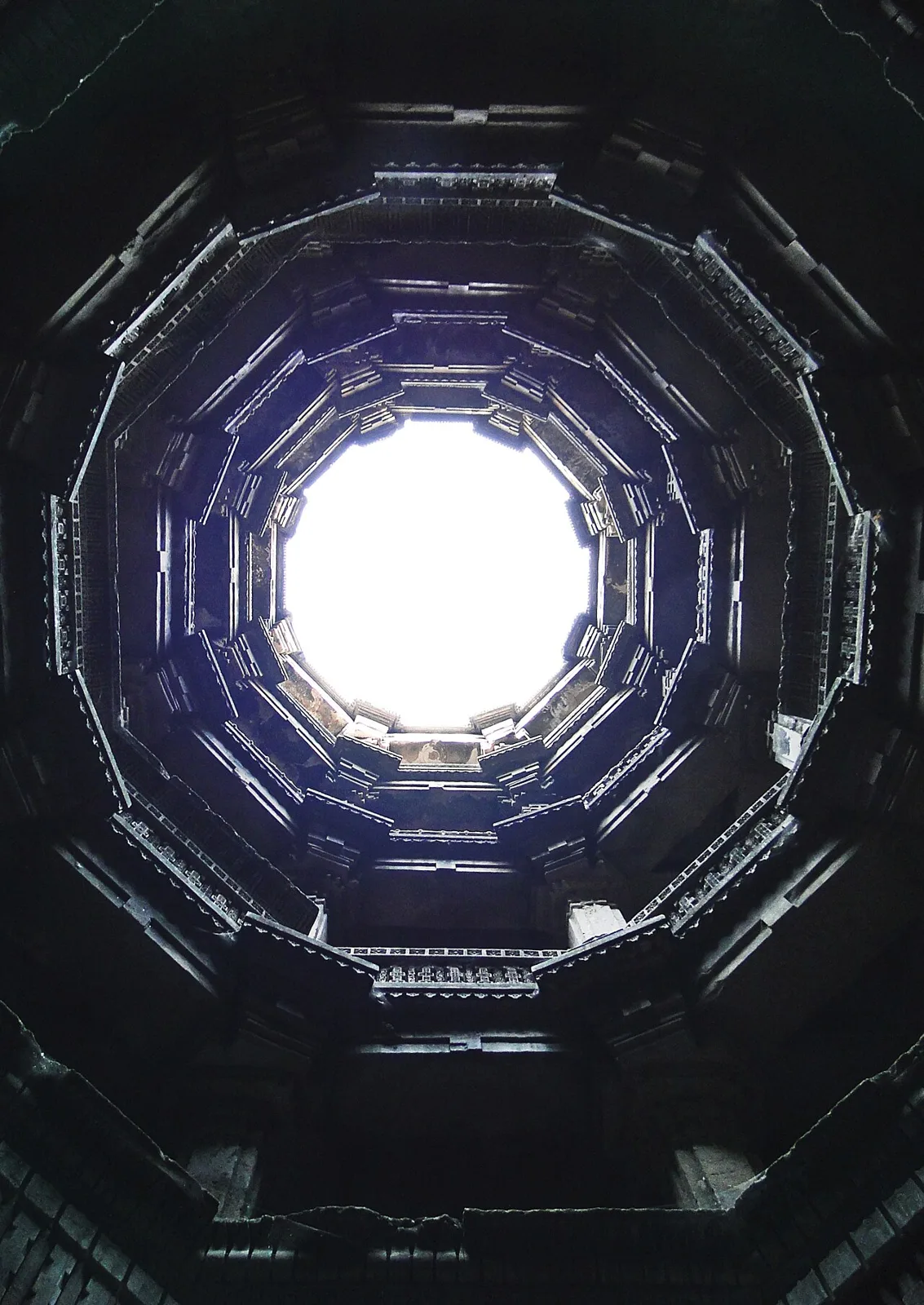
Adalaj Stepwell, also known as Rudabai Stepwell, is a sandstone structure in Gujarat’s Gandhinagar district. Visitors come to see its Solanki-style design and its connection to Rana Veer Singh.

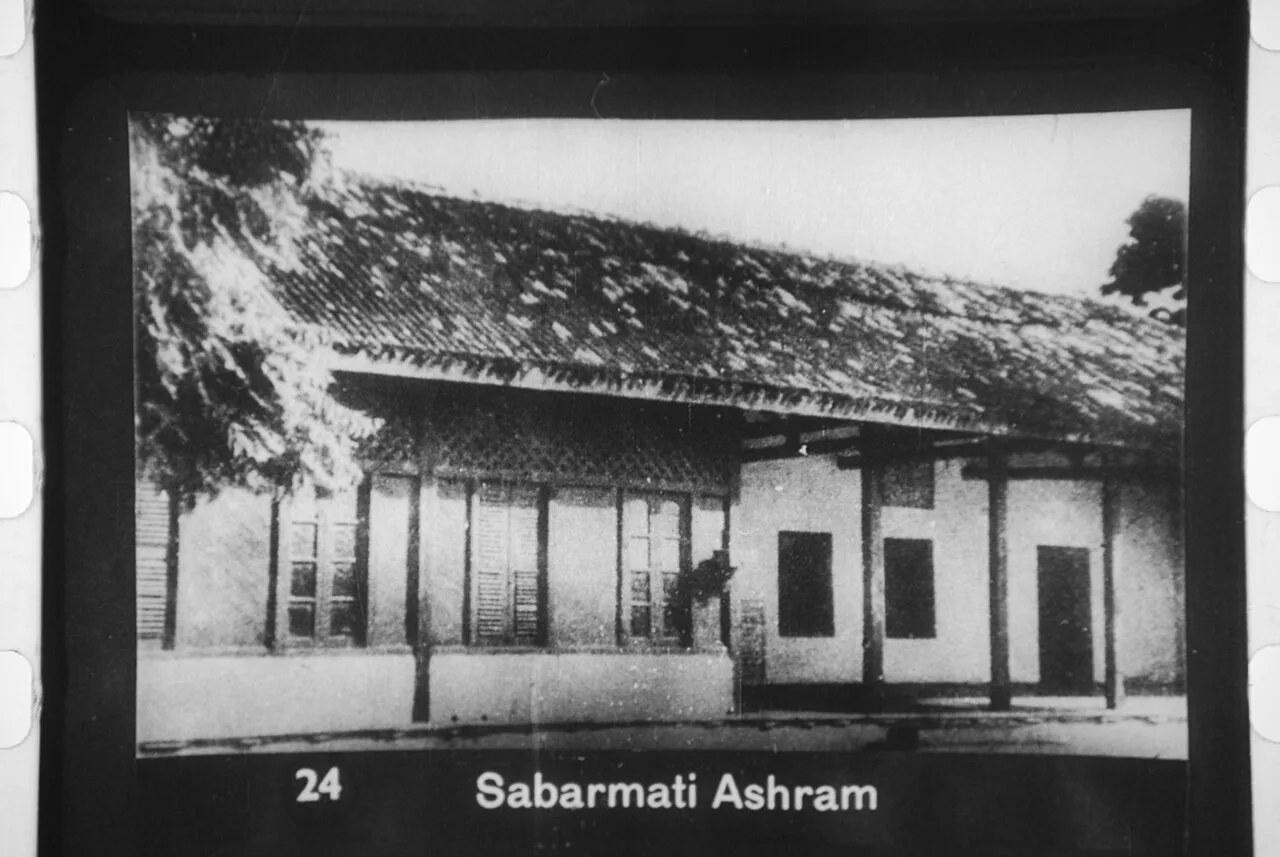
Sabarmati Ashram

41 km away · Ahmedabad district

Sabarmati Ashram

Sabarmati Ashram, in Ahmedabad, is one of Mahatma Gandhi’s former homes and is now a national monument. Visitors come for its links with Gandhi and the Dandi March.

Calico Museum of Textiles

42 km away · Ahmedabad district

Calico Museum of Textiles

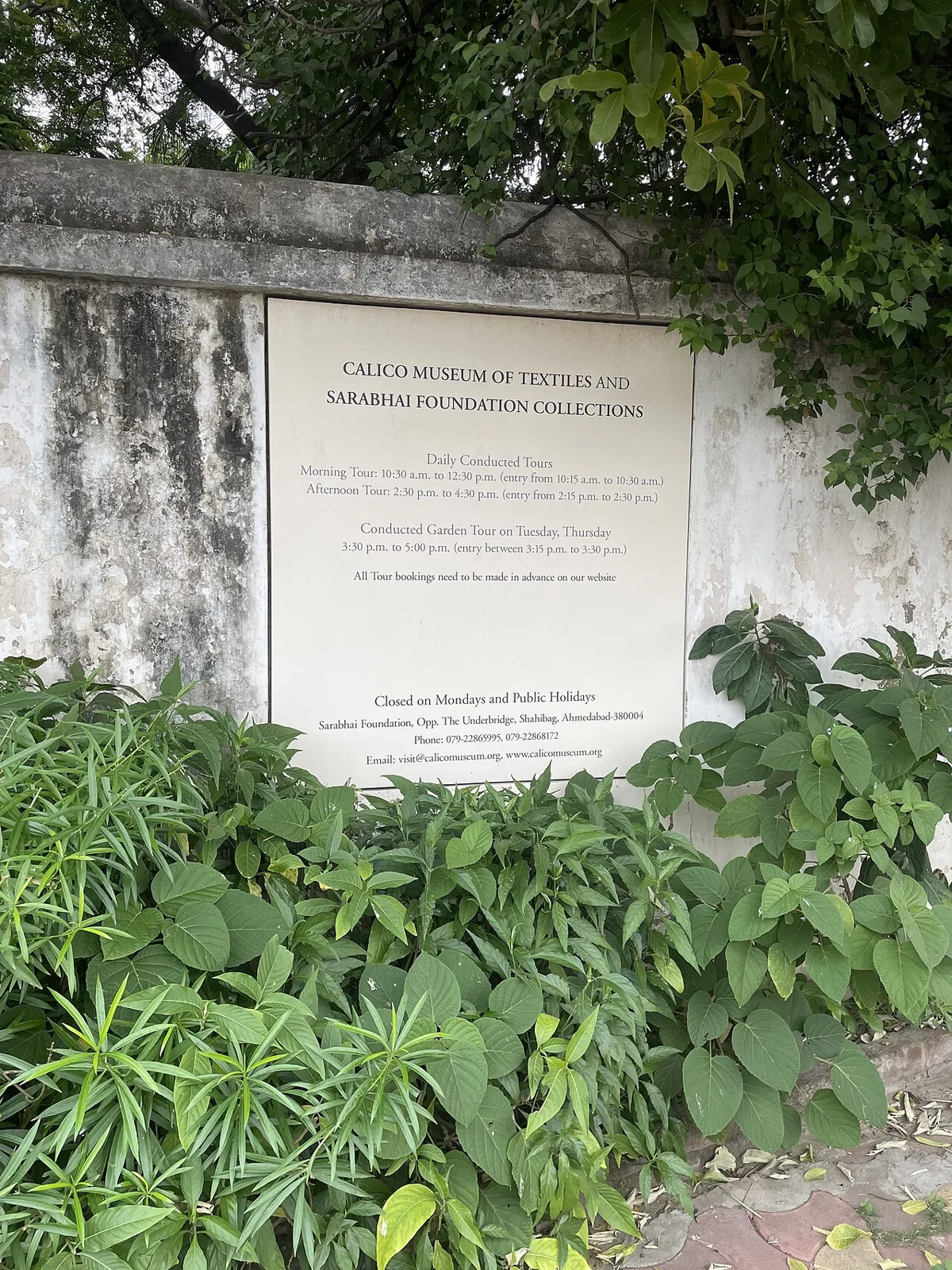
The Calico Museum of Textiles is a textile museum in Ahmedabad, Gujarat. Visitors come to see and learn about textiles at this institution, which is managed by the Sarabhai Foundation.

Dada Harir Stepwell

43 km away · Ahmedabad district

Dada Harir Stepwell

Dada Harir Stepwell is a fifteenth-century stepwell in Asarwa, Ahmedabad district, Gujarat. Visitors can see this historic structure about 15 kilometres from Ahmedabad.

Hutheesing Jain Temple

43 km away · Ahmedabad district

Hutheesing Jain Temple

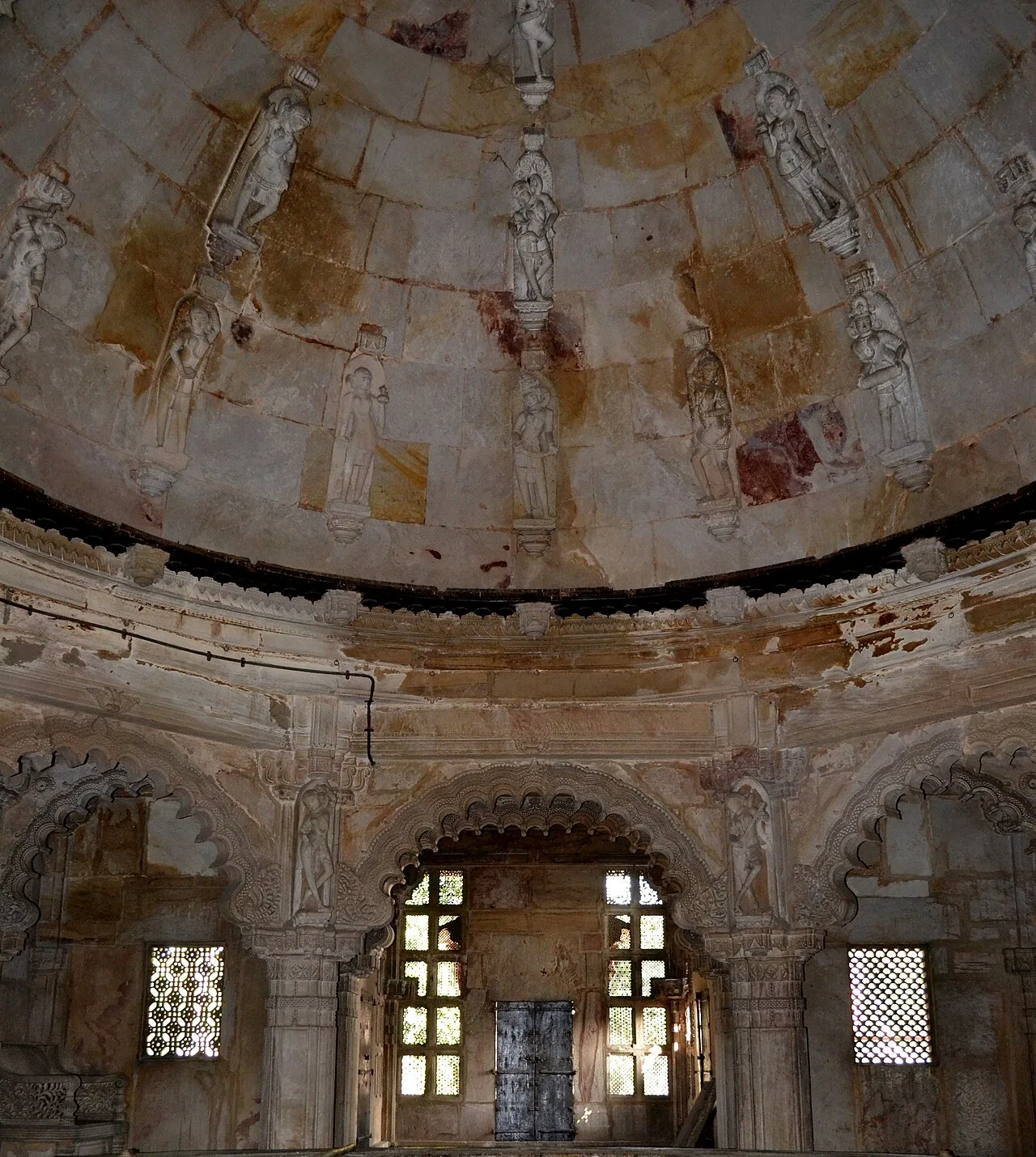
Ahmedabad's Hutheesing Jain Temple, in Gujarat, is a place of Jain worship built by the Hutheesing family in 1848. Visitors can see its blend of Maru-Gurjara temple design and haveli features.

Sabarmati Riverfront

44 km away · Ahmedabad district

Sabarmati Riverfront

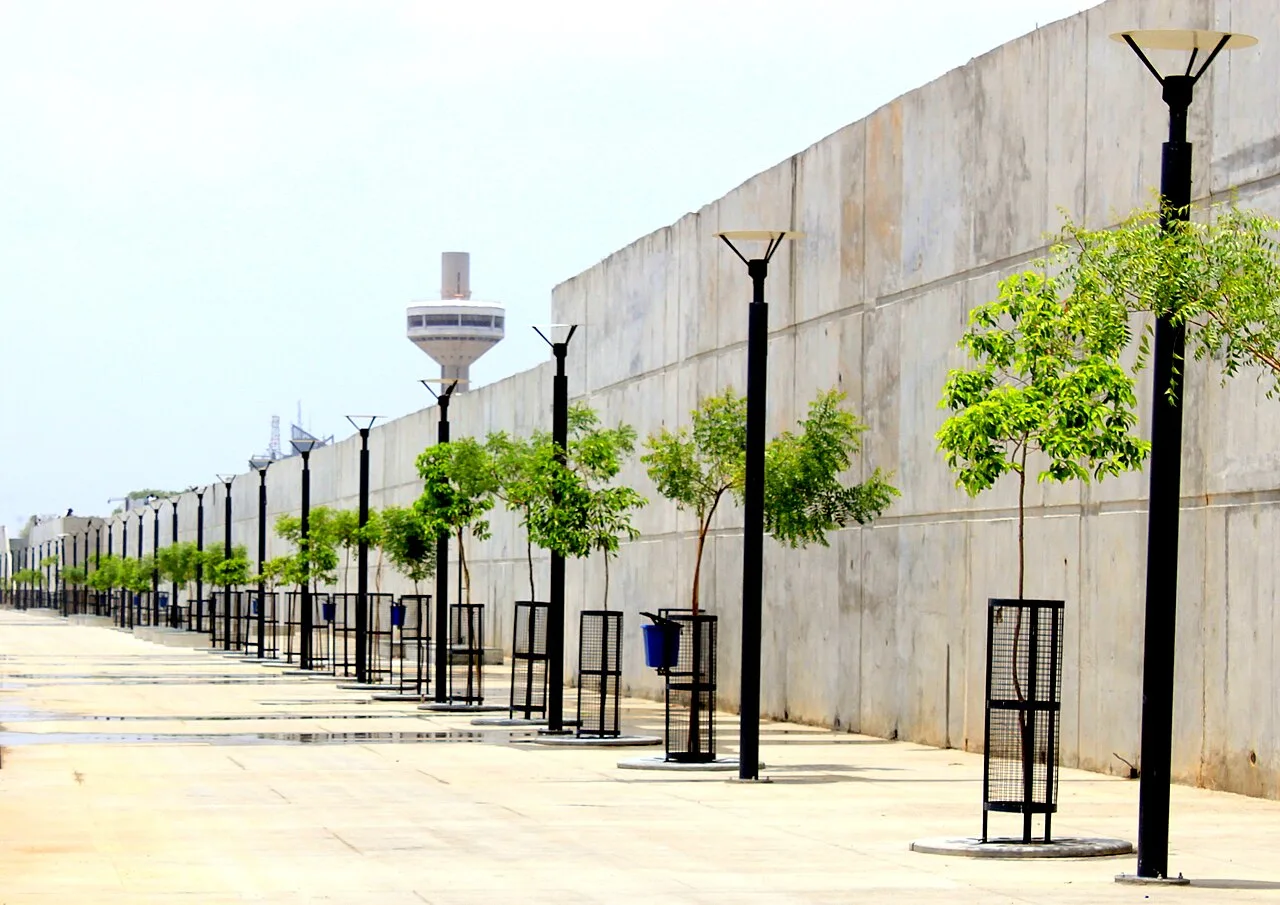
The Sabarmati Riverfront is a developing public waterfront in Ahmedabad. Visitors can access its facilities as they open, while the project aims to improve the environment and provide social infrastructure.

Bhadra Fort

45 km away · Ahmedabad district

Bhadra Fort

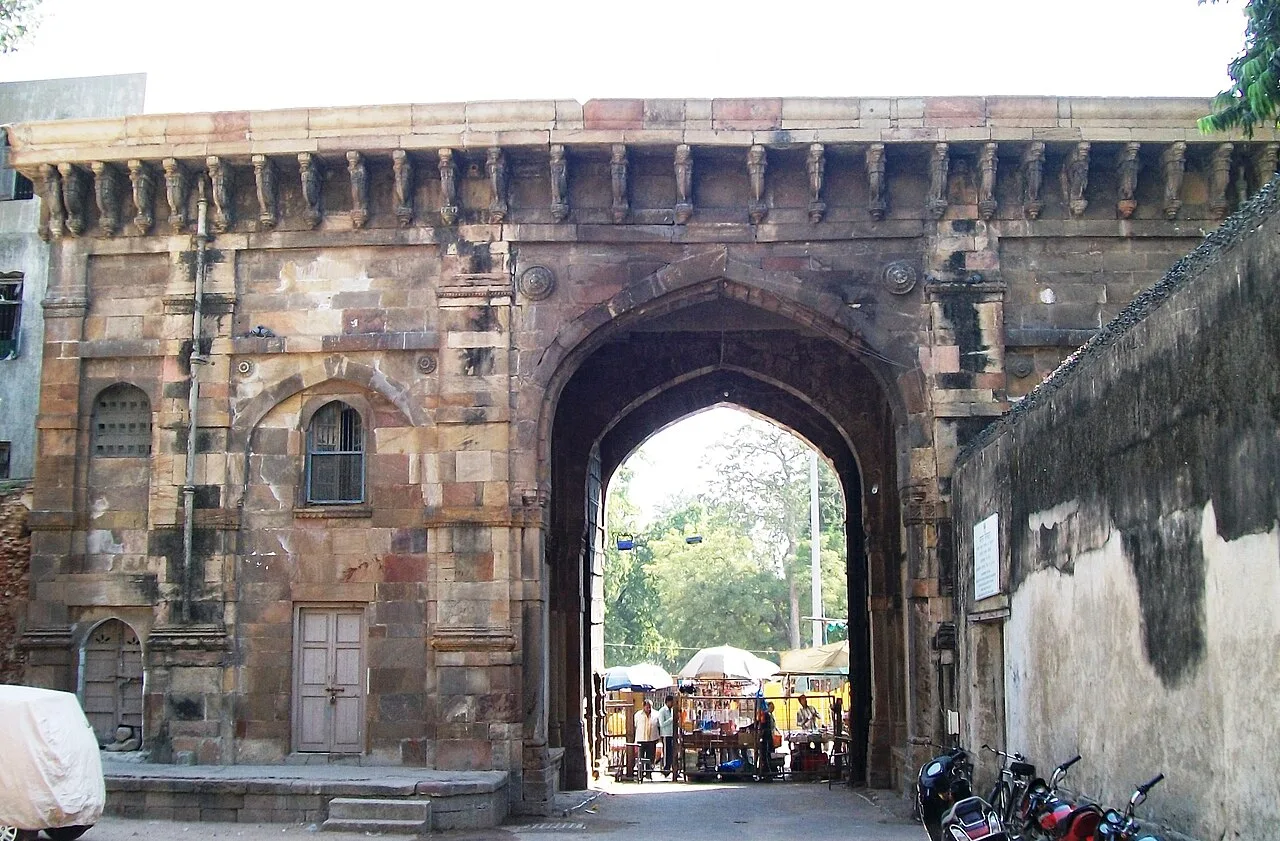
This historic Ahmedabad complex brings together royal buildings, mosques, gateways and open areas. Visitors explore its architecture and its present role as a cultural centre for the city.

Map

Mansa on the map

  1. 1Swaminarayan Akshardham
  2. 2Adalaj Stepwell
  3. 3Sabarmati Ashram
  4. 4Calico Museum of Textiles
  5. 5Dada Harir Stepwell
  6. 6Hutheesing Jain Temple
  7. 7Sabarmati Riverfront
  8. 8Bhadra Fort

Gujarat

Other cities to explore