Ghumoopedia — Explore, Discover, Experience
Sign in
Indian Wild Ass Sanctuary, near Mandal

City guide · Gujarat

Mandal

Mandal is a small town in Mandal taluka of Ahmedabad district, Gujarat. Its importance today is chiefly local: it serves as a centre for nearby villages and a convenient stop for travellers exploring the district’s rural settlements and historic sites.

Famous for

  • Historic Sultanate-era mosques
  • Ganj-e-Shuhada Mazar
  • Mandal taluka market
  • Ahmedabad district heritage

Why Mandal matters

Mandal is a small town in Mandal taluka of Ahmedabad district, Gujarat. Its importance today is chiefly local: it serves as a centre for nearby villages and a convenient stop for travellers exploring the district’s rural settlements and historic sites. It is not a major urban destination, but its surviving monuments give it a distinct place in Gujarat’s history.

Visitors come to see the Jami Mosque, Kazi Mosque and Saiyyad Mosque, all designated Monuments of National Importance, as well as Ganj-e-Shuhada Mazar, associated with Muslim soldiers who died in a battle during the Gujarat Sultanate period. Together, these sites recall Mandal’s former political and military significance. The town’s appeal is best suited to travellers interested in regional history, architecture and quieter places beyond Ahmedabad. Local shops and services cater mainly to residents and surrounding communities, so Mandal is generally explored as a short heritage visit rather than as a destination for resort stays or extensive sightseeing.
Famous for: crafts, trade & products

Mandal is not widely known for a signature textile, handicraft, GI-tagged product or large-scale industry. Its clearest distinction is its historic architecture: the Jami Mosque, Kazi Mosque and Saiyyad Mosque are recognised as Monuments of National Importance. Ganj-e-Shuhada Mazar is another notable site, linked to soldiers who died in a battle during the Gujarat Sultanate period.

The town’s bazaar and everyday shops serve Mandal and nearby villages, with routine household goods and local services rather than a specialist visitor market. Travellers should not expect a concentrated craft quarter or a particular product associated exclusively with Mandal. For a broader choice of textiles, handicrafts and commercial shopping, Ahmedabad and other larger regional centres are more suitable. In Mandal, the most rewarding way to understand the town is to visit its historic sites and observe the local market as part of daily life. Ask locally about access to religious and heritage buildings, and be considerate when visiting active places of worship.

History

Mandal’s history reflects the changing powers that shaped Gujarat. In 1347, when Sultan Muhammad bin Tughluq sought to establish his authority in the region, the Rana of Mandal and Patri supported him and received honours and rewards. In 1395, Muzaffar Shah I besieged the town; an outbreak of pestilence among its defenders helped bring the siege to an end. In 1414, Jhala Satarsalji of Mandal was among the chiefs who joined a revolt against Sultan Ahmad Shah I.

Mandal’s estates became part of the crown domains in 1530. The town was restored and fortified in 1741 by a brother of the Desai of Viramgam. It later came under Maratha rule and was transferred to the British East India Company in 1817. Small stone mosques and temples are among the surviving reminders of its earlier importance. In modern times, Mandal has developed as a local administrative and market centre within Ahmedabad district, while its historic monuments remain its principal heritage draw.

Food, festivals & culture

Gujarati is the main language of everyday life in Mandal; Hindi may also be understood in shops and by visitors. The town’s culture is shaped by its rural setting and by the presence of Hindu and Muslim communities. Its mosques, temples and the Ganj-e-Shuhada Mazar are important places of worship or remembrance. Visitors should dress respectfully and check locally whether a site is open to them, particularly during prayers.

Meals are likely to reflect familiar Gujarati home cooking, including rotli, dal, vegetable dishes, rice and snacks such as dhokla or thepla; these are regional staples rather than dishes unique to Mandal. Sweet shops and eateries may offer common Gujarati sweets, though selection varies. Navratri, usually in autumn, is widely marked in Gujarat with devotional music and garba; Uttarayan in January and Diwali in autumn are also prominent seasonal celebrations. Eid is observed by Muslim residents. Folk songs, devotional singing and garba are part of the broader regional cultural tradition, while performances and festivities in town are generally community-centred rather than staged for tourists.

Visiting the city

The cooler months, roughly October to February, are generally the most comfortable time to visit. Mandal can be reached from Sardar Vallabhbhai Patel International Airport in Ahmedabad. Mandal railway station is the local rail option; Viramgam Junction is a larger nearby station for connections. Check current routes and services before travelling.

Within town, local autos or hired vehicles may be available, while a car is useful for reaching sites beyond the centre. The main heritage stops are the Jami Mosque, Kazi Mosque, Saiyyad Mosque and Ganj-e-Shuhada Mazar; ask residents about access and appropriate visiting times. The central bazaar offers a glimpse of everyday town life. Mandal is compact and works well as a short visit, or as part of a wider trip through Ahmedabad district. Carry water in warmer weather and allow extra time for rural road journeys.

Trips from the city

Nearest places to visit from Mandal

Our closest destination guides, by straight-line distance.

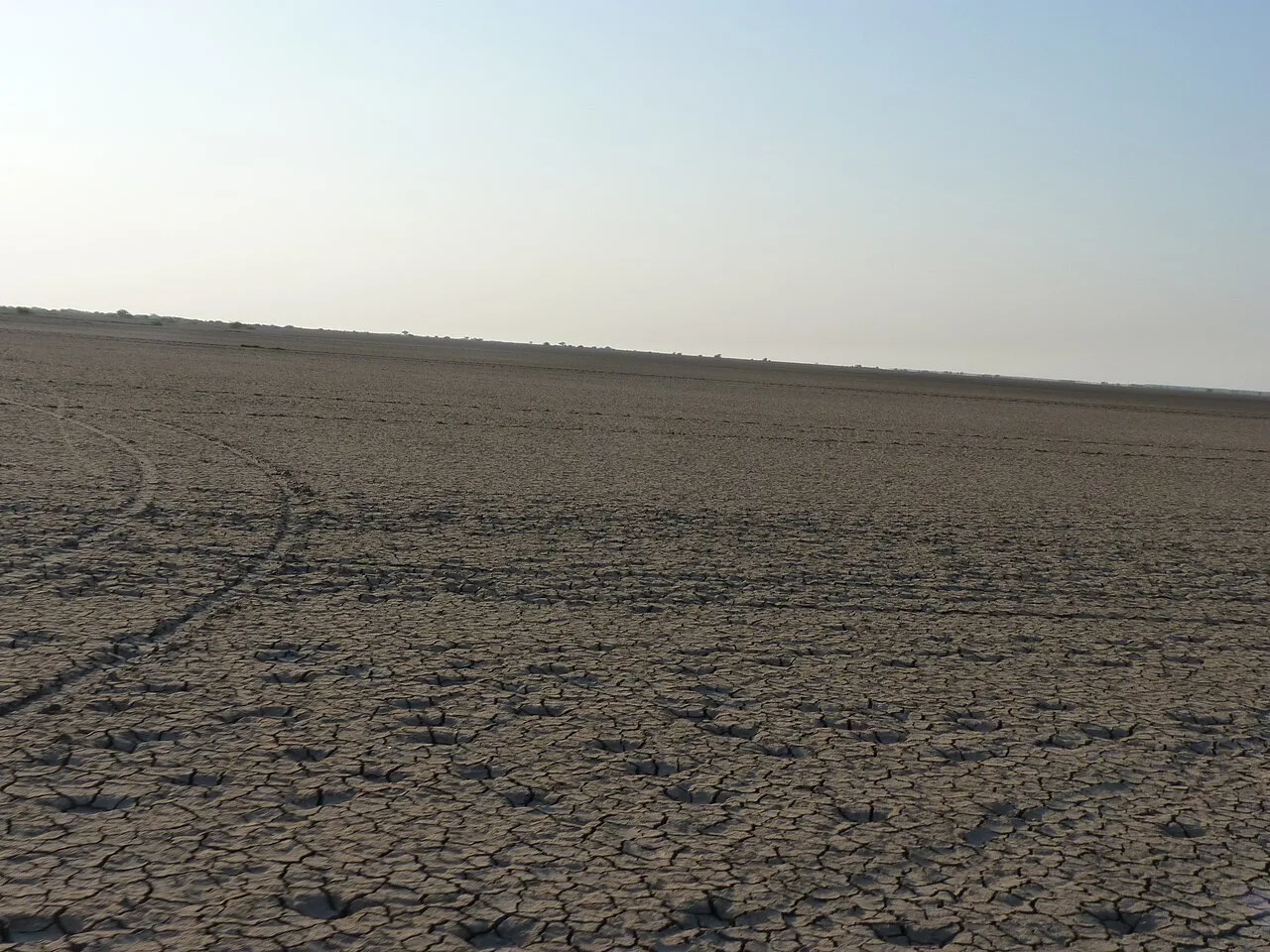
Indian Wild Ass Sanctuary

30 km away · Surendranagar district

Indian Wild Ass Sanctuary

In Gujarat’s Little Rann of Kutch, the Indian Wild Ass Sanctuary protects the endangered khur. Visitors are drawn by the chance to see this wild ass, a southern subspecies of the Asiatic wild ass.

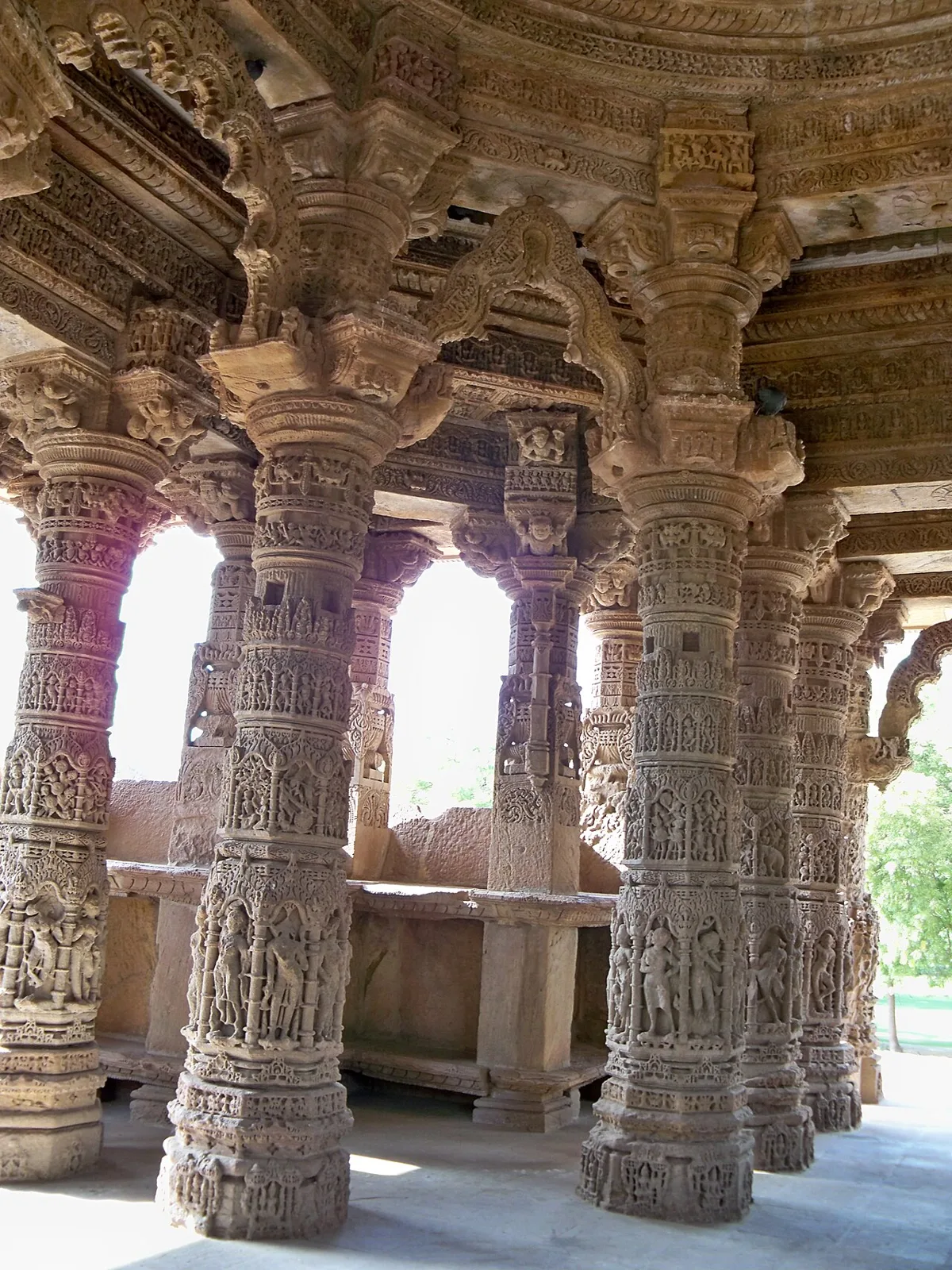
Modhera Sun Temple

39 km away · Mehsana district

Modhera Sun Temple

This Hindu temple complex in Modhera, Gujarat, honours Surya. Visitors come to see its carved halls, decorated pillars and stepped reservoir, which is dotted with small shrines.

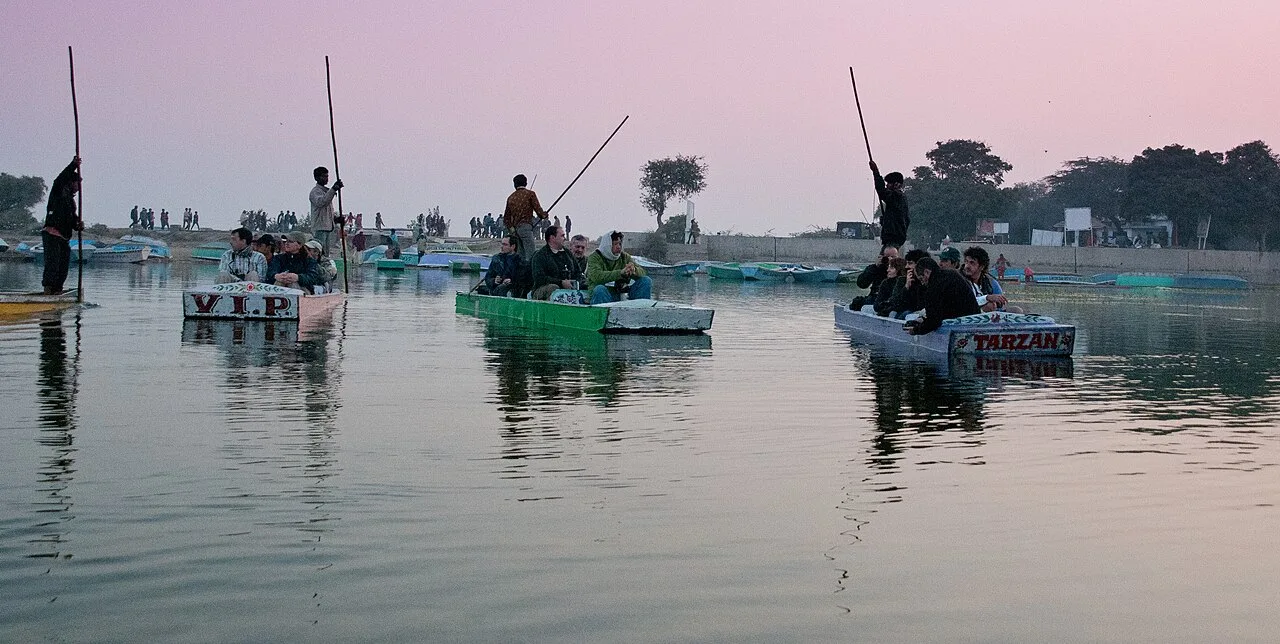
Nal Sarovar Bird Sanctuary

59 km away · Ahmedabad district

Nal Sarovar Bird Sanctuary

Nal Sarovar is a large lake and marshland reserve in Gujarat, known for the many resident and seasonal birds that gather there. Visitors come to observe its wetland wildlife, especially during the cooler months.

Rani ki Vav

66 km away · Patan district

Rani ki Vav

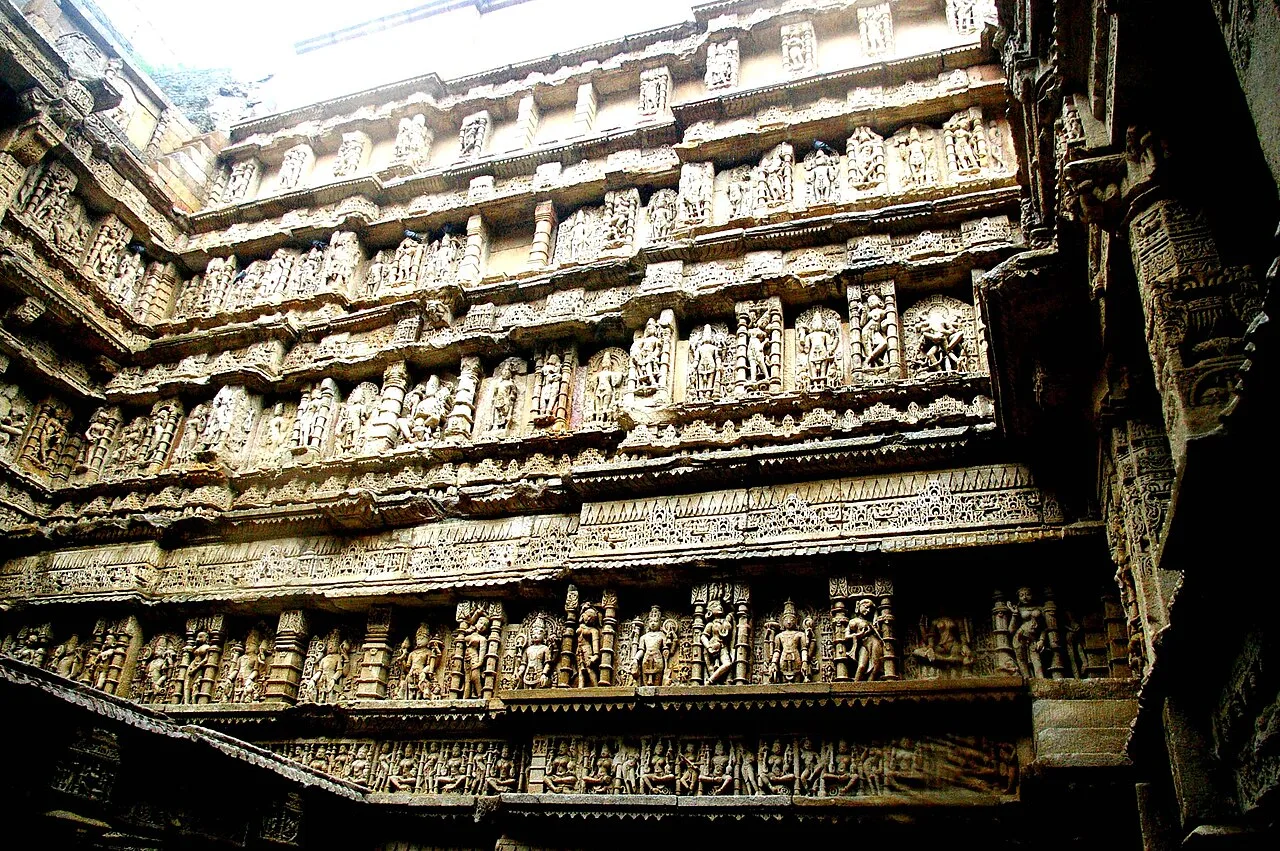
Rani ki Vav is a stepwell in Patan, Gujarat, notable for its tiered underground design and extensive sculpture, which reflect the monument’s religious and architectural significance.

Sahasralinga Tank

66 km away · Patan district

Sahasralinga Tank

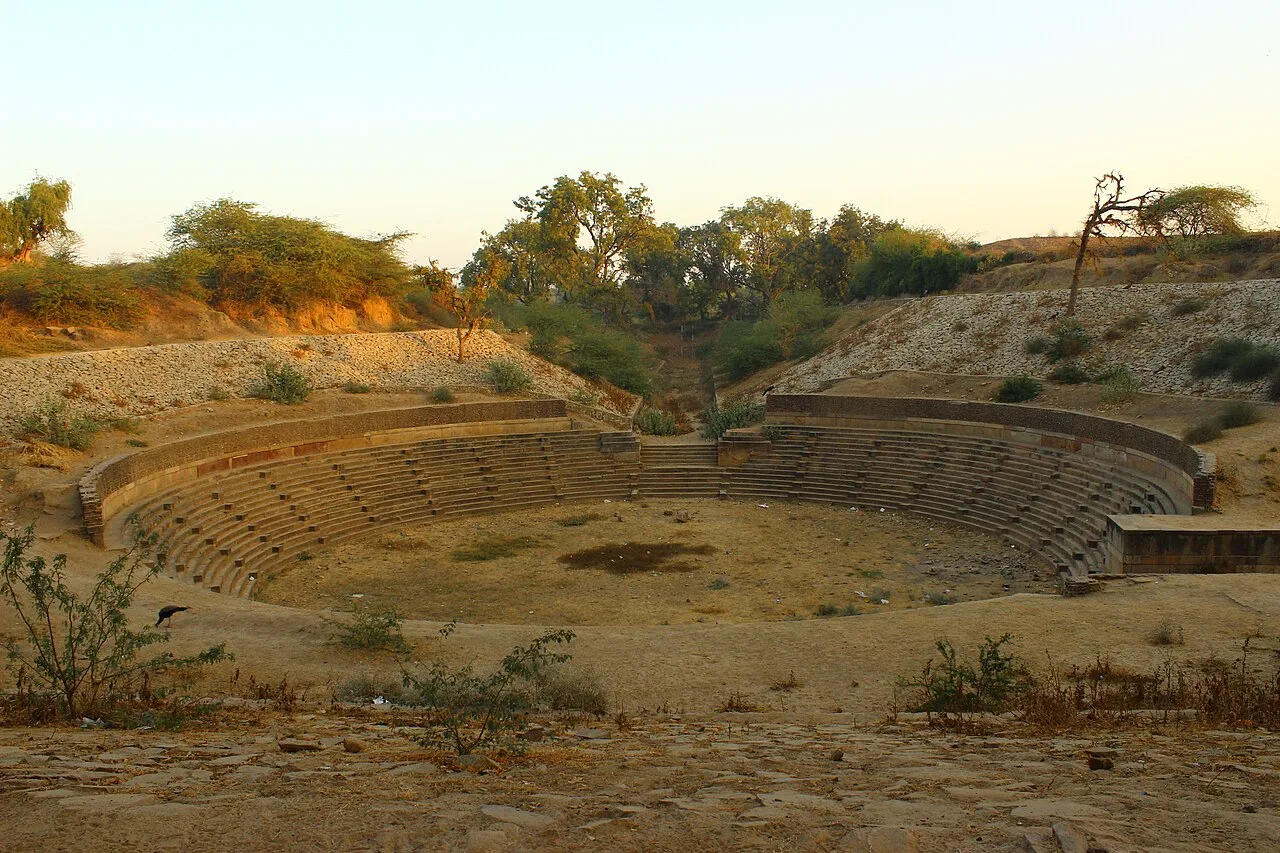
Sahasralinga Tank is a medieval, human-made reservoir in Gujarat’s Patan district, commissioned under Chaulukya rule. Visitors come to see this historic site, which is protected as a national monument.

Sarkhej Roza

68 km away · Ahmedabad district

Sarkhej Roza

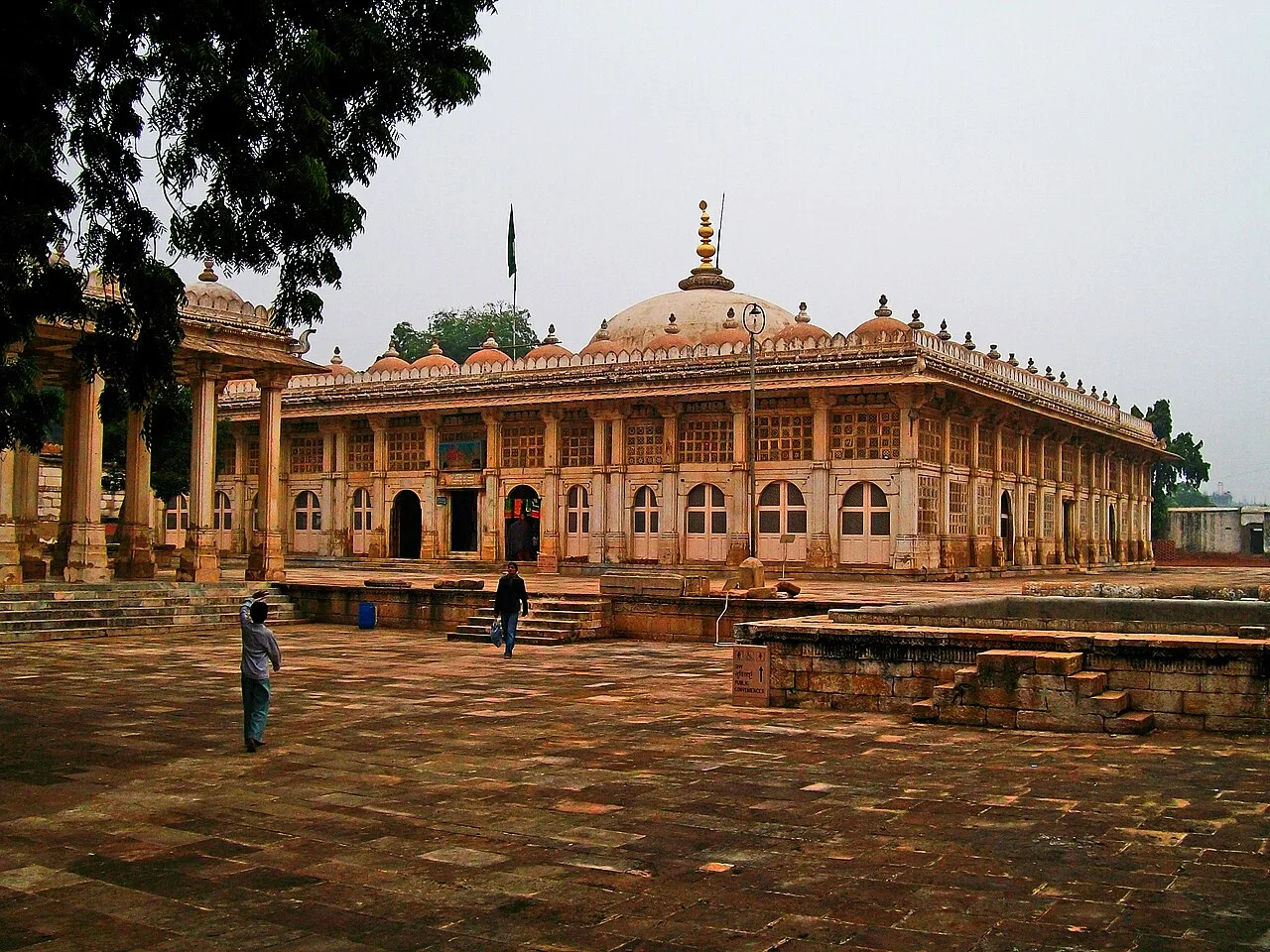
Sarkhej Roza is a Sufi religious complex in Makarba, Ahmedabad district, made up of a mosque and tombs. Visitors explore its nationally recognised status and its association with Shaikh Ahmed Ganj Baksh.

Adalaj Stepwell

69 km away · Gandhinagar district

Adalaj Stepwell

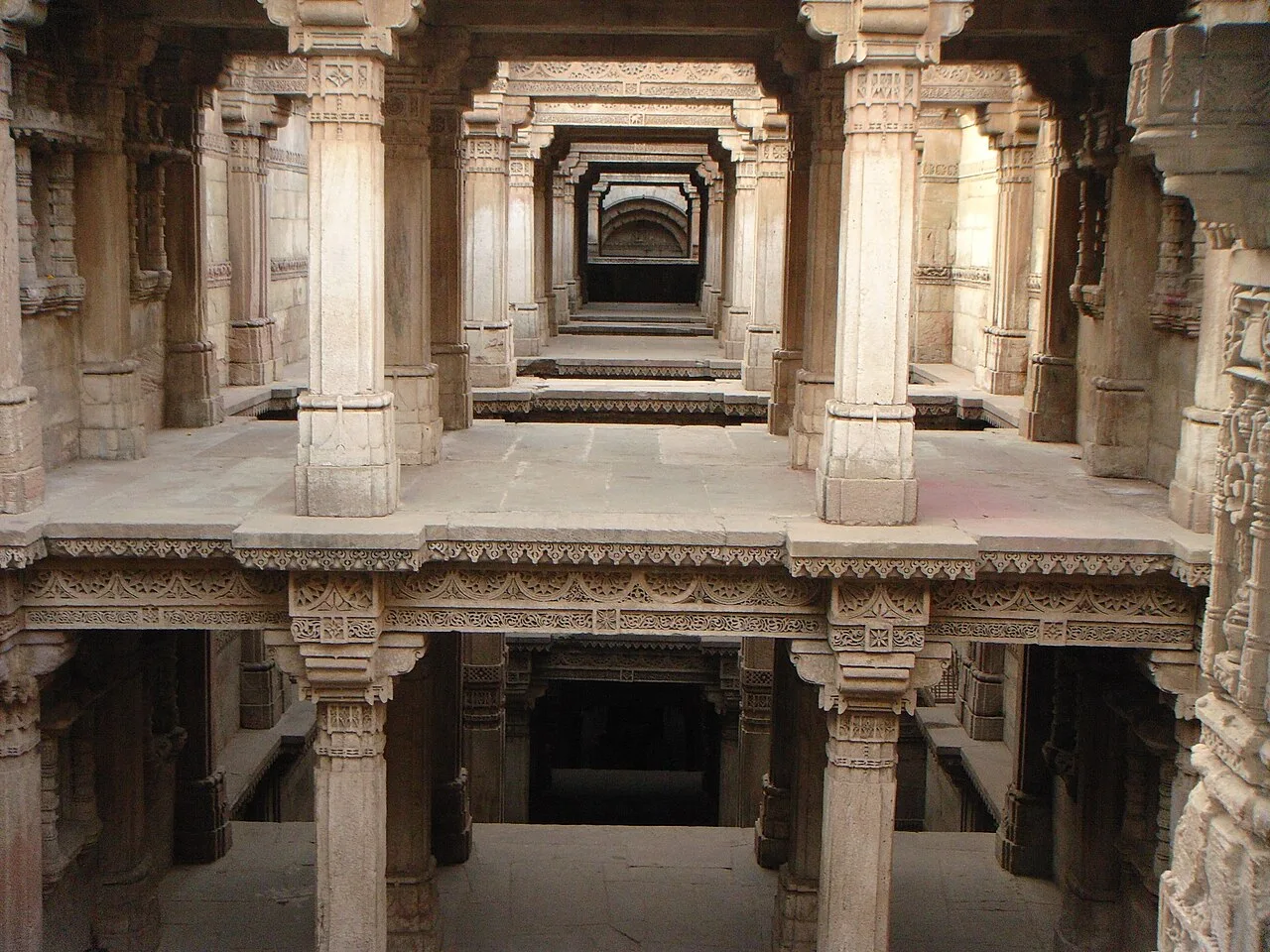
Adalaj Stepwell, also known as Rudabai Stepwell, is a sandstone structure in Gujarat’s Gandhinagar district. Visitors come to see its Solanki-style design and its connection to Rana Veer Singh.

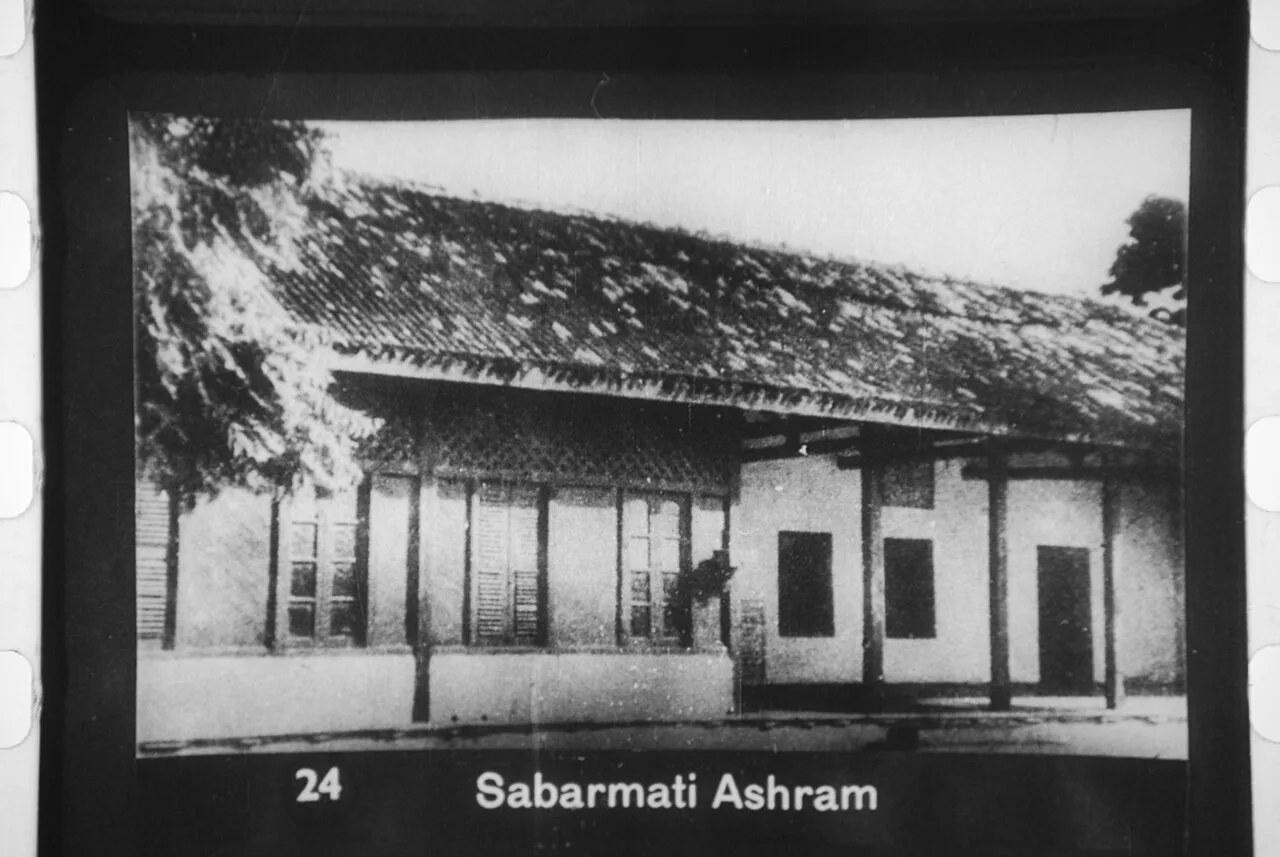
Sabarmati Ashram

72 km away · Ahmedabad district

Sabarmati Ashram

Sabarmati Ashram, in Ahmedabad, is one of Mahatma Gandhi’s former homes and is now a national monument. Visitors come for its links with Gandhi and the Dandi March.

Map

Mandal on the map

  1. 1Indian Wild Ass Sanctuary
  2. 2Modhera Sun Temple
  3. 3Nal Sarovar Bird Sanctuary
  4. 4Rani ki Vav
  5. 5Sahasralinga Tank
  6. 6Sarkhej Roza
  7. 7Adalaj Stepwell
  8. 8Sabarmati Ashram

Gujarat

Other cities to explore