Ghumoopedia — Explore, Discover, Experience
Sign in
Palitana temples, near Sihor

City guide · Gujarat

Sihor

Sihor is a historic town in Bhavnagar district, about 20 km from Bhavnagar, set among low hills and close to the Gautami River. Once a Gohil Rajput capital, it remains an important local centre for worship, trade and small-scale industry.

Famous for

  • Gautameshwar Mahadev
  • Brahma Kund
  • Sihori Rajwadi Penda
  • Copper and brassware
  • Pottery and hill scenery

Why Sihor matters

Sihor is a historic town in Bhavnagar district, about 20 km from Bhavnagar, set among low hills and close to the Gautami River. Once a Gohil Rajput capital, it remains an important local centre for worship, trade and small-scale industry. Its old quarters, with steep lanes, temples and traces of a fortified town, give it a distinctive character in the Saurashtra region.

Visitors come for Gautameshwar Mahadev Temple, associated with a cave shrine and a naturally formed Shiva lingam, as well as Brahma Kund and the nearby lake. The town is sometimes called “Chhote Kashi” for its many temples and active Shaiva traditions. Hill landscapes and unusual rock formations add to its appeal. Sihor is also known locally for Sihori Rajwadi Penda, copper and brass goods, pottery and industrial workshops. It makes a rewarding short visit from Bhavnagar for travellers interested in regional history, religious sites and everyday town life.
Famous for: crafts, trade & products

Sihor’s best-known local specialty is Sihori Rajwadi Penda, a rich milk sweet sold by sweet shops in town. Its craft traditions include copperware, brassware and pottery. For visitors, the old-town markets and shops are the most practical places to look for locally made goods and sweets; individual availability can vary. Sihor is not especially identified with sarees or a major textile tradition, and its local reputation centres more on metalwork, pottery and food than on a widely known GI-tagged product.

The town also has an industrial side, with rolling mills, other industrial plants and snuff-manufacturing units among its established activities. These are part of Sihor’s working economy rather than conventional visitor attractions, and factory products are generally encountered through trade rather than tourist retail. The older commercial lanes offer a better sense of local buying and selling, while workshops and industrial areas reflect the town’s manufacturing role. There is no single large craft market or institution that defines Sihor; its appeal lies in the combination of small businesses, traditional skills and regional industry.

History

Sihor’s name is linked to earlier forms including Saraswatpur, Sinhpur, Sinhalpur and Sinhor. One scholarly explanation traces it to Sanskrit Siṁhapura, meaning “city of the lion” or possibly referring to a person named Siṁha. Stories connecting the town with the Mahabharata and sages are part of local religious tradition, but they are distinct from the better-established record of its later political importance.

Sihor served as a capital of the Gohil Rajputs before the ruling house established Bhavnagar as its seat in the eighteenth century. Its temples, old buildings and walled-town layout reflect its former status as a regional centre. During the colonial period, Sihor formed part of the princely state of Bhavnagar, which came under British paramountcy; it was not a separate British-administered city. In modern times it has continued as a municipal town and local market centre, with traditional commerce alongside metalworking, rolling mills and other industry. Its religious sites and historic streets remain visible reminders of its earlier role.

Food, festivals & culture

Gujarati is the principal language of daily life; Hindi is also understood in many public settings. Worship is strongly visible in Sihor’s many temples and Shivalayas. Gautameshwar Mahadev is a key pilgrimage site, and the Navnath Yatra links Shiva temples around the town. Maha Shivaratri, usually in late winter, is an important time for Shaiva observances. Navratri in autumn brings devotional gatherings and garba, while Janmashtami is marked with Krishna worship and festivities. The timing of local events can vary with the religious calendar.

Gujarati home-style meals, snacks and sweets are part of the town’s everyday food culture. Sihori Rajwadi Penda is its best-known sweet, often bought as a local speciality. Visitors may also find familiar regional farsan and Gujarati dishes in eateries and shops. Bhajans and other devotional music accompany temple life and festival gatherings; garba is the most recognisable community dance during Navratri. The mix of worship, food and neighbourhood celebrations gives Sihor a distinctly local, rather than performance-oriented, cultural character.

Visiting the city

The cooler months, roughly from November to February, are generally the most comfortable for exploring Sihor and its hill surroundings. Bhavnagar Airport is the nearest airport, while Sihor railway station serves the town; Bhavnagar Terminus is another rail option in the nearby city. Bhavnagar is about 20 km away and is a useful base for onward connections.

Auto-rickshaws and local vehicles are practical for short journeys, while walking suits the compact old quarters, though their lanes can be steep and uneven. Allow time for Gautameshwar Mahadev, the lake and Brahma Kund, as well as the old walled-town streets and local market. The surrounding hills offer a change of scenery; check local conditions before heading out, especially in hot weather or after rain.

Trips from the city

Nearest places to visit from Sihor

Our closest destination guides, by straight-line distance.

Palitana temples

31 km away · Bhavnagar district

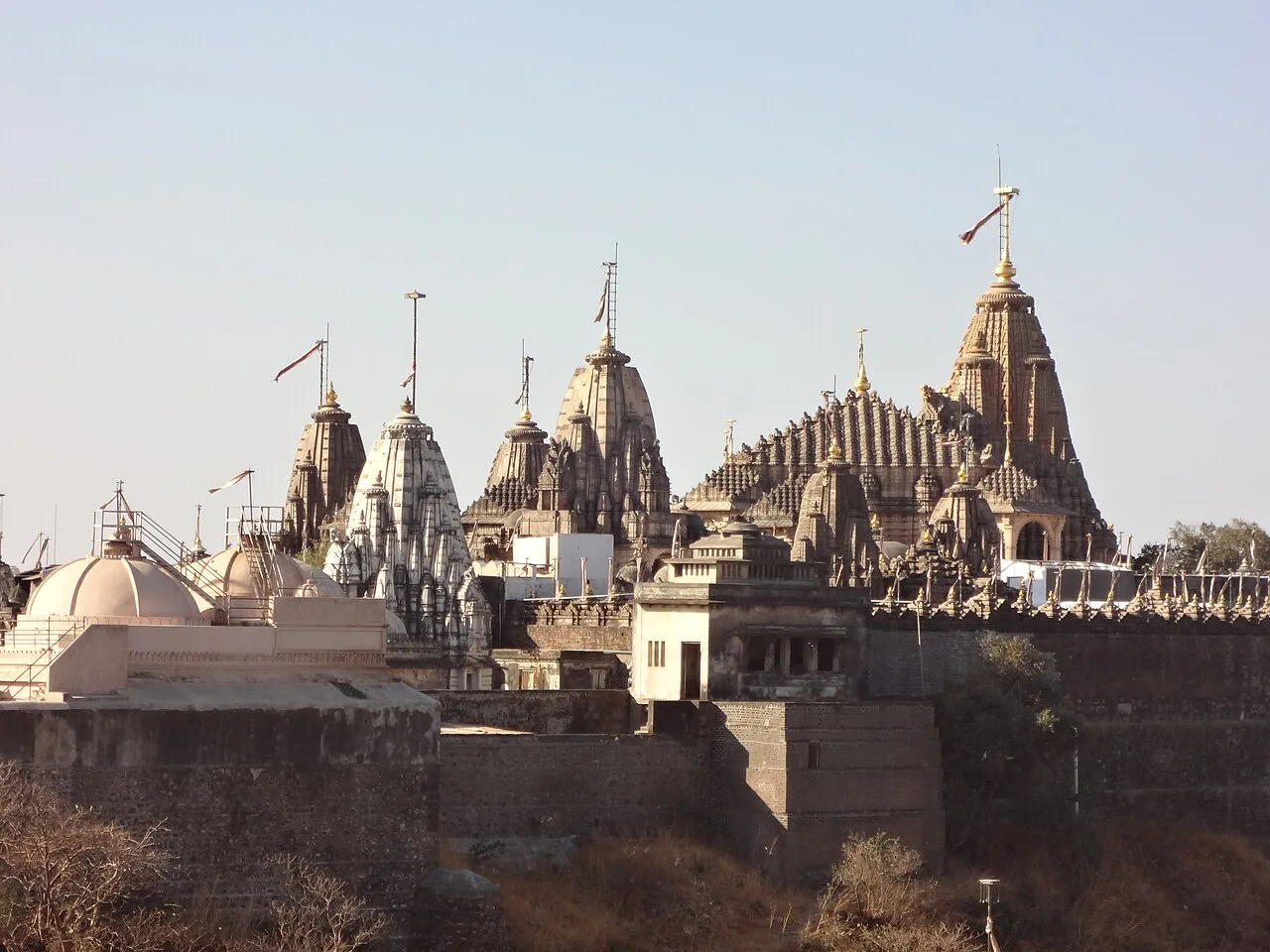
Palitana temples

Palitana is a major Jain temple complex on Shatrunjaya Hill in Gujarat. Pilgrims visit its many shrines, especially revered by the Śvetāmbara community and linked with the Tirthankaras.

Blackbuck National Park

37 km away · Bhavnagar district

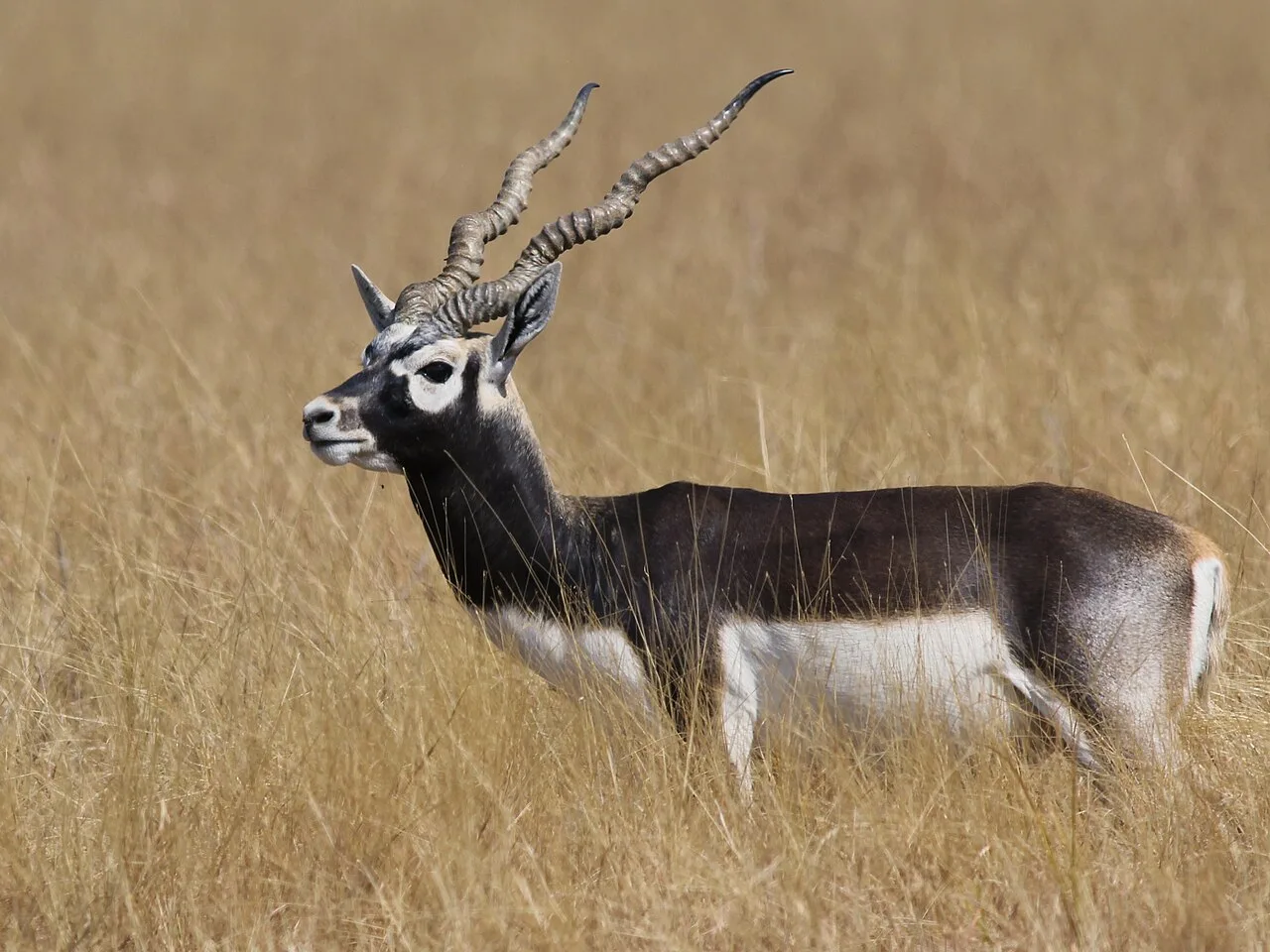
Blackbuck National Park

Blackbuck National Park is a protected area in Bhavnagar district, Gujarat, valued for its blackbuck and conservation efforts involving wolves and the lesser florican.

Lothal

95 km away · Ahmedabad district

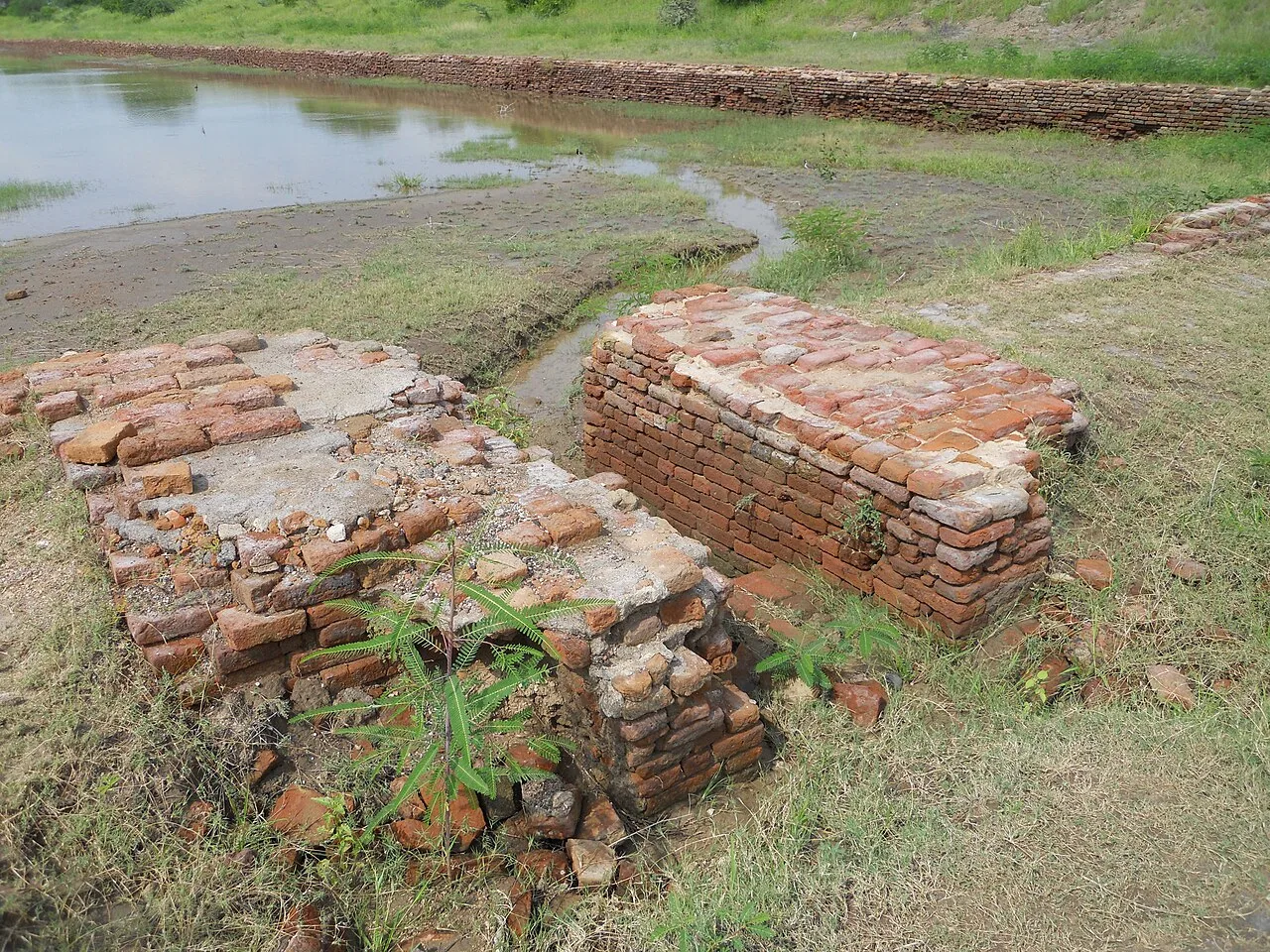
Lothal

Lothal is a settlement of the ancient Indus Valley Civilisation in Gujarat. Visitors come to learn about its place among the civilisation’s southernmost sites and its early history.

Dumas Beach

105 km away · Surat district

Dumas Beach

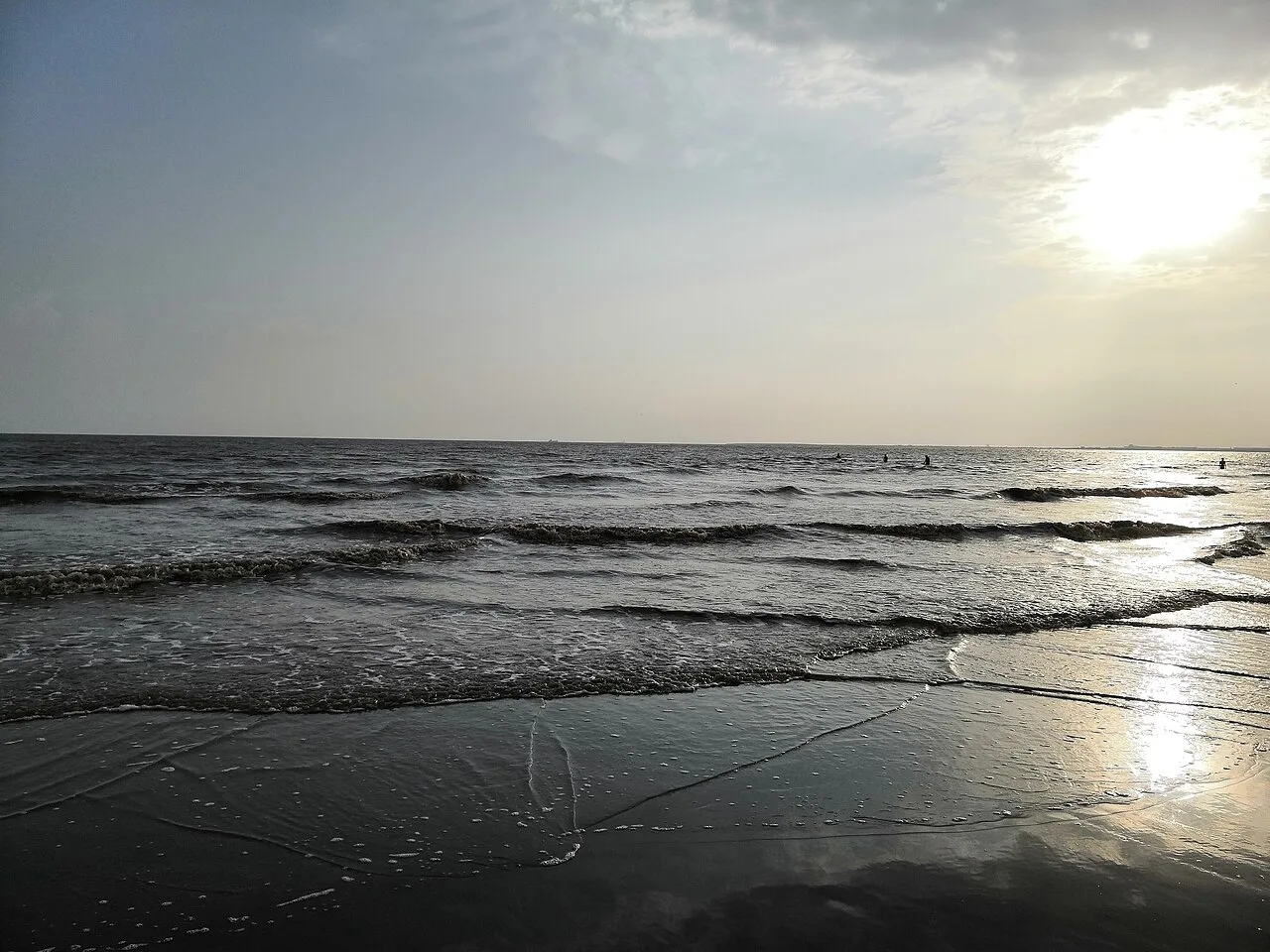
Dumas Beach is a rural coastal destination in Surat district, Gujarat, on the Arabian Sea. People visit as part of South Gujarat’s tourism, while the beach is also said to be haunted and was once a burial site.

Nal Sarovar Bird Sanctuary

118 km away · Ahmedabad district

Nal Sarovar Bird Sanctuary

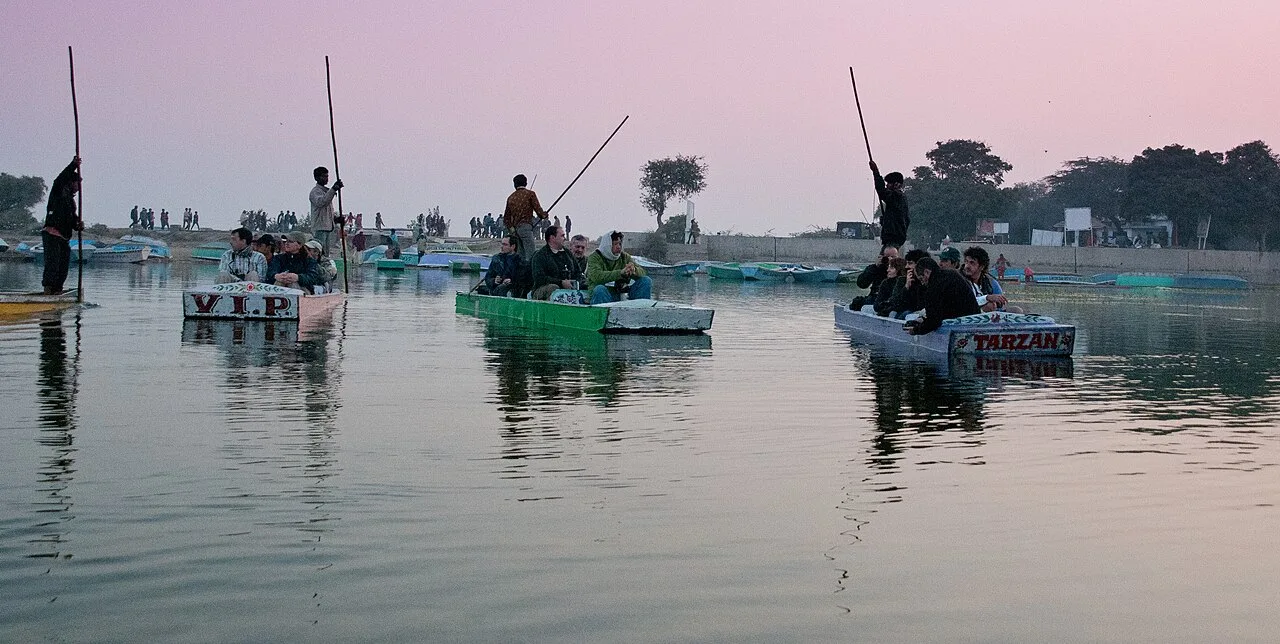
Nal Sarovar is a large lake and marshland reserve in Gujarat, known for the many resident and seasonal birds that gather there. Visitors come to observe its wetland wildlife, especially during the cooler months.

Dandi (Salt March Memorial)

126 km away · Navsari district

Dandi (Salt March Memorial)

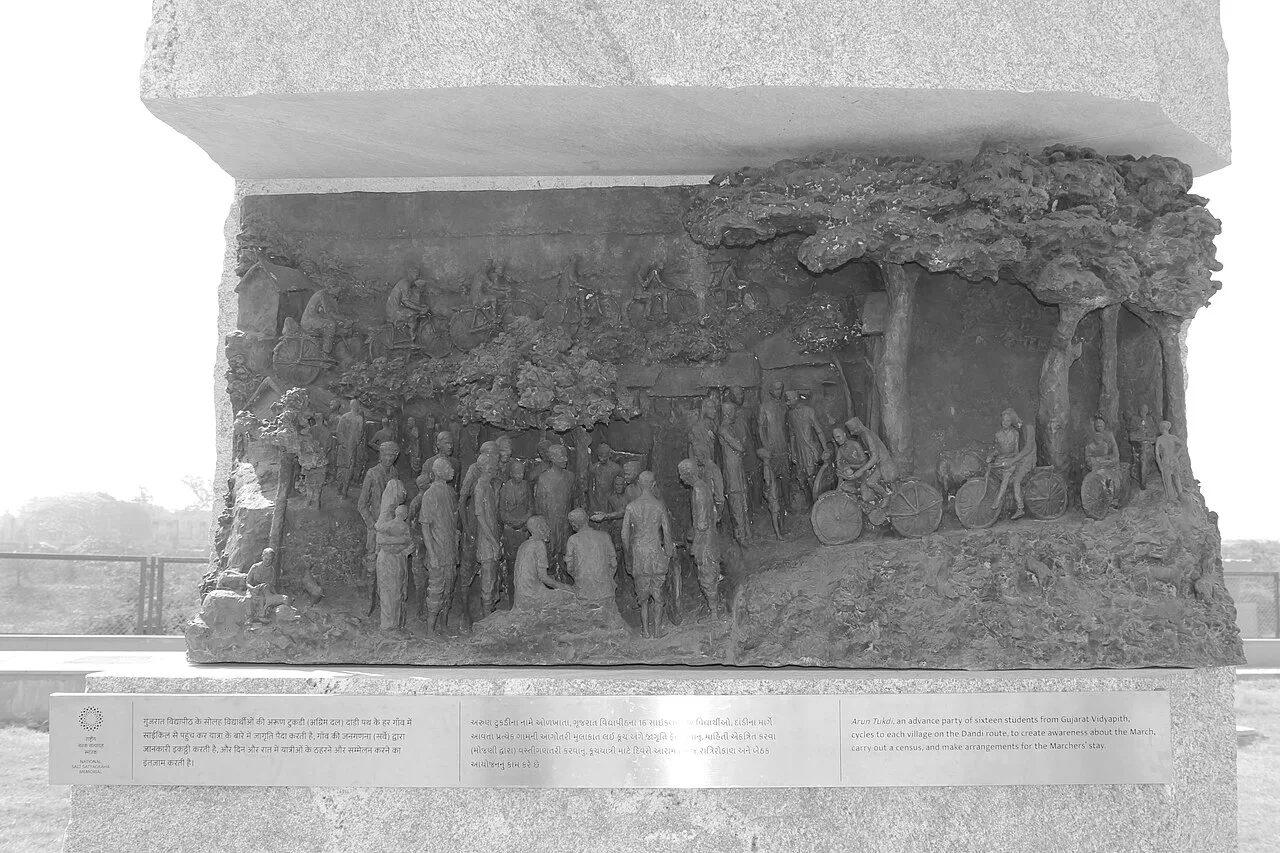
Dandi is a coastal village in Gujarat’s Navsari district, visited for its connection to Gandhi’s 1930 Salt March and the memorial commemorating the campaign.

Tarnetar

129 km away · Surendranagar district

Tarnetar

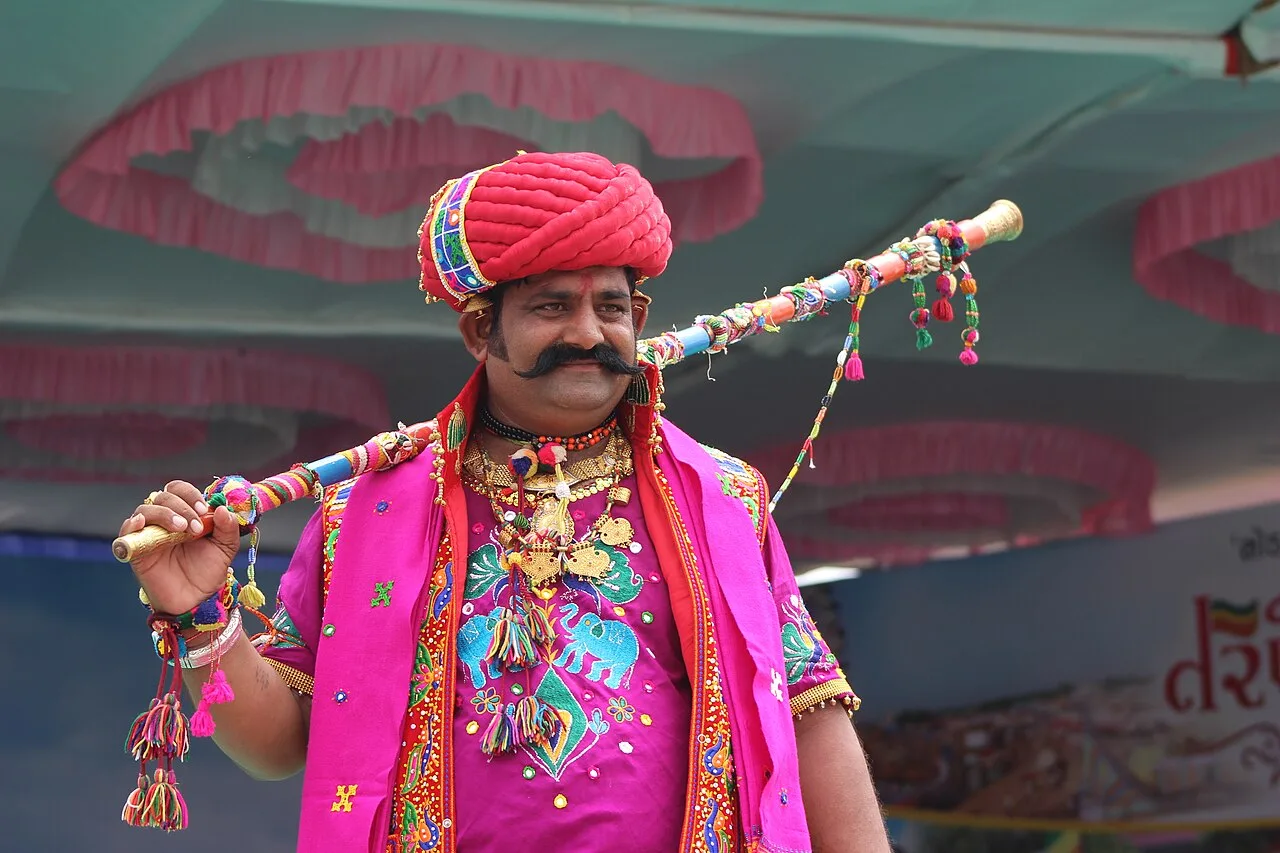
Tarnetar is a village in Gujarat’s Surendranagar district, close to Thangadh. Visitors in the vicinity can include it in their travels around the nearby city.

Watson Museum

136 km away · Rajkot district

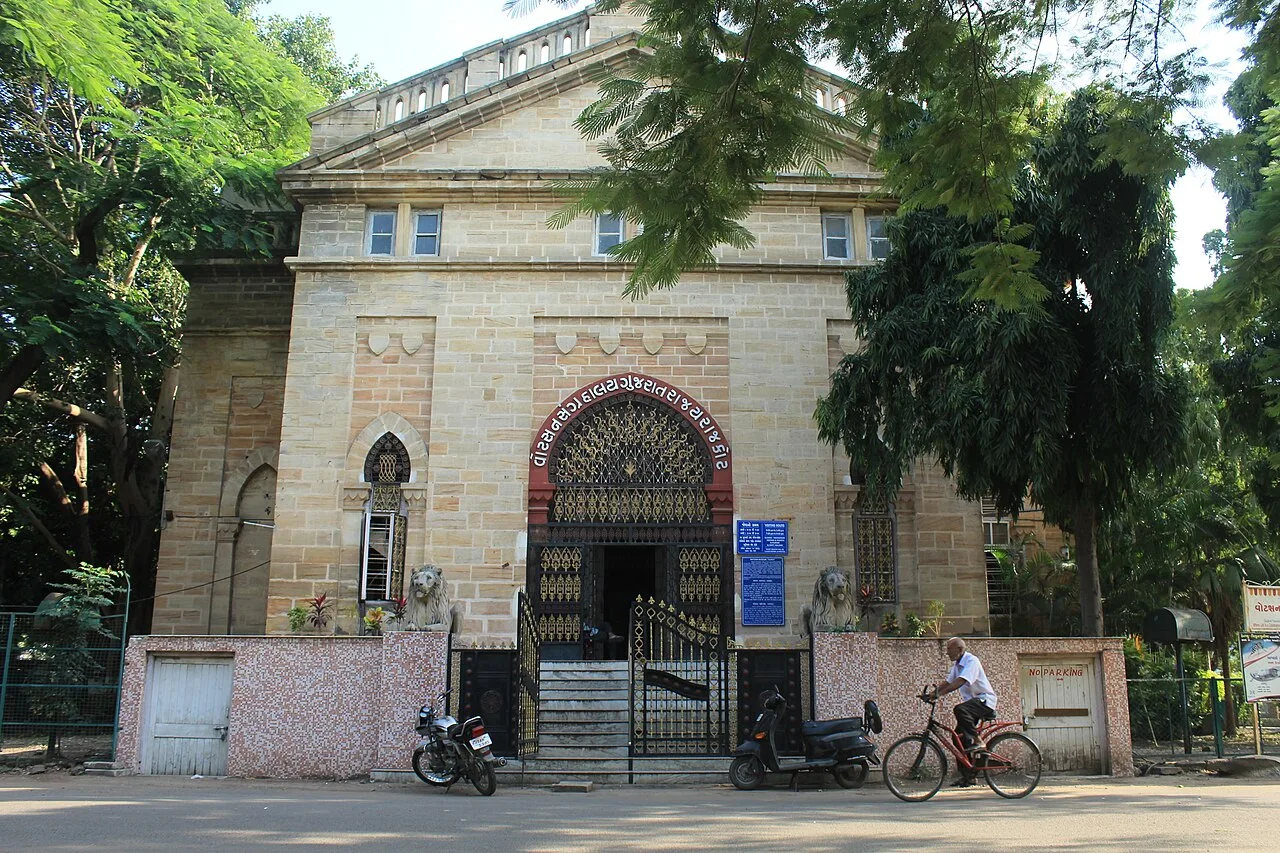
Watson Museum

Watson Museum in Rajkot district displays objects connected with the former princely State of Rajkot. Visitors can also see photographs and artefacts, consult its reference library, and find museum publications at the sales counter.

Map

Sihor on the map

  1. 1Palitana temples
  2. 2Blackbuck National Park
  3. 3Lothal
  4. 4Dumas Beach
  5. 5Nal Sarovar Bird Sanctuary
  6. 6Dandi (Salt March Memorial)
  7. 7Tarnetar
  8. 8Watson Museum

Gujarat

Other cities to explore