Ghumoopedia — Explore, Discover, Experience
Sign in
Lakshmi Vilas Palace, near Dhuwaran

City guide · Gujarat

Dhuwaran

Dhuvaran, also commonly spelled Dhuvaran, is a small settlement in Anand district near the Gulf of Khambhat. Its best-known association is with electricity generation: the Dhuvaran thermal power station has given the place a role in Gujarat’s energy infrastructure and a profile beyond that of a typical rural settlement.

Famous for

  • Dhuvaran thermal power station
  • Gulf of Khambhat setting
  • Rural coastal Gujarat

Why Dhuwaran matters

Dhuvaran, also commonly spelled Dhuvaran, is a small settlement in Anand district near the Gulf of Khambhat. Its best-known association is with electricity generation: the Dhuvaran thermal power station has given the place a role in Gujarat’s energy infrastructure and a profile beyond that of a typical rural settlement. The surrounding area remains more important for local life and industry than for sightseeing.

For visitors, Dhuvaran is primarily a quiet stop or a base for exploring nearby Khambhat and the countryside of central Gujarat. Khambhat offers a stronger sense of the region’s older trading history, while the coast and low-lying estuarine landscape give this part of the Gulf a distinct character. Dhuvaran is not a major resort, shopping destination or heritage city, and travellers should not expect a large set of visitor facilities. Its interest lies in the contrast between a modest settlement, energy infrastructure and a coastal setting within reach of Anand and Khambhat.
Famous for: crafts, trade & products

Dhuvaran is best known for its connection with thermal power generation rather than for a signature textile, handicraft or food product. The power station is the settlement’s most prominent industrial association and has shaped its modern identity. It is an energy facility, not a visitor attraction; access may be restricted, so travellers should not plan on touring the site without prior authorisation.

There is no widely recognised Dhuvaran-specific craft or GI-tagged product to seek out, and the town is not known as a major market centre. Everyday provisions and locally made goods are more readily found in neighbourhood shops, while Khambhat and Anand offer broader choices of shops and services. Khambhat is known for its agate-working tradition, but that craft should be associated with the wider town rather than presented as a Dhuvaran product. Visitors interested in buying regional goods can ask in Khambhat about current workshops and sellers; availability varies, and products are not necessarily made in Dhuvaran. For local food items or household goods, small shops and markets in nearby towns are the practical option.

History

Its setting belongs to the wider Khambhat region, whose coastal trading centre grew in importance through maritime commerce and later experienced changing Mughal, Maratha and British-era authority. That broader history is more visible in Khambhat than in Dhuvaran itself, so the two places should not be treated as having identical historical roles.

Dhuvaran’s modern public identity is chiefly linked to electricity generation. The development of the thermal power station brought industrial infrastructure and employment to an otherwise largely rural area and tied the settlement to Gujarat’s expanding power network. The surrounding district has also developed through agriculture, roads and connections with larger centres such as Anand. Today, Dhuvaran remains a small settlement whose significance is more regional and industrial than monumental; there is no widely known group of forts, palaces or colonial buildings to define a conventional heritage itinerary.

Food, festivals & culture

Gujarati is the principal language of everyday life, and Hindi is also understood by many people. Food is broadly in keeping with central Gujarat: meals may include rotli, vegetables, dal, rice, khichdi and kadhi, with farsan and familiar sweets available through local shops. These are regional staples rather than dishes unique to Dhuvaran; visitors looking for a wider choice of restaurants and snacks will find more options in Khambhat or Anand.

Navratri, usually held in autumn, brings devotional music and garba dancing across Gujarat. Diwali is observed in autumn, while Uttarayan, the January kite festival, and Holi in spring are also widely celebrated. Local observances are likely to centre on family, community and worship rather than large public spectacles. Hindu temples serve neighbourhood devotional life, alongside the wider region’s diverse places of worship. Visitors should ask locally about particular shrines and customary etiquette, as Dhuvaran is not known for a major pilgrimage site or a distinct performance tradition of its own.

Visiting the city

The cooler months, roughly November to February, are generally the most comfortable time to visit. Summer can be hot, and monsoon weather may affect road journeys. Vadodara Airport is a practical nearest airport for many travellers; Khambhat railway station is the closest railhead, with onward travel by road. Check current transport connections before setting out, as services and local availability can change.

Dhuvaran is easiest to reach by road from Khambhat or Anand. Local movement is limited, so arrange a taxi or other transport in advance for visits beyond the settlement. There is no established tourist district: explore the village centre and surrounding countryside respectfully, and do not assume that industrial or coastal sites are open to the public. Nearby Khambhat is the most useful area to add for shops, food and a sense of the region’s history; Anand provides a larger urban base and more services.

Trips from the city

Nearest places to visit from Dhuwaran

Our closest destination guides, by straight-line distance.

Lakshmi Vilas Palace

45 km away · Vadodara district

Lakshmi Vilas Palace

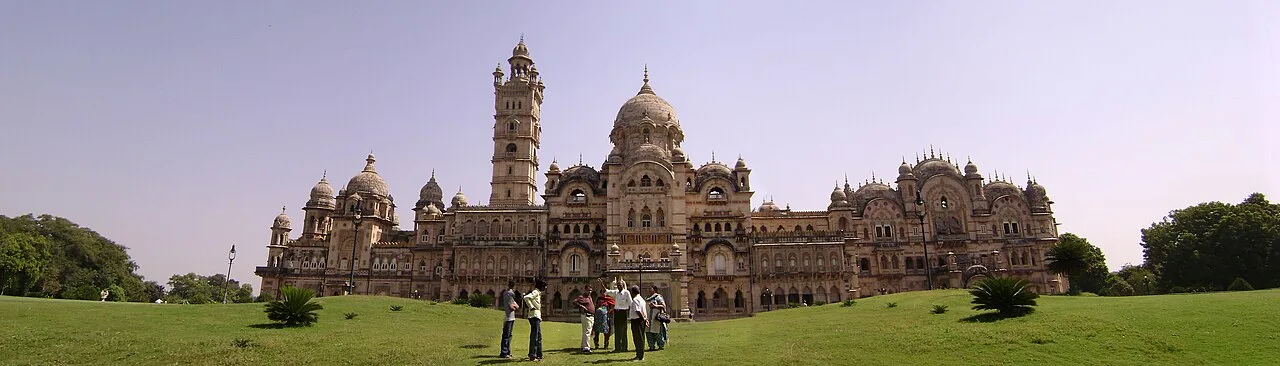
Lakshmi Vilas Palace is a former Gaekwad royal residence in Vadodara, known for its Indo-Saracenic architecture and extensive grounds. People visit to see the palace, its museum and links to the dynasty.

Sayaji Baug

45 km away · Vadodara district

Sayaji Baug

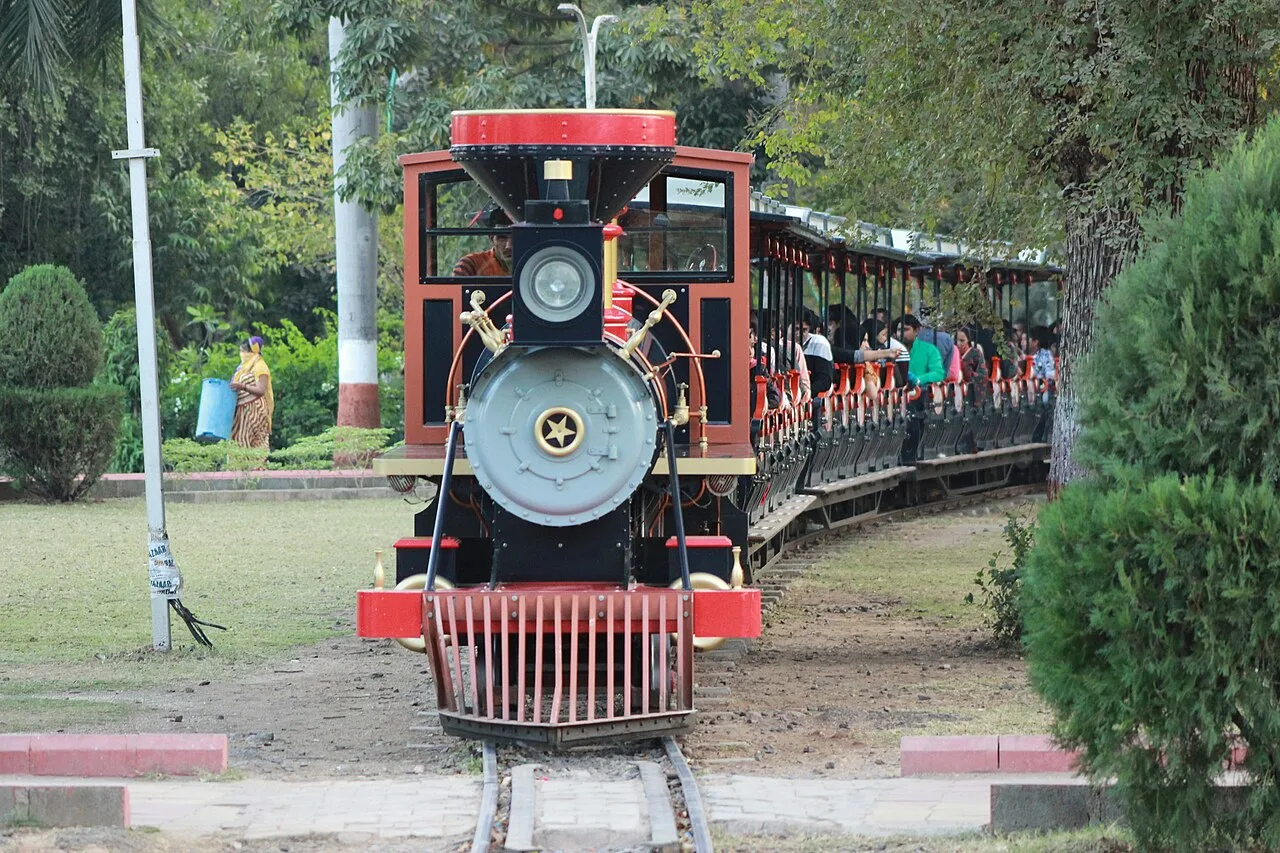
Sayaji Baug, also called Kamati Baug, is a garden in Vadodara, Gujarat, established by Maharaja Sayajirao Gaekwad and visited for recreation and tourism.

Lothal

61 km away · Ahmedabad district

Lothal

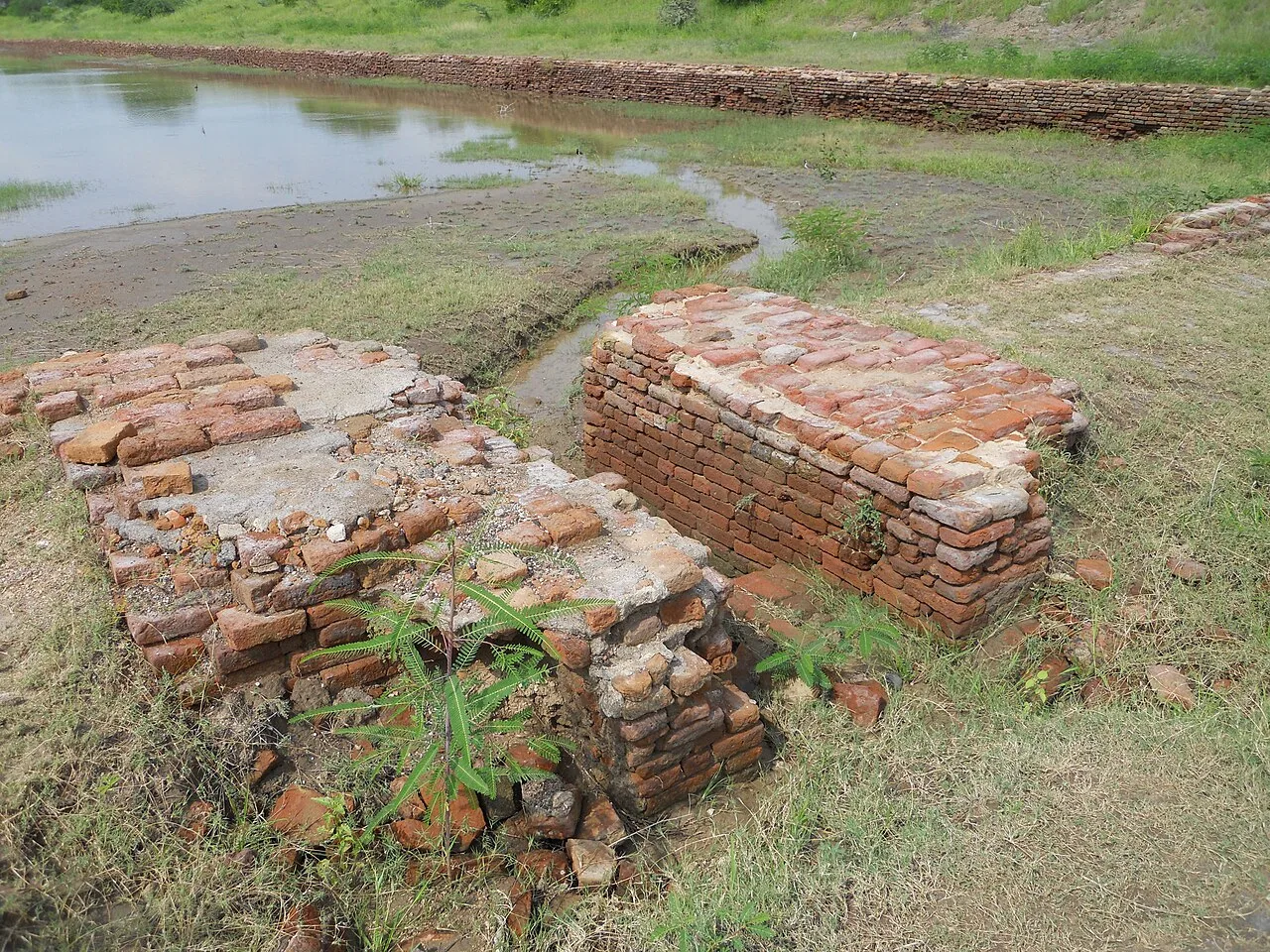
Lothal is a settlement of the ancient Indus Valley Civilisation in Gujarat. Visitors come to learn about its place among the civilisation’s southernmost sites and its early history.

Dakor

70 km away · Kheda district

Dakor

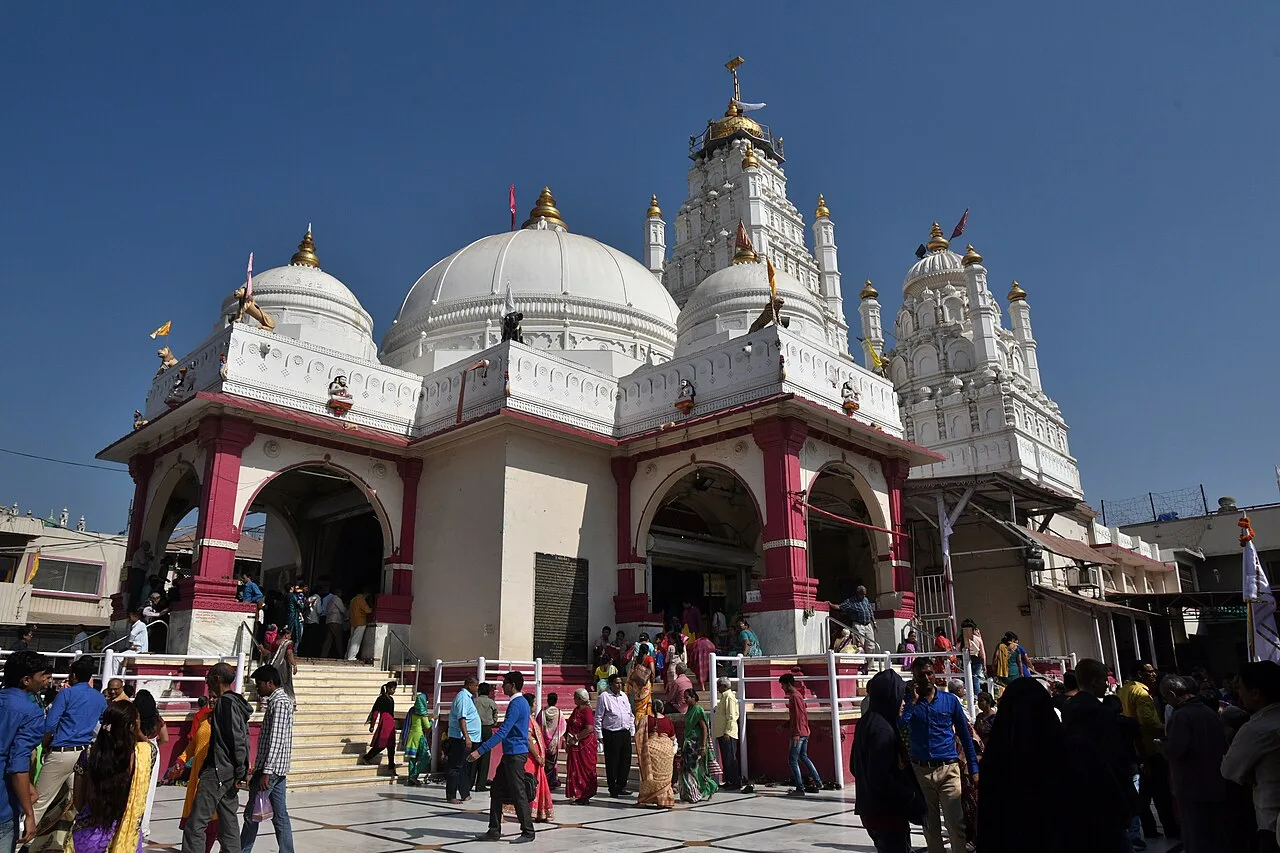
Dakor is a small city and municipality in Gujarat’s Kheda district, known for the temple of Raṇchoḍrāyjī, which draws people to the town.

Blackbuck National Park

76 km away · Bhavnagar district

Blackbuck National Park

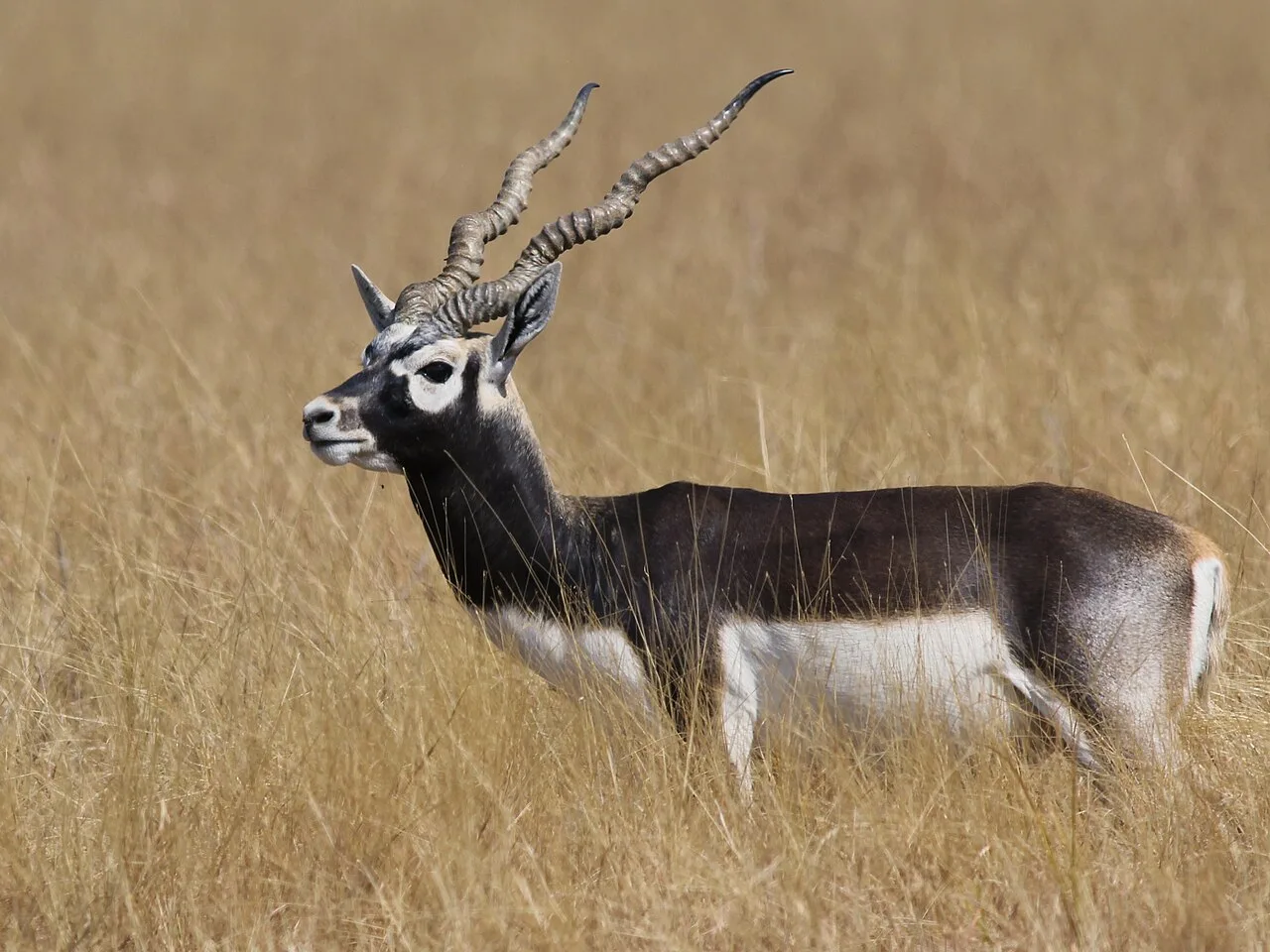
Blackbuck National Park is a protected area in Bhavnagar district, Gujarat, valued for its blackbuck and conservation efforts involving wolves and the lesser florican.

Pavagadh

82 km away · Panchmahal district

Pavagadh

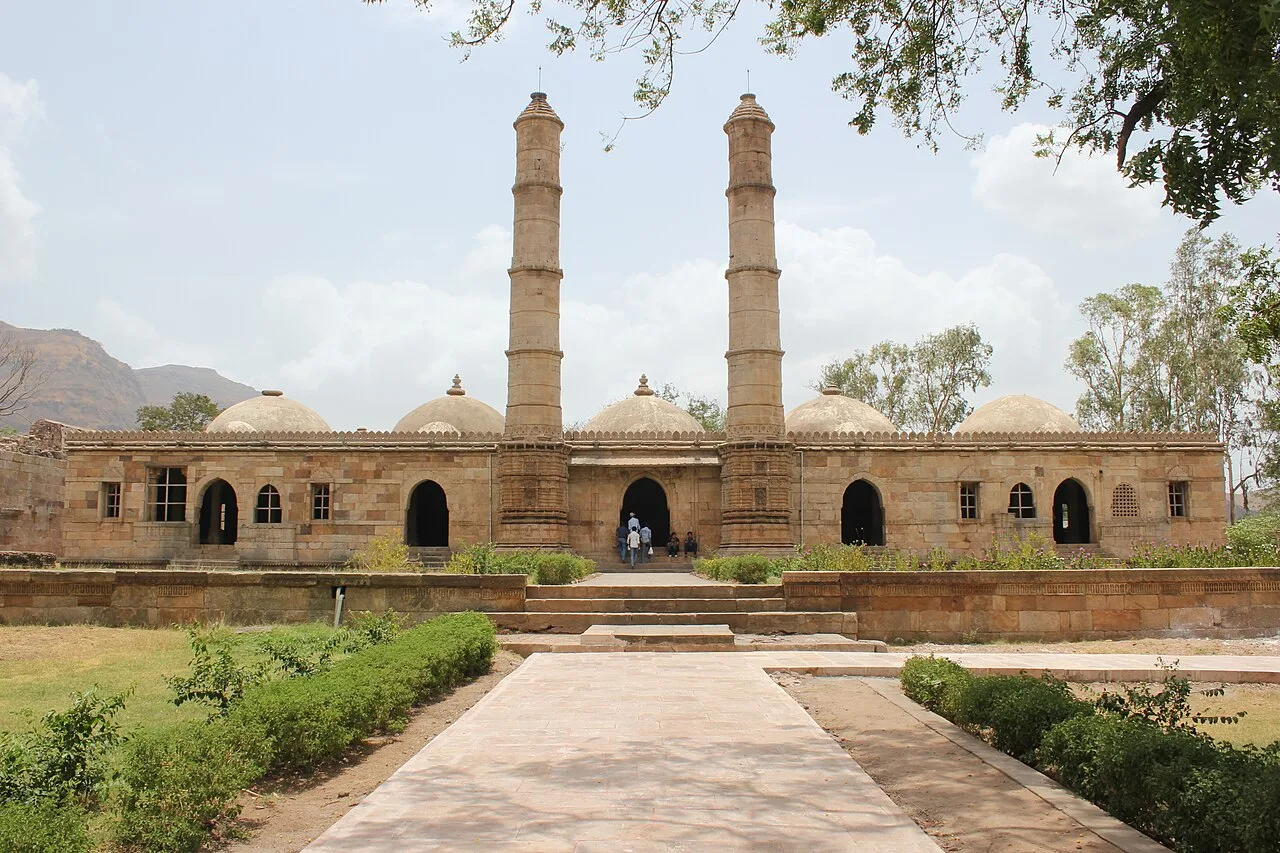
Pavagadh is a municipal area in Gujarat’s Panchmahal district, about 46 kilometres from Vadodara. Visitors come to see its Mahakali temple and the Champaner-Pavagadh Archaeological Park, a UNESCO World Heritage Site.

Champaner-Pavagadh Archaeological Park

84 km away · Panchmahal district

Champaner-Pavagadh Archaeological Park

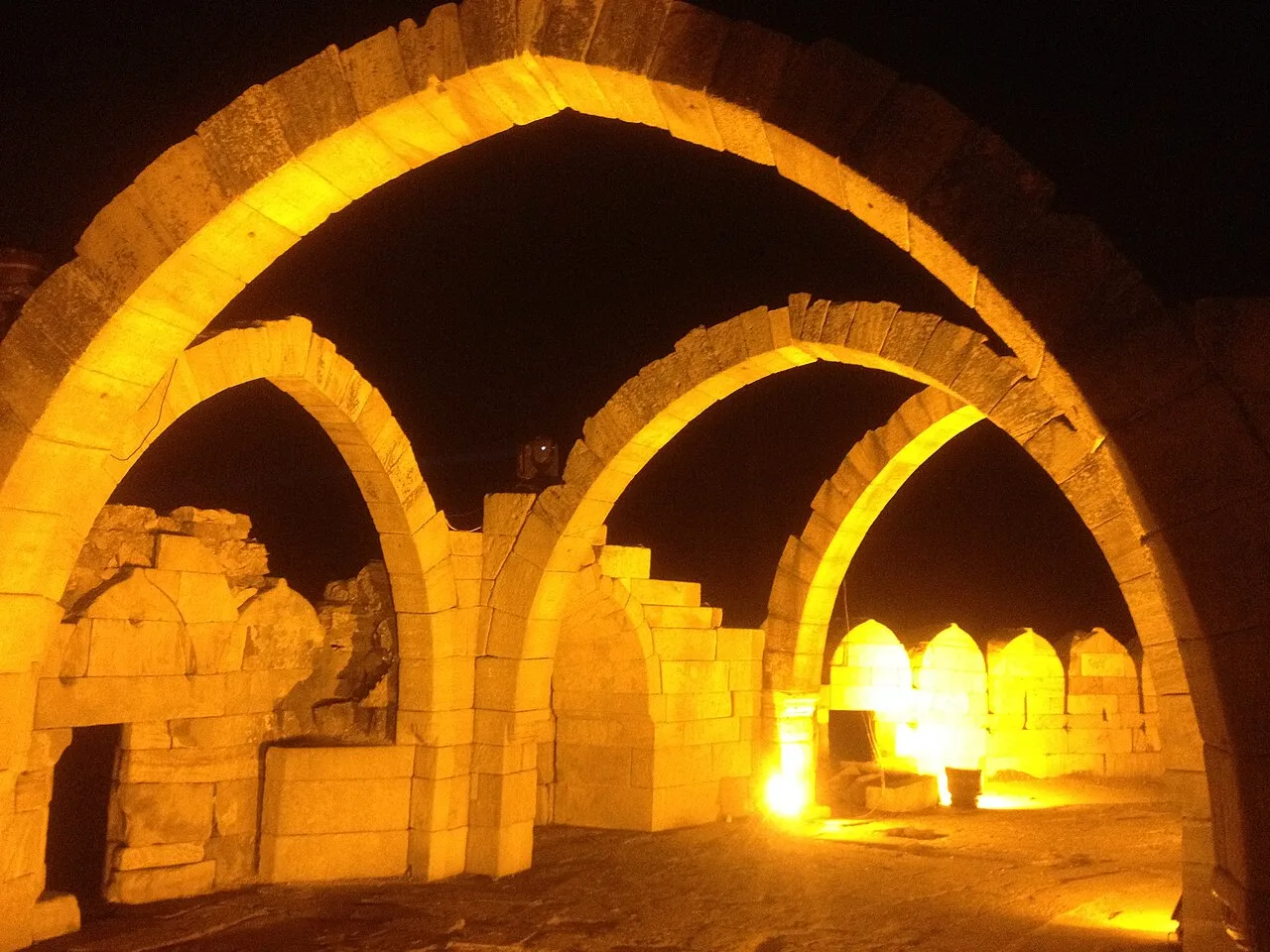
This archaeological park in Gujarat’s Panchmahal district preserves Champaner, Pavagadh’s hill fortress and monuments from several periods. Visitors explore its historic architecture and visit the Kalika Mata Temple.

Kankaria Lake

87 km away · Ahmedabad district

Kankaria Lake

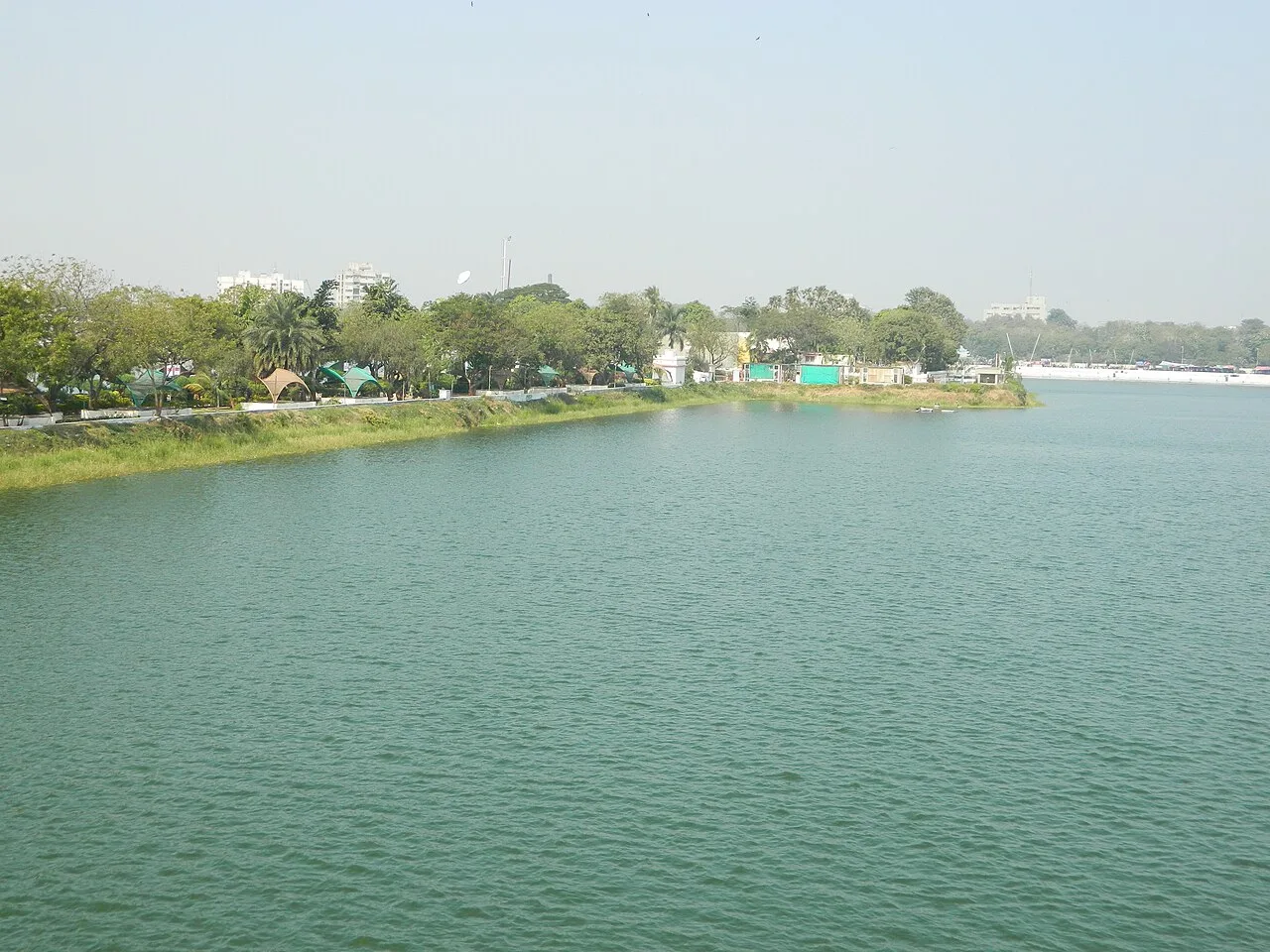
Kankaria Lake is Ahmedabad’s largest lake, situated in Maninagar. Visitors come for its leisure attractions and the cultural, artistic and social programme of the Kankaria Carnival.

Map

Dhuwaran on the map

  1. 1Lakshmi Vilas Palace
  2. 2Sayaji Baug
  3. 3Lothal
  4. 4Dakor
  5. 5Blackbuck National Park
  6. 6Pavagadh
  7. 7Champaner-Pavagadh Archaeological Park
  8. 8Kankaria Lake

Gujarat

Other cities to explore