Ghumoopedia — Explore, Discover, Experience
Sign in
Taranga Jain Temples, near Palanpur

City guide · Gujarat

Palanpur

Palanpur is the administrative centre of Banaskantha district in northern Gujarat, serving as a regional hub for government services, trade and transport. Its location connects towns and rural communities across the district, as well as travellers heading toward the Aravalli foothills and pilgrimage destinations such as Ambaji.

Famous for

  • Palanpuri diamond merchants
  • Pallaviya Parshwanath Jain heritage
  • Historic princely-state legacy
  • Banaskantha district headquarters

Why Palanpur matters

Palanpur is the administrative centre of Banaskantha district in northern Gujarat, serving as a regional hub for government services, trade and transport. Its location connects towns and rural communities across the district, as well as travellers heading toward the Aravalli foothills and pilgrimage destinations such as Ambaji. The city’s story also gives it a distinctive place in Gujarat’s history: it was once the capital of a princely state ruled by the Jhalori dynasty.

Palanpur is especially associated with the Palanpuri Jain merchant community and its far-reaching connections to India’s diamond trade. That legacy is as much about people and business networks as it is about shopping for diamonds in the city today. Visitors can explore the old town’s religious and historic character, including its Jain heritage, while using Palanpur as a practical base for journeys around Banaskantha. Its appeal is quieter than that of Gujarat’s major tourist centres, combining regional city life with a long history of princely rule and commerce.
Famous for: crafts, trade & products

Palanpur’s strongest commercial association is with Palanpuri Jain merchants, whose community has played a notable role in India’s diamond trade. Many members of this network built careers and businesses in larger trading centres, so the connection is best understood as a merchant heritage rather than a guarantee of a large visitor-facing diamond market. The city also serves as a local centre for everyday shopping and services in Banaskantha.

Palanpur is not widely identified with a particular textile, handicraft or GI-tagged product. Visitors looking for clothing, household goods and regional provisions can browse the central bazaars and established shopping streets; these are useful places to experience local commerce, though they should not be mistaken for specialist craft districts. Gujarati garments and fabrics may be available through ordinary retailers, alongside goods from elsewhere in the state. For a more focused look at the city’s identity, Jain places of worship and historic sites offer context for the merchant community and the former princely capital. Check locally for current access and visitor arrangements.

History

Palanpur’s early history is linked in tradition to Prahladana, who is said to have founded Prahladanapur in 1218 and established a Jain shrine dedicated to Pallaviya Parshwanath. The city’s name has also been connected with Pālhaṇapura, a form recorded in a Chaulukya-era inscription. Chauhan rulers are associated with the town in the medieval period.

From the early seventeenth century, Palanpur came under the Jhalori dynasty, a Pashtun Lohani house with roots in Jalore, Rajasthan. The rulers gained greater prominence during the political upheaval following Mughal emperor Aurangzeb’s death. After Maratha expansion brought pressure on the state, the ruling house entered a subsidiary alliance with the British East India Company in 1817, making Palanpur a British protectorate. Following Indian independence, the princely state was dissolved in 1949 and incorporated into India, first within Bombay State. After Gujarat was formed in 1960, Palanpur developed as the headquarters of Banaskantha district.

Food, festivals & culture

Gujarati is the principal language of daily life, while Hindi and other regional languages are also heard. Palanpur’s food reflects the wider north Gujarat tradition: expect Gujarati thalis, rotli, vegetable dishes, dal, khichdi and kadhi, with snacks such as fafda and sweets such as jalebi or mohanthal available at local eateries and sweet shops. Menus and specialities vary, so these are regional favourites rather than dishes unique to Palanpur.

Navratri, usually in autumn, brings garba and dandiya celebrations; Diwali is also widely observed in autumn, while Uttarayan fills January with kite-flying and Holi is celebrated in spring. Jain religious observances, including Paryushan, are important to the city’s Jain community. Temples and other places of worship are central to neighbourhood life, and Jain heritage is a particularly visible part of Palanpur’s identity. Visitors should dress respectfully and check local guidance before entering religious sites. Folk music and devotional singing are heard at festivals and community gatherings.

Visiting the city

The cooler months, roughly October to March, are generally the most comfortable time to visit; summer can be very hot, and the monsoon brings rain. Palanpur Junction is the city’s main railway station. The nearest major airport with regular commercial services is Sardar Vallabhbhai Patel International Airport in Ahmedabad; onward travel is by road or rail.

Auto-rickshaws, local taxis and buses are useful for getting around, while the central market area and older parts of town are best explored at an unhurried pace. Begin around the old city and its bazaars for a sense of everyday commerce, then seek out local Jain heritage sites. Palanpur can also work as a base for visiting places elsewhere in Banaskantha, including Ambaji; confirm transport and site access locally before setting out.

Trips from the city

Nearest places to visit from Palanpur

Our closest destination guides, by straight-line distance.

Taranga Jain Temples

39 km away · Mehsana district

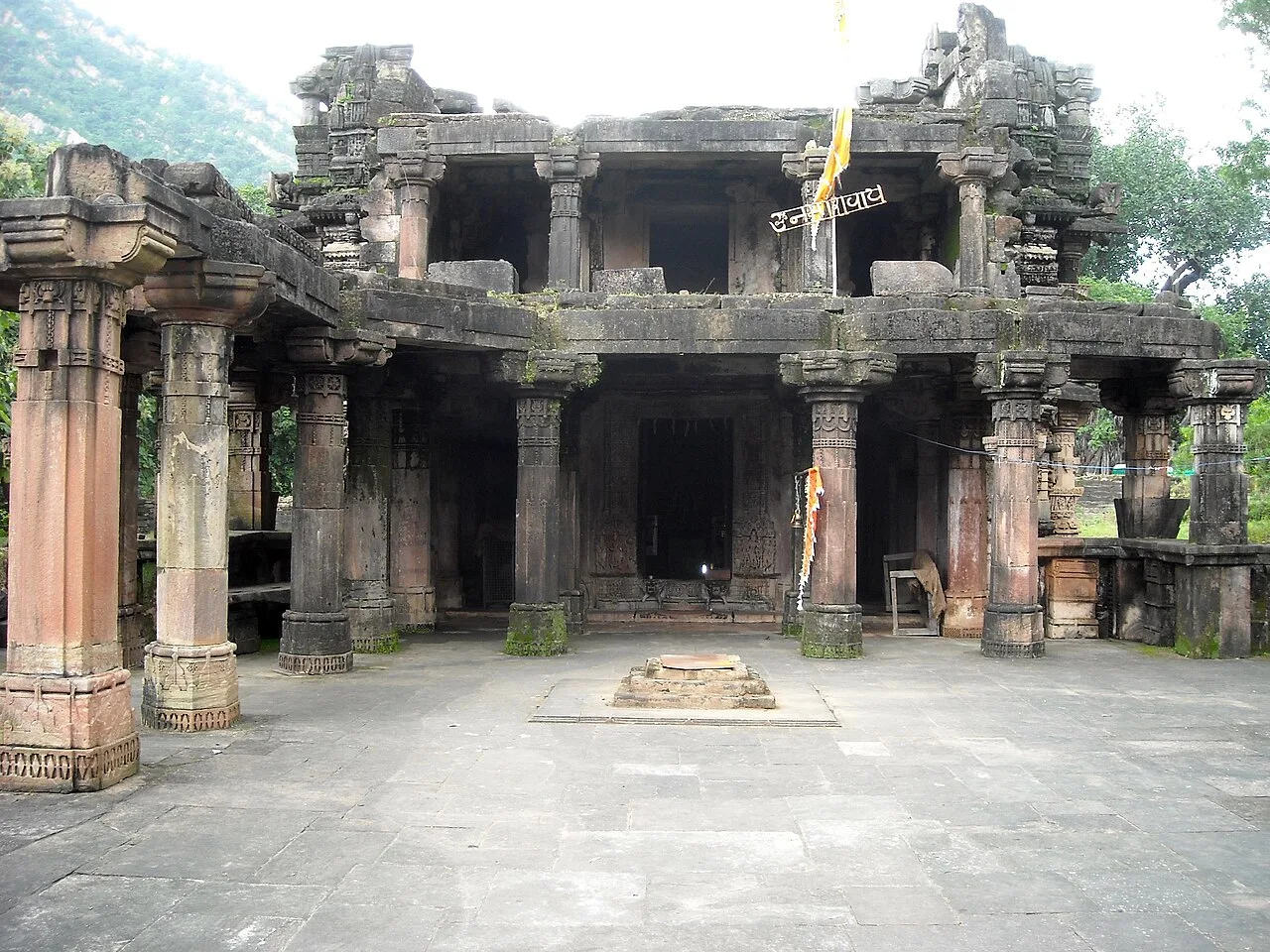
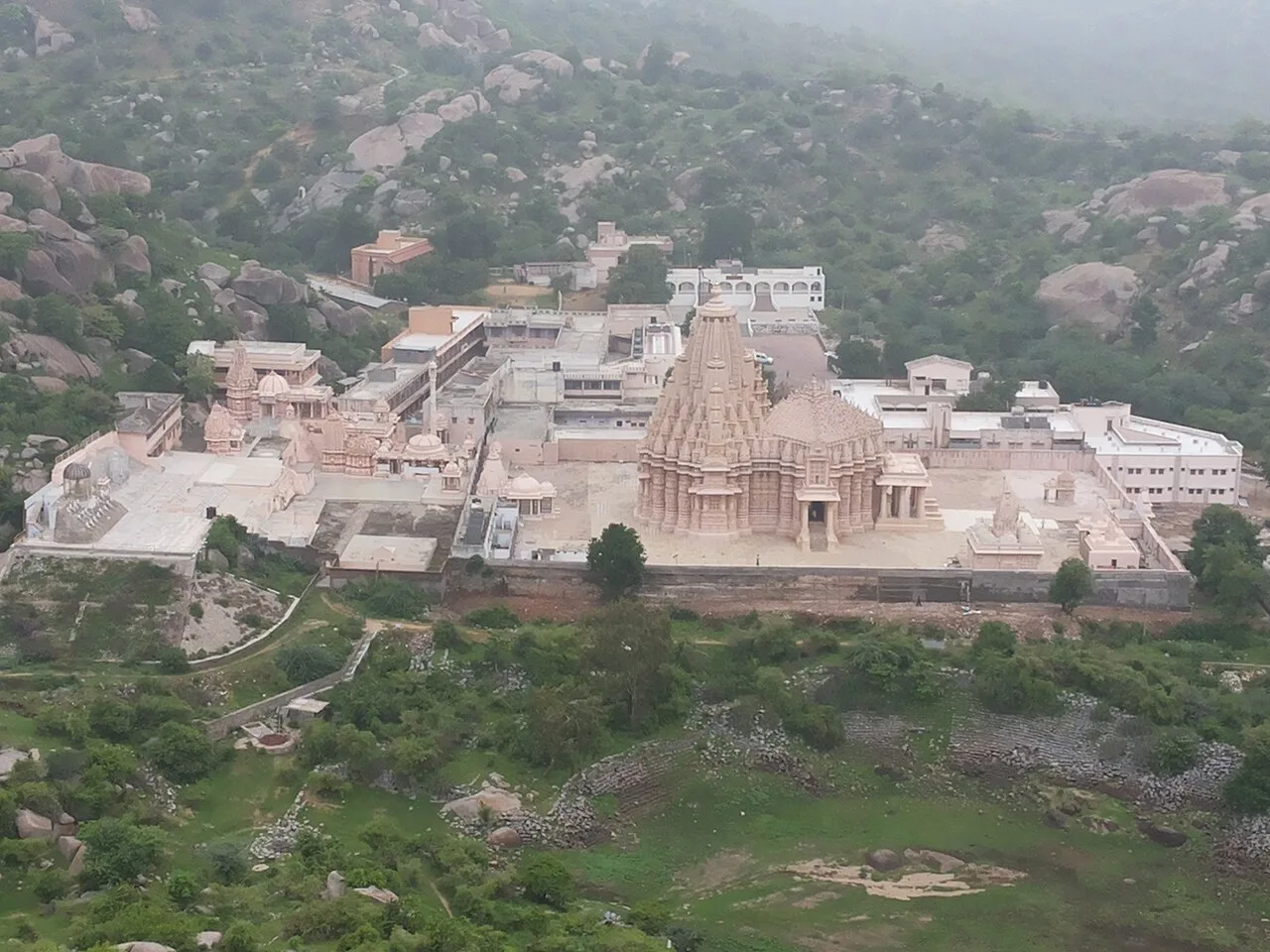
Taranga Jain Temples

Taranga is a Jain pilgrimage site near Kheralu, known for temples representing Śvetāmbara and Digambara traditions and for its notable Māru-Gurjara architecture.

Ambaji

45 km away · Banaskantha district

Ambaji

Ambaji is a census town in Banaskantha district, Gujarat. The available details establish its identity and location but do not say what draws visitors there.

Rani ki Vav

49 km away · Patan district

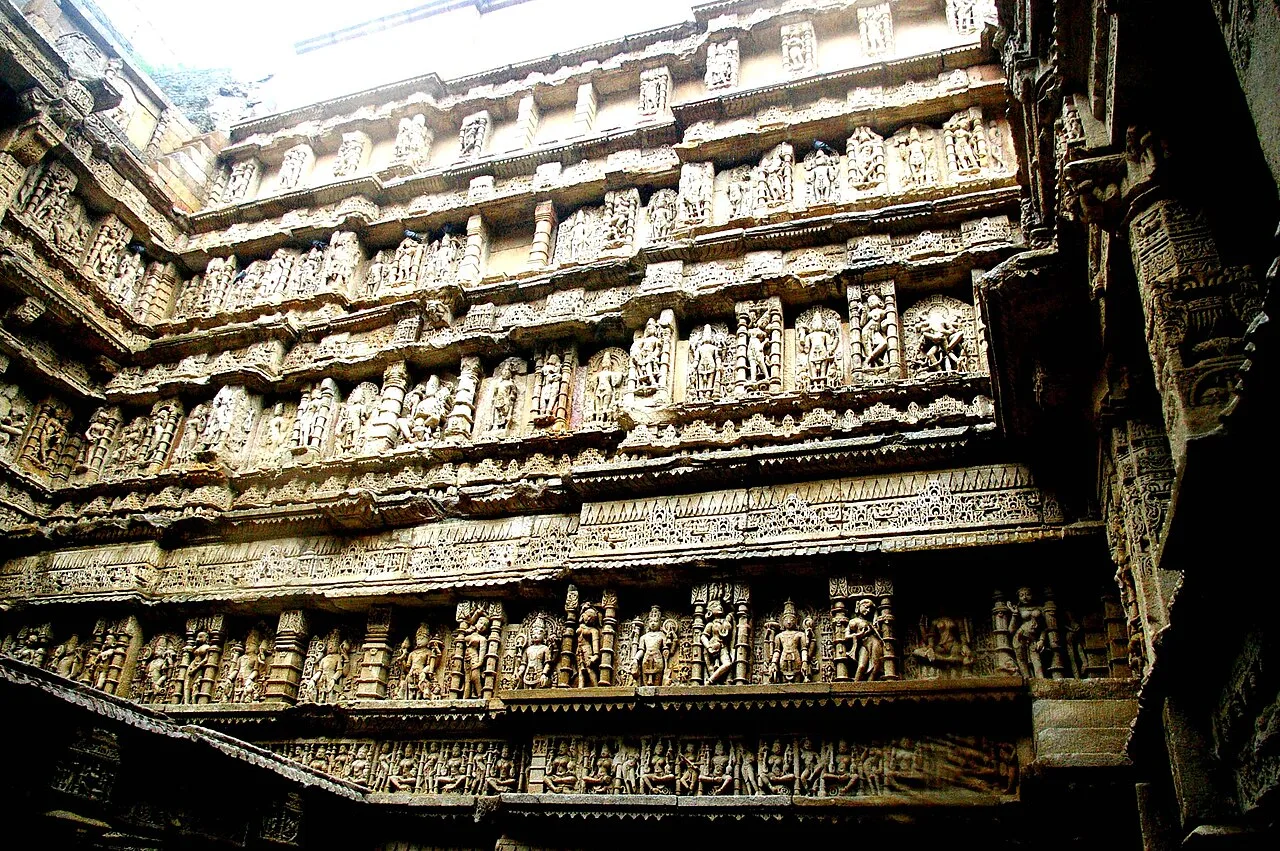
Rani ki Vav

Rani ki Vav is a stepwell in Patan, Gujarat, notable for its tiered underground design and extensive sculpture, which reflect the monument’s religious and architectural significance.

Sahasralinga Tank

49 km away · Patan district

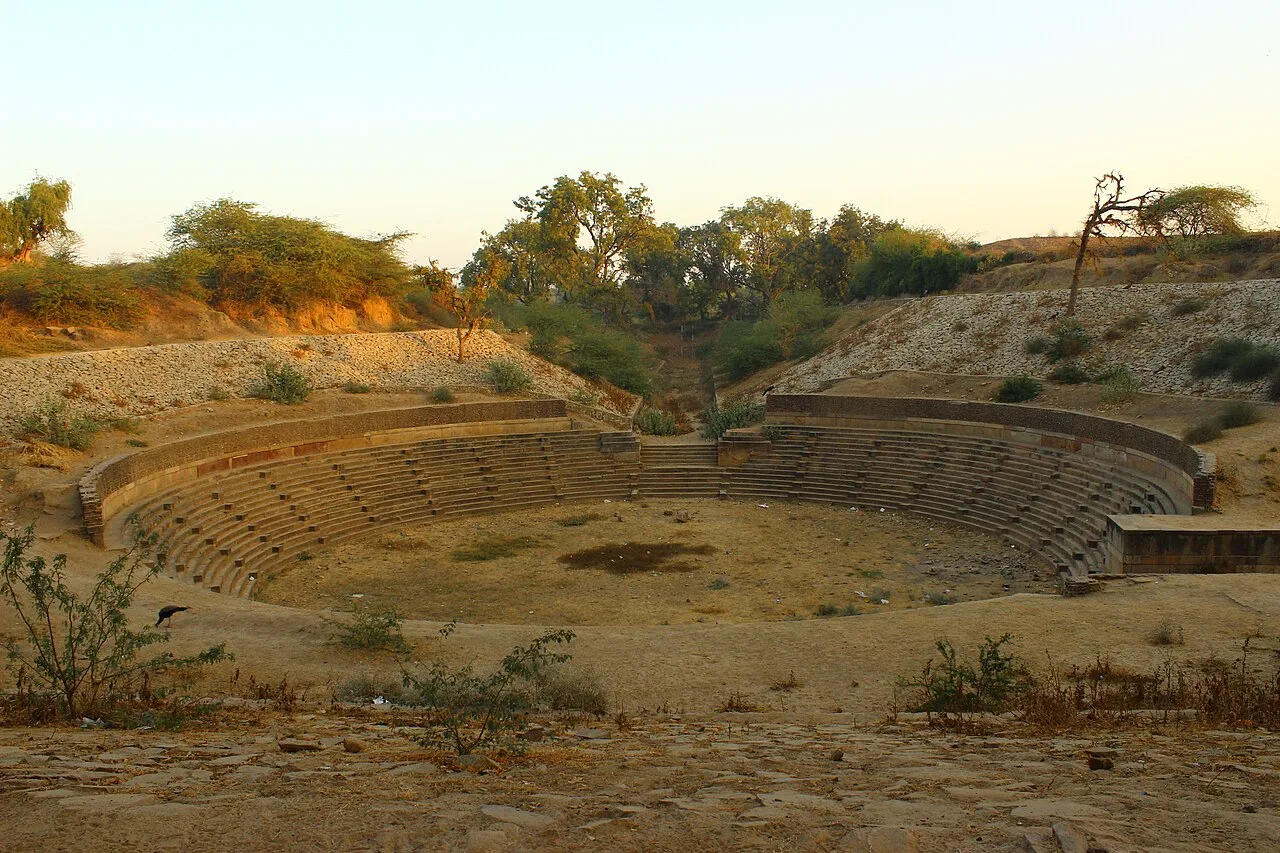
Sahasralinga Tank

Sahasralinga Tank is a medieval, human-made reservoir in Gujarat’s Patan district, commissioned under Chaulukya rule. Visitors come to see this historic site, which is protected as a national monument.

Modhera Sun Temple

72 km away · Mehsana district

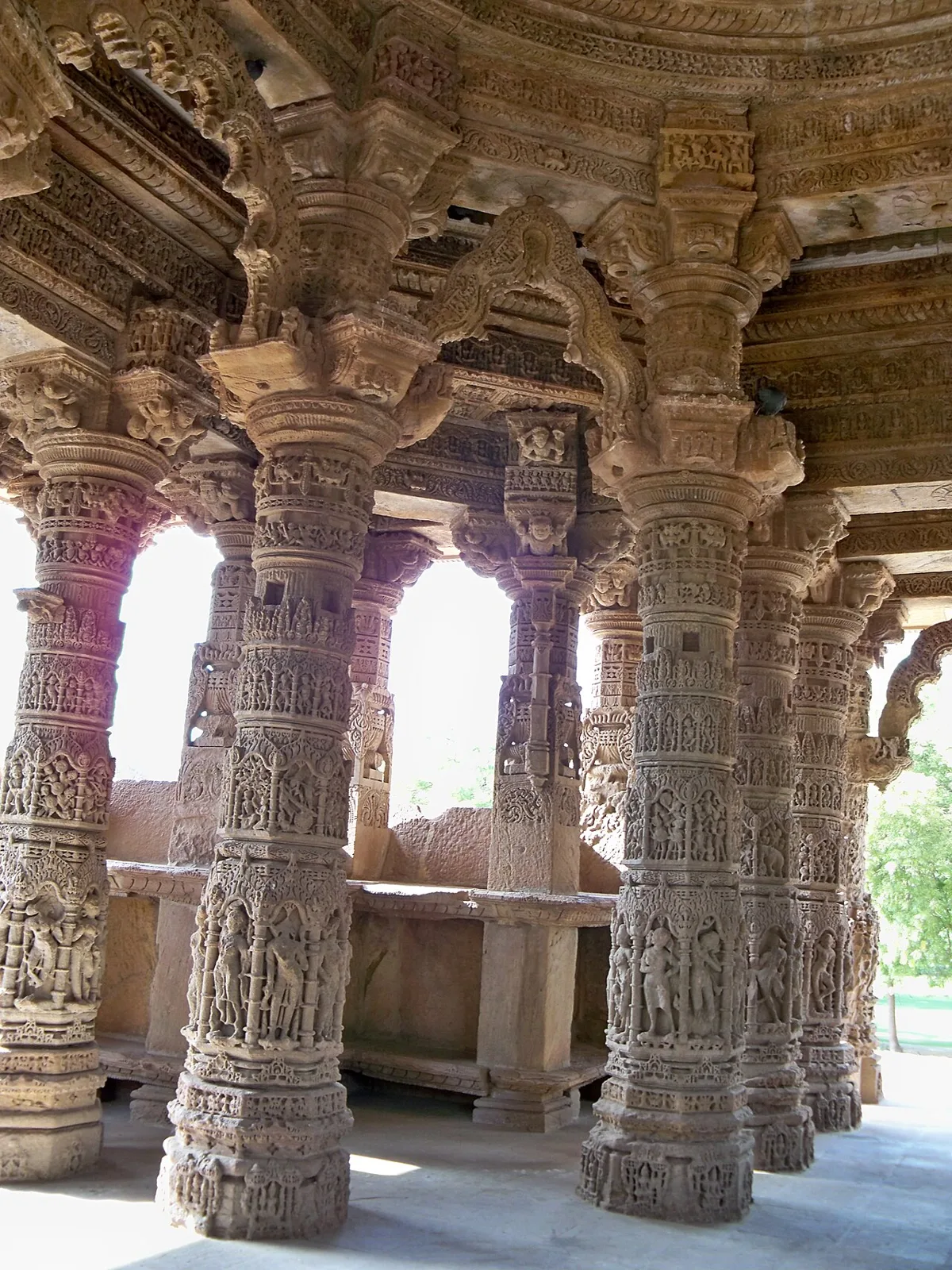
Modhera Sun Temple

This Hindu temple complex in Modhera, Gujarat, honours Surya. Visitors come to see its carved halls, decorated pillars and stepped reservoir, which is dotted with small shrines.

Polo Forest

87 km away · Sabarkantha district

Polo Forest

Polo Forest, also called Vijaynagar Forest, is a dry mixed deciduous woodland in Gujarat. Visitors come to explore its extensive forest landscape beside the perennial Harnav River and below the Aravalli foothills.

Swaminarayan Akshardham

107 km away · Gandhinagar district

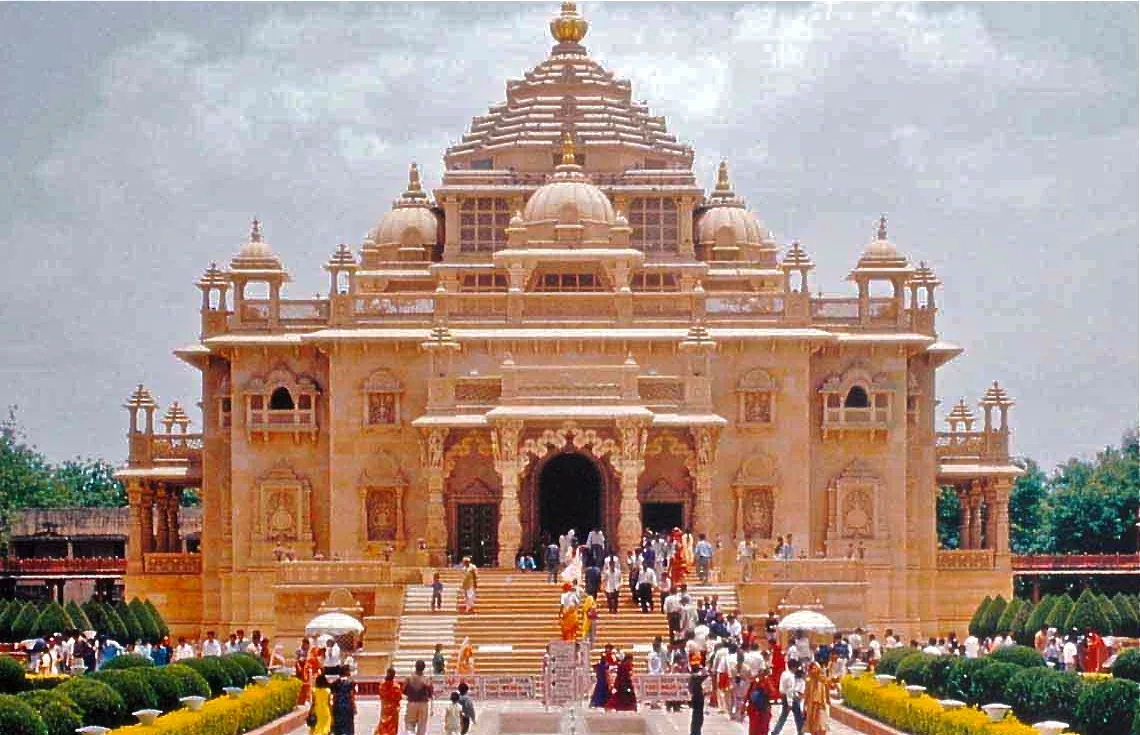
Swaminarayan Akshardham

This Hindu temple complex in Gandhinagar, Gujarat, draws visitors interested in Swaminarayan’s teachings, BAPS traditions and its central shrine built from pink sandstone.

Adalaj Stepwell

113 km away · Gandhinagar district

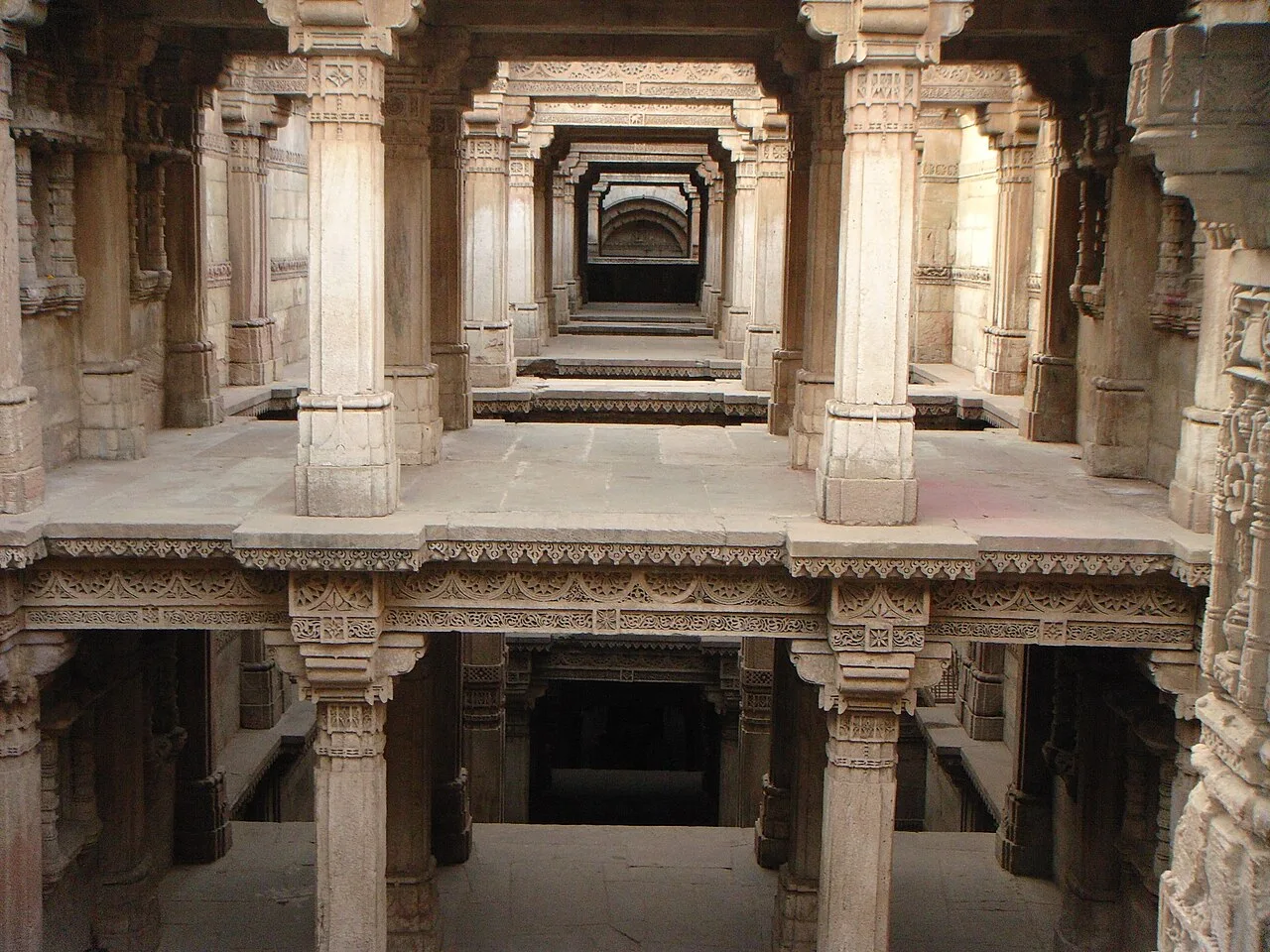
Adalaj Stepwell

Adalaj Stepwell, also known as Rudabai Stepwell, is a sandstone structure in Gujarat’s Gandhinagar district. Visitors come to see its Solanki-style design and its connection to Rana Veer Singh.

Map

Palanpur on the map

  1. 1Taranga Jain Temples
  2. 2Ambaji
  3. 3Rani ki Vav
  4. 4Sahasralinga Tank
  5. 5Modhera Sun Temple
  6. 6Polo Forest
  7. 7Swaminarayan Akshardham
  8. 8Adalaj Stepwell

Gujarat

Other cities to explore