Ghumoopedia — Explore, Discover, Experience
Sign in
Rani ki Vav, near Bhabhar

City guide · Gujarat

Bhabhar

Bhabhar is a small market town in northern Gujarat, serving farms and villages across the surrounding plain. Its importance comes less from major monuments or resort attractions than from its role as a place to trade, shop and access everyday services.

Famous for

  • Agricultural trade
  • North Gujarat market town
  • Regional dairy economy
  • Garba and Navratri

Why Bhabhar matters

Bhabhar is a small market town in northern Gujarat, serving farms and villages across the surrounding plain. Its importance comes less from major monuments or resort attractions than from its role as a place to trade, shop and access everyday services. Local markets connect the area’s agricultural communities with larger centres such as Palanpur and towns nearer the Rajasthan border.

Visitors usually come for family, business or religious visits, and for a glimpse of life in this agricultural part of Gujarat. The town’s shops and food stalls offer a practical introduction to regional routines, while nearby countryside is marked by cultivated fields and settlements. Bhabhar is also a useful stop for travellers moving through north Gujarat, though it is not generally a destination for a long sightseeing itinerary. Its appeal lies in its working-town character and its links to the rural communities around it.
Famous for: crafts, trade & products

Bhabhar is best understood as a local trading centre rather than a specialised craft or manufacturing hub. Shops in and around the central market serve residents and nearby villages with groceries, clothing, household goods and everyday services. Agricultural trade is part of the town’s role in the region; seasonal produce from the wider north Gujarat area can include grains, oilseeds and spices. The exact selection changes with harvests and local supply.

The town is not widely known for a signature textile, handicraft or GI-tagged product, so visitors should not expect a dedicated craft district or a recognised artisan market. For ordinary purchases, browse the central shopping streets and the areas around the bus stand and railway station. Packaged snacks and familiar Gujarati foods are easier to find than distinctive souvenirs. For specialised shopping, a wider choice is available in larger regional centres such as Palanpur. Bhabhar’s commercial character is primarily practical: its markets support local households, farmers and travellers.

History

Bhabhar grew as a service and trading settlement for the agricultural communities of north Gujarat. Its position among rural settlements and along routes linking regional towns helped sustain markets, transport and everyday commerce. The surrounding region has long been shaped by local princely jurisdictions, including Palanpur and Radhanpur; under British rule, Palanpur and neighbouring states were connected to the colonial administration through the Palanpur Agency. Bhabhar’s development was tied more to this regional network than to a single royal court or major monument.

After independence, the area became part of the Indian Union and was administered within Bombay State before Gujarat was formed in 1960. In the decades that followed, road connections, rail services and public institutions strengthened Bhabhar’s role as a rural service centre. Agriculture and local trade continue to shape the town’s economy, while modern transport links connect it with larger markets and administrative centres in northern Gujarat.

Food, festivals & culture

Everyday food in Bhabhar reflects the wider north Gujarat kitchen. Bajra rotla, vegetable dishes, khichdi with kadhi, thepla and dal-based meals are familiar choices, with snacks and sweets sold in local shops. Recipes and menus vary between households and seasons; dairy products feature in the broader food culture of the region.

Gujarati is the principal language of daily life, while Hindi and, in some households, Marwari are also heard. Navratri, usually in autumn, brings garba and community celebrations; Diwali follows, and Uttarayan in January is marked by kite-flying. Holi is observed in spring, alongside festivals celebrated by the town’s diverse communities. Local Hindu temples and mosques serve as places of worship, and religious gatherings are part of neighbourhood life. Folk forms such as garba and Bhavai belong to the wider cultural traditions of Gujarat, though performances depend on the occasion rather than a regular visitor programme.

Visiting the city

October to February is generally the most comfortable season to visit; summers can be very hot, and monsoon travel conditions vary. The nearest regular commercial airport is Sardar Vallabhbhai Patel International Airport in Ahmedabad. Bhabhar Railway Station serves the town, and road connections link it with nearby settlements and larger north Gujarat centres.

Buses and shared or private auto-rickshaws are practical options for getting around; local distances are manageable on foot in the market area. For a short visit, explore the central market streets, the station and bus-stand surroundings, and nearby places of worship. These areas show the town’s everyday rhythm better than a formal sightseeing circuit. Bhabhar works well as a brief stop or base for local errands rather than as a destination with a large collection of visitor attractions.

Trips from the city

Nearest places to visit from Bhabhar

Our closest destination guides, by straight-line distance.

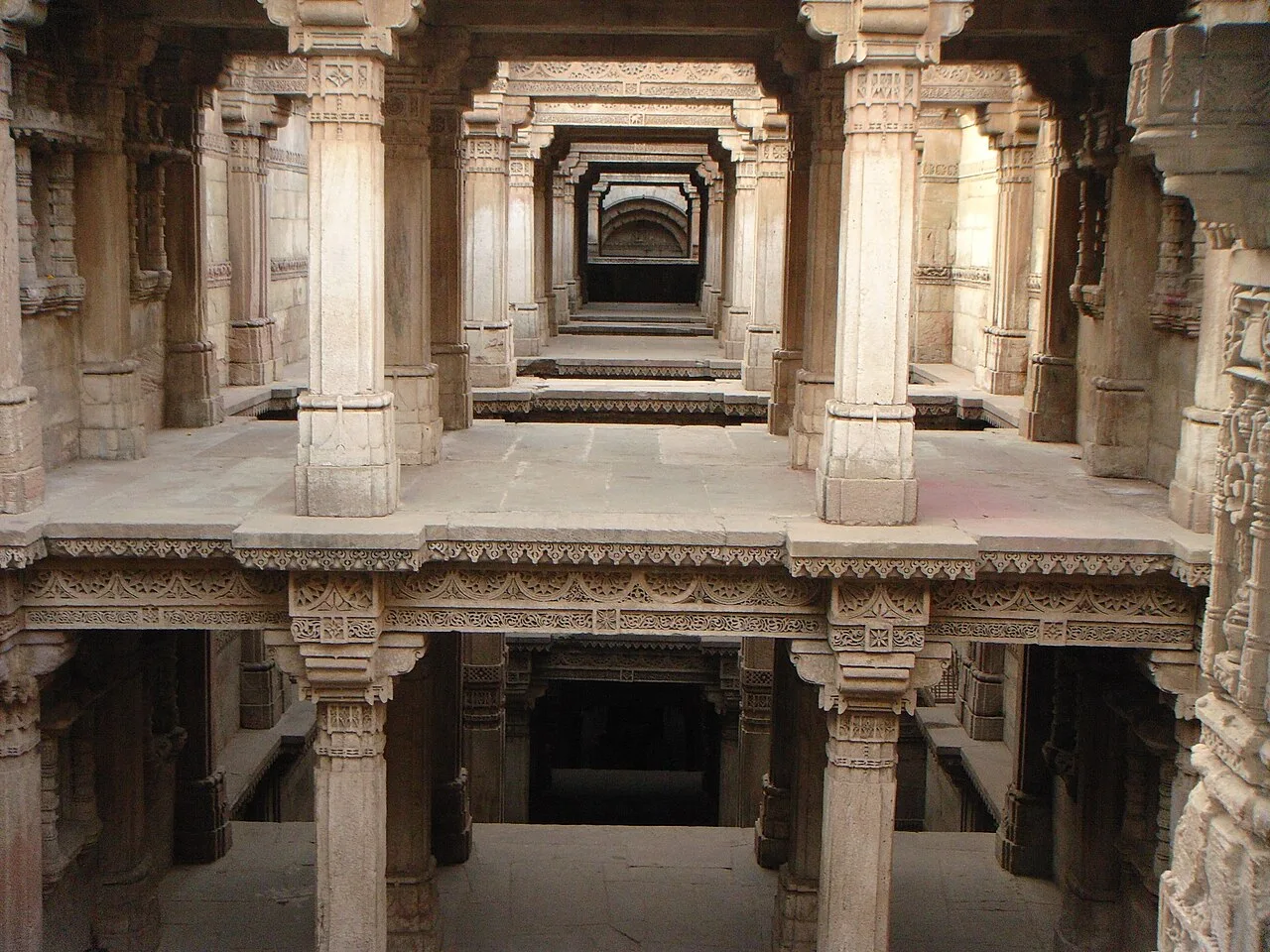
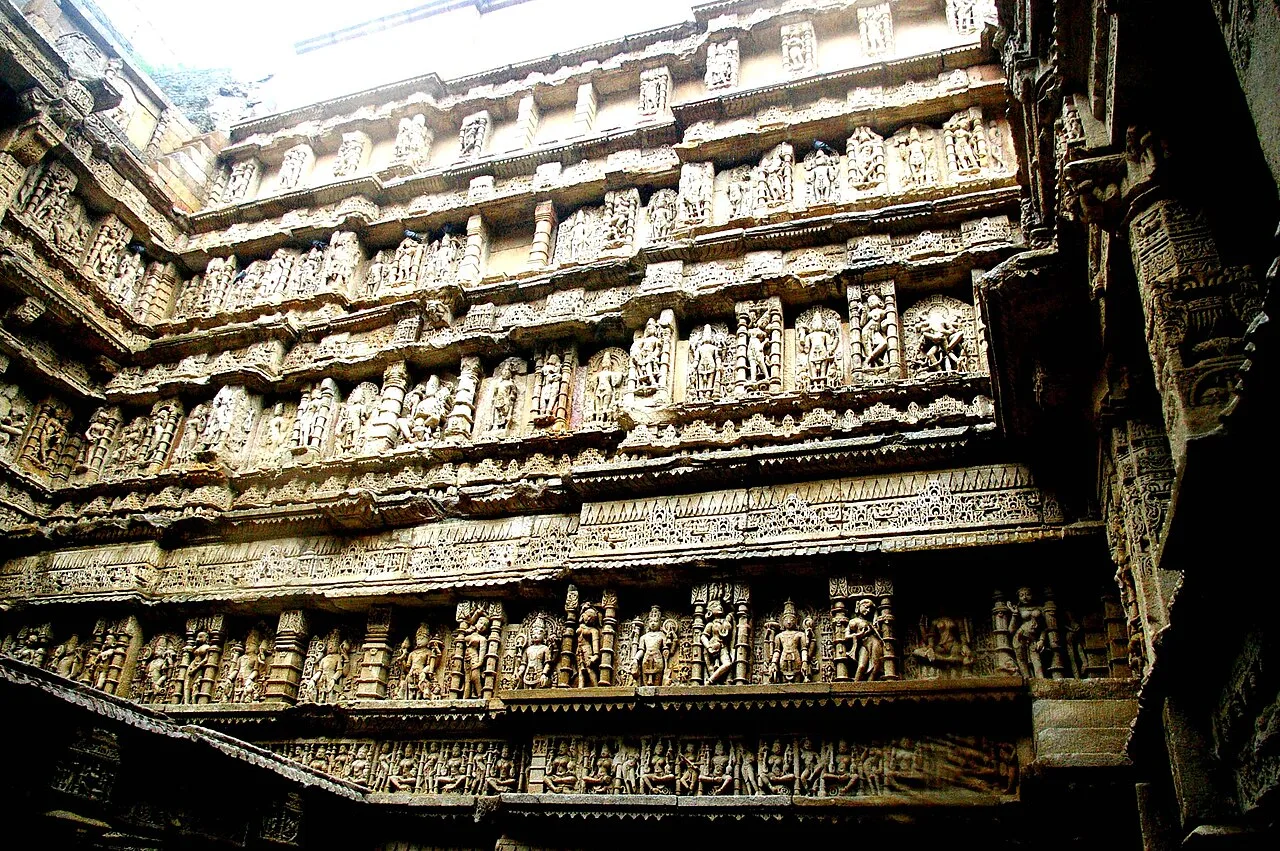
Rani ki Vav

56 km away · Patan district

Rani ki Vav

Rani ki Vav is a stepwell in Patan, Gujarat, notable for its tiered underground design and extensive sculpture, which reflect the monument’s religious and architectural significance.

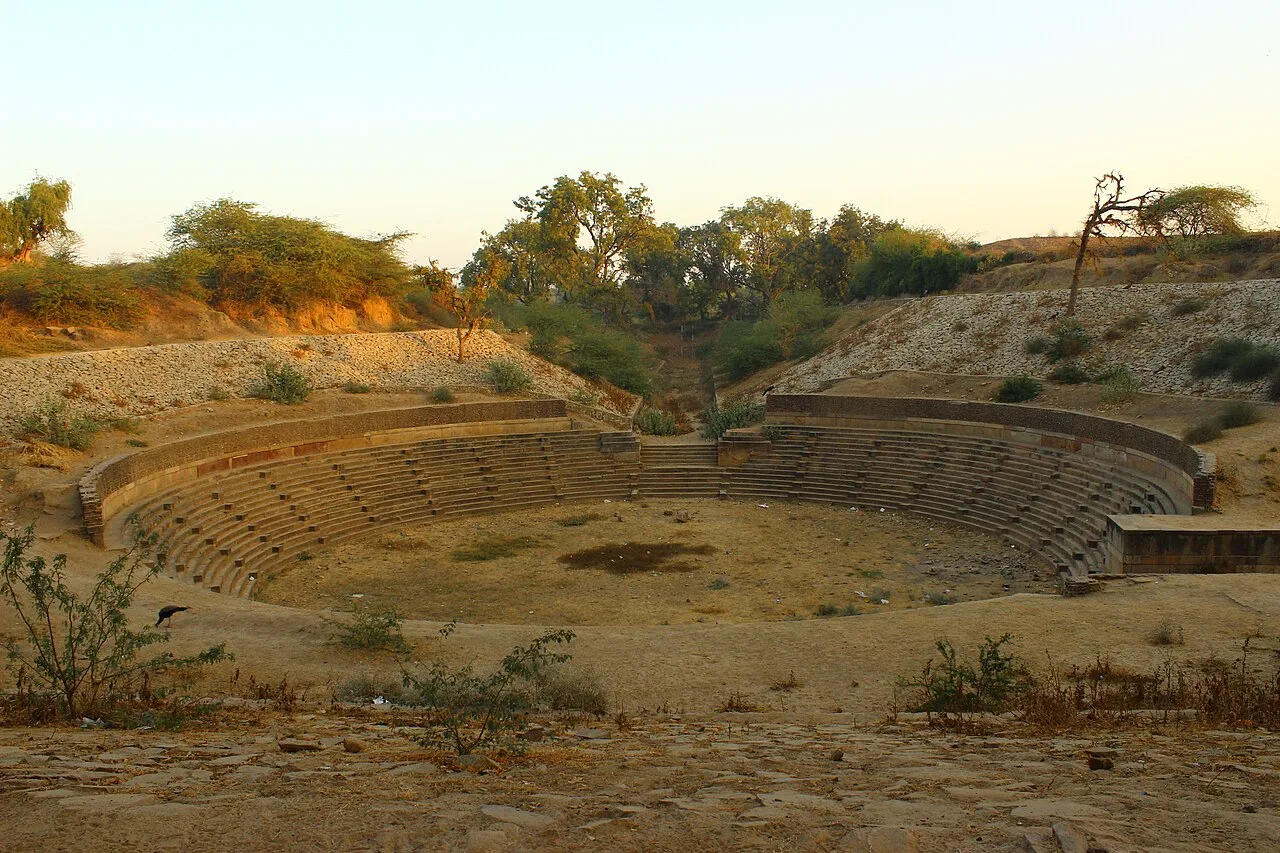
Sahasralinga Tank

56 km away · Patan district

Sahasralinga Tank

Sahasralinga Tank is a medieval, human-made reservoir in Gujarat’s Patan district, commissioned under Chaulukya rule. Visitors come to see this historic site, which is protected as a national monument.

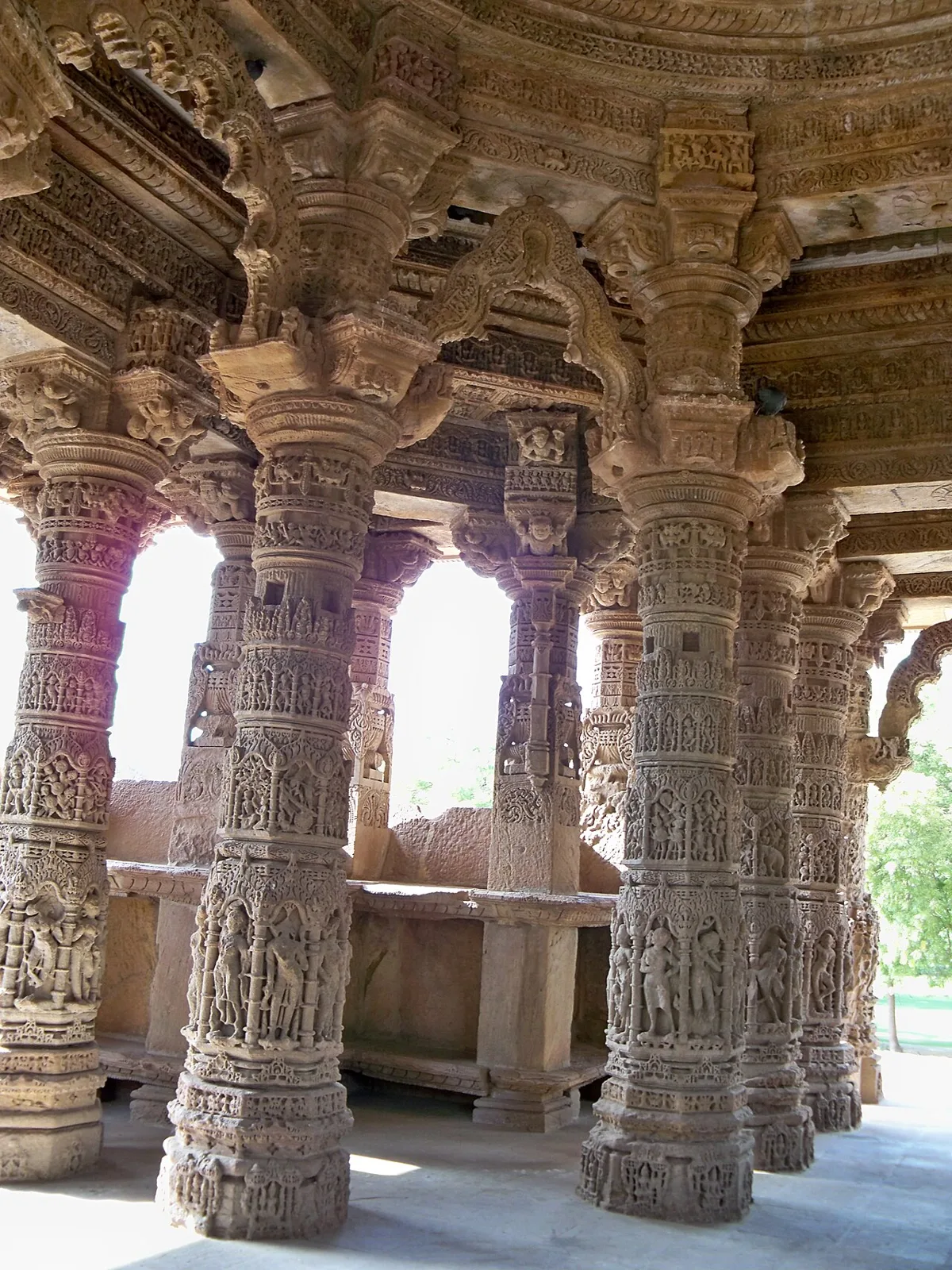
Modhera Sun Temple

77 km away · Mehsana district

Modhera Sun Temple

This Hindu temple complex in Modhera, Gujarat, honours Surya. Visitors come to see its carved halls, decorated pillars and stepped reservoir, which is dotted with small shrines.

Indian Wild Ass Sanctuary

80 km away · Surendranagar district

Indian Wild Ass Sanctuary

In Gujarat’s Little Rann of Kutch, the Indian Wild Ass Sanctuary protects the endangered khur. Visitors are drawn by the chance to see this wild ass, a southern subspecies of the Asiatic wild ass.

Great Rann of Kutch

97 km away · Kutch district

Great Rann of Kutch

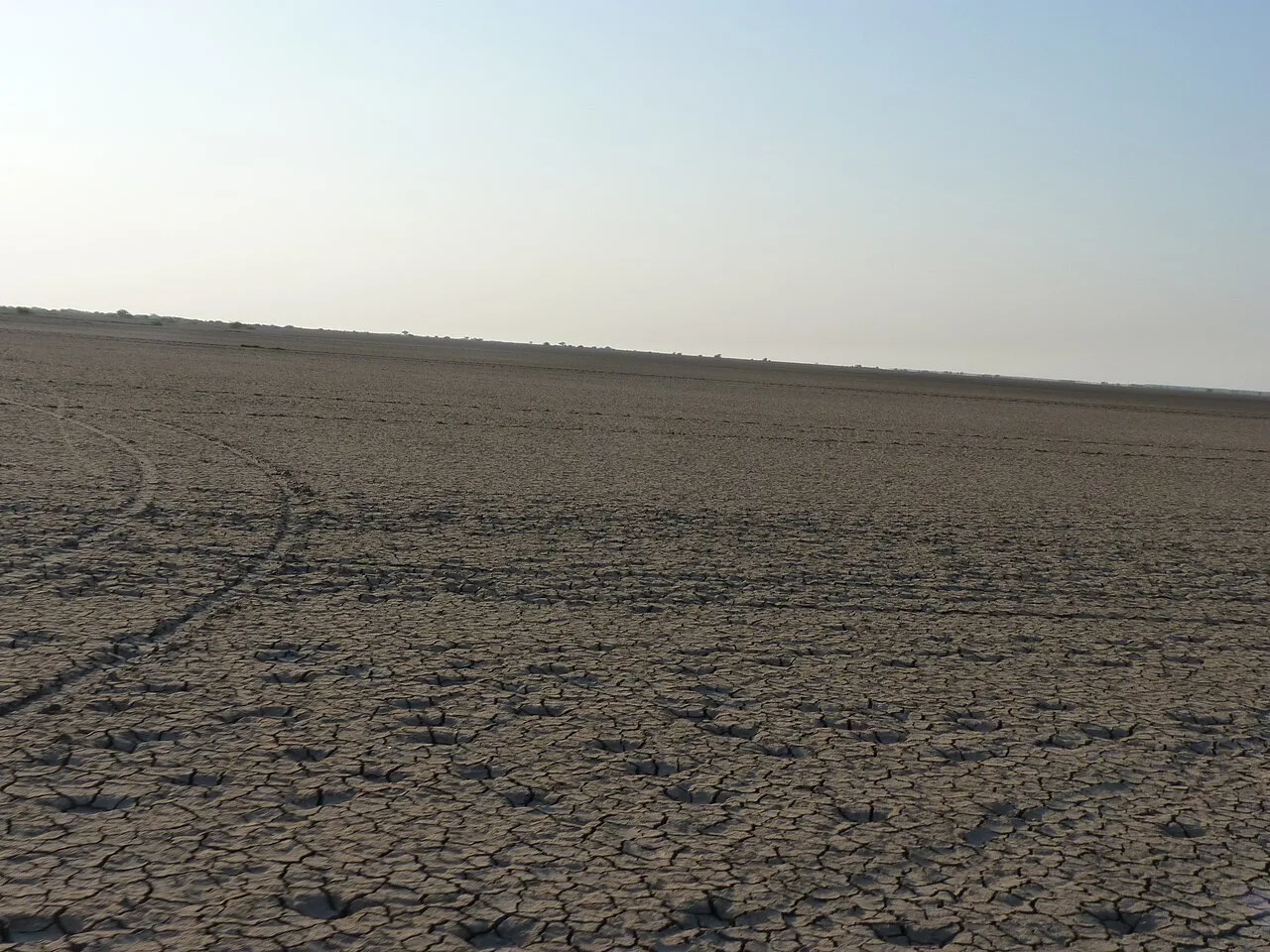
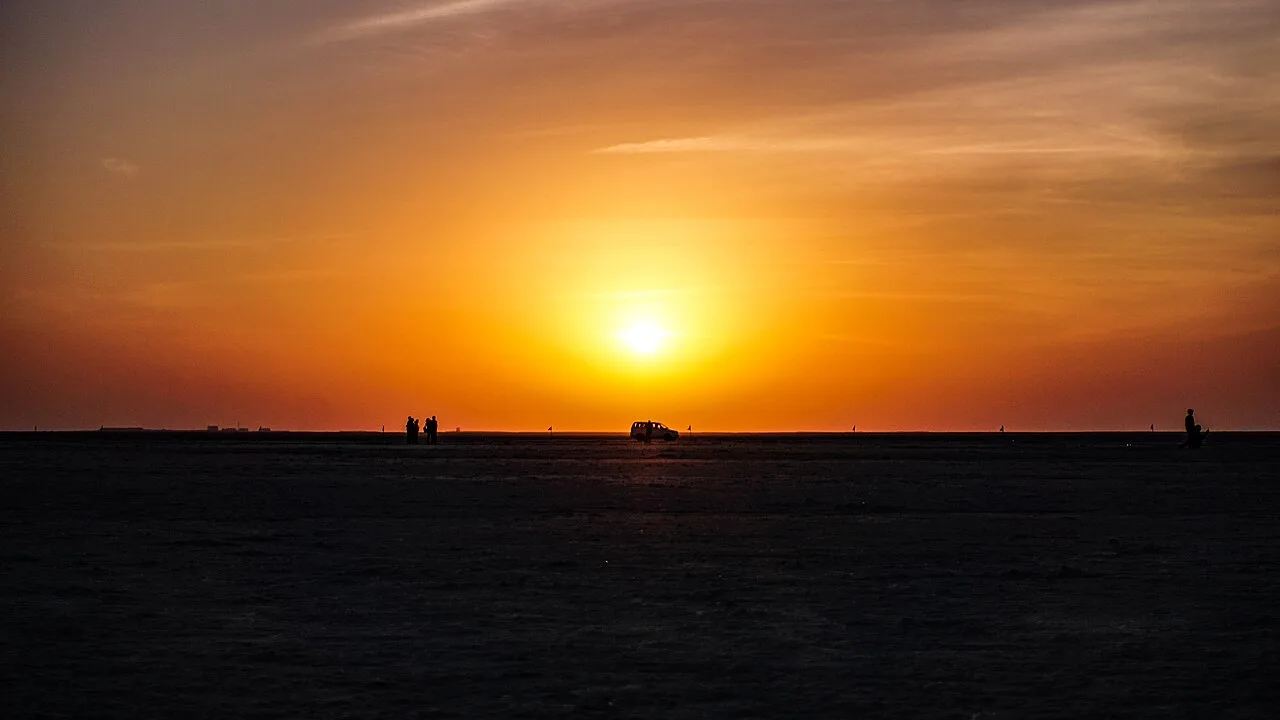
A vast saline desert in Gujarat’s Kutch district, the Great Rann forms part of the Thar Desert. Visitors come to encounter its immense salt-flat landscape.

Taranga Jain Temples

118 km away · Mehsana district

Taranga Jain Temples

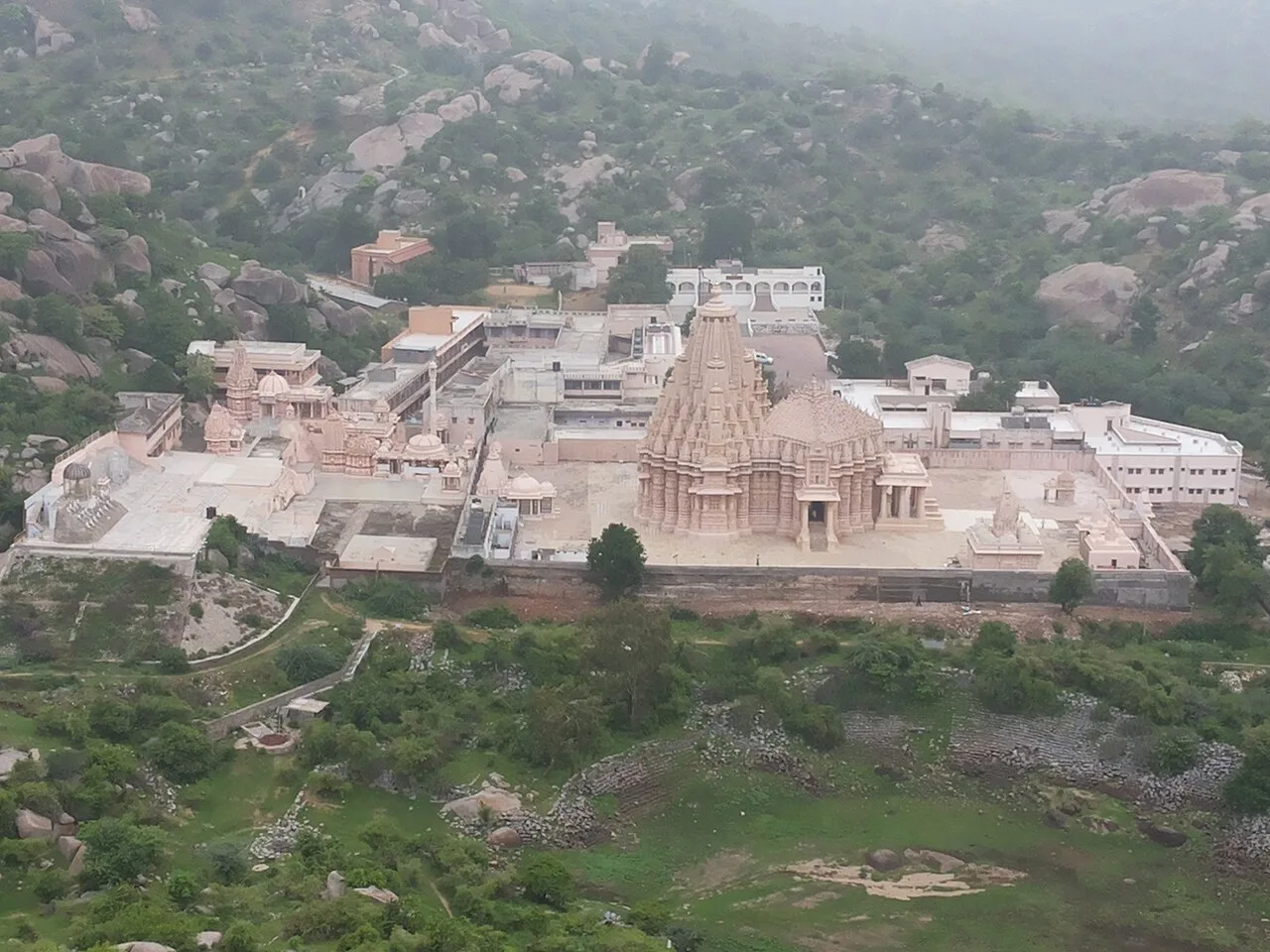
Taranga is a Jain pilgrimage site near Kheralu, known for temples representing Śvetāmbara and Digambara traditions and for its notable Māru-Gurjara architecture.

Ambaji

130 km away · Banaskantha district

Ambaji

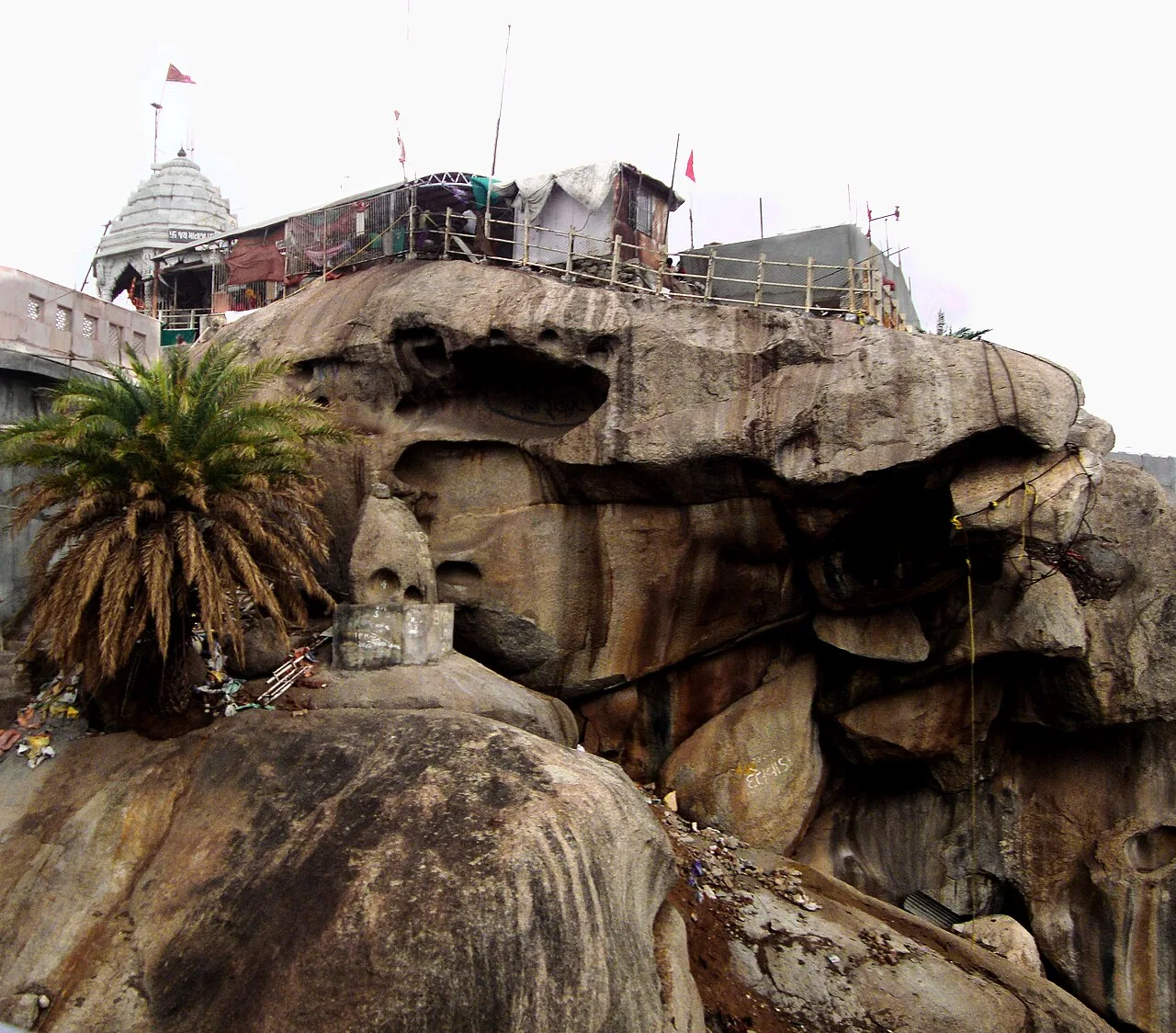
Ambaji is a census town in Banaskantha district, Gujarat. The available details establish its identity and location but do not say what draws visitors there.

Adalaj Stepwell

142 km away · Gandhinagar district

Adalaj Stepwell

Adalaj Stepwell, also known as Rudabai Stepwell, is a sandstone structure in Gujarat’s Gandhinagar district. Visitors come to see its Solanki-style design and its connection to Rana Veer Singh.

Map

Bhabhar on the map

  1. 1Rani ki Vav
  2. 2Sahasralinga Tank
  3. 3Modhera Sun Temple
  4. 4Indian Wild Ass Sanctuary
  5. 5Great Rann of Kutch
  6. 6Taranga Jain Temples
  7. 7Ambaji
  8. 8Adalaj Stepwell

Gujarat

Other cities to explore