Ghumoopedia — Explore, Discover, Experience
Sign in
Rani ki Vav, near Unjha

City guide · Gujarat

Unjha

Unjha is a market town in Gujarat’s Mehsana district, about 26 km north of Mehsana and 102 km north of Ahmedabad. Its importance comes chiefly from trade: the town serves the agricultural belt around it and is widely associated with the buying and selling of cumin and other spices.

Famous for

  • Unjha cumin market
  • GI-tagged Unjha cumin
  • Umiya Mata Temple
  • Fennel and spice trade
  • Agricultural produce markets

Why Unjha matters

Unjha is a market town in Gujarat’s Mehsana district, about 26 km north of Mehsana and 102 km north of Ahmedabad. Its importance comes chiefly from trade: the town serves the agricultural belt around it and is widely associated with the buying and selling of cumin and other spices. Unjha cumin is a GI-tagged agricultural product, and the town’s wholesale markets give it a role in supply chains that extend well beyond the district.

Visitors come to see the busy market areas and to visit Umiya Mata Temple, an important place of worship with a strong connection to the Kadva Patidar community. Unjha is also a practical stop for travellers exploring northern Gujarat, rather than a city centred on a large collection of monuments or museums. Its character is shaped by the contrast between a working agricultural trading town and a devotional centre. Located at an elevation of about 111 metres, it is well connected by road and rail to Mehsana and Ahmedabad.
Famous for: crafts, trade & products

Unjha is best known for cumin, or jeera, and its wholesale agricultural produce markets. The town is closely associated with GI-tagged Unjha cumin, while the surrounding region also supplies fennel, mustard and other crops traded through local markets. Buyers and visitors can explore the market-yard area to see the trade in action; wholesale activity is primarily geared to merchants, so casual visitors should follow local guidance and respect business operations. Product availability varies by season.

Unjha’s reputation rests more on agriculture and commerce than on textiles, handicrafts or a distinctive local manufacturing tradition. Spices and related produce are the characteristic purchases, while packaged goods may also be available from local retailers. Check product labels and provenance when buying: a town’s association with a product does not mean every item sold there carries a GI designation. Umiya Mata Temple is another defining institution, drawing worshippers and visitors to its temple precinct. For a broader shopping experience, local shops and markets offer everyday Gujarati goods, but Unjha is not especially known as a centre for saree weaving or craft production.

History

Unjha’s growth has been closely tied to its agricultural hinterland and its position on routes linking villages with larger markets. As trade in regional crops developed, the town became especially identified with the commerce of cumin and other spices. Its market role remains central to its modern identity.

Umiya Mata Temple is a longstanding focus of worship and community life, particularly for the Kadva Patidar community. Accounts of the temple’s origins are connected with local religious tradition; specific early dates should be treated cautiously. In the pre-independence period, the wider Mehsana region was governed by the Gaekwad rulers of Baroda under British paramountcy. Following independence and the formation of Gujarat in 1960, Unjha continued as a municipality in Mehsana district. Road and rail connections, together with the expansion of agricultural trade, have supported its development as a regional market town rather than a major heritage-tourism centre.

Food, festivals & culture

Gujarati is the main language of everyday life; Hindi is also understood in many settings. Food reflects the wider Gujarati tradition, with thalis, rotli, dal, shaak and snacks such as khaman and fafda commonly found. The town’s shops and eateries may also serve sweets including jalebi and Gujarati-style ladoo. These foods are regional favourites rather than dishes unique to Unjha.

Navratri, usually held in autumn, is marked by prayers and garba, and Umiya Mata Temple is a significant focus for worshippers. Diwali, generally in autumn, and Uttarayan, the kite festival in January, are also widely celebrated. Temple visits, family gatherings and community events shape the local calendar. Garba and devotional singing are familiar parts of religious and festive occasions; forms of Gujarati folk performance such as dayro are part of the broader cultural landscape. Umiya Mata Temple is the town’s principal place of worship and a natural starting point for understanding its devotional life.

Visiting the city

The cooler months, roughly October to February, are generally the most comfortable time to visit; summer can be very hot. Ahmedabad Airport is the nearest major airport, while Unjha railway station serves the town. Mehsana is a nearby rail and road hub, and buses, taxis and auto-rickshaws can help with local travel. Confirm onward connections locally, especially when travelling to smaller villages.

Begin around Umiya Mata Temple, then explore the town’s market-yard and central market areas to get a sense of its agricultural trade. The busy wholesale sections are working commercial spaces, so visit considerately and ask before photographing. Local shops and eateries offer a quieter way to explore the town between visits. Unjha is compact enough for short local trips, though walking is most comfortable outside the hottest part of the day.

Trips from the city

Nearest places to visit from Unjha

Our closest destination guides, by straight-line distance.

Rani ki Vav

30 km away · Patan district

Rani ki Vav

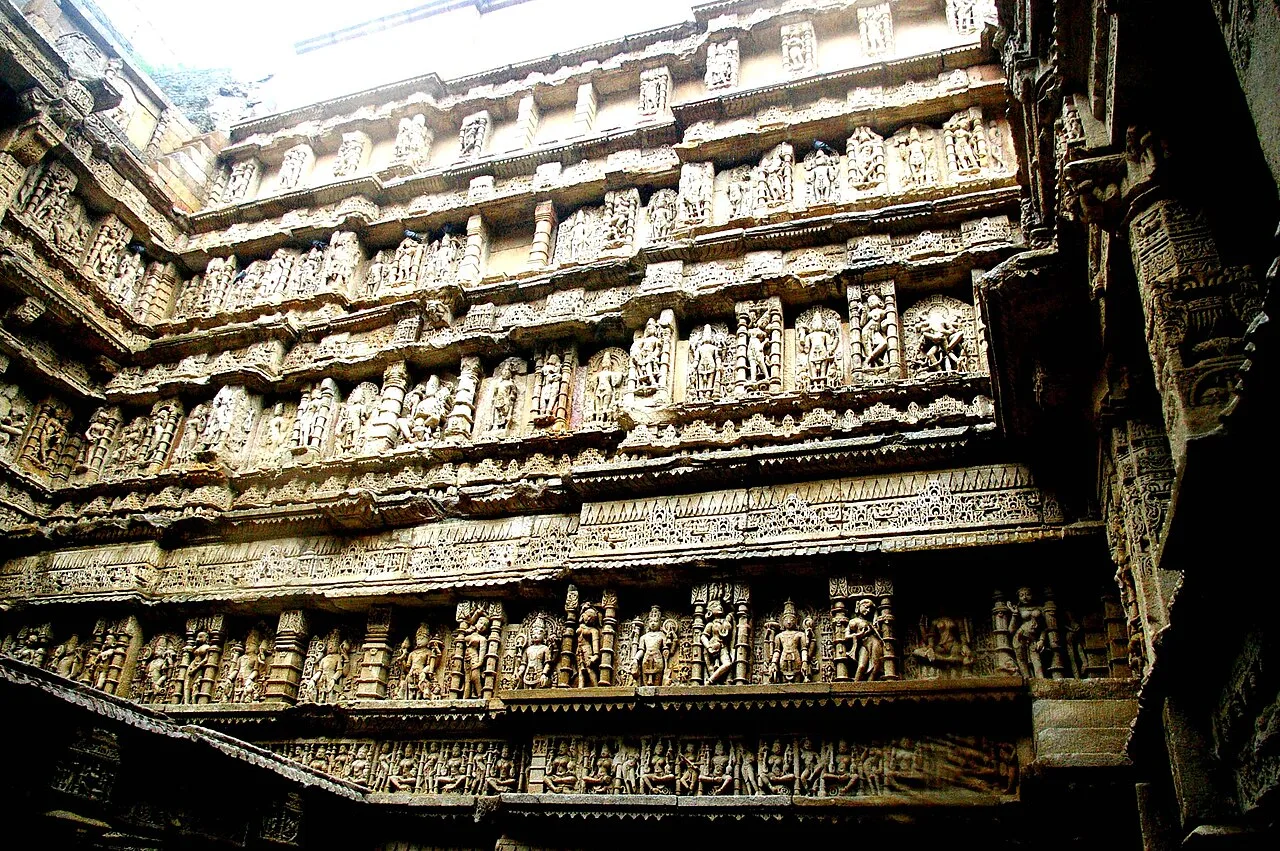
Rani ki Vav is a stepwell in Patan, Gujarat, notable for its tiered underground design and extensive sculpture, which reflect the monument’s religious and architectural significance.

Sahasralinga Tank

31 km away · Patan district

Sahasralinga Tank

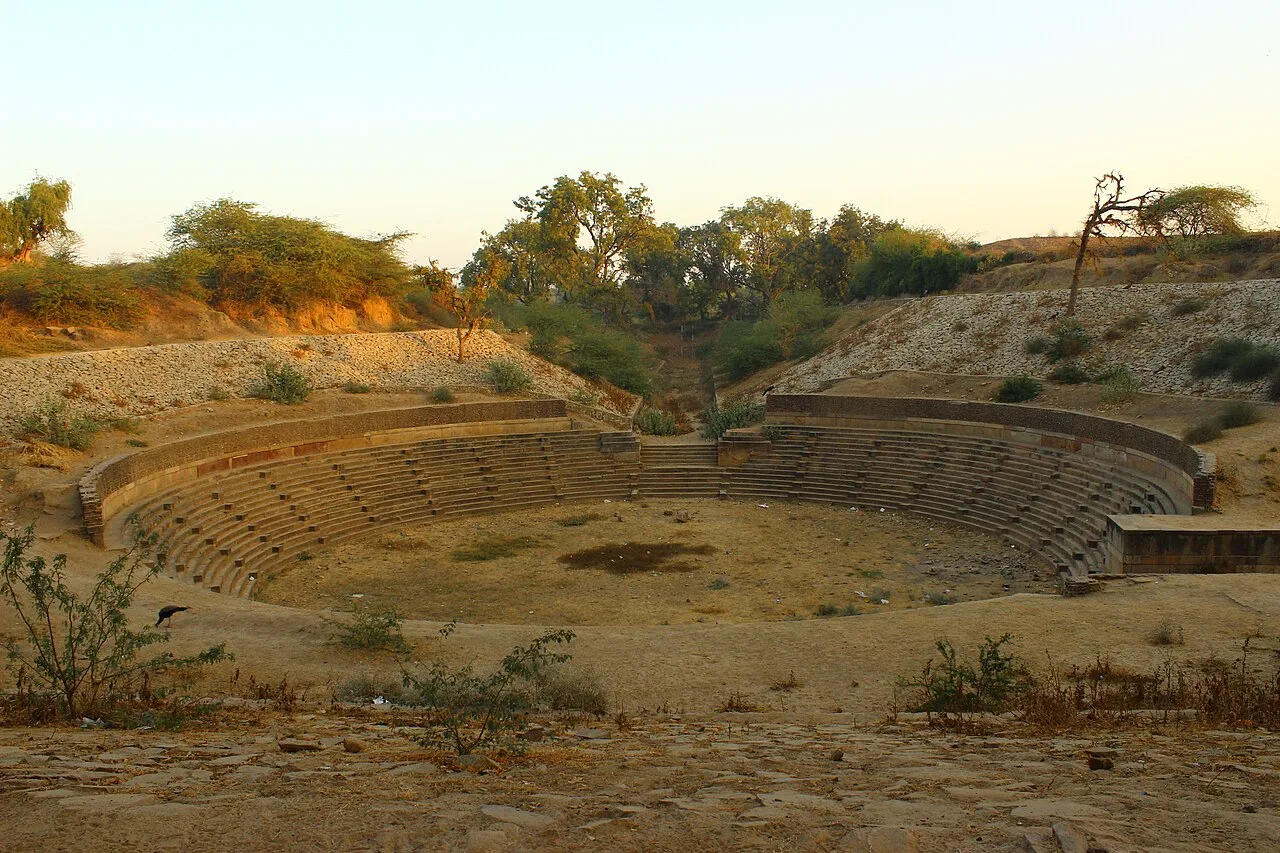
Sahasralinga Tank is a medieval, human-made reservoir in Gujarat’s Patan district, commissioned under Chaulukya rule. Visitors come to see this historic site, which is protected as a national monument.

Modhera Sun Temple

36 km away · Mehsana district

Modhera Sun Temple

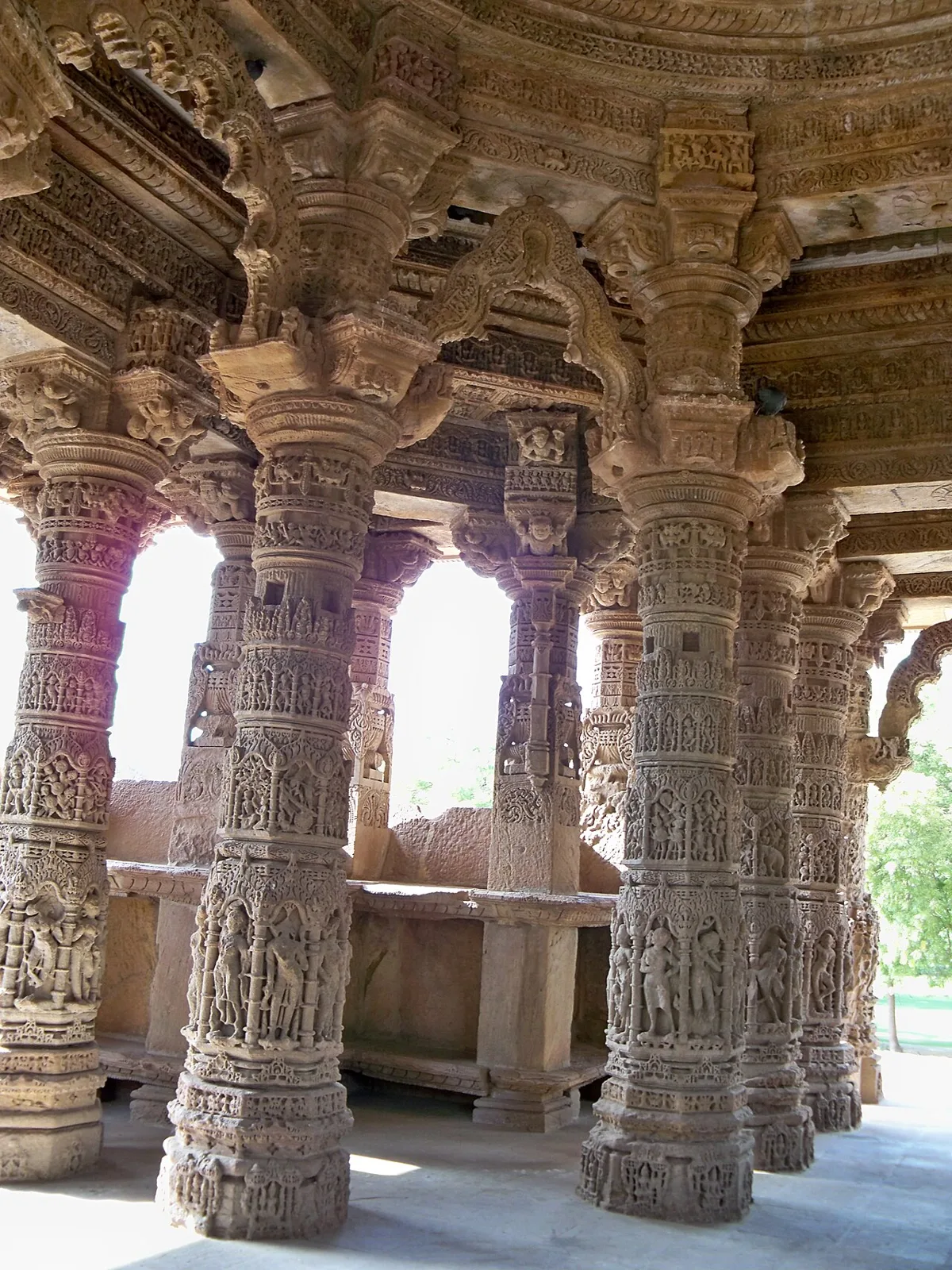
This Hindu temple complex in Modhera, Gujarat, honours Surya. Visitors come to see its carved halls, decorated pillars and stepped reservoir, which is dotted with small shrines.

Taranga Jain Temples

41 km away · Mehsana district

Taranga Jain Temples

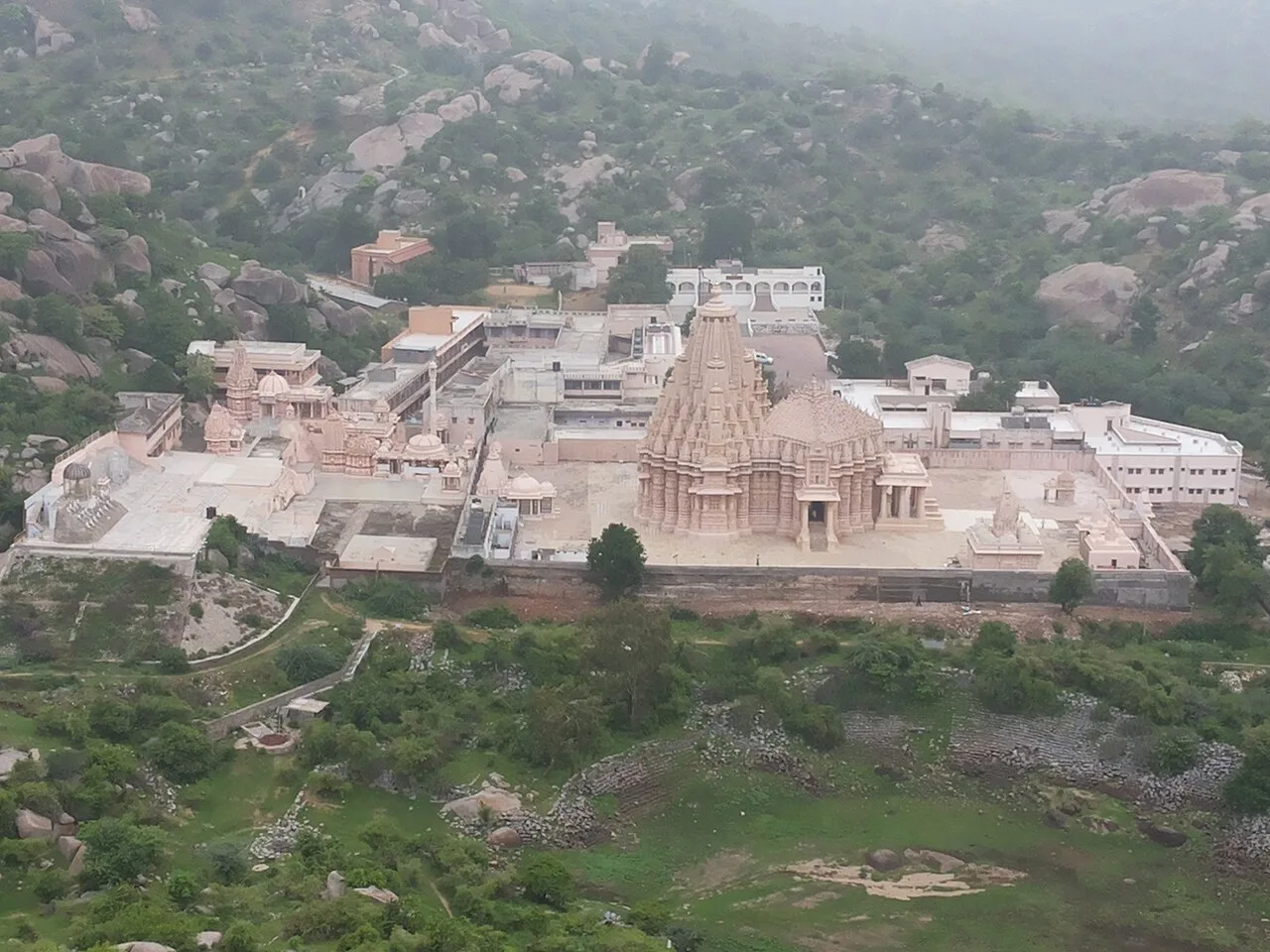
Taranga is a Jain pilgrimage site near Kheralu, known for temples representing Śvetāmbara and Digambara traditions and for its notable Māru-Gurjara architecture.

Swaminarayan Akshardham

70 km away · Gandhinagar district

Swaminarayan Akshardham

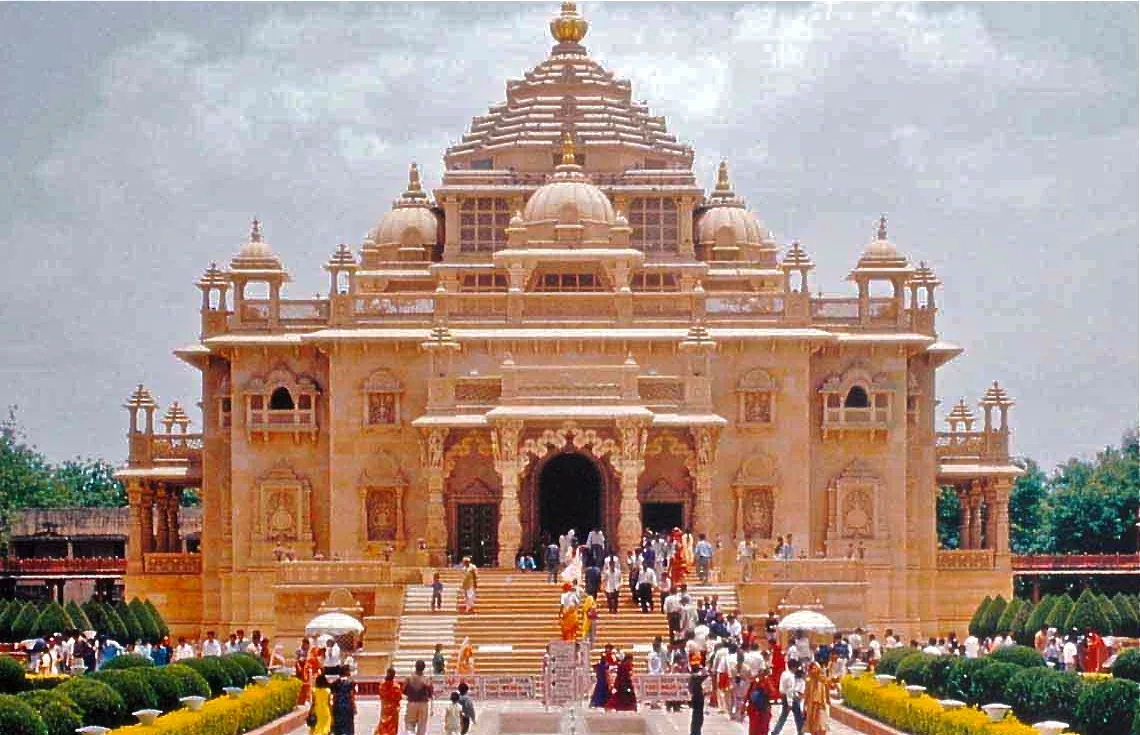
This Hindu temple complex in Gandhinagar, Gujarat, draws visitors interested in Swaminarayan’s teachings, BAPS traditions and its central shrine built from pink sandstone.

Adalaj Stepwell

73 km away · Gandhinagar district

Adalaj Stepwell

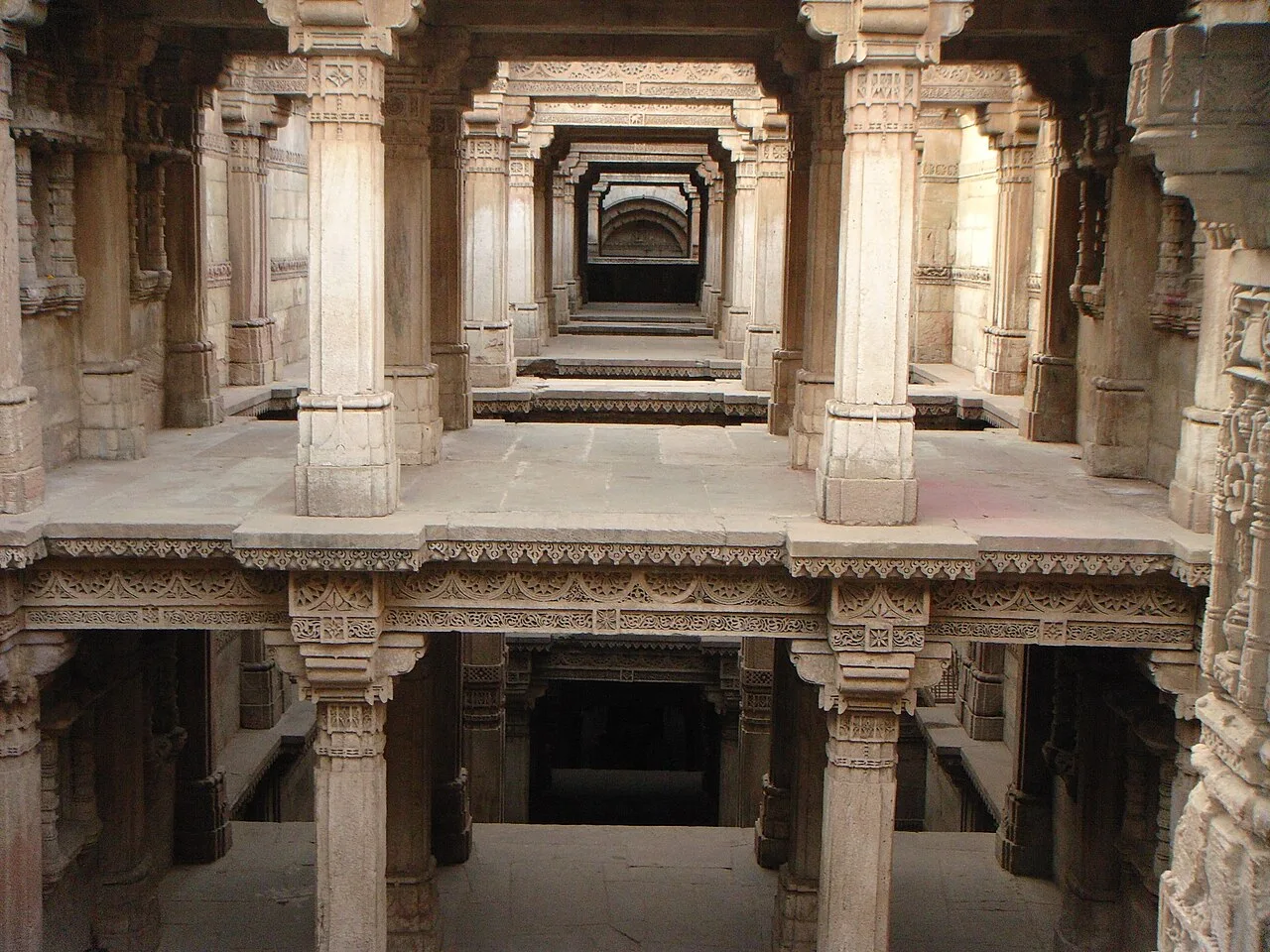
Adalaj Stepwell, also known as Rudabai Stepwell, is a sandstone structure in Gujarat’s Gandhinagar district. Visitors come to see its Solanki-style design and its connection to Rana Veer Singh.

Ambaji

75 km away · Banaskantha district

Ambaji

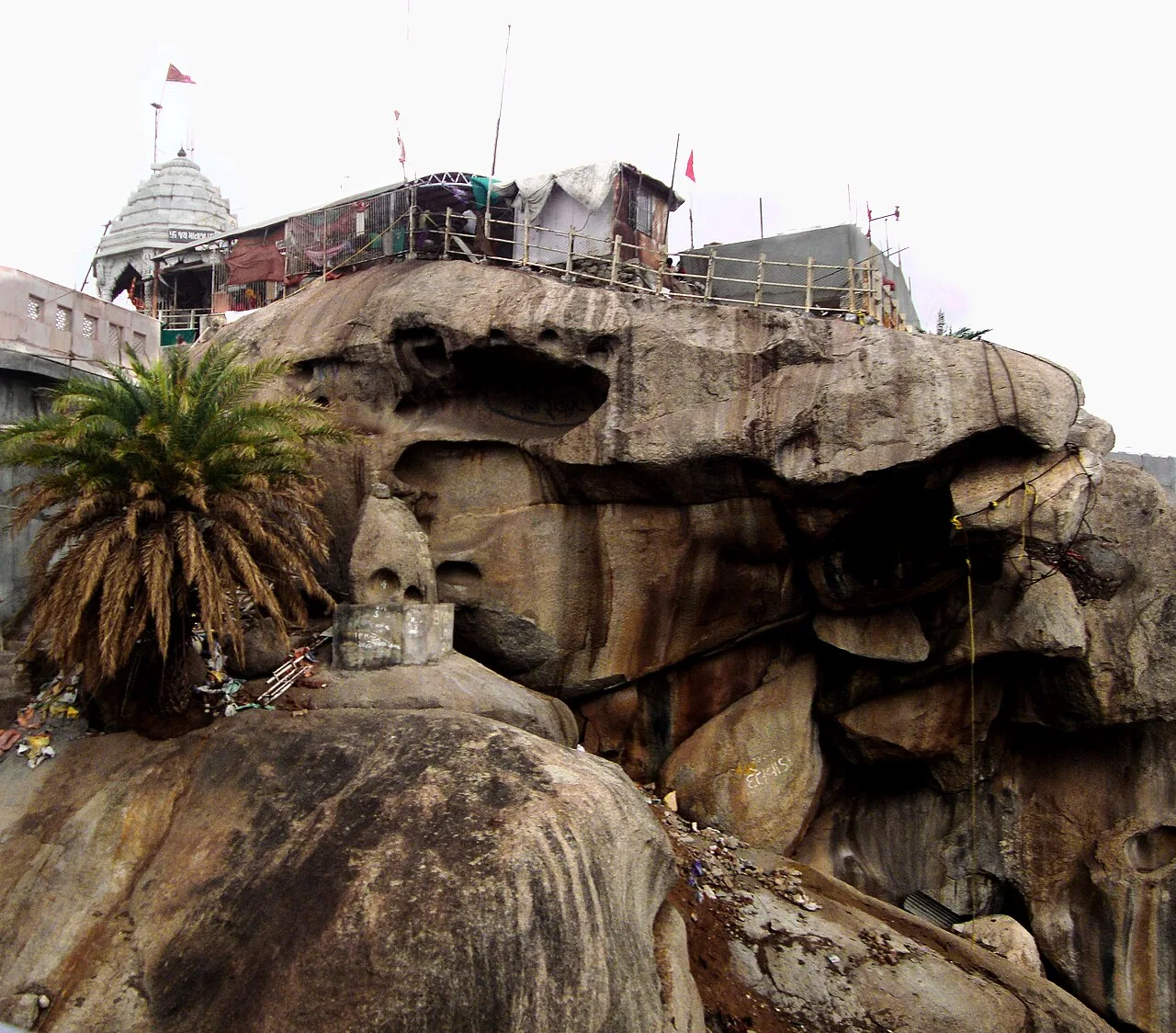
Ambaji is a census town in Banaskantha district, Gujarat. The available details establish its identity and location but do not say what draws visitors there.

Sabarmati Ashram

85 km away · Ahmedabad district

Sabarmati Ashram

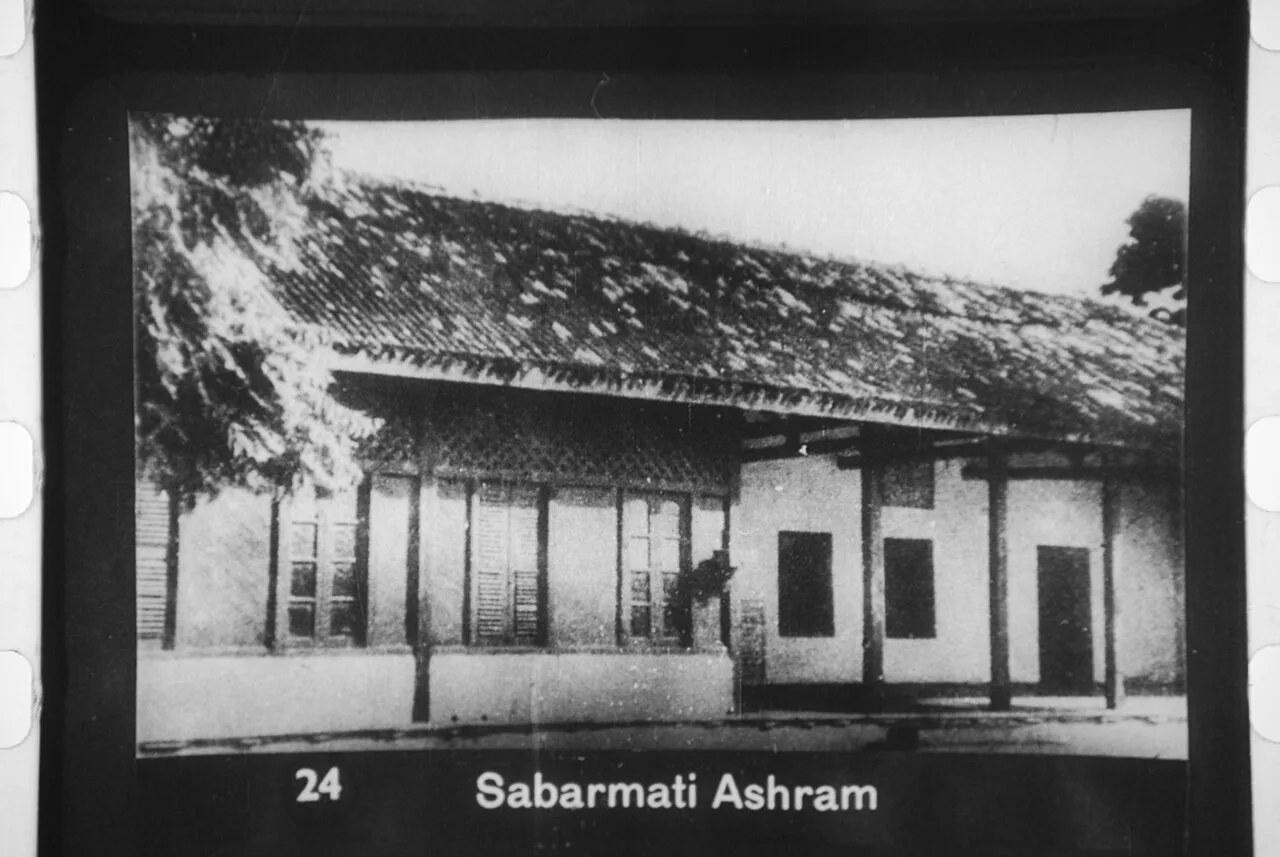
Sabarmati Ashram, in Ahmedabad, is one of Mahatma Gandhi’s former homes and is now a national monument. Visitors come for its links with Gandhi and the Dandi March.

Map

Unjha on the map

  1. 1Rani ki Vav
  2. 2Sahasralinga Tank
  3. 3Modhera Sun Temple
  4. 4Taranga Jain Temples
  5. 5Swaminarayan Akshardham
  6. 6Adalaj Stepwell
  7. 7Ambaji
  8. 8Sabarmati Ashram

Gujarat

Other cities to explore