Ghumoopedia — Explore, Discover, Experience
Sign in
Kirti Mandir, near Ranavav

City guide · Gujarat

Ranavav

Ranavav is a small municipality and taluka centre in Porbandar district, in the Saurashtra region of Gujarat. Its importance today comes less from major visitor infrastructure than from its role serving nearby villages and from the mineral-based industries around it.

Famous for

  • Jambuvant cave tradition
  • Limestone and chalk
  • Saurashtra cement production
  • Bardo forest region

Why Ranavav matters

Ranavav is a small municipality and taluka centre in Porbandar district, in the Saurashtra region of Gujarat. Its importance today comes less from major visitor infrastructure than from its role serving nearby villages and from the mineral-based industries around it. Limestone and chalk deposits support mining and cement-related activity, making the town part of an important industrial belt in the district.

For visitors, the best-known point of interest is the cave near Ranavav railway station associated in local tradition with Jambuvant, a figure from the Ramayana. The cave also has a Shiva shrine and a samadhi connected with Guru Ramdasji. Ranavav lies near the Bardo forest region, adding a rural and natural setting to its appeal, though visitors should check local access conditions before exploring forest areas. The town is a practical base for local travel and a glimpse of everyday life in Saurashtra, rather than a destination known for a large cluster of monuments or specialised shopping.
Famous for: crafts, trade & products

Ranavav is chiefly associated with limestone and chalk extraction and the industries that use these minerals. The area has a Saurashtra Cement plant as well as limestone mining linked to major chemical companies and smaller private operators. These activities are central to the town’s modern economy and distinguish it from Gujarat destinations better known for textiles, handicrafts or specialised food products.

There is no widely established local textile, craft, GI-tagged product or dedicated tourist market that defines Ranavav. Visitors looking for everyday goods can browse the town’s regular shops and markets, while mineral sites and industrial facilities are working locations rather than visitor attractions; access may be restricted, so do not enter without permission. The Jambuvant cave area is a place of religious and local interest, not a craft-shopping centre. For a broader selection of regional products and commercial services, travellers can look to Porbandar and other larger centres in Saurashtra.

History

Ranavav’s story is closely tied to its setting in Saurashtra and its role as a service centre for surrounding villages. It is now a taluka headquarters in Porbandar district, but detailed accounts of a distinct sequence of local rulers or major colonial-era events are not well established in commonly available descriptions of the town. Its history is therefore best approached through regional context and local traditions rather than a single documented dynasty or monument.

A prominent local legend connects the cave near the railway station with Jambuvant of the Ramayana. In the story, Jambuvant keeps a precious jewel and later recognises Krishna as the same divine figure as Rama; this is a religious tradition, not independently verified historical evidence. The cave’s Shiva shrine and the samadhi associated with Guru Ramdasji contribute to its devotional significance. In modern times, Ranavav’s administrative role, railway access and nearby limestone and chalk resources have shaped its growth, with mining and cement-related activity becoming important features of the surrounding area.

Food, festivals & culture

Gujarati is the principal language of daily life in Ranavav, with the Saurashtra regional speech familiar locally; Hindi is also useful for visitors. The town reflects the broader cultural mix of the region, including Hindu and Muslim communities. Places of worship include the Shiva shrine at the Jambuvant cave site, while other neighbourhood temples and mosques serve local residents. The cave tradition gives the area a particular connection to Hindu devotional storytelling.

Food is best understood as everyday Saurashtrian and Gujarati cooking rather than a single signature Ranavav dish. Meals commonly draw on rotla or other breads, pulses, vegetables, khichdi, kadhi and farsan, with sweets and snacks available through local shops. Navratri, usually in autumn, brings devotional gatherings and garba across Gujarat; Diwali is also widely celebrated, while Janmashtami and Holi mark important points in the Hindu calendar. Music, prayer and community events are generally rooted in Gujarati and regional traditions. Visitors should ask locally about current public celebrations, since programmes vary from year to year.

Visiting the city

The cooler months, roughly October to February, are generally the most comfortable time to visit. Porbandar Airport is the nearest airport serving the area, and Ranavav railway station is the town’s main rail stop. Porbandar is the nearest larger centre for additional transport and services. Local travel can be arranged using available auto-rickshaws, taxis or regional buses; confirm onward transport locally, especially for rural sites.

The town centre is useful for everyday shops and services. The cave associated with Jambuvant, near the railway station, is the principal local point of interest; its interior is described as deep and dim, so take care and follow local guidance. The surrounding Bardo forest region may interest nature-minded travellers, but access and conditions can vary. Plan modestly: Ranavav is a working town, and industrial sites are not automatically open to visitors.

Trips from the city

Nearest places to visit from Ranavav

Our closest destination guides, by straight-line distance.

Kirti Mandir

16 km away · Porbandar district

Kirti Mandir

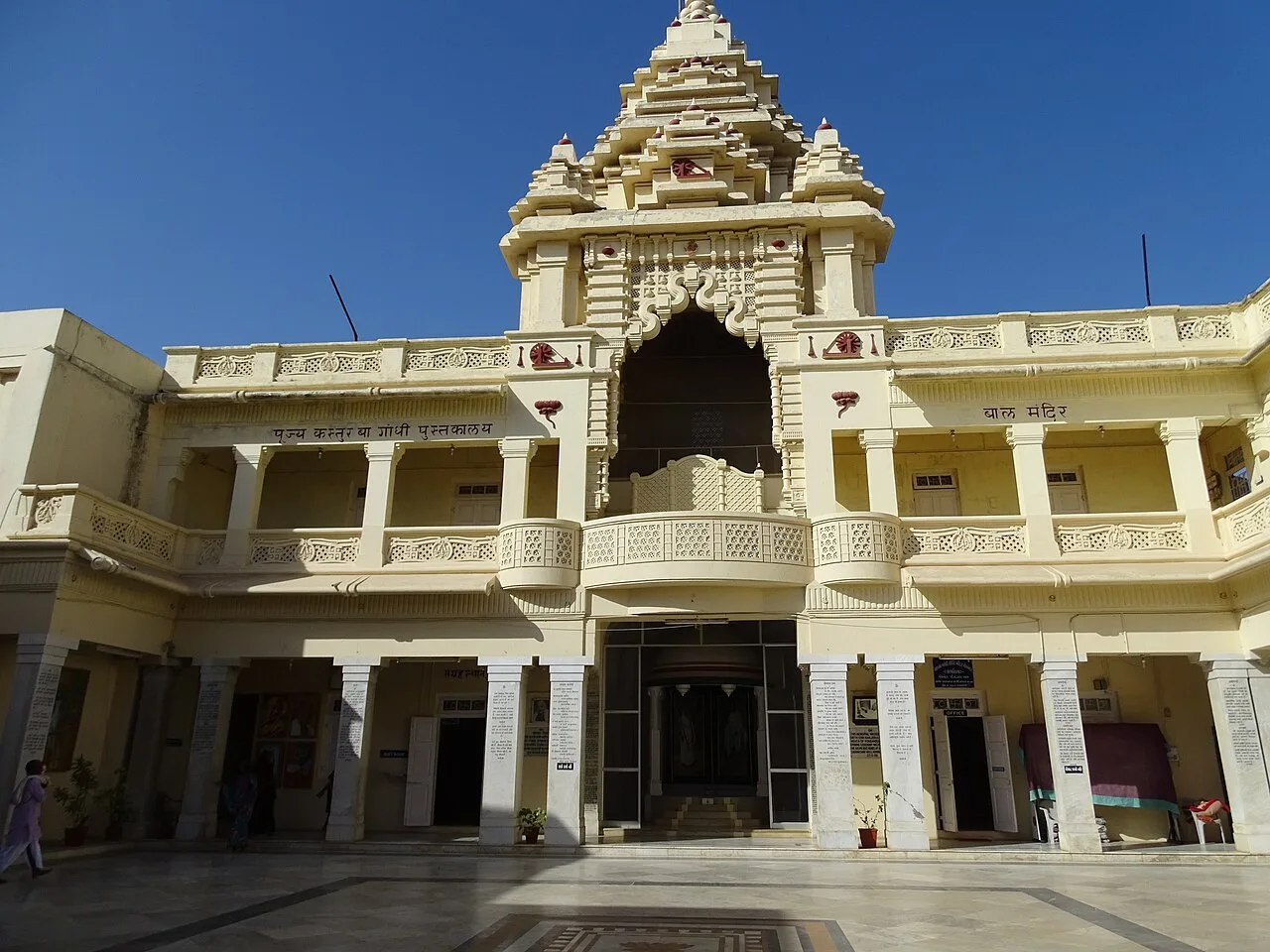
Kirti Mandir is a museum and memorial in Porbandar, Gujarat, honouring Mohandas Karamchand Gandhi and Kasturba Gandhi. Visitors come to view Gandhi-related exhibits and photographs and to access his ancestral home.

Mahabat Maqbara complex

76 km away · Junagadh district

Mahabat Maqbara complex

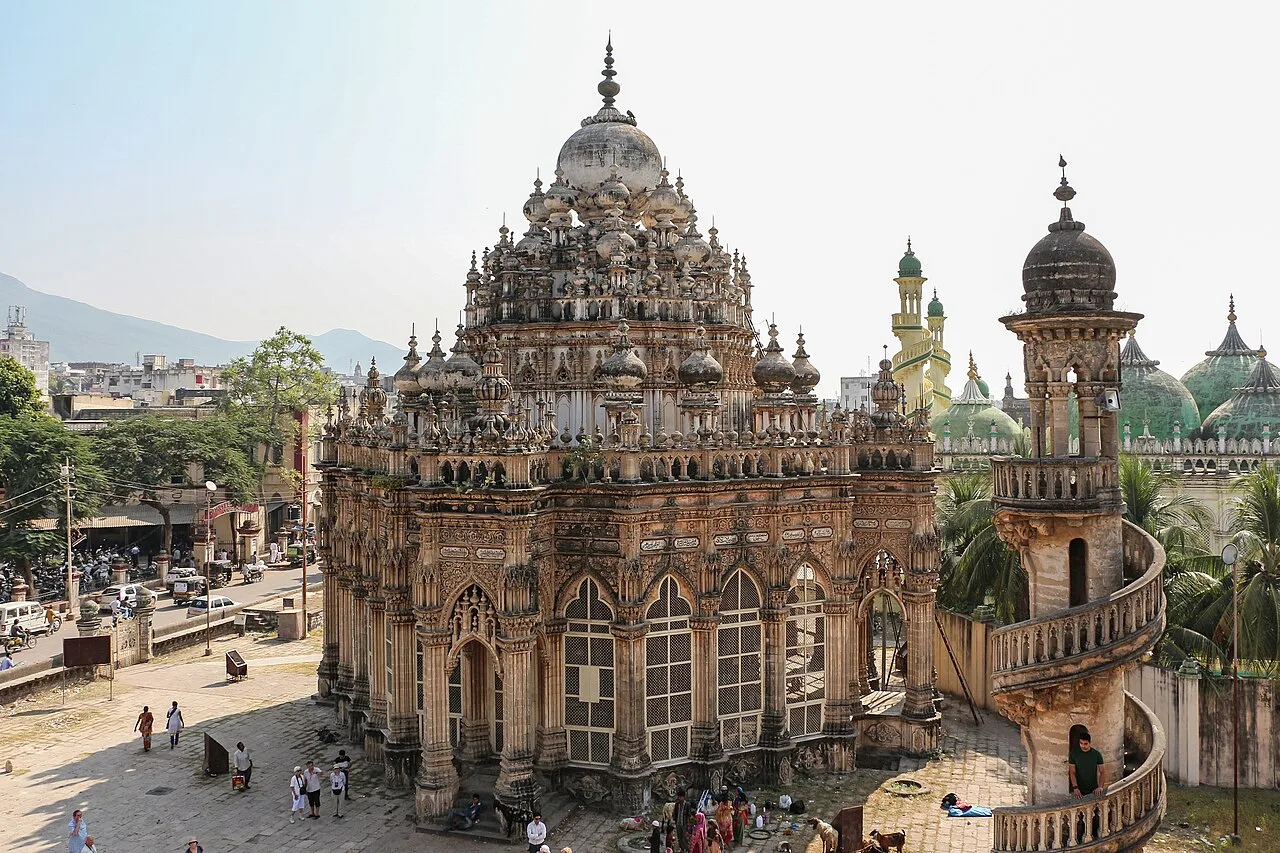
The Mahabat Maqbara complex in Junagadh, Gujarat, contains two mausoleums; visitors come to see memorials dedicated to Nawab Mahabat Khan II and his minister.

Sakkarbaug Zoological Garden

76 km away · Junagadh district

Sakkarbaug Zoological Garden

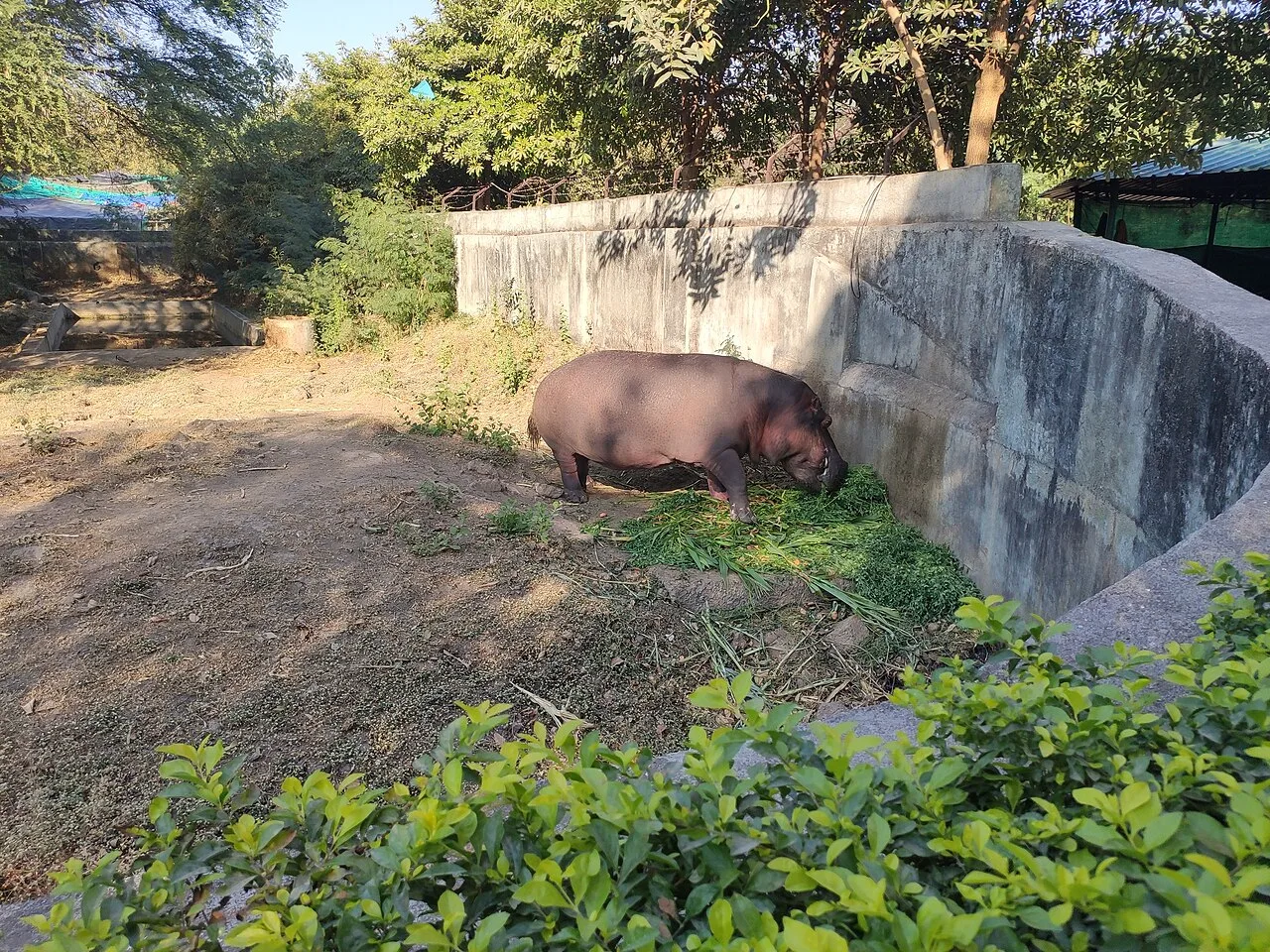
In Junagadh, Gujarat, Sakkarbaug Zoological Garden is an 84-hectare zoo established in 1863. Visitors come to see the zoo and its part in captive breeding programmes for Asiatic lions.

Uparkot Fort

77 km away · Junagadh district

Uparkot Fort

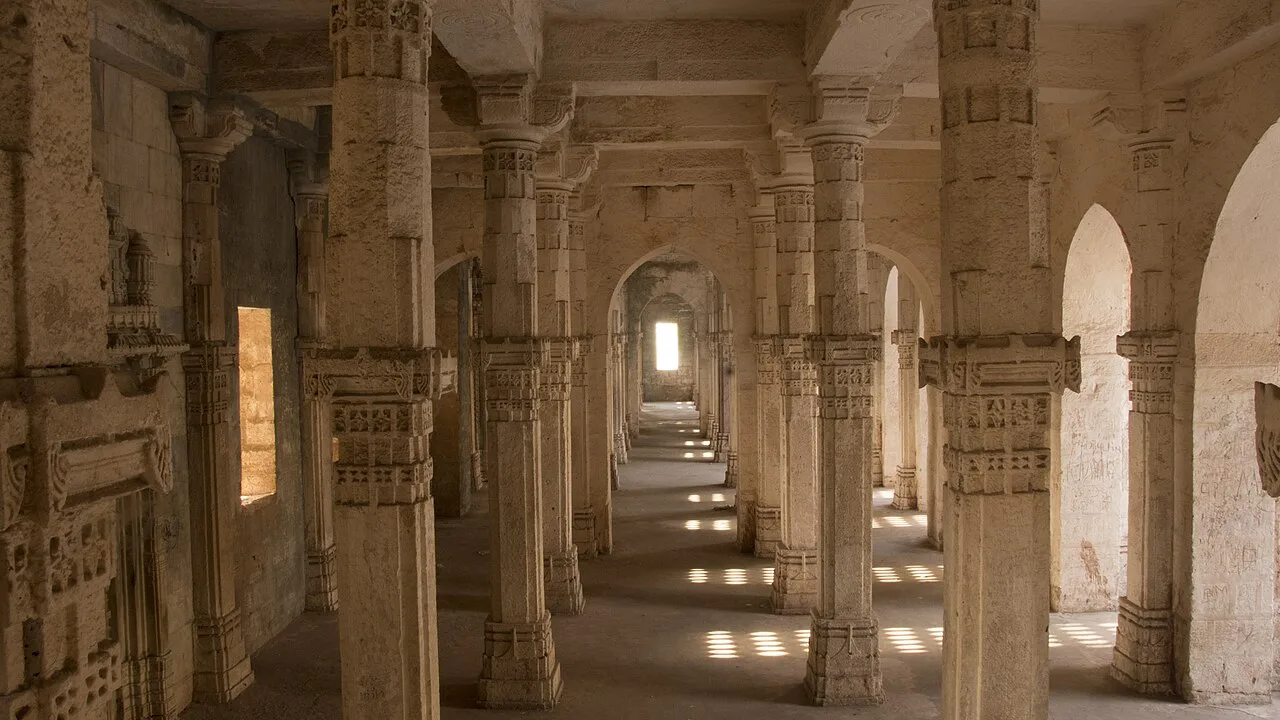
Uparkot Fort is a fort in Junagadh district, Gujarat, on the eastern side of Junagadh. Visitors come to see the fort and its location within the city.

Girnar Hill

82 km away · Junagadh district

Girnar Hill

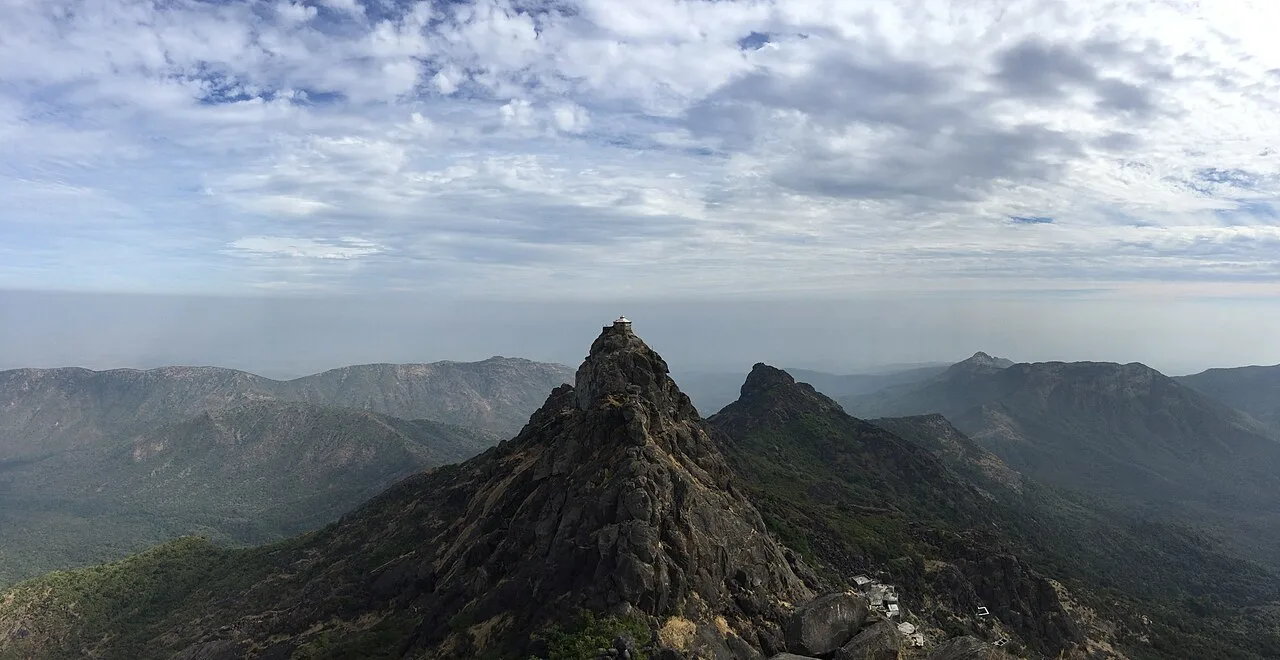
Girnar is a hill in Junagadh, Gujarat, revered as a Jain Mahatirth. Pilgrims visit in connection with traditions about Neminath, the 22nd Tirthaṅkar, and the hill’s highest summit.

Marine National Park

88 km away · Jamnagar district

Marine National Park

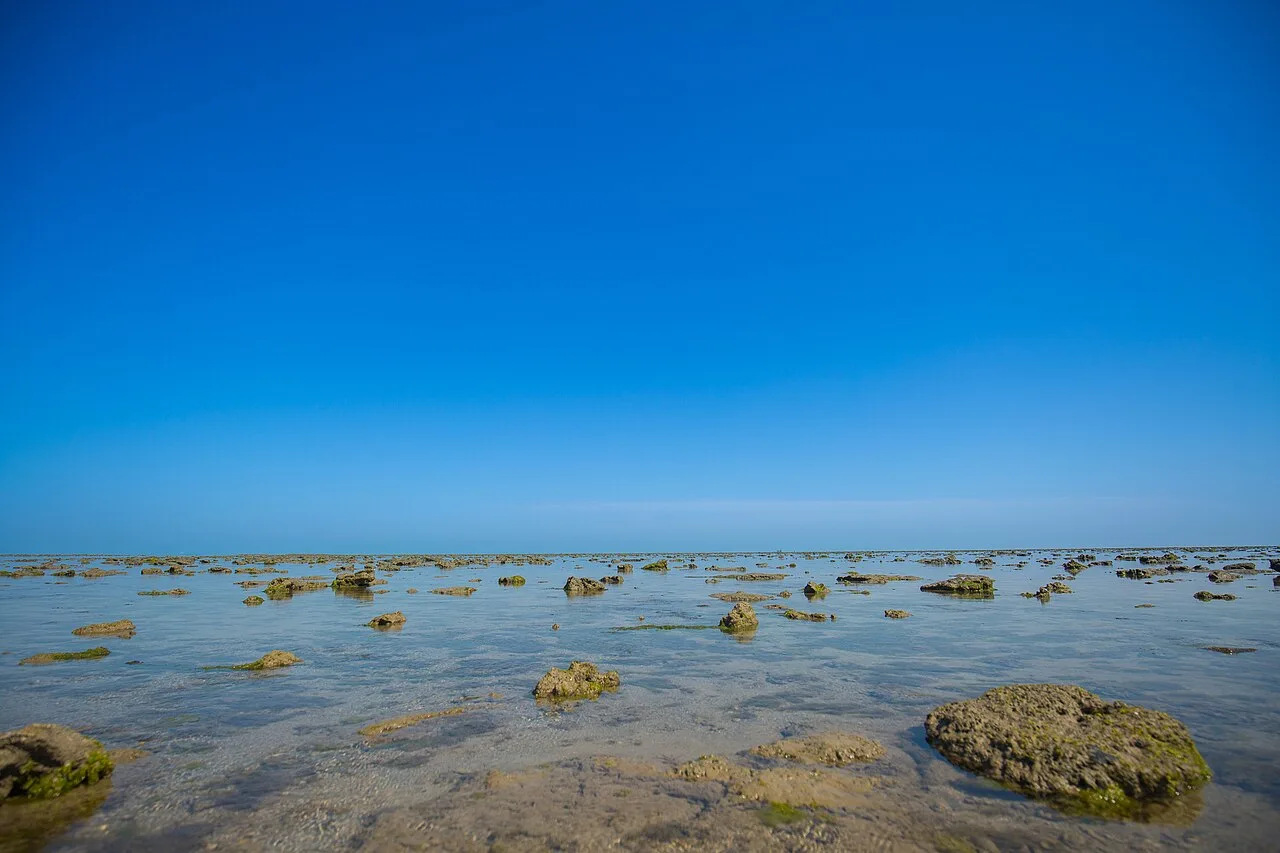
The Marine National Park is a protected marine area in Gujarat’s Gulf of Kutch. Visitors come to encounter its reef-fringed islands and the coral and mangrove environments it conserves.

Lakhota Lake

93 km away · Jamnagar district

Lakhota Lake

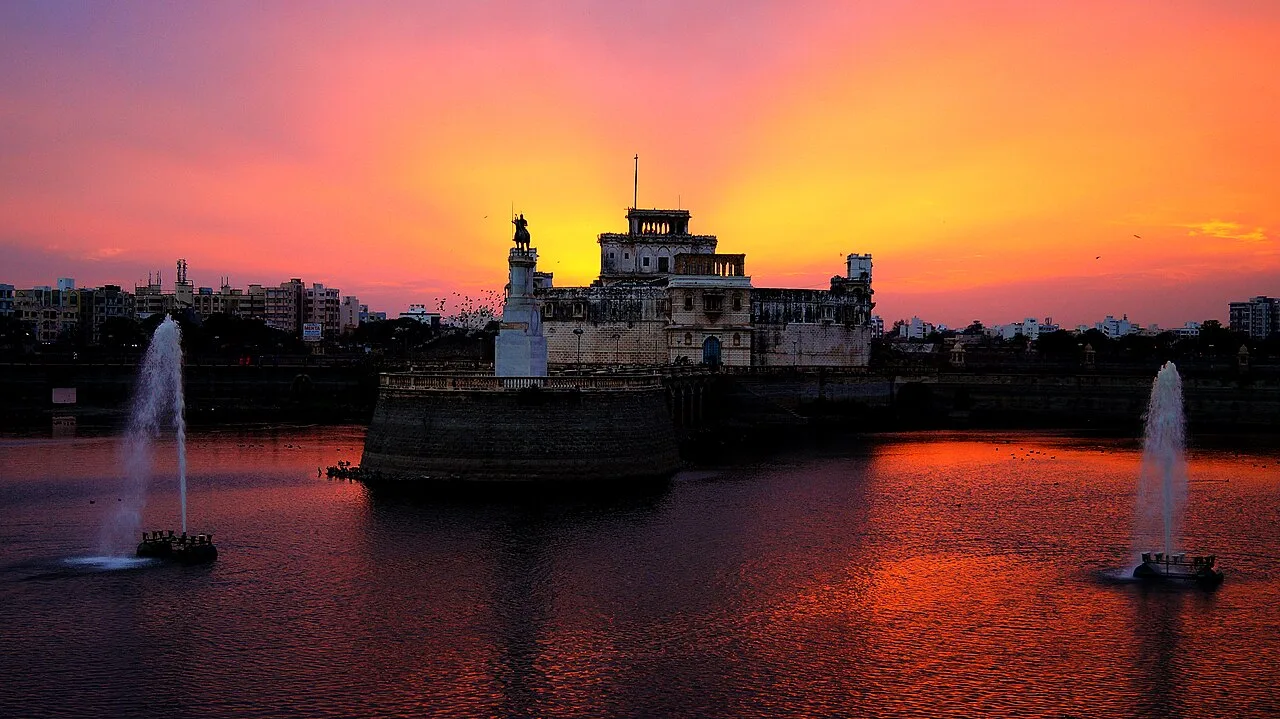
Lakhota Lake is an artificial lake in central Jamnagar, Gujarat, also known as Lakhota Talav and Ranmal Lake. Visitors come to see Lakhota Fort, which stands on an island in the water.

Nageshwar Jyotirlinga

99 km away · Devbhoomi Dwarka district

Nageshwar Jyotirlinga

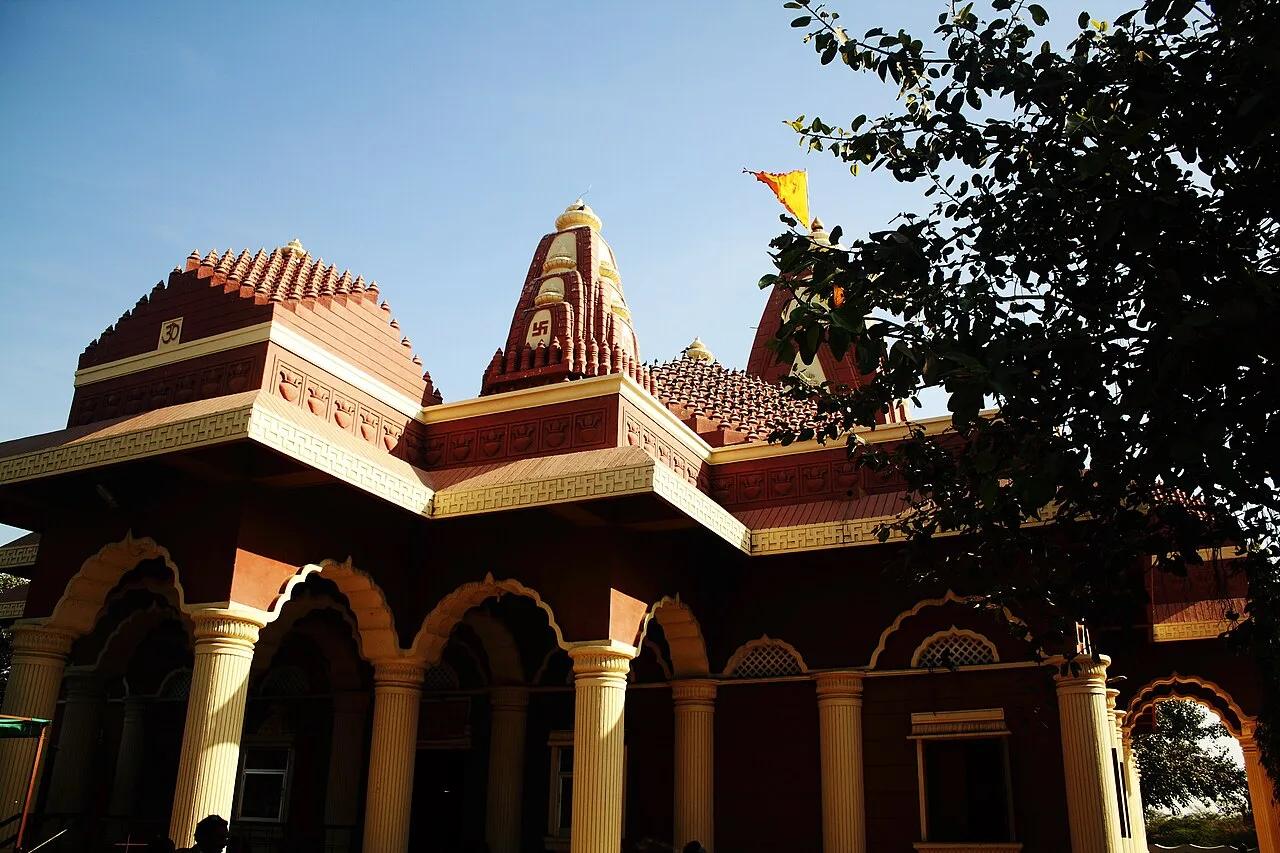
Nageshwar Jyotirlinga is a shrine to Shiva in Dwarka, Gujarat, and is counted among the twelve Jyotirlingas. Visitors come to worship Shiva and see a temple linked with the Shiva Purana.

Map

Ranavav on the map

  1. 1Kirti Mandir
  2. 2Mahabat Maqbara complex
  3. 3Sakkarbaug Zoological Garden
  4. 4Uparkot Fort
  5. 5Girnar Hill
  6. 6Marine National Park
  7. 7Lakhota Lake
  8. 8Nageshwar Jyotirlinga

Gujarat

Other cities to explore