Ghumoopedia — Explore, Discover, Experience
Sign in
Nal Sarovar Bird Sanctuary, near Viramgam

City guide · Gujarat

Viramgam

Viramgam is a historic town in Ahmedabad district, positioned between Ahmedabad and the Saurashtra peninsula. Its location has long made it a passage point for journeys westward, reflected in its reputation as a gateway to Kathiawar, or Saurashtra.

Famous for

  • Munsar Lake and shrines
  • Gangasar Lake and dargahs
  • Historic fortified town
  • Gandhi’s Viramgam Satyagraha
  • Gateway to Saurashtra

Why Viramgam matters

Viramgam is a historic town in Ahmedabad district, positioned between Ahmedabad and the Saurashtra peninsula. Its location has long made it a passage point for journeys westward, reflected in its reputation as a gateway to Kathiawar, or Saurashtra. Today, rail and road connections continue to support its regional role, while an inland container depot adds a logistics and freight dimension to the town’s economy.

For visitors, Viramgam’s appeal lies in its layers of history and everyday Gujarati town life. Munsar Lake, with its stone steps, shrines and waterworks, is the most distinctive heritage site; Gangasar Lake and the nearby Sufi dargah offer another view of the town’s sacred landscape. Traces of the old fortified settlement, including its historic gates, can be explored around the town. Viramgam is also associated with Mahatma Gandhi’s campaign against a customs cordon that harassed railway passengers. Nature-minded travellers may use the town as a base for visiting Nalsarovar Bird Sanctuary, a major wetland in the surrounding taluka, especially during the winter bird season.
Famous for: crafts, trade & products

Viramgam is better known for its location, historic lakes and transport role than for a nationally recognised textile, handicraft or GI-tagged product. The town’s most distinctive heritage features are the stonework and shrines around Munsar Lake, the old gateways and the religious sites beside Gangasar Lake. These are places to explore rather than products to shop for, and the condition of historic structures can vary.

Trade in Viramgam serves the town and surrounding settlements. Everyday shopping is found in local bazaars and commercial streets, where visitors can look for routine household goods, clothing and Gujarati snacks; there is no particular craft market or signature local souvenir to seek out. The inland container depot has strengthened the town’s role in freight movement, including export rail services, though it is a logistics facility rather than a visitor attraction. Travellers interested in regional products may find a broader selection in Ahmedabad, whose larger retail and craft markets are accessible from Viramgam. For food purchases in town, choose busy shops and ask locally about seasonal specialities rather than assuming a dish is unique to Viramgam.

History

The history of Viramgam reaches back to the medieval period. Local tradition links the settlement’s earlier name, Ghusdi, with the area around Munsar Lake. The lake is traditionally dated to about 1090 and associated with Minaldevi, mother of the Chaulukya ruler Siddharaja Jayasimha; later rulers and worshippers added shrines around its edge. The region passed through the Delhi Sultanate and Gujarat Sultanate before Gujarat was annexed by the Mughals in 1573. Viramgam, founded as a state around 1484, remained outside the Gujarat Sultanate until 1530 under the influence of the Mandal chief.

Its position on the route into Kathiawar made it strategically important under Mughal administration and during later Maratha influence. A fortified town was built in the eighteenth century, with gates connecting it to nearby routes. In the colonial era, Gandhi took up complaints about a customs cordon at Viramgam railway station; the issue was resolved in 1919 after he raised it with Viceroy Lord Chelmsford. In modern times, rail links and an inland container depot have reinforced Viramgam’s role in regional movement and trade.

Food, festivals & culture

Gujarati is the principal local language, and Hindi is also commonly understood. Daily life reflects the traditions of a western Indian town, with family visits, market activity and religious observances shaping the calendar. Gujarati vegetarian meals are widely available; familiar regional choices include dal, rotli, shaak and rice, alongside snacks such as fafda and sweets such as jalebi. These are common Gujarati foods rather than dishes exclusive to Viramgam.

Navratri, usually in autumn, brings devotional music and garba dancing, while Diwali is marked by lamps, family gatherings and festive foods. Holi is celebrated in spring, and Eid follows the Islamic lunar calendar. Temples and Muslim shrines form part of the town’s shared sacred landscape. Bahuchar Mata is worshipped at the shrine by Munsar Lake, while Gangasar’s banks are associated with the dargah of Hazrat Alauddin Shah Chishti and other Sufi figures. The old Eidgah and local mosques add to the area’s religious heritage. Visitors should dress respectfully at places of worship and follow local customs.

Visiting the city

October to February is generally the most comfortable period to visit, and winter is also a good season for birdwatching at Nalsarovar. Summers can be very hot; monsoon weather may affect outdoor plans. The nearest major airport is Sardar Vallabhbhai Patel International Airport in Ahmedabad. Viramgam Junction is the town’s main railway station, with connections that make it a useful stop between Ahmedabad and western Gujarat.

Auto-rickshaws and local taxis are practical for getting around; arrange longer trips to lakes or nearby villages locally. Begin in the old town to see sections of the historic walls and gates, then explore Munsar Lake and the streets around it. Gangasar Lake and its dargah offer a separate waterside visit. The railway-station area and local bazaar are useful for everyday services and food. Allow extra time for Nalsarovar, which lies beyond the town and is best visited as a planned excursion.

Trips from the city

Nearest places to visit from Viramgam

Our closest destination guides, by straight-line distance.

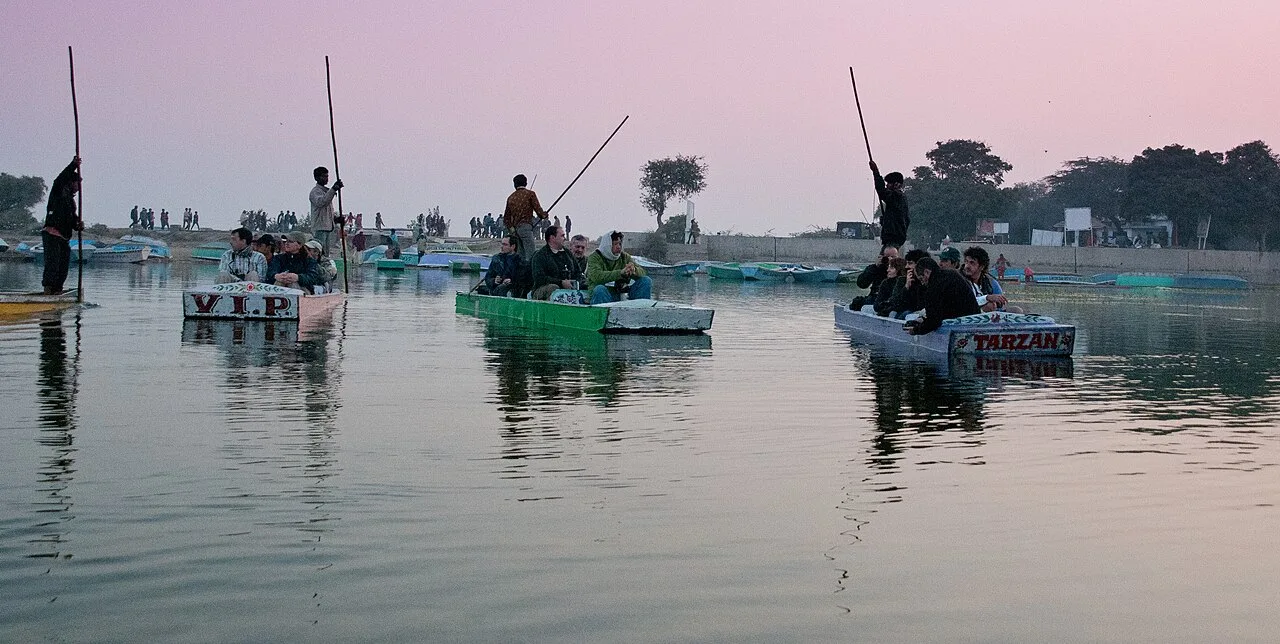
Nal Sarovar Bird Sanctuary

40 km away · Ahmedabad district

Nal Sarovar Bird Sanctuary

Nal Sarovar is a large lake and marshland reserve in Gujarat, known for the many resident and seasonal birds that gather there. Visitors come to observe its wetland wildlife, especially during the cooler months.

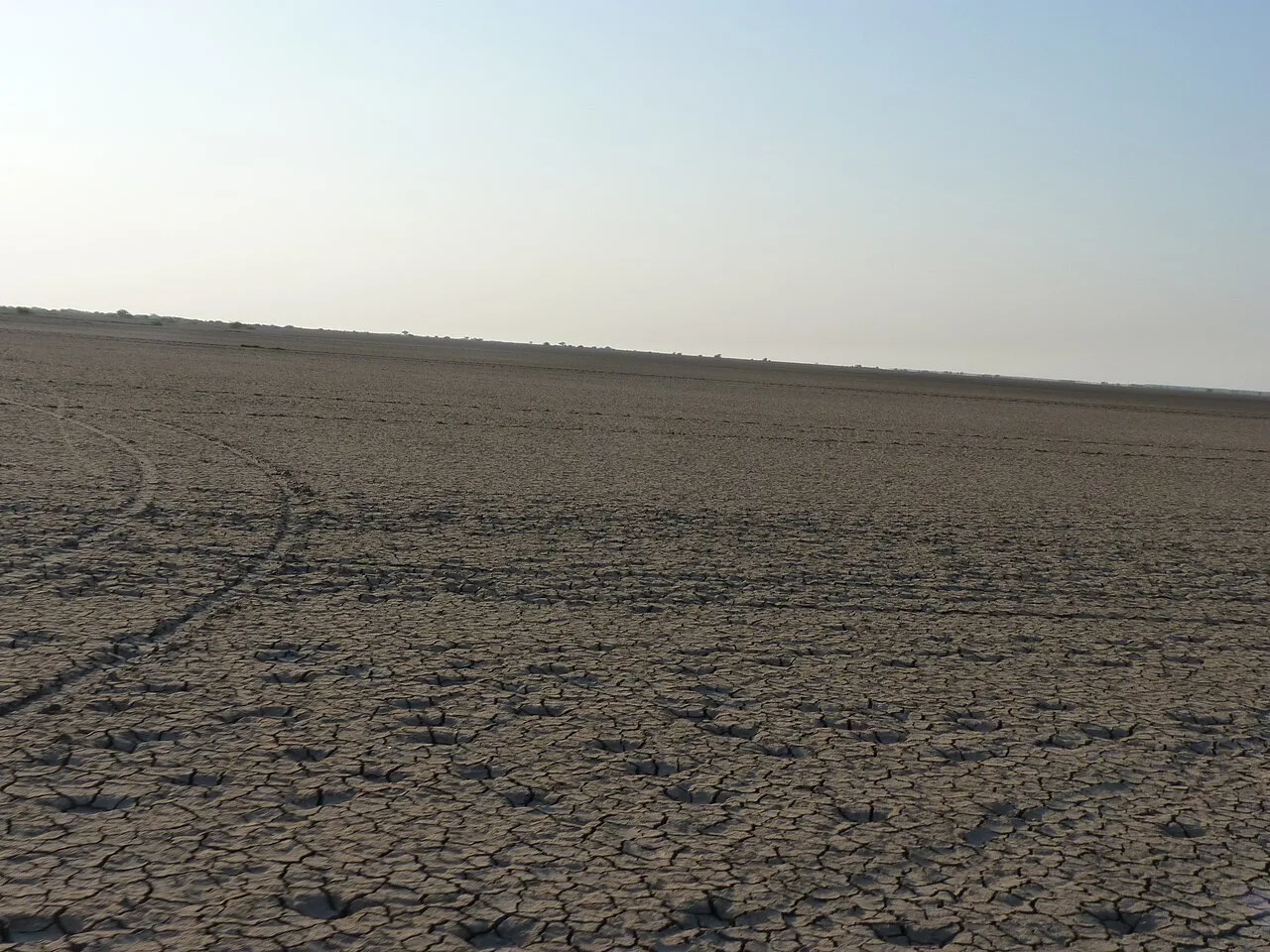
Indian Wild Ass Sanctuary

49 km away · Surendranagar district

Indian Wild Ass Sanctuary

In Gujarat’s Little Rann of Kutch, the Indian Wild Ass Sanctuary protects the endangered khur. Visitors are drawn by the chance to see this wild ass, a southern subspecies of the Asiatic wild ass.

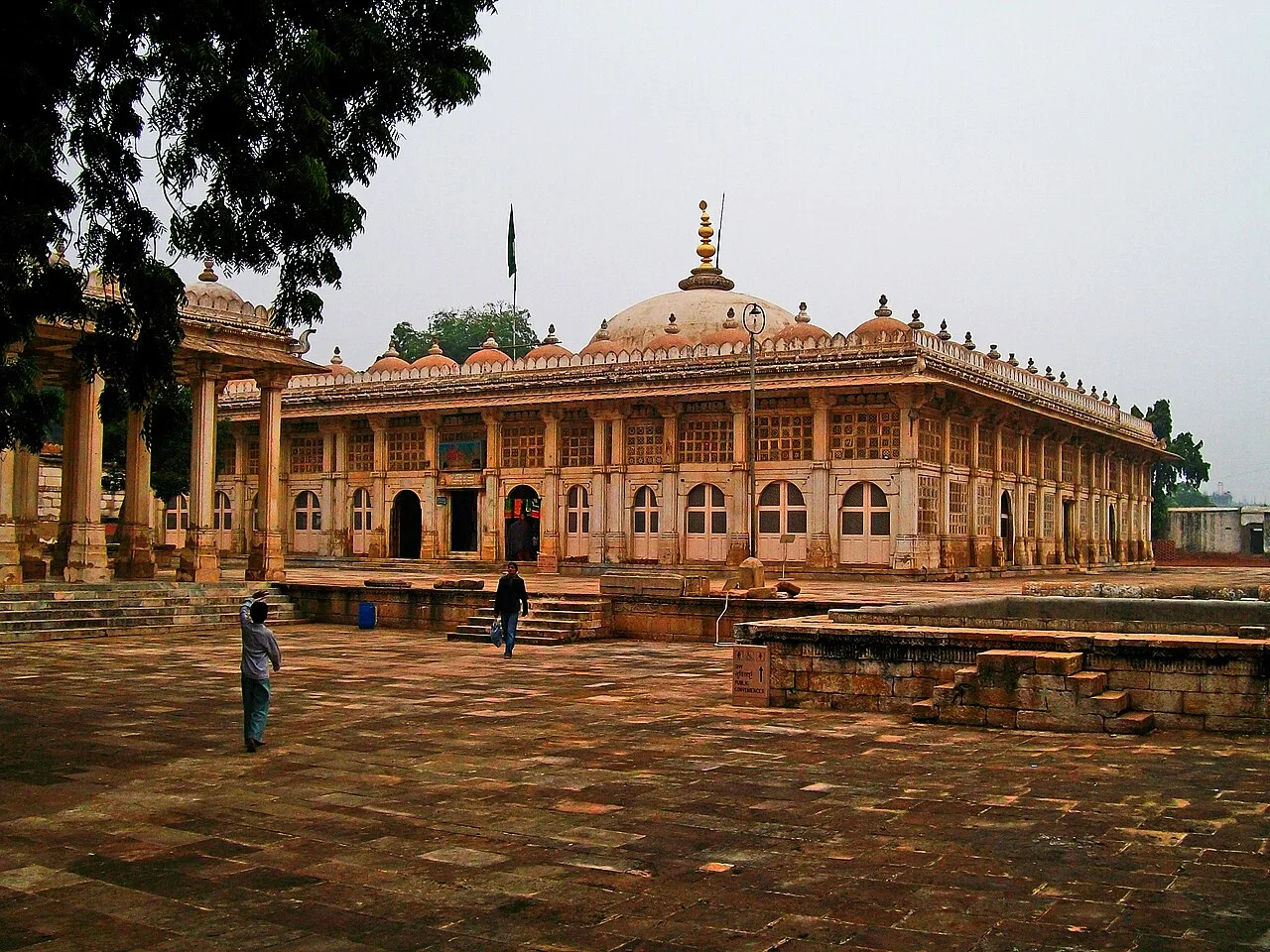
Sarkhej Roza

49 km away · Ahmedabad district

Sarkhej Roza

Sarkhej Roza is a Sufi religious complex in Makarba, Ahmedabad district, made up of a mosque and tombs. Visitors explore its nationally recognised status and its association with Shaikh Ahmed Ganj Baksh.

Modhera Sun Temple

52 km away · Mehsana district

Modhera Sun Temple

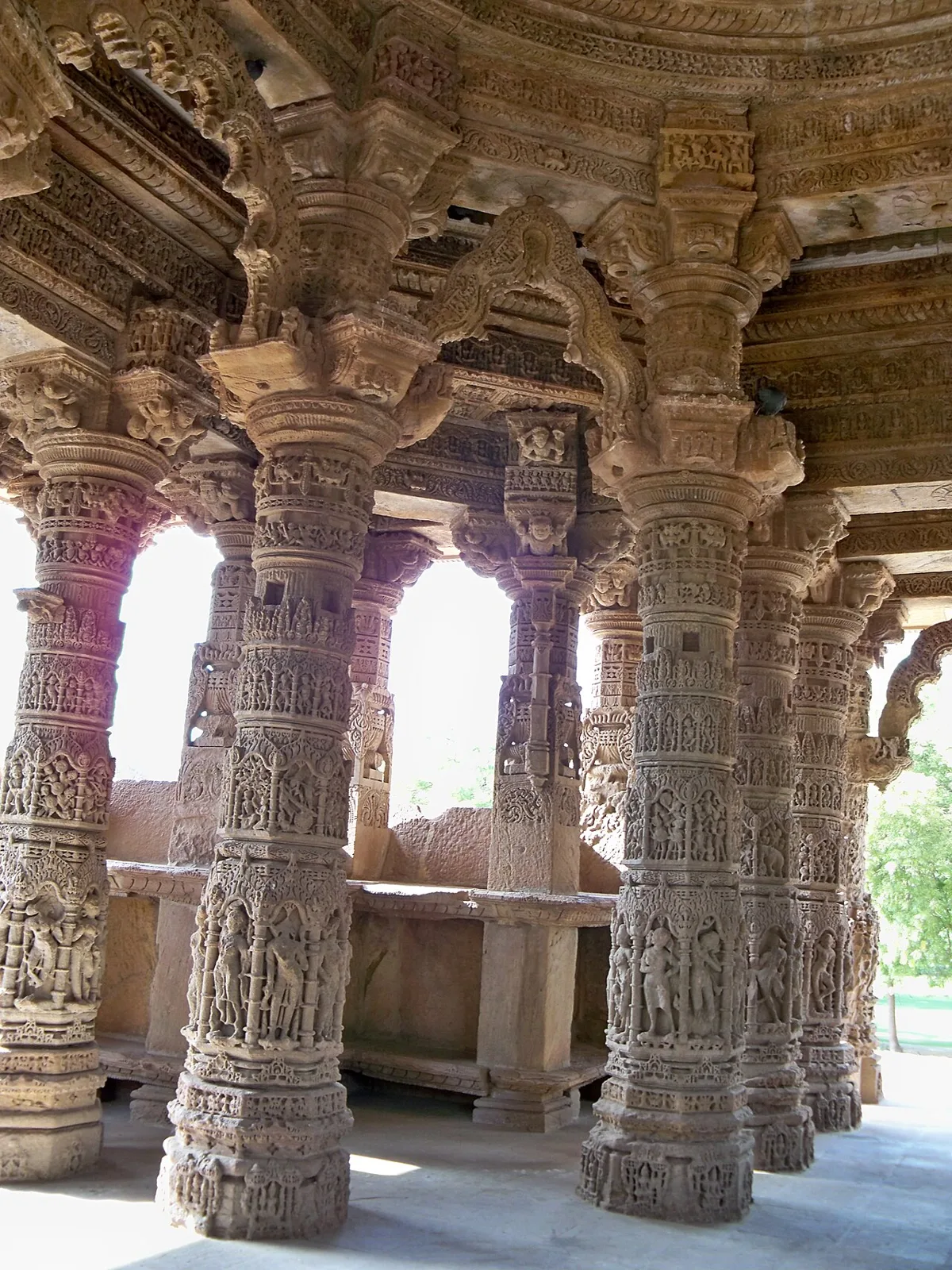
This Hindu temple complex in Modhera, Gujarat, honours Surya. Visitors come to see its carved halls, decorated pillars and stepped reservoir, which is dotted with small shrines.

Adalaj Stepwell

54 km away · Gandhinagar district

Adalaj Stepwell

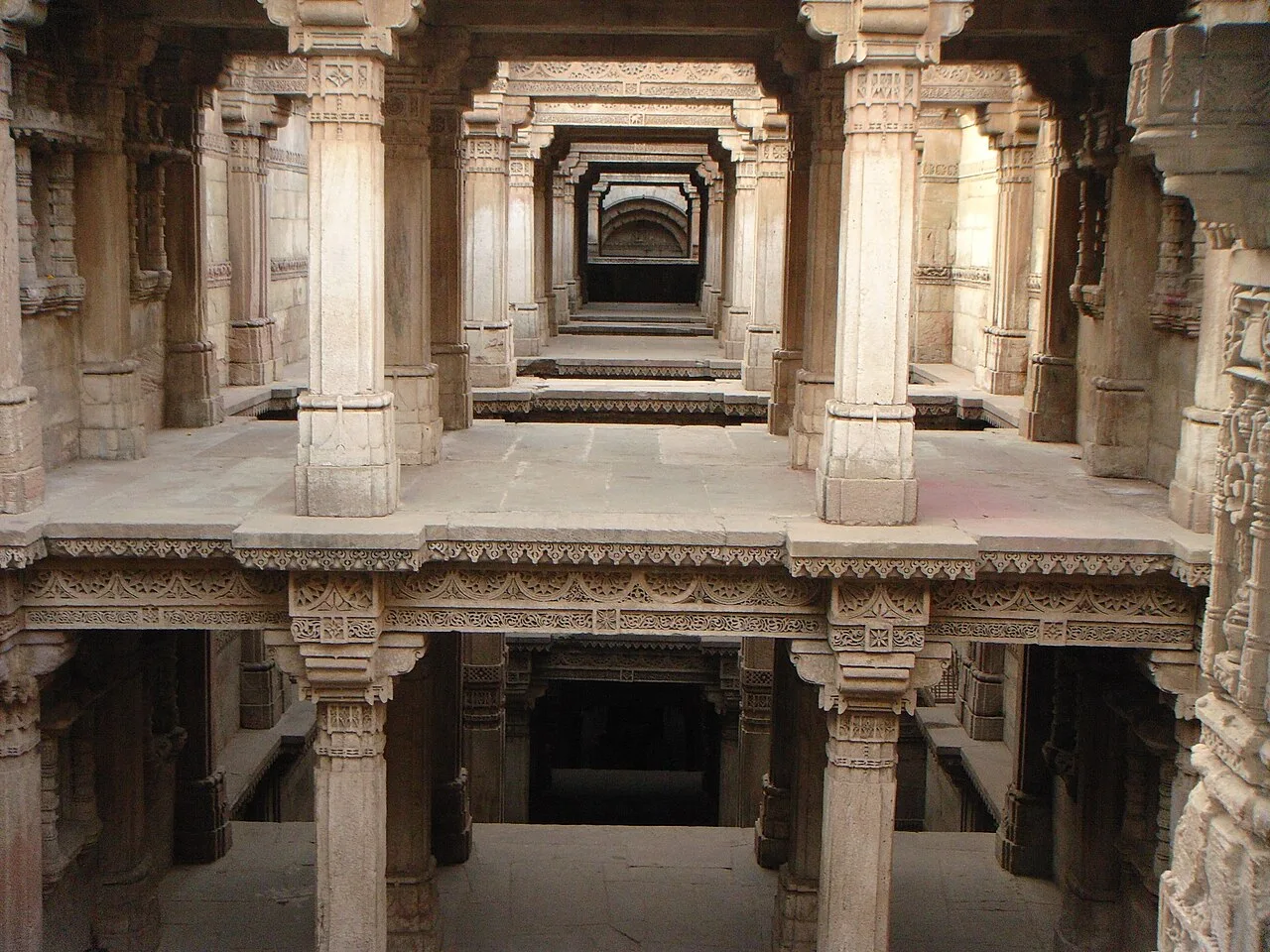
Adalaj Stepwell, also known as Rudabai Stepwell, is a sandstone structure in Gujarat’s Gandhinagar district. Visitors come to see its Solanki-style design and its connection to Rana Veer Singh.

Sabarmati Riverfront

54 km away · Ahmedabad district

Sabarmati Riverfront

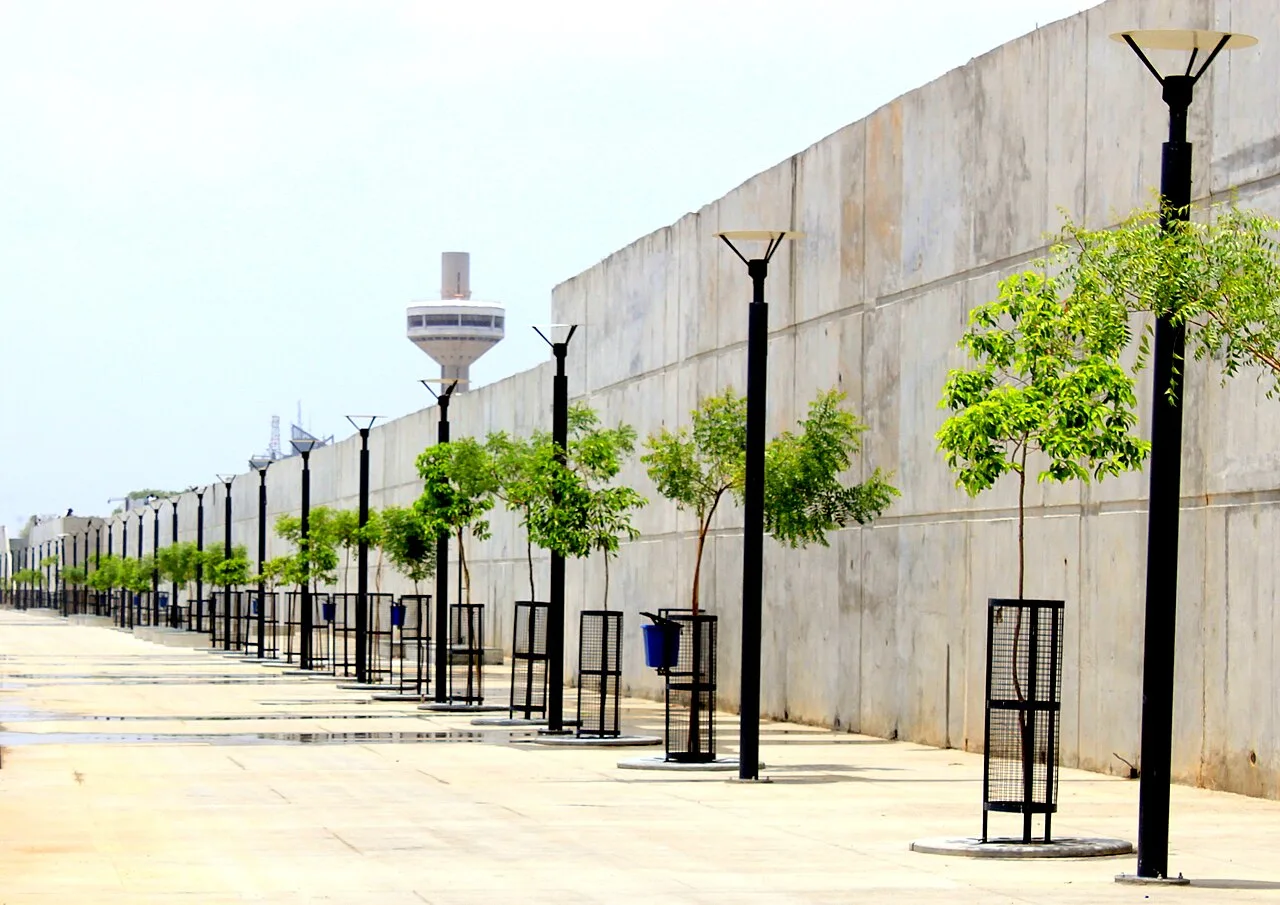
The Sabarmati Riverfront is a developing public waterfront in Ahmedabad. Visitors can access its facilities as they open, while the project aims to improve the environment and provide social infrastructure.

Bhadra Fort

55 km away · Ahmedabad district

Bhadra Fort

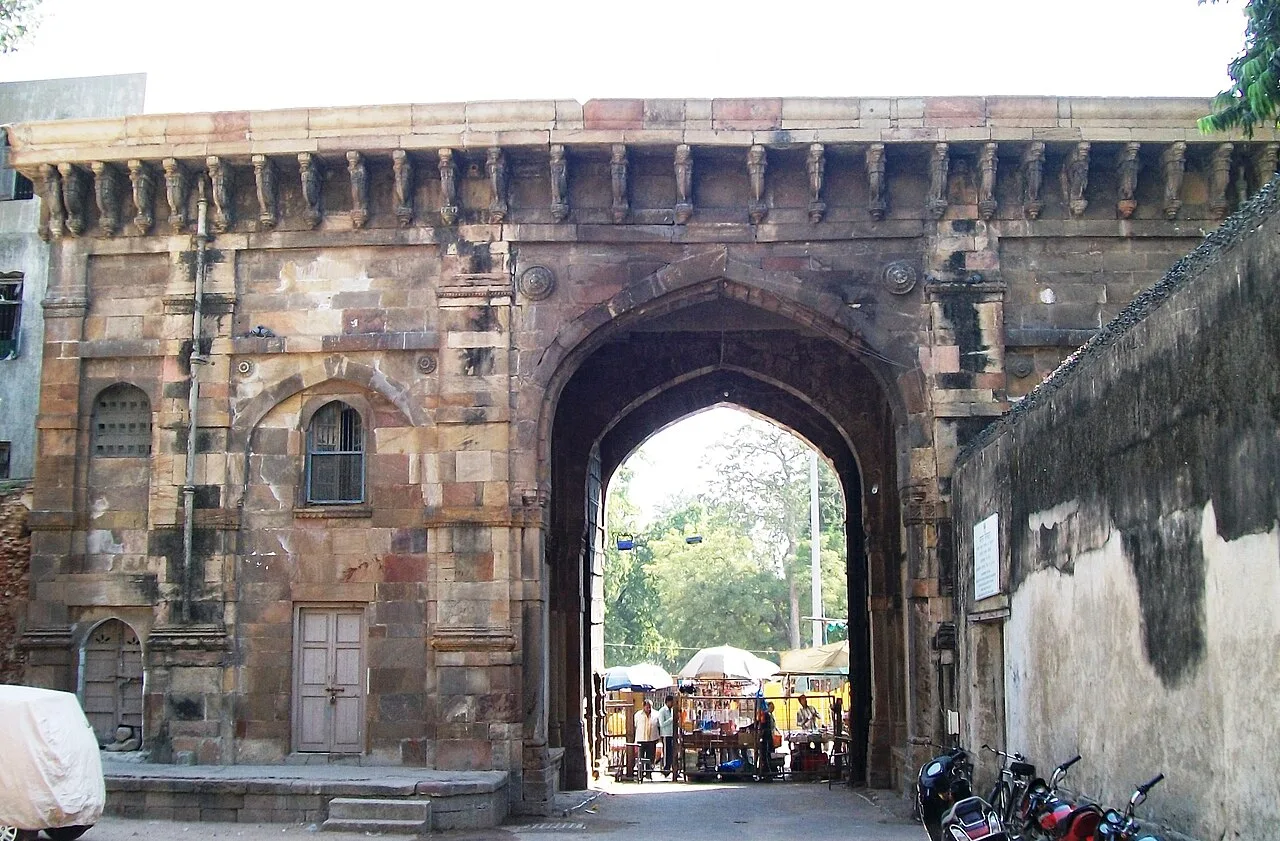
This historic Ahmedabad complex brings together royal buildings, mosques, gateways and open areas. Visitors explore its architecture and its present role as a cultural centre for the city.

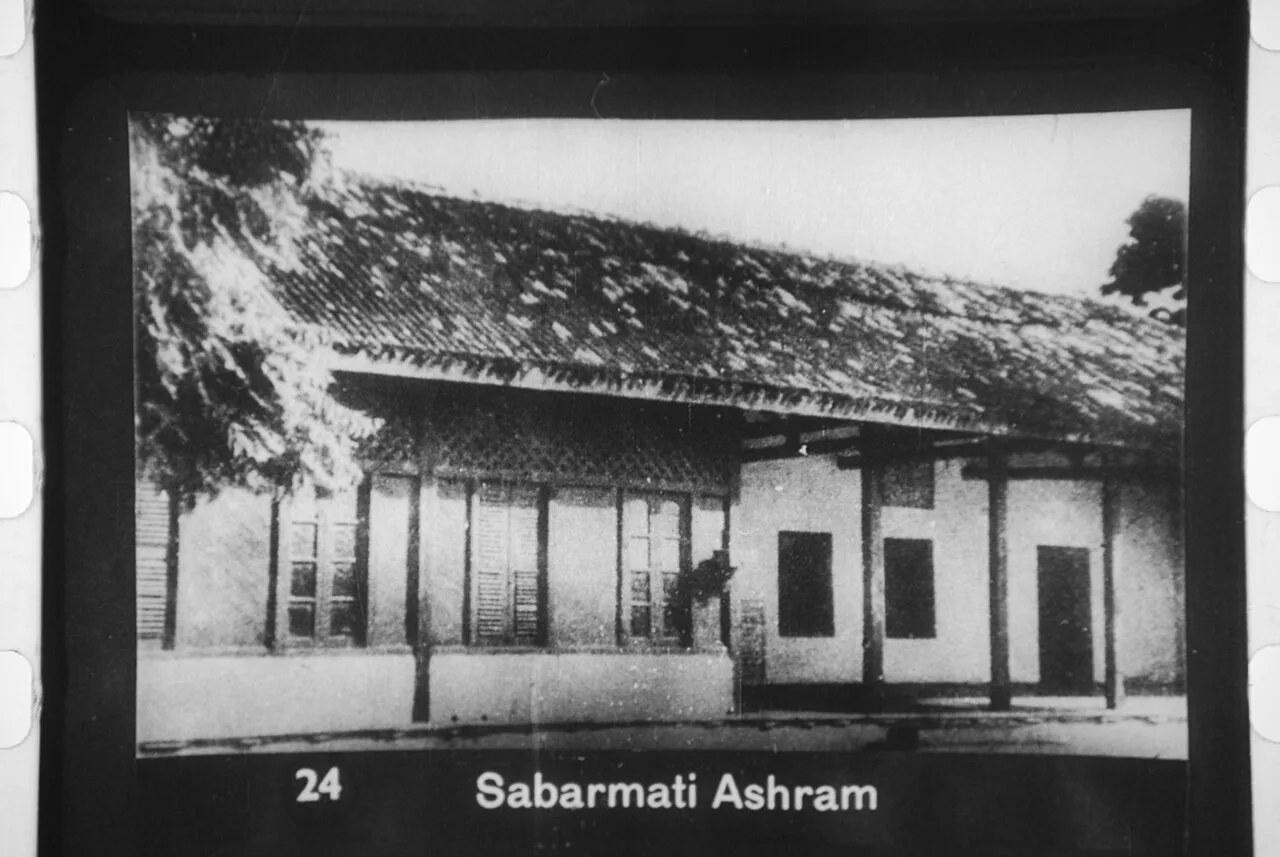
Sabarmati Ashram

55 km away · Ahmedabad district

Sabarmati Ashram

Sabarmati Ashram, in Ahmedabad, is one of Mahatma Gandhi’s former homes and is now a national monument. Visitors come for its links with Gandhi and the Dandi March.

Map

Viramgam on the map

  1. 1Nal Sarovar Bird Sanctuary
  2. 2Indian Wild Ass Sanctuary
  3. 3Sarkhej Roza
  4. 4Modhera Sun Temple
  5. 5Adalaj Stepwell
  6. 6Sabarmati Riverfront
  7. 7Bhadra Fort
  8. 8Sabarmati Ashram

Gujarat

Other cities to explore