Ghumoopedia — Explore, Discover, Experience
Sign in
Modhera Sun Temple, near Harij

City guide · Gujarat

Harij

Harij is a municipality in Patan district, in north Gujarat. Its importance is primarily regional: it serves residents of the town and surrounding countryside, with everyday civic services and local trade connecting nearby settlements.

Famous for

  • Patan district municipality
  • North Gujarat rural hinterland
  • Regional everyday markets
  • Access to Patan heritage

Why Harij matters

Harij is a municipality in Patan district, in north Gujarat. Its importance is primarily regional: it serves residents of the town and surrounding countryside, with everyday civic services and local trade connecting nearby settlements. It is not widely known as a major heritage or resort destination, so visitors often encounter it as part of a wider journey through the Patan region rather than as a standalone tourist centre.

The nearby district headquarters, Patan, offers a stronger draw for history and architecture, including Rani ki Vav, the celebrated stepwell and UNESCO World Heritage Site. Harij can therefore provide a glimpse of ordinary town life in this part of Gujarat, while also serving as a stopping point for exploring the district. Its appeal is less about a single landmark or signature product and more about its place in a lived-in regional landscape, where local commerce, Gujarati culture and access to surrounding towns shape the visitor experience.
Famous for: crafts, trade & products

Harij is best understood as a local service and trading centre rather than a specialist craft destination. Its shops and market areas cater mainly to everyday needs of town residents and people from nearby villages. Visitors can look for familiar Gujarati clothing, household goods, snacks and provisions, but there is no widely documented Harij-specific textile, handicraft or GI-tagged product to identify as a local speciality. Individual stock and availability vary, so the town is not a reliable destination for a particular collectible or workshop visit.

The best-known traditional textile associated with the wider district is Patan Patola, a complex double-ikat silk weaving tradition linked to Patan, not Harij. It is worth keeping that distinction in mind when shopping: visitors seeking Patola should make enquiries in Patan and buy from established, identifiable makers or sellers. Harij’s markets are more useful for experiencing routine local commerce than for browsing a dedicated craft quarter. There is no basis for describing the town as an industrial or export hub; its significance lies chiefly in serving its surrounding regional community.

History

Harij’s documented public profile is that of a municipality in Patan district; a distinct founding date or detailed town-specific account is not widely established. Its growth can be understood in the context of the settlements and agricultural communities of north Gujarat, where local towns developed around administration, services and exchange. Over time, municipal functions and modern transport and communications have connected Harij more closely with Patan and other regional centres.

The broader Patan area has a much longer recorded history. Patan, historically known as Anhilwad, became an important political centre under the Chaulukya, also called Solanki, rulers. The region later passed through successive periods of Gujarat Sultanate, Mughal, Maratha and British influence before becoming part of independent India and, in 1960, the newly formed state of Gujarat. These regional changes provide context for Harij, but should not be mistaken for a documented sequence of rulers or events specific to the town itself.

Food, festivals & culture

Gujarati is the principal language of daily life; Hindi is also understood by many people. Food follows familiar north Gujarati patterns, with meals often built around rotli, dal, seasonal shaak and rice or khichdi. Farsan and simple sweets such as ladoo or sukhdi may be found in local shops, though these are common regional foods rather than Harij-exclusive specialities. For a visitor, small eateries and neighbourhood food shops offer a more everyday experience than a formal food-tour scene.

The town’s calendar reflects widely observed Gujarati and Hindu festivals. Navratri, usually in autumn, brings nights of devotional music and garba; Diwali falls in autumn, while Uttarayan is celebrated in January and Holi near the end of winter. Local observances vary by community and year. Worship takes place in neighbourhood religious spaces, including temples and mosques, but Harij is not particularly known for a single major pilgrimage site. Customs, family gatherings and seasonal celebrations are central to its cultural life.

Visiting the city

The cooler months, roughly October to February, are generally the most comfortable for exploring north Gujarat; summer afternoons can be very hot. Sardar Vallabhbhai Patel International Airport in Ahmedabad is the nearest major airport. Harij Railway Station is the local rail stop, while Patan Railway Station is a useful regional option for journeys focused on Patan. Check current road and rail connections before setting out, as services can change.

Within Harij, local taxis, auto-rickshaws where available and hired vehicles are practical ways to get around; confirm onward transport locally. A short walk through the town centre and its market streets gives a sense of everyday life. For heritage sightseeing, add Patan’s old town and Rani ki Vav to the itinerary. Harij is better approached as a regional stop than as a destination with a large cluster of visitor facilities.

Trips from the city

Nearest places to visit from Harij

Our closest destination guides, by straight-line distance.

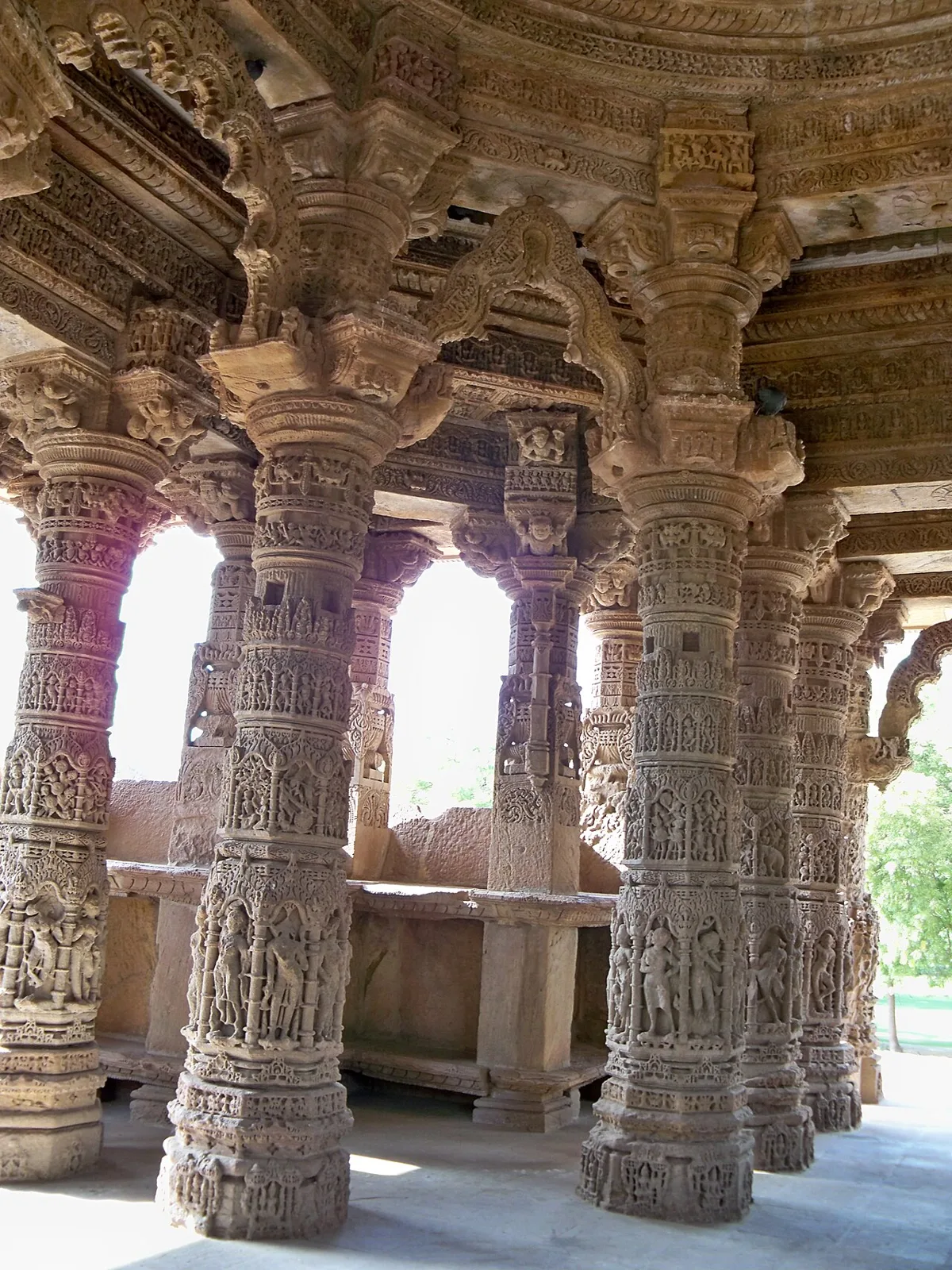
Modhera Sun Temple

26 km away · Mehsana district

Modhera Sun Temple

This Hindu temple complex in Modhera, Gujarat, honours Surya. Visitors come to see its carved halls, decorated pillars and stepped reservoir, which is dotted with small shrines.

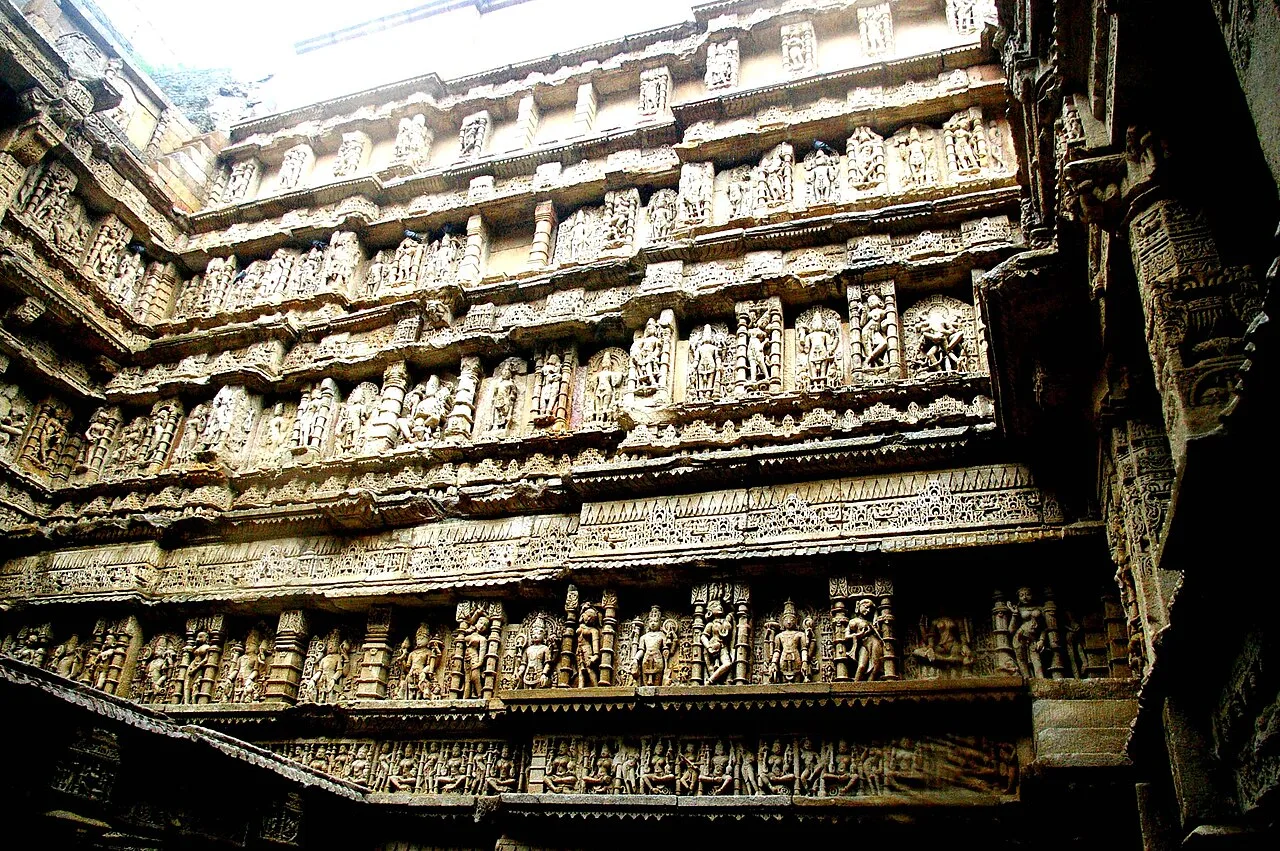
Rani ki Vav

27 km away · Patan district

Rani ki Vav

Rani ki Vav is a stepwell in Patan, Gujarat, notable for its tiered underground design and extensive sculpture, which reflect the monument’s religious and architectural significance.

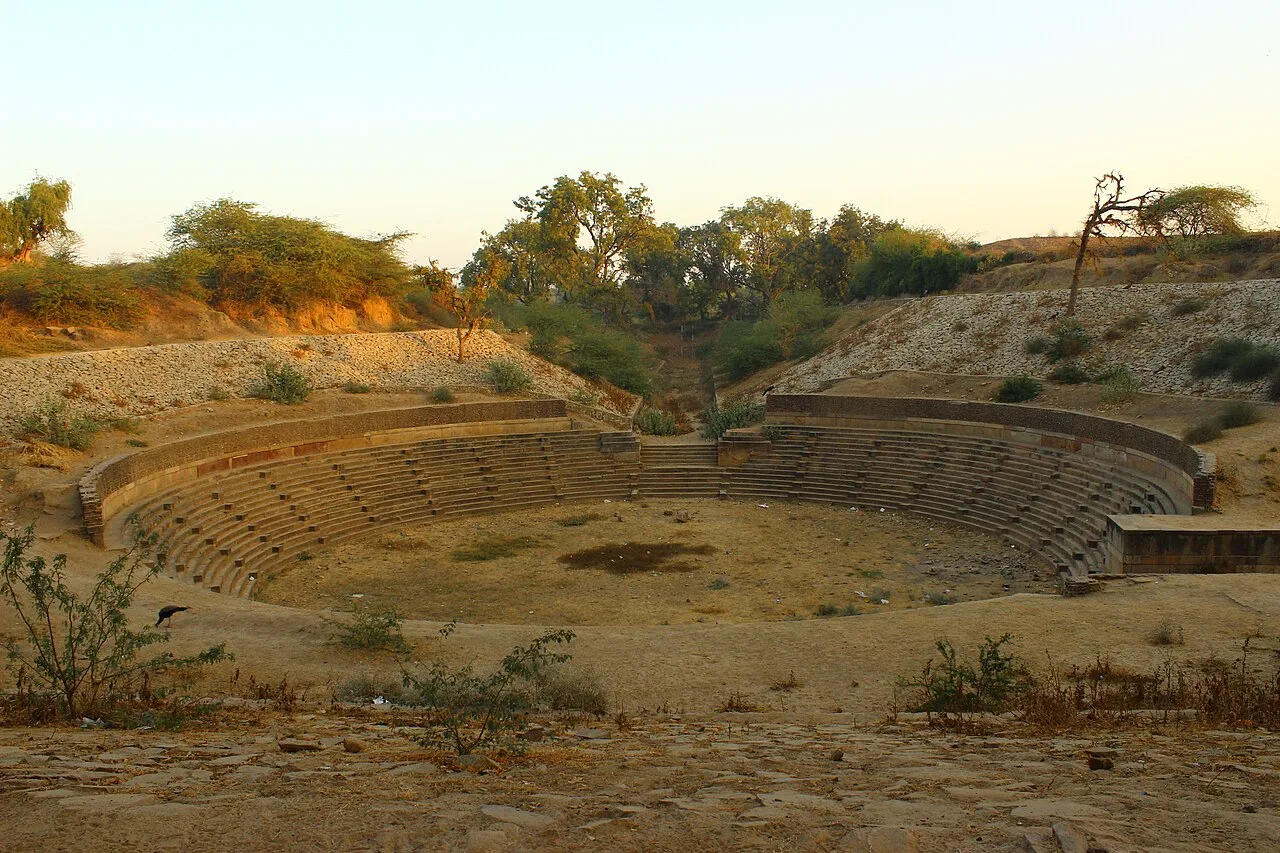
Sahasralinga Tank

27 km away · Patan district

Sahasralinga Tank

Sahasralinga Tank is a medieval, human-made reservoir in Gujarat’s Patan district, commissioned under Chaulukya rule. Visitors come to see this historic site, which is protected as a national monument.

Indian Wild Ass Sanctuary

47 km away · Surendranagar district

Indian Wild Ass Sanctuary

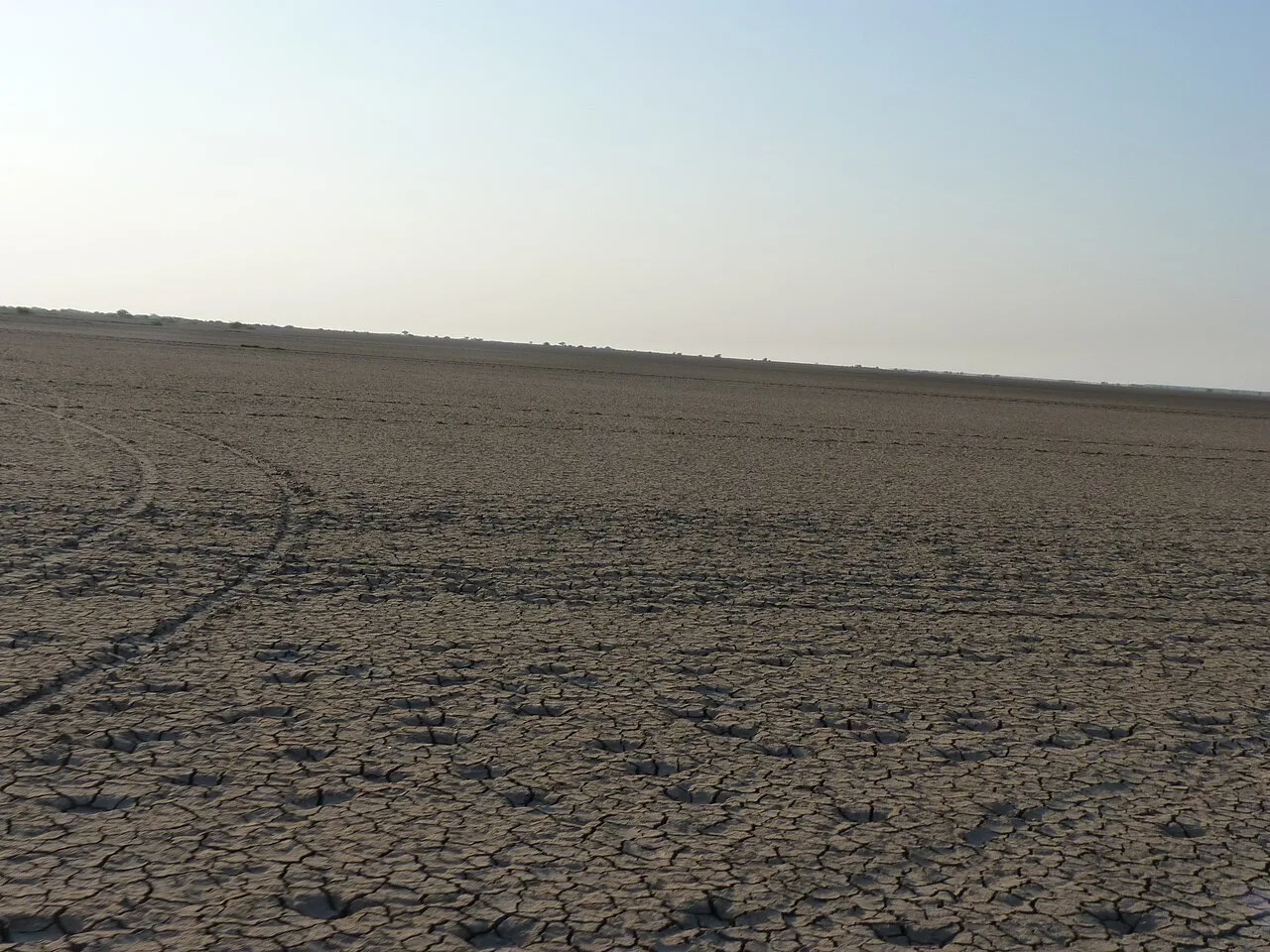
In Gujarat’s Little Rann of Kutch, the Indian Wild Ass Sanctuary protects the endangered khur. Visitors are drawn by the chance to see this wild ass, a southern subspecies of the Asiatic wild ass.

Adalaj Stepwell

90 km away · Gandhinagar district

Adalaj Stepwell

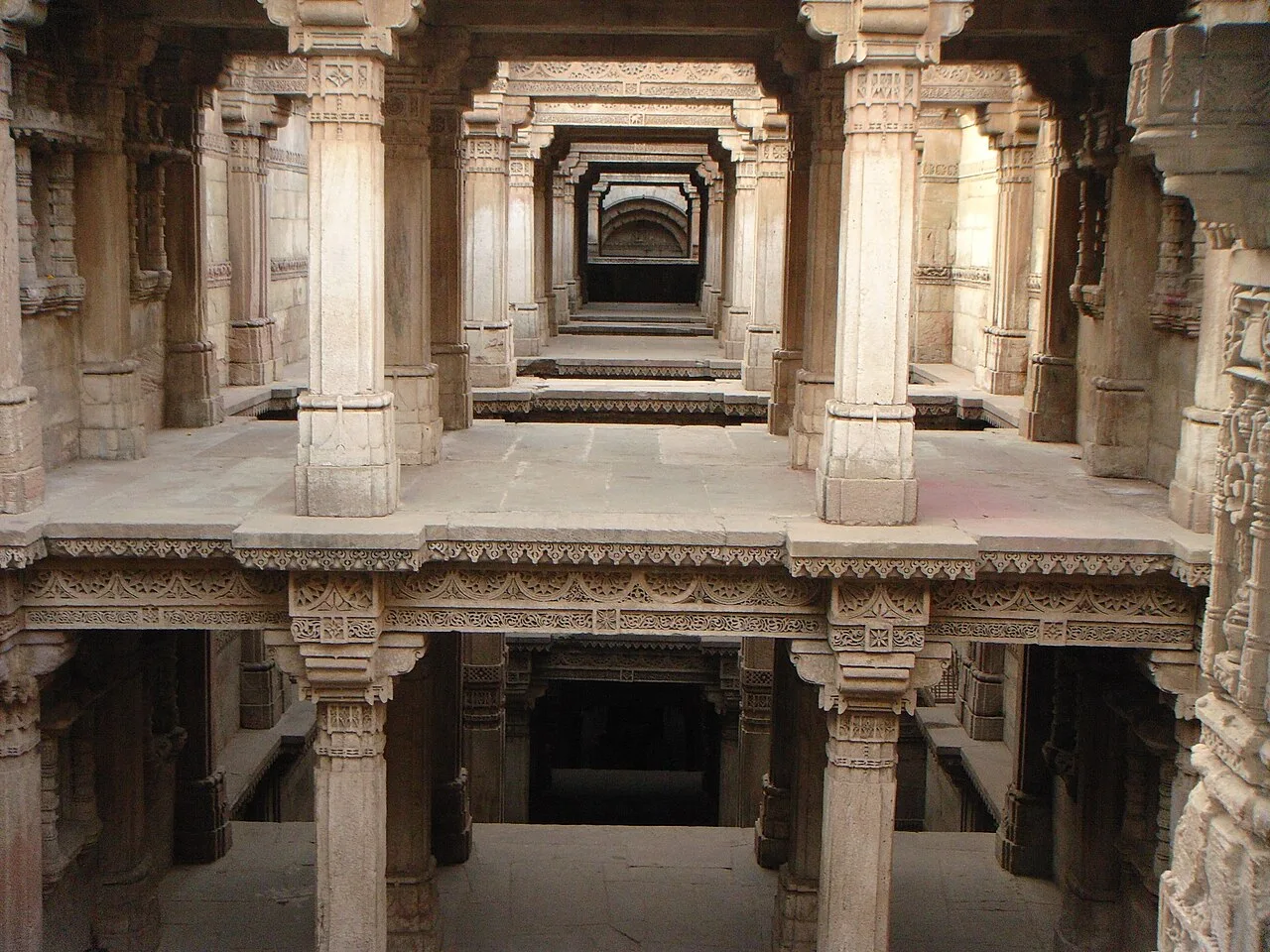
Adalaj Stepwell, also known as Rudabai Stepwell, is a sandstone structure in Gujarat’s Gandhinagar district. Visitors come to see its Solanki-style design and its connection to Rana Veer Singh.

Taranga Jain Temples

91 km away · Mehsana district

Taranga Jain Temples

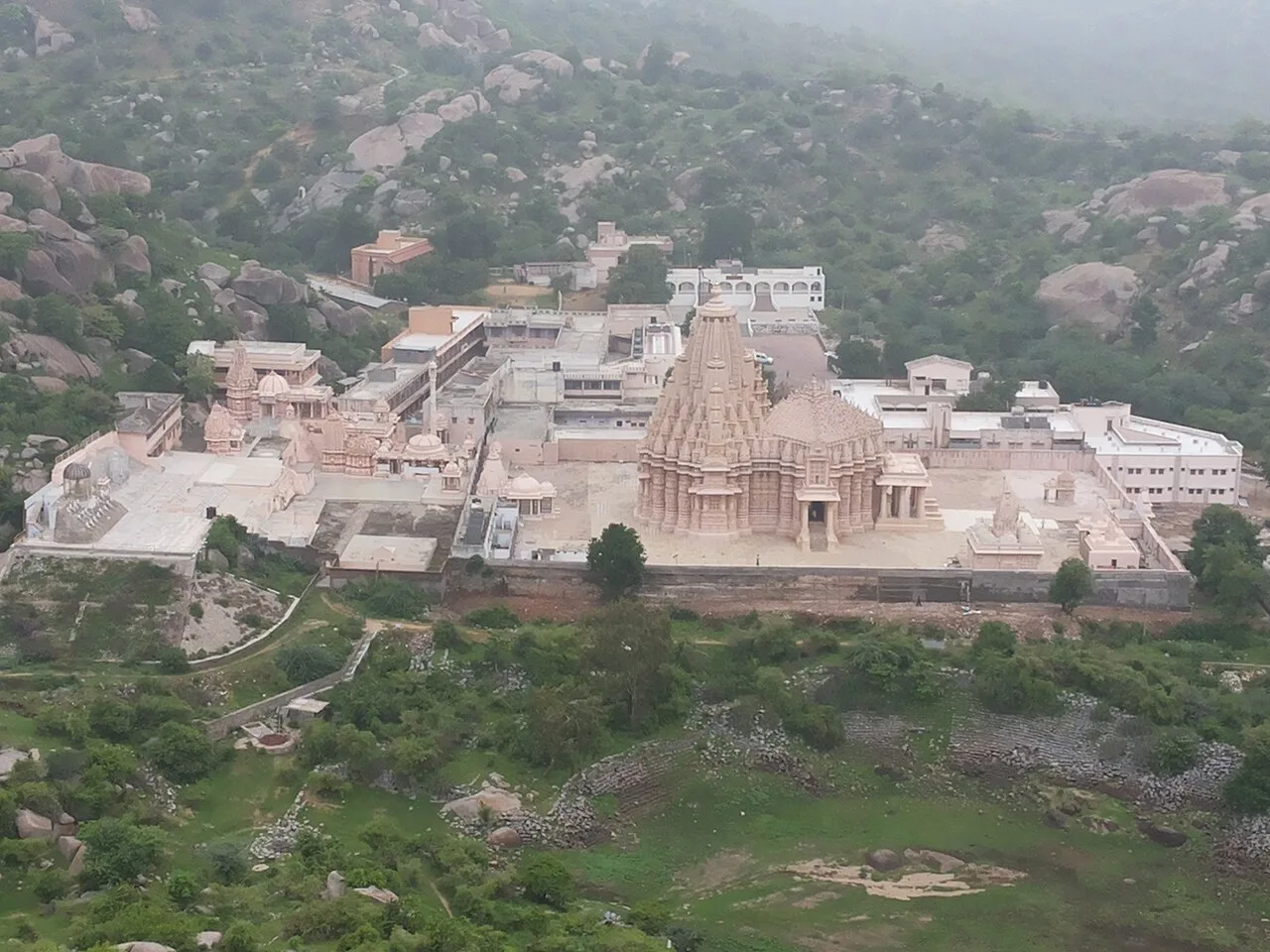
Taranga is a Jain pilgrimage site near Kheralu, known for temples representing Śvetāmbara and Digambara traditions and for its notable Māru-Gurjara architecture.

Swaminarayan Akshardham

94 km away · Gandhinagar district

Swaminarayan Akshardham

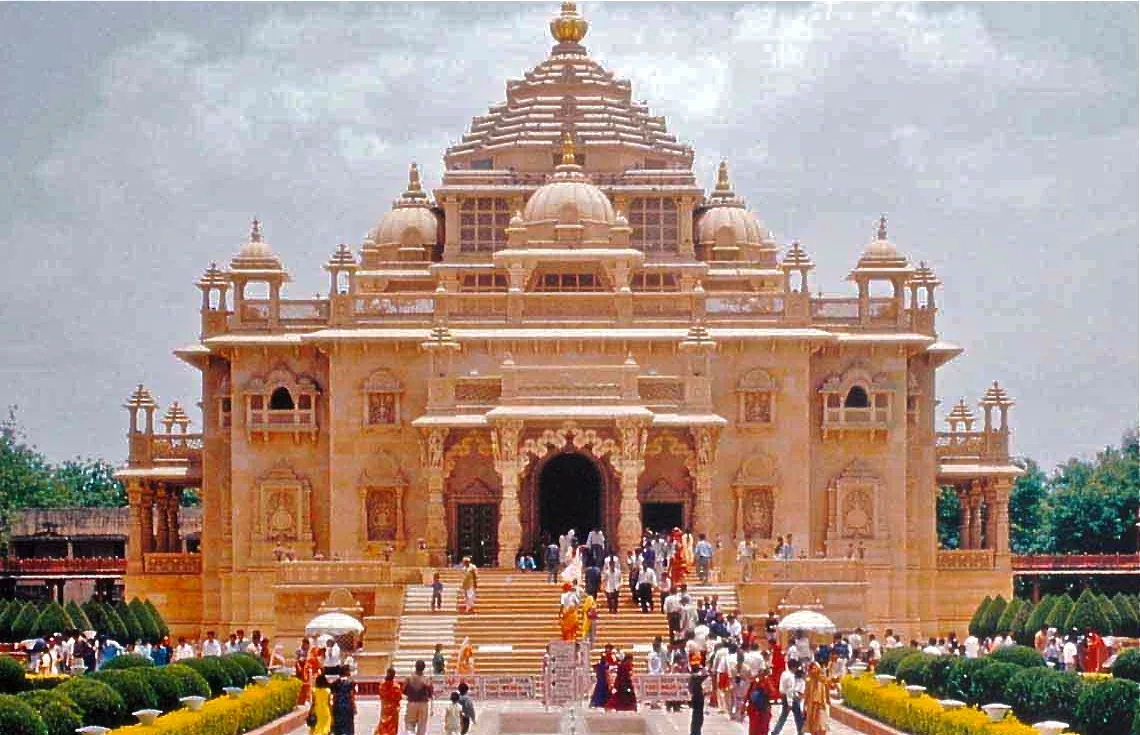
This Hindu temple complex in Gandhinagar, Gujarat, draws visitors interested in Swaminarayan’s teachings, BAPS traditions and its central shrine built from pink sandstone.

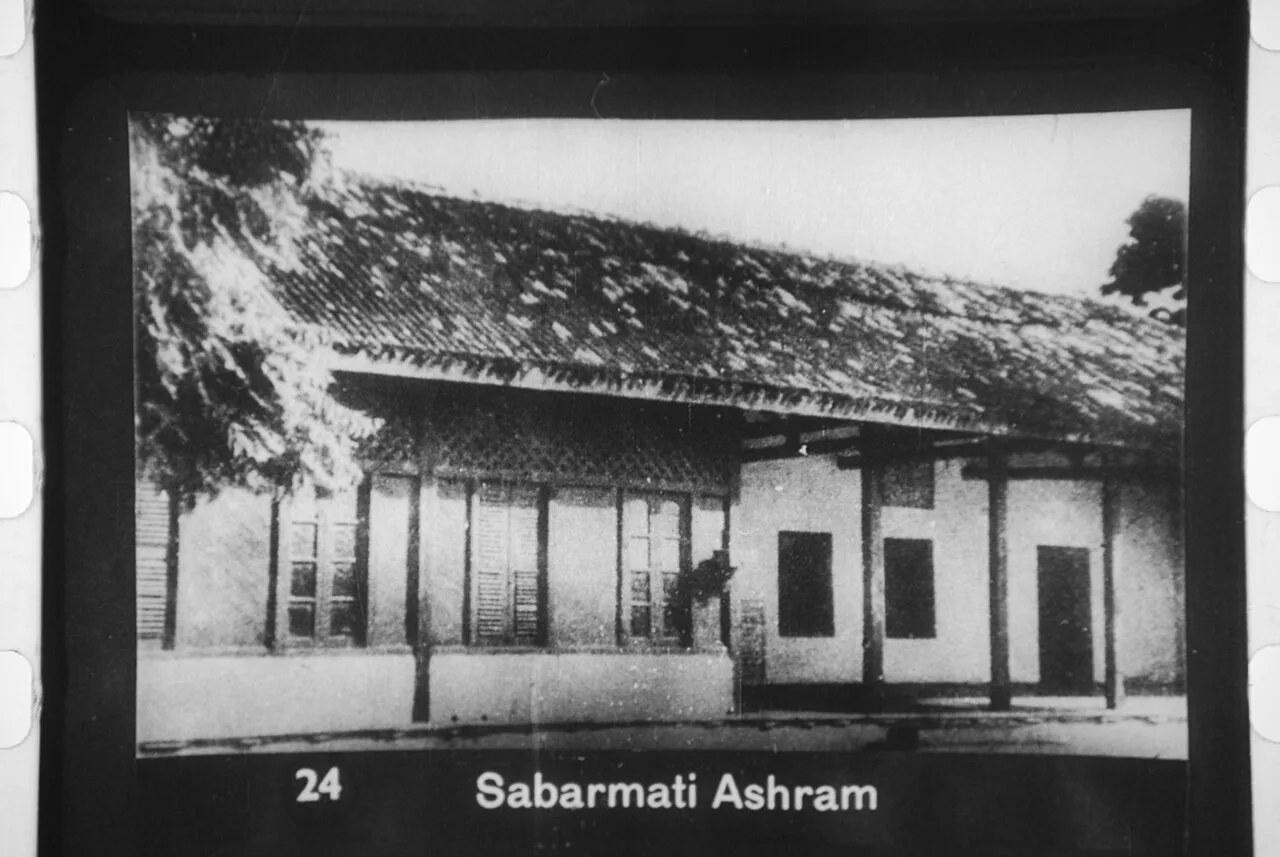
Sabarmati Ashram

98 km away · Ahmedabad district

Sabarmati Ashram

Sabarmati Ashram, in Ahmedabad, is one of Mahatma Gandhi’s former homes and is now a national monument. Visitors come for its links with Gandhi and the Dandi March.

Map

Harij on the map

  1. 1Modhera Sun Temple
  2. 2Rani ki Vav
  3. 3Sahasralinga Tank
  4. 4Indian Wild Ass Sanctuary
  5. 5Adalaj Stepwell
  6. 6Taranga Jain Temples
  7. 7Swaminarayan Akshardham
  8. 8Sabarmati Ashram

Gujarat

Other cities to explore