Ghumoopedia — Explore, Discover, Experience
Sign in
Sakkarbaug Zoological Garden, near Dhoraji

City guide · Gujarat

Dhoraji

Dhoraji is a historic town in Rajkot district, set beside the Safura River in the Saurashtra region of Gujarat. Its importance comes from its past as part of the Gondal princely state and from an unusually visible blend of old-town heritage and planned expansion.

Famous for

  • Dhoraji Fort
  • Murli Manohar Temple
  • Swaminarayan Mandir
  • Gondal princely heritage
  • Railway-era town planning

Why Dhoraji matters

Dhoraji is a historic town in Rajkot district, set beside the Safura River in the Saurashtra region of Gujarat. Its importance comes from its past as part of the Gondal princely state and from an unusually visible blend of old-town heritage and planned expansion. The fort, historic temples and Darbargadh recall its princely connections, while the broad avenues and organised neighbourhoods near the railway station reflect a later phase of civic planning.

Visitors are drawn especially to Dhoraji Fort, its gateways and the old town’s places of worship. Murli Manohar Temple is notable for combining Gujarati, Rajasthani and Indo-Mughal architectural elements. The town also offers a quieter look at the built history of Saurashtra than the region’s larger cities. Today, Dhoraji serves as a local municipal and commercial centre; its heritage, religious sites and planned streets give travellers reasons to pause while exploring the wider region.
Famous for: crafts, trade & products

Dhoraji’s best-established identity is its historic architecture and town planning rather than a widely documented signature textile, handicraft or GI-tagged product. The fort, old-town temples and the planned streets around the railway station are its most distinctive local features. There is no particular craft or product that can confidently be presented as a defining Dhoraji speciality.

For everyday shopping, visitors can look around the town’s local bazaar areas, especially in and near the old town, where residents shop for routine household needs and food. These are practical places to experience local commerce, but travellers should not expect a recognised craft market or a guaranteed range of specialist souvenirs. Dhoraji’s temples and heritage buildings are better understood as places to visit than as retail attractions. For a wider selection of regional handicrafts, textiles or packaged specialities, visitors may find it useful to compare offerings in larger Saurashtra centres. Ask locally about seasonal produce and locally made goods, since availability can vary; avoid assuming that an item is unique to Dhoraji without confirmation.

History

Dhoraji became part of Gondal State when Kumbhaji II acquired it from Junagadh State around the middle of the eighteenth century. The town’s fort, completed in 1755, protected the settlement with a substantial enclosing wall, bastions and a series of principal and smaller gates. Dhoraji Darbargadh was also the birthplace of Bhagwatsinhji, the ruler associated with important civic changes in Gondal State.

In the late nineteenth century, Bhagwatsinhji encouraged more systematic growth by establishing a town-planning department. The areas developed between the railway station and the older settlement show this planned approach: broad avenues, road circles, parks, markets and public amenities were arranged as part of the expanding town. The railway helped link the new neighbourhoods with the older centre and the wider region. Dhoraji is now a municipality in Rajkot district, and its historic core and planned streets preserve different stages of its development.

Food, festivals & culture

Gujarati is the principal language of everyday life, with Kathiawadi speech common in the surrounding Saurashtra region; Hindi is also understood in many settings. Food follows broader Gujarati and Kathiawadi traditions. Visitors may find meals such as rotla with vegetables, khichdi-kadhi and other thali dishes, along with familiar sweets and snacks, though these are regional favourites rather than a food claimed uniquely by Dhoraji.

Navratri, usually in autumn, is marked across Gujarat by devotional music and garba dancing. Diwali in autumn, Holi in spring and Janmashtami are also widely observed, alongside local religious occasions. Bhajans and devotional singing are part of temple life, while garba and community folk performance are familiar cultural forms in the region. Dhoraji’s old-town places of worship include Shri Panchnath Mahadev, Rushiwadi Bileshwar Mahadev, Shri Chetaniya Hanuman and Shree Swaminarayan Mandir. Murli Manohar Temple is especially notable for its layered architectural styles.

Visiting the city

October to February is generally the most comfortable period to explore Dhoraji, with cooler conditions than the hot summer months. Keshod Airport is a nearby airport to check for available services; Rajkot International Airport at Hirasar is another regional option. Dhoraji railway station serves the town, and road connections link it with other centres in Saurashtra.

Auto-rickshaws and local taxis are practical for getting around; the central areas can also be explored on foot. Begin in the old town for Dhoraji Fort, its gates and nearby temples. Then explore the planned neighbourhoods between the station and the historic centre, where broad avenues and public spaces show a different chapter of the town’s growth. Allow time to visit Murli Manohar Temple and the Darbargadh area, while checking locally about access to individual sites.

Trips from the city

Nearest places to visit from Dhoraji

Our closest destination guides, by straight-line distance.

Sakkarbaug Zoological Garden

21 km away · Junagadh district

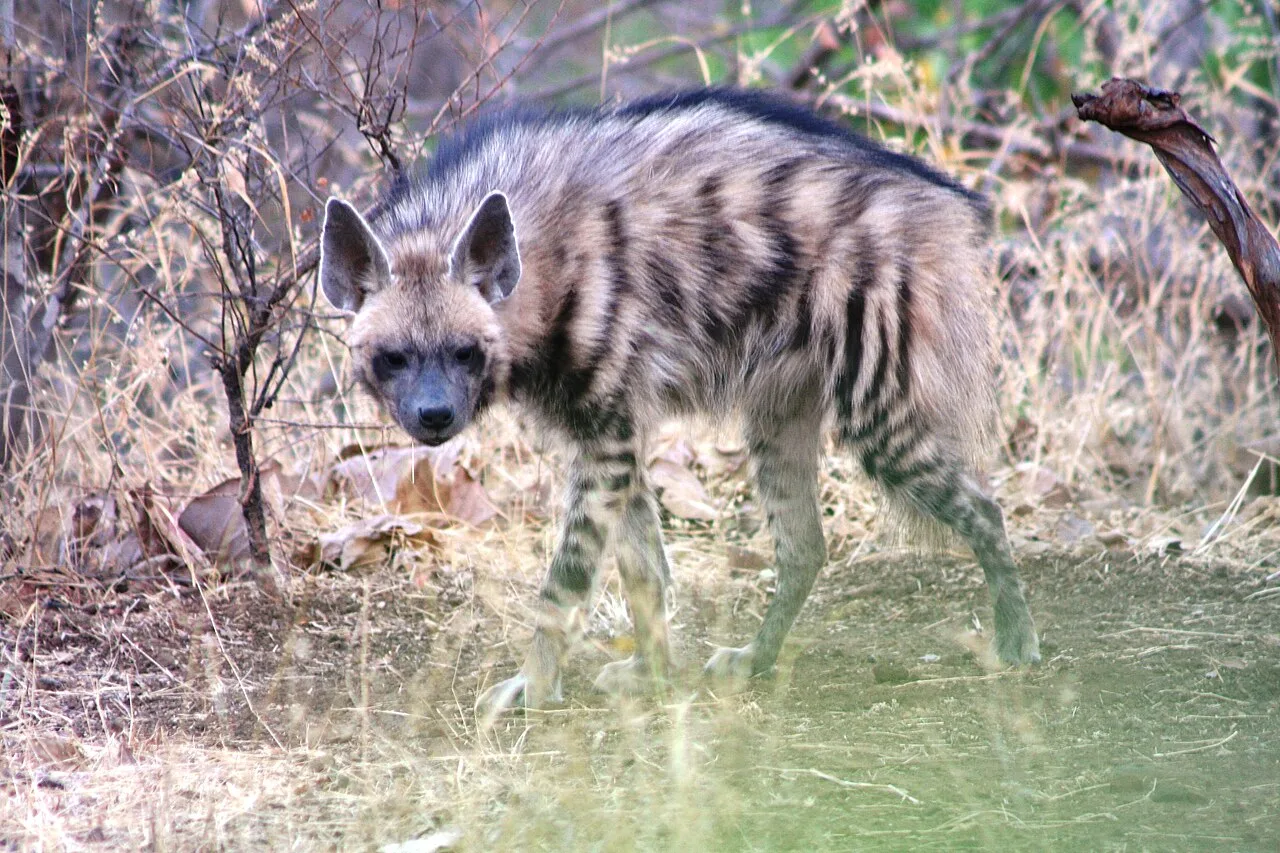
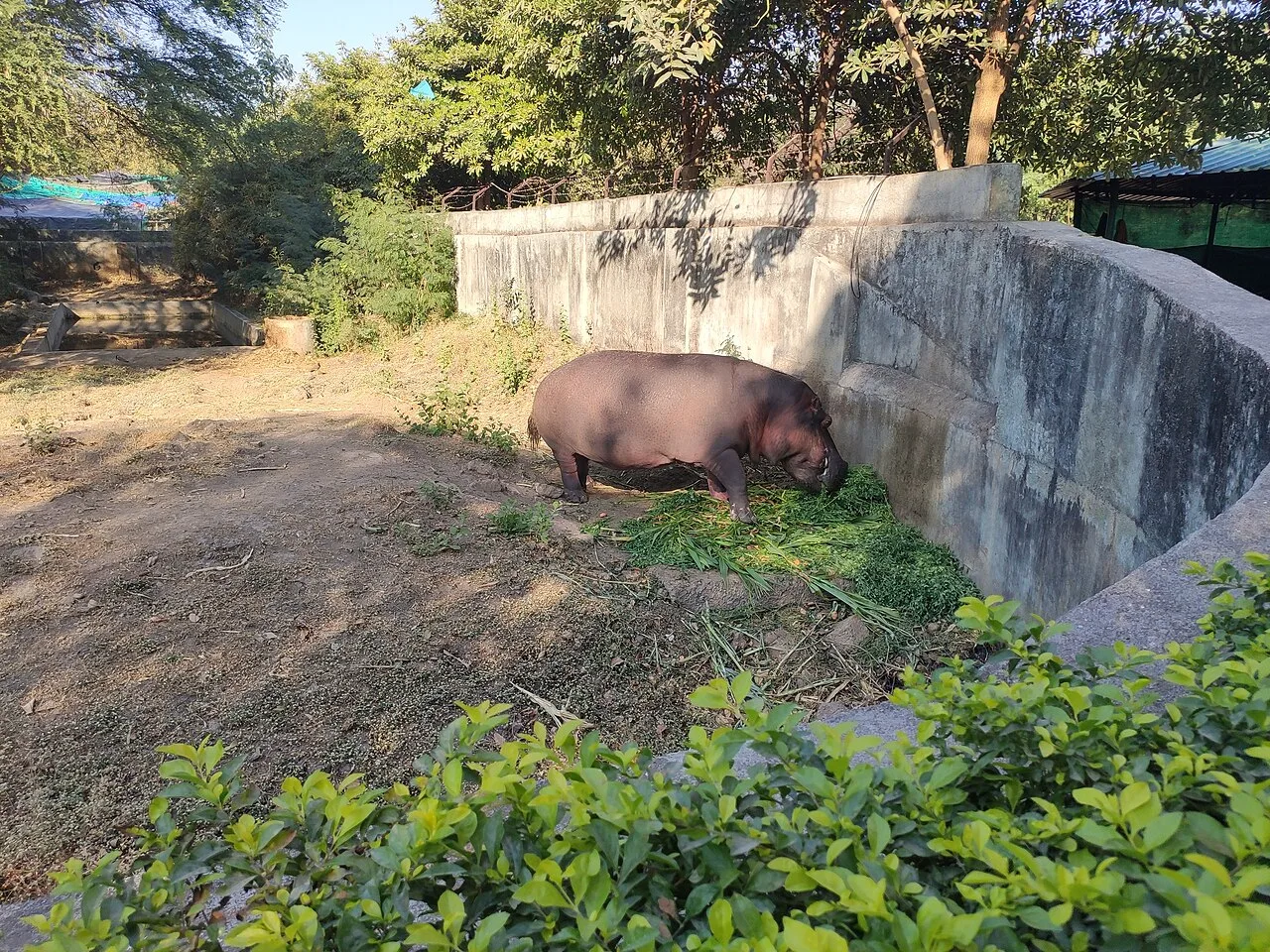
Sakkarbaug Zoological Garden

In Junagadh, Gujarat, Sakkarbaug Zoological Garden is an 84-hectare zoo established in 1863. Visitors come to see the zoo and its part in captive breeding programmes for Asiatic lions.

Mahabat Maqbara complex

23 km away · Junagadh district

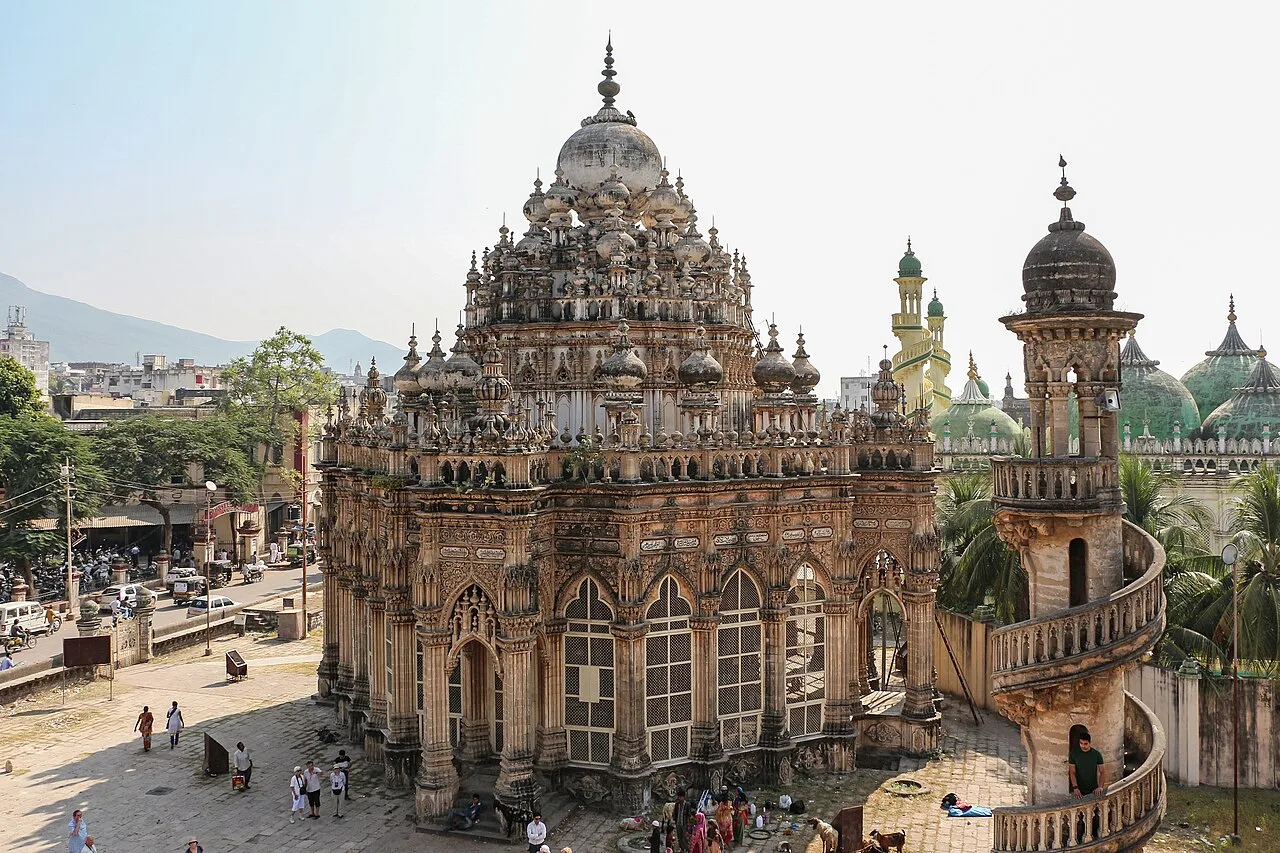
Mahabat Maqbara complex

The Mahabat Maqbara complex in Junagadh, Gujarat, contains two mausoleums; visitors come to see memorials dedicated to Nawab Mahabat Khan II and his minister.

Uparkot Fort

23 km away · Junagadh district

Uparkot Fort

Uparkot Fort is a fort in Junagadh district, Gujarat, on the eastern side of Junagadh. Visitors come to see the fort and its location within the city.

Girnar Hill

27 km away · Junagadh district

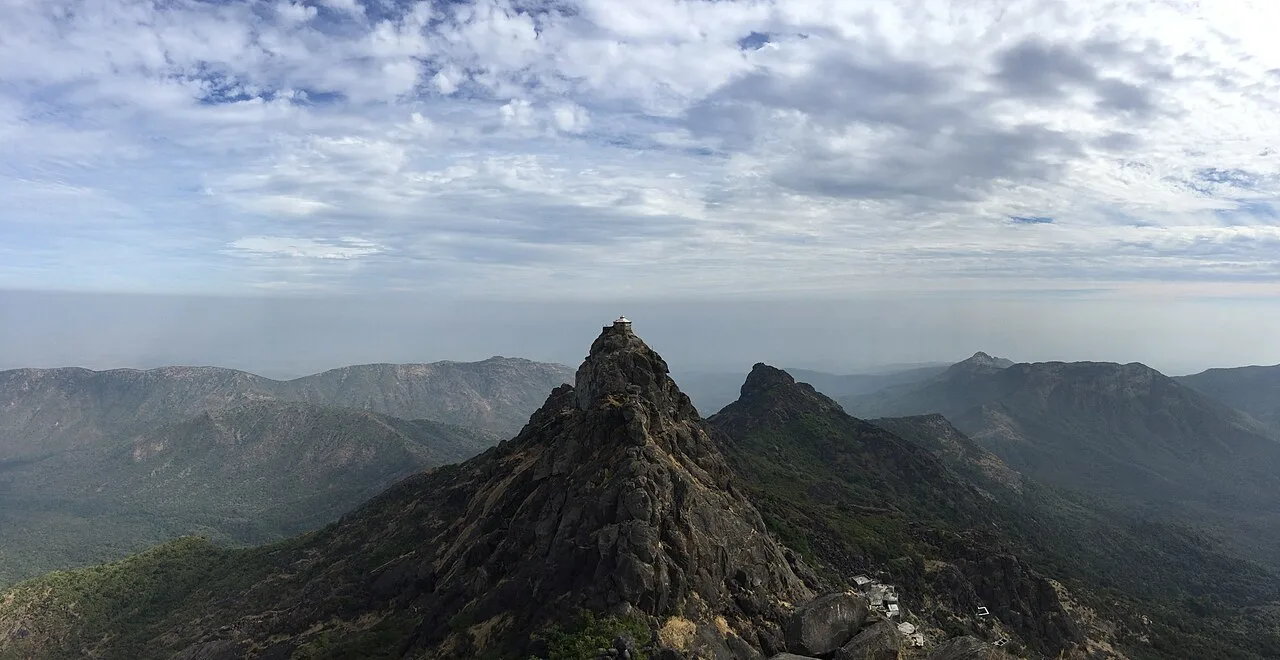
Girnar Hill

Girnar is a hill in Junagadh, Gujarat, revered as a Jain Mahatirth. Pilgrims visit in connection with traditions about Neminath, the 22nd Tirthaṅkar, and the hill’s highest summit.

Watson Museum

73 km away · Rajkot district

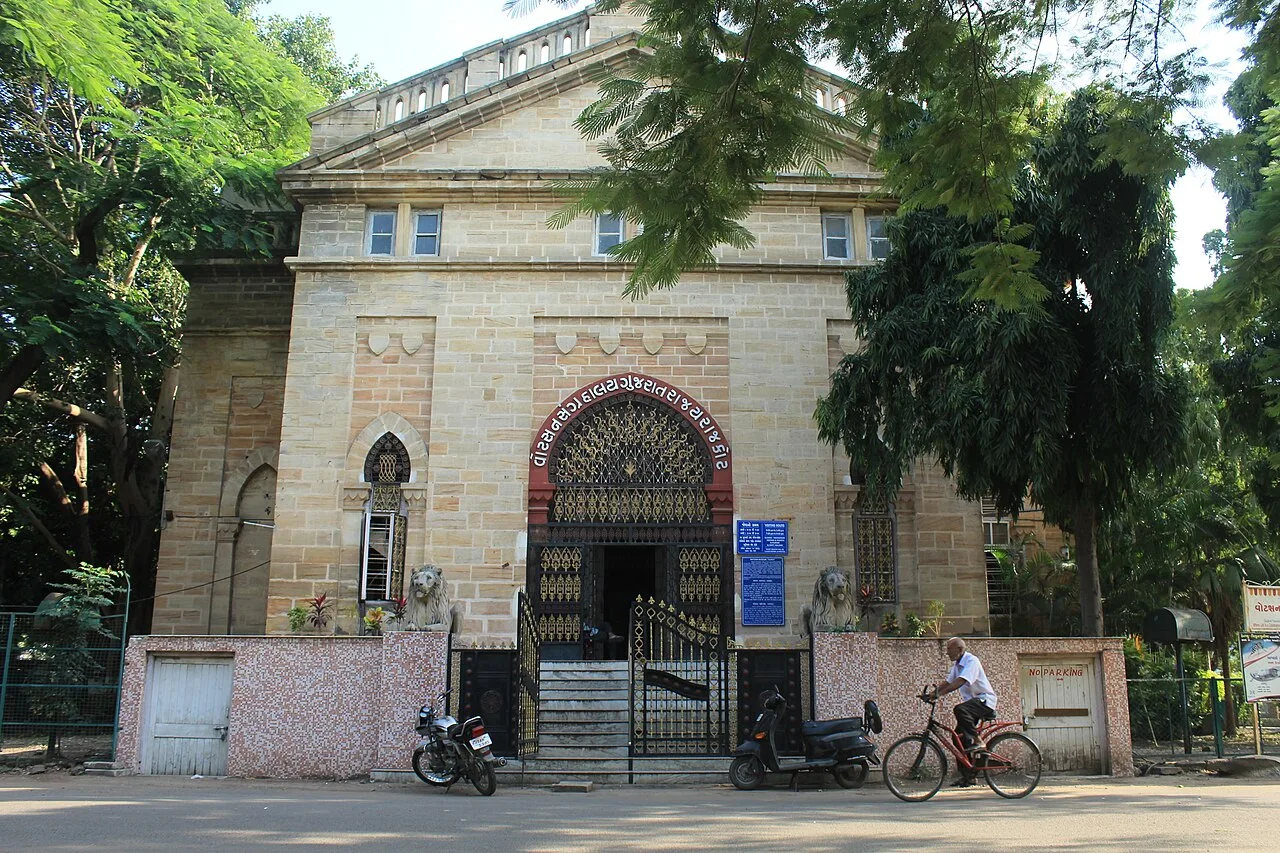
Watson Museum

Watson Museum in Rajkot district displays objects connected with the former princely State of Rajkot. Visitors can also see photographs and artefacts, consult its reference library, and find museum publications at the sales counter.

Gir National Park

76 km away · Gir Somnath district

Gir National Park

Gir National Park, also called Sasan Gir, is a protected area in Gujarat known for its Asiatic lions. Visitors come to see its wildlife and forest landscape.

Kirti Mandir

88 km away · Porbandar district

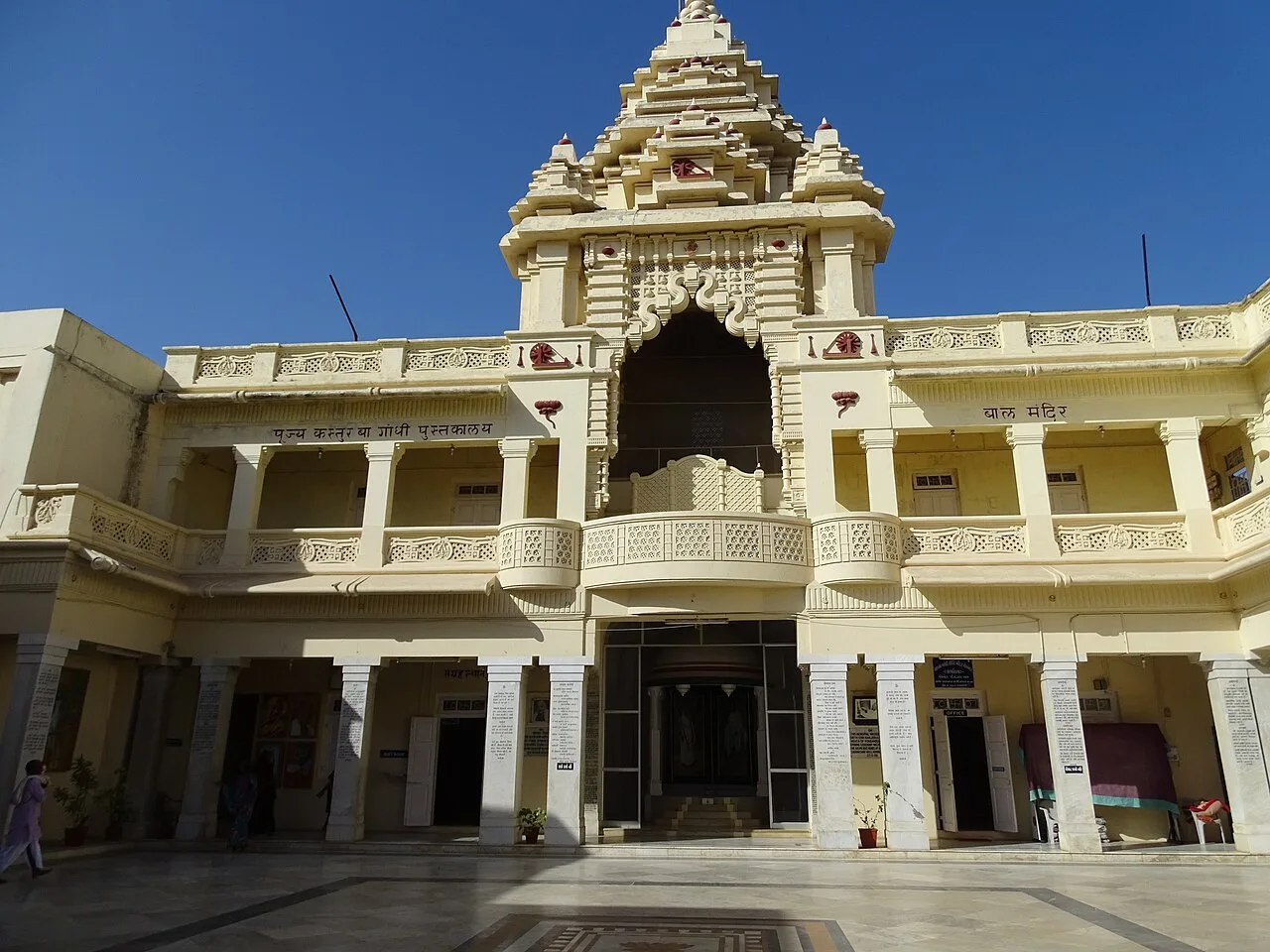
Kirti Mandir

Kirti Mandir is a museum and memorial in Porbandar, Gujarat, honouring Mohandas Karamchand Gandhi and Kasturba Gandhi. Visitors come to view Gandhi-related exhibits and photographs and to access his ancestral home.

Lakhota Lake

91 km away · Jamnagar district

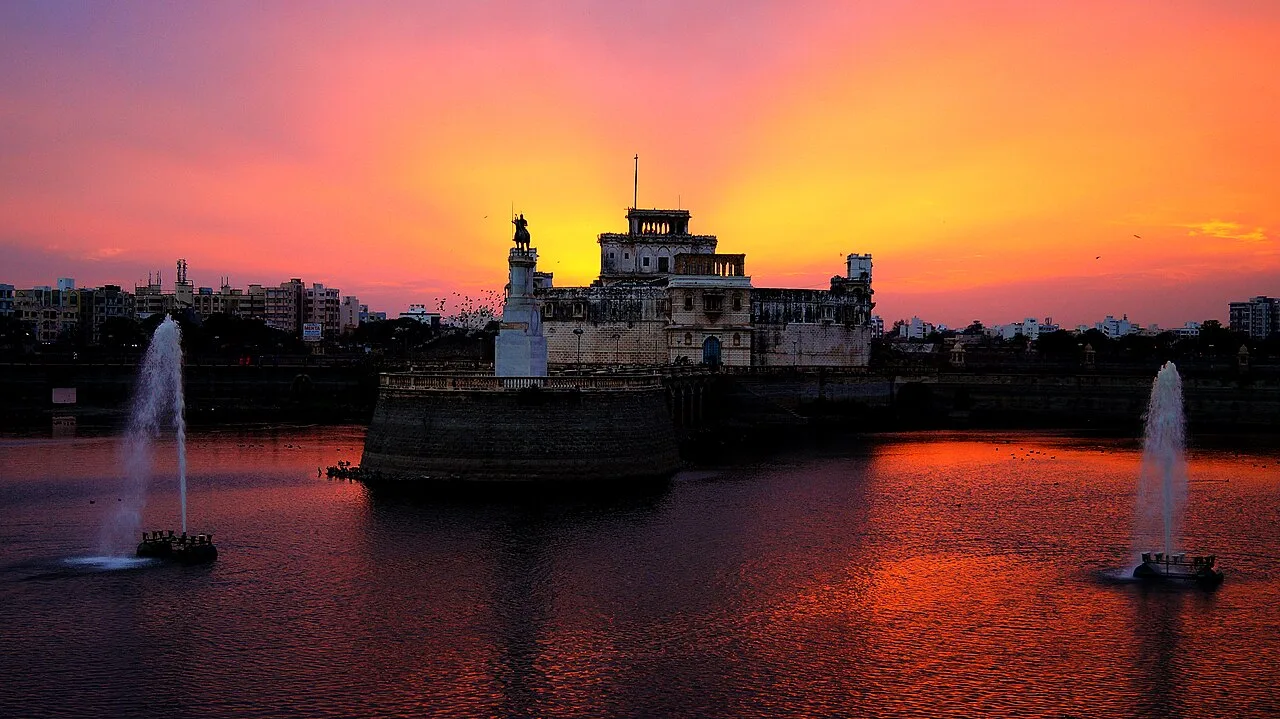
Lakhota Lake

Lakhota Lake is an artificial lake in central Jamnagar, Gujarat, also known as Lakhota Talav and Ranmal Lake. Visitors come to see Lakhota Fort, which stands on an island in the water.

Map

Dhoraji on the map

  1. 1Sakkarbaug Zoological Garden
  2. 2Mahabat Maqbara complex
  3. 3Uparkot Fort
  4. 4Girnar Hill
  5. 5Watson Museum
  6. 6Gir National Park
  7. 7Kirti Mandir
  8. 8Lakhota Lake

Gujarat

Other cities to explore