Ghumoopedia — Explore, Discover, Experience
Sign in
Sayaji Baug, near Anklav

City guide · Gujarat

Anklav

Anklav is a small municipality in Anand district, in central Gujarat. Its importance is primarily regional: it serves residents of the town and nearby villages, linking local daily needs with the wider network of settlements around Anand.

Famous for

  • Anand district location
  • Gujarati regional culture
  • Agricultural hinterland
  • Local market connections

Why Anklav matters

Anklav is a small municipality in Anand district, in central Gujarat. Its importance is primarily regional: it serves residents of the town and nearby villages, linking local daily needs with the wider network of settlements around Anand. Rather than being a major sightseeing centre, Anklav offers a view of everyday life in a Gujarati town, with neighbourhood shops, places of worship and community activity at its centre.

Visitors are most likely to come for family or local business, or to explore the rural surroundings. Anklav does not have a widely established national profile for a particular monument, craft or food, so it is best approached as a quieter stop rather than a destination built around a single attraction. Its appeal lies in experiencing the pace of a smaller town and using it as a base for nearby places in the district. Gujarati is central to local life, while connections to Anand and other towns make the area accessible to travellers exploring central Gujarat.
Famous for: crafts, trade & products

Anklav is not widely documented as a centre for a signature textile, saree, handicraft or GI-tagged product. Nor is there a nationally recognised industrial product associated specifically with the town. Its character is more that of a local service and market centre for residents of Anklav and the surrounding countryside. The shops in and around the central town area are the most practical places to look for everyday goods and locally sold food items.

Travellers seeking specialist crafts, branded regional products or a larger choice of shops may find more options in Anand and other larger district centres. In Anklav, ask local shopkeepers about goods made or grown nearby rather than assuming that a particular product is a town specialty. Small businesses and markets primarily serve local needs, so the range can vary. There is no well-established visitor market or dedicated craft quarter to point to; browsing the town centre is a better way to get a sense of its commerce and everyday routines.

History

Anklav’s history is not well represented in widely available accounts, and a specific founding story or sequence of rulers for the town cannot be stated confidently. Its growth is best understood in the context of the settled agricultural landscape of central Gujarat, where towns commonly developed as places for local administration, trade and services for surrounding villages. Regional political authority changed over the centuries, but those broader shifts should not be mistaken for a documented town-by-town history of Anklav.

In the modern period, Anklav developed as a municipal town within Anand district. Its role has remained closely tied to the needs of its local population and neighbouring settlements, rather than to a major industrial or administrative function. The district’s larger urban centres provide wider services and transport connections, while Anklav retains the scale and character of a smaller town. For more detailed local history, municipal records and accounts from residents are likely to offer more specific information than general regional histories.

Food, festivals & culture

Gujarati is the principal language of everyday life in Anklav; Hindi is also useful for visitors, and English may be understood in some businesses. Meals follow familiar Gujarati patterns, with rotli, rice, dal, vegetable dishes, snacks and sweets common across the region. There is no reliably documented Anklav-specific dish or sweet to single out, so visitors can ask locally about seasonal or household specialities. Small eateries and shops are the most natural places to sample everyday food.

Diwali, Navratri, Uttarayan and Holi are widely observed across Gujarat and are part of the region’s cultural calendar; their dates vary each year, and the celebrations generally follow their usual seasonal periods. Navratri is associated with devotional music and garba, while community gatherings and worship shape many festival occasions. Local temples and other neighbourhood places of worship are important to community life, though no single site is established as a major visitor landmark. The town’s cultural experience is best found in its everyday social life and festival gatherings.

Visiting the city

The cooler months, roughly October to February, are generally the most comfortable time to visit; summer can be very hot, while the monsoon brings rain and humid conditions. Vadodara Airport is a practical nearby airport, and Anand Junction is the main railway station to use for rail connections. From either, continue by road toward Anklav; check current connections locally, as services can change.

Within town, short trips can be made by auto-rickshaw or local vehicle, while taxis and buses are useful for journeys between settlements. The central market streets and nearby residential areas offer a sense of everyday town life. Allow time for a relaxed walk and, if interested, ask residents about neighbourhood places of worship or nearby village visits. Anklav is a modest town rather than a concentrated sightseeing destination, so pairing it with other stops in Anand district can make for a fuller trip.

Trips from the city

Nearest places to visit from Anklav

Our closest destination guides, by straight-line distance.

Sayaji Baug

21 km away · Vadodara district

Sayaji Baug

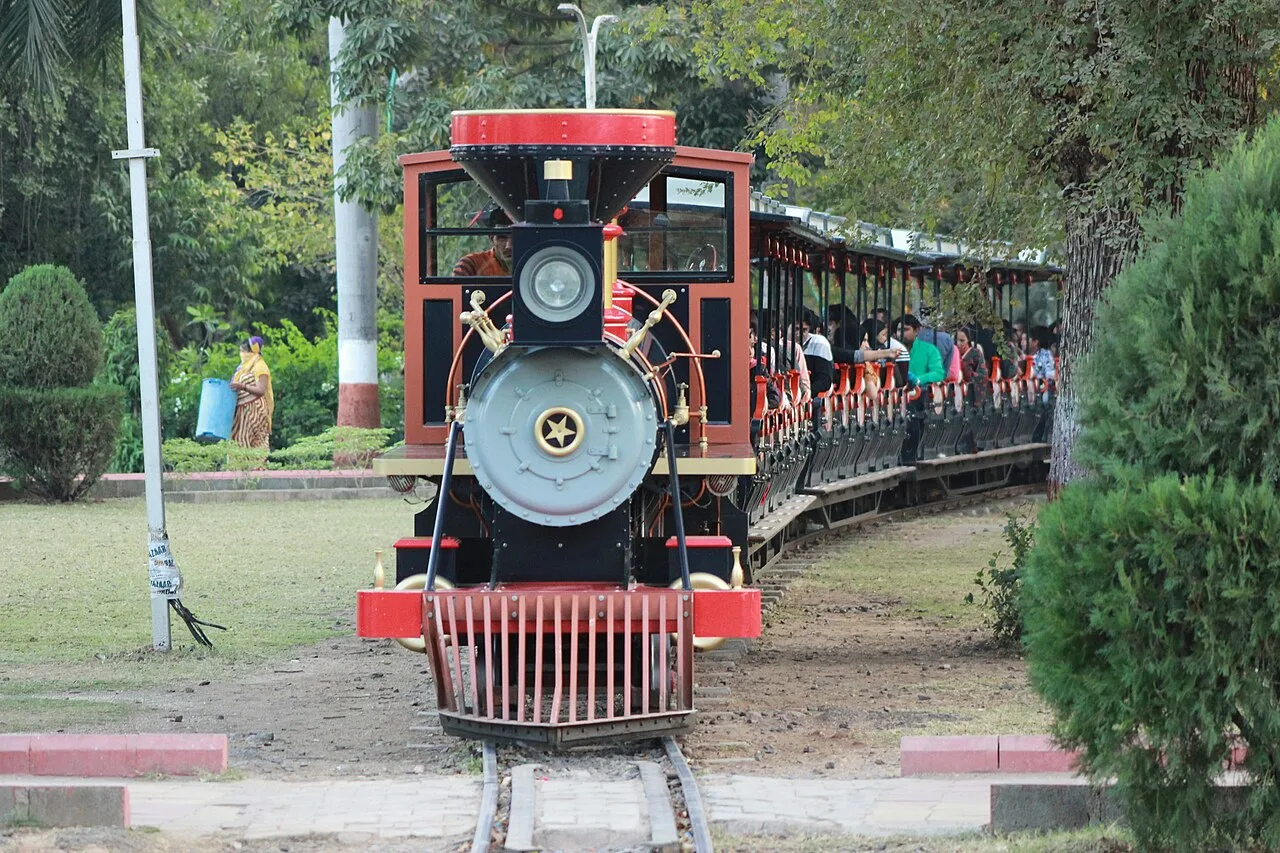
Sayaji Baug, also called Kamati Baug, is a garden in Vadodara, Gujarat, established by Maharaja Sayajirao Gaekwad and visited for recreation and tourism.

Lakshmi Vilas Palace

22 km away · Vadodara district

Lakshmi Vilas Palace

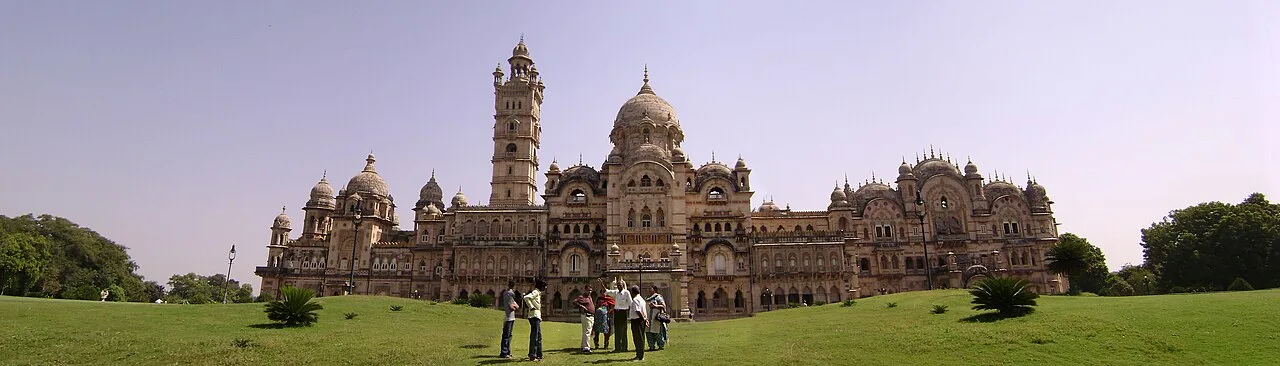
Lakshmi Vilas Palace is a former Gaekwad royal residence in Vadodara, known for its Indo-Saracenic architecture and extensive grounds. People visit to see the palace, its museum and links to the dynasty.

Dakor

44 km away · Kheda district

Dakor

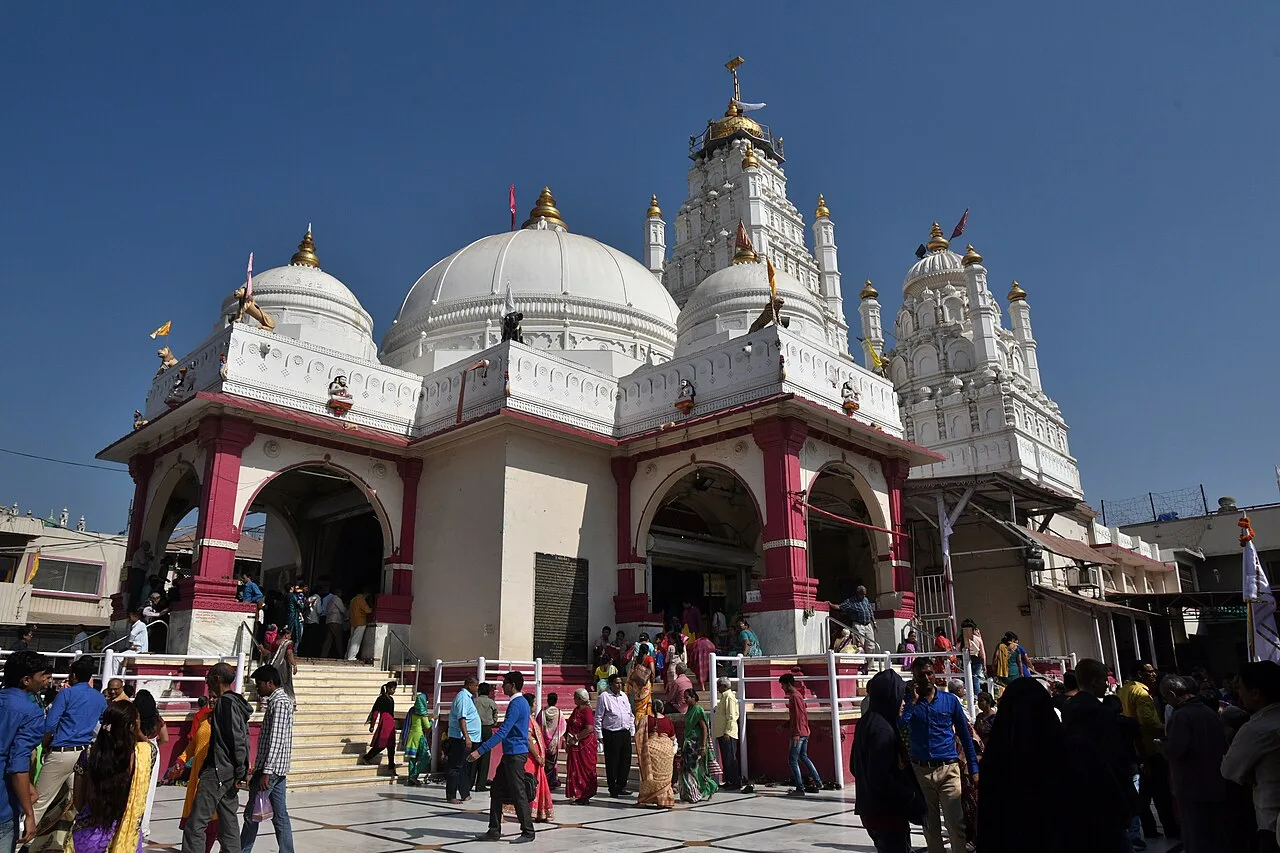
Dakor is a small city and municipality in Gujarat’s Kheda district, known for the temple of Raṇchoḍrāyjī, which draws people to the town.

Pavagadh

54 km away · Panchmahal district

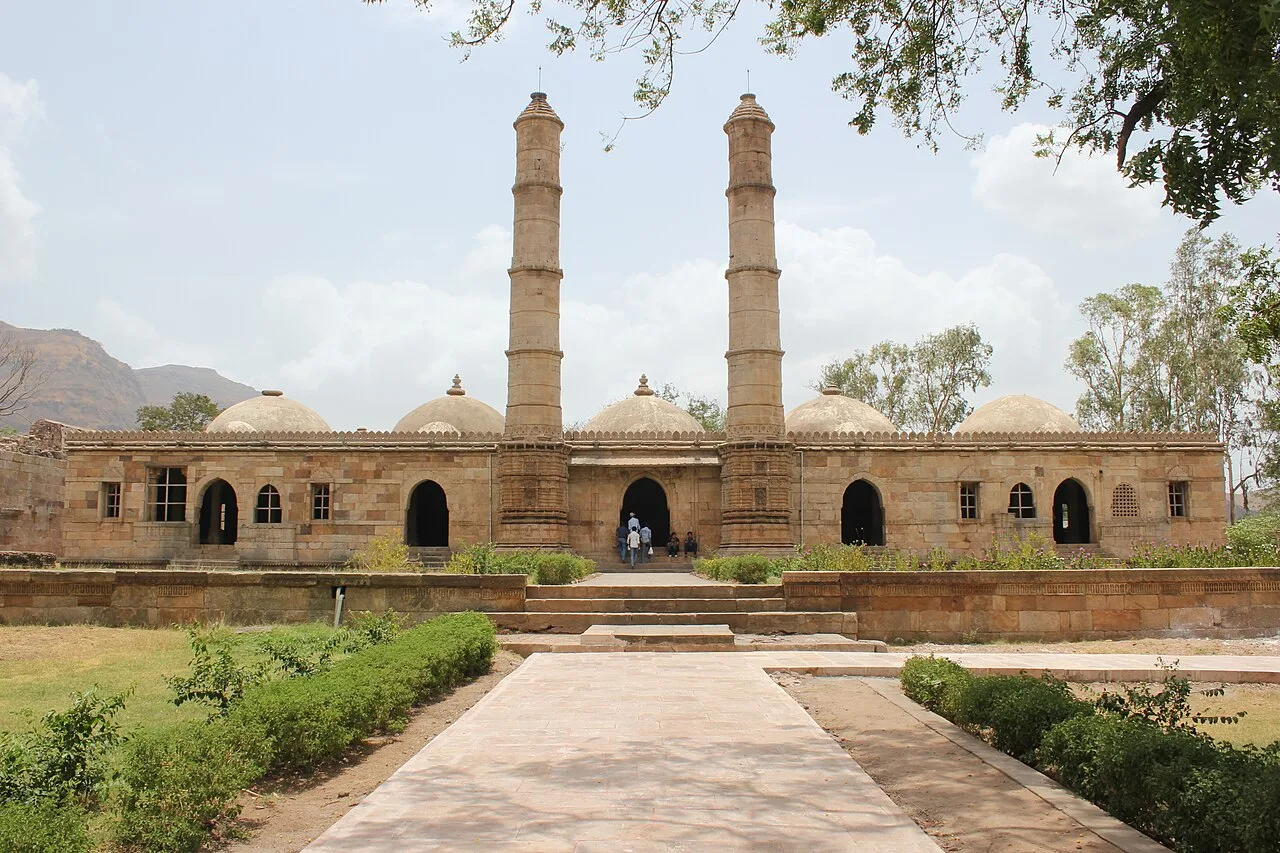
Pavagadh

Pavagadh is a municipal area in Gujarat’s Panchmahal district, about 46 kilometres from Vadodara. Visitors come to see its Mahakali temple and the Champaner-Pavagadh Archaeological Park, a UNESCO World Heritage Site.

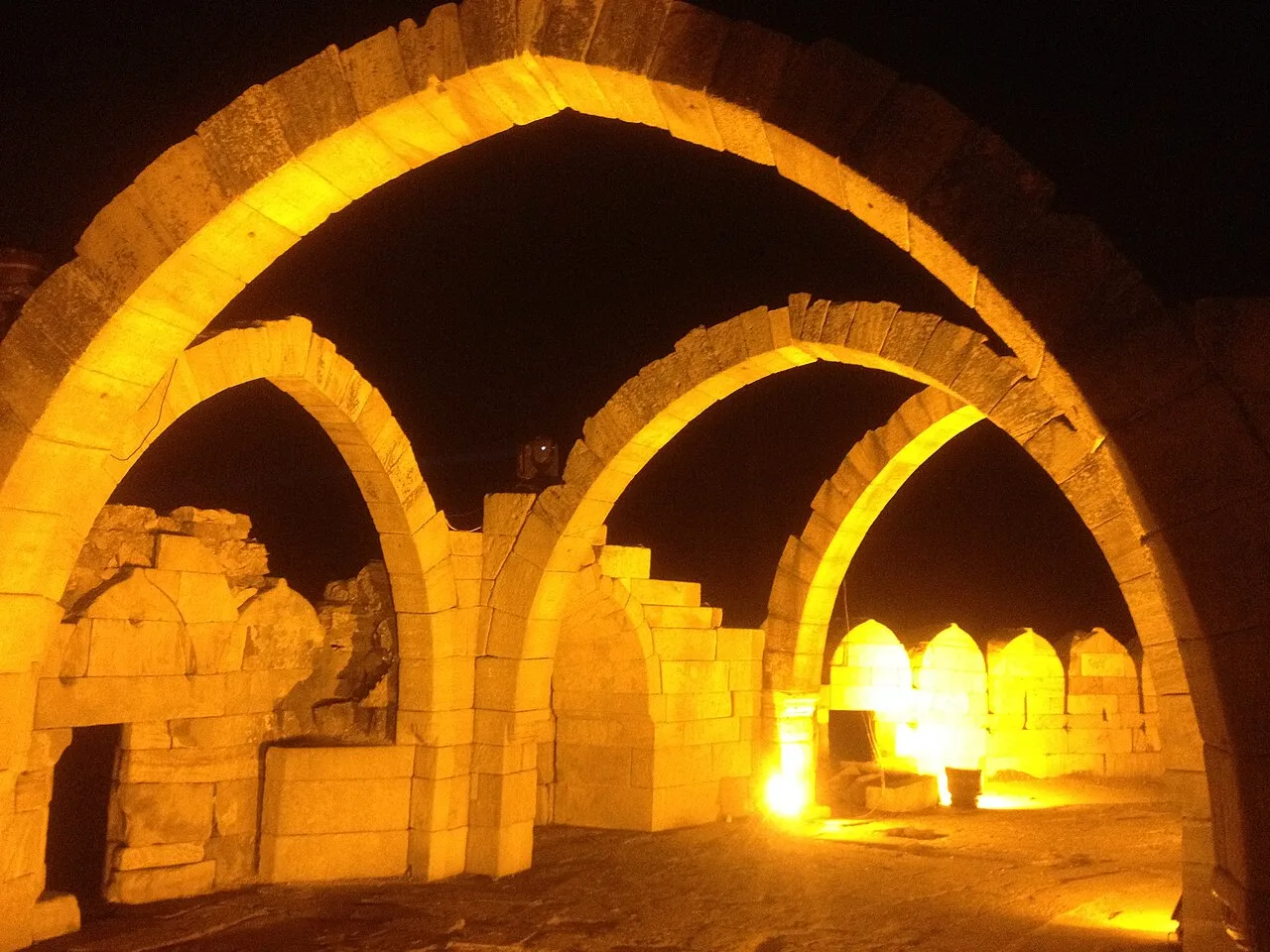
Champaner-Pavagadh Archaeological Park

56 km away · Panchmahal district

Champaner-Pavagadh Archaeological Park

This archaeological park in Gujarat’s Panchmahal district preserves Champaner, Pavagadh’s hill fortress and monuments from several periods. Visitors explore its historic architecture and visit the Kalika Mata Temple.

Lothal

79 km away · Ahmedabad district

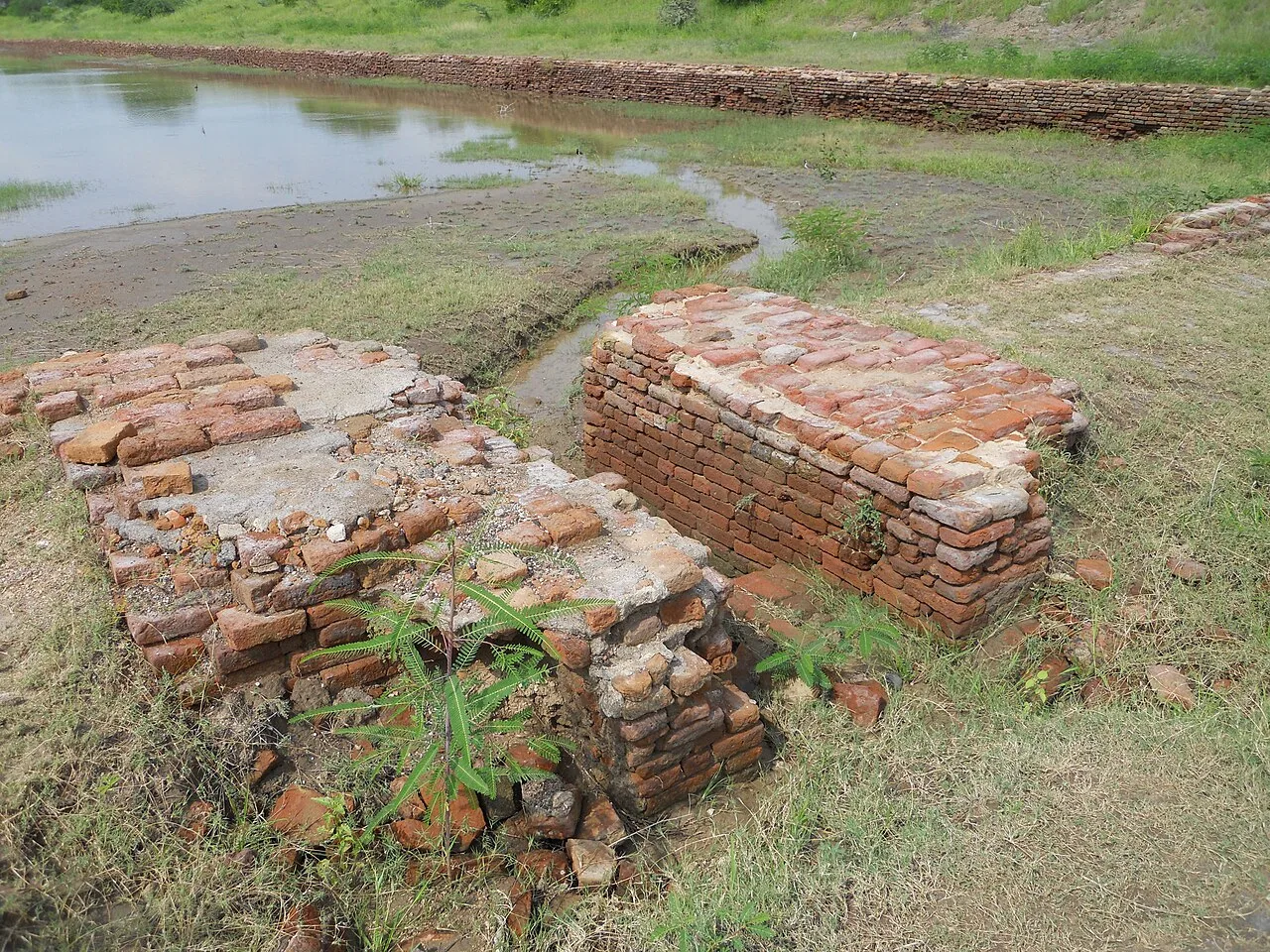
Lothal

Lothal is a settlement of the ancient Indus Valley Civilisation in Gujarat. Visitors come to learn about its place among the civilisation’s southernmost sites and its early history.

Kankaria Lake

81 km away · Ahmedabad district

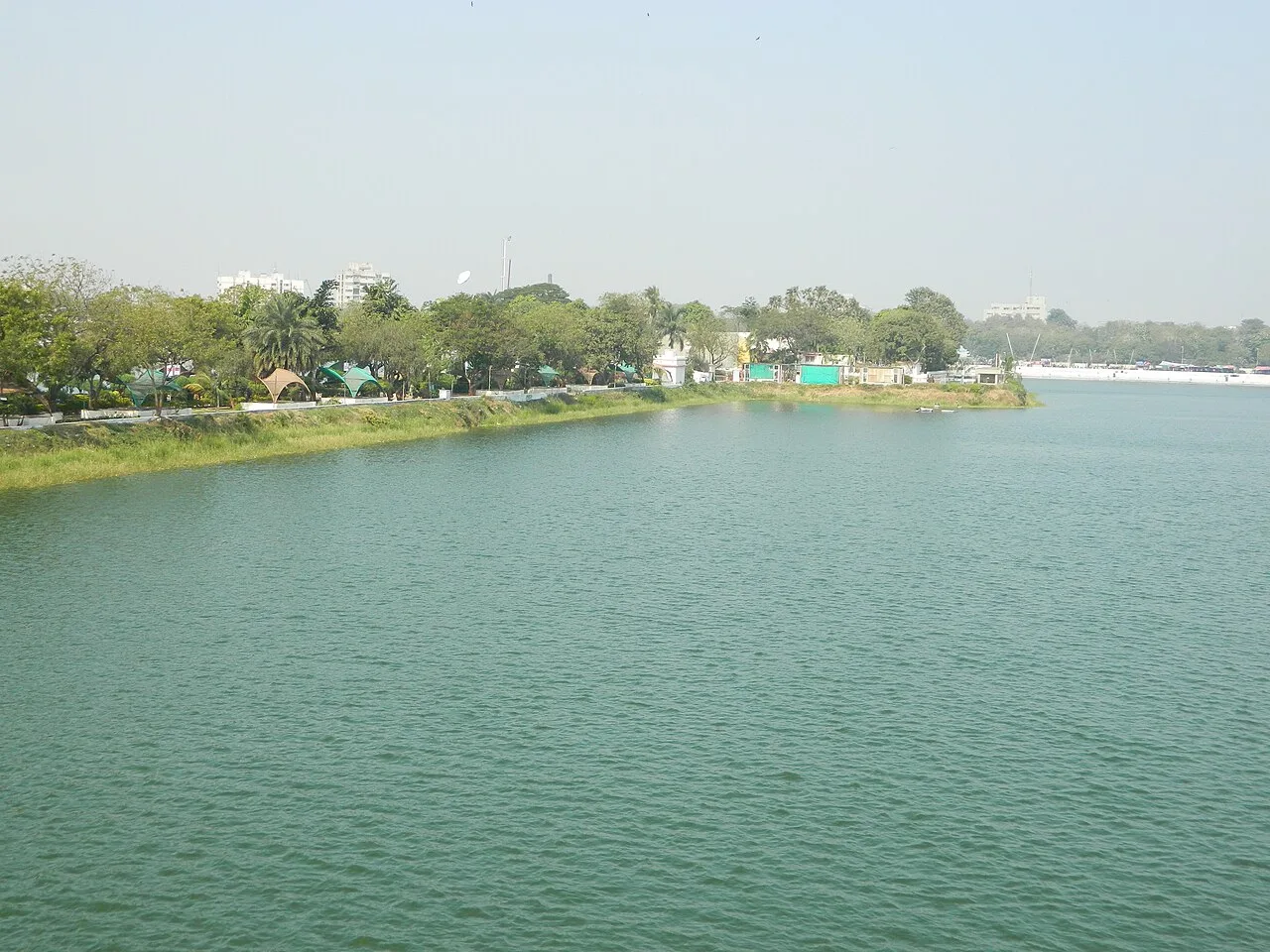
Kankaria Lake

Kankaria Lake is Ahmedabad’s largest lake, situated in Maninagar. Visitors come for its leisure attractions and the cultural, artistic and social programme of the Kankaria Carnival.

Jama Masjid, Ahmedabad

83 km away · Ahmedabad district

Jama Masjid, Ahmedabad

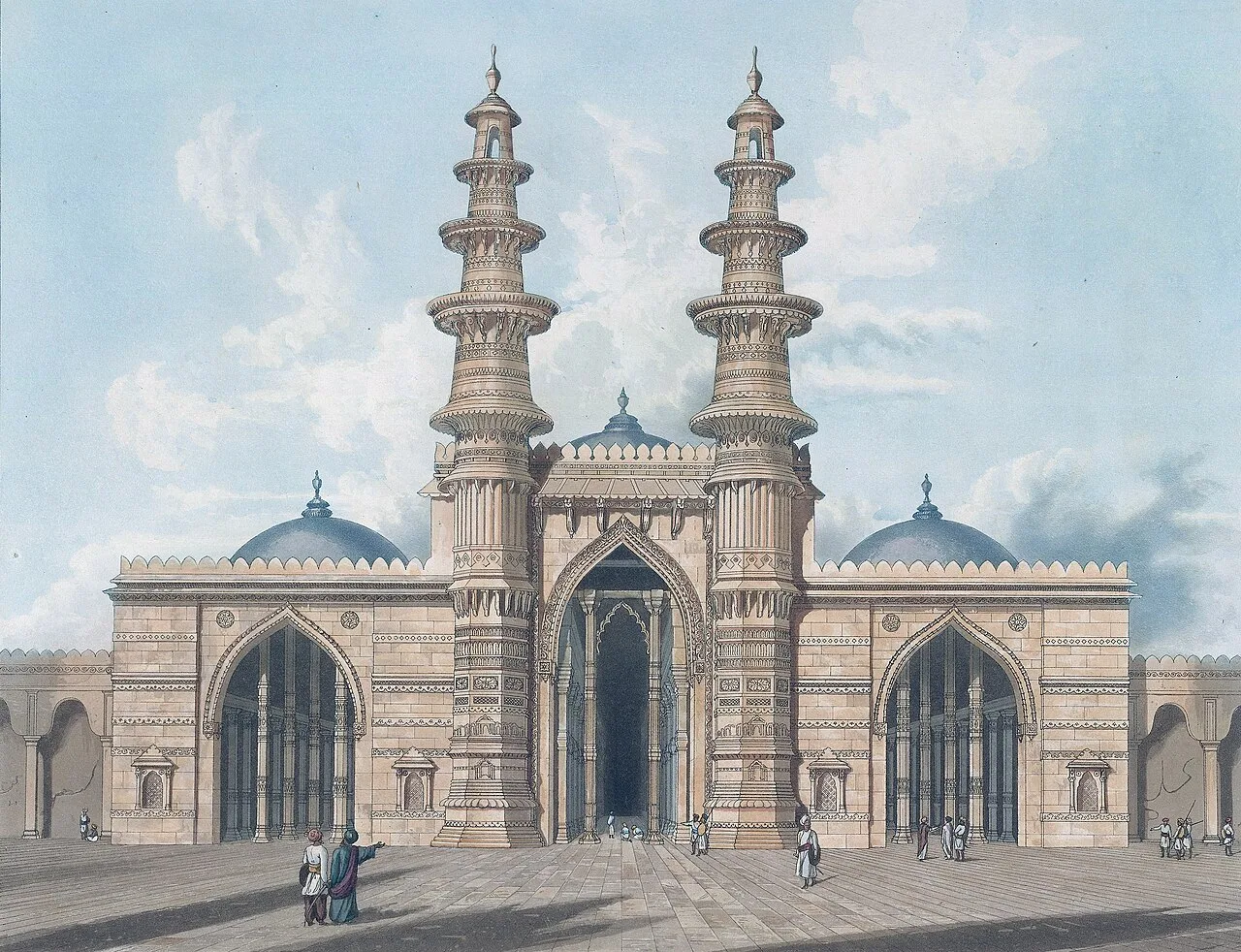
Ahmedabad’s Jama Masjid is a historic Friday mosque in the old city, visited for its impressive scale, central courtyard and expression of Gujarat-style architecture.

Map

Anklav on the map

  1. 1Sayaji Baug
  2. 2Lakshmi Vilas Palace
  3. 3Dakor
  4. 4Pavagadh
  5. 5Champaner-Pavagadh Archaeological Park
  6. 6Lothal
  7. 7Kankaria Lake
  8. 8Jama Masjid, Ahmedabad

Gujarat

Other cities to explore