Ghumoopedia — Explore, Discover, Experience
Sign in
Dakor, near Vaso

City guide · Gujarat

Vaso

Vaso is a village in Gujarat’s Kheda district, in the wider Nadiad area. Its appeal is quieter and more specific than that of a large tourist centre: visitors come to see Vithalbhai Haveli, a late-18th-century residence noted for its carved wooden pillars, beams, door frames, ceilings and doors.

Famous for

  • Vithalbhai Haveli
  • Late-18th-century architecture
  • Carved wooden details
  • Kheda district heritage
Plan a tripHotels near Vaso

Why Vaso matters

Vaso is a village in Gujarat’s Kheda district, in the wider Nadiad area. Its appeal is quieter and more specific than that of a large tourist centre: visitors come to see Vithalbhai Haveli, a late-18th-century residence noted for its carved wooden pillars, beams, door frames, ceilings and doors. The haveli offers a glimpse of the craftsmanship and domestic architecture associated with older homes in the region.

Vaso also gives travellers a chance to experience a village setting in central Gujarat, with Nadiad and Kheda serving as nearby urban centres for transport and services. It is best approached as a short heritage visit rather than a destination with a large range of established attractions. The village’s importance for visitors rests chiefly on its historic house and its place within Kheda’s rural landscape. Before planning a visit specifically to the haveli, check locally about access, as a historic residence may not operate as a regular public museum.
Famous for: crafts, trade & products

Vaso’s best-known heritage feature is Vithalbhai Haveli, whose carved timberwork gives it architectural interest. Visitors should therefore avoid expecting a dedicated craft bazaar or a signature product market in the village.

For everyday purchases, look to local shops in Vaso; for a broader choice of clothing, household goods and regional foods, Nadiad is the nearby urban centre to consider. These are general shopping options rather than a claim that particular products originate in Vaso. The haveli is the clearest place to appreciate local heritage, but it is not necessarily a retail venue. If you are interested in traditional woodwork or other crafts, ask locally about artisans and current availability rather than assuming that workshops or sales outlets are open to visitors. Vaso is most rewarding for its historic architecture and village character, not for a documented specialist trade.

History

Vaso’s most visible historical landmark is Vithalbhai Haveli, a residence dating to the late 18th century. Its elaborately carved wooden pillars, frames, beams, ceilings and doors point to the importance of skilled carpentry and decorative timberwork in the region’s domestic architecture. The haveli provides a tangible marker of the village’s older built heritage, although a fuller account of its original owners and construction history should be confirmed locally.

Vaso’s wider history is connected to Kheda, a long-settled agricultural region of Gujarat. During the colonial period, the region came under British administration; following independence it was governed within the state of Bombay, before Gujarat was formed as a separate state in 1960. Vaso is now part of Kheda district, with Nadiad serving as a nearby urban centre. Its development is best understood through this regional setting and the continued presence of village life, rather than through a documented sequence of major urban expansions or prominent rulers specific to Vaso.

Food, festivals & culture

Vaso shares the food traditions of central Gujarat. Everyday meals commonly associated with the region include rotli, vegetables, dal, rice and khichdi, often accompanied by kadhi, pickles or farsan. Gujarati sweets such as mohanthal and dishes such as handvo are familiar across the state, but they should be treated as regional options rather than specialities unique to Vaso. For a wider choice of restaurants and food shops, nearby Nadiad is a practical option.

Gujarati is the principal language of local life; Hindi is also useful to visitors. Navratri, usually in autumn, is marked across Gujarat by devotional gatherings and garba, while Diwali falls in autumn, Uttarayan in January and Holi in spring. Celebrations in a village may be community-based, so arrangements can vary from year to year. Local places of worship and community spaces are part of everyday cultural life, though visitors should ask residents for guidance on appropriate access and conduct. There is no single documented performance venue or annual event in Vaso that visitors should assume is open to the public.

Visiting the city

The cooler months, roughly October to February, are generally the most comfortable time to visit; summer can be very hot, while monsoon weather may affect road journeys. The nearest major airport is Sardar Vallabhbhai Patel International Airport in Ahmedabad. Nadiad Junction is the main railway station to use for the area, with onward travel to Vaso by road.

Local taxis or hired cars are practical for reaching the village and moving between Vaso, Nadiad and Kheda; confirm local transport availability before setting out. In Vaso, focus on the village centre and Vithalbhai Haveli, and allow time to explore the surrounding rural setting respectfully. Ask locally about access to the haveli, since opening arrangements may not be formal or regular. Nadiad is the most convenient nearby base for a wider range of services and dining.

Trips from the city

Nearest places to visit from Vaso

Our closest destination guides, by straight-line distance.

Dakor

42 km away · Kheda district

Dakor

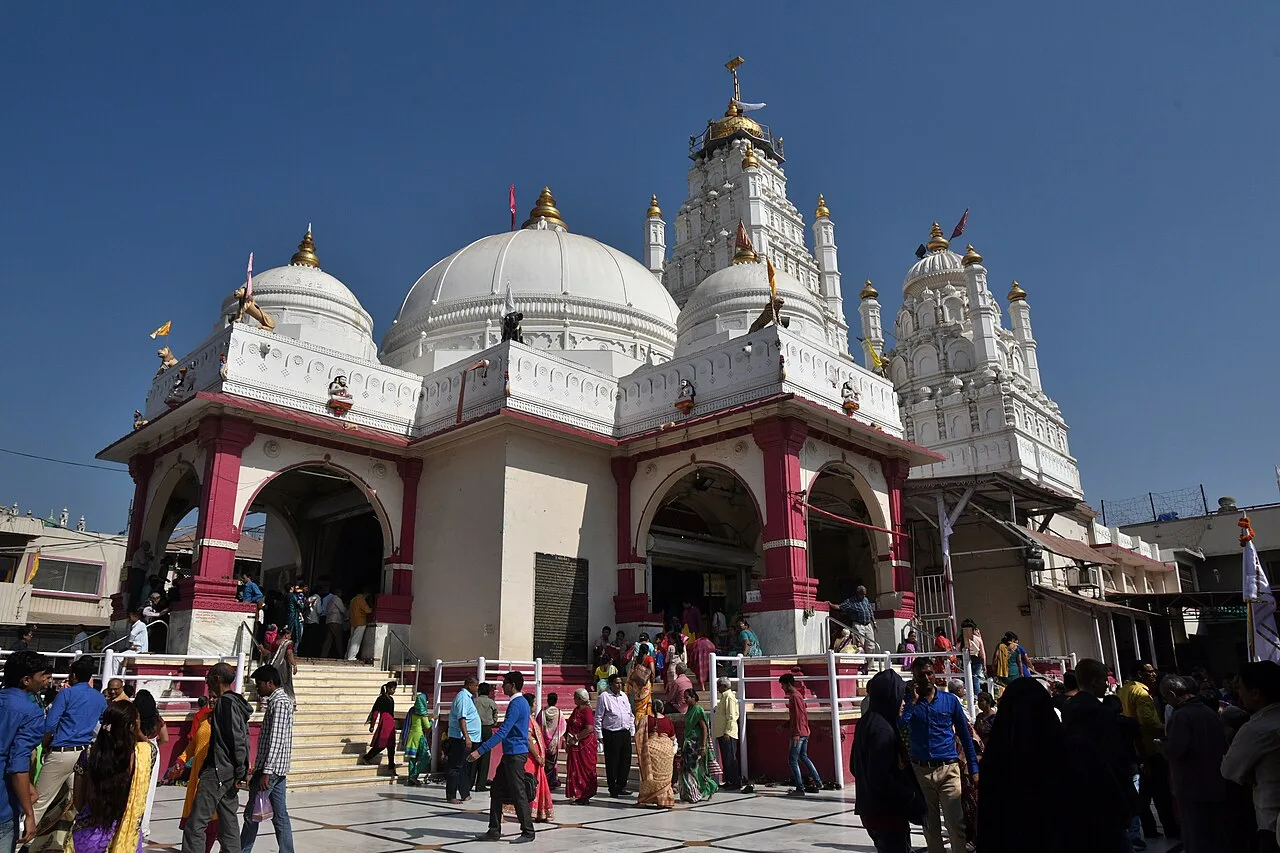
Dakor is a small city and municipality in Gujarat’s Kheda district, known for the temple of Raṇchoḍrāyjī, which draws people to the town.

Kankaria Lake

42 km away · Ahmedabad district

Kankaria Lake

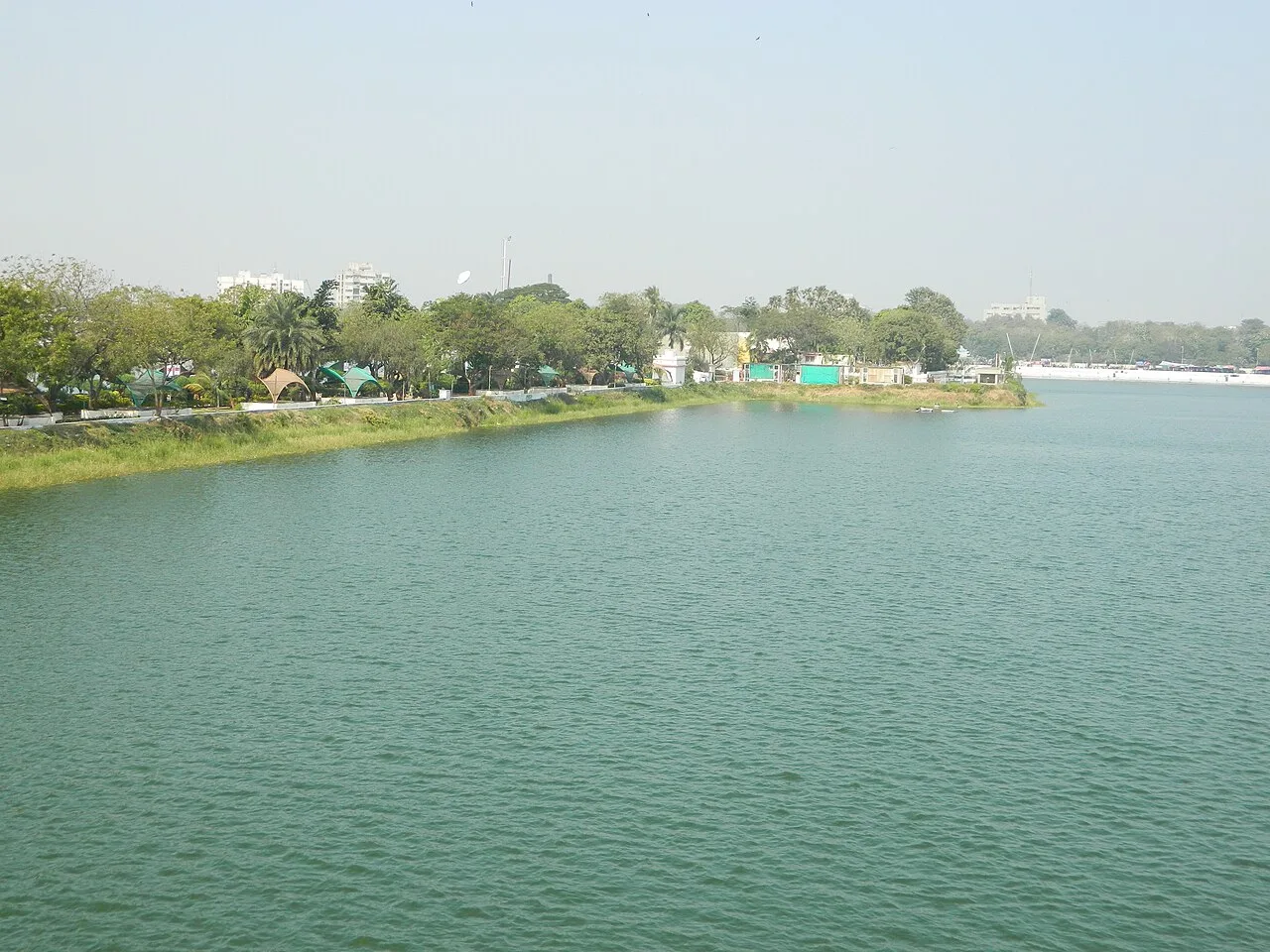
Kankaria Lake is Ahmedabad’s largest lake, situated in Maninagar. Visitors come for its leisure attractions and the cultural, artistic and social programme of the Kankaria Carnival.

Bhadra Fort

44 km away · Ahmedabad district

Bhadra Fort

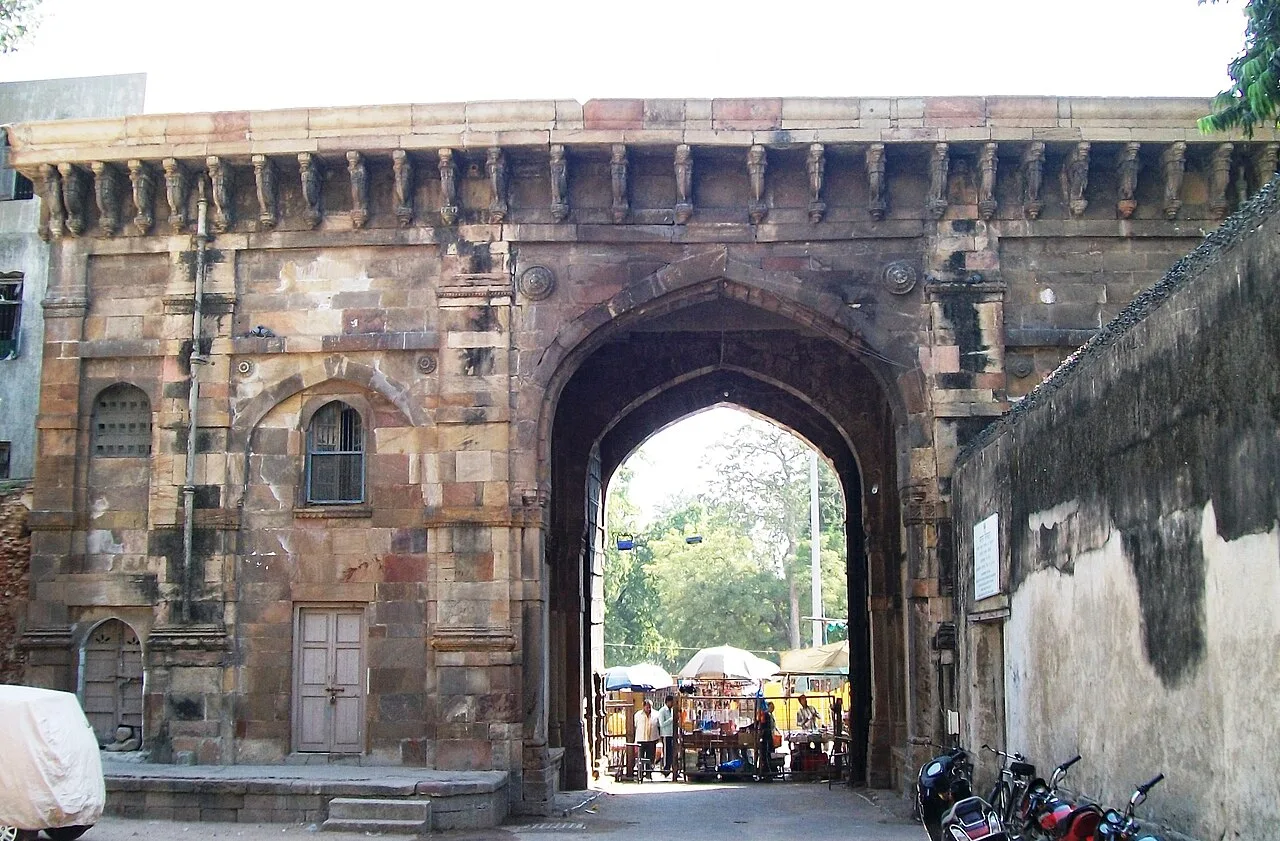
This historic Ahmedabad complex brings together royal buildings, mosques, gateways and open areas. Visitors explore its architecture and its present role as a cultural centre for the city.

Jama Masjid, Ahmedabad

44 km away · Ahmedabad district

Jama Masjid, Ahmedabad

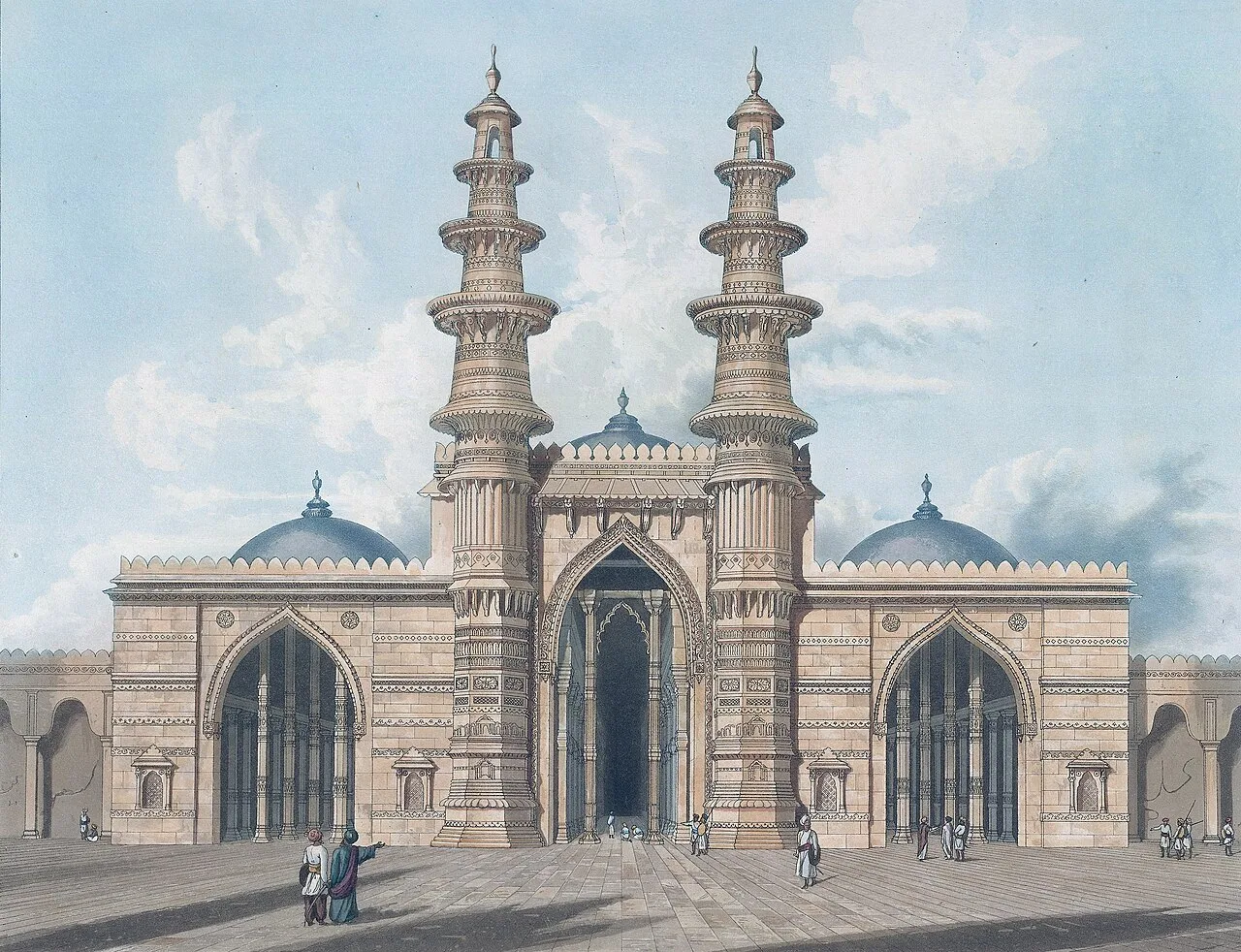
Ahmedabad’s Jama Masjid is a historic Friday mosque in the old city, visited for its impressive scale, central courtyard and expression of Gujarat-style architecture.

Sidi Saiyyed Mosque

44 km away · Ahmedabad district

Sidi Saiyyed Mosque

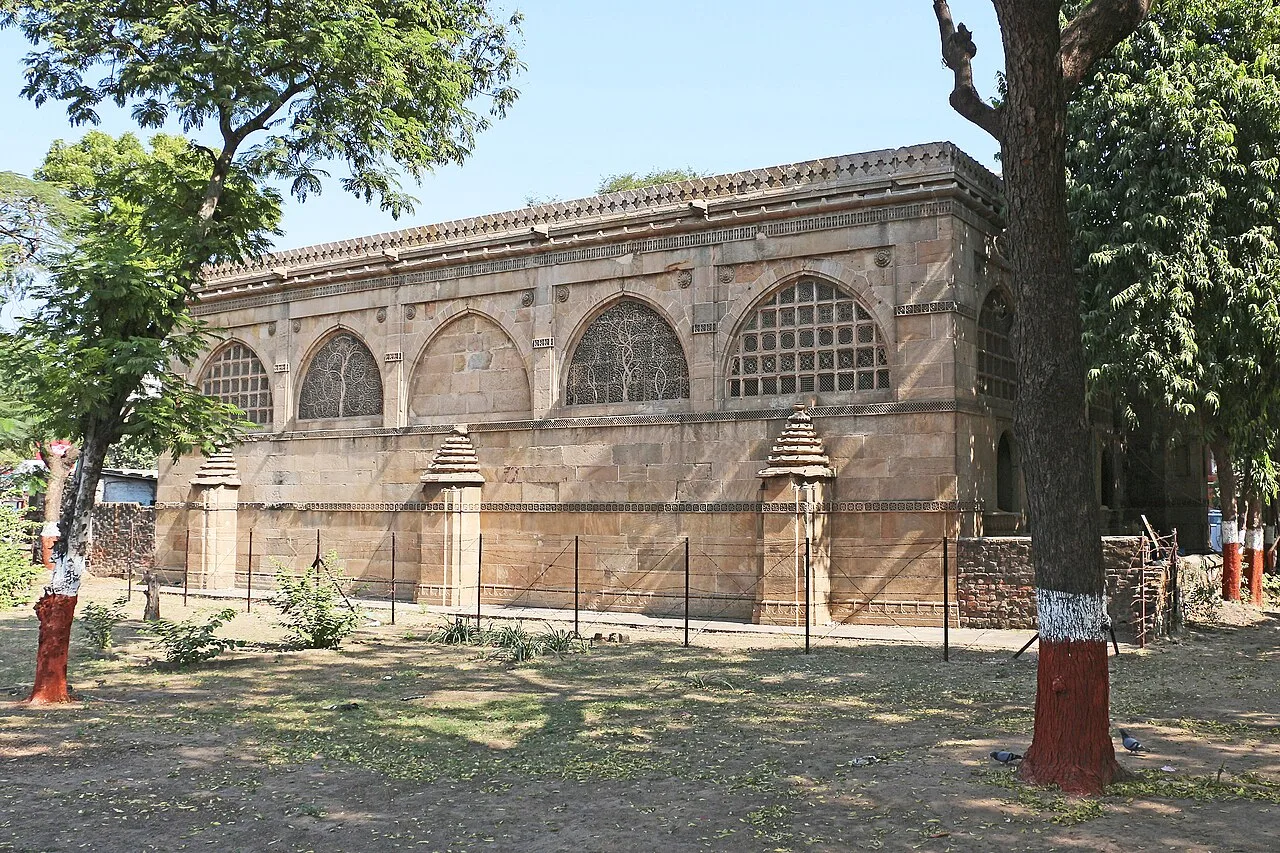
Sidi Saiyyed Mosque is a Sunni place of worship in Ahmedabad, Gujarat, also known locally as Sidi Saiyyed ni Jali. Visitors come to see this nationally important historic monument.

Dada Harir Stepwell

45 km away · Ahmedabad district

Dada Harir Stepwell

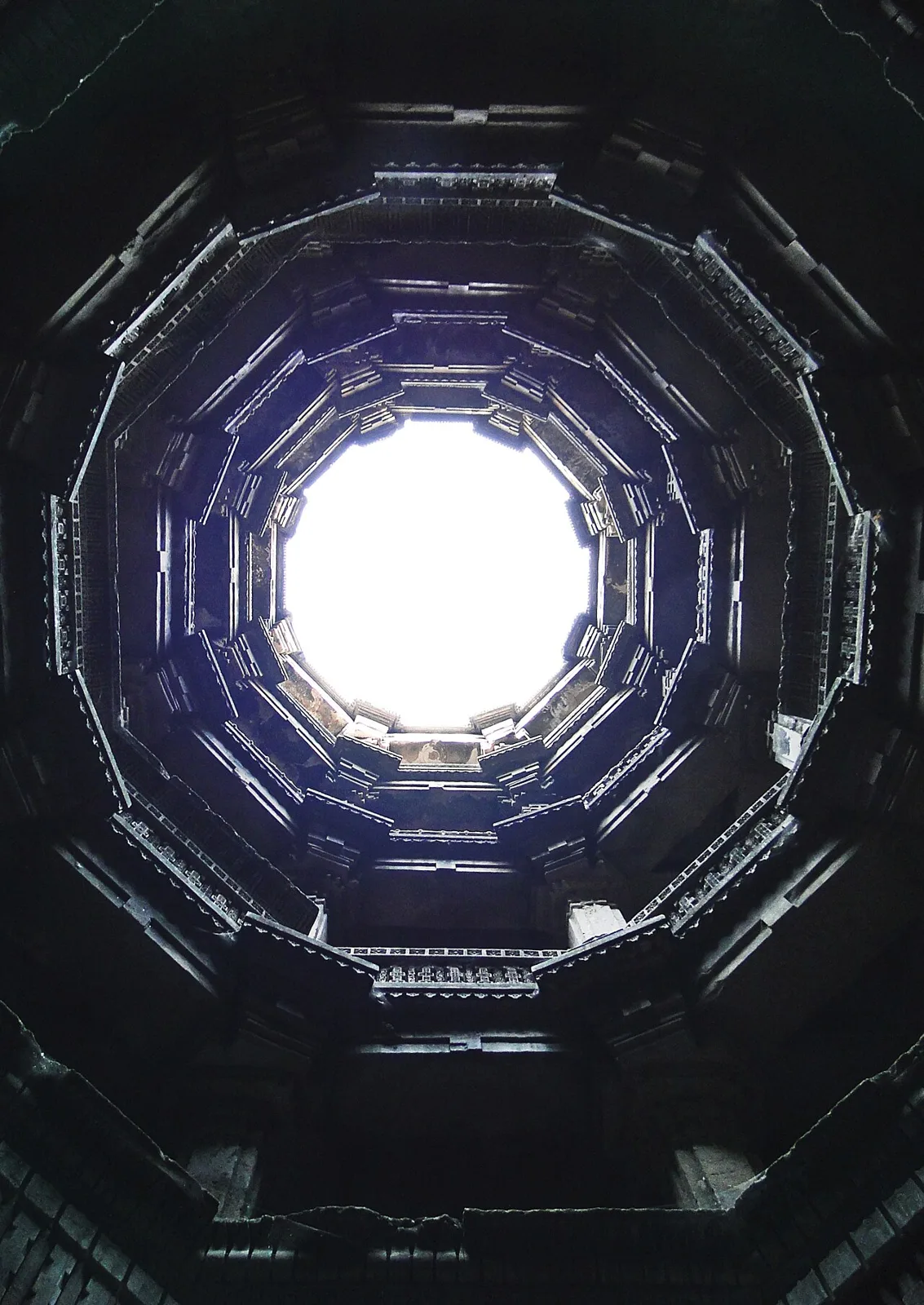
Dada Harir Stepwell is a fifteenth-century stepwell in Asarwa, Ahmedabad district, Gujarat. Visitors can see this historic structure about 15 kilometres from Ahmedabad.

Sarkhej Roza

45 km away · Ahmedabad district

Sarkhej Roza

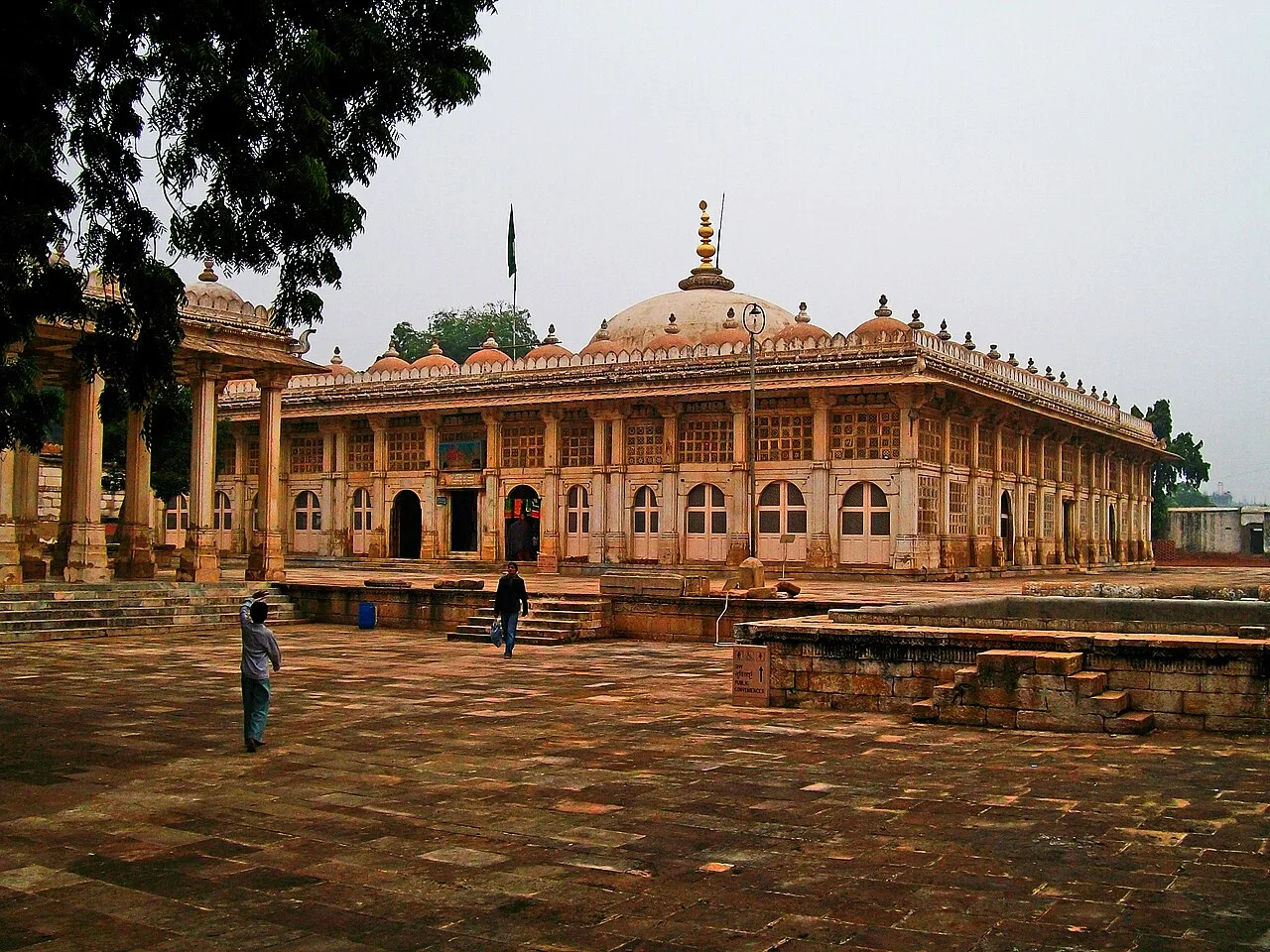
Sarkhej Roza is a Sufi religious complex in Makarba, Ahmedabad district, made up of a mosque and tombs. Visitors explore its nationally recognised status and its association with Shaikh Ahmed Ganj Baksh.

Hutheesing Jain Temple

46 km away · Ahmedabad district

Hutheesing Jain Temple

Ahmedabad's Hutheesing Jain Temple, in Gujarat, is a place of Jain worship built by the Hutheesing family in 1848. Visitors can see its blend of Maru-Gurjara temple design and haveli features.

Map

Vaso on the map

  1. 1Dakor
  2. 2Kankaria Lake
  3. 3Bhadra Fort
  4. 4Jama Masjid, Ahmedabad
  5. 5Sidi Saiyyed Mosque
  6. 6Dada Harir Stepwell
  7. 7Sarkhej Roza
  8. 8Hutheesing Jain Temple

Gujarat

Other cities to explore