
Ranthambore National Park
Ranthambore is a national park in Rajasthan’s Sawai Madhopur district, attracting visitors to its historic fort and its location between the Banas and Chambal rivers.
Key facts · verified by Ghumoopedia editors
- Type of place
- National park / sanctuary
- Best time to visit
- October to March
- Nearest railway station
- Sawai Madhopur · about 15 km (straight line)
- Nearest airport
- Jaipur International Airport · about 115 km (straight line)
- Verified
- 21 Nov 2026
Plan a trip from Ranthambore National Park — a day-by-day route through places nearby.
In Rajasthan’s Sawai Madhopur district, Ranthambore covers 1,334 km² (515 sq mi). The Banas River marks its northern boundary, while the Chambal River forms its southern limit. The park takes its name from Ranthambore Fort, a historic structure located within the park’s boundaries. The fort, like the park, is in Sawai Madhopur district. The park’s area, district, river borders and connection to the fort describe its geographical setting and the origin of its name. Rajasthan is the land of Rajput forts and palaces, painted havelis, desert folk music, puppetry and colourful fairs such as the Pushkar camel fair. Rajasthan is very hot from April to June — often above 45 °C in the desert — with a short monsoon in July–September. Winter days are pleasant and nights are cold, especially in the Thar Desert. Mount Abu is the state's only hill station and stays cooler. The usual best time to visit is October to March. Timings, fees and access arrangements must be confirmed locally. For official information, see Rajasthan Tourism at https://www.tourism.rajasthan.gov.in.
Why it matters
Ranthambore is a major protected landscape in Sawai Madhopur district, Rajasthan, and is part of the Ranthambore Tiger Reserve. Published accounts give the national park’s area as 1,334 km² and notes its position between the Banas and Chambal rivers. Its forests support wildlife conservation as well as nature tourism, though animal sightings are never assured. The historic Ranthambore Fort within the park’s boundaries is part of the UNESCO-listed Hill Forts of Rajasthan, inscribed in 2013. That recognition applies to the fort as a cultural property, not to the national park. The area is also locally important for pilgrimage to the fort’s Trinetra Ganesh temple; access and visitor arrangements are managed separately from ordinary town travel.
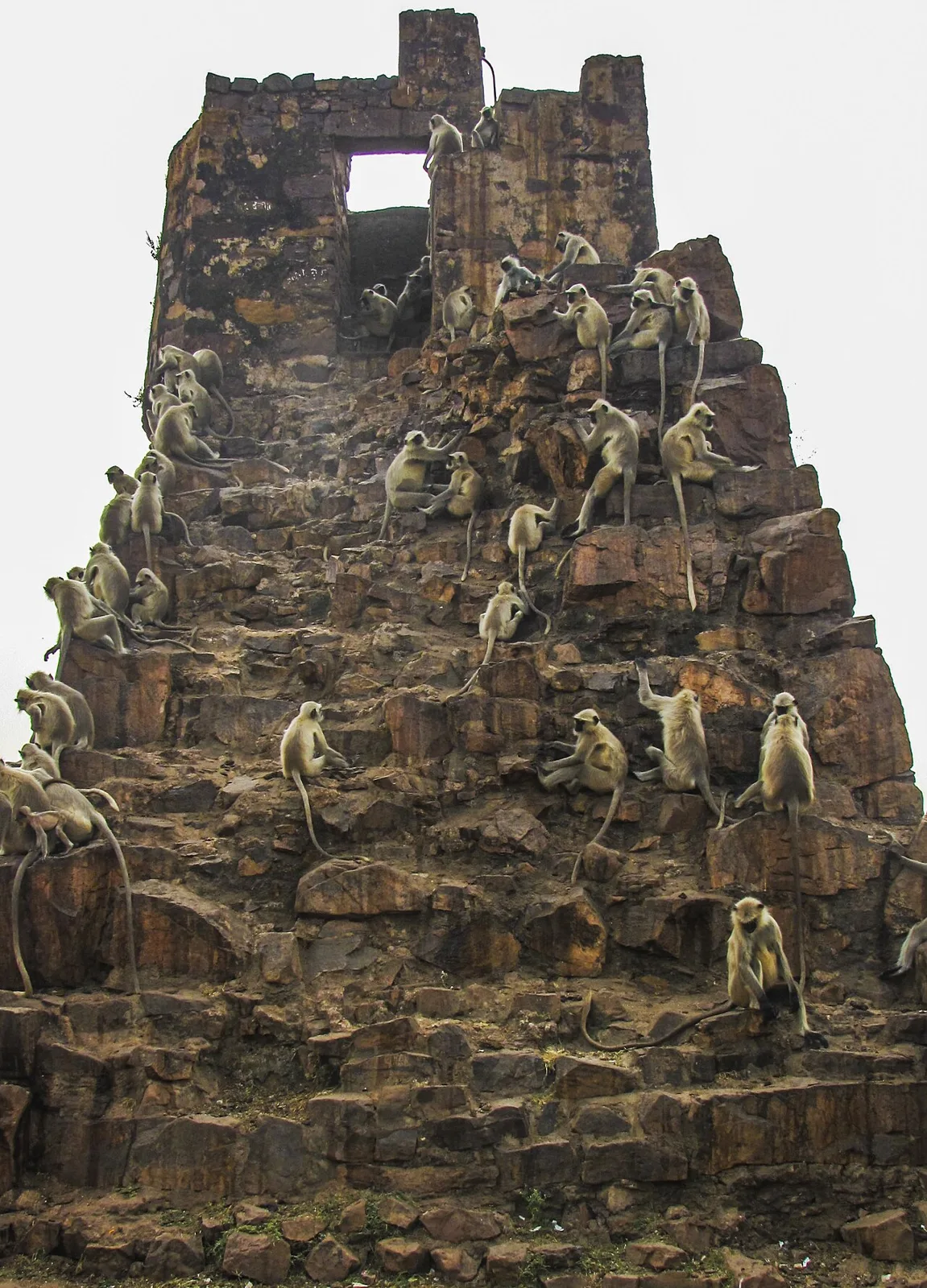
Ranthambore’s history brings together a fortified hill settlement, regional kingdoms and changing approaches to wildlife management. The fort is commonly dated to around the 10th century, though its early history is not fully documented. It became an important stronghold of the Chauhan rulers; Hammir Dev, who ruled in the 13th century, is especially associated with its history. Control of the fort changed during later conflicts involving the Delhi Sultanate and other regional powers. Mughal forces captured it in the 16th century, after which it came under the influence of the rulers of Jaipur. The fort’s gates, temples, reservoirs and ruined buildings reflect its long use and adaptation rather than a single building phase. In the modern period, the surrounding forest was managed as a game reserve before conservation measures expanded. The Sawai Madhopur Game Sanctuary was established in 1955, and the area became part of Project Tiger in 1973. Ranthambore was declared a national park in 1980. The Archaeological Survey of India maintains the historic fort, while Rajasthan’s forest authorities manage protected-area access and wildlife conservation. Conservation and visitor arrangements have continued to evolve; check locally for current access.
Spend unhurried time at Ranthambore National Park: walk the marked paths, use official viewpoints and ask locally whether a guide, entry ticket or permit is needed. Weather changes fast, so carry a warm or rain layer even on a clear morning. Wildlife sightings are never guaranteed — patience and quiet improve your chances. A comfortable itinerary is one main visit in the morning, a local meal at midday and a short nearby stop before an afternoon return. Use the district list on this site to find other places in Sawai Madhopur, but check the route and its condition before combining stops. If a festival or fair is on, roads and stays can be busy — and the experience can be unforgettable. Leave no litter: many sites are protected by the communities around them.
Suggested itineraries
Half day: Check in at the authorised boarding point; take one safari session (several hours); return to Sawai Madhopur for a meal and rest. Full day: Morning safari; breakfast and rest in town; lunch; visit Sawai Madhopur market; add Ranthambore Fort and Trinetra Ganesh temple only if access is open and arranged. Gentler option: Spend the day near your accommodation, with a short town outing and plenty of rest; ask in advance whether safari boarding and the vehicle ride are suitable for your mobility needs.
Rajasthan’s regional traditions are part of everyday life around Sawai Madhopur: Hindi and Rajasthani varieties are widely heard, alongside other languages used by local residents and visitors. Folk music and dance, including forms performed at community events and cultural programmes, are associated with the wider region. Clothing varies with work, season and personal preference; colourful turbans, saris and embroidered garments may be seen, but there is no single dress code for local people. The Trinetra Ganesh temple in Ranthambore Fort is an important pilgrimage destination. Visitors should be considerate at places of worship, ask before photographing people, and follow any local instructions about customs or access.
Local communities
People living in and around Sawai Madhopur include long-established rural communities, among them Meena and Gujjar families, as well as residents who have moved to the district for work. Livelihoods in the wider area include farming, livestock rearing, small trade, transport, guiding, hospitality and other tourism-related work. Forest staff, naturalists and authorised safari operators also contribute to visitor services and conservation. Connections to the protected landscape vary between households and villages, so avoid assuming that local residents share one view or way of life. Choose authorised services, respect private property and ask permission before photographing people.
Festivals & events
Ganesh Chaturthi is an important pilgrimage period at the Trinetra Ganesh temple in Ranthambore Fort, and visitor numbers can rise substantially. The fort and temple are within the protected landscape, so check current access arrangements before planning a visit. Sawai Madhopur and nearby communities also observe festivals such as Holi, Teej, Dussehra and Diwali, with celebrations varying by locality. These periods may bring busier roads, markets and accommodation, while temple events can affect access routes. Dates change from year to year; confirm the local calendar and any park or temple restrictions before travelling.
Local food in Rajasthan includes dal baati churma, gatte ki sabzi, ker sangri, laal maas, pyaaz kachori, mirchi vada, ghewar, mawa kachori and chaach (spiced buttermilk). Ask what is fresh that day; many small eateries cook a limited daily menu. Vegetarian travellers eat very well across this region, and most towns also have non-vegetarian options. Remote sites may have no restaurant at all. Carry water and snacks, eat a proper breakfast before long drives, and ask your accommodation for a packed lunch if you are heading out early. Try a home-cooked or dhaba meal when you can — it is often the best food on the route. Choose busy, clean places and carry your packaging back with you.
Shopping & local experiences
Sawai Madhopur’s local shops and markets are places to look for everyday Rajasthani textiles, craft items, snacks and regional souvenirs; selection varies. Some shops sell tiger-themed keepsakes, but avoid any product made from wildlife, animal parts or materials of uncertain origin. Ask about the maker and materials when buying crafts, and consider locally made goods from responsible sellers. Food stalls and eateries may offer regional dishes such as dal baati churma, gatte ki sabzi and ker sangri, alongside familiar meals. Check ingredients and food handling if you have dietary needs.
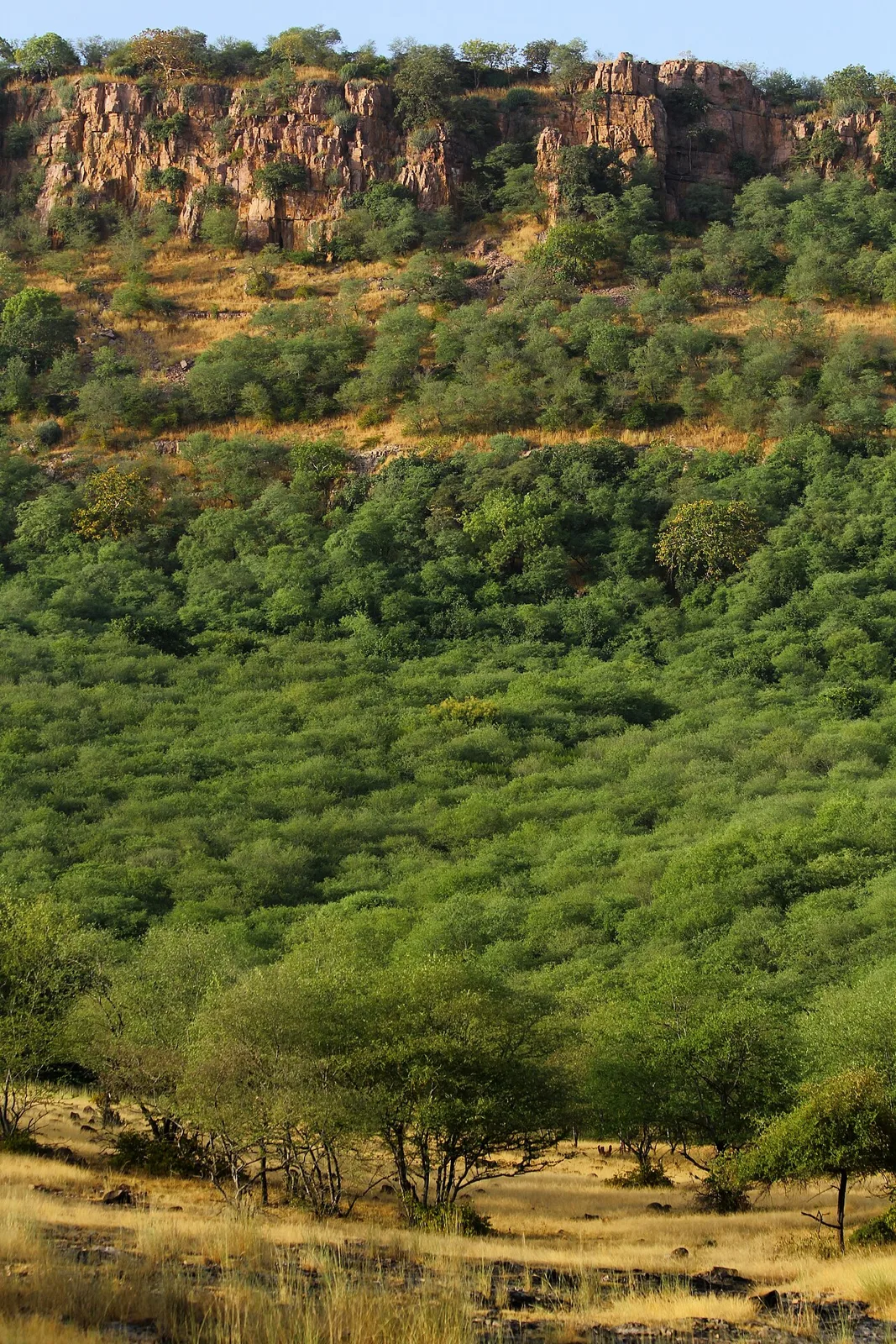
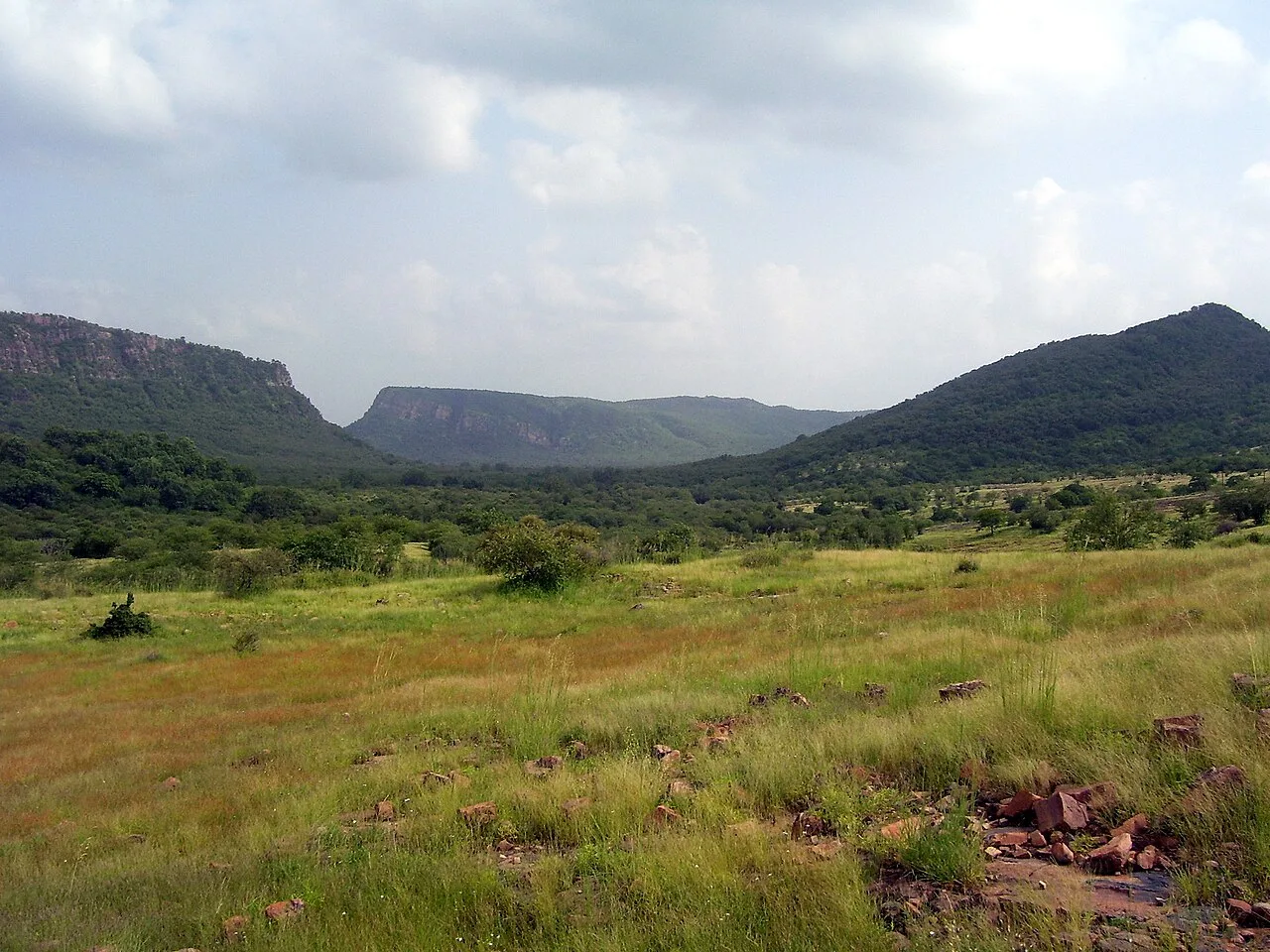
Ranthambore lies in a dry, seasonal landscape of rocky ridges, open woodland, scrub and grassland. Dhok is a characteristic tree, with other dry-deciduous species and shrubs providing cover and food. Lakes and water bodies, including Padam Talao, Rajbagh Talao and Malik Talao, are notable features of the park; water levels and surrounding vegetation change with the seasons. The protected landscape is known for Bengal tigers, and also supports leopards, sloth bears, sambar, chital, nilgai, wild boar and marsh crocodiles. Birdlife includes water-associated and woodland species, with seasonal variation. The Banas and Chambal rivers bound the park to the north and south. Wildlife is free-ranging, and no sighting can be promised.
October to March
The nearest principal railway station by straight-line distance is Sawai Madhopur, roughly 15 km away. The nearest operating airport by straight-line distance is Jaipur International Airport, roughly 115 km away. These figures are calculated from map coordinates — actual road distance is longer. Jaipur, Ajmer, Jodhpur, Udaipur and Kota are the main rail hubs, and Jaipur, Udaipur and Jodhpur have the most flights; Delhi is the usual gateway for the north-east of the state. For the final leg, Rajasthan State Road Transport Corporation (RSRTC) buses and private coaches link district towns; shared taxis usually leave early in the morning. A private taxi gives more flexibility for remote sites. When comparing train, bus and flight, count the complete door-to-door time: a flight saves the most time only if the onward road transfer is short, while an overnight train can save a hotel night. Book your return before you leave, because seats fill quickly on weekends, festivals and holidays. Current train numbers, timings, return services and fares are not listed here; check IRCTC and NTES for trains and the airline's own schedule for flights. No permit is needed to visit Rajasthan. Land close to the international border west of Jaisalmer and Barmer is restricted beyond certain points: places such as Tanot can be visited, but border outposts need Border Security Force permission. Forts and palaces charge entry and camera fees, and tiger-reserve safaris must be booked through the official forest department portal.
Confirm onward and return timings on IRCTC / NTES, the state bus operator or your airline before travel. A dash means current timings or fares have not been verified.
Getting around
Sawai Madhopur is the main arrival town for the park. Autos, taxis and private vehicles are commonly used for transfers between the railway station, accommodation and safari boarding points; arrange the return journey in advance, especially outside busy areas. Authorised safari vehicles operate within designated routes, and visitors cannot substitute an ordinary taxi for one inside the safari area. Local buses may serve parts of the district, but they may not suit early departures or remote stops, so check locally. Walking is practical in parts of town, not as a way to explore the park. Confirm parking and drop-off arrangements with your accommodation or safari operator.
Hours, tickets & permissions
Entry is controlled and generally requires a valid ticket or permit for the relevant area; safari access is usually limited to authorised vehicles, routes and bookings. Separate arrangements may apply to visiting the fort or temple. Camera rules, identity-document requirements, permitted baggage and access conditions can change. Confirm current entry procedures, operating hours and fees with Rajasthan’s forest authorities or the relevant official booking channel before setting out. Do not assume that a park safari booking also covers every other site.
Facilities
Facilities are concentrated in Sawai Madhopur and at accommodation or safari departure areas. Toilets, drinking water, food, vehicle parking, guides and cash services are usually easier to find in town than inside the protected area. Availability at boarding points can vary, and facilities during a safari are limited; carry water in a reusable bottle and plan accordingly. Ask whether your guide or safari operator is officially authorised. ATMs and shops may not be available near every access point, so prepare essentials in town and check locally before departure.
Accessibility
The park is a large, rugged natural area rather than a fully paved attraction. Safari routes can be uneven and bumpy, and getting into or out of a safari vehicle may involve a step or assistance. Fort paths include uneven surfaces, slopes and steps, so they may be difficult for wheelchair users, stroller users and visitors with limited stamina. Shade and seating can be limited outdoors. Do not assume that ramps, accessible toilets or accessible safari vehicles are available; contact the relevant operator or site authority before booking. Older visitors may prefer a shorter town-based visit, frequent rests and a companion.
No permit is needed to visit Rajasthan. Land close to the international border west of Jaisalmer and Barmer is restricted beyond certain points: places such as Tanot can be visited, but border outposts need Border Security Force permission. Forts and palaces charge entry and camera fees, and tiger-reserve safaris must be booked through the official forest department portal. Carry a photo ID at all times and save the emergency number 112 and your accommodation's contact offline. Heat in summer and fog in winter are the main weather risks; carry water and allow extra travel time on foggy December–January mornings. Stay on marked paths, keep away from cliff edges and fast water, and never approach wild animals. Follow local guidance if access changes.
Visitor rules
Follow forest staff and authorised guide instructions, remain in the assigned vehicle and do not enter closed or restricted areas. Do not feed, call, chase or approach wildlife, and keep noise low. Wear comfortable, neutral-coloured clothing and sturdy footwear suitable for boarding and uneven ground; follow any site-specific requirements at the fort or temple. Carry litter back out and avoid single-use plastic where restricted. Smoking, alcohol and other conduct may be subject to site rules. Check current regulations before visiting, as permitted routes and visitor conditions can change.
Photography
Soft morning or late-afternoon light can suit landscapes, fort walls and wildlife, but conditions vary with season and weather. Photograph only from permitted areas and follow the guide’s instructions; never ask a driver to approach or block an animal for a picture. Camera or lens rules and any extra charges should be checked with the managing authority before travel. Do not use a drone unless you have explicit permission from the relevant authorities; protected-area restrictions may apply. Ask before photographing residents, staff, worshippers or ceremonies, and respect signs that prohibit photography.
Choose a stay by the full journey to Ranthambore National Park, not just the district name. Heritage havelis, fort hotels, state tourism (RTDC) hotels and desert camps offer distinctive stays; check that a desert camp is licensed and has proper toilets. In summer, check air-conditioning or coolers; in December and January, check heating and hot water. Book in advance for weekends, festivals and the peak season (October to March). Confirm the exact location, meals included, check-in time and cancellation terms in writing. Avoid sending money to unverified contacts or touts at stations. Carry some cash, as card and digital payments can be unreliable in remote areas.
In Sawai Madhopur, Ranthambore Fort and its Trinetra Ganesh temple are notable cultural stops, subject to current access arrangements. Surwal Lake is a nearby seasonal wetland visited for birdlife, but conditions and access vary. Khandar Fort, also in Sawai Madhopur district, offers another historic site to consider if roads and local access allow. The district’s rural routes can take longer than expected, so check conditions before combining stops. Keep wildlife visits separate from unplanned detours into protected areas, and confirm whether a permit or local guide is required.
For couples, Ranthambore National Park rewards a slow pace: arrive early for soft light and fewer crowds, share a local meal and keep the evening free. A heritage hotel or a lakeside sunset makes the trip memorable. Public displays of affection can be frowned upon in conservative communities and at religious sites, so be discreet. Keep a buffer in your itinerary, because weather and traffic can delay plans.
Q: How much time should I allow for Ranthambore? A: Allow at least half a day for one safari session and its transfers. A full day gives you time to rest and consider a separate town or fort visit, subject to access. Q: When is a good season to visit? A: October to March is generally comfortable for travel in Rajasthan. Conditions and wildlife visibility vary by season, and summer can be very hot. Q: Do I need to arrange entry in advance? A: Safari entry is controlled and requires an authorised booking or permit. Confirm current availability, documents and rules through official channels. Q: Is the park suitable for children or elderly visitors? A: It can suit visitors who are comfortable with a bumpy vehicle ride, but safari boarding and fort paths may be challenging. Check individual needs and access before booking. Q: Where should I stay nearby? A: Sawai Madhopur is the main base, with a range of accommodation options. Choose based on your transport needs and confirm the route to your boarding point.
Be the first to share photos, stories, advice or a helpful contact for Ranthambore National Park.
Loading…