Ghumoopedia — Explore, Discover, Experience
Sign in
Adhai Din Ka Jhonpra, near Sarwar

City guide · Rajasthan

Sarwar

Sarwar is a small town in Ajmer district, Rajasthan, with an important administrative role in its surrounding area. It serves as both a sub-division and a Nagar Palika, and is also the headquarters of a panchayat samiti.

Famous for

  • Dai River setting
  • Ajmer district sub-division
  • Municipal and panchayat centre
  • Kekri Assembly constituency

Why Sarwar matters

Sarwar is a small town in Ajmer district, Rajasthan, with an important administrative role in its surrounding area. It serves as both a sub-division and a Nagar Palika, and is also the headquarters of a panchayat samiti. These functions make it a practical centre for local services and everyday trade for nearby settlements. Politically, Sarwar falls within the Kekri Assembly constituency and the Ajmer Lok Sabha constituency.

The town’s defining geographic feature is the Dai River, which flows nearby and joins the Banas river system. Sarwar sits at about 337 metres above sea level in Rajasthan’s dry inland landscape. It is not widely associated with a major monument, specialised craft or nationally known product, so its appeal is chiefly to visitors interested in local life, rural surroundings and the region’s administrative centres. A visit can offer a quieter contrast to larger destinations in Ajmer district, with the river landscape and town centre providing the main points of orientation.
Famous for: crafts, trade & products

Sarwar is better known as a local administrative and service centre than as a destination for a particular craft or manufactured product. There is no broadly established Sarwar-specific textile, saree, handicraft or GI-tagged product to point visitors toward. Its shops and everyday bazaars primarily serve residents and people travelling in from nearby villages, making them useful places to observe routine commerce and pick up general provisions rather than seek a recognised specialty.

Visitors looking for Rajasthan’s better-known crafts—such as block-printed cloth, blue pottery or regional embroidery—will generally find a wider choice in larger cities and established craft markets elsewhere in the state. In Sarwar, ask locally about seasonal produce and household goods, but treat any item described as a town specialty as a local recommendation rather than a recognised regional label. The town’s most distinctive public role remains its municipal and panchayat administration, which supports services for the surrounding area.

History

Sarwar’s documented profile is most clearly defined by its continuing role as a town and administrative centre in Ajmer district. It functions as a sub-division, a Nagar Palika and a panchayat samiti, linking the urban settlement with the villages around it. The Dai River and the wider Banas basin form part of the setting in which the town developed, while its position within the Ajmer district connects it to the region’s larger network of settlements.

A detailed, widely established account of Sarwar’s growth under particular rulers or of specific colonial-era events is not readily available. It is therefore better not to assign the town an unsupported royal foundation or a precise historical timeline. In modern Rajasthan, Sarwar’s development is most evident in its civic and administrative functions and its role in providing local services. Its present political links are through the Kekri Assembly and Ajmer Lok Sabha constituencies.

Food, festivals & culture

Hindi and local forms of Rajasthani speech are used in and around Sarwar. The town’s daily culture is shaped by its role as a service centre for nearby communities, as well as by the seasonal rhythms of the surrounding region. There is no single dish or sweet that is firmly established as Sarwar’s own signature. Visitors may encounter familiar Rajasthani foods such as dal baati churma, gatte-based dishes and regional sweets, though these are shared across a much wider area.

Holi is celebrated in spring, while Teej is associated with the monsoon season and Diwali with autumn; the scale and customs of observances vary between neighbourhoods and families. Folk music and dance traditions are part of Rajasthan’s broader cultural life, but Sarwar is not especially known for a distinct performance tradition. Local temples and mosques serve as places of worship for residents. For a respectful visit, dress modestly and ask before photographing people or religious activity.

Visiting the city

The cooler months, roughly October to March, are generally the most comfortable for visiting; summer days can be very hot, and monsoon weather may affect road travel. Kishangarh Airport is the nearest airport commonly used for this part of the region. Ajmer Junction is the principal rail hub for onward journeys, with the remaining leg to Sarwar made by road. Check current connections before travelling, as onward transport options can vary.

Within Sarwar, the town centre is best explored on foot for short visits, while local vehicles or a hired car are more practical for longer trips and nearby villages. The central market area offers a glimpse of everyday commerce, and the Dai River provides a natural point of interest. Sarwar is a modest town rather than a resort destination, so plan accommodation and onward transport with the facilities available locally in mind.

Trips from the city

Nearest places to visit from Sarwar

Our closest destination guides, by straight-line distance.

Adhai Din Ka Jhonpra

55 km away · Ajmer district

Adhai Din Ka Jhonpra

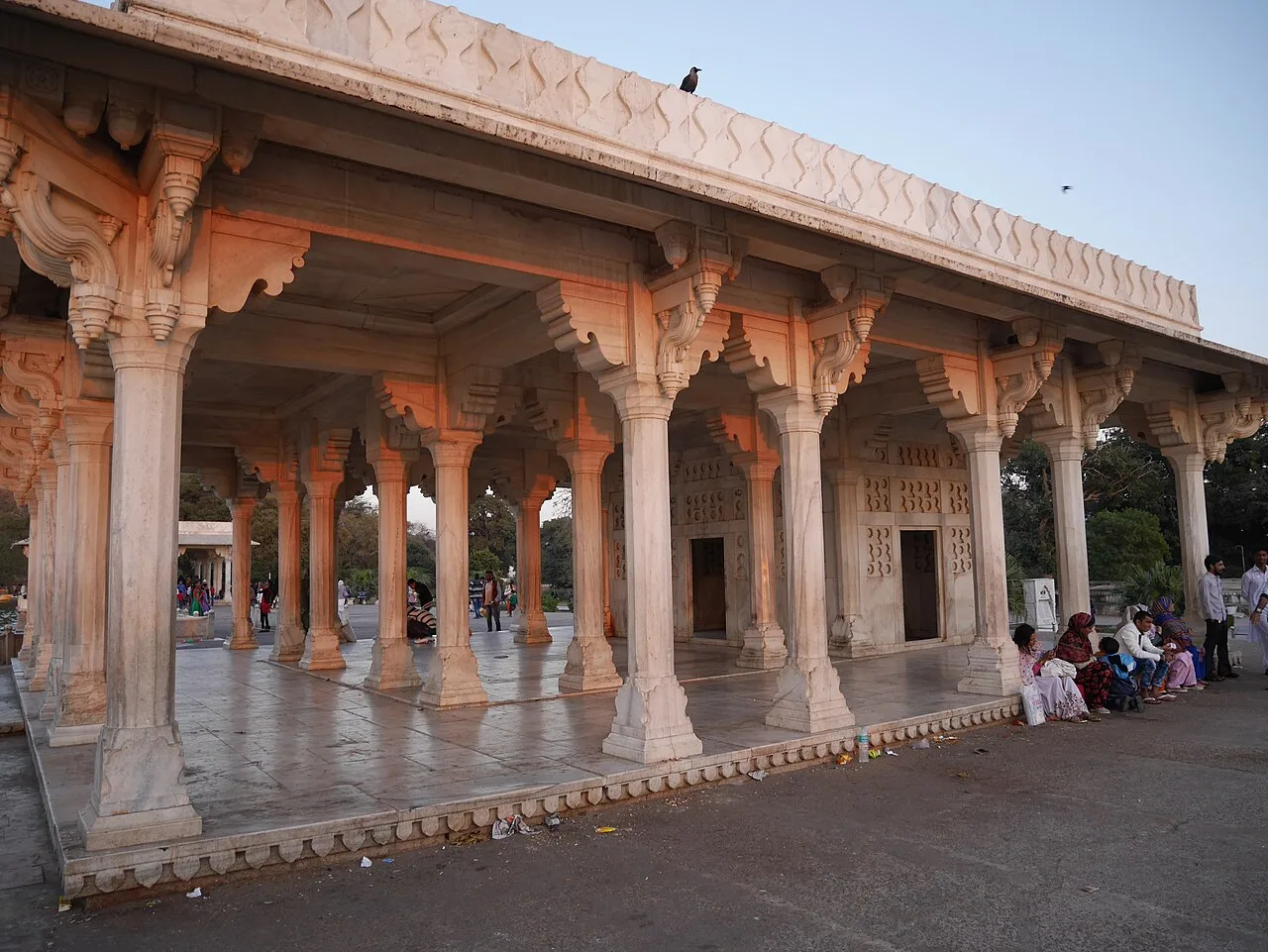
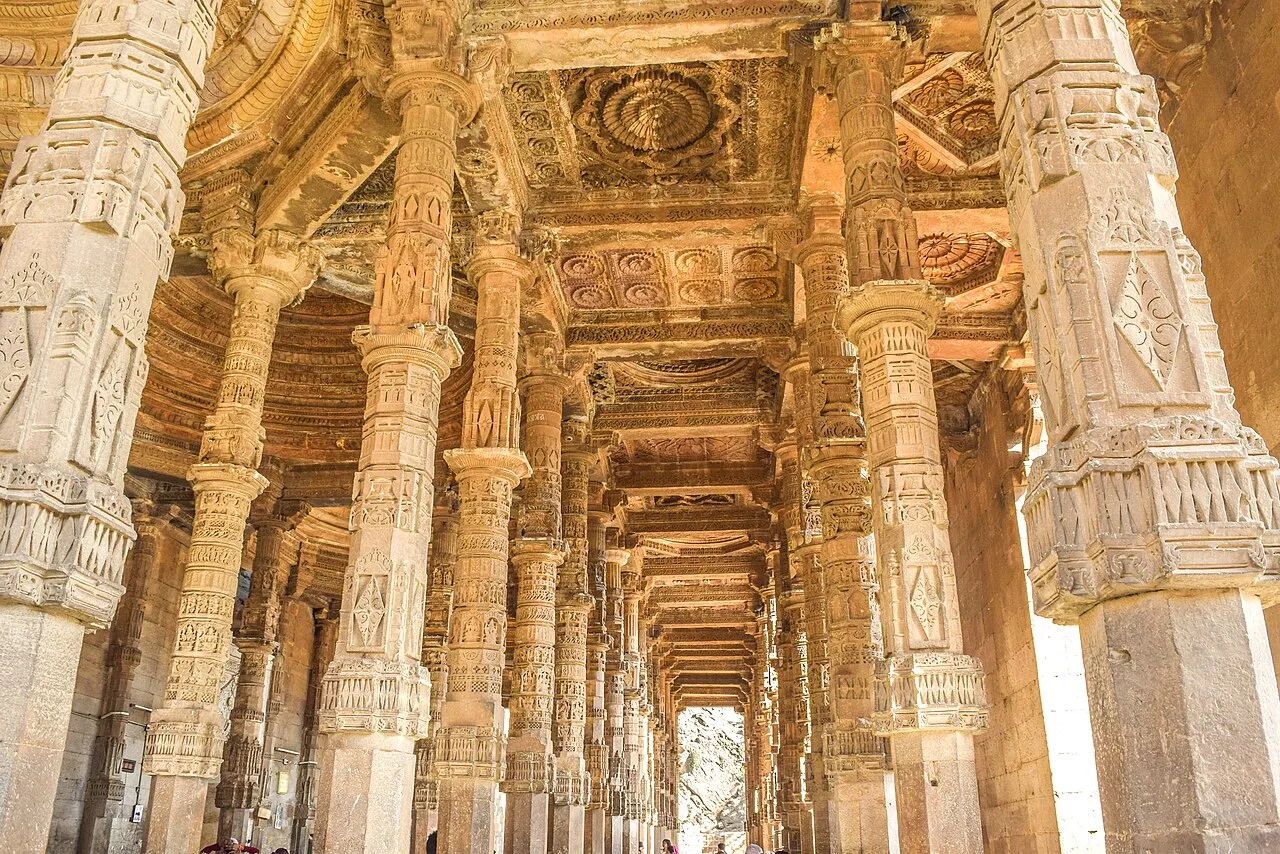
This former mosque in Ajmer, Rajasthan, is among India’s oldest mosques and the city’s oldest surviving monument. Visitors come to see its early Indo-Islamic design and its Hindu, Jain and Islamic architectural elements.

Shrine of Mu'in al-Din Chishti

55 km away · Ajmer district

Shrine of Mu'in al-Din Chishti

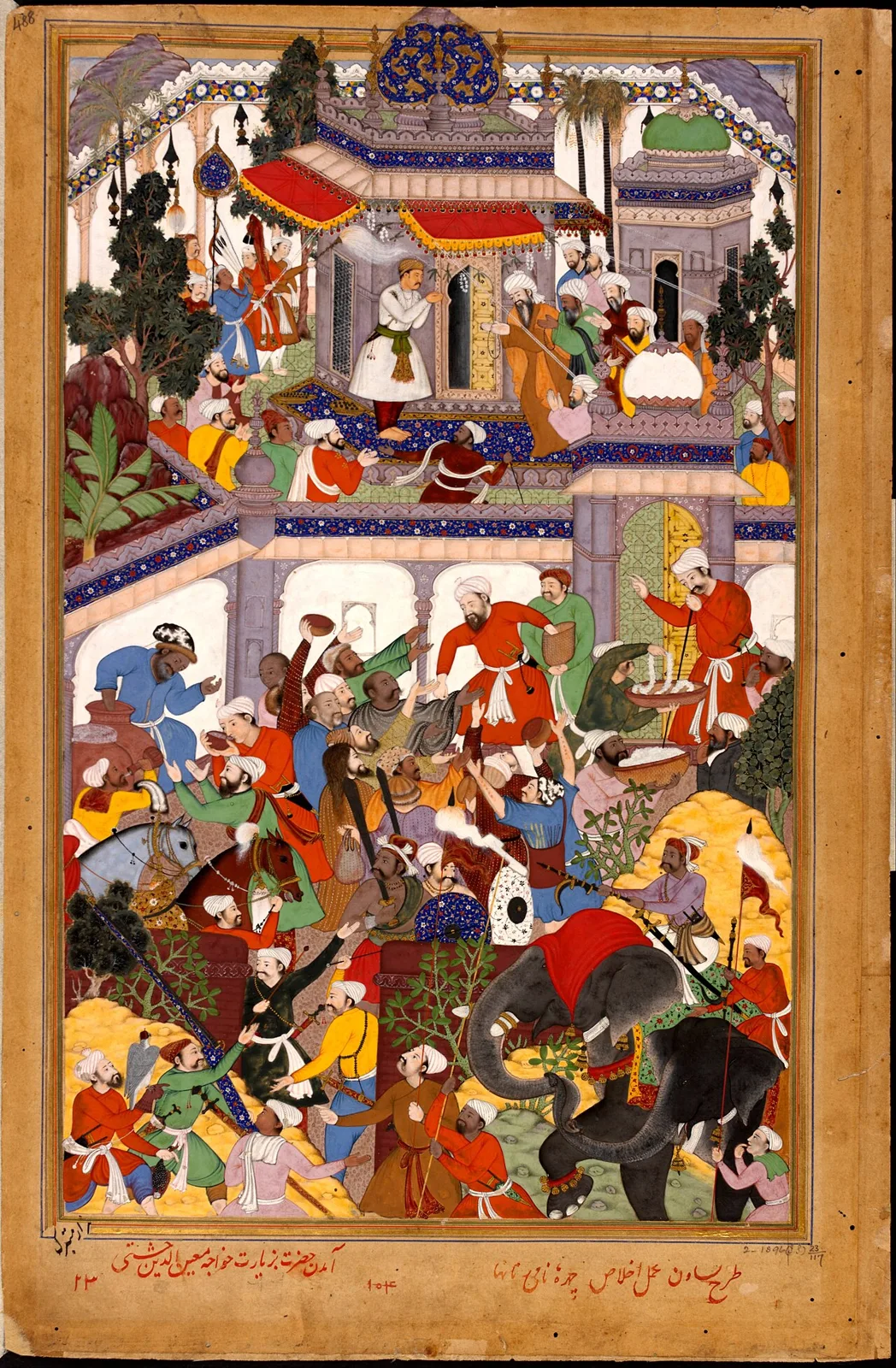
A Sufi pilgrimage complex in Ajmer, Rajasthan, centred on Mu'in al-Din Chishti’s shrine and including tombs and a mosque. Sunni Muslims visit in large numbers, particularly for Chishti’s urs.

Taragarh Fort, Ajmer

55 km away · Ajmer district

Taragarh Fort, Ajmer

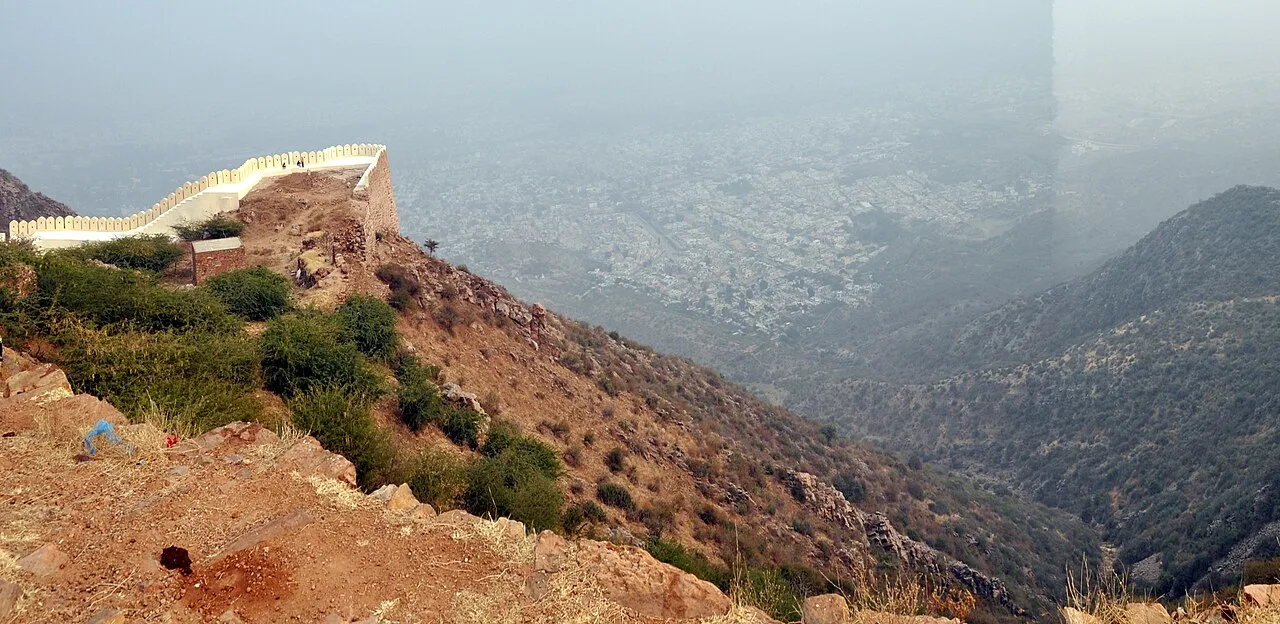
Set on a steep slope in Ajmer, Rajasthan, Taragarh Fort is a historic stronghold associated with the Parmar Rajputs and Ajayaraja Chauhan. Visitors come to see the fortress and learn about its earlier name, Ajaymeru Durg.

Ana Sagar Lake

56 km away · Ajmer district

Ana Sagar Lake

Ana Sagar is a man-made lake in Ajmer, Rajasthan, associated with its builder Arnoraja, also called Ana. Visitors come to see this historic water body, which extends across 13 km.

Brahma Temple

63 km away · Ajmer district

Brahma Temple

Located in Pushkar, Rajasthan, the Brahma Temple is a Hindu shrine near Pushkar Lake and among India’s few temples for Brahma. Pilgrims especially gather there on Kartik Poornima.

Pushkar

63 km away · Ajmer district

Pushkar

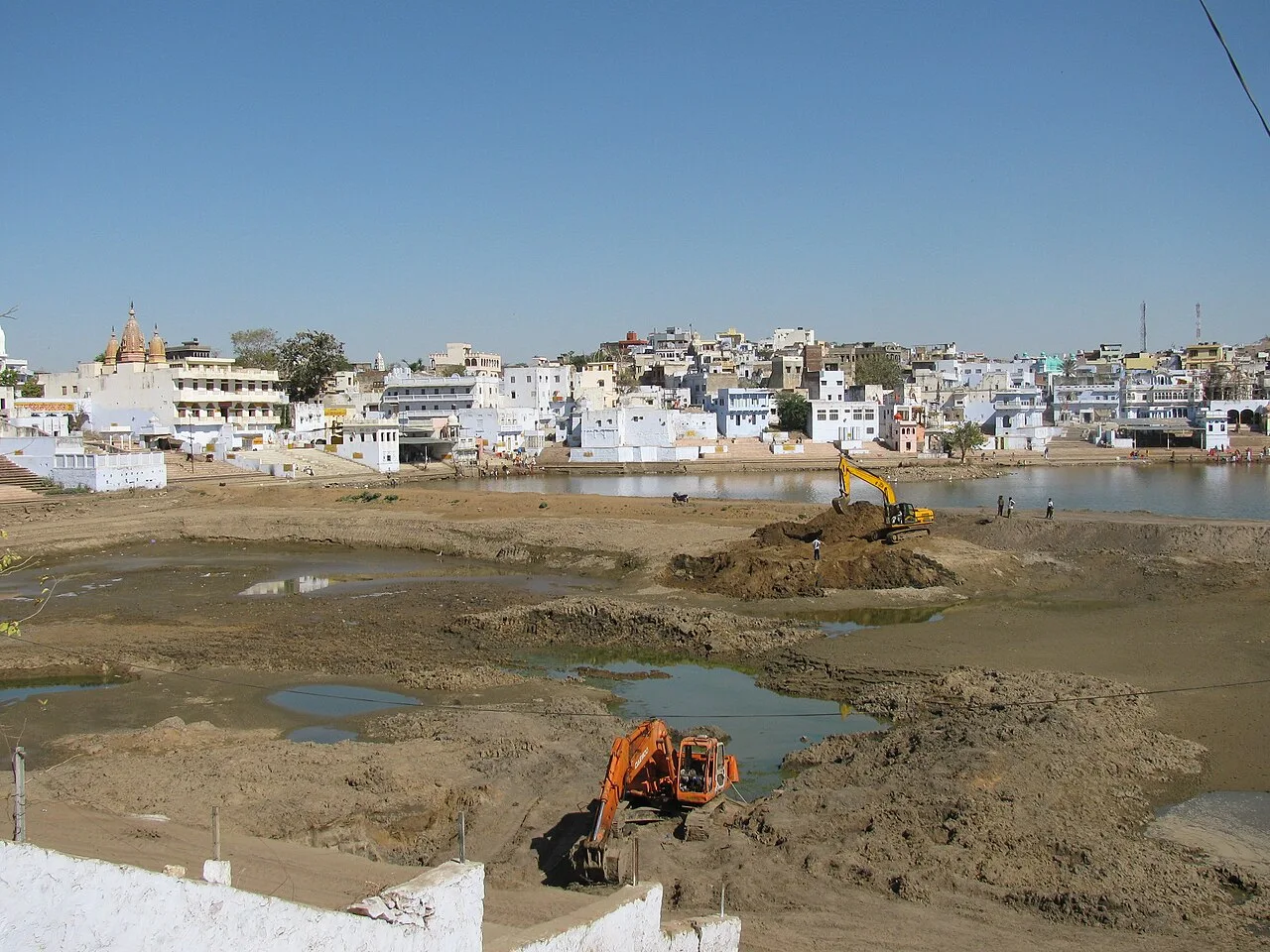
Pushkar is a historic pilgrimage town in Rajasthan, centred on a sacred lake and temples, including one of the few shrines to Brahma. Visitors come for worship, ritual bathing and its heritage.

Pushkar Lake

63 km away · Ajmer district

Pushkar Lake

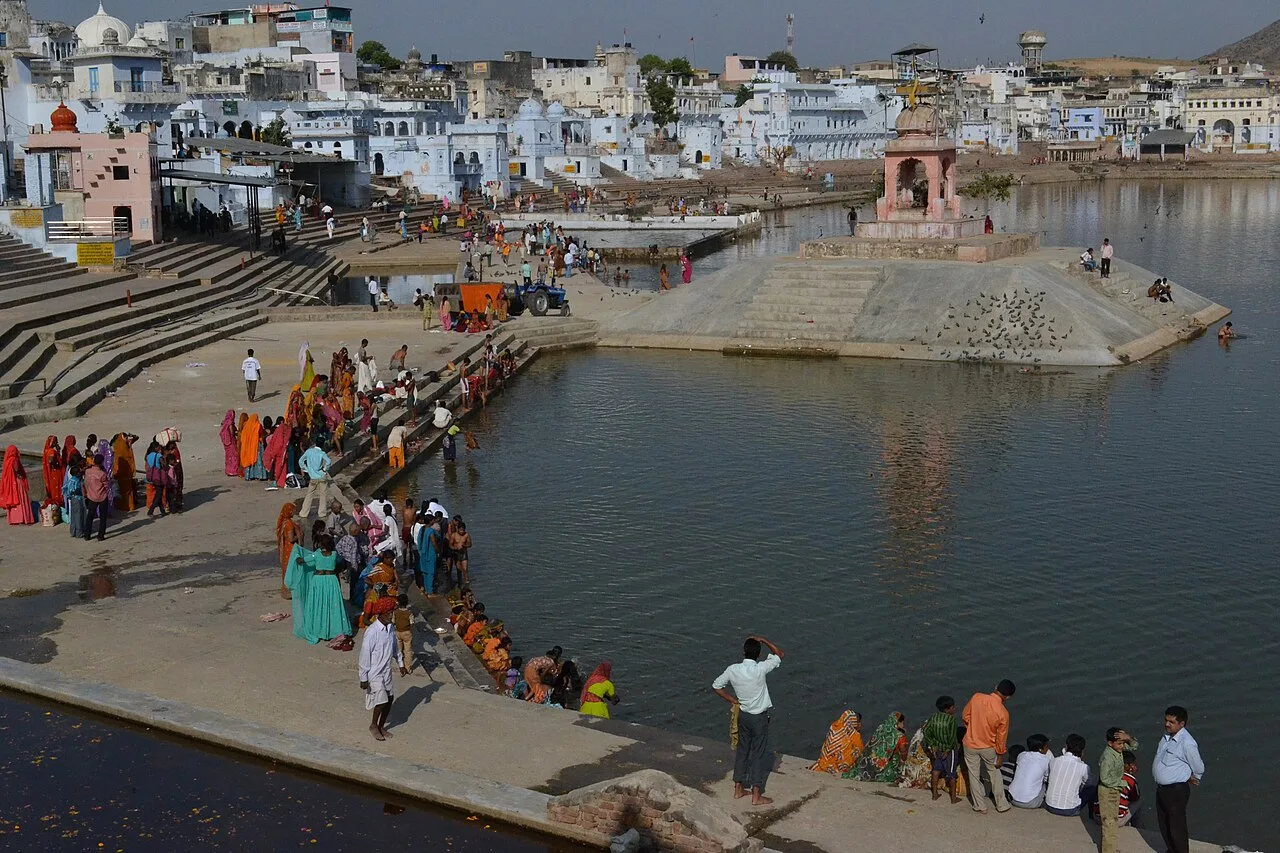
Pushkar Lake, also called Pushkar Sarovar, is a sacred lake in Rajasthan’s Ajmer district. Pilgrims come to bathe at its ghats, especially around Kartik Poornima, when the Pushkar Fair takes place.

Sambhar Salt Lake

78 km away · Jaipur district

Sambhar Salt Lake

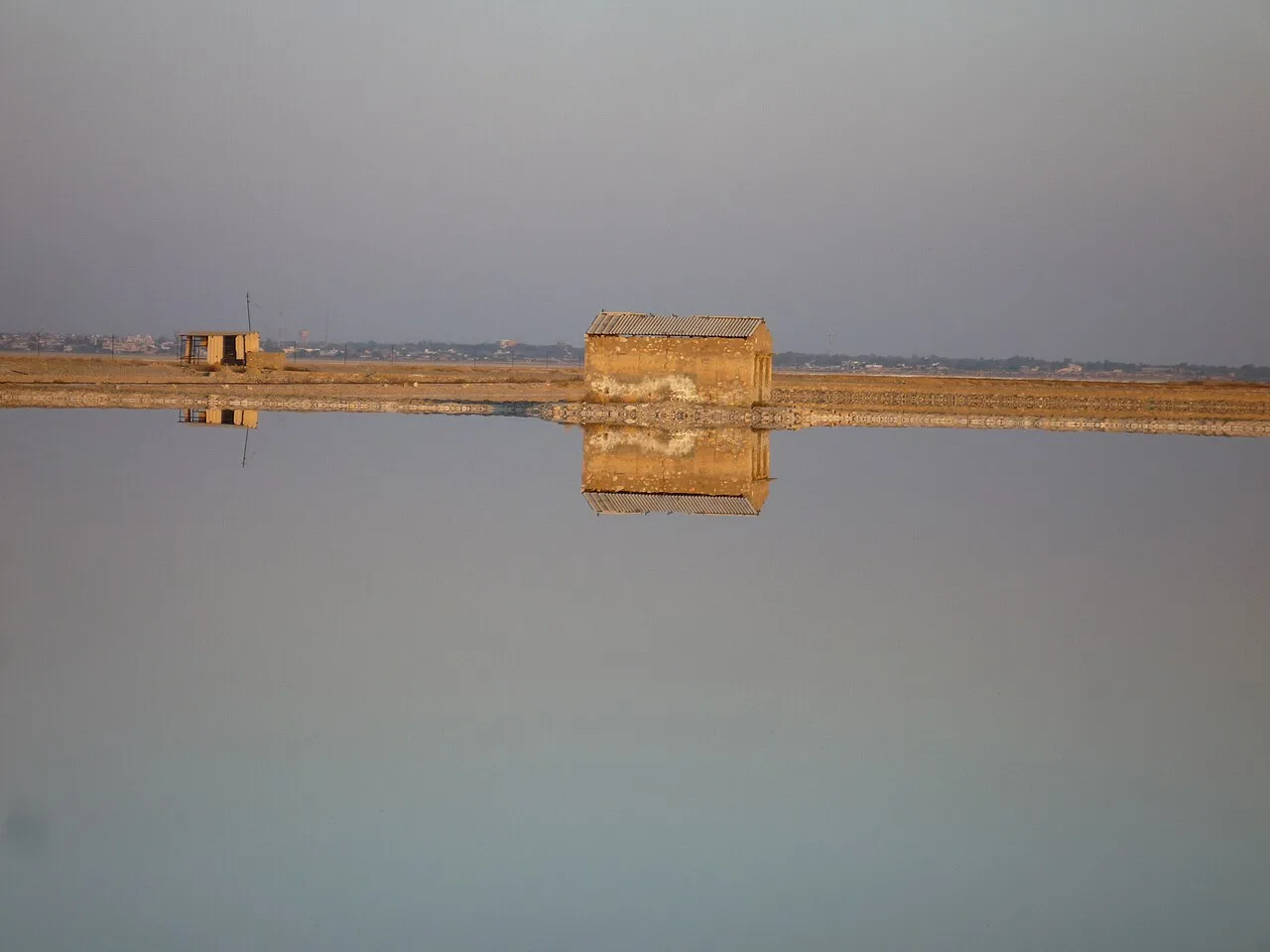
Sambhar Salt Lake is Rajasthan’s largest inland salt lake, in Jaipur district. Visitors come to see the lake and the historic settlement of Sambhar Lake Town, which it surrounds.

Map

Sarwar on the map

  1. 1Adhai Din Ka Jhonpra
  2. 2Shrine of Mu'in al-Din Chishti
  3. 3Taragarh Fort, Ajmer
  4. 4Ana Sagar Lake
  5. 5Brahma Temple
  6. 6Pushkar
  7. 7Pushkar Lake
  8. 8Sambhar Salt Lake

Rajasthan

Other cities to explore