Ghumoopedia — Explore, Discover, Experience
Sign in

City guide · Rajasthan

Siat

Its importance is best understood through its place in the surrounding rural community: local homes, religious sites, everyday markets and connections with nearby towns shape life here. Visitors seeking a quieter experience may find interest in observing village routines and the broader landscape rather than looking for a concentration of major monuments or tourist services.

Famous for

  • Rural Rajasthan setting
  • Local temple traditions
  • Regional Rajasthani food
  • Village life
Plan a tripHotels near Siat

Why Siat matters

Its importance is best understood through its place in the surrounding rural community: local homes, religious sites, everyday markets and connections with nearby towns shape life here. Visitors seeking a quieter experience may find interest in observing village routines and the broader landscape rather than looking for a concentration of major monuments or tourist services.

No signature attraction, craft or festival can be confidently associated with Siat at city level. For cultural context, Rajasthan’s regional traditions provide a useful frame, but customs and food can vary considerably from one district to another. Treat Siat as a place to explore locally, with a nearby town as a practical base for wider sightseeing.
Famous for: crafts, trade & products

It would be misleading to attribute a particular saree, craft tradition or commercial speciality to the settlement without more precise local information. Everyday trade is likely to serve residents and nearby villages, but the scale and location of shops and markets should be checked locally.

For visitors interested in Rajasthani products, larger towns in the surrounding district are generally more dependable places to look for established markets, artisan workshops and regional goods. These may include handwoven textiles, printed cloth, leatherwork, pottery, metalwork and packaged foods, though the products available differ by locality. Ask residents or a local visitor office for recommendations rather than assuming such items are made or sold in Siat itself.

History

A detailed, settlement-specific history of Siat is not readily established from widely known accounts. Its development should therefore not be assigned to a particular dynasty, princely state or colonial-era event without confirmation of its district and local records. Like many small settlements in Rajasthan, its history is likely to be closely tied to land, water, agriculture, community institutions and links with larger administrative and trading centres.

Rajasthan’s broader past includes Rajput-ruled kingdoms and princely states, followed by British paramountcy and integration into independent India. Those regional developments shaped administration, transport and public services, but their precise effects on Siat require local evidence. In the modern period, roads, schooling, communications and migration have connected rural communities more closely with nearby towns. For a fuller account, local residents, district gazetteers and records at nearby temples or civic institutions may provide details not captured in general travel descriptions.

Food, festivals & culture

Siat’s everyday culture is best approached as local and community-based; specific customs are not sufficiently documented to describe as unique to the settlement. Rajasthani food traditions offer a broad regional reference, including dal baati churma, gatte ki sabzi, ker sangri and wheat- or millet-based breads. These dishes are not guaranteed to be available in every household or eatery, and local cooking varies across the state. Ask locally about seasonal foods and sweets rather than expecting a particular speciality.

Diwali, Holi and the autumn festival season around Navratri are widely observed across Rajasthan, although local celebrations differ. Hindi and regional Rajasthani speech forms are used in the wider area; the exact dialect depends on Siat’s location. Folk music and dance traditions such as devotional singing and regional forms of group dance are part of Rajasthan’s cultural landscape, but should not be assumed to feature as regular performances here. Local temples and other places of worship are likely to be central to community life; visitors should seek permission before photographing ceremonies or worshippers.

Visiting the city

The cooler months, broadly from October to March, are usually more comfortable for travel in Rajasthan than the intense summer heat. Check the destination spelling and district with your host or local authority before booking onward travel. Jodhpur Airport and Jodhpur Junction serve as major gateways for parts of western Rajasthan, but may not be the closest option for this Siat.

Local movement is likely to rely on road transport, with onward connections arranged from a nearby town. Confirm vehicle availability in advance, especially for rural routes. Explore the settlement on foot where practical, observing local customs at homes and places of worship. Nearby district towns are the safest starting point for markets, accommodation and broader sightseeing; no particular Siat neighbourhood is established as a visitor precinct.

Trips from the city

Nearest places to visit from Siat

Our closest destination guides, by straight-line distance.

77 km away · Jodhpur district

Salawas

Salawas is a village 22 km from Jodhpur, known for durries, or rugs, produced by local craftspeople. Visitors are drawn by its association with this traditional craft.

Umaid Bhawan Palace

82 km away · Jodhpur district

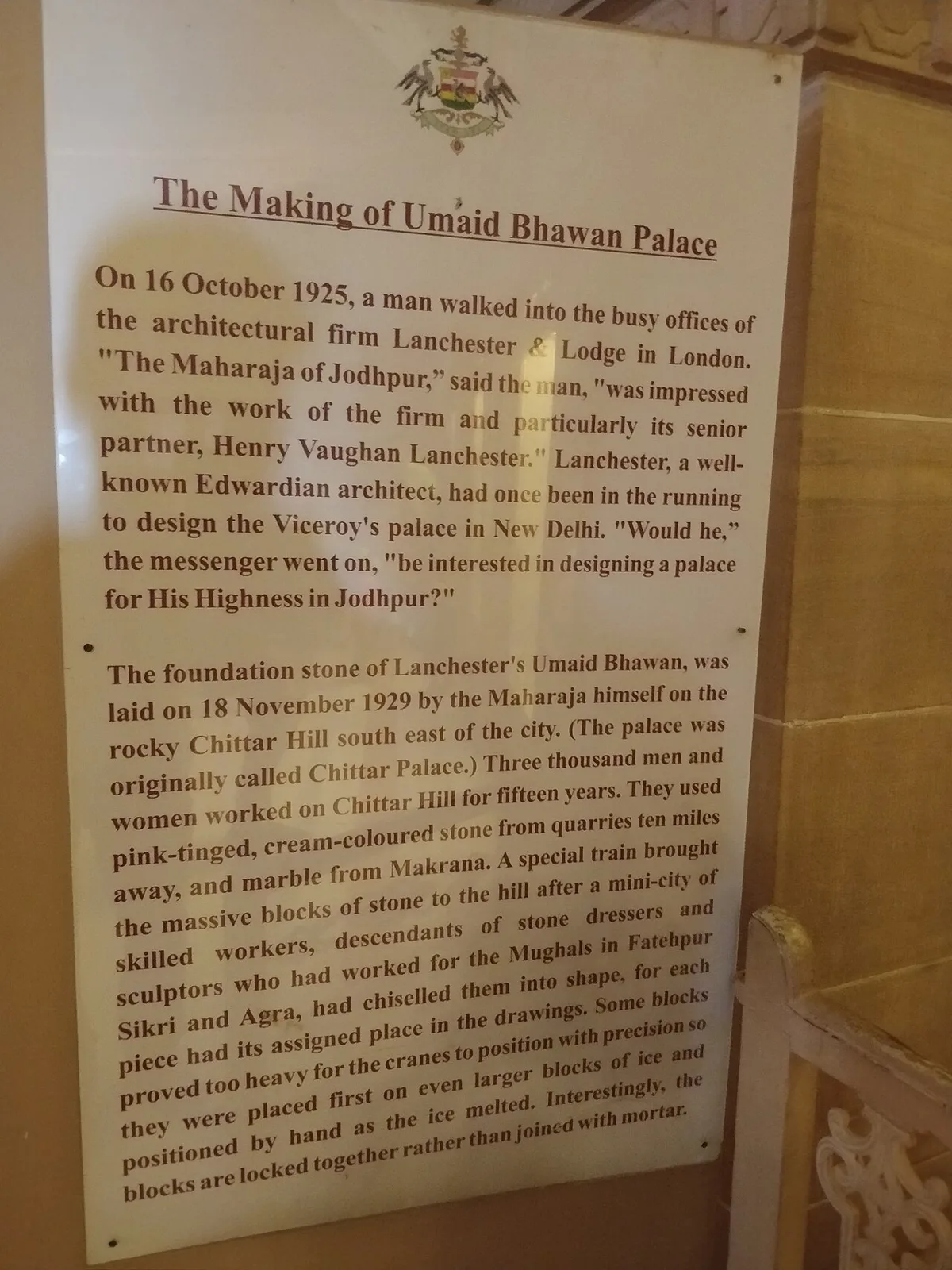
Umaid Bhawan Palace

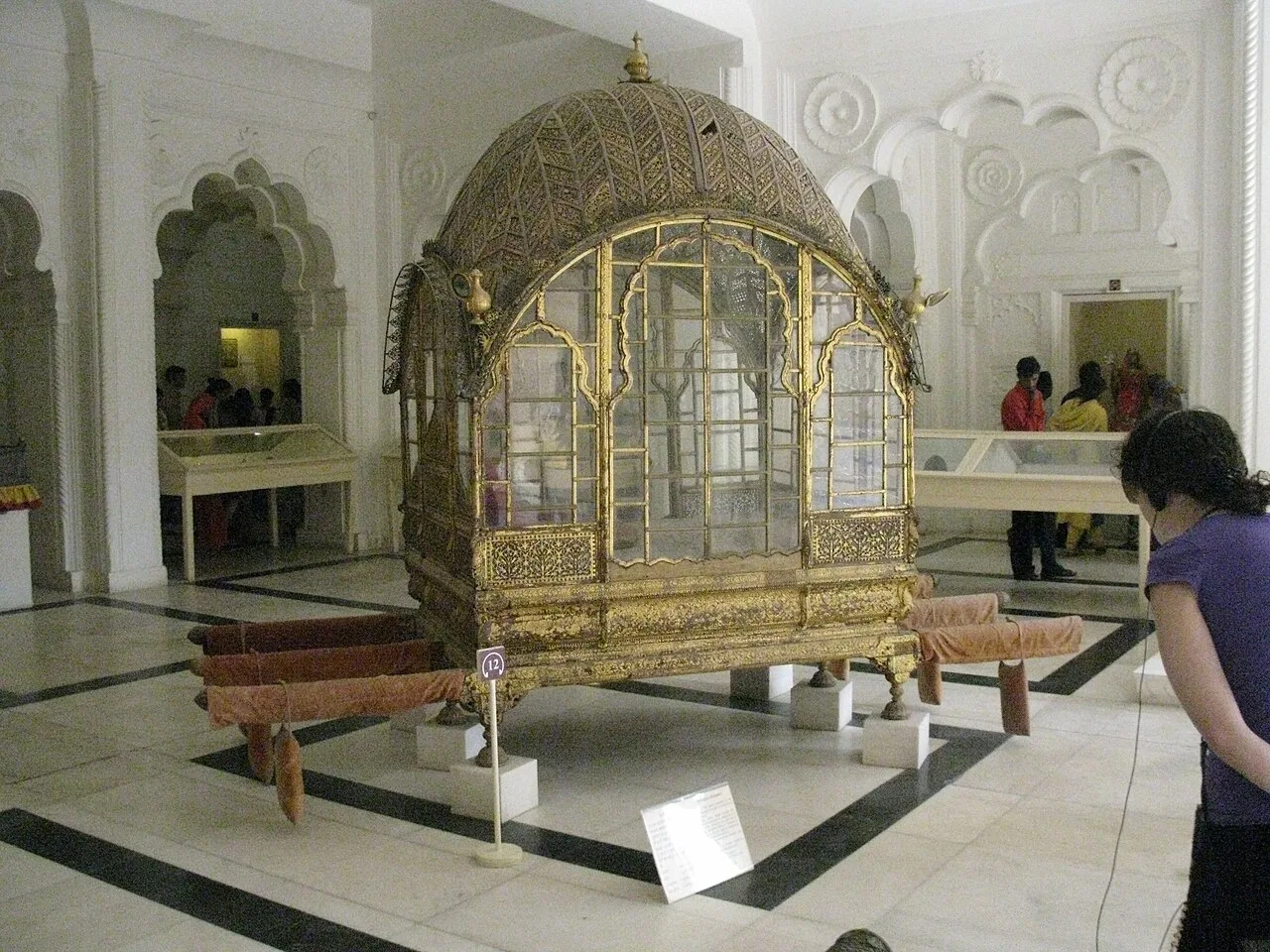
Umaid Bhawan Palace is a major residence in Jodhpur, Rajasthan, with a hotel-managed section and a museum. Visitors come to see the royal home and its museum.

Kumbhalgarh

84 km away · Rajsamand district

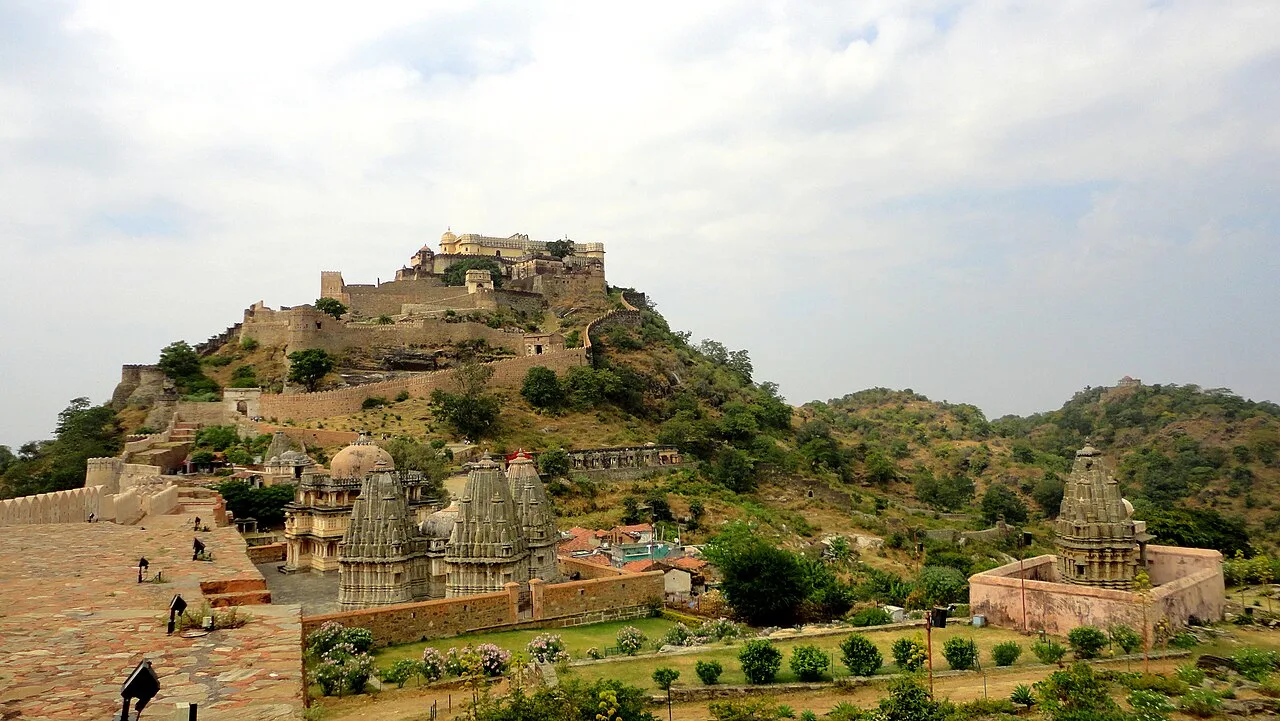
Kumbhalgarh

Kumbhalgarh, often called the Great Wall of India, is a 15th-century fortress in Rajasthan’s Aravalli Hills, visited for its fortifications, historical associations and UNESCO World Heritage status.

Jaswant Thada

85 km away · Jodhpur district

Jaswant Thada

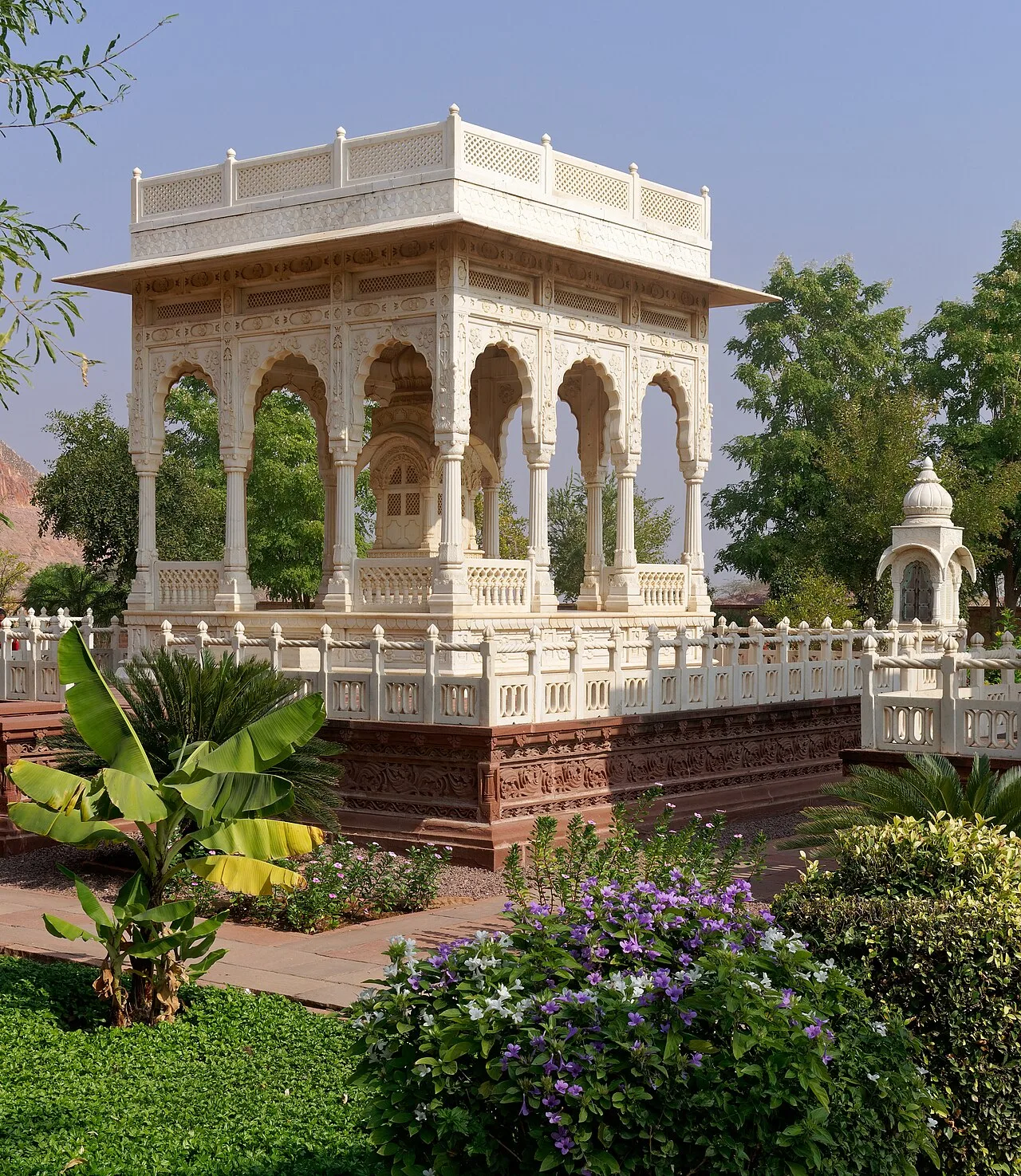
Jaswant Thada is a marble memorial in Jodhpur, Rajasthan, built in honour of Maharaja Jaswant Singh II. Visitors come to see its carved stonework, landscaped grounds and royal portraits.

Mehrangarh

85 km away · Jodhpur district

Mehrangarh

Mehrangarh is a historic hilltop fort in Jodhpur, Rajasthan. Visitors explore its palaces, temple and museum, and see the gates and memorials associated with its history.

Mandore

87 km away · Jodhpur district

Mandore

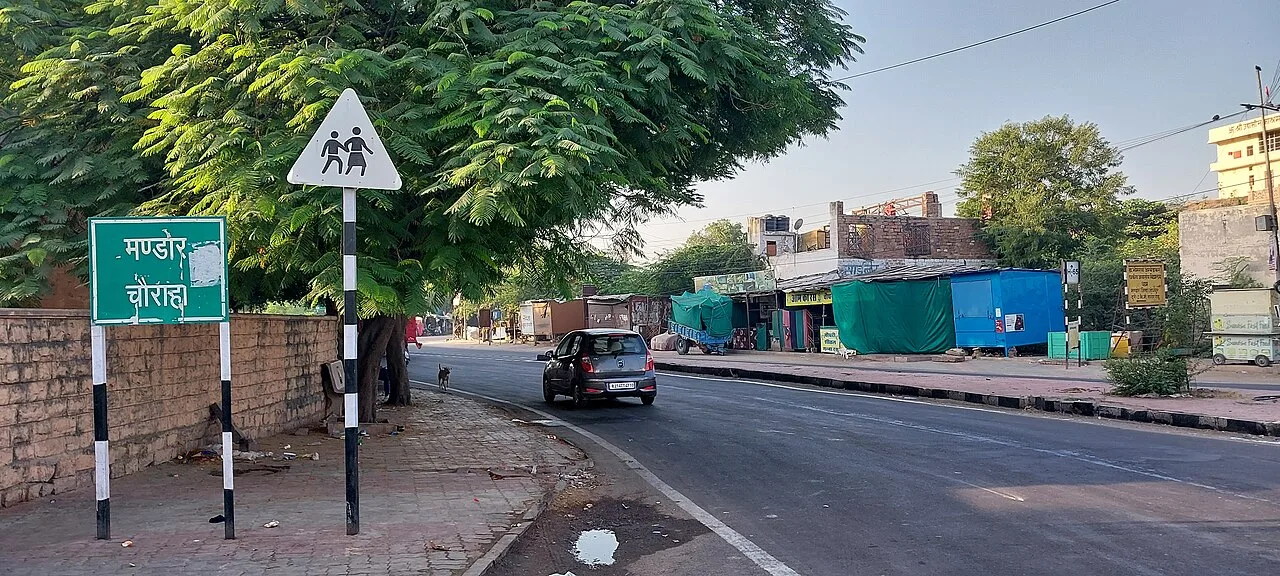
Mandore is a historic settlement and suburb in Rajasthan’s Jodhpur district, about nine kilometres north of Jodhpur. Visitors may be drawn by its historical character and proximity to the city.

Ranakpur Jain temple

90 km away · Pali district

Ranakpur Jain temple

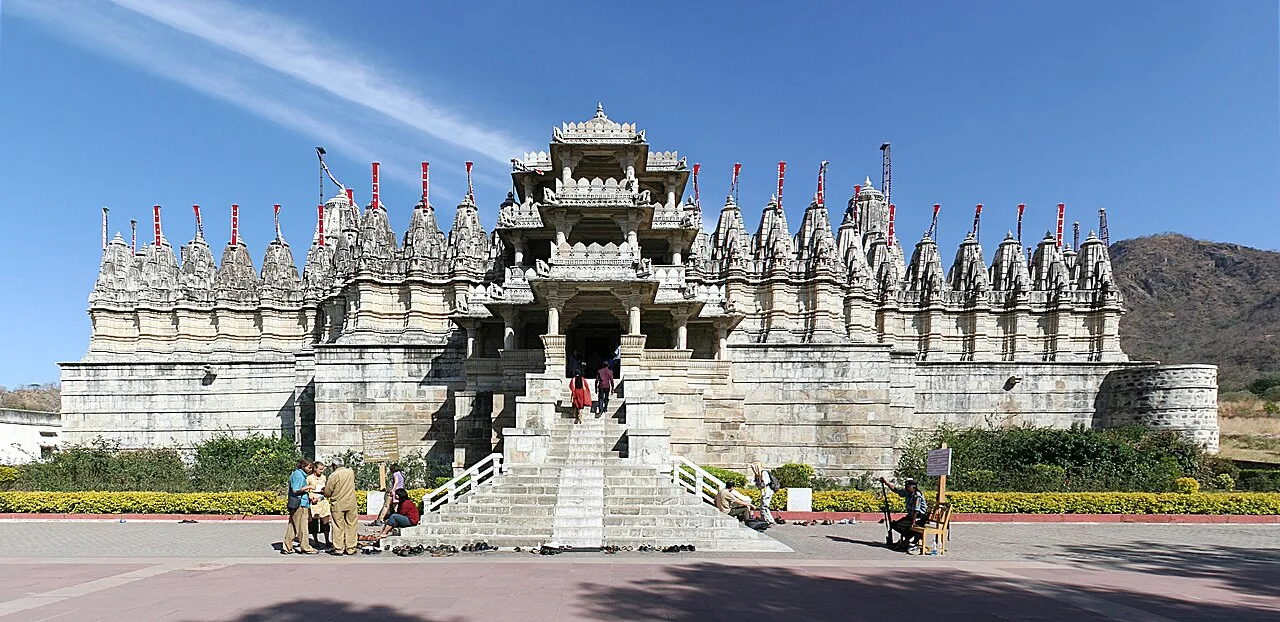
The Ranakpur Jain temple, also known as Chaturmukha Dharana Vihara, is a Śvētāmbara shrine devoted to Rishabhanatha. Jain pilgrims visit this important religious site and its group of associated temples.

Rajsamand Lake

92 km away · Rajsamand district

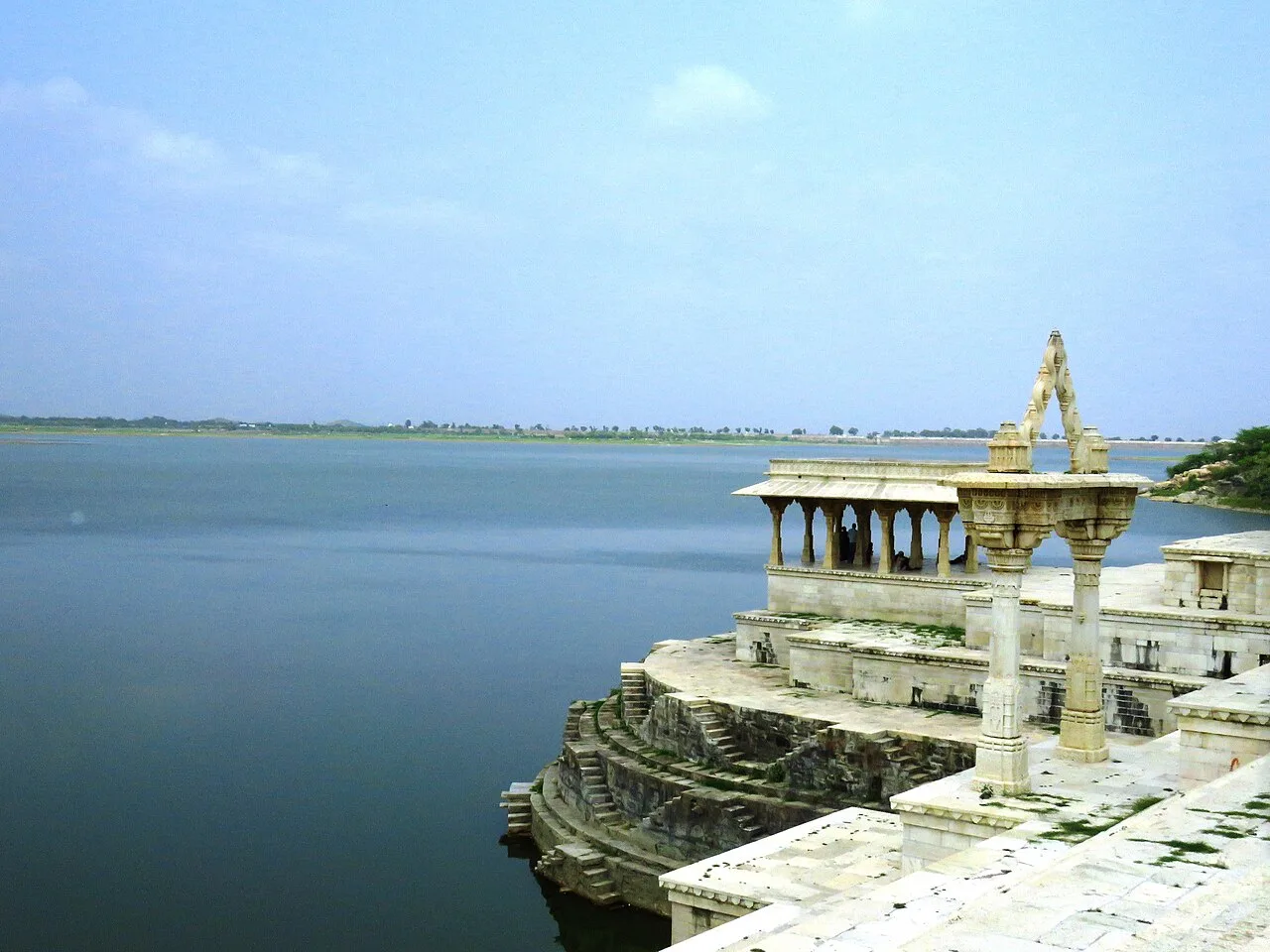
Rajsamand Lake

A large reservoir in Rajasthan’s Rajsamand district, Rajsamand Lake is also called Rajsamudra. Visitors come to see its scale and the historic work associated with Rana Raj Singh.

Map

Siat on the map

  1. 1Salawas
  2. 2Umaid Bhawan Palace
  3. 3Kumbhalgarh
  4. 4Jaswant Thada
  5. 5Mehrangarh
  6. 6Mandore
  7. 7Ranakpur Jain temple
  8. 8Rajsamand Lake

Rajasthan

Other cities to explore