Ghumoopedia — Explore, Discover, Experience
Sign in

City guide · Rajasthan

Sagwara

Sagwara is a municipality in the east-central part of Dungarpur district, serving as an important town for the surrounding villages. Its location in Sagwara Tehsil and its administrative role make it a practical regional centre as well as a stop for travellers exploring southern Rajasthan.

Famous for

  • Marble carving
  • Stone sculpture
  • Temple architecture
  • Gold jewellery
  • Regional village trade

Why Sagwara matters

Sagwara is a municipality in the east-central part of Dungarpur district, serving as an important town for the surrounding villages. Its location in Sagwara Tehsil and its administrative role make it a practical regional centre as well as a stop for travellers exploring southern Rajasthan. The town is especially noted for sculpture, marble carving, temple architecture and gold jewellery, crafts that give it a distinctive identity within the region.

Visitors come to browse local markets, see religious architecture and experience a busy town that connects rural communities with services and trade. Sagwara’s importance is not based on a single landmark: it lies in the combination of craft traditions, everyday commerce and administrative functions. The nearby landscape and the wider Dungarpur region add interest for travellers seeking a quieter alternative to Rajasthan’s larger tourist centres. Sagwara is best approached as a living market town, where workshops, shops and places of worship are part of daily life rather than a curated visitor district.
Famous for: crafts, trade & products

Sagwara is best known locally for stone sculpture, marble carving, temple-related craftsmanship and gold jewellery. These skills are reflected in the region’s religious architecture and in the work offered by local craft and jewellery businesses. The town is also a trading hub for nearby villages, so its shops and markets serve both residents and rural customers. Visitors can look for jewellery and craft shops around the town’s central market areas; asking locally is useful for finding workshops or artisans, as businesses may be spread across different streets.

Sagwara is not chiefly identified with a particular saree or textile tradition, and its strongest reputation is in stonework and jewellery. No single GI-tagged product defines the town’s identity. Everyday goods and regional products are available through its general markets, while craft shopping is best done directly with local sellers who can explain materials and workmanship. Temple architecture is another way to encounter the area’s stonework, although individual buildings may have their own access arrangements. Bargaining practices and shop selections vary, so visitors should compare pieces and ask about materials before buying.

History

Sagwara developed as a settlement and market centre within the historic Dungarpur region. Its position among villages helped it grow as a place where rural communities could trade and access services. The wider region was associated with the former princely state of Dungarpur, which continued as a princely state during the colonial era; Sagwara’s local growth was shaped more by its role as a regional town than by a nationally prominent political event.

After independence and the reorganisation of Rajasthan, Sagwara’s administrative importance continued through its role as the centre of Sagwara Tehsil. Today it is a municipality and serves the surrounding area through trade and public institutions, including court and sub-jail facilities. Craft work in sculpture, marble carving and jewellery remains part of its local identity. Its development reflects a gradual transition from village-serving market town to a regional centre with civic, commercial and administrative functions.

Food, festivals & culture

Daily life in Sagwara blends southern Rajasthan’s foodways with influences from the wider region. Meals commonly draw on familiar Rajasthani dishes such as dal-baati-churma, gatte ki sabzi, breads and lentils, while sweets and savoury snacks are found in local shops. These are regional favourites rather than dishes unique to Sagwara. Hindi is widely useful; Vagdi, also known as Wagdi, and other regional speech forms are part of local life.

Diwali, Holi and Navratri are widely observed, with their celebrations following the usual autumn and spring festival seasons. Makar Sankranti is marked in winter. Hindu temples and other places of worship serve as community gathering points, and the town’s temple architecture is part of its cultural character. Folk music and dance traditions of southern Rajasthan and the tribal communities of the wider Dungarpur area contribute to the region’s cultural life. Performances and celebrations are often tied to festivals and community occasions, so visitors may find activity varies by season.

Visiting the city

The cooler months, roughly October to March, are generally the most comfortable time to visit. The nearest major airport is Maharana Pratap Airport at Udaipur, while Dungarpur railway station is the main nearby rail station. From either point, continue to Sagwara by road; buses and hired vehicles connect towns in the region.

Within Sagwara, local autos and other shared or hired vehicles can help with short trips, while the central market is manageable to explore on foot. Start around the market streets for jewellery shops and everyday trade, then visit local temples and areas where stonework can be seen. The town’s quieter edges and nearby villages offer a sense of the rural landscape that supports its markets. Check local conditions before setting out to individual workshops or places of worship.

Trips from the city

Nearest places to visit from Sagwara

Our closest destination guides, by straight-line distance.

Dhebar Lake

65 km away · Udaipur district

Dhebar Lake

Dhebar Lake, also called Jaisamand, is a large reservoir in Rajasthan, known for its marble dam, islands and adjoining wildlife sanctuary. Visitors come to see its natural setting and historic links with Mewar.

City Palace, Udaipur

105 km away · Udaipur district

City Palace, Udaipur

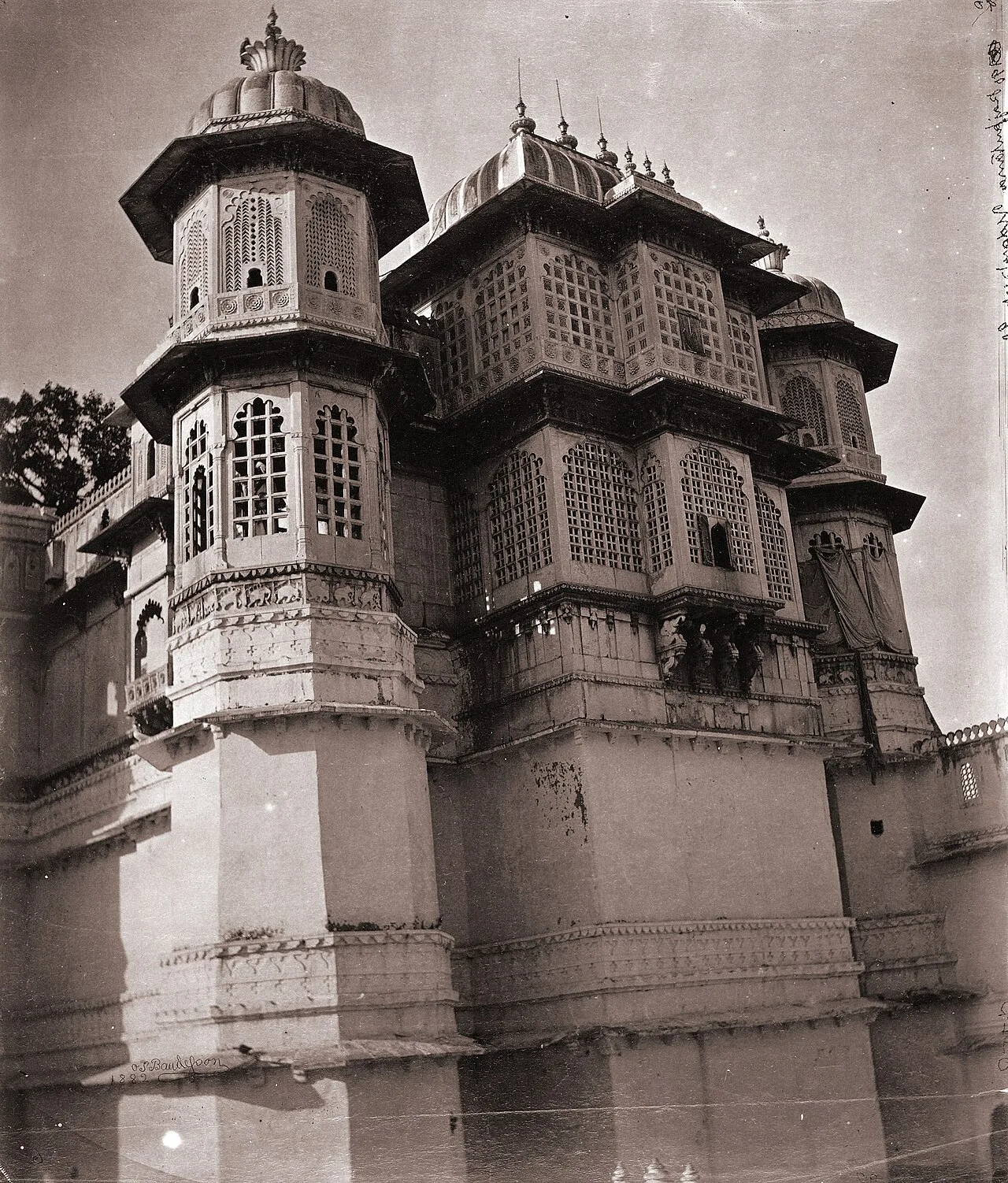
Udaipur’s City Palace is a historic royal complex shaped by successive Mewar rulers. Visitors come to see its architecture, hilltop setting and views over Lake Pichola.

Jag Mandir Palace

105 km away · Udaipur district

Jag Mandir Palace

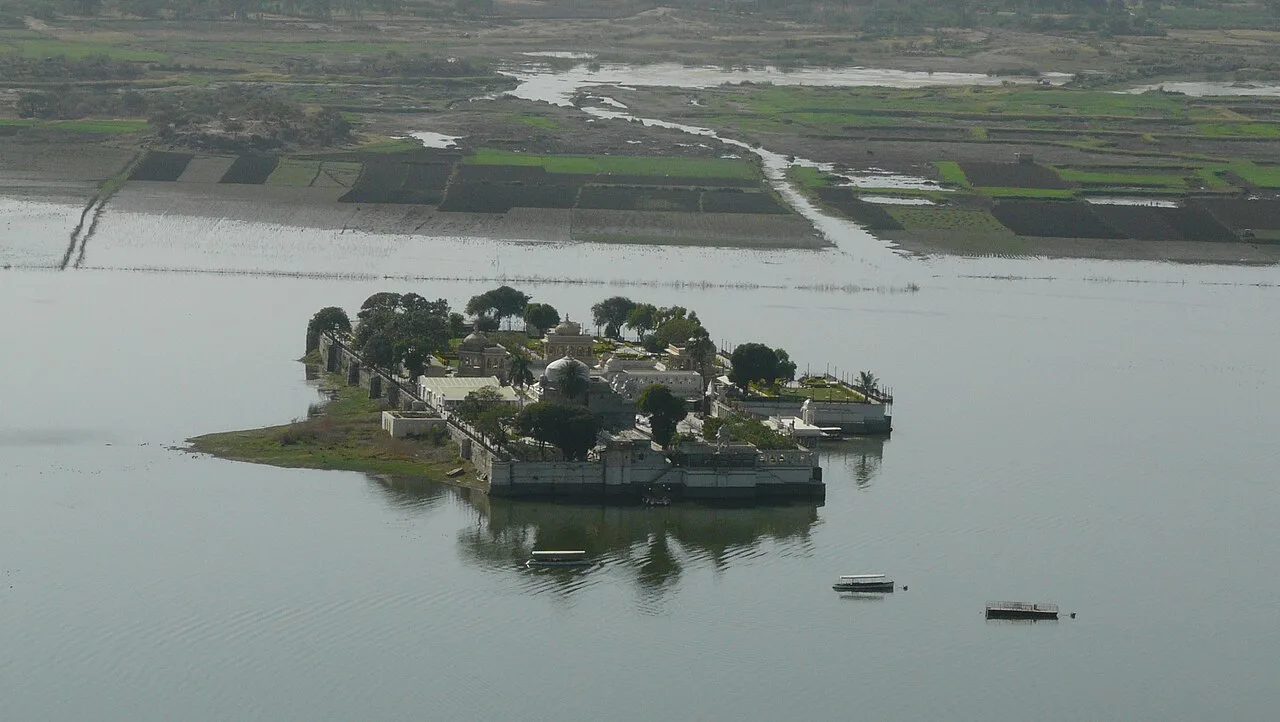
Set within Lake Pichola in Udaipur, Jag Mandir Palace is a royal island residence. Visitors are drawn to its history, Mughal-influenced design and past as a retreat, celebration venue and place of refuge.

Lake Palace

105 km away · Udaipur district

Lake Palace

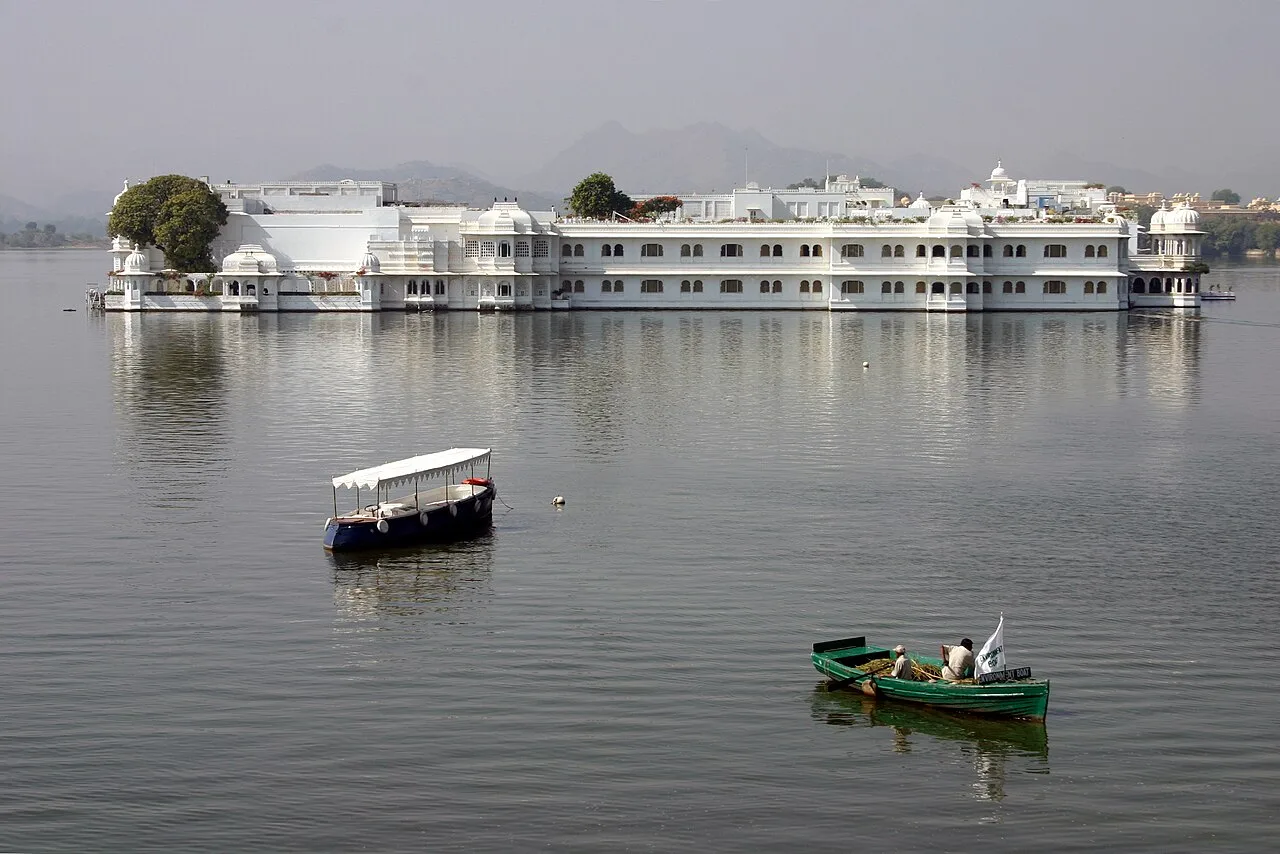
Lake Palace is a former Mewar royal summer residence on an island in Udaipur’s Lake Pichola, now a hotel. Visitors recognise it for its lake setting and appearances in several hit films.

Lake Pichola

105 km away · Udaipur district

Lake Pichola

Lake Pichola, in Udaipur city in the Indian state of Rajasthan, is an artificial freshwater lake, created in the year 1362, named after the nearby Picholi village.

Jagdish Temple

106 km away · Udaipur district

Jagdish Temple

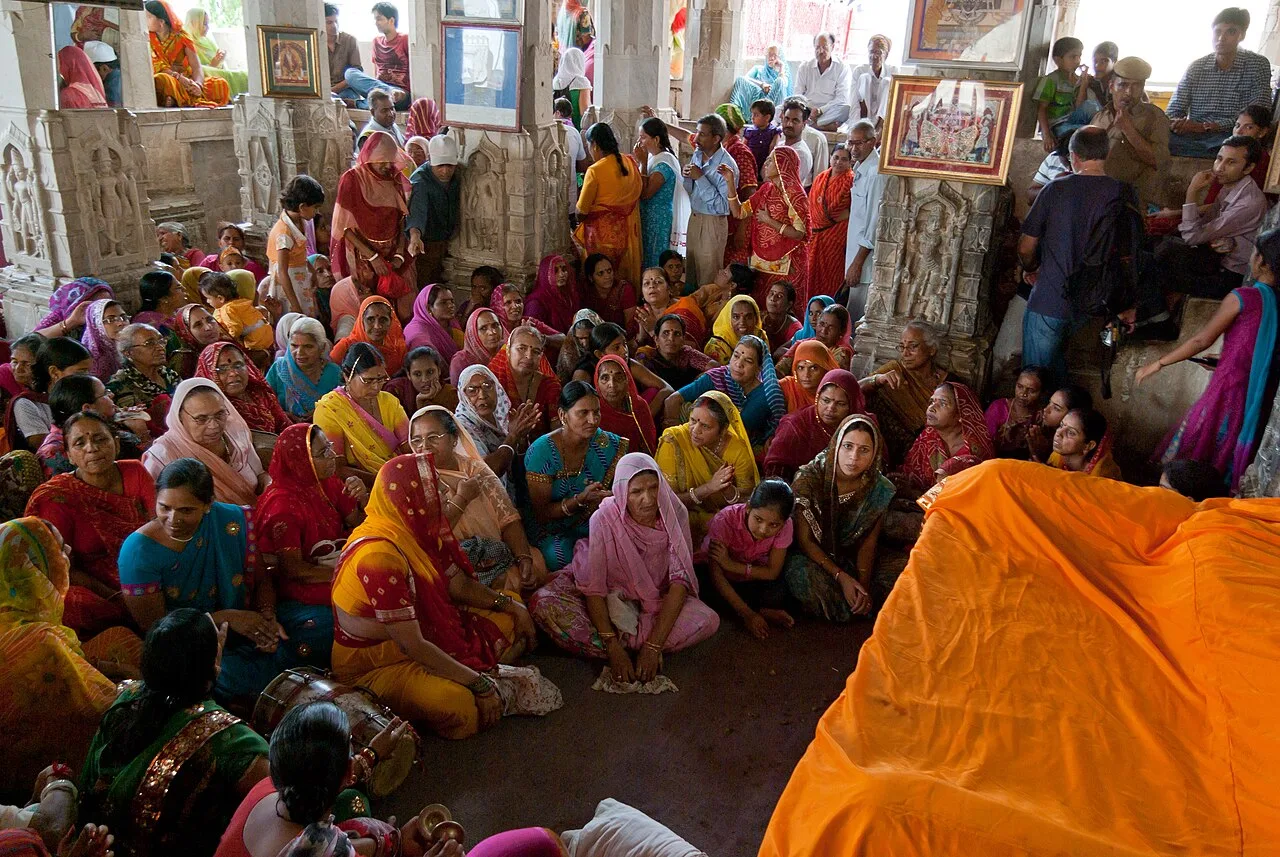
Jagdish Temple is a large Hindu place of worship in central Udaipur, Rajasthan, beside the royal palace. Visitors come to see this prominent city monument and its long-standing place of worship.

Fateh Sagar Lake

108 km away · Udaipur district

Fateh Sagar Lake

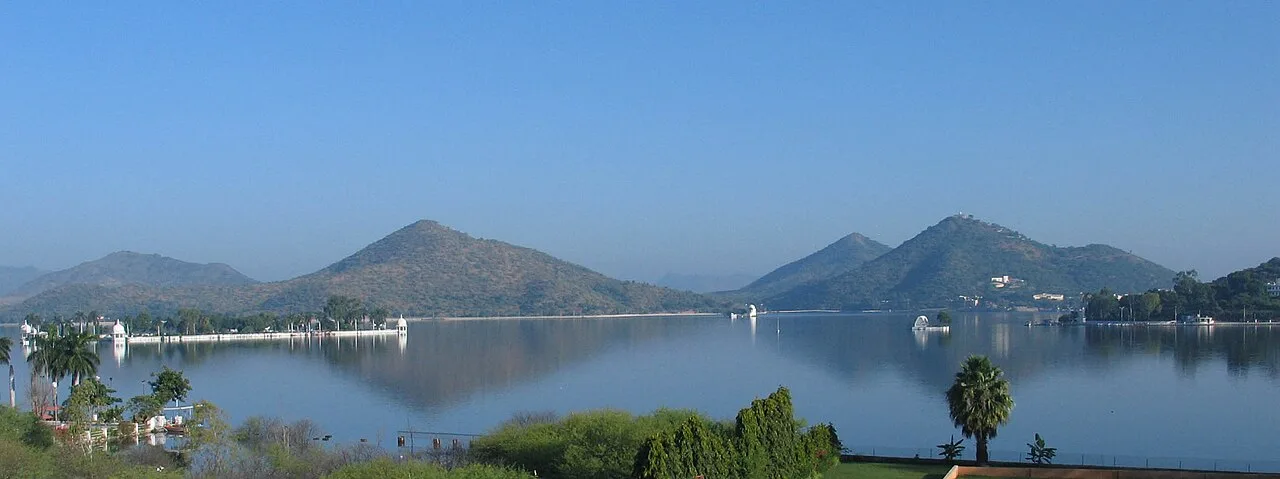
Fateh Sagar Lake is an artificial lake in Udaipur, Rajasthan. Visitors come to see its three islands, including parkland and the Udaipur Solar Observatory, while the lake also serves several water needs.

Saheliyon-ki-Bari

108 km away · Udaipur district

Saheliyon-ki-Bari

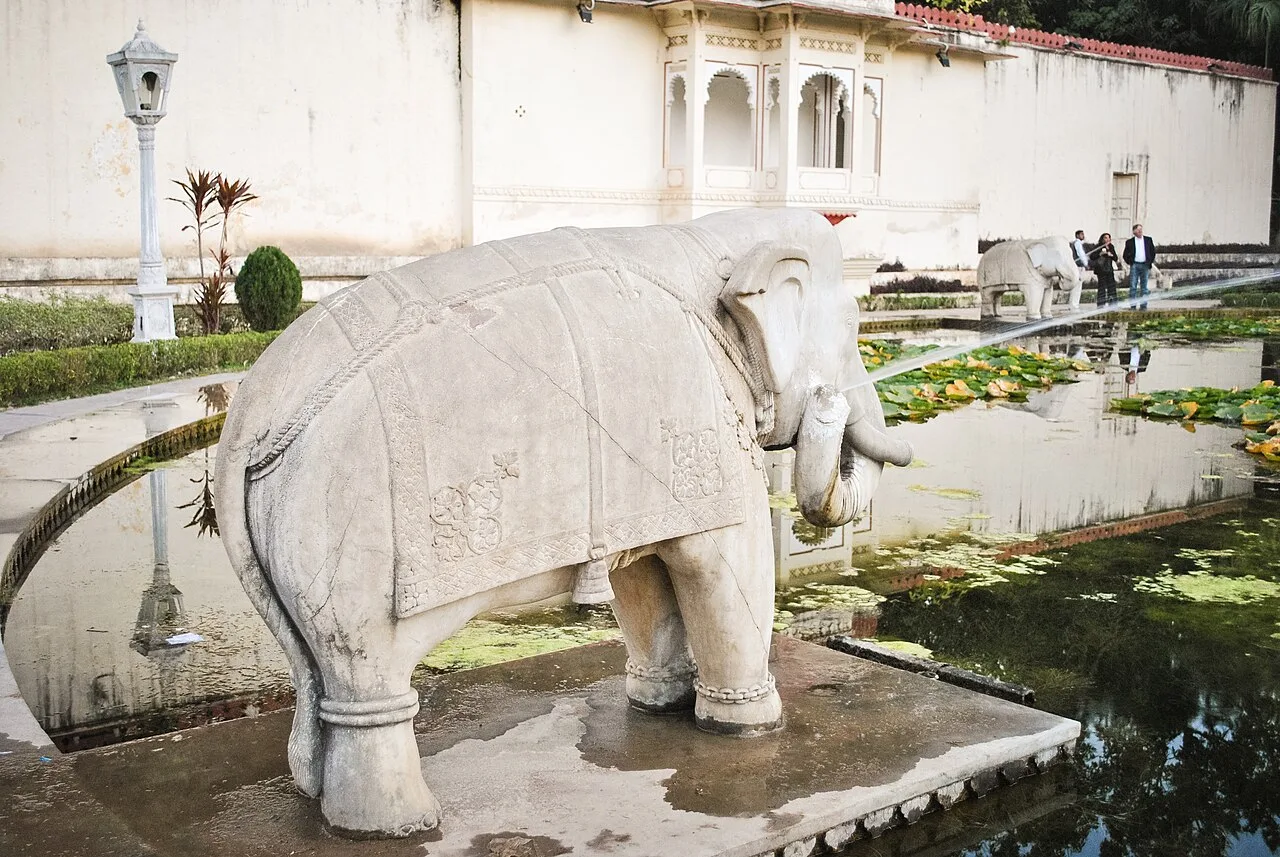
Saheliyon-ki-Bari is a garden in Udaipur, Rajasthan, where visitors can see fountains, a lotus pool and marble elephant figures, as well as a museum about Indian history.

Map

Sagwara on the map

  1. 1Dhebar Lake
  2. 2City Palace, Udaipur
  3. 3Jag Mandir Palace
  4. 4Lake Palace
  5. 5Lake Pichola
  6. 6Jagdish Temple
  7. 7Fateh Sagar Lake
  8. 8Saheliyon-ki-Bari

Rajasthan

Other cities to explore