Ghumoopedia — Explore, Discover, Experience
Sign in

City guide · Rajasthan

Beriwala

Beriwala is identified in regional accounts as a village in the Fazilka border area of Punjab, not as a city in Rajasthan. Its significance is tied chiefly to its location near the India–Pakistan frontier and to fighting in the 1971 Indo-Pakistani War.

Famous for

  • India–Pakistan borderland
  • 1971 war history
  • Fazilka region
  • Nearby Asafwala memorial

Why Beriwala matters

Beriwala is identified in regional accounts as a village in the Fazilka border area of Punjab, not as a city in Rajasthan. Its significance is tied chiefly to its location near the India–Pakistan frontier and to fighting in the 1971 Indo-Pakistani War. Visitors looking for a fuller range of services and places to explore generally use nearby Fazilka as their base.

The wider area’s principal historical attraction is the Asafwala War Memorial, which commemorates Indian soldiers killed during the 1971 fighting. The Sadiqui border area is another point of interest, associated with a flag-lowering ceremony and the frontier’s partition-era history; access and arrangements can be subject to security conditions. Beriwala itself is best approached as a small border settlement rather than a developed sightseeing destination. Its importance lies in the history and geography of the surrounding region, so travellers should plan visits around Fazilka and confirm local access before heading to border locations.
Famous for: crafts, trade & products

There is no well-documented Beriwala speciality in textiles, handicrafts, a GI-tagged product or a distinctive local industry. The village should not be confused with Fazilka, whose history includes trade in wool and whose town centre has served as a regional market. Travellers seeking shops, everyday goods or a wider choice of services are more likely to find them in Fazilka than in Beriwala.

The area’s best-known visitor site is the Asafwala War Memorial, outside Fazilka, which preserves the memory of soldiers who died in the 1971 conflict. It is a memorial rather than a craft or shopping venue. No particular Beriwala market, artisan quarter or specialist institution is established in the available regional record, so visitors should avoid expecting a dedicated souvenir trade. For locally made goods or regional products, ask in Fazilka’s town market about current availability; stock and sellers may vary. Border-area access can be restricted, and the presence of a nearby crossing does not mean it is open for civilian travel or trade.

History

Beriwala’s recorded significance is closely connected to its position in the Fazilka border region. The wider area became a frontier zone after the 1947 Partition, when the new international boundary divided communities and routes across Punjab. Fazilka, the nearby regional town, was founded in 1844 under British rule on land formerly associated with the Bahawalpur princely state. It developed as a trading centre, with wool among its important historic commodities.

In December 1971, during the Indo-Pakistani War, fighting spread through villages in the Fazilka sector, including Beriwala. The conflict brought the settlement into accounts of the defence of the border region. The Asafwala War Memorial, built after the war near Fazilka, commemorates Indian soldiers killed in the fighting. In modern administration and daily services, Beriwala is part of a region oriented toward Fazilka rather than an independent urban centre. Its story is therefore best understood through the history of the frontier and the nearby town.

Food, festivals & culture

Beriwala belongs to the Punjabi borderland, where Punjabi is widely used and regional speech may reflect the area’s closeness to Rajasthan and Haryana. In the surrounding region, everyday food commonly follows Punjabi patterns, including wheat breads, lentils, vegetables and dairy-based dishes; these are regional staples rather than a claimed village speciality.

The broader calendar includes festivals observed across much of Punjab, such as Lohri in winter, Baisakhi in spring, and Gurpurab observances whose dates vary. Diwali is also celebrated in the region. Local religious life is centred on community places of worship, but no major named shrine or festival site is established for Beriwala itself. For visitors interested in cultural context, Fazilka offers a larger setting in which to encounter the border district’s Punjabi life and history. The Asafwala memorial provides a place to learn about the region’s 1971 wartime experience, rather than a venue for food or festival tourism.

Visiting the city

The cooler months, roughly November to March, are generally the most comfortable for visiting this hot, dry border region. Beriwala is a village, not a developed city destination; Fazilka is the practical base for lodging, services and onward travel. Fazilka Railway Station is the main rail station for the area. Bathinda Airport, also known as Bhisiana Airport, is the nearest named airport, though travellers should check whether suitable civilian flights are operating; Amritsar’s Sri Guru Ram Dass Jee International Airport is a larger alternative.

Local travel is best arranged from Fazilka by road, using a private vehicle or locally available taxi. Explore Fazilka town and the Asafwala War Memorial as part of a regional visit. Border locations may have security restrictions, so confirm access with local authorities before travelling and carry valid identification.

Trips from the city

Nearest places to visit from Beriwala

Our closest destination guides, by straight-line distance.

Gajner Palace

94 km away · Bikaner district

Gajner Palace

Gajner Palace, in Rajasthan’s Bikaner district, was used by the maharajas of Bikaner as a hunting lodge and now operates as a heritage hotel. Visitors come to stay at the palace.

Lalgarh Palace

100 km away · Bikaner district

Lalgarh Palace

Lalgarh Palace is a palace and heritage-hotel property in Bikaner, Rajasthan, created for Maharaja Sir Ganga Singh. Visitors come to see the residence and its links to Bikaner’s royal history.

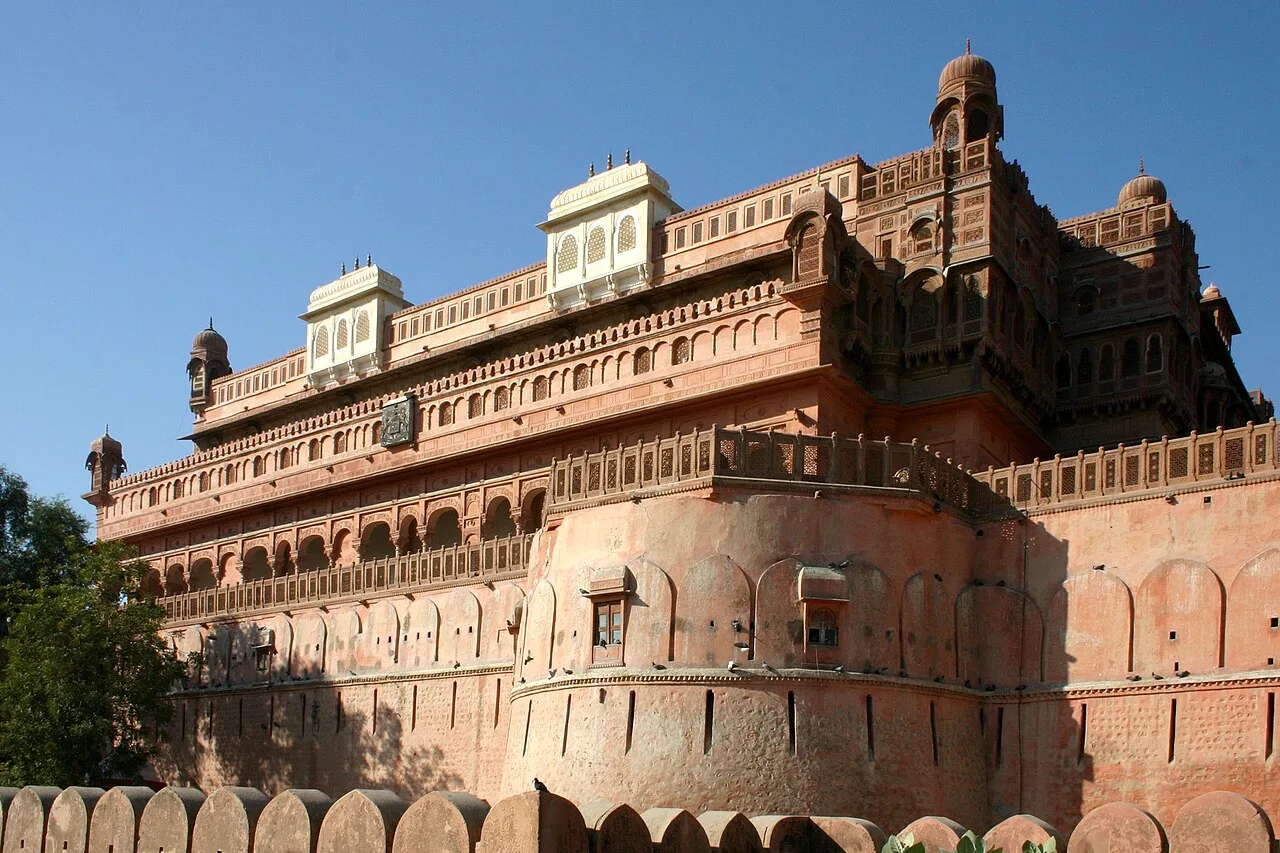
Junagarh Fort

101 km away · Bikaner district

Junagarh Fort

Junagarh Fort is a historic complex in Bikaner, Rajasthan, known for its palaces, temples and pavilions. Visitors can explore its layered history and blend of architectural traditions.

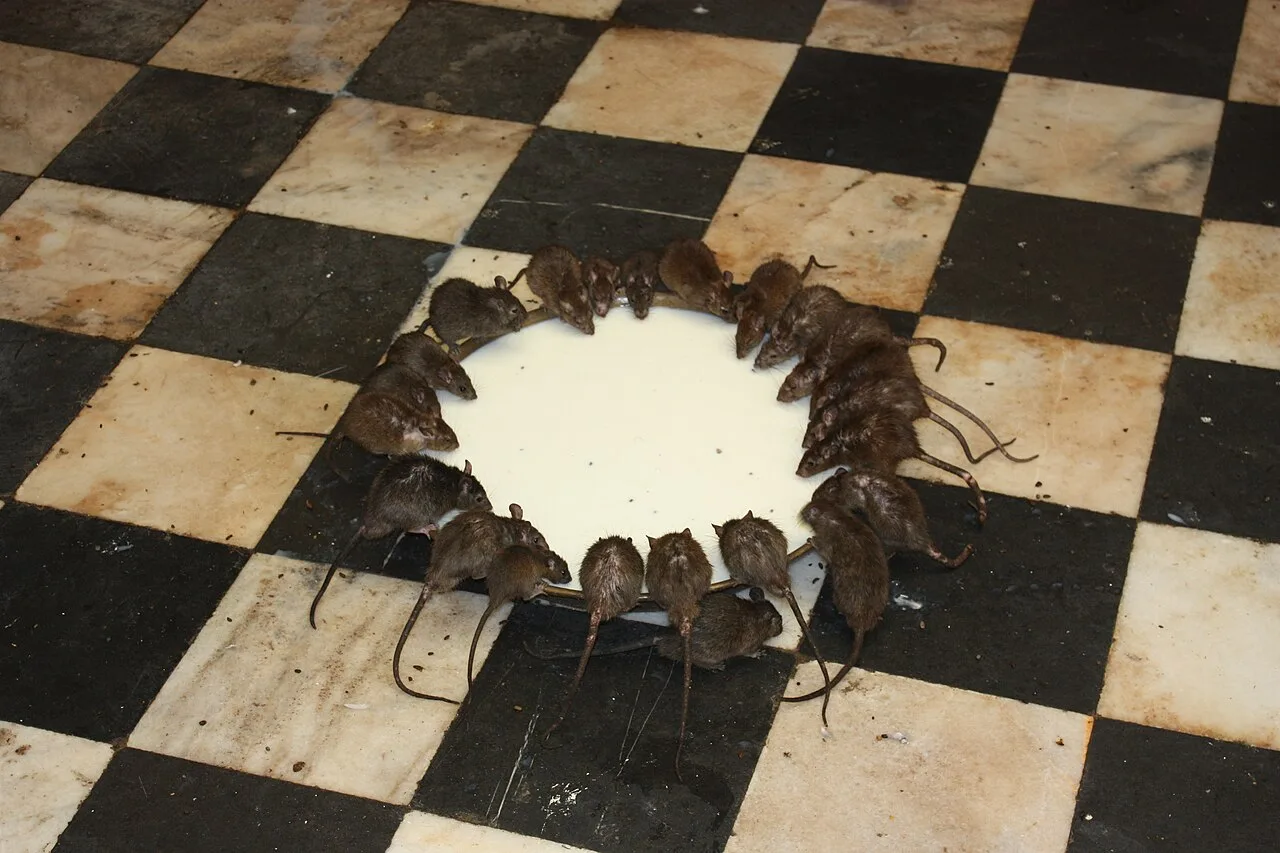
Karni Mata Temple

123 km away · Bikaner district

Karni Mata Temple

Karni Mata Temple is a Hindu shrine in Deshnoke, Rajasthan, associated with Karni Mata and sacred kābā rodents. Pilgrims seek blessings there, while visitors come to see its distinctive rat population.

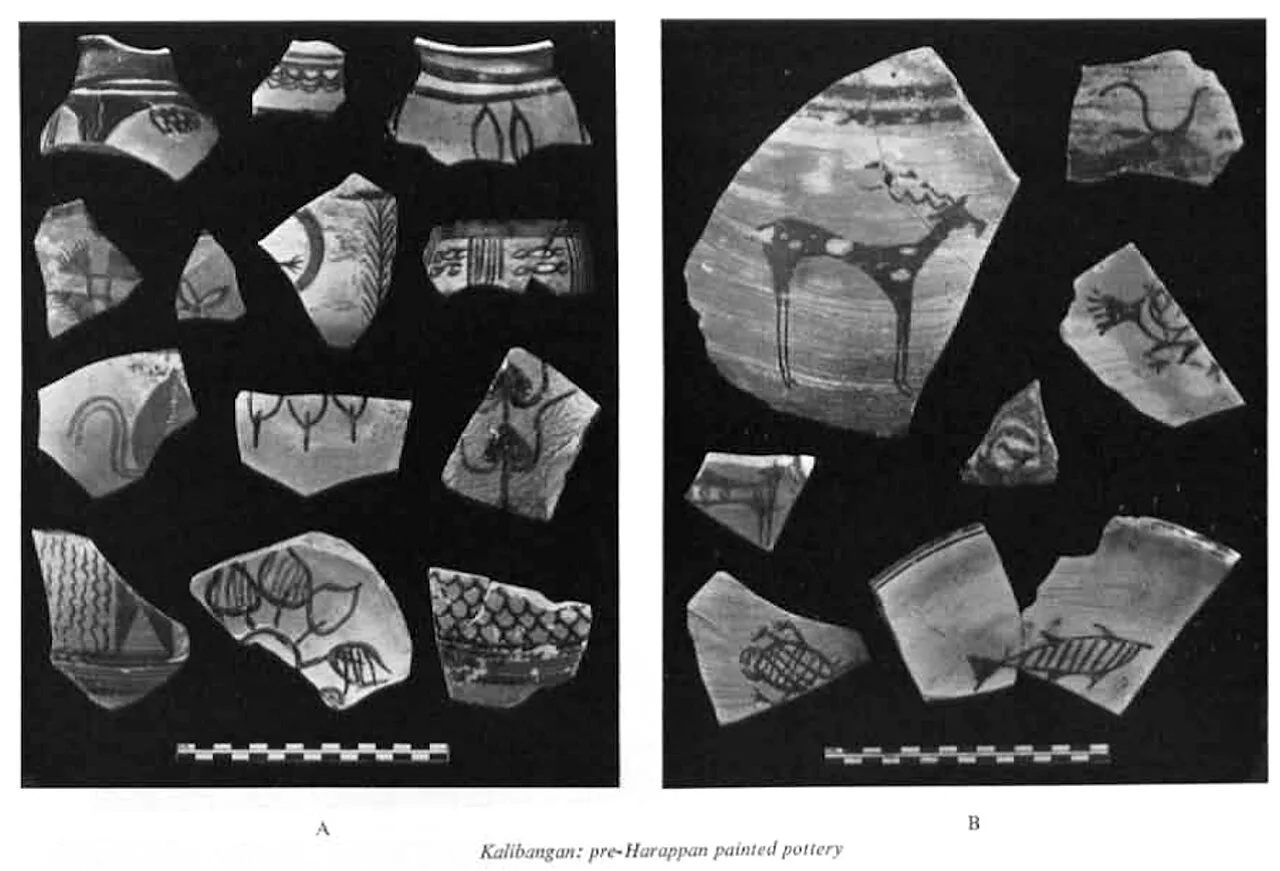
Kalibangan

168 km away · Hanumangarh district

Kalibangan

Kalibangan is an archaeological town in Hanumangarh district, Rajasthan, beside the Ghaggar. Visitors come to explore its Indus Valley Civilization remains, including fire altars and evidence of an ancient ploughed field.

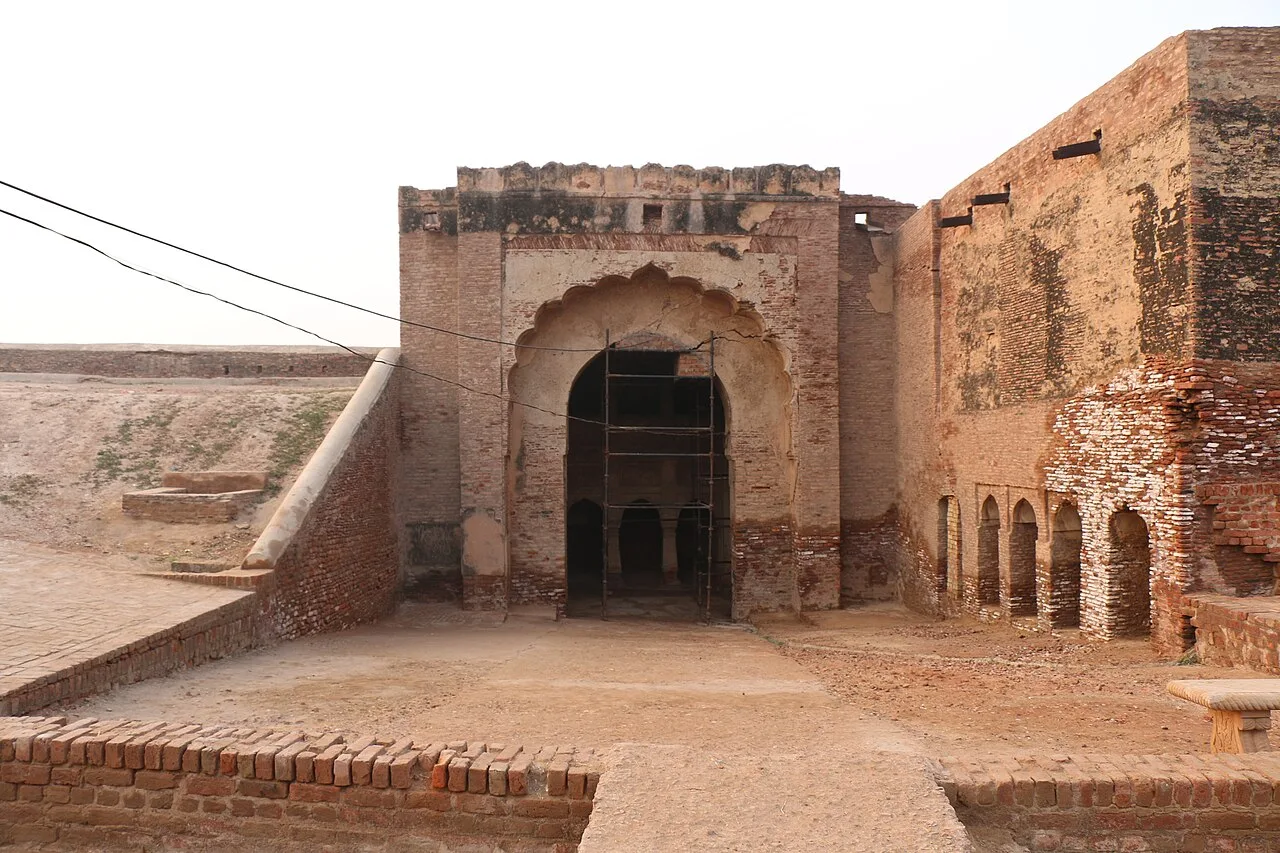
Bhatner fort

191 km away · Hanumangarh district

Bhatner fort

Bhatner Fort is an ancient stronghold in Hanumangarh district, Rajasthan. Visitors are drawn by its association with the Bhati lineage, its believed age and its protected status.

Tal Chhapar Sanctuary

202 km away · Churu district

Tal Chhapar Sanctuary

Tal Chhapar is a wildlife sanctuary in Rajasthan’s Churu district, known for blackbucks and birdlife. Visitors come to see its wildlife in a setting near the Great Indian Desert.

Osian

223 km away · Jodhpur district

Osian

Osian is an ancient settlement and tehsil headquarters in Rajasthan’s Jodhpur district, known for its eighth- to twelfth-century Hindu and Jain temples and its history as a trading and religious centre.

Map

Beriwala on the map

  1. 1Gajner Palace
  2. 2Lalgarh Palace
  3. 3Junagarh Fort
  4. 4Karni Mata Temple
  5. 5Kalibangan
  6. 6Bhatner fort
  7. 7Tal Chhapar Sanctuary
  8. 8Osian

Rajasthan

Other cities to explore