
Tal Chhapar Sanctuary
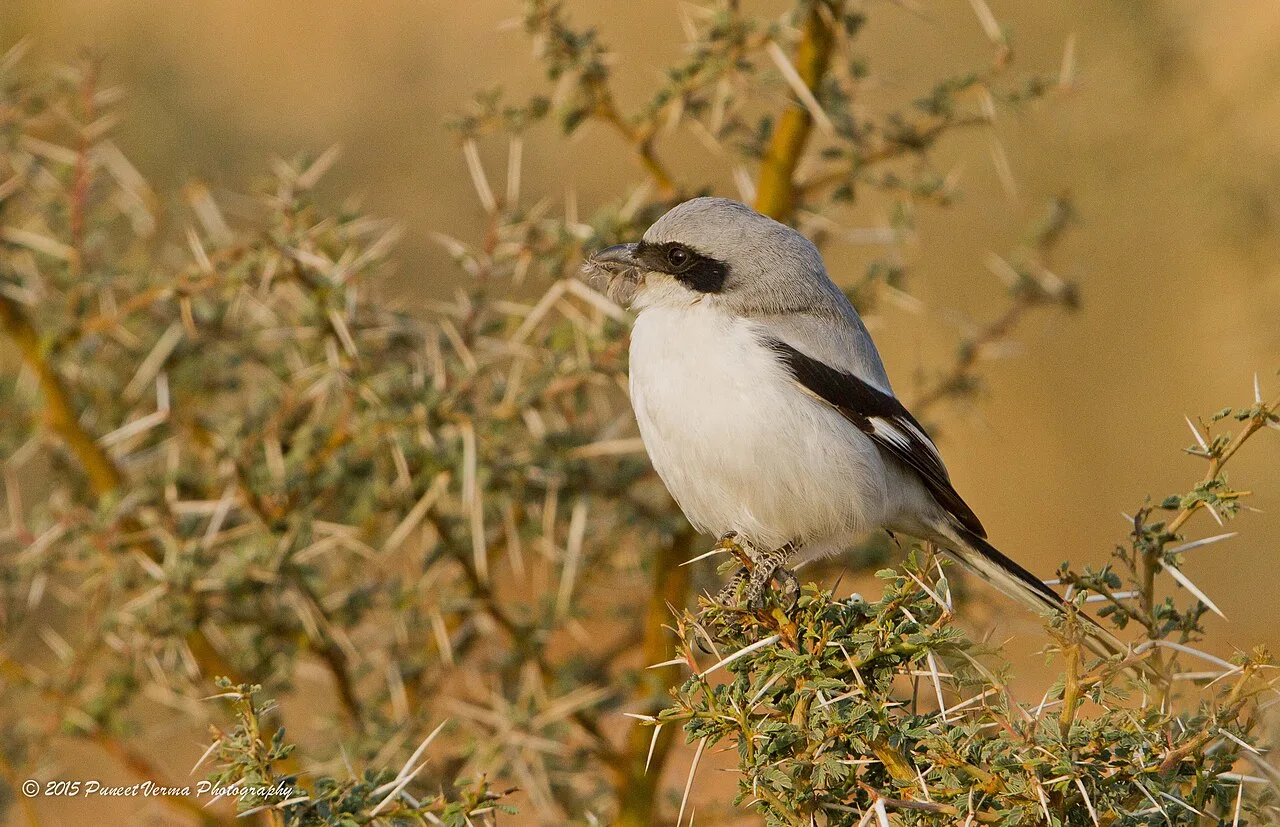
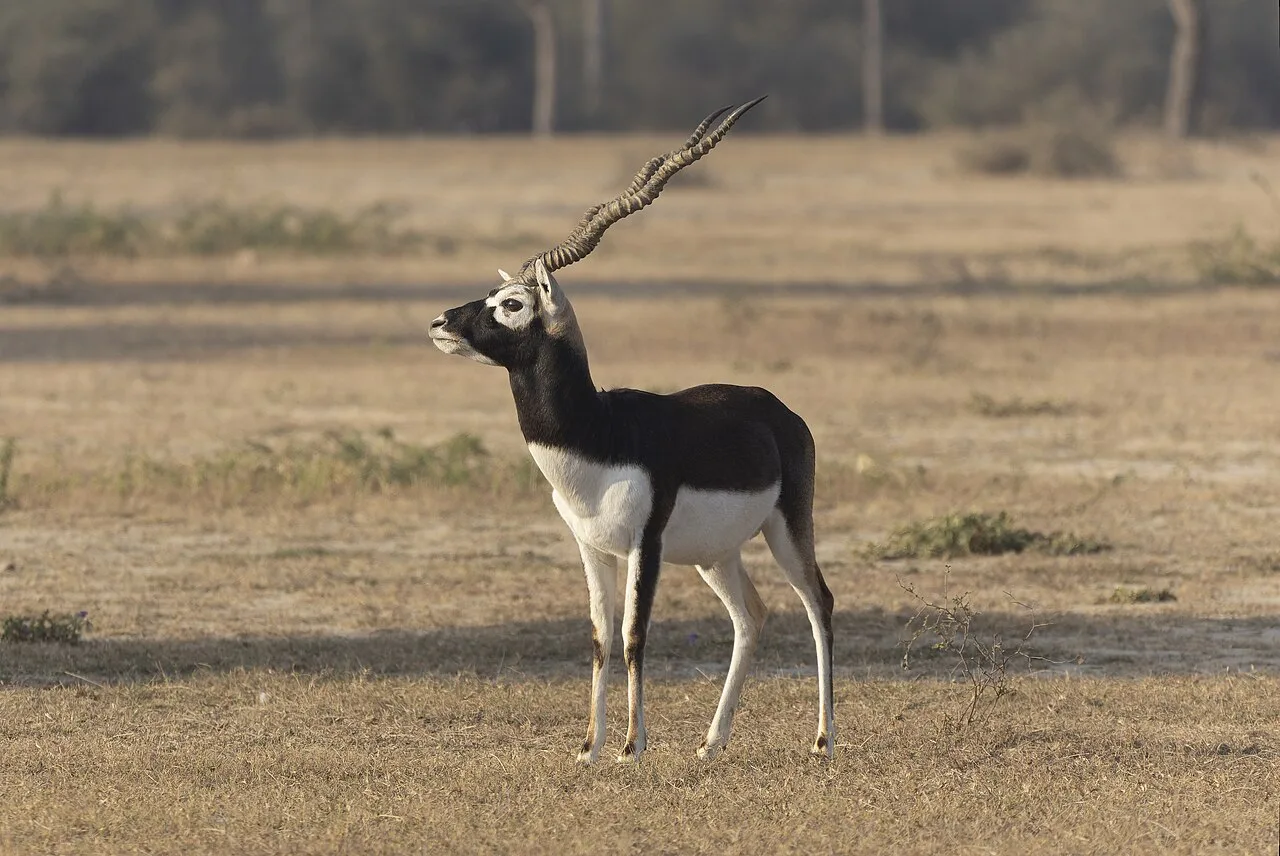
Tal Chhapar is a wildlife sanctuary in Rajasthan’s Churu district, known for blackbucks and birdlife. Visitors come to see its wildlife in a setting near the Great Indian Desert.
Key facts · verified by Ghumoopedia editors
- Type of place
- National park / sanctuary
- Best time to visit
- October to March
- Nearest railway station
- Sikar Junction · about 70 km (straight line)
- Nearest airport
- Bikaner (Nal) Airport · about 125 km (straight line)
- Verified
- 21 Nov 2026
Plan a trip from Tal Chhapar Sanctuary — a day-by-day route through places nearby.
This protected area lies in the Shekhawati region of north-western Rajasthan, within Churu district. Blackbucks are a prominent feature, and the sanctuary also supports a range of birds. Tal Chhapar is situated at the edge of the Great Indian Desert. The sanctuary lies between Ratangarh and Sujangarh, alongside the Nokha–Sujangarh state highway. Its location brings together the desert margin and the wider Shekhawati landscape. The blackbucks and variety of birdlife are central to the sanctuary’s identity. Rajasthan is the land of Rajput forts and palaces, painted havelis, desert folk music, puppetry and colourful fairs such as the Pushkar camel fair. Rajasthan is very hot from April to June — often above 45 °C in the desert — with a short monsoon in July–September. Winter days are pleasant and nights are cold, especially in the Thar Desert. Mount Abu is the state's only hill station and stays cooler. The usual best time to visit is October to March. Timings, fees and access arrangements must be confirmed locally. For official information, see Rajasthan Tourism at https://www.tourism.rajasthan.gov.in.
Why it matters
Tal Chhapar Sanctuary is a protected wildlife area in Churu district, in the Shekhawati region of northwestern Rajasthan. The Rajasthan Forest Department administers it as a wildlife sanctuary; it is not a national park. Its open grassland landscape provides habitat for blackbucks and a variety of resident and seasonal birds, making it an important local site for wildlife watching and nature study. The sanctuary also represents a less forested kind of protected habitat in a state often associated with desert and scrub landscapes. Its position near the towns of Chhapar, Sujangarh and Ratangarh makes it a notable destination in the district. Visitors should follow current directions from the managing authority and avoid disturbing wildlife.
Tal Chhapar is a settlement and grassland landscape in Churu district, on the fringe of the Great Indian Desert. The sanctuary is commonly recorded as having been established in 1966, when the area received formal protection as a wildlife sanctuary. Detailed, well-sourced accounts of the site's earlier land use, its original boundaries and the process of designation are not consistently available in visitor references, so specific claims about founders or former rulers should be treated cautiously. The landscape has long been part of a region where farming and livestock keeping are important livelihoods, but the sanctuary's protected status places limits on activities within its boundaries. Its identity today is closely associated with the blackbuck and the open grassland habitat. Management, access arrangements and conservation work are the responsibility of the relevant Rajasthan wildlife authorities; practices may change over time. For the latest account of its designation, boundaries and conservation measures, consult the Rajasthan Forest Department or another official source before visiting.
Spend unhurried time at Tal Chhapar Sanctuary: walk the marked paths, use official viewpoints and ask locally whether a guide, entry ticket or permit is needed. Weather changes fast, so carry a warm or rain layer even on a clear morning. Wildlife sightings are never guaranteed — patience and quiet improve your chances. A comfortable itinerary is one main visit in the morning, a local meal at midday and a short nearby stop before an afternoon return. Use the district list on this site to find other places in Churu, but check the route and its condition before combining stops. If a festival or fair is on, roads and stays can be busy — and the experience can be unforgettable. Leave no litter: many sites are protected by the communities around them.
Suggested itineraries
Half day: Allow about 2–3 hours for entry arrangements, a quiet visit to permitted viewpoints or marked paths, and wildlife watching; have a meal in or near Chhapar afterwards. Full day: Spend the morning at the sanctuary, pause for lunch locally, then visit Churu town or another nearby stop if road and access conditions allow; leave time for the return journey. Gentler option: Arrange a vehicle as close as permitted to an official viewpoint, spend a short time observing the landscape, and avoid longer walks or uneven paths.
Tal Chhapar lies in Shekhawati, where everyday life reflects the customs and built heritage of Rajasthan's northwestern districts. Hindi and local Rajasthani speech, including Shekhawati varieties, are commonly heard. Folk music, devotional singing and dances such as Ghoomar form part of wider regional celebrations, though they are not regular performances at the sanctuary. Traditional clothing varies by occasion and community; visitors may see colourful garments and turbans in nearby towns and villages. Local food often includes breads, pulses and other dishes suited to a dry climate. Ask before photographing people, and observe local customs respectfully, particularly at homes, markets and places of worship.
Local communities
Residents of Chhapar and nearby settlements are connected with the area through farming, livestock keeping, small businesses and services for visitors. Communities across Churu district include people with varied rural and urban livelihoods; it is best not to assume that one community represents the whole region. Sanctuary staff and local guides, where available, can help visitors understand wildlife and current access arrangements. The protected area is managed by government wildlife authorities, while neighbouring residents live and work in the wider landscape around it. Visitors can support local businesses and should respect private land, livestock and community privacy.
Festivals & events
The sanctuary is a wildlife destination rather than a regular festival venue. In nearby towns and villages, seasonal observances such as Teej, Gangaur, Holi and Diwali are part of the regional calendar; dates vary from year to year. Salasar Balaji, in Churu district, draws pilgrims and visitors for religious observances and fairs during parts of the year. These events can increase demand for transport and accommodation around the town or temple, so check locally before combining a visit. Do not expect festival activities inside the protected area, and keep wildlife viewing separate from celebrations in nearby communities.
Local food in Rajasthan includes dal baati churma, gatte ki sabzi, ker sangri, laal maas, pyaaz kachori, mirchi vada, ghewar, mawa kachori and chaach (spiced buttermilk). Ask what is fresh that day; many small eateries cook a limited daily menu. Vegetarian travellers eat very well across this region, and most towns also have non-vegetarian options. Remote sites may have no restaurant at all. Carry water and snacks, eat a proper breakfast before long drives, and ask your accommodation for a packed lunch if you are heading out early. Try a home-cooked or dhaba meal when you can — it is often the best food on the route. Choose busy, clean places and carry your packaging back with you.
Shopping & local experiences
Look for locally made Rajasthani textiles, embroidered items, household crafts and regional snacks in nearby town markets, while checking where an item was made rather than assuming it is local. Churu's markets may offer a wider choice than the sanctuary area. Food experiences can include everyday regional breads, pulses and sweets from local eateries. There may be few or no shops at the sanctuary itself, so buy essentials before arrival. Choose practical souvenirs, avoid products made from wildlife or protected plants, and ask permission before photographing vendors or their stalls.
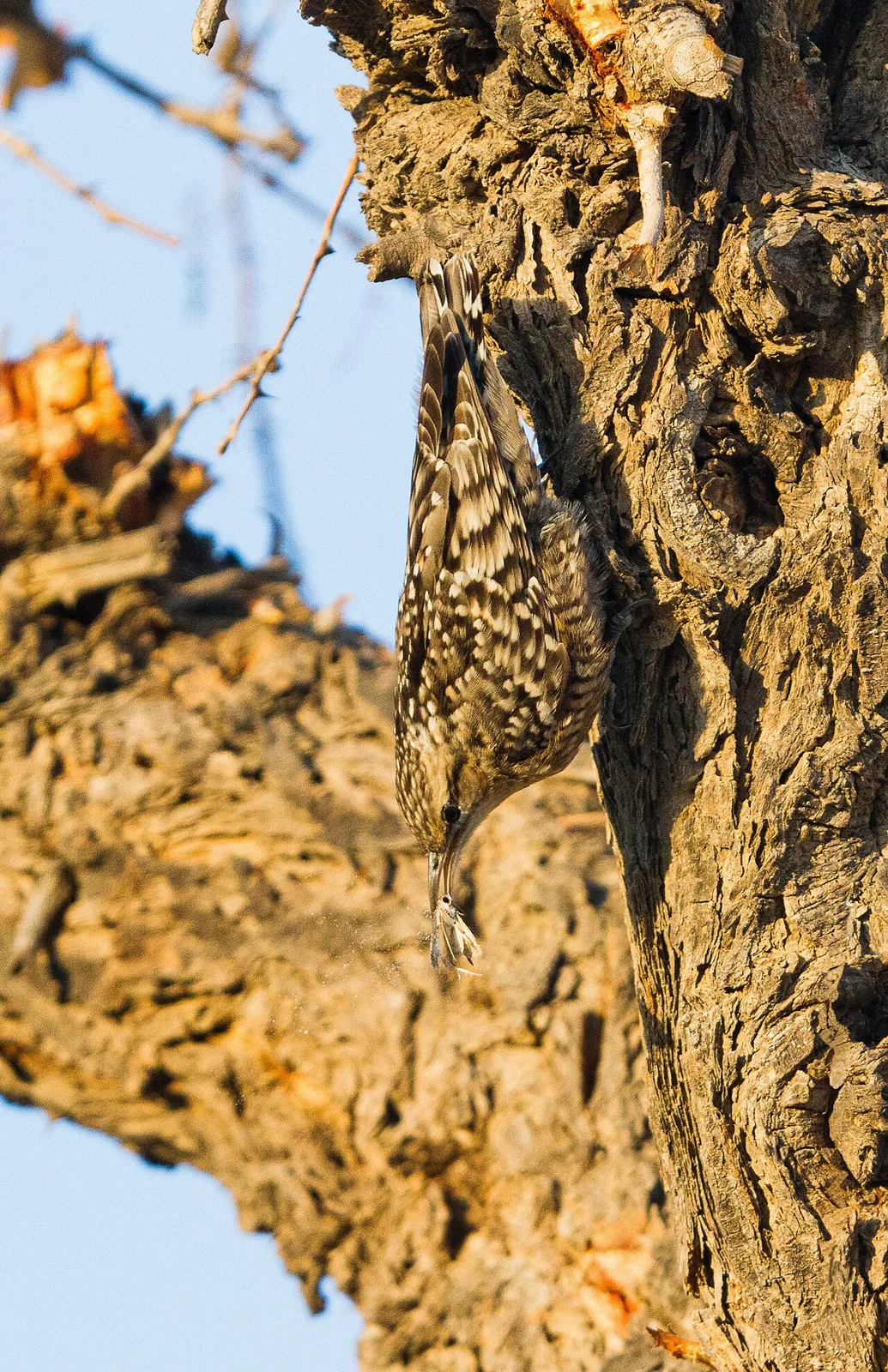
Tal Chhapar is known for its broad, open grassland on the edge of the Great Indian Desert. The relatively level terrain and seasonal water availability distinguish it from the rocky hills and dense forests found elsewhere in Rajasthan. Blackbuck are the sanctuary's best-known animals, but sightings depend on season, conditions and luck. The grassland also supports a variety of birds, including resident species and seasonal visitors; raptors and smaller grassland birds may be present. Vegetation is adapted to dry conditions, and its appearance changes with rainfall and grazing patterns. There is no guarantee of seeing any particular animal or bird. Keep a respectful distance, remain quiet and follow official guidance to avoid disturbing wildlife.
October to March
The nearest principal railway station by straight-line distance is Sikar Junction, roughly 70 km away. The nearest operating airport by straight-line distance is Bikaner (Nal) Airport, roughly 125 km away. These figures are calculated from map coordinates — actual road distance is longer. Jaipur, Ajmer, Jodhpur, Udaipur and Kota are the main rail hubs, and Jaipur, Udaipur and Jodhpur have the most flights; Delhi is the usual gateway for the north-east of the state. For the final leg, Rajasthan State Road Transport Corporation (RSRTC) buses and private coaches link district towns; shared taxis usually leave early in the morning. A private taxi gives more flexibility for remote sites. When comparing train, bus and flight, count the complete door-to-door time: a flight saves the most time only if the onward road transfer is short, while an overnight train can save a hotel night. Book your return before you leave, because seats fill quickly on weekends, festivals and holidays. Current train numbers, timings, return services and fares are not listed here; check IRCTC and NTES for trains and the airline's own schedule for flights. No permit is needed to visit Rajasthan. Land close to the international border west of Jaisalmer and Barmer is restricted beyond certain points: places such as Tanot can be visited, but border outposts need Border Security Force permission. Forts and palaces charge entry and camera fees, and tiger-reserve safaris must be booked through the official forest department portal.
Confirm onward and return timings on IRCTC / NTES, the state bus operator or your airline before travel. A dash means current timings or fares have not been verified.
Getting around
Tal Chhapar lies between Ratangarh and Sujangarh on the Nokha–Sujangarh state highway. RSRTC buses and private coaches serve district towns, but the final leg may require a taxi or other locally arranged vehicle; confirm onward connections before travelling. Private taxis offer more flexibility for reaching the sanctuary and nearby stops. Within the visitor area, follow the permitted route and use official viewpoints or marked paths rather than driving or walking off-route. Walking is appropriate only where access rules allow it. Check locally for parking arrangements, local transport availability and road conditions, especially after rain.
Hours, tickets & permissions
Entry to the sanctuary is subject to the current rules of the managing wildlife authority. A ticket, permit, vehicle permission or guide may be required, and separate conditions can apply to cameras or other equipment. Requirements and access arrangements can change, so confirm current hours, fees and entry procedures with the Rajasthan Forest Department or local sanctuary staff before setting out. Carry identification if requested and follow any instructions about routes, gates or visitor areas. Do not assume that access is available throughout the day or that all areas are open.
Facilities
Facilities inside a wildlife sanctuary can be limited. Toilets, drinking water, food, parking and interpretation may be available at or near the visitor entrance, but availability and condition can vary; check locally and carry water and snacks for the journey. Guides or staff assistance may be available, but arrange or confirm this in advance rather than assuming a guide will be present. Chhapar and larger district towns are more likely to have shops, meals and basic services. ATMs and other facilities are not assured at the sanctuary itself, so plan essential needs before leaving a town.
Accessibility
The sanctuary's open, mostly level grassland setting may be easier to approach than steep terrain, but visitor paths and surfaces can still be uneven, dusty or affected by weather. Walking distances depend on the areas currently open and the permitted route. Shade may be limited, so sun protection and water are important. Do not assume that paths, toilets, viewpoints or vehicles are wheelchair accessible, or that ramps are available. Strollers may be difficult to use on rough ground. Older visitors and anyone with limited mobility can ask locally about vehicle access to an official viewpoint and choose a shorter visit with rest breaks.
No permit is needed to visit Rajasthan. Land close to the international border west of Jaisalmer and Barmer is restricted beyond certain points: places such as Tanot can be visited, but border outposts need Border Security Force permission. Forts and palaces charge entry and camera fees, and tiger-reserve safaris must be booked through the official forest department portal. Carry a photo ID at all times and save the emergency number 112 and your accommodation's contact offline. Heat in summer and fog in winter are the main weather risks; carry water and allow extra travel time on foggy December–January mornings. Stay on marked paths, keep away from cliff edges and fast water, and never approach wild animals. Follow local guidance if access changes.
Visitor rules
Follow all instructions from sanctuary staff and remain on permitted routes and in designated visitor areas. Keep voices low, do not chase, feed or approach animals, and never block wildlife movement. Wear practical clothing and closed, comfortable footwear for dry or uneven ground; carry sun and weather protection. Do not leave litter, and avoid bringing disposable plastic where restricted. Photography must not interfere with wildlife or other visitors; observe any camera restrictions. Drones and off-route access may be prohibited or require permission, so do not use them without explicit approval.
Photography
Soft morning or late-afternoon light can bring out the textures of the grassland, but wildlife activity and visibility vary with conditions. Use official viewpoints and permitted paths, and keep enough distance to avoid disturbing animals. Photography may be subject to sanctuary rules, including possible restrictions on equipment or fees; confirm requirements before entry. Do not use flash close to wildlife. Drone use should be treated as prohibited unless the managing authority has expressly permitted it. Ask people before taking portraits, and be especially considerate near homes, markets and places of worship.
Choose a stay by the full journey to Tal Chhapar Sanctuary, not just the district name. Heritage havelis, fort hotels, state tourism (RTDC) hotels and desert camps offer distinctive stays; check that a desert camp is licensed and has proper toilets. In summer, check air-conditioning or coolers; in December and January, check heating and hot water. Book in advance for weekends, festivals and the peak season (October to March). Confirm the exact location, meals included, check-in time and cancellation terms in writing. Avoid sending money to unverified contacts or touts at stations. Carry some cash, as card and digital payments can be unreliable in remote areas.
Churu town is known for its historic havelis and painted architectural details, which can make a useful cultural stop alongside the sanctuary. Ratangarh and Sujangarh are nearby district towns that may provide services and a view of everyday life in the region. Salasar Balaji, a well-known temple in Churu district, is another possible visit; expect increased crowds during religious observances and fairs. These stops are not all immediately beside the sanctuary, so check the road route, travel time and current conditions before combining them. Keep enough time for the return journey and do not rely on straight-line map distances.
For couples, Tal Chhapar Sanctuary rewards a slow pace: arrive early for soft light and fewer crowds, share a local meal and keep the evening free. A heritage hotel or a lakeside sunset makes the trip memorable. Public displays of affection can be frowned upon in conservative communities and at religious sites, so be discreet. Keep a buffer in your itinerary, because weather and traffic can delay plans.
Q: How much time should I allow for Tal Chhapar Sanctuary? A: A half-day visit is suitable for a quiet wildlife-watching stop; allow longer if combining it with a nearby town or temple. Q: When is a good season to visit? A: Rajasthan's generally pleasant travel season is October to March. Conditions and wildlife activity vary, so check locally before travelling. Q: Is entry ticketed, and do I need a guide? A: Entry rules, tickets, permits and guide requirements can change. Confirm current arrangements with the managing authority or sanctuary staff. Q: Is the sanctuary suitable for children or elderly visitors? A: It can suit a short, supervised visit, but shade and smooth paths are not assured. Choose a permitted viewpoint and plan rest and water breaks. Q: Where can I stay nearby? A: Check accommodation in Chhapar and the larger nearby towns, including Sujangarh, Ratangarh or Churu. Confirm availability and onward transport before travel.
Be the first to share photos, stories, advice or a helpful contact for Tal Chhapar Sanctuary.
Loading…