
Ghumoopedia — Explore, Discover, Experience
Sign in
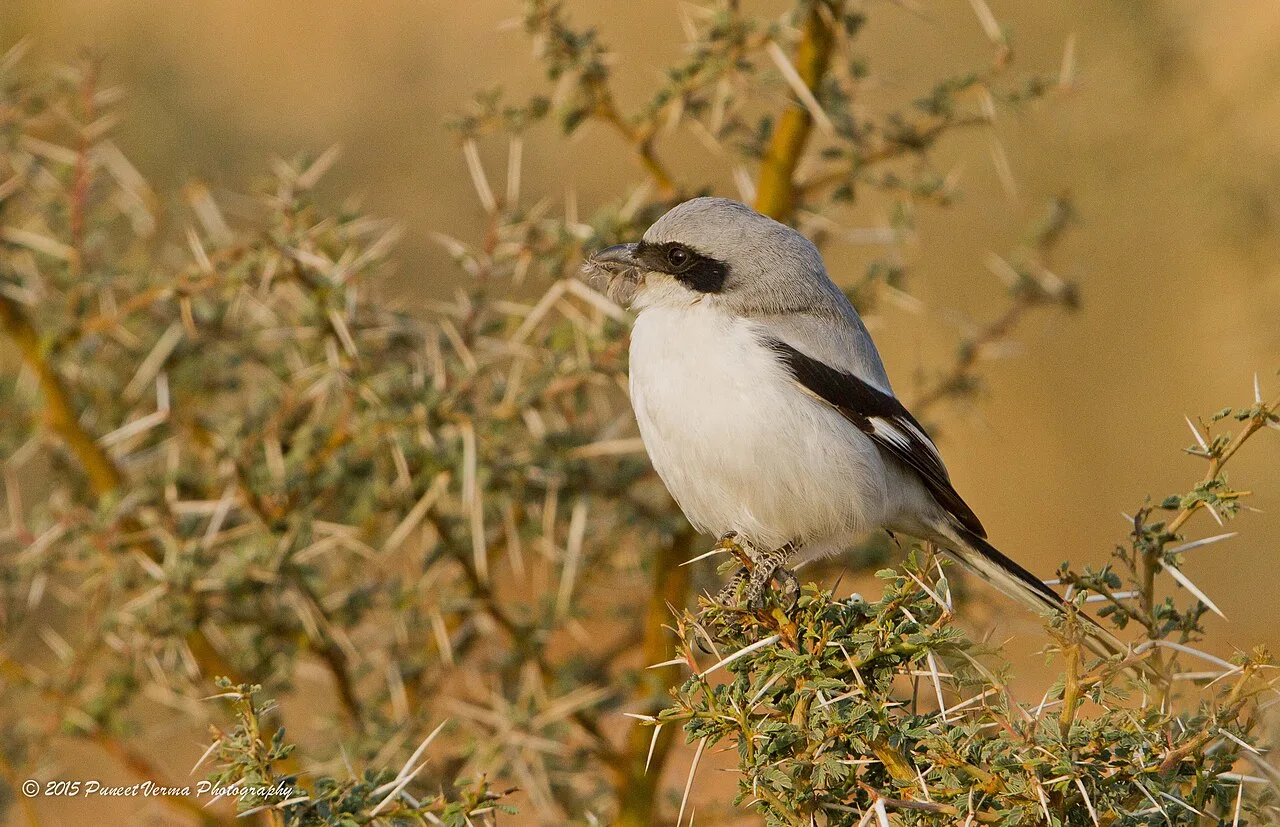
Tal Chhapar Sanctuary, near Sujangarh

City guide · Rajasthan

Sujangarh

Sujangarh is a town in Churu district, in the Shekhawati region of Rajasthan. Its position on major road routes linking Churu with Pali and connecting Hanumangarh with Kishangarh supports its role as a local centre for trade, services and travel.

Famous for

  • South Indian-style Tirupati Balaji Temple
  • Devsagar Singhee Jain Tirth
  • Dungar Balaji shrine
  • Thardaa Shiva temple
  • Shekhawati market town
In the city
1
District
Churu

Why Sujangarh matters

Sujangarh is a town in Churu district, in the Shekhawati region of Rajasthan. Its position on major road routes linking Churu with Pali and connecting Hanumangarh with Kishangarh supports its role as a local centre for trade, services and travel. The town is also a useful base for exploring the wider desert-edge landscape and settlements of northern Rajasthan.

Its best-known draw is the Tirupati Balaji Temple, built in a South Indian architectural style and distinctive in Rajasthan. Visitors also come to worship at Dungar Balaji near Gopalpura and the Shiva temple at Thardaa. Within the town, Sri Devsagar Singhee Jain Mandir is a century-old Jain pilgrimage site. Together, these Hindu and Jain places of worship give Sujangarh a varied religious character. Rather than a destination defined by a single monument or craft, it combines pilgrimage, regional commerce and everyday Shekhawati life. Its temples, local bazaars and road connections make it a worthwhile stop for travellers moving through Churu district.

Famous for: crafts, trade & products

Sujangarh is better known for its temples and role as a local market town than for a single signature textile, handicraft or GI-tagged product. Its bazaars serve residents and surrounding settlements, with shops selling everyday goods, clothing, household supplies and seasonal foods. Visitors can browse the central market area for locally used items and regional snacks, though the town is not widely identified with a specialist craft market.

The wider Shekhawati region has a rich tradition of painted architecture, textiles and decorative arts, but these should not be mistaken for products made exclusively in Sujangarh. Rajasthan-made garments, handicrafts and souvenirs may be available through local shops; ask sellers about the place of production if seeking locally made work. There is no widely recognized Sujangarh-specific GI product to plan a shopping trip around. For many visitors, the town’s most distinctive institutions are its religious sites: the Tirupati Balaji Temple, the old Sri Devsagar Singhee Jain Mandir, and shrines at Dungar Balaji and Thardaa. Local markets are most useful for everyday shopping and a glimpse of the town’s commercial life.

History

Sujangarh developed under the rulers of Bikaner, whose princely state governed much of this part of Rajasthan before independence. The town’s name is commonly linked to Sujan Singh, a member of the Bikaner royal family, and its growth is associated with the nineteenth-century expansion of the state’s settlements and administration. Its location on routes across the region helped it develop as a centre for local exchange and services.

During the colonial period, Bikaner remained a princely state under British paramountcy rather than becoming a directly administered British province. Sujangarh’s fortunes were therefore shaped by the state’s administration, trade and transport connections. In independent India it became part of Rajasthan and serves as an important town in Churu district. Road links, rail access, public services and commerce have supported its modern role. The town’s religious landmarks, including its South Indian-style Balaji temple and historic Jain tirth, also contribute to its identity and attract visitors from beyond the immediate area.

Food, festivals & culture

Everyday food in Sujangarh reflects the hearty cooking of northern Rajasthan. Visitors can look for dishes such as dal baati churma, bajra roti, gatte ki sabzi and ker sangri, alongside snacks and sweets sold in local shops. Availability varies by season and establishment; asking locally is often the best way to find regional specialities.

Hindi and Marwari are commonly used in daily life, and local speech reflects Shekhawati’s regional character. Religious observances shape the calendar: Diwali and Holi are widely celebrated, while Gangaur and Teej bring seasonal traditions associated with Rajasthan. Hindu worship is centred at places including the Tirupati Balaji Temple, Dungar Balaji and the Shiva temple at Thardaa. The Sri Devsagar Singhee Jain Mandir is an important Jain place of worship and pilgrimage. Folk songs, devotional music and regional dance traditions are part of the broader cultural life of Rajasthan and may be heard at community or festival gatherings.

Visiting the city

The cooler months, roughly October to March, are generally the most comfortable time to visit; summers can be very hot. Bikaner Airport, also known as Nal Airport, is the nearest airport, though flight options may be limited. Jaipur International Airport is a broader alternative for air connections. Sujangarh railway station serves the town, and road links make it accessible from other parts of Churu district and Rajasthan.

Auto-rickshaws and local taxis are useful for getting around; arrange transport in advance for visits beyond the town. Explore the central bazaar and older parts of town, then visit Sri Devsagar Singhee Jain Mandir and the Tirupati Balaji Temple. Dungar Balaji near Gopalpura and the Shiva temple at Thardaa are nearby excursions. Check locally for current access arrangements at religious sites, and dress respectfully when entering places of worship.

Attractions

Places to visit in Sujangarh

Sights within about 12 km of each other, even when they fall in different districts.

Map

Sujangarh on the map

  1. 1Tal Chhapar Sanctuary

Rajasthan

Other cities to explore