Ghumoopedia — Explore, Discover, Experience
Sign in

City guide · Rajasthan

Raipur

Raipur, also known as Raipur Marwar, is a historic settlement in Rajasthan’s Beawar district and serves as the headquarters of Raipur tehsil. Its importance today is chiefly regional: it is a local centre for administration, services and trade for surrounding villages.

Famous for

  • Ganesha temple
  • Luni river setting
  • Raipur Marwar heritage
  • Udawat Rathore history

Why Raipur matters

Raipur, also known as Raipur Marwar, is a historic settlement in Rajasthan’s Beawar district and serves as the headquarters of Raipur tehsil. Its importance today is chiefly regional: it is a local centre for administration, services and trade for surrounding villages. The settlement’s position beside the Luni river gives it a distinctive landscape in this dry part of Rajasthan, while its best-known place of worship, a Ganesha temple, draws local devotees and visitors.

Raipur is also of interest for its association with a former feudal estate, or thikana, and the Rathore lineage. It offers a quieter encounter with the history and everyday life of rural Marwar than the state’s larger tourist centres. Visitors generally come for the temple, the historic character of the town and the surrounding countryside rather than for major museums, shopping districts or a large collection of visitor attractions. It can be included in a broader journey through the Beawar region.
Famous for: crafts, trade & products

Raipur is not widely identified as a centre for a particular textile, saree, handicraft or GI-tagged product. Its local economy serves the town and nearby villages, and everyday shopping is concentrated in local markets and shops, where visitors can look for routine household goods and regional provisions. The town’s stronger point of distinction is its heritage: Raipur Marwar is associated with a historic thikana and the Udawat branch of the Rathore dynasty.

Visitors interested in Rajasthan’s crafts may find locally traded goods in the town, but should not assume that a specialised craft bazaar or a particular product is made here. For a broader choice of textiles, handicrafts and regional products, larger nearby centres are more suitable. In Raipur, the most meaningful stops are the Ganesha temple and the older parts of the settlement, where the town’s religious and historic character is more apparent than any specialised shopping scene. Ask locally about market days and available goods, as offerings can vary.

History

Raipur’s recorded local history is linked to the Rathore rulers of Marwar. The town is said to have been founded in 1606 by the Udawat clan, a branch of the Rathore dynasty, and developed as the seat of a feudal estate known as a thikana. Its history therefore reflects the network of local estates through which authority and landholding were organised across parts of Rajasthan before modern administration.

The town’s later story is less about large-scale urban or industrial growth than its continuing role as a local centre. It became the headquarters of Raipur tehsil and serves nearby settlements with administrative and commercial services. Rajasthan’s integration into independent India brought the older feudal order to an end as a system of governance, while the historic association remained part of Raipur’s identity. Today, the town combines this regional past with the practical functions of a tehsil headquarters. Its temple and river setting provide visible points of connection between local history, worship and daily life.

Food, festivals & culture

Everyday culture in Raipur is rooted in the rural traditions of Marwar. Hindi and Marwari are commonly used, with language varying between formal settings and family or community conversation. The Ganesha temple is the town’s best-known place of worship and an important focus for local devotion. Religious observances and community gatherings follow the Hindu calendar, though celebrations are generally on a local scale rather than staged as major tourist events.

Holi, usually in spring, and Diwali, in autumn, are widely observed; Gangaur and Teej are also celebrated across Rajasthan, with local customs shaping how they are marked. Regional food may include dal baati churma, bajra roti and dishes made with desert-region ingredients such as ker and sangri; these are shared culinary traditions, not specialties unique to Raipur. Sweets are often part of festival and family occasions. Folk music and dance belong to the wider cultural life of Marwar, but performances are not a regular visitor attraction in town.

Visiting the city

The cooler months, roughly from October to March, are generally the most comfortable time to visit. Summer can be very hot, while monsoon conditions bring some relief but may affect travel around the countryside. Raipur Marwar railway station is the main rail stop serving the town. Kishangarh Airport is a nearby air option; flight availability and onward connections should be checked before travel. Jodhpur is another airport option, farther away.

Within Raipur, local transport and walking are practical for reaching the central settlement and Ganesha temple; arrange a vehicle for exploring the surrounding area. Focus on the town centre, the temple and accessible stretches near the Luni river. Raipur is a small settlement rather than a city with distinct tourist neighbourhoods, so visits are best planned around these local landmarks and the older parts of town. Check local conditions before heading to the riverbank.

Trips from the city

Nearest places to visit from Raipur

Our closest destination guides, by straight-line distance.

Brahma Temple

72 km away · Ajmer district

Brahma Temple

Located in Pushkar, Rajasthan, the Brahma Temple is a Hindu shrine near Pushkar Lake and among India’s few temples for Brahma. Pilgrims especially gather there on Kartik Poornima.

Pushkar Lake

72 km away · Ajmer district

Pushkar Lake

Pushkar Lake, also called Pushkar Sarovar, is a sacred lake in Rajasthan’s Ajmer district. Pilgrims come to bathe at its ghats, especially around Kartik Poornima, when the Pushkar Fair takes place.

Pushkar

73 km away · Ajmer district

Pushkar

Pushkar is a historic pilgrimage town in Rajasthan, centred on a sacred lake and temples, including one of the few shrines to Brahma. Visitors come for worship, ritual bathing and its heritage.

Taragarh Fort, Ajmer

74 km away · Ajmer district

Taragarh Fort, Ajmer

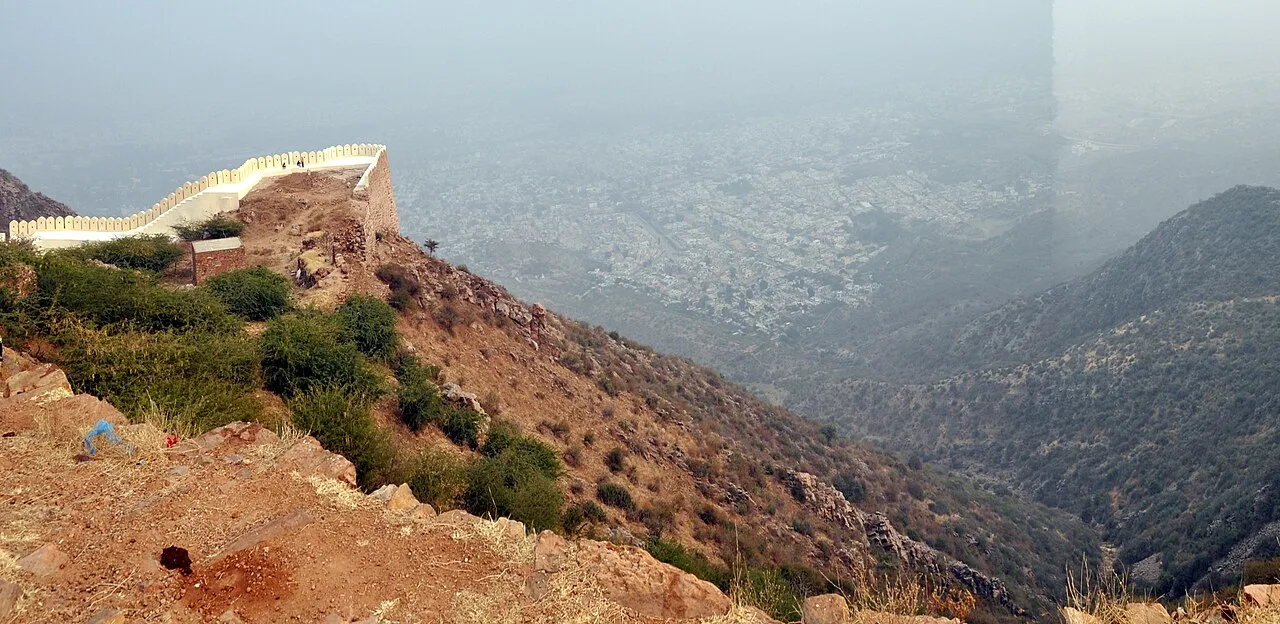
Set on a steep slope in Ajmer, Rajasthan, Taragarh Fort is a historic stronghold associated with the Parmar Rajputs and Ajayaraja Chauhan. Visitors come to see the fortress and learn about its earlier name, Ajaymeru Durg.

Adhai Din Ka Jhonpra

76 km away · Ajmer district

Adhai Din Ka Jhonpra

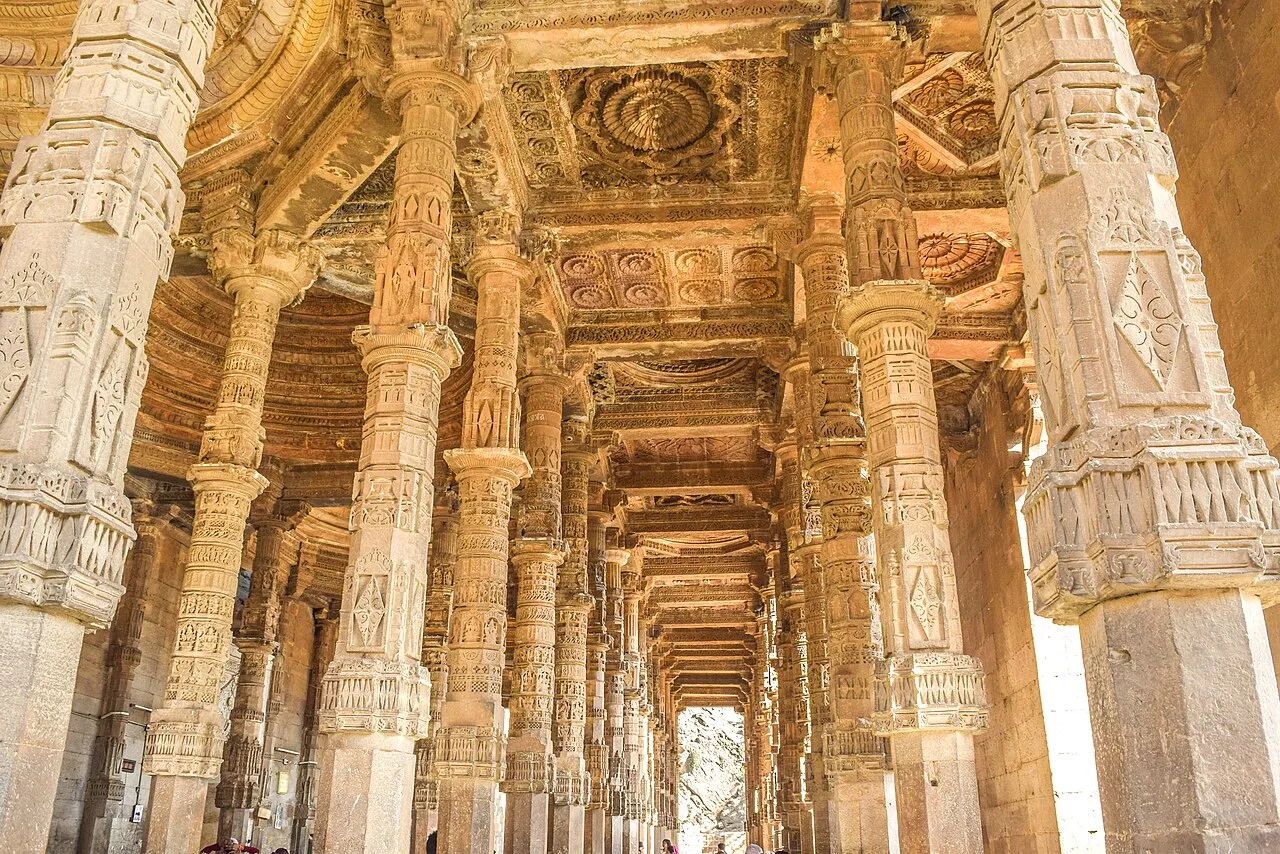
This former mosque in Ajmer, Rajasthan, is among India’s oldest mosques and the city’s oldest surviving monument. Visitors come to see its early Indo-Islamic design and its Hindu, Jain and Islamic architectural elements.

Shrine of Mu'in al-Din Chishti

76 km away · Ajmer district

Shrine of Mu'in al-Din Chishti

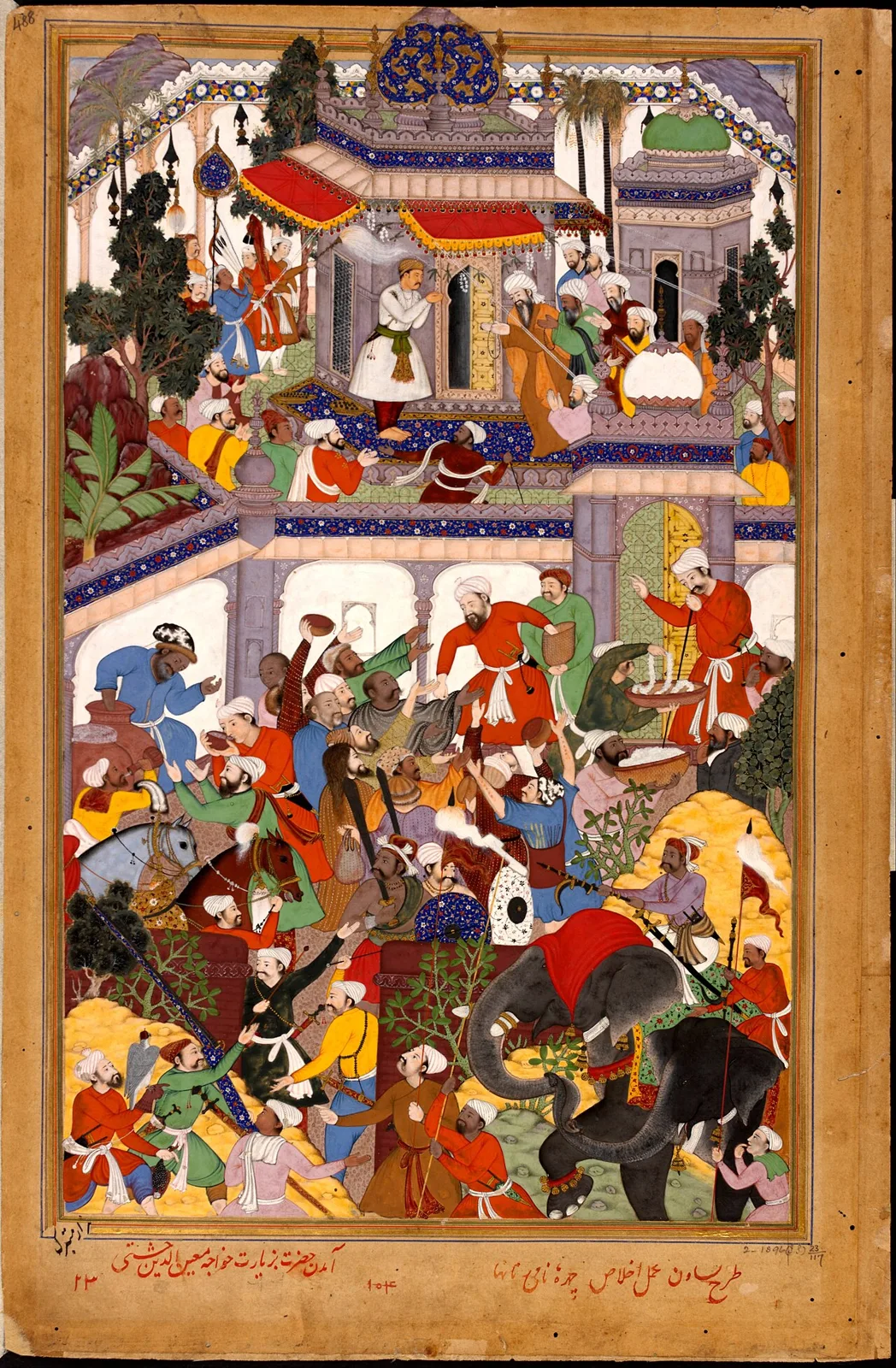
A Sufi pilgrimage complex in Ajmer, Rajasthan, centred on Mu'in al-Din Chishti’s shrine and including tombs and a mosque. Sunni Muslims visit in large numbers, particularly for Chishti’s urs.

Ana Sagar Lake

77 km away · Ajmer district

Ana Sagar Lake

Ana Sagar is a man-made lake in Ajmer, Rajasthan, associated with its builder Arnoraja, also called Ana. Visitors come to see this historic water body, which extends across 13 km.

101 km away · Jodhpur district

Salawas

Salawas is a village 22 km from Jodhpur, known for durries, or rugs, produced by local craftspeople. Visitors are drawn by its association with this traditional craft.

Map

Raipur on the map

  1. 1Brahma Temple
  2. 2Pushkar Lake
  3. 3Pushkar
  4. 4Taragarh Fort, Ajmer
  5. 5Adhai Din Ka Jhonpra
  6. 6Shrine of Mu'in al-Din Chishti
  7. 7Ana Sagar Lake
  8. 8Salawas

Rajasthan

Other cities to explore