Ghumoopedia — Explore, Discover, Experience
Sign in
Keoladeo National Park, near Bayana

City guide · Rajasthan

Bayana

Bayana is a historic town in Bharatpur district and the headquarters of Bayana tehsil. Set between low hill ranges near the Gambhir River, it serves as a local centre for nearby settlements and is connected to major North Indian cities by rail.

Famous for

  • Bayana Fort
  • Usha Temple
  • Bayana Eidgah
  • Bhimalat Victory Pillar
  • Local stone industries

Why Bayana matters

Bayana is a historic town in Bharatpur district and the headquarters of Bayana tehsil. Set between low hill ranges near the Gambhir River, it serves as a local centre for nearby settlements and is connected to major North Indian cities by rail. Its industrial area, where stone businesses are prominent, is part of the town’s present-day economy.

Visitors come for the layered history gathered around Bayana Fort, the Usha Temple and the historic Eidgah. The town’s associations with the story of Usha and Aniruddha give it the traditional title “City of Banasura”; its past also spans Rajput, Sultanate, Mughal and Bharatpur Jat rule. Bayana is remembered in accounts of the 1527 Battle of Bayana, fought during Rana Sanga’s conflict with Babur. Nearby historic remains, including the Bhimalat pillar, add to its appeal for travellers interested in Rajasthan’s less-visited heritage towns. Bayana is best approached as a compact, history-focused stop rather than a large resort destination.
Famous for: crafts, trade & products

Bayana is better known for stone-related industry and historic monuments than for a signature textile, saree or GI-tagged product. The RIICO industrial area has stone businesses, reflecting the town’s role in the regional stone trade. Buyers interested in stone products can enquire with local businesses, while checking the material, finish and transport arrangements directly before making a purchase.

The town’s everyday shops and markets serve residents and nearby villages, with general provisions and practical goods rather than a widely documented specialist craft bazaar. Visitors may find locally made or traded stone items through individual sellers, but these should not be assumed to be a distinct Bayana craft. Bayana’s most recognisable “products” for heritage-minded visitors are its historic sites: the fort, Usha Temple, Eidgah and Bhimalat pillar. There is no single established shopping district promoted as a tourist market, so ask locally for current shops and access to the industrial area. For souvenirs, look for items whose origin and materials can be verified.

History

Bayana’s history is reflected in archaeological remains, religious sites and inscriptions from several periods. Accounts associate the area with Gupta-era rule, and a pillar linked to a yajna is among the early historical remains. The Bhimalat, also known as the Vijay Pillar, is traditionally dated to the fourth century. The Usha Temple is another marker of the town’s long religious history.

Bayana later came under Gurjara-Pratihara influence and then the Delhi Sultanate. The historic Eidgah is associated with the early Sultanate period. Mughal rule followed, and in 1527 the area was connected with the Battle of Bayana between Rana Sanga and Babur. As Mughal power declined, the Jat rulers of Bharatpur held sway. During the colonial era, Bayana formed part of the Bharatpur princely state, which came under British paramountcy. In modern Rajasthan, Bayana developed as a tehsil centre and railway town, with stone businesses contributing to its contemporary economy.

Food, festivals & culture

Bayana shares the food traditions of eastern Rajasthan and the neighbouring Braj region. Everyday meals commonly draw on wheat breads, lentils, seasonal vegetables and yoghurt. Dal baati churma, gatte dishes and kachori are familiar regional fare, while sweets such as ghewar may appear around festive seasons; menus vary between households and eateries, and these are not exclusive to Bayana.

Holi, Diwali, Teej and Gangaur are observed in the wider region, with Eid also marked by local Muslim communities. Festival dates follow the Hindu lunar calendar or Islamic calendar and therefore vary each year. Hindi is widely used, alongside local Rajasthani speech with Braj influence. Folk songs, devotional music and forms such as ghoomar are part of the broader cultural landscape. Bayana’s places of worship include the Usha Temple and the historic Eidgah, reflecting the town’s Hindu and Muslim heritage. Visitors should dress respectfully and check locally about access or worship practices.

Visiting the city

The cooler months, roughly October to March, are generally the most comfortable for exploring Bayana’s historic sites. Summers can be very hot, while monsoon weather may affect travel plans. Bayana Junction is the town’s main railway station, with rail links to cities including Delhi, Mathura, Kota and Agra. Agra Airport is a nearby airport; travellers should confirm available flights, while Jaipur International Airport offers another option farther away.

Auto-rickshaws and local taxis can help with short trips, though visitors should arrange transport locally for sites outside the centre. Explore the old town and the area around Bayana Fort, then visit the Usha Temple and Eidgah. The Bhimalat pillar and surrounding heritage remains are also worth asking about; access and site conditions may vary. The RIICO industrial area is of interest to visitors researching the local stone trade rather than general sightseeing.

Trips from the city

Nearest places to visit from Bayana

Our closest destination guides, by straight-line distance.

Keoladeo National Park

37 km away · Bharatpur district

Keoladeo National Park

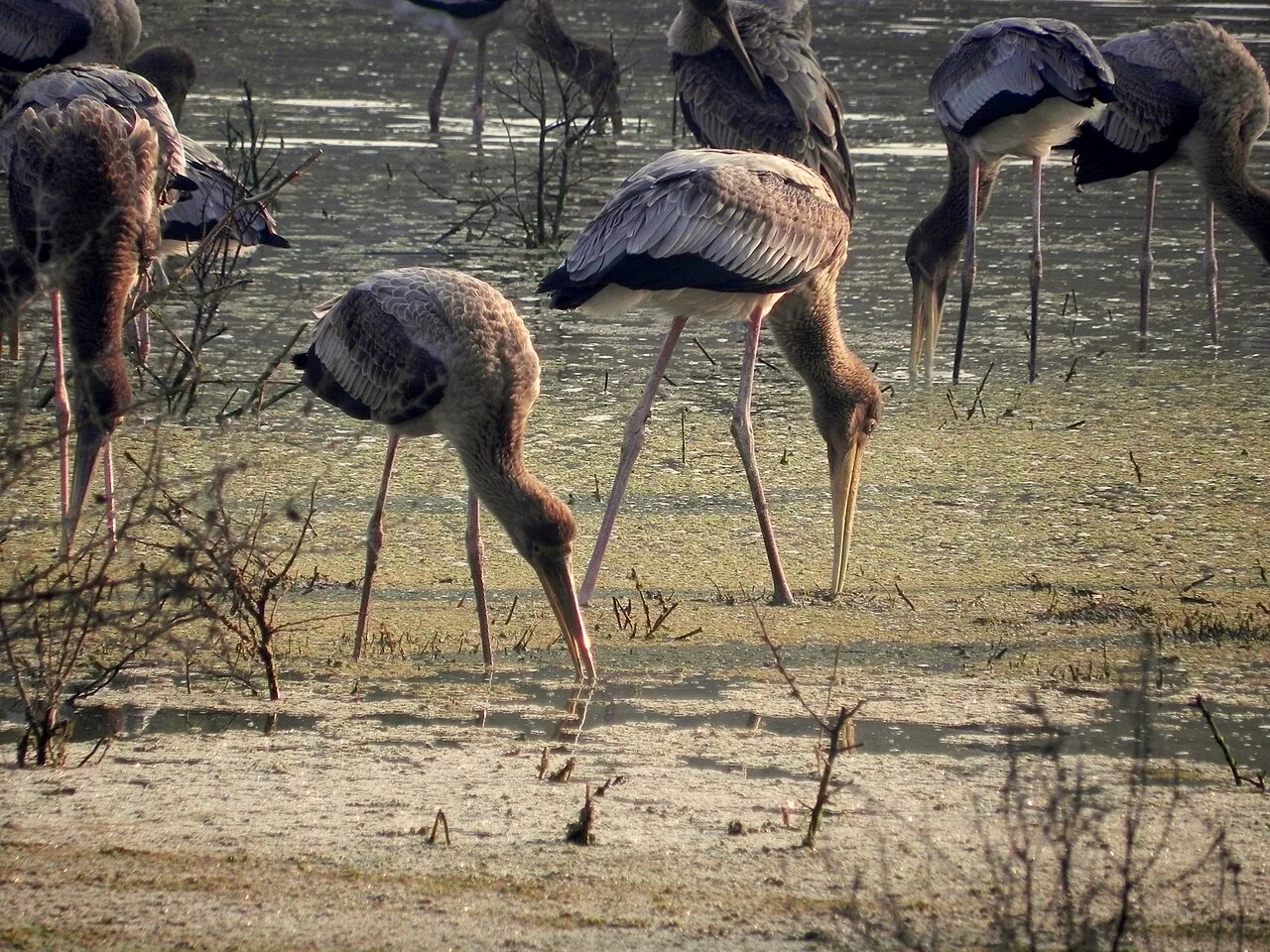
Keoladeo National Park is a wetland and wildlife reserve in Bharatpur district, Rajasthan. Visitors come to see its varied birdlife, particularly the many species that gather there during winter.

Lohagarh Fort

40 km away · Bharatpur district

Lohagarh Fort

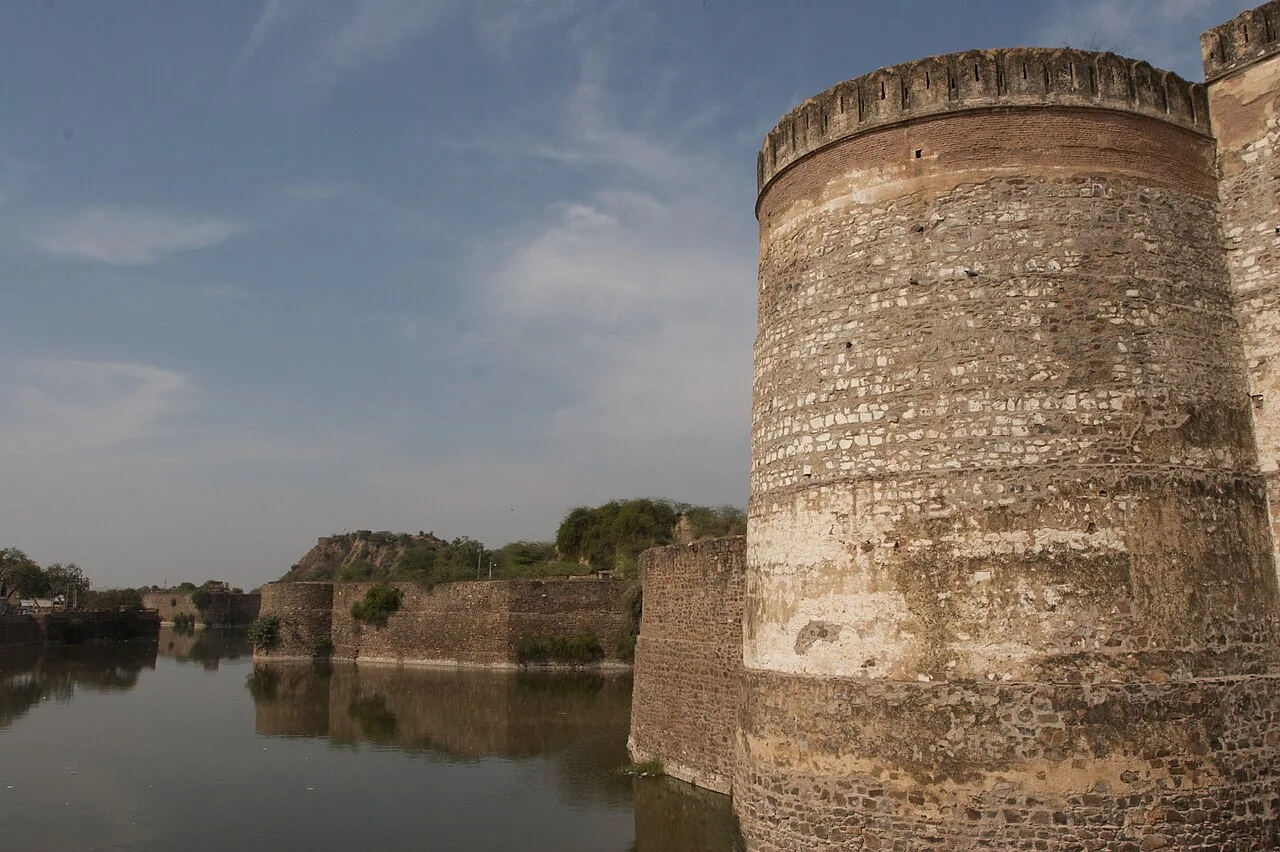
Lohagarh Fort is an eighteenth-century stronghold in Bharatpur, Rajasthan, commissioned by Maharaja Suraj Mal in 1732. Visitors learn about its resistance to British attacks and its eventual capture.

Mehandipur Balaji Temple

50 km away · Dausa district

Mehandipur Balaji Temple

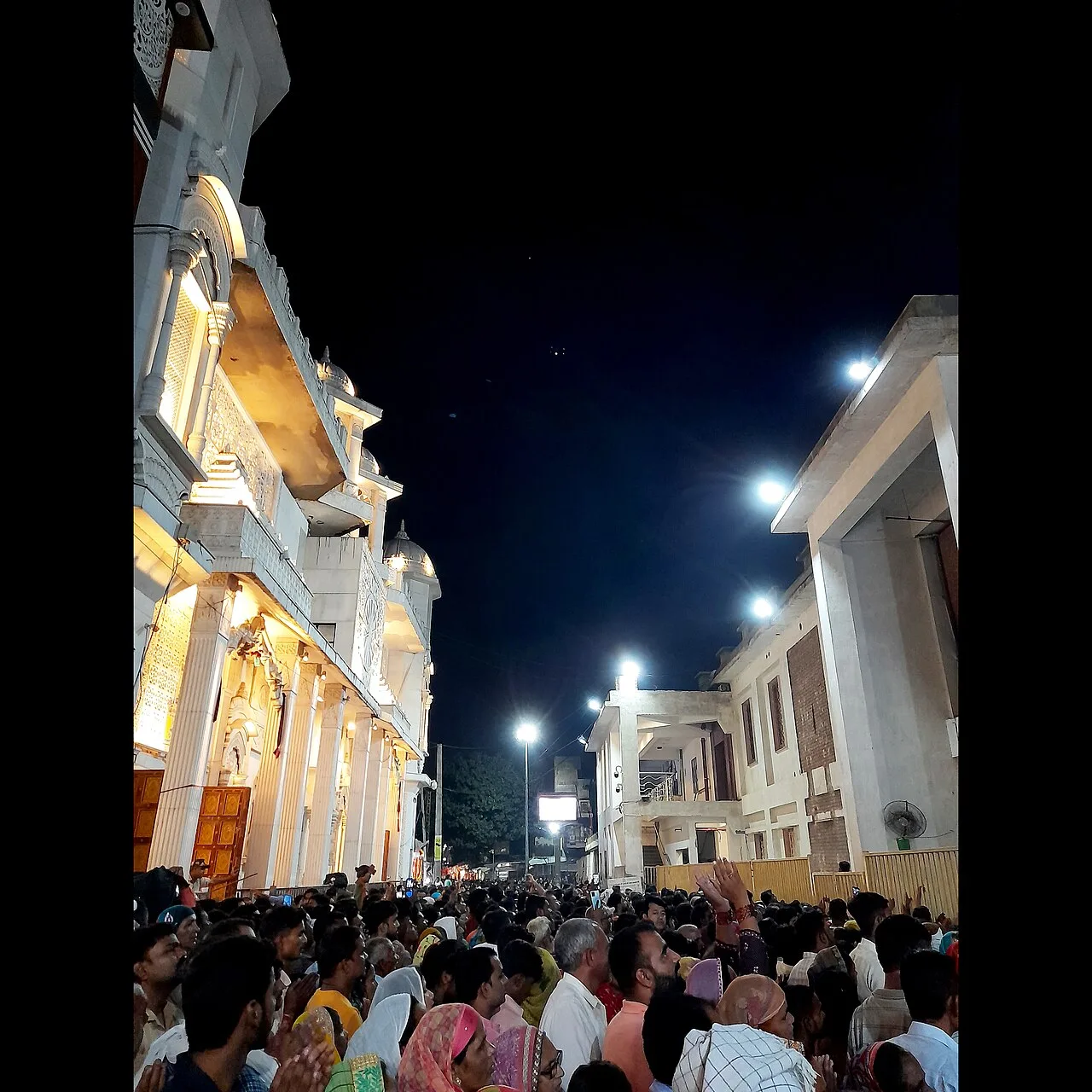
In Rajasthan’s Dausa district, Mehandipur Balaji Temple is a Hindu place of worship devoted to Hanuman. Pilgrims visit for its reputation for ritual healing and ceremonies to remove evil spirits.

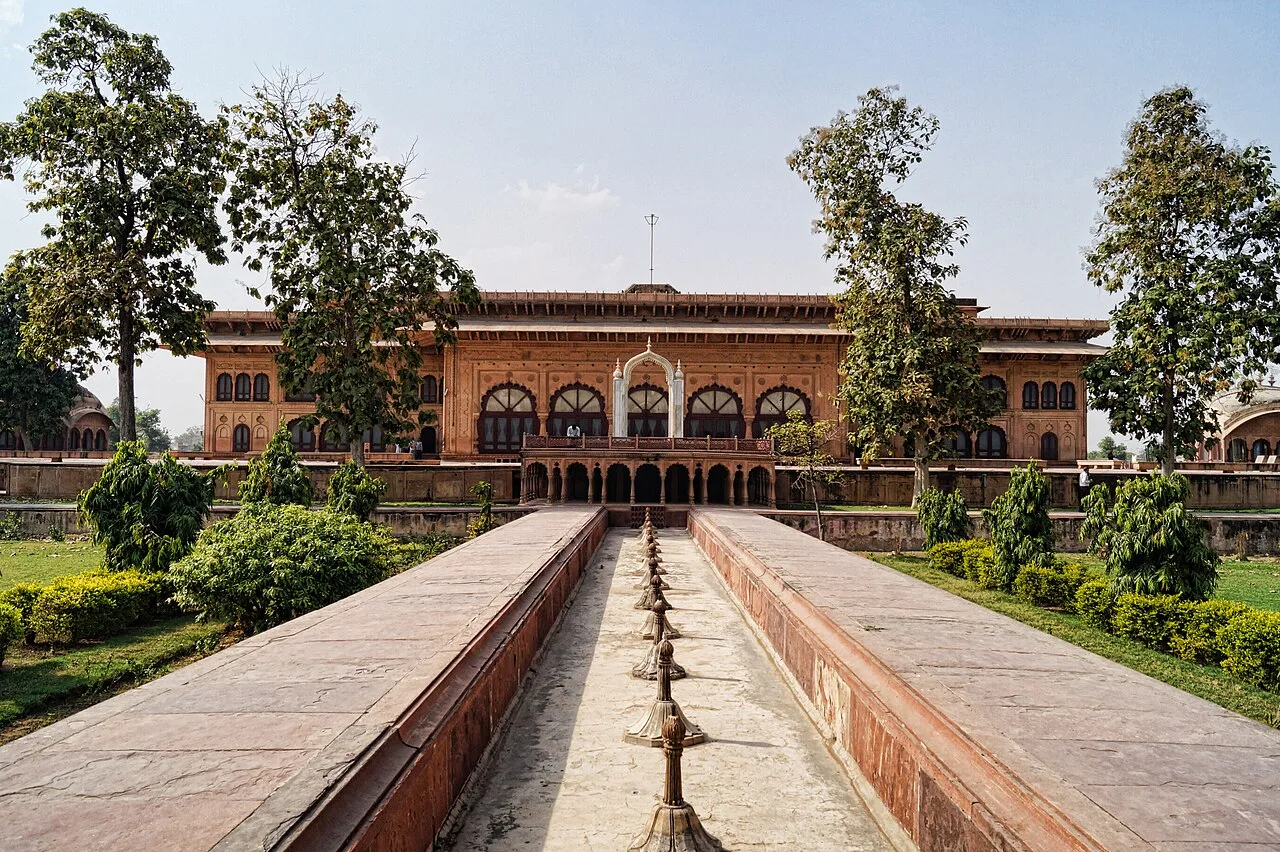
Deeg Palace

63 km away · Bharatpur district

Deeg Palace

Deeg Palace is an eighteenth-century royal summer residence in Rajasthan; visitors come to see its Mughal and Rajput design and learn about its former defensive role.

Chand Baori

69 km away · Dausa district

Chand Baori

In Abhaneri, Chand Baori is a historic Rajasthan stepwell known for its depth and tiered stairways. Visitors come to see its inverted-pyramid layout and large reservoir.

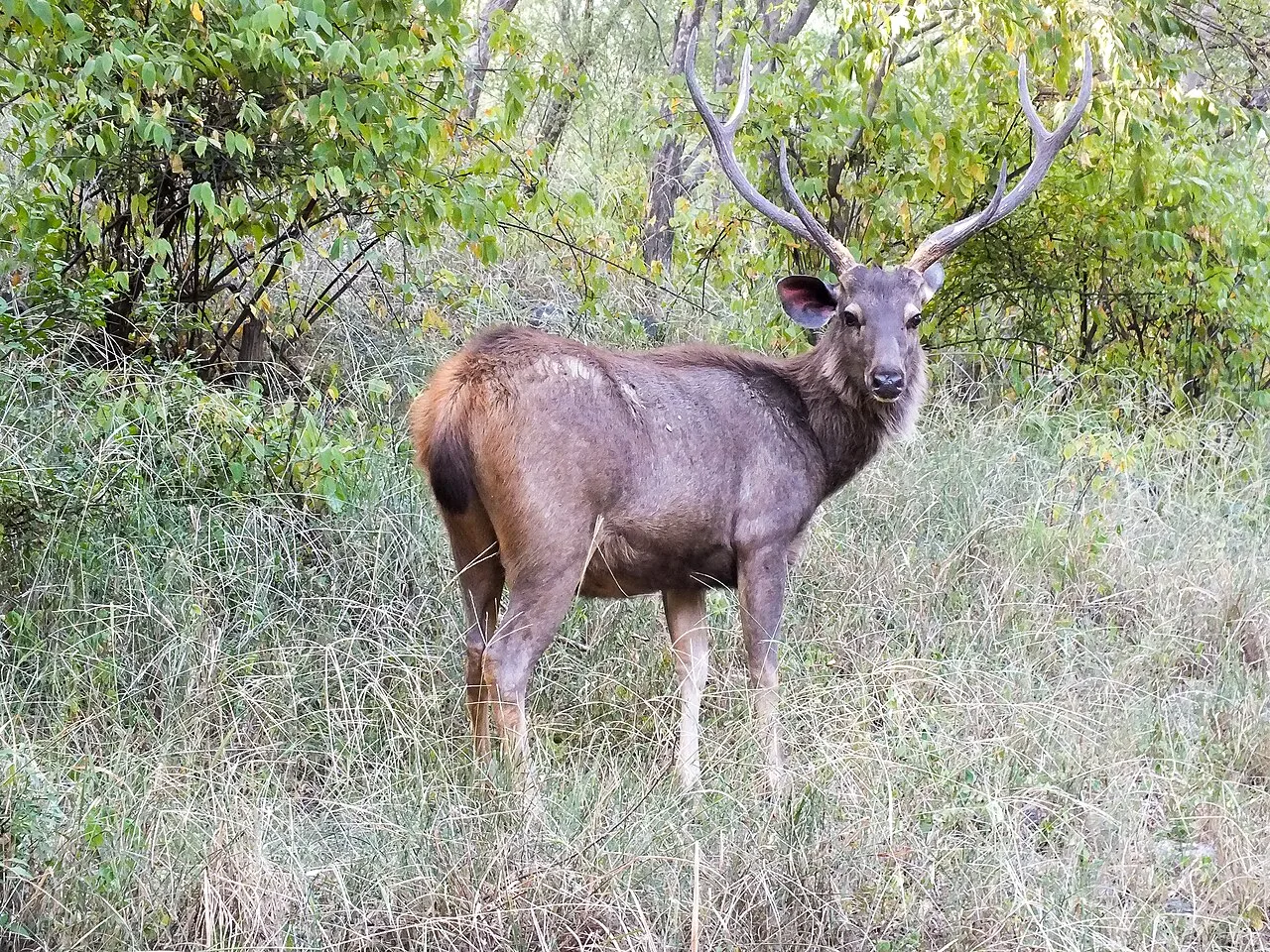
Sariska Tiger Reserve

96 km away · Alwar district

Sariska Tiger Reserve

Sariska Tiger Reserve, in Rajasthan’s Alwar district, is a protected area with tiger-reserve status and varied forest, grassland and rocky habitats. Visitors come to experience its wildlife and conservation setting.

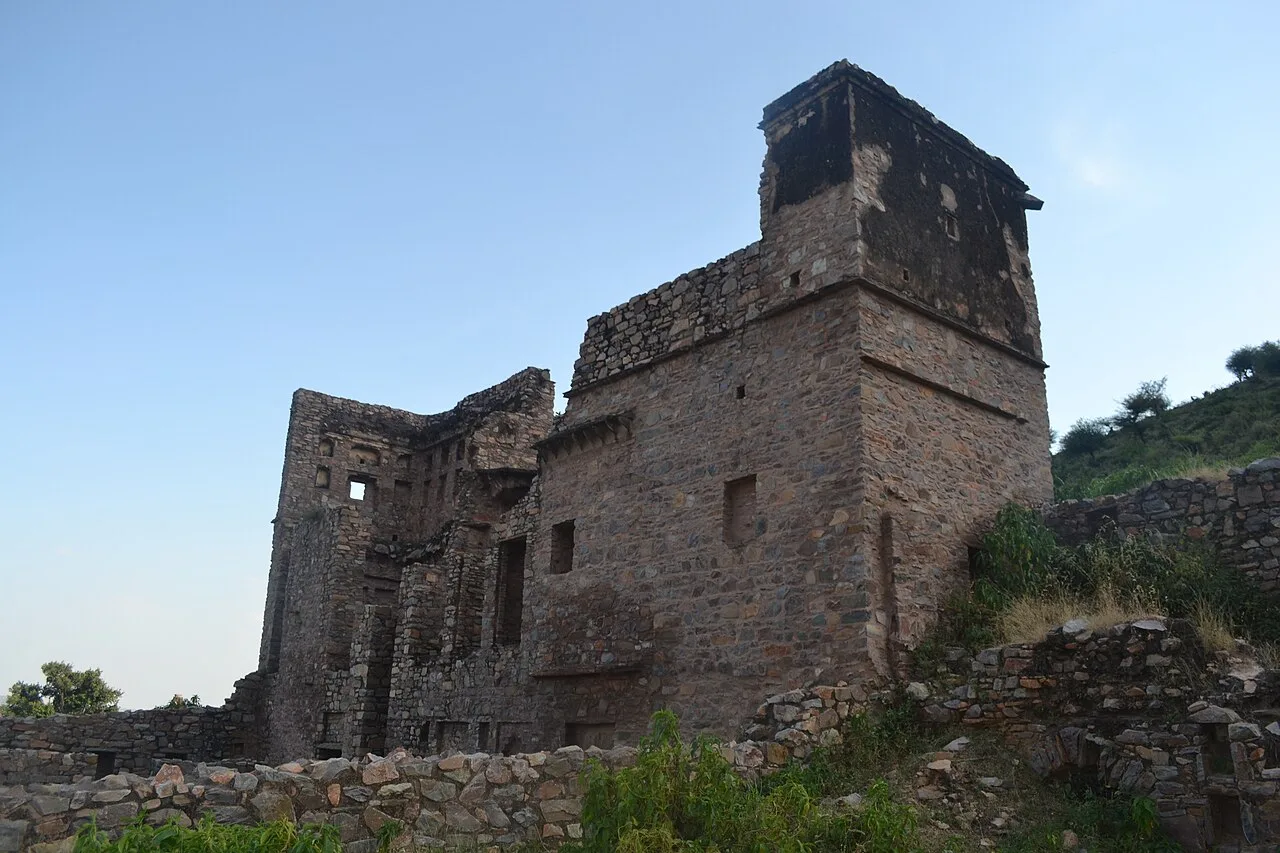
Bhangarh Fort

101 km away · Alwar district

Bhangarh Fort

Dating to the sixteenth century, Bhangarh Fort in Rajasthan is linked to Madho Singh’s residence. Visitors come to view the preserved fort and its surrounding precincts.

Siliserh Lake

102 km away · Alwar district

Siliserh Lake

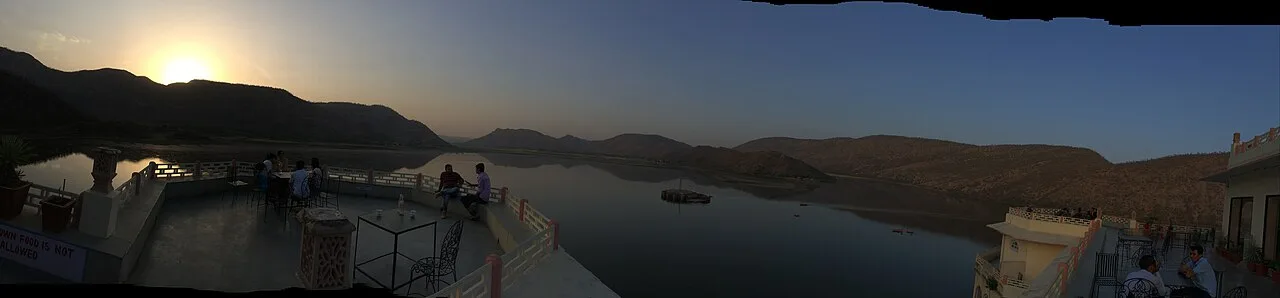
Siliserh Lake is an artificial lake in Rajasthan, southwest of Alwar, with wooded banks and cenotaphs along its embankment that visitors come to see.

Map

Bayana on the map

  1. 1Keoladeo National Park
  2. 2Lohagarh Fort
  3. 3Mehandipur Balaji Temple
  4. 4Deeg Palace
  5. 5Chand Baori
  6. 6Sariska Tiger Reserve
  7. 7Bhangarh Fort
  8. 8Siliserh Lake

Rajasthan

Other cities to explore