Ghumoopedia — Explore, Discover, Experience
Sign in
Sambhar Salt Lake, near Kuchaman

City guide · Rajasthan

Kuchaman

Kuchaman is a historic town in west-central Rajasthan, about 42 km southeast of Didwana. Its best-known landmark is Kuchaman Fort, dramatically set above the city on a rocky hill.

Famous for

  • Kuchaman Fort
  • Shiksha Nagari
  • Historic silver coinage
  • Hilltop temples

Why Kuchaman matters

Kuchaman is a historic town in west-central Rajasthan, about 42 km southeast of Didwana. Its best-known landmark is Kuchaman Fort, dramatically set above the city on a rocky hill. The fort’s courtyards, painted shrines and commanding views make it the main draw for visitors interested in Rajasthan’s forts and regional history. It now also operates as a heritage hotel.

Kuchaman has a second, distinctly modern identity as Shiksha Nagari, or City of Education. Coaching institutes for pre-engineering and pre-medical studies bring students from across the state and support a lively local economy. The town also has an unusual place in the history of Marwar: its former jagir was permitted to mint silver coins, a privilege rarely extended to a feudatory. Today, Kuchaman combines an educational role with historic sites and everyday market-town life. It is a useful base for exploring the surrounding settlements and landscapes of the Didwana-Kuchaman region, though visitors should check local arrangements before planning access to heritage sites.
Famous for: crafts, trade & products

Kuchaman is not especially identified with a particular textile, handicraft or GI-tagged product. Its strongest distinctive heritage association is its former mint: the Kuchaman jagir issued silver rupees and smaller denominations under the authority of Jodhpur State. This history is best encountered through the town’s heritage and local-history displays where available; the coins are collectible historical objects rather than a regular bazaar purchase.

The city is better known today for education, with coaching institutes drawing students from throughout Rajasthan. These institutions are part of the town’s modern identity, rather than visitor attractions. For everyday shopping, explore the central bazaar and surrounding commercial streets, where residents shop for clothing, household goods, snacks and routine necessities. Visitors may find locally made items or regional handicrafts through individual shops, but Kuchaman is not a widely established specialist craft market. The fort is the main place to seek out the town’s architectural and historical heritage. If looking for a particular craft or product, ask locally about current makers and sellers rather than assuming it is made in Kuchaman.

History

Kuchaman’s history reflects successive regional powers and the strategic value of its hill fort. The area is associated with the Pratiharas in the early medieval period; Chauhan and Gaur influence followed, before the Rathores brought it into the orbit of Marwar. The fort became a seat of local authority and stood near routes used by long-distance traders, including caravans travelling through western Rajasthan.

In the early 18th century, the Kuchaman jagir was established under Jodhpur’s authority. Thakur Zalim Singh is associated with the formation of the jagir and town, while earlier Rathore rulers had secured control of the fort. Kuchaman’s feudatory rulers were granted the unusual privilege of minting silver coinage. The jagir remained part of the princely order until the end of British rule and India’s independence, after which the old political system was absorbed into modern Rajasthan. In recent decades, education has become a major part of the town’s identity, alongside the preservation and reuse of the fort as a heritage property.

Food, festivals & culture

Kuchaman’s everyday culture is rooted in the Marwar region. Rajasthani and Hindi are widely used, with Marwari heard in local conversation. Meals commonly draw on the wider cuisine of Rajasthan: expect dishes such as dal baati churma, gatte ki sabzi and ker sangri in local eateries, alongside breads, lentils and seasonal vegetables. Sweets such as ghevar may be available, especially around festive periods, but the town is not particularly known for one signature dish.

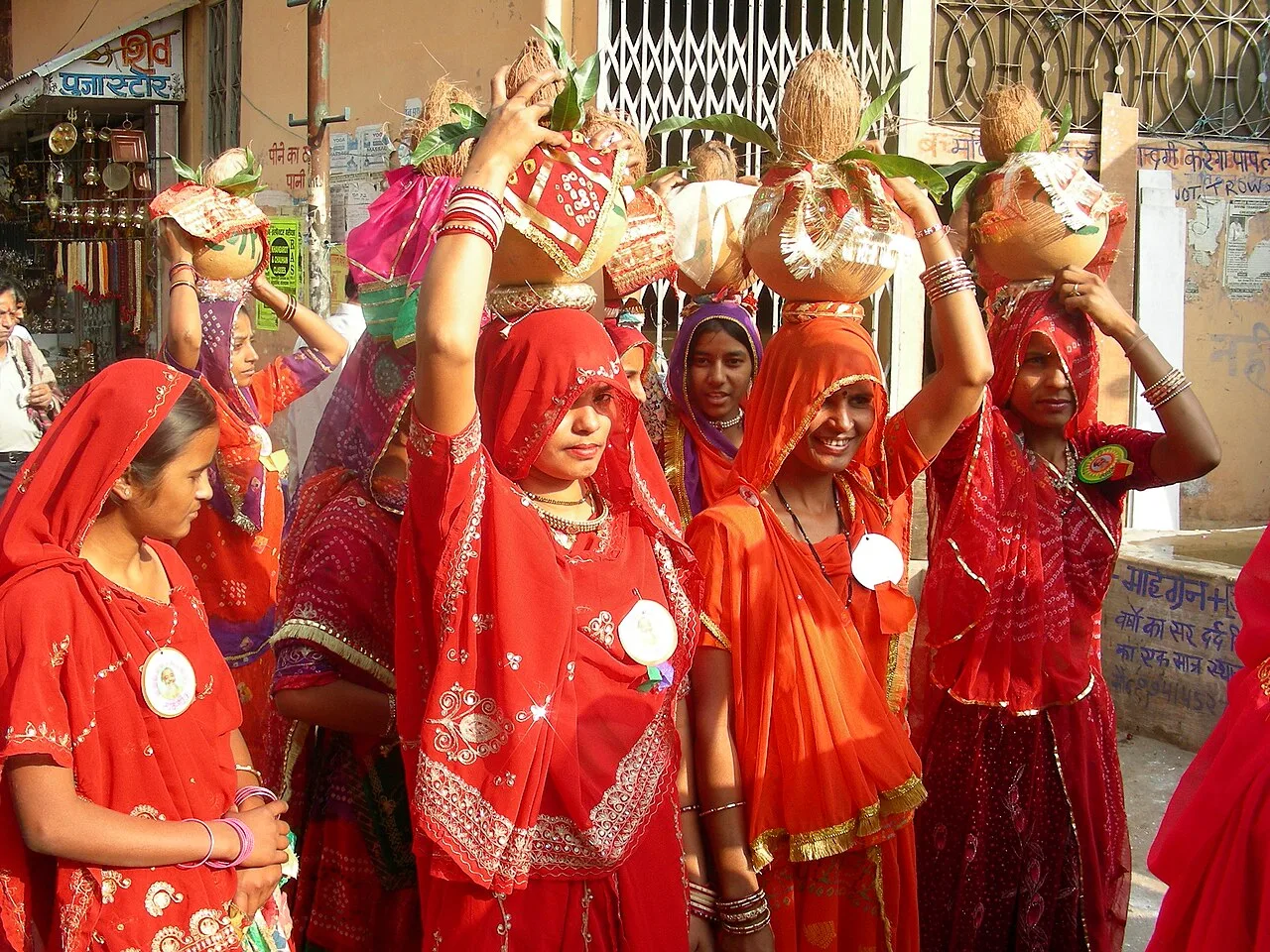
Holi, usually in spring, and Diwali, in autumn, are widely observed; Teej and Gangaur are also part of the regional festive calendar. Folk songs and dance traditions from Rajasthan form the broader cultural backdrop, though performances are not necessarily scheduled for visitors. Places of worship include the fort’s Maa Kali and Krishna temples, as well as a shrine decorated with images of local deities such as Tejaji, Gogaji and Jambu Maharaj. These sites connect religious practice with the area’s local traditions and history.

Visiting the city

The cooler months, roughly October to March, are generally the most comfortable for exploring Kuchaman. Summer is intensely hot and can bring dusty winds; the monsoon season is short and falls mainly in the summer months. Jaipur International Airport is the nearest major airport. Kuchaman City railway station serves the town; check current connections before travelling.

Auto-rickshaws and local taxis are practical for getting between the station, town centre and hill fort. The fort area is the principal stop for architecture, views and temples, while the central bazaar offers a sense of everyday town life and routine shopping. Allow time for the climb and confirm access arrangements for the fort, particularly if you are not staying at the heritage hotel. Kuchaman can also serve as a base for visiting nearby towns in the Didwana-Kuchaman region.

Trips from the city

Nearest places to visit from Kuchaman

Our closest destination guides, by straight-line distance.

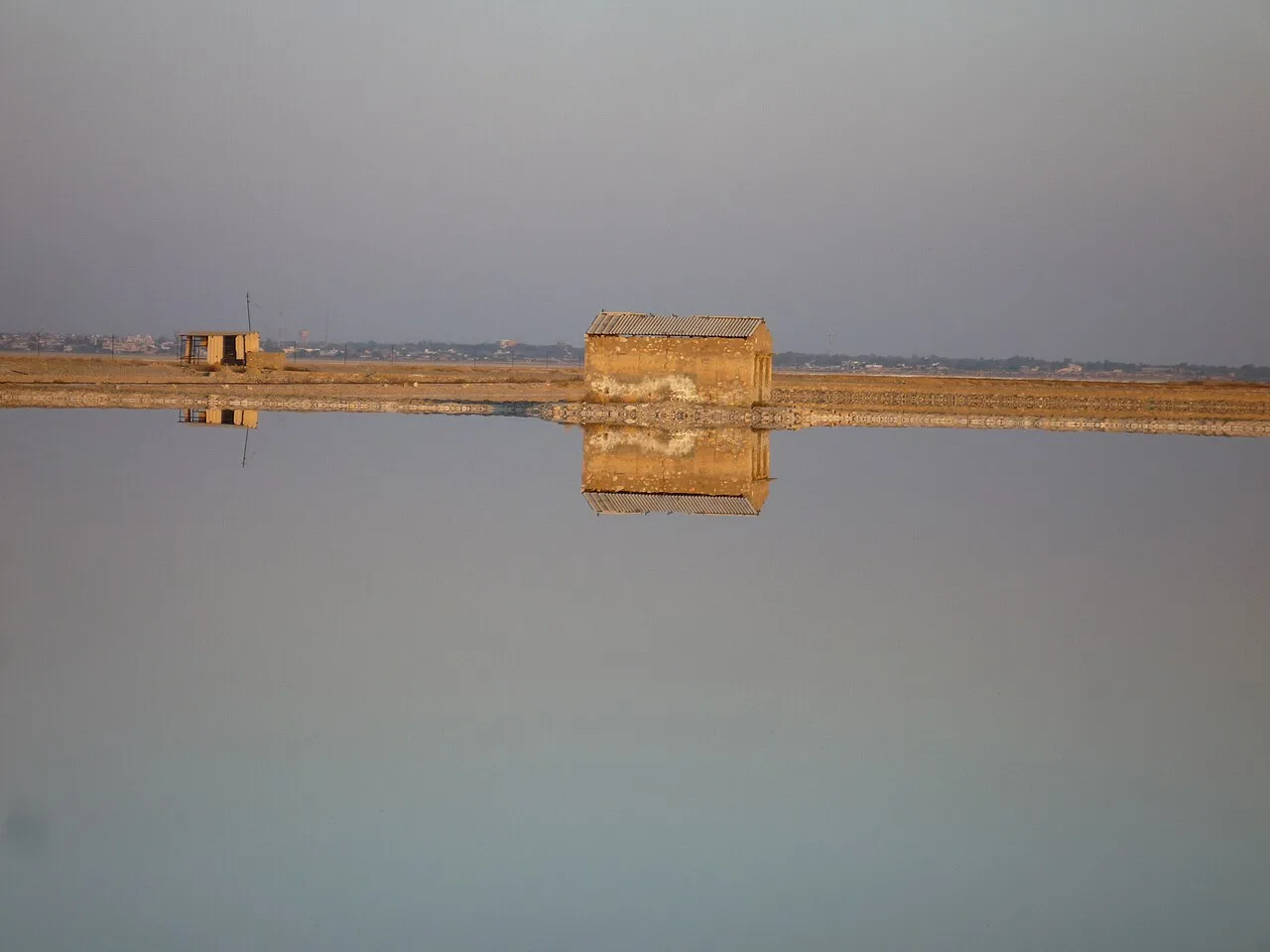
Sambhar Salt Lake

32 km away · Jaipur district

Sambhar Salt Lake

Sambhar Salt Lake is Rajasthan’s largest inland salt lake, in Jaipur district. Visitors come to see the lake and the historic settlement of Sambhar Lake Town, which it surrounds.

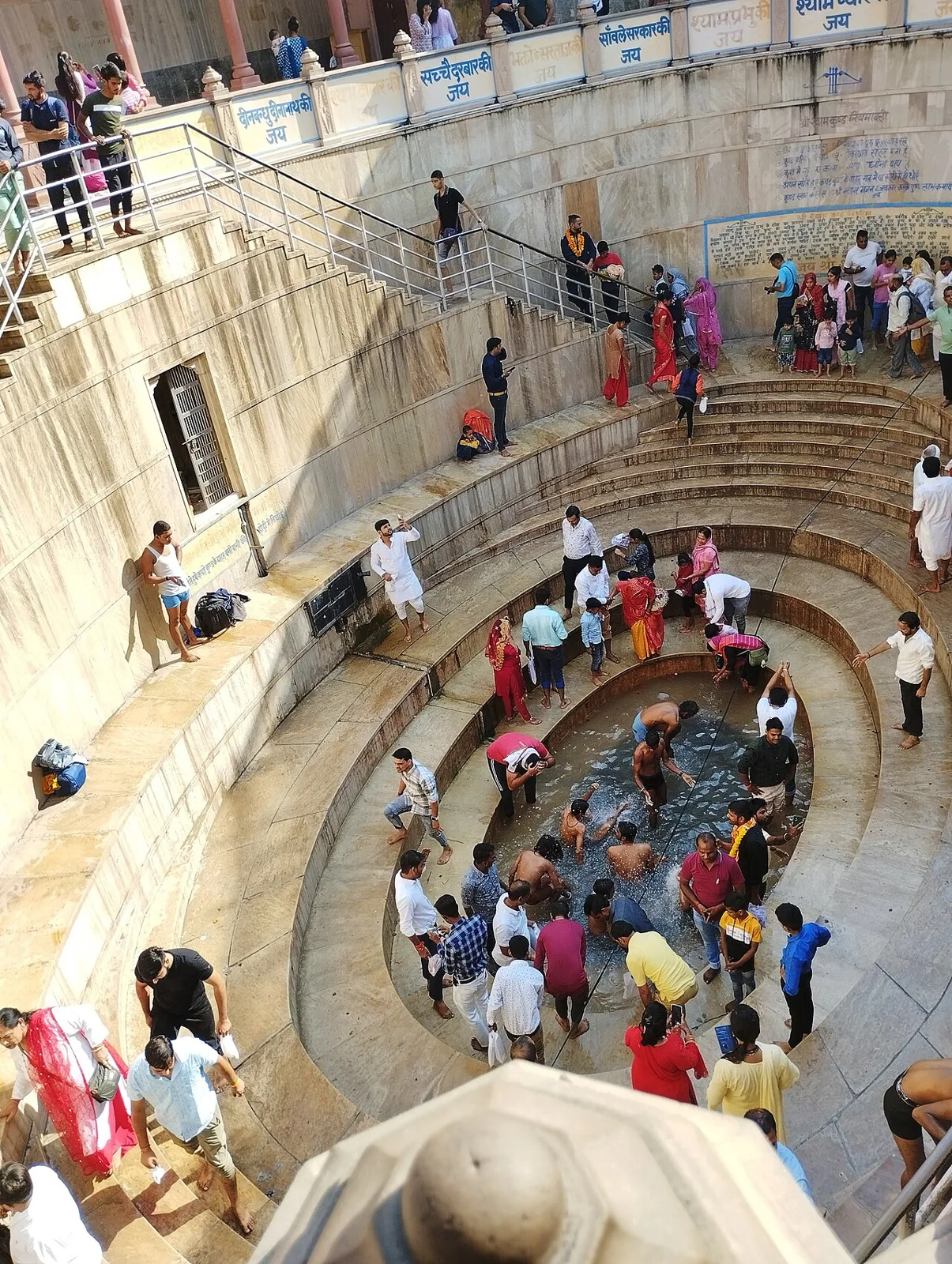
Khatu Shyam Temple

59 km away · Sikar district

Khatu Shyam Temple

In KhatuShyamJi town, Rajasthan, this Hindu shrine honours Khatu Shyam, believed to be a divine manifestation of Barbareek from the Mahabharat. Pilgrims visit throughout the year, especially for the Falgun Mela.

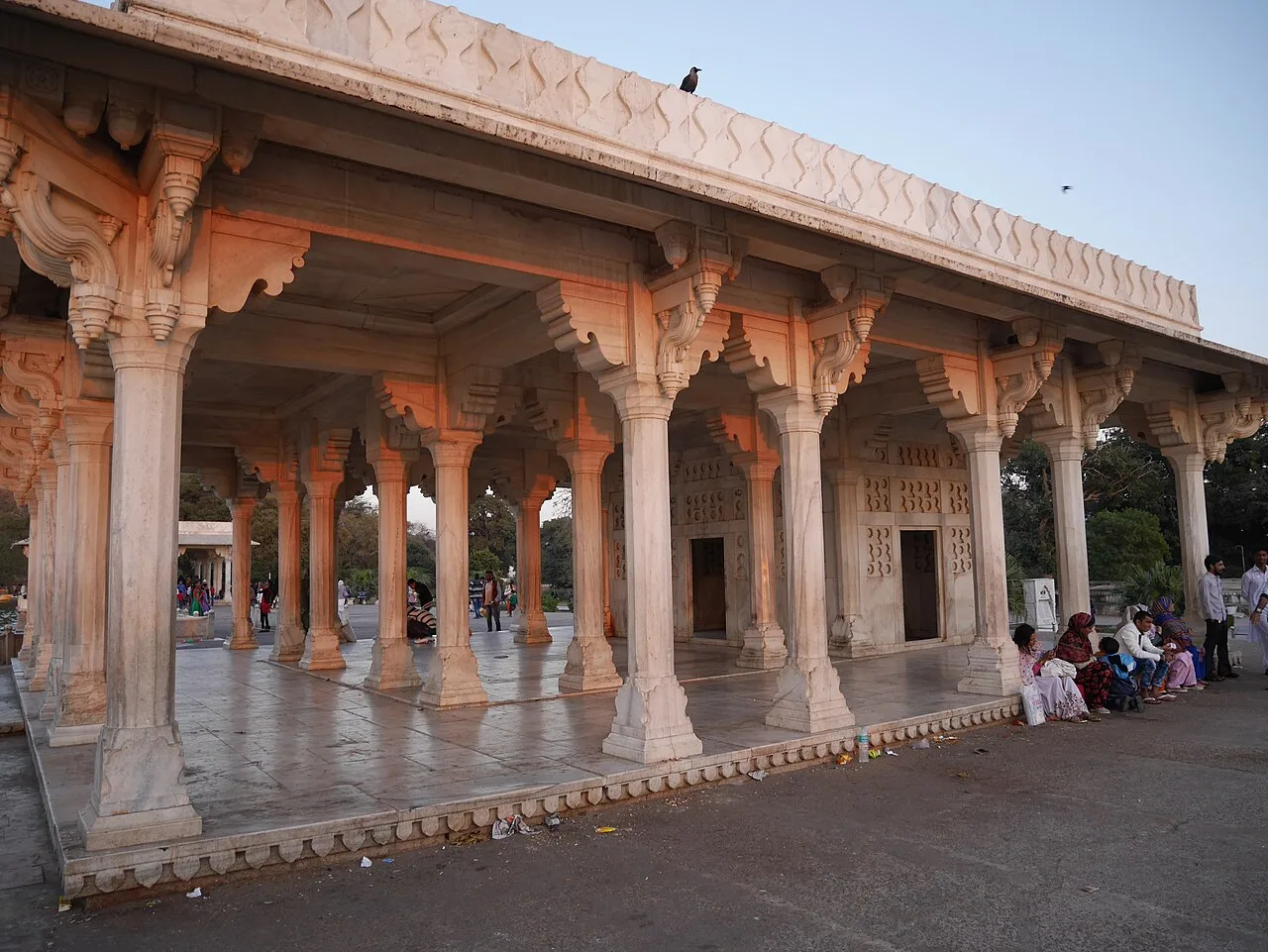
Ana Sagar Lake

78 km away · Ajmer district

Ana Sagar Lake

Ana Sagar is a man-made lake in Ajmer, Rajasthan, associated with its builder Arnoraja, also called Ana. Visitors come to see this historic water body, which extends across 13 km.

Brahma Temple

79 km away · Ajmer district

Brahma Temple

Located in Pushkar, Rajasthan, the Brahma Temple is a Hindu shrine near Pushkar Lake and among India’s few temples for Brahma. Pilgrims especially gather there on Kartik Poornima.

Pushkar

79 km away · Ajmer district

Pushkar

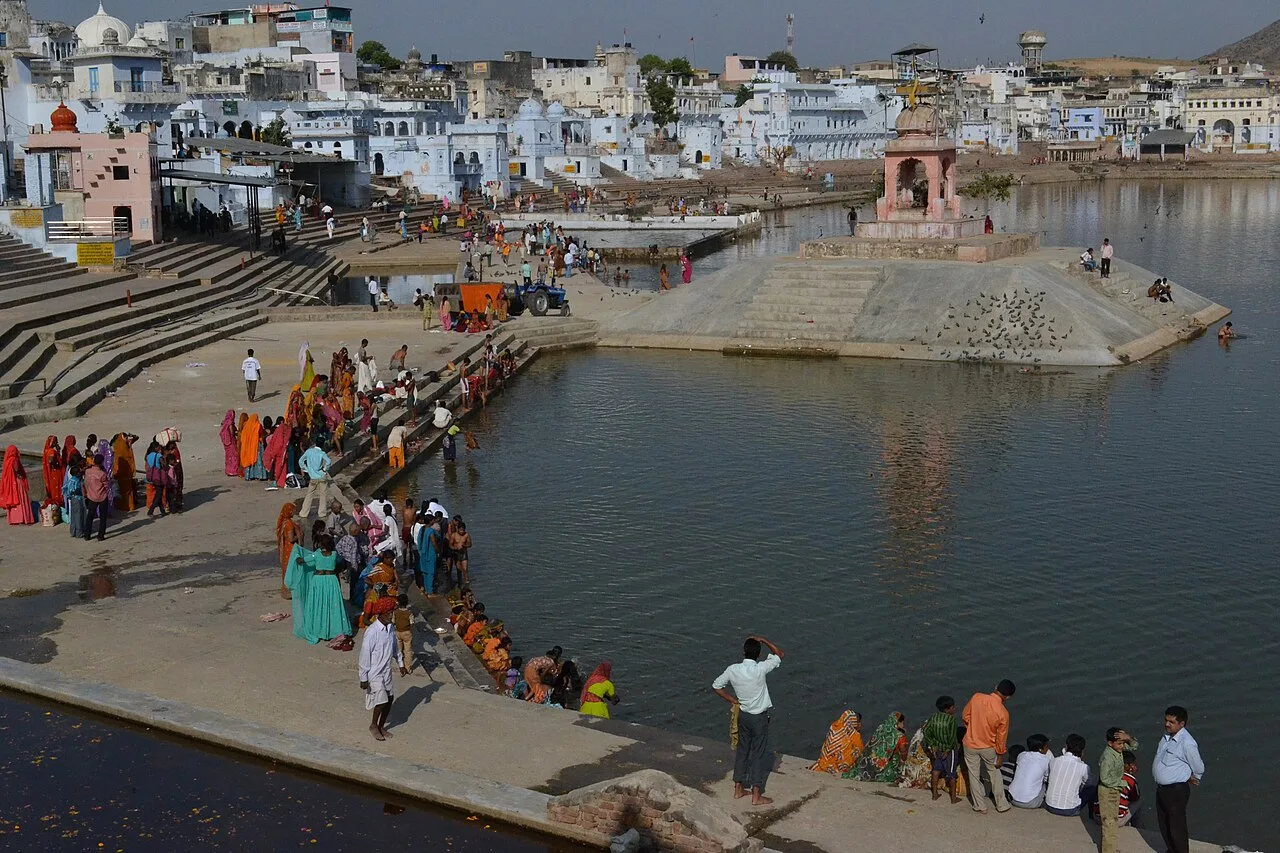
Pushkar is a historic pilgrimage town in Rajasthan, centred on a sacred lake and temples, including one of the few shrines to Brahma. Visitors come for worship, ritual bathing and its heritage.

Pushkar Lake

79 km away · Ajmer district

Pushkar Lake

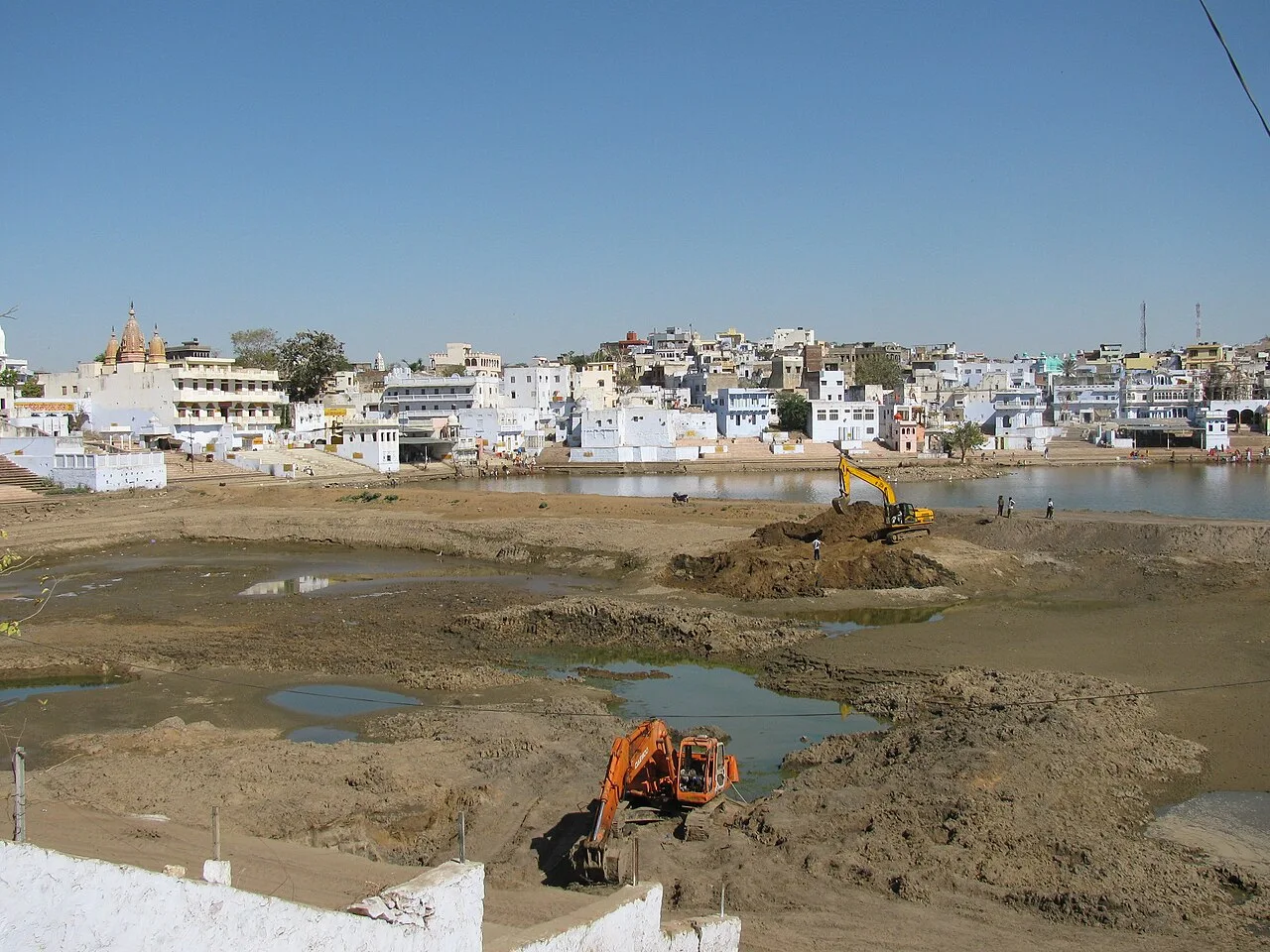
Pushkar Lake, also called Pushkar Sarovar, is a sacred lake in Rajasthan’s Ajmer district. Pilgrims come to bathe at its ghats, especially around Kartik Poornima, when the Pushkar Fair takes place.

Adhai Din Ka Jhonpra

80 km away · Ajmer district

Adhai Din Ka Jhonpra

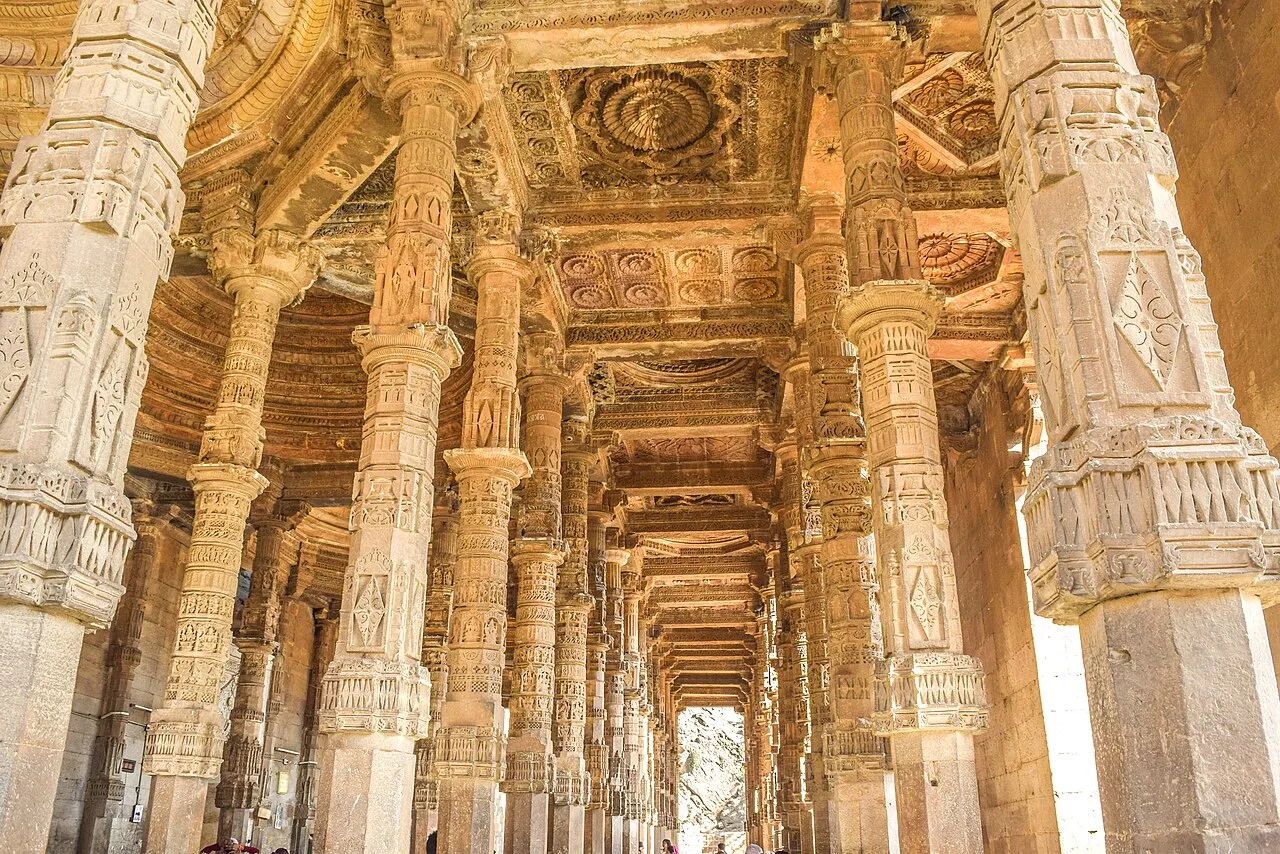
This former mosque in Ajmer, Rajasthan, is among India’s oldest mosques and the city’s oldest surviving monument. Visitors come to see its early Indo-Islamic design and its Hindu, Jain and Islamic architectural elements.

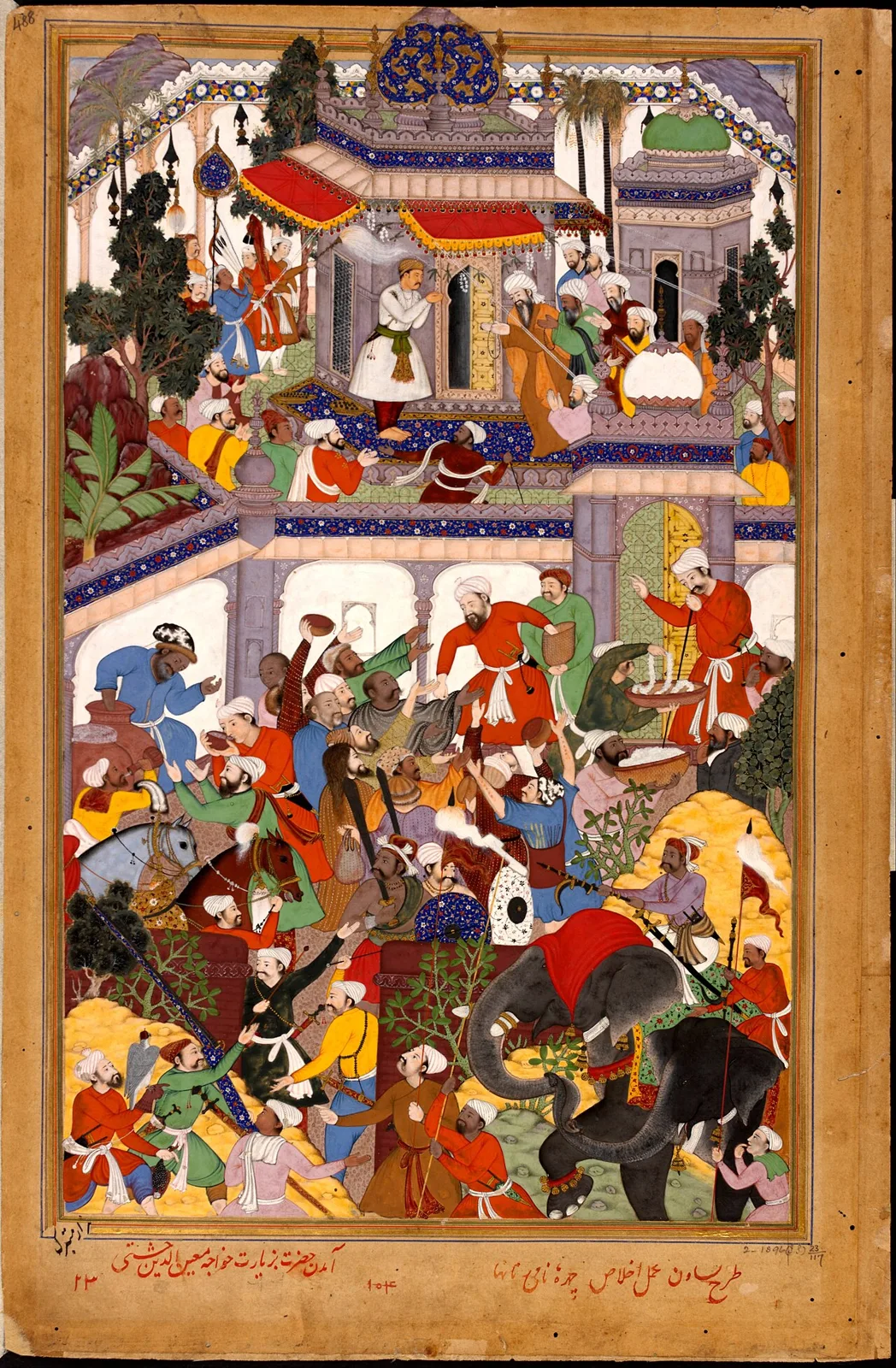
Shrine of Mu'in al-Din Chishti

80 km away · Ajmer district

Shrine of Mu'in al-Din Chishti

A Sufi pilgrimage complex in Ajmer, Rajasthan, centred on Mu'in al-Din Chishti’s shrine and including tombs and a mosque. Sunni Muslims visit in large numbers, particularly for Chishti’s urs.

Map

Kuchaman on the map

  1. 1Sambhar Salt Lake
  2. 2Khatu Shyam Temple
  3. 3Ana Sagar Lake
  4. 4Brahma Temple
  5. 5Pushkar
  6. 6Pushkar Lake
  7. 7Adhai Din Ka Jhonpra
  8. 8Shrine of Mu'in al-Din Chishti

Rajasthan

Other cities to explore