Ghumoopedia — Explore, Discover, Experience
Sign in

City guide · Rajasthan

Nagaur

Nagaur is an important regional centre in central Rajasthan, serving as the administrative headquarters of Nagaur district and a market town for surrounding villages. It lies between Jodhpur and Bikaner, in a dry landscape of open plains, scrub and sand mounds.

Famous for

  • Nagaur Fort
  • Nagaur Cattle Fair
  • Nagauri Pan Methi
  • Tarkeen Dargah
  • Rajasthani livestock markets

Why Nagaur matters

Nagaur is an important regional centre in central Rajasthan, serving as the administrative headquarters of Nagaur district and a market town for surrounding villages. It lies between Jodhpur and Bikaner, in a dry landscape of open plains, scrub and sand mounds. Agriculture and livestock trading remain part of the area’s economy, while the city’s historic fort and Sufi heritage draw visitors interested in Rajasthan beyond its best-known tourist circuits.

Nagaur Fort is the city’s landmark, with courtyards, palaces and other buildings reflecting successive periods of rule. The shrine of the Sufi saint Hamiduddin Nagauri, known as Tarkeen Dargah, is another significant place of pilgrimage. The annual Nagaur Cattle Fair brings traders, livestock owners and visitors together, adding a distinctive seasonal focus to the city. Nagaur is also associated with Nagauri Pan Methi, a locally grown fenugreek variety. Together, its heritage sites, religious traditions and rural commerce make Nagaur a useful stop on journeys across western Rajasthan and a window onto the region’s living market culture.
Famous for: crafts, trade & products

Nagaur is best known for Nagauri Pan Methi, a distinctive fenugreek variety with a Geographical Indication tag. The crop is cultivated in the surrounding region and is sold dried, especially through local produce and spice shops. Nagaur’s agricultural markets also handle grains, pulses, oilseeds and other seasonal produce from nearby villages. The central market streets are the most practical place to look for these goods and everyday Rajasthani provisions.

Livestock trading is another longstanding part of the local economy. During the Nagaur Cattle Fair, the fairgrounds become a major seasonal marketplace for animals and related rural trade. The city is not especially known as a saree-making or large textile-manufacturing centre; visitors may find everyday clothing, household textiles and locally used items in its general bazaars, but these are not signature products. Nagaur’s identity is more closely tied to farming, livestock and regional commerce than to a single craft industry. Travellers seeking specialist crafts or marble should check whether they are available locally rather than assume they are Nagaur’s main products.

History

Nagaur’s early history is associated with the name Ahichhatrapur, and local traditions connect the town’s beginnings with Parmar Rajput rule. Its fort and position on routes linking Gujarat and Sindh with northern India gave it strategic and commercial importance. Chauhan power shaped the region before it came under the influence of Delhi’s sultanate rulers. Sufi traditions also took root early: Hamiduddin Nagauri, a disciple of Khwaja Moinuddin Chishti, became an important spiritual figure here.

In the fifteenth century, Nagaur was contested by regional sultanates and Rajput rulers, including the Sisodiyas of Mewar. It later formed part of the Mughal political landscape, and Rathore rulers of Marwar also shaped the fort’s palaces. Maratha intervention brought further conflict in the eighteenth century. Under British paramountcy, Nagaur was within the princely state of Jodhpur rather than a directly administered British province. After Indian independence and the integration of princely states, it developed as the headquarters of Nagaur district, with public services and regional trade supporting its modern role.

Food, festivals & culture

Nagaur’s food reflects the dry climate and broader Marwari cooking tradition. Bajra roti, dal, gatte ki sabzi and ker sangri are familiar regional dishes; buttermilk and pickles are common accompaniments. Sweets such as ghevar may be found around festive periods, though menus and specialities vary between households and eateries. Nagauri Pan Methi is also part of the area’s food identity, used as a flavourful herb and ingredient.

The Nagaur Cattle Fair is the city’s major seasonal gathering, usually held in winter, combining livestock trade with performances and community activity. Gangaur is celebrated in spring, while Teej comes during the monsoon season; Eid and the observances associated with Tarkeen Dargah are important to the city’s Muslim community. Hindi and Marwari are widely used, with Rajasthani speech and Urdu also heard. Folk songs, devotional music and qawwali form part of local musical life. The fort contains historic religious spaces, while Tarkeen Dargah remains a central destination for worship and pilgrimage.

Visiting the city

October to March is generally the most comfortable season to visit Nagaur. Summers are intensely hot and can bring dust storms; the short monsoon usually falls between July and September. The Nagaur Cattle Fair is a notable winter draw, but its dates vary from year to year.

Jodhpur Airport is the nearest major airport. Nagaur railway station is the city’s main rail stop, and buses connect it with towns across Rajasthan. Within the city, auto-rickshaws and local taxis are practical for reaching the fort, the dargah and the markets. Start with Nagaur Fort and the old-town lanes, then visit Tarkeen Dargah and the central bazaars. The fairgrounds on the edge of town are worth exploring when the cattle fair is in progress. For quieter walks, ask locally about access to historic neighbourhoods and nearby rural sites.

Trips from the city

Nearest places to visit from Nagaur

Our closest destination guides, by straight-line distance.

Karni Mata Temple

76 km away · Bikaner district

Karni Mata Temple

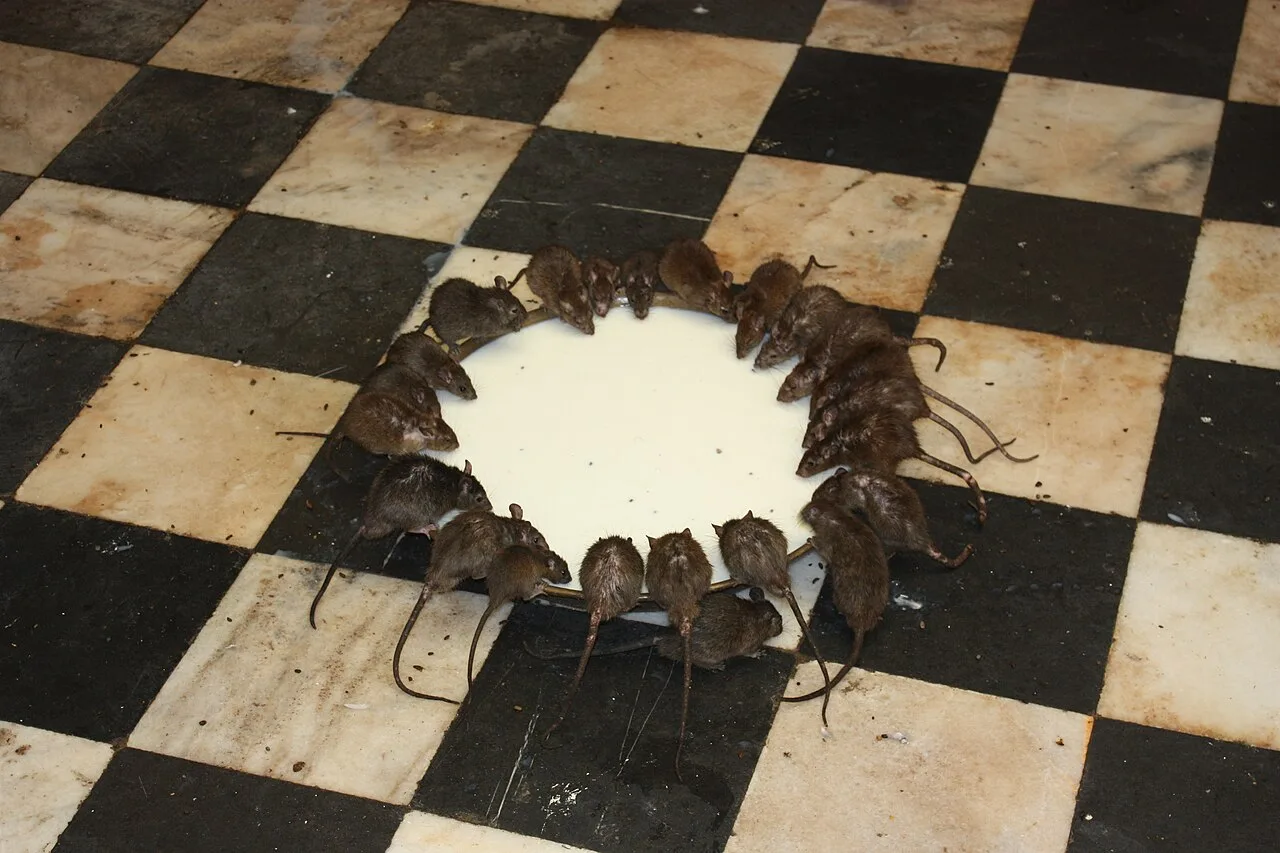
Karni Mata Temple is a Hindu shrine in Deshnoke, Rajasthan, associated with Karni Mata and sacred kābā rodents. Pilgrims seek blessings there, while visitors come to see its distinctive rat population.

Tal Chhapar Sanctuary

96 km away · Churu district

Tal Chhapar Sanctuary

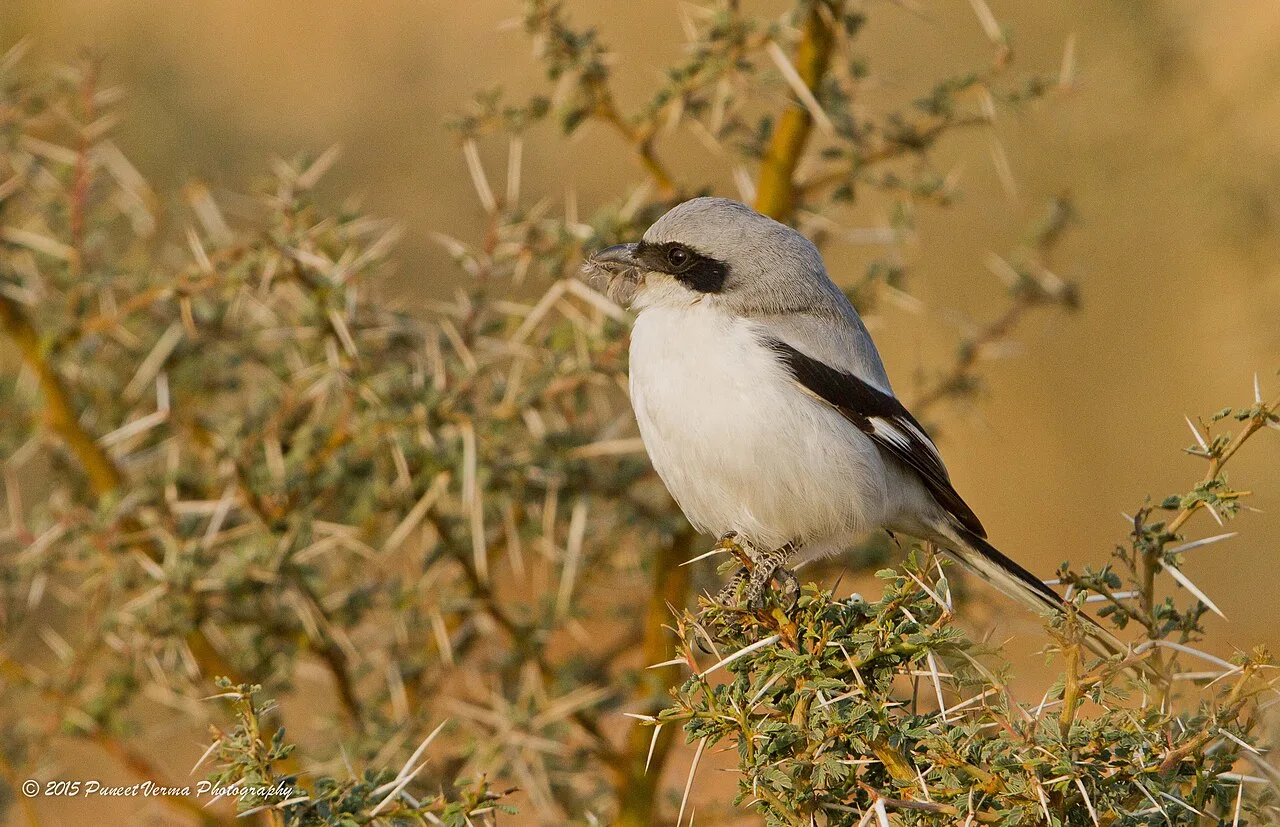
Tal Chhapar is a wildlife sanctuary in Rajasthan’s Churu district, known for blackbucks and birdlife. Visitors come to see its wildlife in a setting near the Great Indian Desert.

Osian

97 km away · Jodhpur district

Osian

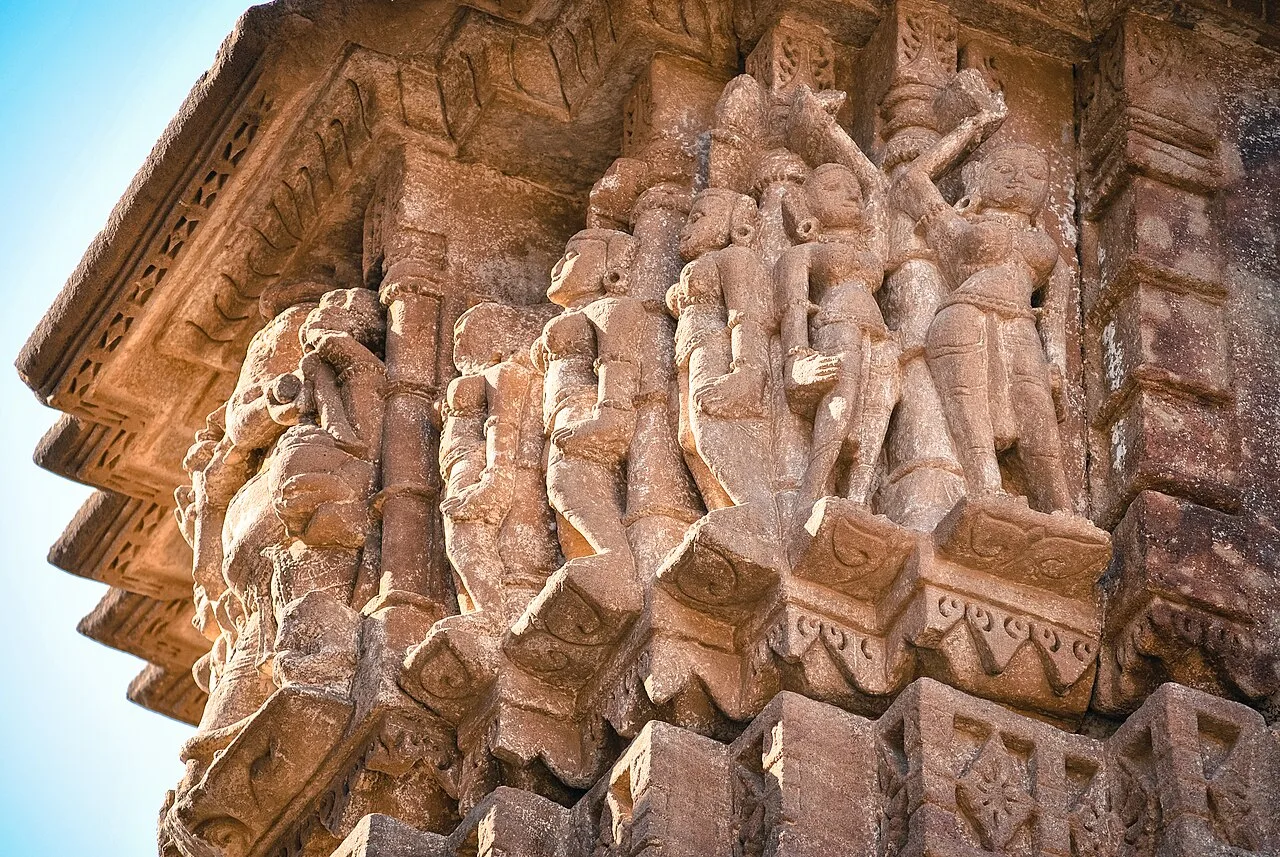
Osian is an ancient settlement and tehsil headquarters in Rajasthan’s Jodhpur district, known for its eighth- to twelfth-century Hindu and Jain temples and its history as a trading and religious centre.

Junagarh Fort

100 km away · Bikaner district

Junagarh Fort

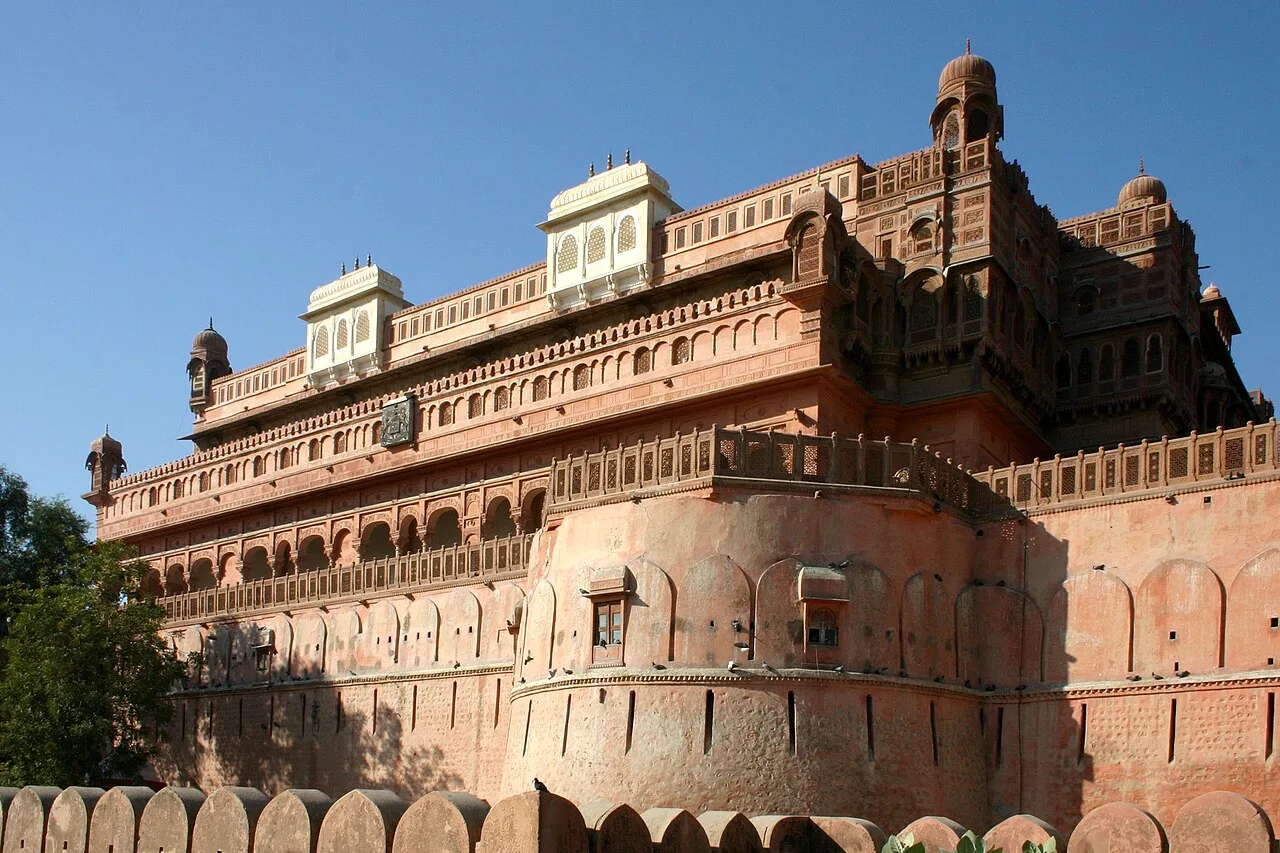
Junagarh Fort is a historic complex in Bikaner, Rajasthan, known for its palaces, temples and pavilions. Visitors can explore its layered history and blend of architectural traditions.

Lalgarh Palace

101 km away · Bikaner district

Lalgarh Palace

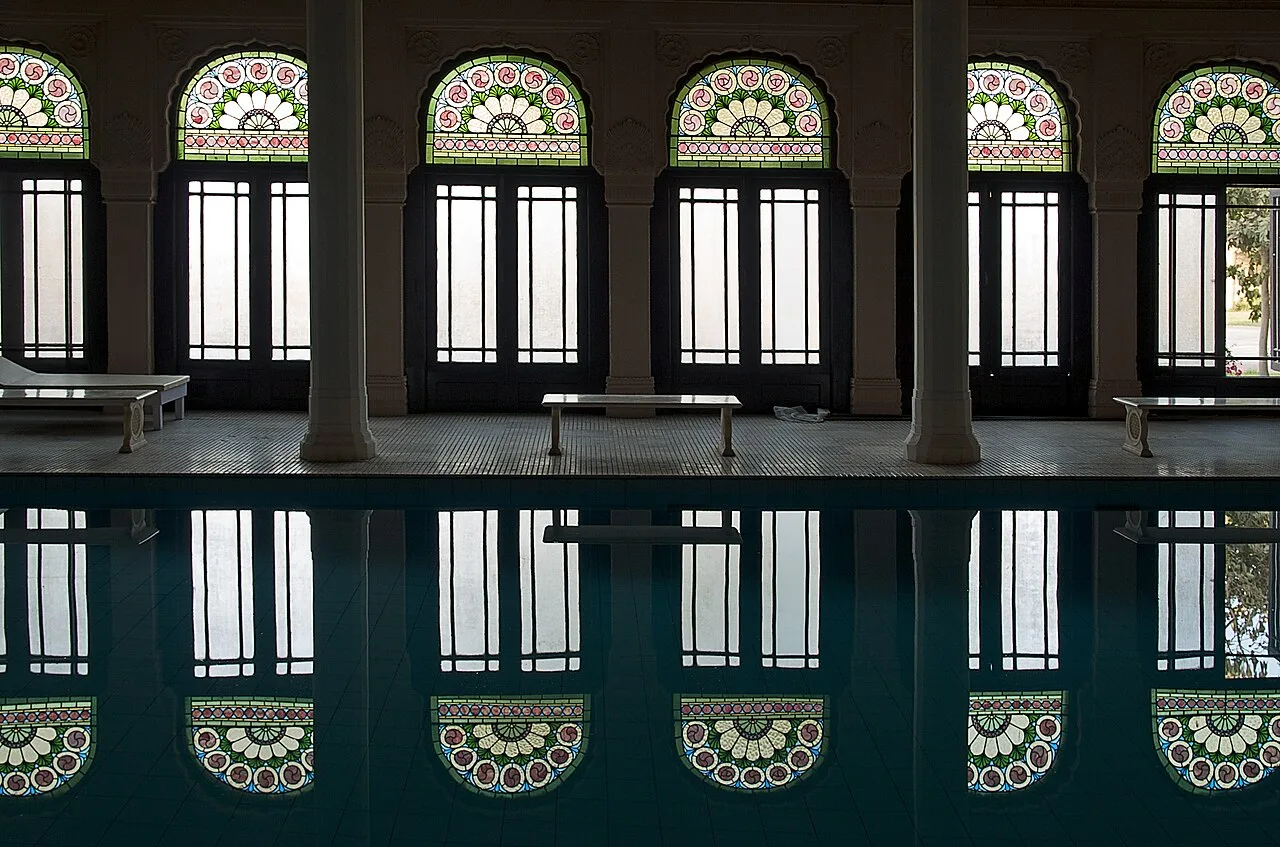
Lalgarh Palace is a palace and heritage-hotel property in Bikaner, Rajasthan, created for Maharaja Sir Ganga Singh. Visitors come to see the residence and its links to Bikaner’s royal history.

Gajner Palace

106 km away · Bikaner district

Gajner Palace

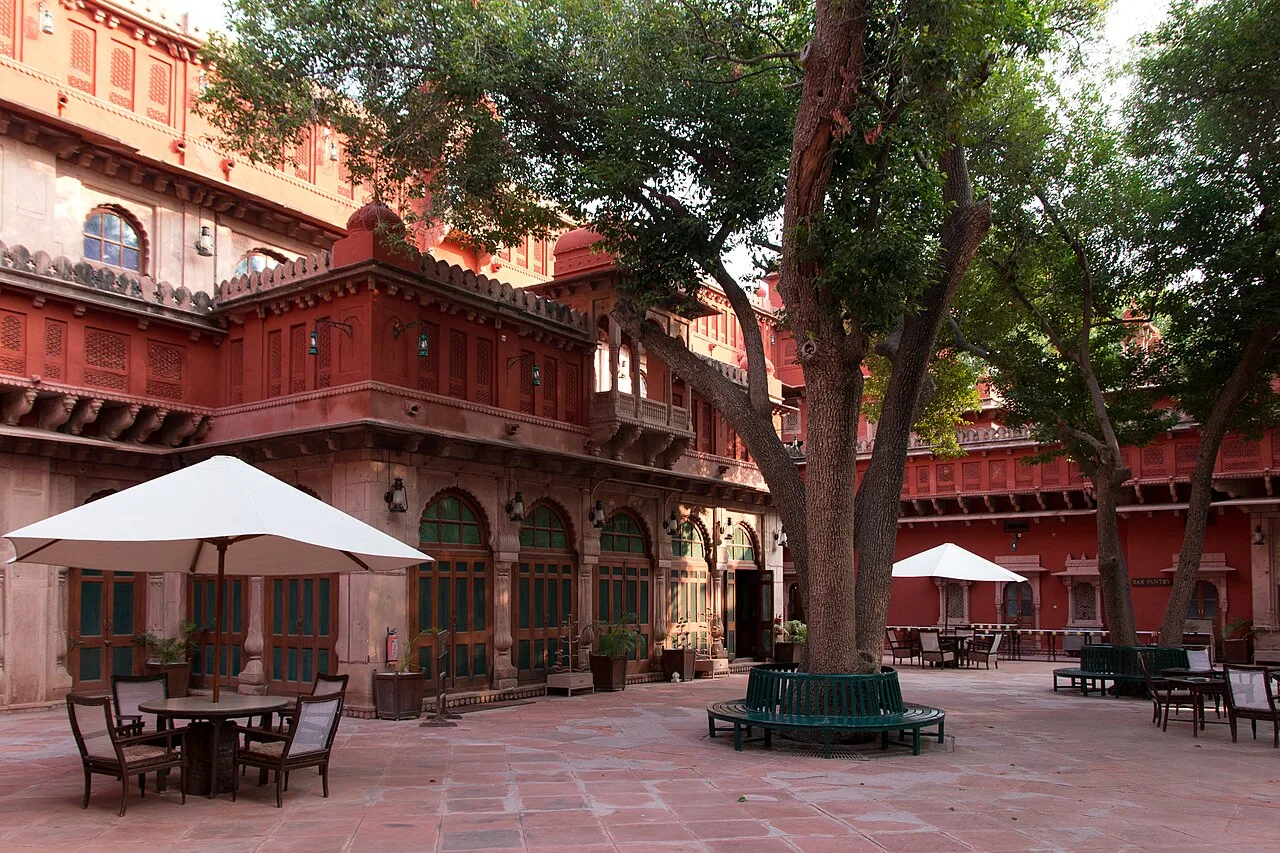
Gajner Palace, in Rajasthan’s Bikaner district, was used by the maharajas of Bikaner as a hunting lodge and now operates as a heritage hotel. Visitors come to stay at the palace.

Brahma Temple

114 km away · Ajmer district

Brahma Temple

Located in Pushkar, Rajasthan, the Brahma Temple is a Hindu shrine near Pushkar Lake and among India’s few temples for Brahma. Pilgrims especially gather there on Kartik Poornima.

Pushkar

114 km away · Ajmer district

Pushkar

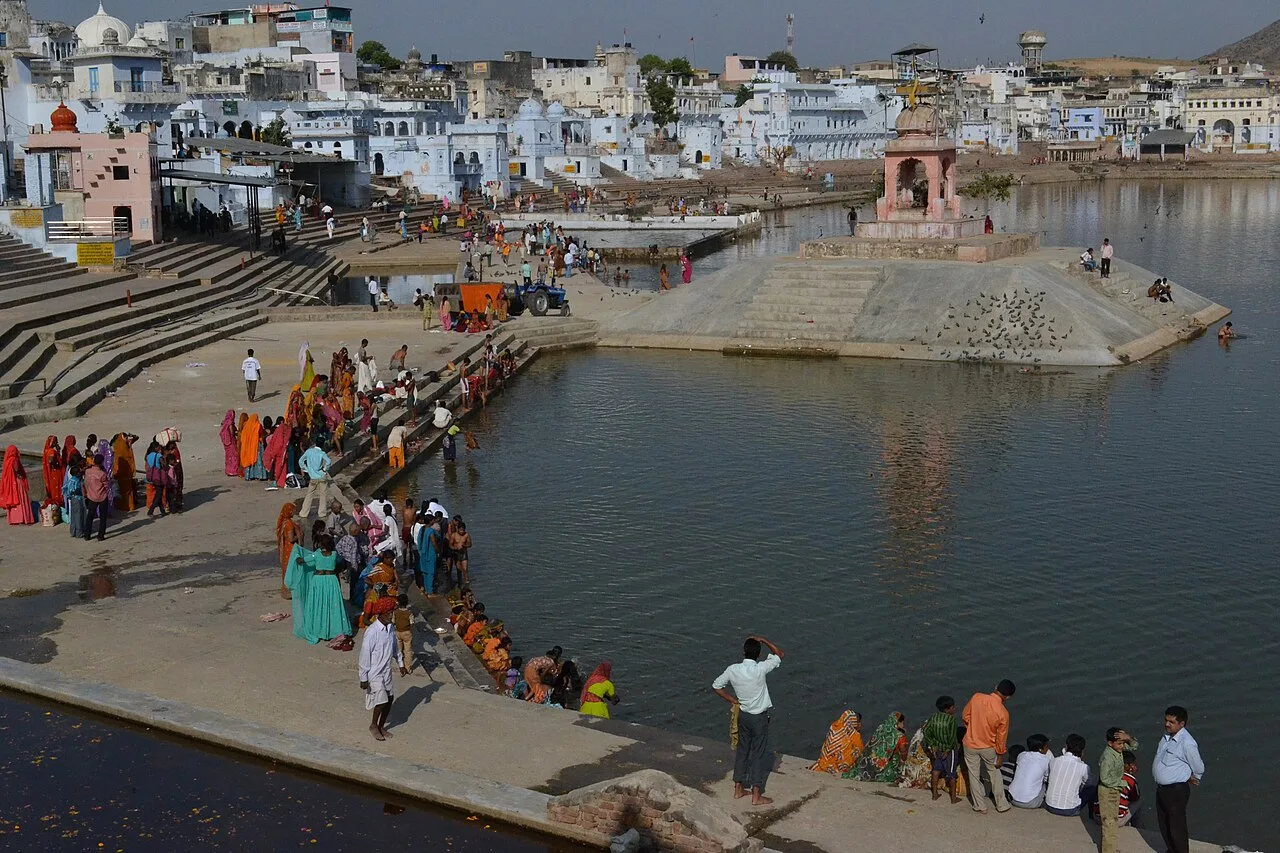
Pushkar is a historic pilgrimage town in Rajasthan, centred on a sacred lake and temples, including one of the few shrines to Brahma. Visitors come for worship, ritual bathing and its heritage.

Map

Nagaur on the map

  1. 1Karni Mata Temple
  2. 2Tal Chhapar Sanctuary
  3. 3Osian
  4. 4Junagarh Fort
  5. 5Lalgarh Palace
  6. 6Gajner Palace
  7. 7Brahma Temple
  8. 8Pushkar

Rajasthan

Other cities to explore