Ghumoopedia — Explore, Discover, Experience
Sign in
Akola (Dabu Print Village), near Gangapur

City guide · Rajasthan

Gangapur

Gangapur is a municipality in Bhilwara district, in Rajasthan’s Mewar region. It is a modest regional town rather than a major tourist centre, serving nearby communities with everyday services and local commerce.

Famous for

  • Maharani Ganga Bai Sahib Temple
  • Lalpura historical association
  • Bhilwara district setting

Why Gangapur matters

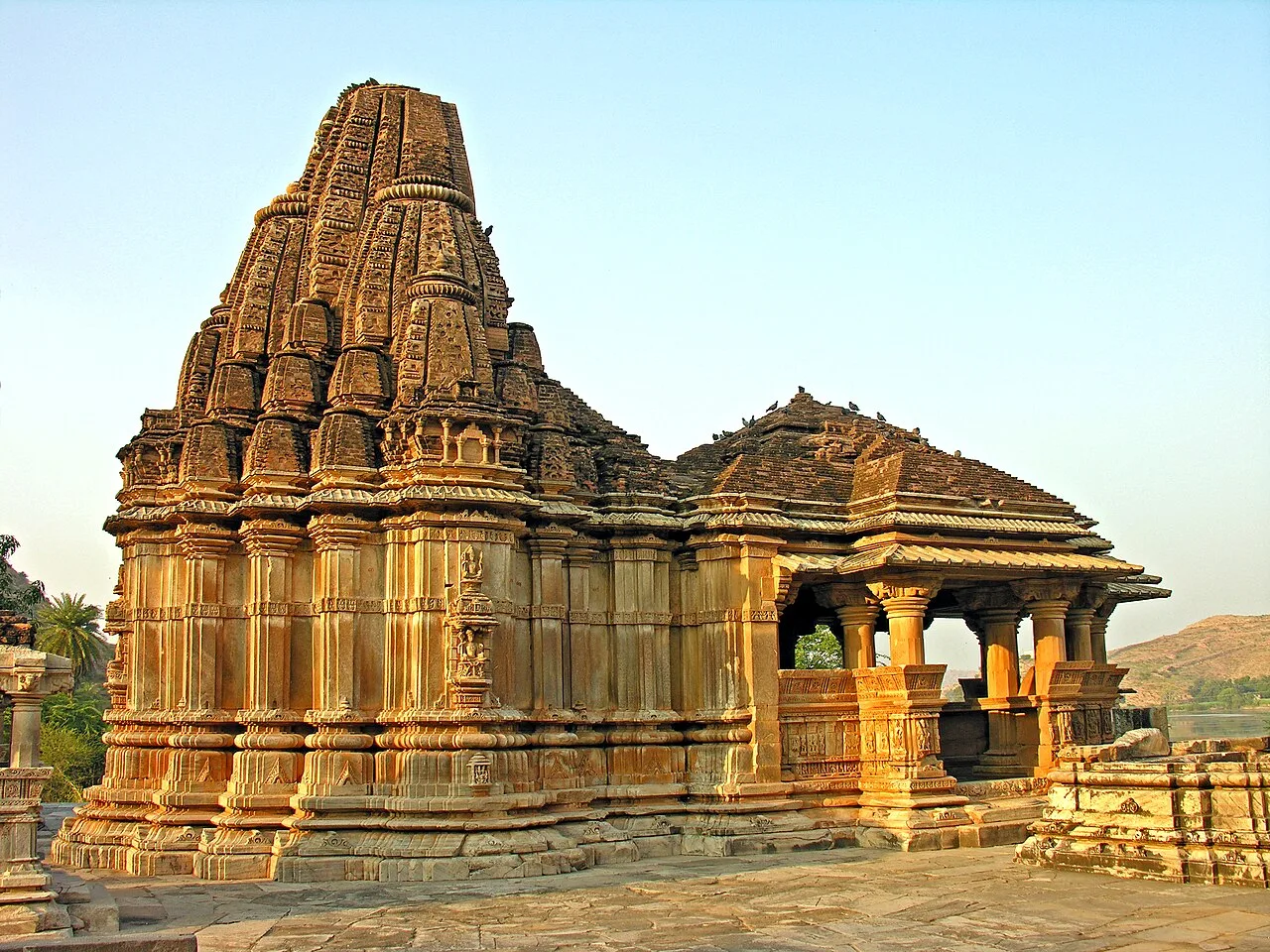
Gangapur is a municipality in Bhilwara district, in Rajasthan’s Mewar region. It is a modest regional town rather than a major tourist centre, serving nearby communities with everyday services and local commerce. Its best-known landmark is the Temple of Maharani Ganga Bai Sahib, which gives the town a distinctive historical and devotional association.

Visitors interested in Rajasthan beyond its best-known forts and resort cities can explore Gangapur at an unhurried pace, see the temple and experience ordinary town life. The surrounding district is characterised by settlements and countryside, while Bhilwara provides a larger nearby centre for regional services and travel connections. Gangapur’s appeal is therefore chiefly local: its temple, its connection with the older name Lalpura and its place in the cultural landscape of southeastern Rajasthan. It is best approached as a quiet stop or part of a wider Bhilwara-area journey, not as a destination with a large circuit of monuments or specialist tourist facilities.
Famous for: crafts, trade & products

Gangapur is not widely identified with a signature textile, saree, handicraft or GI-tagged product. Nor is it known as a major industrial or specialist shopping destination. Its strongest distinct association is the Temple of Maharani Ganga Bai Sahib; the town’s historical connection with the name Lalpura is another point of interest. These make local heritage and worship more relevant to visitors than a specific craft or branded product.

For everyday shopping, visitors can look to the town’s ordinary bazaar streets and local shops for household goods, provisions and products used by residents. Such shops are practical places to find locally available items, but they should not be confused with a dedicated craft market. Bhilwara, a larger commercial centre in the district, offers a broader choice of shops and services. Travellers seeking Rajasthan’s well-known textiles, handicrafts or GI-tagged foods should check availability in larger regional markets rather than assume they are made or sold in Gangapur. The town’s value lies in its local setting and landmark, not in a nationally recognised product trade.

History

Historical accounts associate Gangapur with the earlier name Lalpura. The town is said to have taken its present name after the death of Maharani Ganga Bai Scindia, and the Temple of Maharani Ganga Bai Sahib preserves this association in local memory. The temple is the clearest landmark linked to the town’s recorded past.

Gangapur lies within the wider Mewar region, whose history was shaped by Rajput princely rule, but a detailed account of particular rulers or major political events in Gangapur itself is not established. The available local history does not support a specific narrative of colonial-era administration or a documented turning point in the town’s growth, so these should not be inferred from the broader regional story. In modern Rajasthan, Gangapur functions as a municipality in Bhilwara district. Its development has been that of a local service and trading centre for surrounding settlements, with civic life and everyday commerce continuing alongside its temple and historical associations.

Food, festivals & culture

Hindi is widely used in public life, alongside regional Rajasthani speech, including Mewari varieties common across this part of the state. The Temple of Maharani Ganga Bai Sahib is the town’s most distinctive named place of worship; local shrines and household observances also form part of daily religious life. Devotional songs and regional folk music are familiar cultural forms, while traditions such as Ghoomar belong to the wider Rajasthan cultural repertoire rather than being unique to Gangapur.

Holi in spring and Diwali in autumn are among the principal festivals observed, with Teej and Gangaur also celebrated in the region according to the Hindu calendar. Food choices reflect the broader cuisine of Rajasthan: visitors may encounter dishes such as dal baati churma, gatte ki sabzi and seasonal preparations of dried beans and berries, though these are regional favourites rather than specialties exclusive to Gangapur. Sweets vary by shop and season; it is sensible to ask locally what is freshly prepared rather than expect a particular town-specific confection.

Visiting the city

The cooler months, roughly October to March, are generally the most comfortable time to visit. Summer can be very hot, while monsoon conditions bring rain and more humid weather. The nearest airport is Maharana Pratap Airport at Udaipur; road connections should be checked before setting out. Gangapur railway station serves the town locally, while Bhilwara railway station is a useful larger railhead for regional connections.

Within Gangapur, the temple and central bazaar area are the main places to explore, and short local journeys can usually be made by auto-rickshaw or taxi where available. Confirm onward transport locally, particularly for travel to nearby villages or the airport. Allow time for the temple visit and a walk through the town centre; Gangapur is compact in its visitor appeal and works well as a brief stop on a wider Bhilwara district itinerary.

Trips from the city

Nearest places to visit from Gangapur

Our closest destination guides, by straight-line distance.

Akola (Dabu Print Village)

36 km away · Chittorgarh district

Akola (Dabu Print Village)

Akola, also called Chhipo ka Akola, is a village in Rajasthan’s Chittorgarh district. Visitors are drawn by its Dabu print, known across India.

Rajsamand Lake

42 km away · Rajsamand district

Rajsamand Lake

A large reservoir in Rajasthan’s Rajsamand district, Rajsamand Lake is also called Rajsamudra. Visitors come to see its scale and the historic work associated with Rana Raj Singh.

Chittor Fort

54 km away · Chittorgarh district

Chittor Fort

Chittor Fort, also called Chittod Fort, is among India’s largest forts and the former capital of Mewar. Visitors explore its historic palaces, temples, water bodies, memorials and towers.

Vijaya Stambha

54 km away · Chittorgarh district

Vijaya Stambha

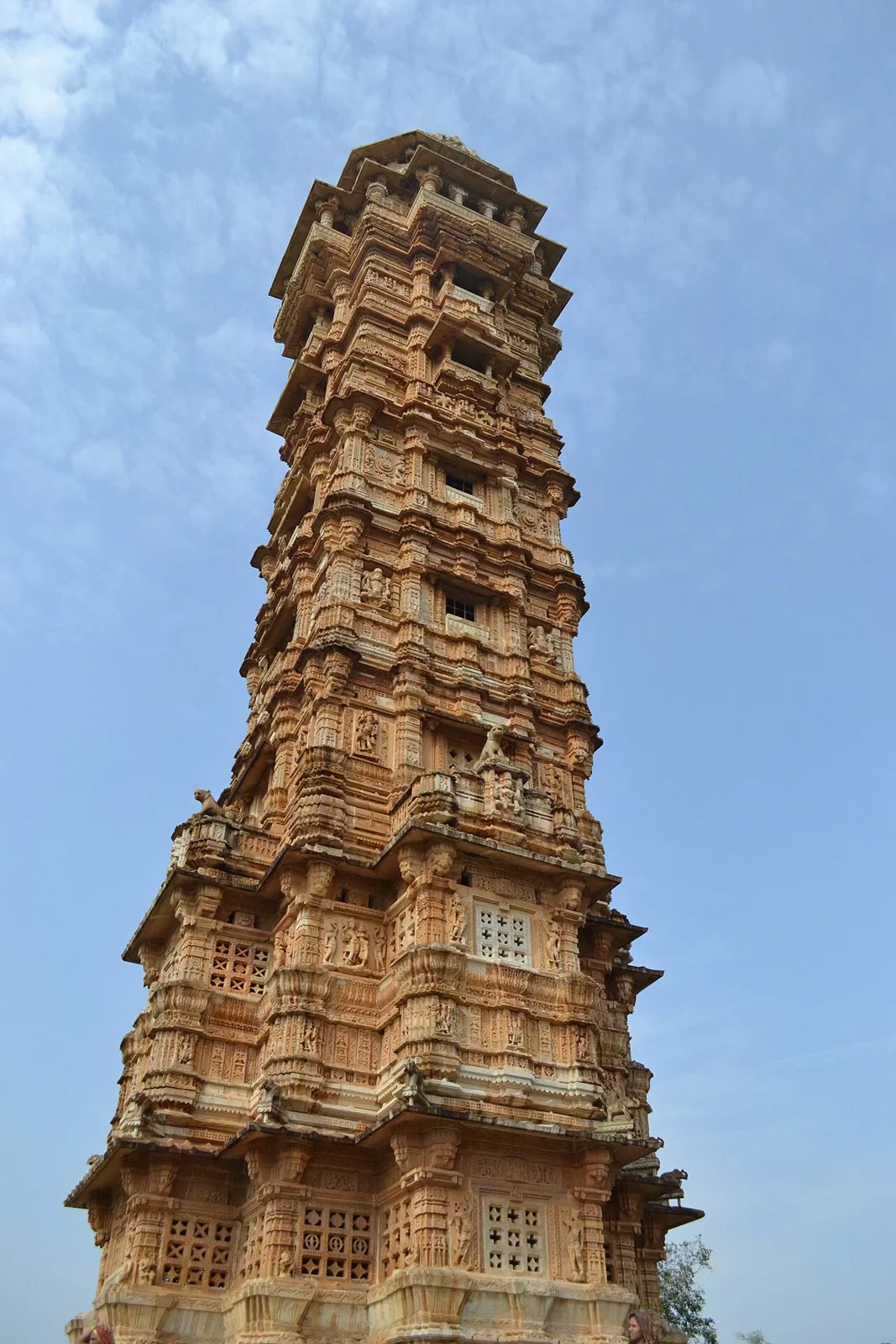
Vijaya Stambha is a victory tower in Chittor Fort, Chittorgarh district, Rajasthan. Visitors come to see its Rajput architecture and its association with Rana Kumbha’s 1448 triumph.

Nathdwara

55 km away · Rajsamand district

Nathdwara

Nathdwara is a city in Rajasthan known for its Shrinathji shrine and its place in the Vaishnavite Pushti Marg tradition, drawing devotees from Rajasthan, Gujarat and beyond.

Haldighati

67 km away · Rajsamand district

Haldighati

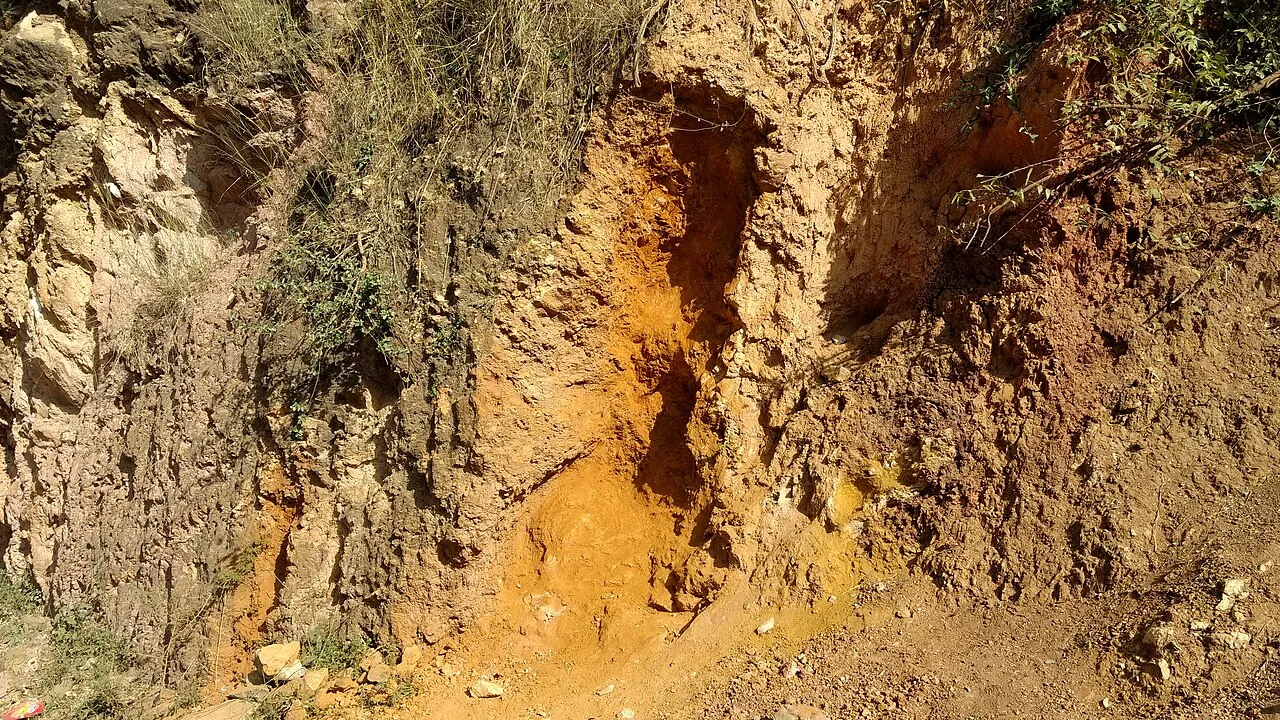
Haldighati is a historic route through Rajasthan’s Aravalli hills, connecting the Rajsamand and Udaipur districts. Visitors come to learn about its past and see the yellow soil associated with its name.

Kumbhalgarh

69 km away · Rajsamand district

Kumbhalgarh

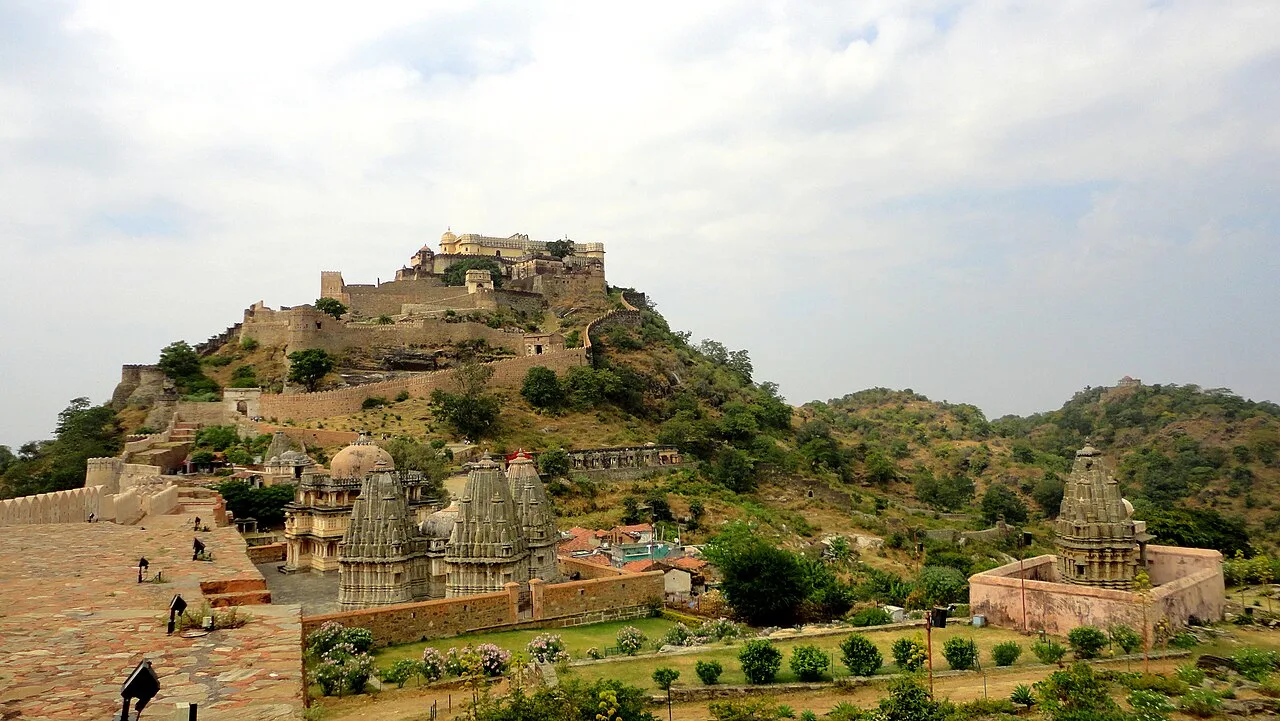
Kumbhalgarh, often called the Great Wall of India, is a 15th-century fortress in Rajasthan’s Aravalli Hills, visited for its fortifications, historical associations and UNESCO World Heritage status.

Eklingji

76 km away · Udaipur district

Eklingji

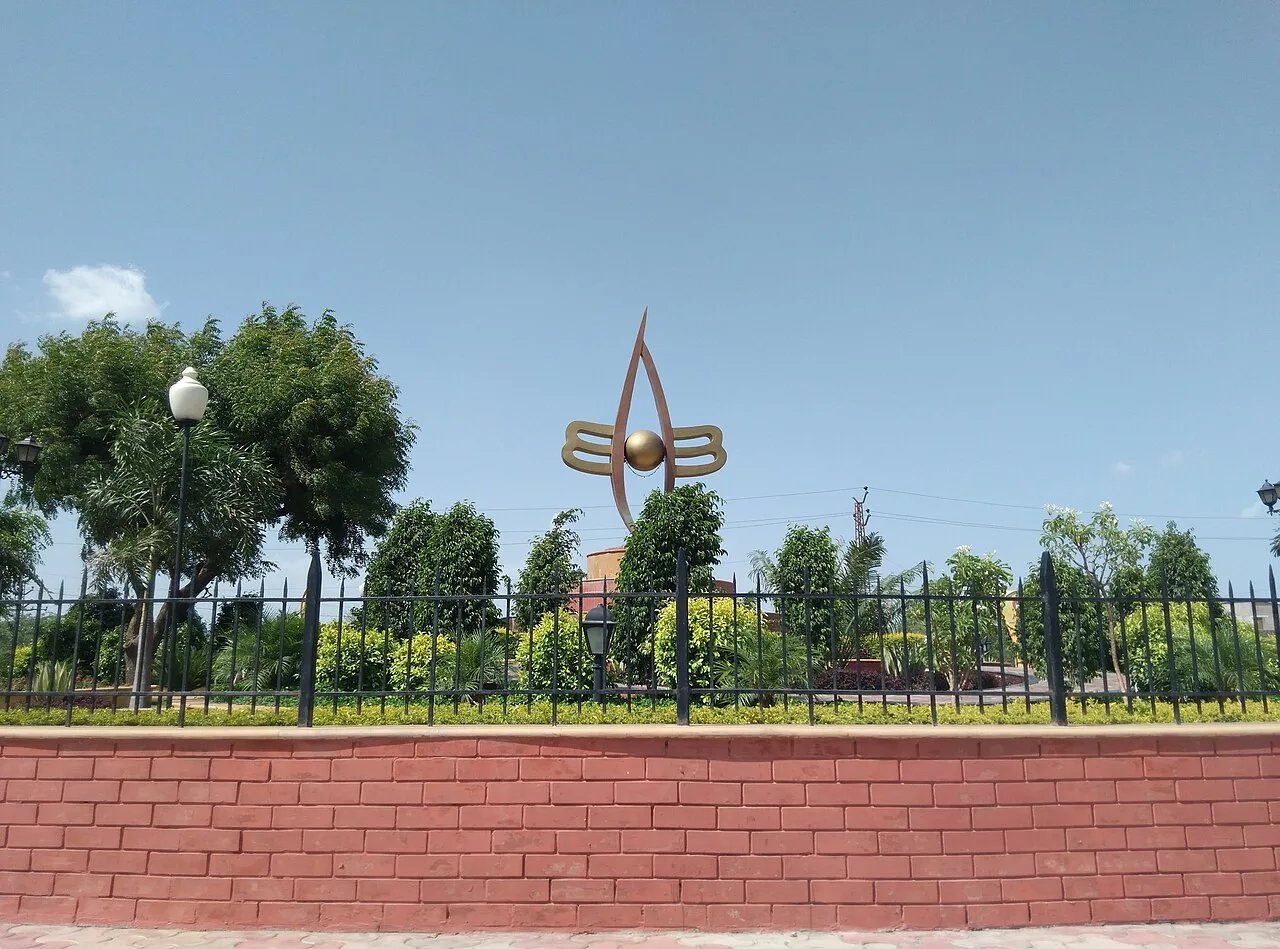
Eklingji is a Hindu temple complex in Kailashpuri, Rajasthan, associated with Mewar’s ruling deity. People visit to worship the god revered by the region’s royal house.

Map

Gangapur on the map

  1. 1Akola (Dabu Print Village)
  2. 2Rajsamand Lake
  3. 3Chittor Fort
  4. 4Vijaya Stambha
  5. 5Nathdwara
  6. 6Haldighati
  7. 7Kumbhalgarh
  8. 8Eklingji

Rajasthan

Other cities to explore