
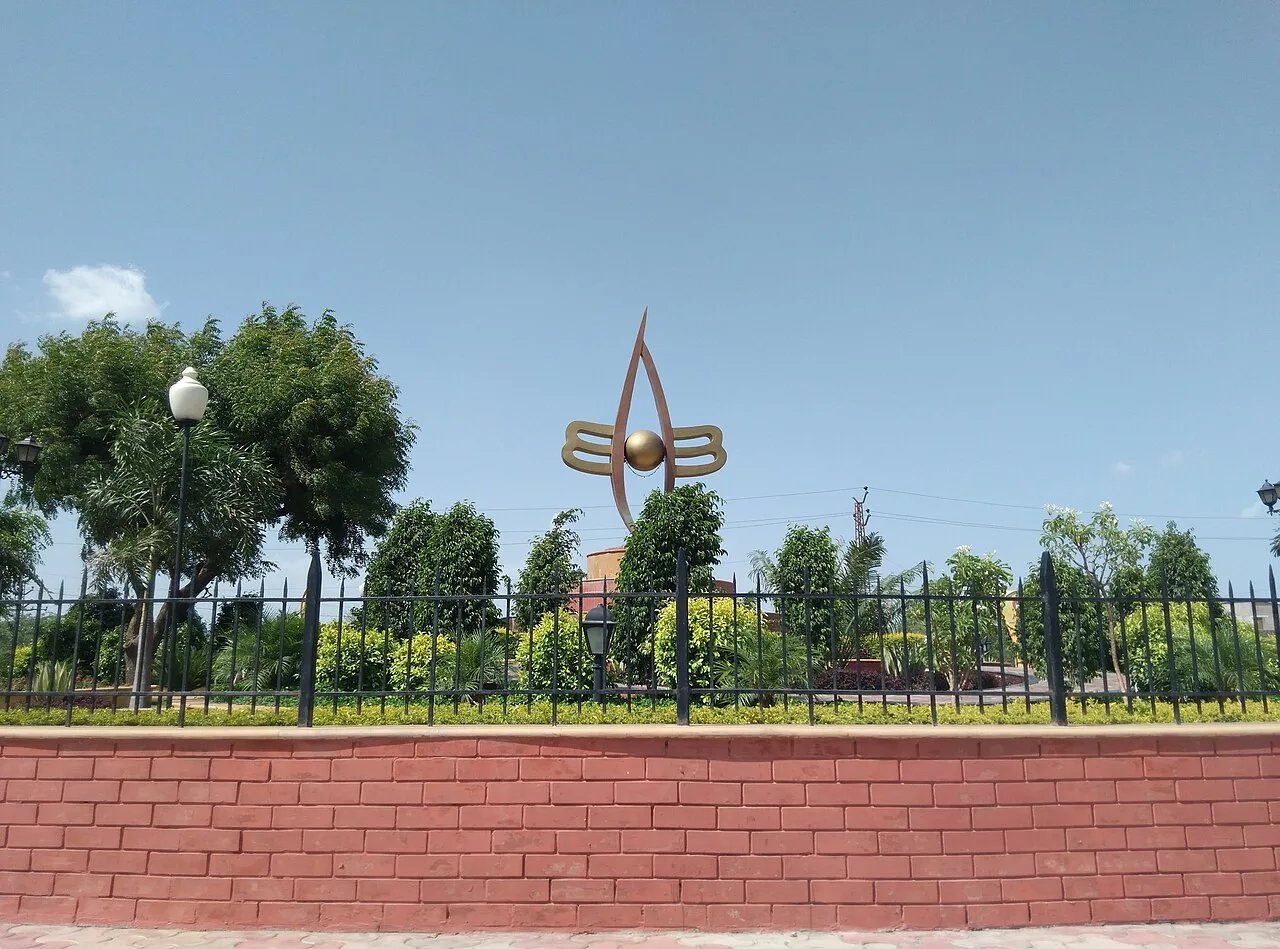
Nathdwara
Nathdwara is a city in Rajasthan known for its Shrinathji shrine and its place in the Vaishnavite Pushti Marg tradition, drawing devotees from Rajasthan, Gujarat and beyond.
Key facts · verified by Ghumoopedia editors
- Type of place
- Destination
- Best time to visit
- October to March
- Nearest railway station
- Udaipur City · about 40 km (straight line)
- Verified
- 21 Nov 2026
Plan a trip from Nathdwara — a day-by-day route through places nearby.
Nathdwara lies in Rajasthan’s Rajsamand district, among the Aravalli hills beside the Banas River, about 48 kilometres north-east of Udaipur. The city is closely associated with Shrinathji, a form of Krishna depicted as a seven-year-old child. Shrinathji was worshipped first at Jatpura in Mathura. In 1672, the deity was moved from Govardhan Hill, near Mathura and the Yamuna, after a stay of almost six months in Agra. Nathdwara’s name means Gateway to Shrinathji. The city is an important Vaishnavite centre linked with Pushti Marg, also called the Vallabh Sampradaya or Shuddha Advaita. Vallabha Acharya founded this tradition, which is followed particularly in Rajasthan and Gujarat, among other places. Vallabha Acharya’s son, Vitthal Nathji, established Shrinathji worship in Nathdwara. The city’s royal family traces its lineage to Vallabhacharya; its members are known as Tilkayat or Tikaet. The temple schedules eight daily darshans, including Mangala, Shringar, Gwala, Rajbhog, Uthapan, Aarti and Shayan. Visitors cannot take mobile phones, socks or shoes inside. Lockers near the entrance are available for storing them. Rajasthan is the land of Rajput forts and palaces, painted havelis, desert folk music, puppetry and colourful fairs such as the Pushkar camel fair. Rajasthan is very hot from April to June — often above 45 °C in the desert — with a short monsoon in July–September. Winter days are pleasant and nights are cold, especially in the Thar Desert. Mount Abu is the state's only hill station and stays cooler. The usual best time to visit is October to March. Timings, fees and access arrangements must be confirmed locally. For official information, see Rajasthan Tourism at https://www.tourism.rajasthan.gov.in.
Why it matters
Nathdwara is best known as the home of Shrinathji, a form of Krishna worshipped as a child, and is an important pilgrimage centre for followers of the Pushti Marg, also called the Vallabh Sampradaya. The tradition was founded by Vallabhacharya, and devotees from Rajasthan, Gujarat and elsewhere visit the temple for darshan and ritual offerings. The town’s name is commonly understood as “gateway to the Lord.” Its religious life also supports local traditions of devotional music, painting and pilgrimage-related crafts. Nathdwara is in Rajsamand district, within the historic Mewar region of Rajasthan. Do not assume the shrine has UNESCO or ASI-protected status; check current official heritage listings for formal designations.

Shrinathji is a form of Krishna associated with Govardhan hill near Mathura. Pushti Marg tradition links the deity’s worship to Vallabhacharya and the community that developed around his teachings; his son Vitthal Nathji is credited with systematising the worship and its devotional services. The deity was moved from the Govardhan area during the seventeenth century, amid political and religious upheaval in north India. The transfer to Mewar is traditionally dated to 1672. Accounts say the image was kept at Agra for a period during the journey and that its chariot stopped at Sihad, the settlement that became Nathdwara. In the traditional account, the stoppage was read as a sign that the deity should remain there. Mewar ruler Maharana Raj Singh is associated with providing protection and support for the shrine. The temple developed as a haveli-style place of worship, and the settlement grew around its daily rituals and pilgrim activity. Worship continues under the Pushti Marg tradition. The temple and surrounding town have been maintained and adapted over time; details of particular restoration campaigns should be checked with the managing authorities.
Use Nathdwara as a base to understand local life: walk through the market, look for local crafts and ask your host about nearby viewpoints and short excursions. Always ask before photographing people, homes or ceremonies. A comfortable itinerary is one main visit in the morning, a local meal at midday and a short nearby stop before an afternoon return. Use the district list on this site to find other places in Rajsamand, but check the route and its condition before combining stops. If a festival or fair is on, roads and stays can be busy — and the experience can be unforgettable. Leave no litter: many sites are protected by the communities around them.
Suggested itineraries
Half day: Temple area and darshan (allow 1–2 hours, subject to queues); walk through the market and look for pichwai art (45–60 minutes); pause for a local meal. Full day: Temple visit (allow 1–2 hours or longer if queues are busy); explore the market and local art (about 1 hour); take a taxi to Rajsamand Lake or a nearby heritage stop (2–3 hours, including travel); return to town for a meal. Gentler option: Arrange a drop-off near the temple, take breaks in nearby seating or a café, and keep the visit to one central area rather than adding an excursion.
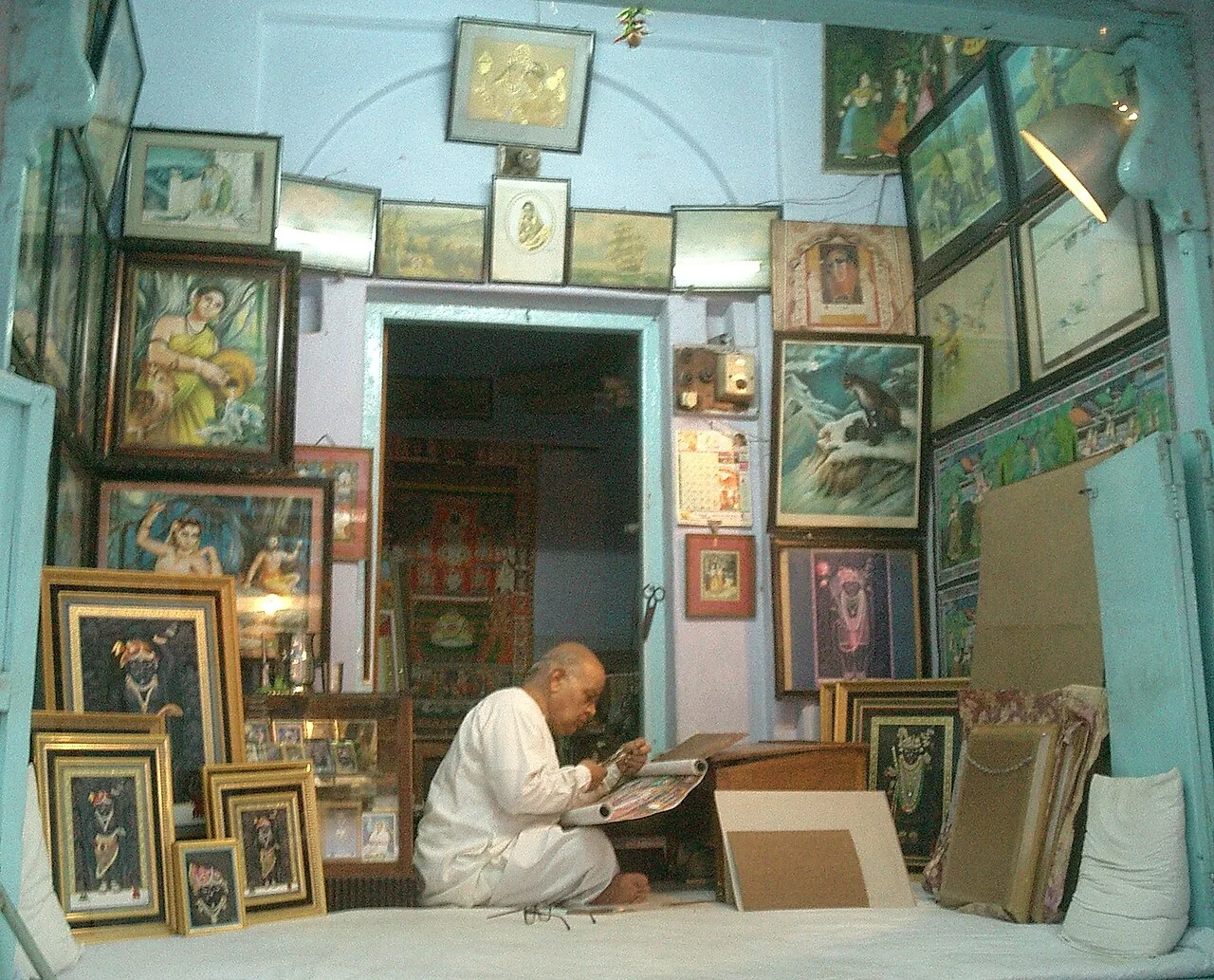
Daily life in Nathdwara is closely connected with temple worship, devotional service and the arrival of pilgrims. The Pushti Marg tradition gives importance to seva and darshan, with rituals organised around the deity’s changing adornment and offerings. The town is also associated with pichwai paintings, often depicting Krishna and scenes linked to Shrinathji; visitors may see contemporary devotional art alongside older styles. Hindi and Mewari or other Rajasthani speech are widely heard, while Gujarati is common among visitors and in pilgrimage settings. Devotional music forms part of worship and religious occasions. Modest dress and considerate conduct are appropriate near the temple, and visitors should follow local instructions during ceremonies.
Festivals & events
Janmashtami, celebrating Krishna’s birth, is a major occasion in Nathdwara, usually observed in the monsoon season. Annakut and Govardhan Puja, around the Diwali period, are also important in the Shrinathji tradition. Holi and other occasions in the temple calendar may bring special worship and crowds. Dates follow religious calendars and vary from year to year. During major celebrations, access routes and the temple area can become congested, and nearby accommodation may be in greater demand. Check current arrangements with the temple authorities before planning a visit around a festival.
Local food in Rajasthan includes dal baati churma, gatte ki sabzi, ker sangri, laal maas, pyaaz kachori, mirchi vada, ghewar, mawa kachori and chaach (spiced buttermilk). Ask what is fresh that day; many small eateries cook a limited daily menu. Vegetarian travellers eat very well across this region, and most towns also have non-vegetarian options. Remote sites may have no restaurant at all. Carry water and snacks, eat a proper breakfast before long drives, and ask your accommodation for a packed lunch if you are heading out early. Try a home-cooked or dhaba meal when you can — it is often the best food on the route. Choose busy, clean places and carry your packaging back with you.
Shopping & local experiences
The town’s markets offer devotional objects, offerings and souvenirs for pilgrims. Look for pichwai paintings and related Krishna imagery; styles and quality vary, so ask about the artist, materials and whether a work is handmade. Nathdwara is also known for its painting tradition, and local shops may sell prints as well as original works. Sweets and vegetarian dishes are part of the pilgrimage-town food experience; ask shopkeepers about ingredients and preparation if you have dietary needs. Buy respectfully and avoid handling displayed artwork without permission.
October to March
The nearest principal railway station by straight-line distance is Udaipur City, roughly 40 km away. The nearest operating airport by straight-line distance is Maharana Pratap Airport, Udaipur, roughly 35 km away. These figures are calculated from map coordinates — actual road distance is longer. Jaipur, Ajmer, Jodhpur, Udaipur and Kota are the main rail hubs, and Jaipur, Udaipur and Jodhpur have the most flights; Delhi is the usual gateway for the north-east of the state. For the final leg, Rajasthan State Road Transport Corporation (RSRTC) buses and private coaches link district towns; shared taxis usually leave early in the morning. A private taxi gives more flexibility for remote sites. When comparing train, bus and flight, count the complete door-to-door time: a flight saves the most time only if the onward road transfer is short, while an overnight train can save a hotel night. Book your return before you leave, because seats fill quickly on weekends, festivals and holidays. Current train numbers, timings, return services and fares are not listed here; check IRCTC and NTES for trains and the airline's own schedule for flights. No permit is needed to visit Rajasthan. Land close to the international border west of Jaisalmer and Barmer is restricted beyond certain points: places such as Tanot can be visited, but border outposts need Border Security Force permission. Forts and palaces charge entry and camera fees, and tiger-reserve safaris must be booked through the official forest department portal.
Confirm onward and return timings on IRCTC / NTES, the state bus operator or your airline before travel. A dash means current timings or fares have not been verified.
Getting around
Nathdwara’s central temple and market streets are often easiest to explore on foot, though pedestrian areas can be busy and narrow. Auto-rickshaws and local taxis can help with journeys between the town centre, accommodation and outlying stops; agree on the destination before setting off. Private taxis are useful for excursions beyond town. Local buses and coaches connect the wider area, but check routes and current service locally. Parking availability can vary near the temple, especially on busy days, so visitors arriving by car should follow local directions and be prepared to park away from the busiest lanes.
Hours, tickets & permissions
Darshan follows a temple schedule, with separate devotional sessions and possible changes on festival days or for special observances. Entry procedures, queue arrangements and access to particular areas may vary. The temple guide advises that phones, footwear and socks are not allowed inside; lockers are available near the entrance, but confirm current arrangements locally. Do not assume that photography, special access or a particular dress or identification rule applies without checking. Confirm current hours, entry conditions and any fees directly with the temple’s managing authority before travelling.
Facilities
Nathdwara has shops, eateries and guest accommodation in and around the town centre. Toilets, drinking water points, seating and parking arrangements may be available near busy visitor areas, but standards and access can vary; check locally and carry water. The temple area may have lockers for footwear and phones; verify their current operation before relying on them. ATMs and basic services are generally easier to find in the town than at outlying sites. Independent guides may be available, but agree on the scope of a service before starting.
Accessibility
The central lanes can be crowded, uneven and narrow, and the approach to the temple may involve standing or walking in queues. Visitors remove footwear before entering, and the temple guide also says socks are not allowed. Internal routes, steps, seating and access arrangements can change; do not assume that ramps, lifts or wheelchair access are available. Wheelchair users, people with strollers and visitors with limited stamina should contact the temple authority or their accommodation in advance to discuss current access and quieter approaches. Older visitors may find a short visit with rest breaks more manageable, especially on festival days.
No permit is needed to visit Rajasthan. Land close to the international border west of Jaisalmer and Barmer is restricted beyond certain points: places such as Tanot can be visited, but border outposts need Border Security Force permission. Forts and palaces charge entry and camera fees, and tiger-reserve safaris must be booked through the official forest department portal. Carry a photo ID at all times and save the emergency number 112 and your accommodation's contact offline. Heat in summer and fog in winter are the main weather risks; carry water and allow extra travel time on foggy December–January mornings. Respect community rules, private property and posted instructions. Follow local guidance if access changes.
Photography
The temple guide says mobile phones are not allowed inside, so do not plan to take photographs within the shrine; confirm current rules with temple staff. Photography in the surrounding streets and market is best in softer morning or late-afternoon light, but follow any posted restrictions. Ask permission before photographing people, homes, artists at work or ceremonies, and avoid interrupting worship. Drone use may be restricted by aviation rules, local authorities or temple security; check permissions before bringing or operating one. Respect requests not to photograph, even outside the temple.
Choose a stay by the full journey to Nathdwara, not just the district name. Heritage havelis, fort hotels, state tourism (RTDC) hotels and desert camps offer distinctive stays; check that a desert camp is licensed and has proper toilets. In summer, check air-conditioning or coolers; in December and January, check heating and hot water. Book in advance for weekends, festivals and the peak season (October to March). Confirm the exact location, meals included, check-in time and cancellation terms in writing. Avoid sending money to unverified contacts or touts at stations. Carry some cash, as card and digital payments can be unreliable in remote areas.
Rajsamand Lake, in the district, is a notable reservoir and a possible excursion from town. Kankroli is home to the Dwarkadhish Temple, another important Vaishnavite shrine in the area. Haldighati, associated with the history of Mewar, and Chetak Samadhi are other nearby heritage stops. Kumbhalgarh Fort, within Rajsamand district and part of a UNESCO World Heritage property, can be considered for a longer outing; allow for road travel and check conditions before combining it with a temple visit. Routes and access at each site can change, so confirm locally before setting out.
For couples, Nathdwara rewards a slow pace: arrive early for soft light and fewer crowds, share a local meal and keep the evening free. A heritage hotel or a lakeside sunset makes the trip memorable. Public displays of affection can be frowned upon in conservative communities and at religious sites, so be discreet. Keep a buffer in your itinerary, because weather and traffic can delay plans.
Q: How much time should I plan for Nathdwara? A: A half day can cover the temple area and market, but queues or a festival may extend the visit. A full day allows for a nearby excursion. Q: When is a good season to visit? A: October to March is generally more comfortable in Rajasthan. Festival periods can be rewarding but bring larger crowds. Q: Is there an entry ticket for the temple? A: Entry arrangements can vary by visit and observance. Check current rules and any charges with the temple authority; do not rely on unofficial information. Q: Can children and older visitors visit comfortably? A: Yes, but queues, crowds and walking may be tiring. Plan breaks, follow staff directions and check access arrangements in advance if mobility is limited. Q: Can I stay nearby? A: Nathdwara has guest accommodation and places to eat. Availability can tighten during major festivals, so check options and book ahead when travelling at busy times.
Be the first to share photos, stories, advice or a helpful contact for Nathdwara.
Loading…