Ghumoopedia — Explore, Discover, Experience
Sign in
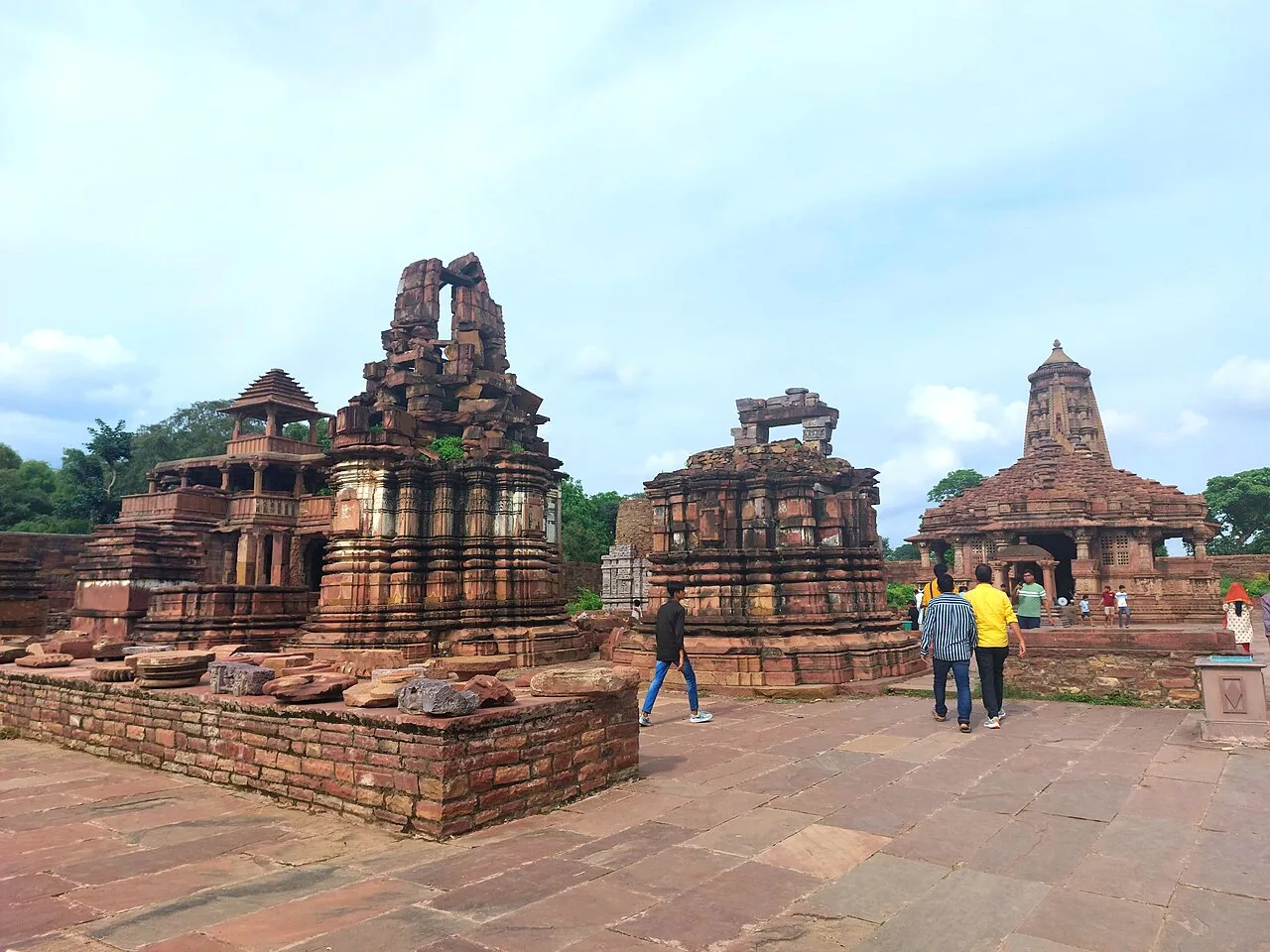
Chittor Fort, near Sawa

City guide · Rajasthan

Sawa

Sawa is a small settlement in Chittorgarh district, in the Mewar region of southeastern Rajasthan. It is best understood as part of the wider Chittorgarh area rather than as a major standalone tourist or commercial centre.

Famous for

  • Mewar countryside
  • Access to Chittorgarh
  • Nearby cement industry
  • Regional Rajasthani cuisine
Plan a tripHotels near Sawa

Why Sawa matters

Sawa is a small settlement in Chittorgarh district, in the Mewar region of southeastern Rajasthan. It is best understood as part of the wider Chittorgarh area rather than as a major standalone tourist or commercial centre. Its location gives visitors a rural perspective on the district, while Chittorgarh provides access to larger markets, transport links and the region’s best-known historic sights.

The area’s importance today is tied to the daily life and economy of the district, including agriculture and nearby industrial activity. Cement manufacturing is prominent elsewhere in the Chittorgarh area, particularly around Chanderia and Nimbahera. Visitors generally come to Sawa as part of a trip through the district, using it as a point from which to explore the historic fort, local temples and Mewar landscapes. Sawa itself is not widely known for a signature craft, monument or festival, so it suits travellers interested in smaller settlements and everyday regional life as much as those seeking major attractions.
Famous for: crafts, trade & products

Sawa is not widely recognised as a textile, saree or handicraft centre, and there is no prominent locally associated GI-tagged product to seek out. Its identity is more closely linked to the rural economy of Chittorgarh district and to the wider Mewar region. Agriculture and local services shape everyday commerce; for a broader selection of shops and supplies, visitors can look to Chittorgarh.

Cement production is an important industry in the district, with major facilities in areas such as Chanderia and Nimbahera. These industrial centres help define the wider regional economy, but they are not traditional craft markets or necessarily visitor attractions. Sawa’s local shops are best approached as places for everyday necessities rather than specialist souvenirs. Travellers looking for regional crafts, textiles or packaged foods can browse Chittorgarh’s town markets, where availability varies. There is no single Sawa market or product that can be confidently recommended as a destination in its own right.

History

Sawa’s local history is less prominent in widely recorded accounts than that of Chittorgarh, the historic centre of the surrounding district. The settlement lies in Mewar, a region long associated with the rulers of Mewar and with the strategic importance of Chittorgarh Fort.

During the colonial period, much of the Mewar region formed part of the princely state of Udaipur, rather than being governed as a directly administered British province. Following independence and the reorganisation of Rajasthan, Sawa developed within Chittorgarh district’s modern administrative and economic network. Improved road connections, access to Chittorgarh and the growth of industry elsewhere in the district have shaped contemporary life. The area’s modern story is therefore closely connected to regional transport, agriculture and manufacturing, rather than to a separately documented urban history.

Food, festivals & culture

Sawa shares the cultural setting of southeastern Rajasthan and Mewar. Hindi and regional forms of Rajasthani, including Mewari, are commonly used across the district. Everyday meals in the region may include dal baati churma, gatte ki sabzi and ker sangri, while sweets such as ghewar or malpua are associated with festive occasions. These are regional foods rather than dishes unique to Sawa.

Holi in spring and Diwali in autumn are widely observed, alongside festivals such as Gangaur and Teej, whose customs and scale vary from place to place. Local religious life centres on neighbourhood temples and shrines; Chittorgarh offers a wider range of prominent places of worship and historic religious sites. Folk music and dance traditions, including forms associated with Mewar and Rajasthan, are part of the broader cultural landscape, though performances are not guaranteed in Sawa on an ordinary visit. Travellers should ask locally about current celebrations and places open to visitors.

Visiting the city

The cooler months, roughly October to March, are generally the most comfortable time to visit. The nearest major rail hub is Chittorgarh Junction. The nearest major airport is Maharana Pratap Airport at Udaipur; onward travel to Sawa is by road. Check current transport connections before setting out, as local services can vary.

Within Sawa, walking or local transport may suit short trips, while a hired vehicle is more practical for visiting surrounding settlements and district attractions. Chittorgarh is the main base for accommodation, shopping and access to the fort and other established sights. In Sawa, explore the inhabited centre and nearby rural surroundings respectfully; there is no well-established tourist quarter or recognised craft-shopping district. Allow time for the road journey and plan longer excursions from Chittorgarh.

Trips from the city

Nearest places to visit from Sawa

Our closest destination guides, by straight-line distance.

Chittor Fort

16 km away · Chittorgarh district

Chittor Fort

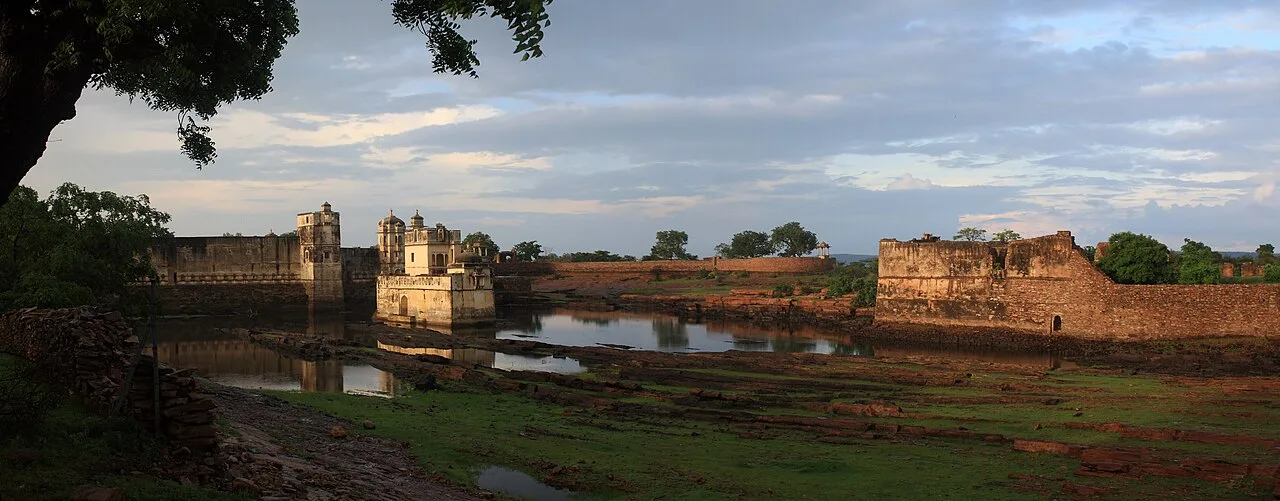
Chittor Fort, also called Chittod Fort, is among India’s largest forts and the former capital of Mewar. Visitors explore its historic palaces, temples, water bodies, memorials and towers.

Vijaya Stambha

16 km away · Chittorgarh district

Vijaya Stambha

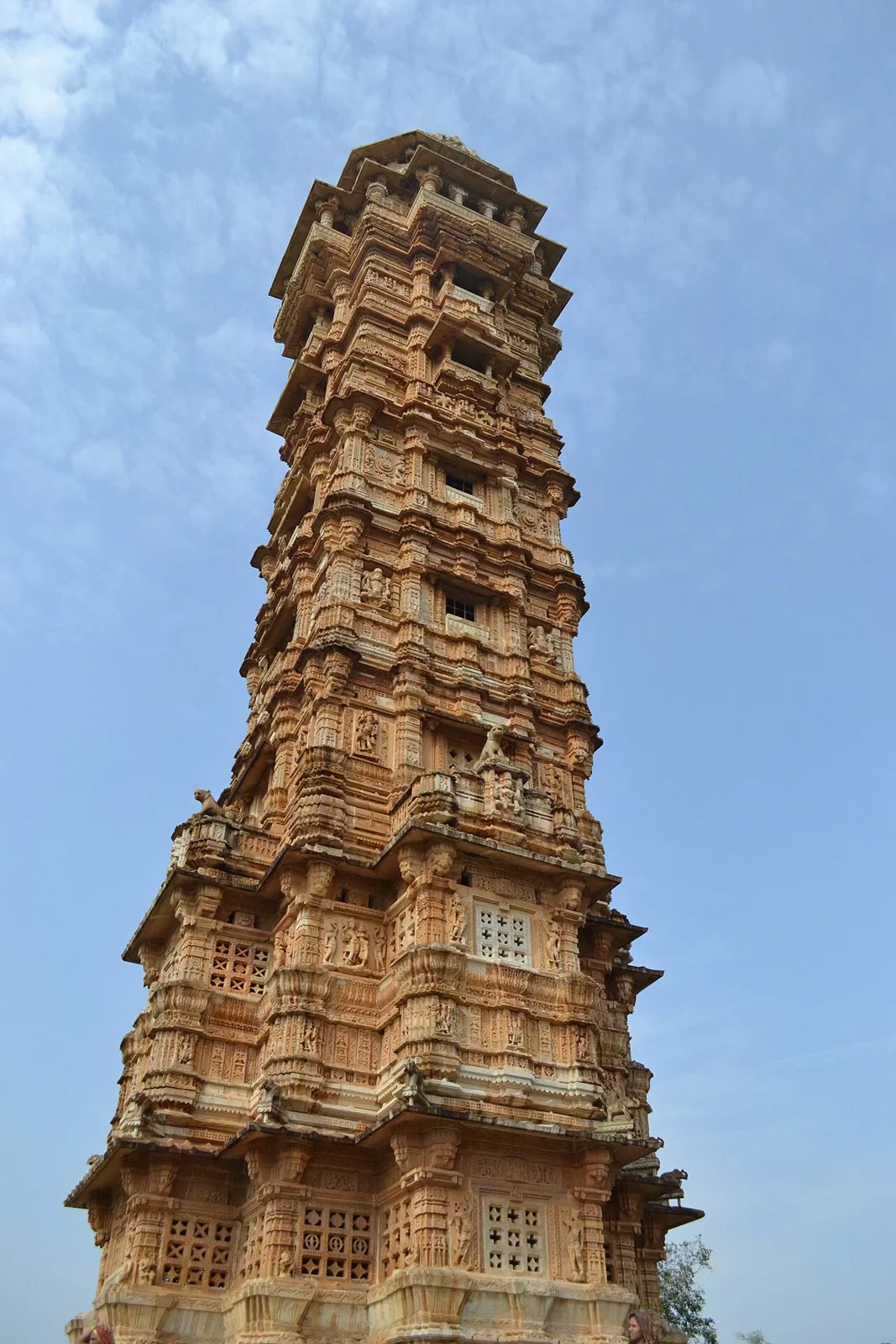
Vijaya Stambha is a victory tower in Chittor Fort, Chittorgarh district, Rajasthan. Visitors come to see its Rajput architecture and its association with Rana Kumbha’s 1448 triumph.

Akola (Dabu Print Village)

30 km away · Chittorgarh district

Akola (Dabu Print Village)

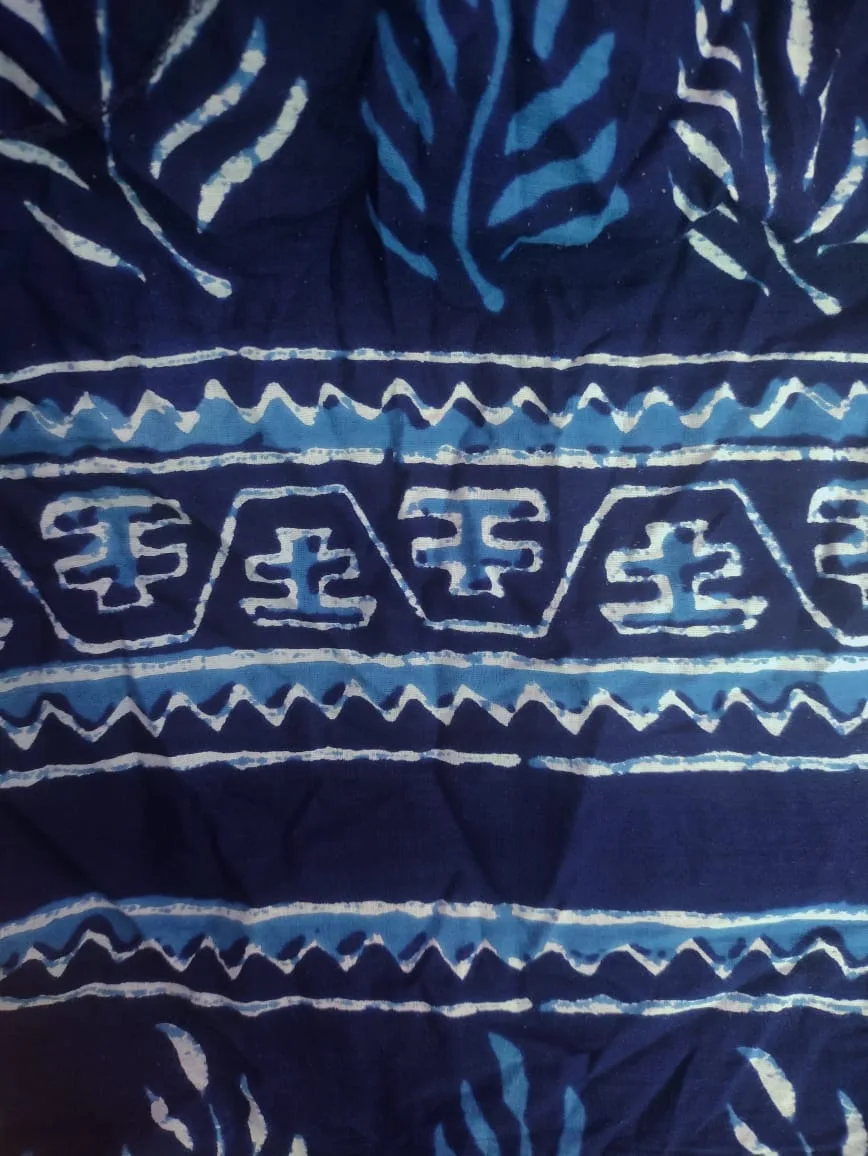
Akola, also called Chhipo ka Akola, is a village in Rajasthan’s Chittorgarh district. Visitors are drawn by its Dabu print, known across India.

Menal

70 km away · Bhilwara district

Menal

Menal is a village in Rajasthan linked with Begun Taluk and both Chittorgarh and Bhilwara districts; no particular attraction or reason for visiting is specified.

Nathdwara

79 km away · Rajsamand district

Nathdwara

Nathdwara is a city in Rajasthan known for its Shrinathji shrine and its place in the Vaishnavite Pushti Marg tradition, drawing devotees from Rajasthan, Gujarat and beyond.

Rajsamand Lake

79 km away · Rajsamand district

Rajsamand Lake

A large reservoir in Rajasthan’s Rajsamand district, Rajsamand Lake is also called Rajsamudra. Visitors come to see its scale and the historic work associated with Rana Raj Singh.

Dhebar Lake

80 km away · Udaipur district

Dhebar Lake

Dhebar Lake, also called Jaisamand, is a large reservoir in Rajasthan, known for its marble dam, islands and adjoining wildlife sanctuary. Visitors come to see its natural setting and historic links with Mewar.

Eklingji

87 km away · Udaipur district

Eklingji

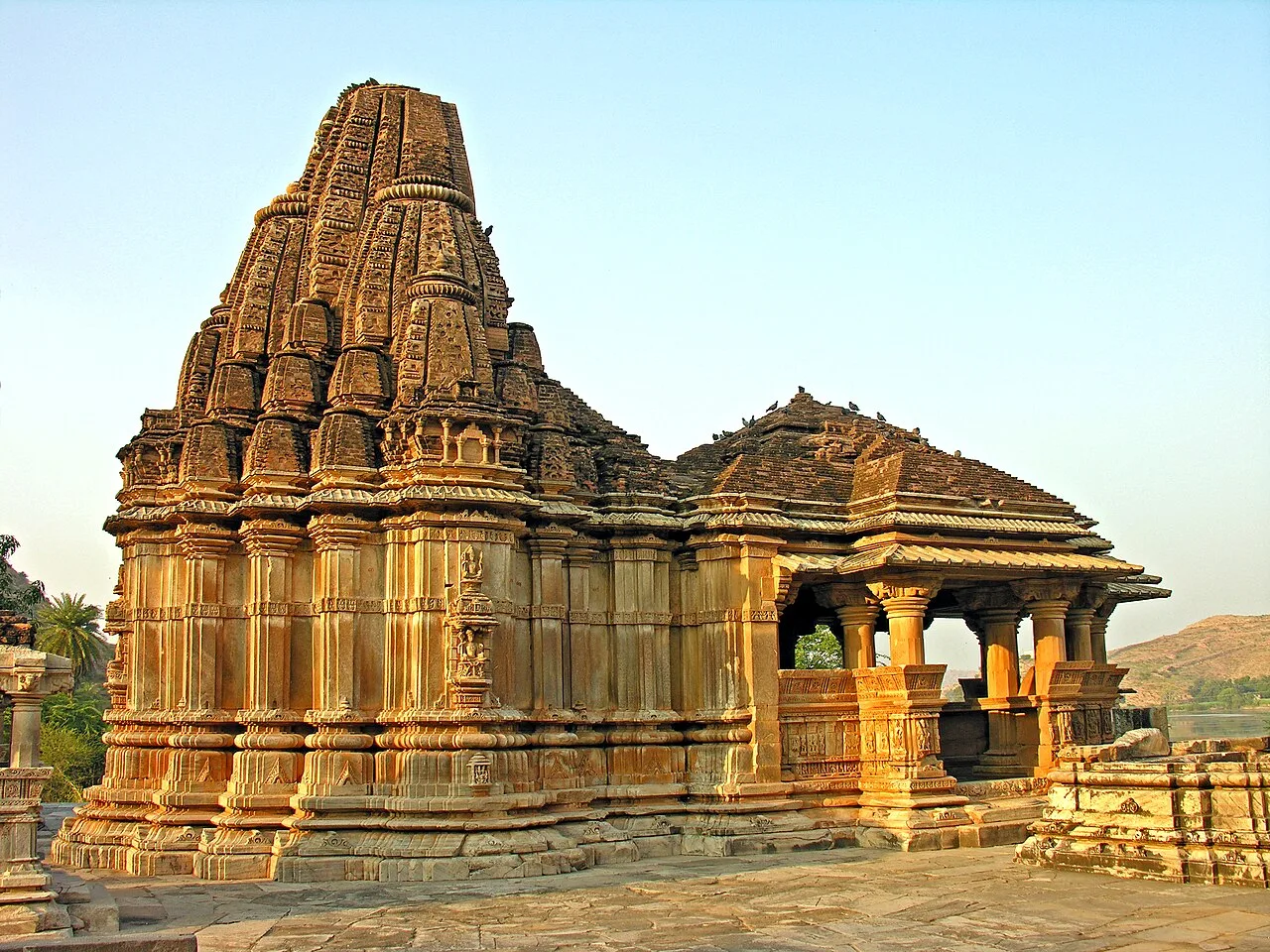
Eklingji is a Hindu temple complex in Kailashpuri, Rajasthan, associated with Mewar’s ruling deity. People visit to worship the god revered by the region’s royal house.

Map

Sawa on the map

  1. 1Chittor Fort
  2. 2Vijaya Stambha
  3. 3Akola (Dabu Print Village)
  4. 4Menal
  5. 5Nathdwara
  6. 6Rajsamand Lake
  7. 7Dhebar Lake
  8. 8Eklingji

Rajasthan

Other cities to explore