Ghumoopedia — Explore, Discover, Experience
Sign in
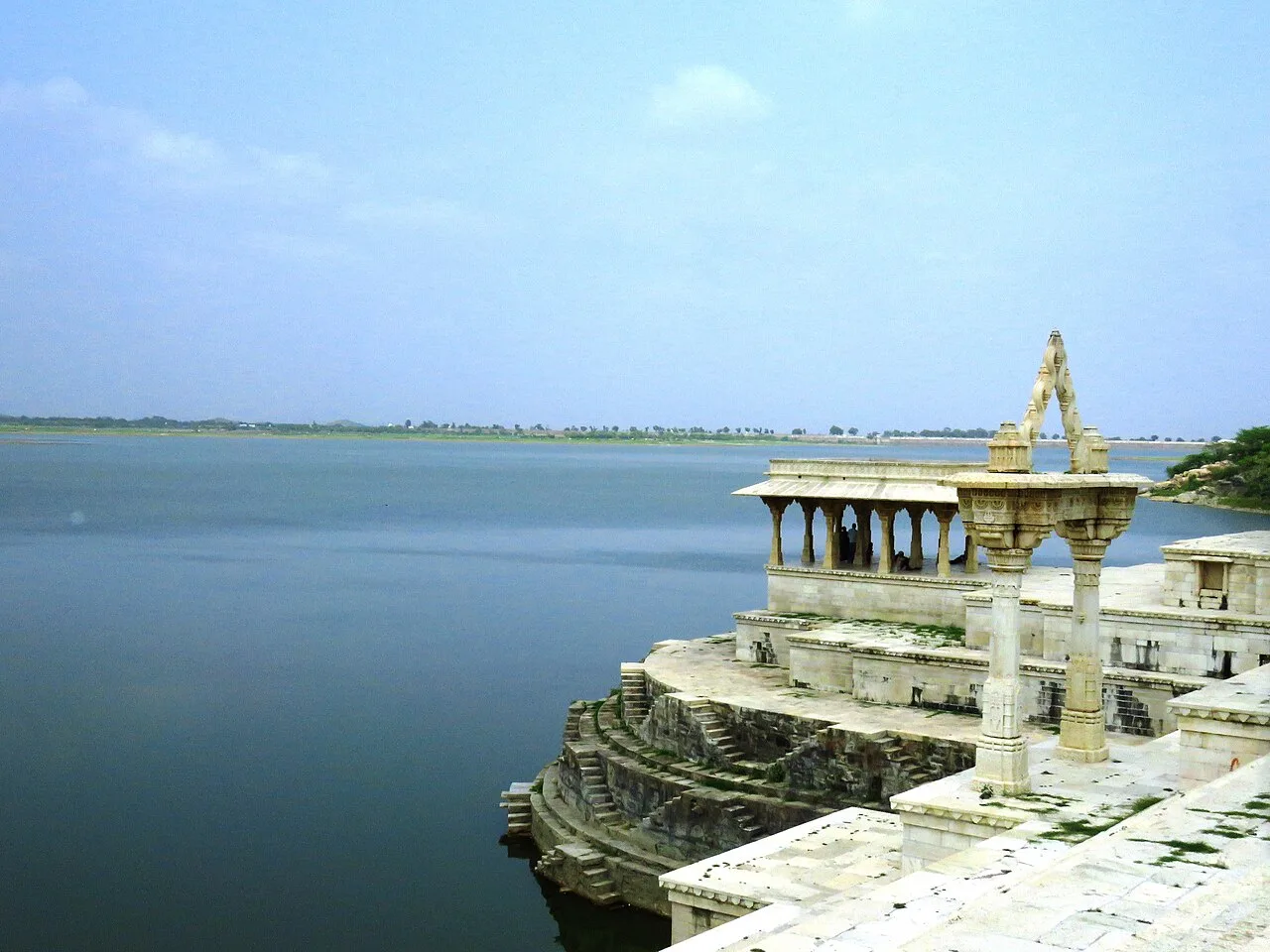
Rajsamand Lake, near Kelwa

City guide · Rajasthan

Kelwa

Kelwa is a small settlement in Rajasthan’s Rajsamand district, best understood as part of the wider Mewar landscape rather than as a major independent tourist centre. Its name has a place in the region’s water geography: the Kelwa River is among the rivers that feed the Gomti, which flows into Rajsamand Lake.

Famous for

  • Kelwa River watershed
  • Nearby Rajsamand Lake
  • Nau Chauki pavilions
  • Raj-Prashasti inscription
  • Mewar heritage

Why Kelwa matters

Kelwa is a small settlement in Rajasthan’s Rajsamand district, best understood as part of the wider Mewar landscape rather than as a major independent tourist centre. Its name has a place in the region’s water geography: the Kelwa River is among the rivers that feed the Gomti, which flows into Rajsamand Lake. The lake, near the town of Rajsamand, is the area’s principal landmark and a reason travellers explore this part of the district.

Visitors can combine a stay or stop in Kelwa with the lake’s historic dam and the Kankroli-side attractions, including the carved marble pavilions at Nau Chauki and the Raj-Prashasti inscription. These sights connect the area’s scenery with the history of Mewar ruler Maharana Raj Singh. Kelwa is also a useful base for seeing rural Rajasthan beyond the better-known Udaipur circuit. Expect a quieter, locally oriented town experience; most landmark visits and visitor services are concentrated around Rajsamand Lake and nearby settlements.
Famous for: crafts, trade & products

Kelwa is not widely associated with a distinct textile, saree, GI-tagged craft or signature manufactured product. Its best-known connection is geographical: the Kelwa River contributes to the Gomti river system and, in turn, to Rajsamand Lake. The lake and its dam are the area’s defining heritage and landscape features, rather than a specialist shopping destination.

Marble quarrying and processing are important across Rajsamand district, so visitors may encounter marble businesses and workshops in the wider region. This is a regional industry, not a guaranteed Kelwa-specific craft market; ask locally about nearby suppliers and whether a workshop welcomes visitors. For souvenirs, the lake’s Nau Chauki pavilions and the Raj-Prashasti inscription offer a stronger sense of local artistic heritage than a particular retail product. Everyday provisions and small shops serve residents, while a broader choice of shopping and services is more likely in Rajsamand and Kankroli. Do not assume that an item sold as local has been made in Kelwa; check its origin with the seller.

History

Kelwa’s history is best approached through the wider Mewar region and its relationship with water, agriculture and nearby Rajsamand Lake. The Kelwa River is one of the streams that feed the Gomti. Farther downstream, Maharana Raj Singh of Mewar commissioned the lake across the Gomti as a major public work. Construction began in 1662 and was completed in 1676. The project also provided work and relief during a period of hardship, making the lake an important part of the region’s social as well as architectural history.

The dam’s Nau Chauki pavilions and the long Sanskrit Raj-Prashasti inscription record the ambitions and commemorations associated with Raj Singh’s reign. Kelwa itself is not as extensively documented in accounts of royal history, so these nearby monuments provide the clearest historical context for a visit. In modern times, Kelwa remains part of Rajsamand district’s network of settlements, linked to the surrounding countryside and to the district’s towns and transport routes.

Food, festivals & culture

Kelwa shares the broad food traditions of Mewar and Rajasthan. Local meals may include dal baati churma, gram-flour preparations such as gatte, and seasonal dishes made with desert beans and berries, including ker sangri. Sweets such as ghevar are associated with festive occasions across the region, though what is available in Kelwa depends on local shops and the season. For everyday meals, ask residents or a local host what is freshly prepared rather than expecting a specialised restaurant scene.

Hindi and Mewari are commonly heard across the district; English is less dependable in small local businesses. The wider region observes Hindu festivals such as Holi in spring, Teej during the monsoon season, and Diwali in autumn, alongside worship at local temples and household shrines. Mewar’s devotional traditions include bhajans and folk performance, with music and dance especially visible at celebrations.

Visiting the city

The cooler months, roughly October to March, are generally the most comfortable time to explore Kelwa and Rajsamand Lake. Summers can be very hot, while monsoon weather may bring greener scenery but can affect outdoor plans. The nearest major airport is Maharana Pratap Airport at Udaipur. Kankroli railway station is the main nearby rail point to check for connections; onward travel to Kelwa is by road. Buses and taxis serve the wider district, while a hired car or local taxi is useful for visiting the lake and nearby sights.

Explore Kelwa’s local streets for a sense of everyday town life, then plan time around Rajsamand Lake, the dam, Nau Chauki and the Raj-Prashasti inscription. Kankroli and Rajsamand town are practical nearby areas for services and further exploration. Confirm local transport and access conditions before setting out.

Trips from the city

Nearest places to visit from Kelwa

Our closest destination guides, by straight-line distance.

Rajsamand Lake

10 km away · Rajsamand district

Rajsamand Lake

A large reservoir in Rajasthan’s Rajsamand district, Rajsamand Lake is also called Rajsamudra. Visitors come to see its scale and the historic work associated with Rana Raj Singh.

Nathdwara

25 km away · Rajsamand district

Nathdwara

Nathdwara is a city in Rajasthan known for its Shrinathji shrine and its place in the Vaishnavite Pushti Marg tradition, drawing devotees from Rajasthan, Gujarat and beyond.

Kumbhalgarh

26 km away · Rajsamand district

Kumbhalgarh

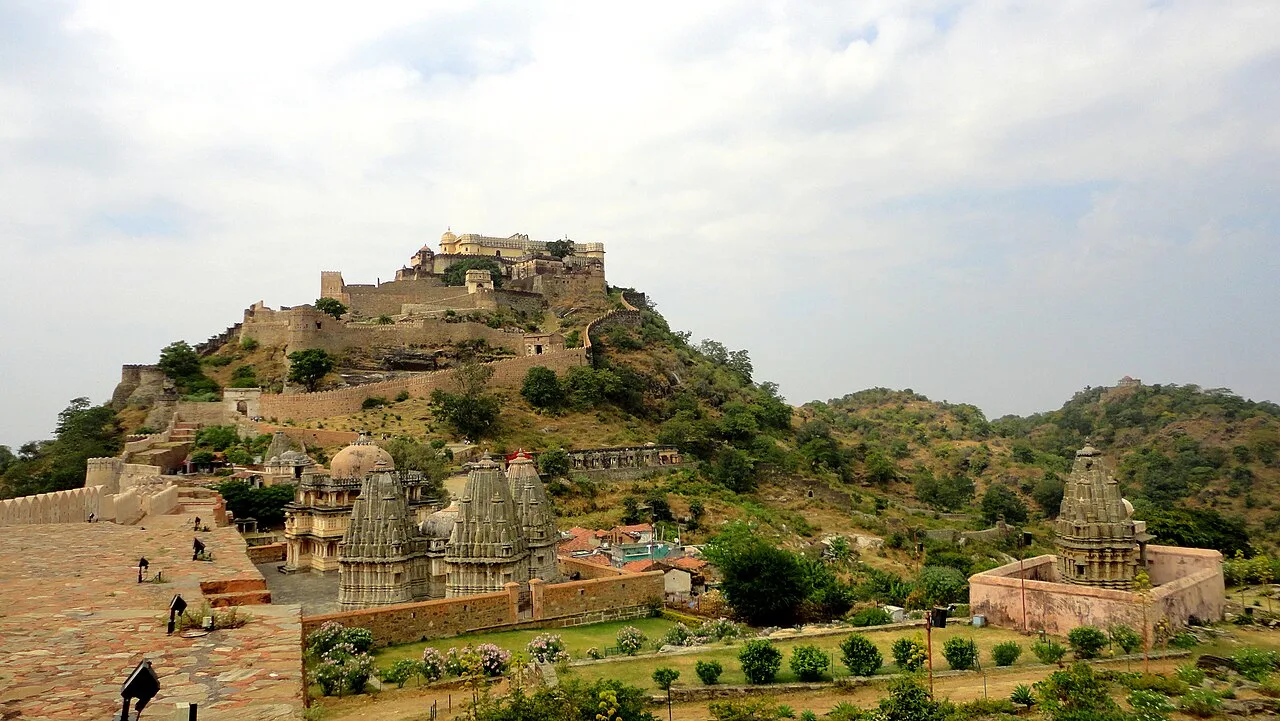
Kumbhalgarh, often called the Great Wall of India, is a 15th-century fortress in Rajasthan’s Aravalli Hills, visited for its fortifications, historical associations and UNESCO World Heritage status.

Haldighati

32 km away · Rajsamand district

Haldighati

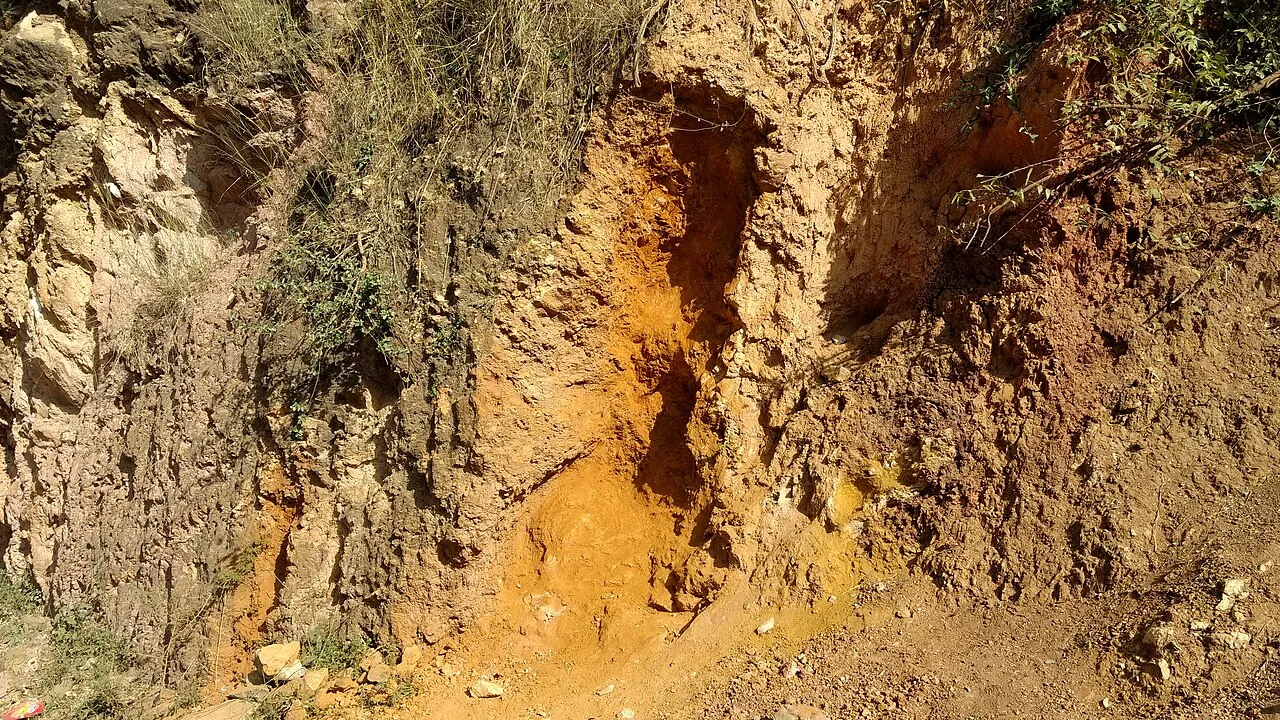
Haldighati is a historic route through Rajasthan’s Aravalli hills, connecting the Rajsamand and Udaipur districts. Visitors come to learn about its past and see the yellow soil associated with its name.

Ranakpur Jain temple

38 km away · Pali district

Ranakpur Jain temple

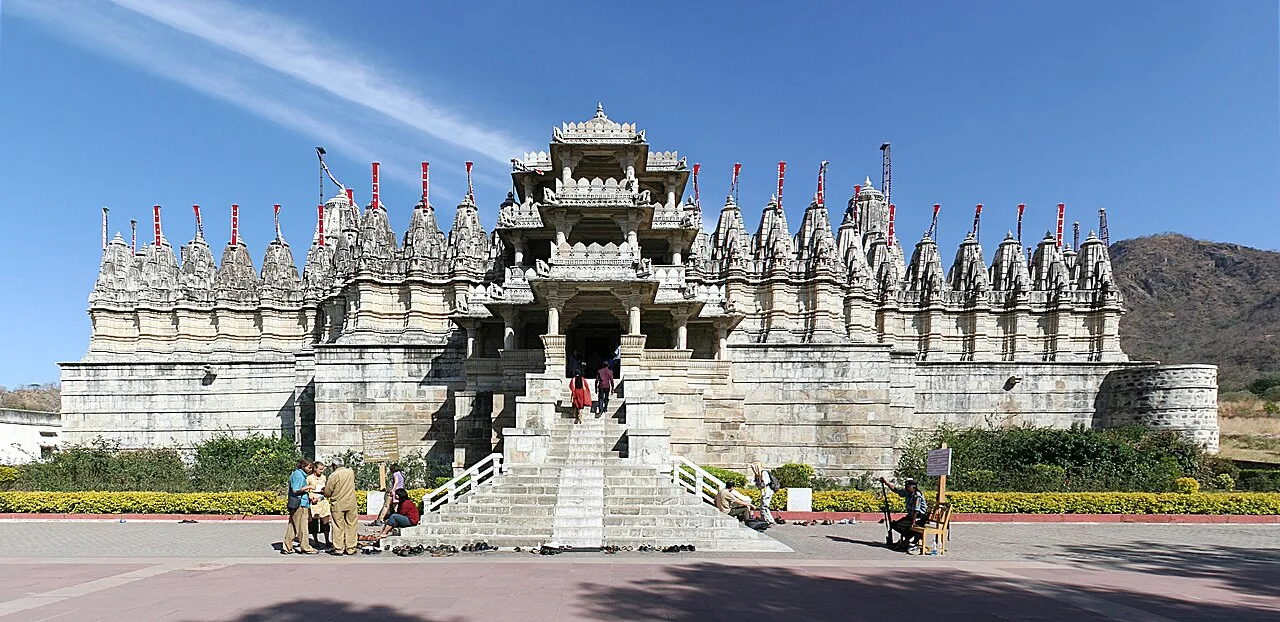
The Ranakpur Jain temple, also known as Chaturmukha Dharana Vihara, is a Śvētāmbara shrine devoted to Rishabhanatha. Jain pilgrims visit this important religious site and its group of associated temples.

Eklingji

47 km away · Udaipur district

Eklingji

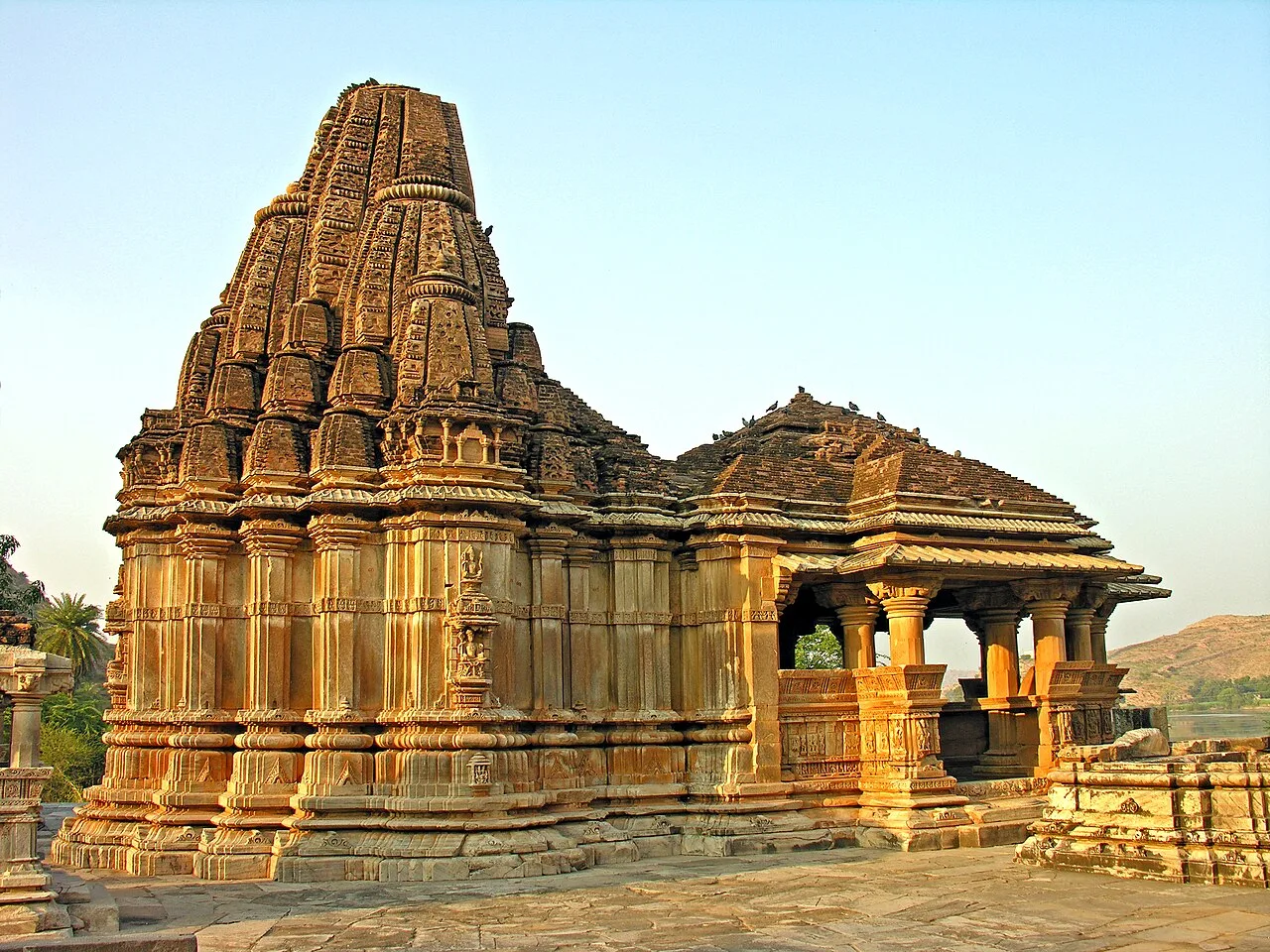
Eklingji is a Hindu temple complex in Kailashpuri, Rajasthan, associated with Mewar’s ruling deity. People visit to worship the god revered by the region’s royal house.

Akola (Dabu Print Village)

56 km away · Chittorgarh district

Akola (Dabu Print Village)

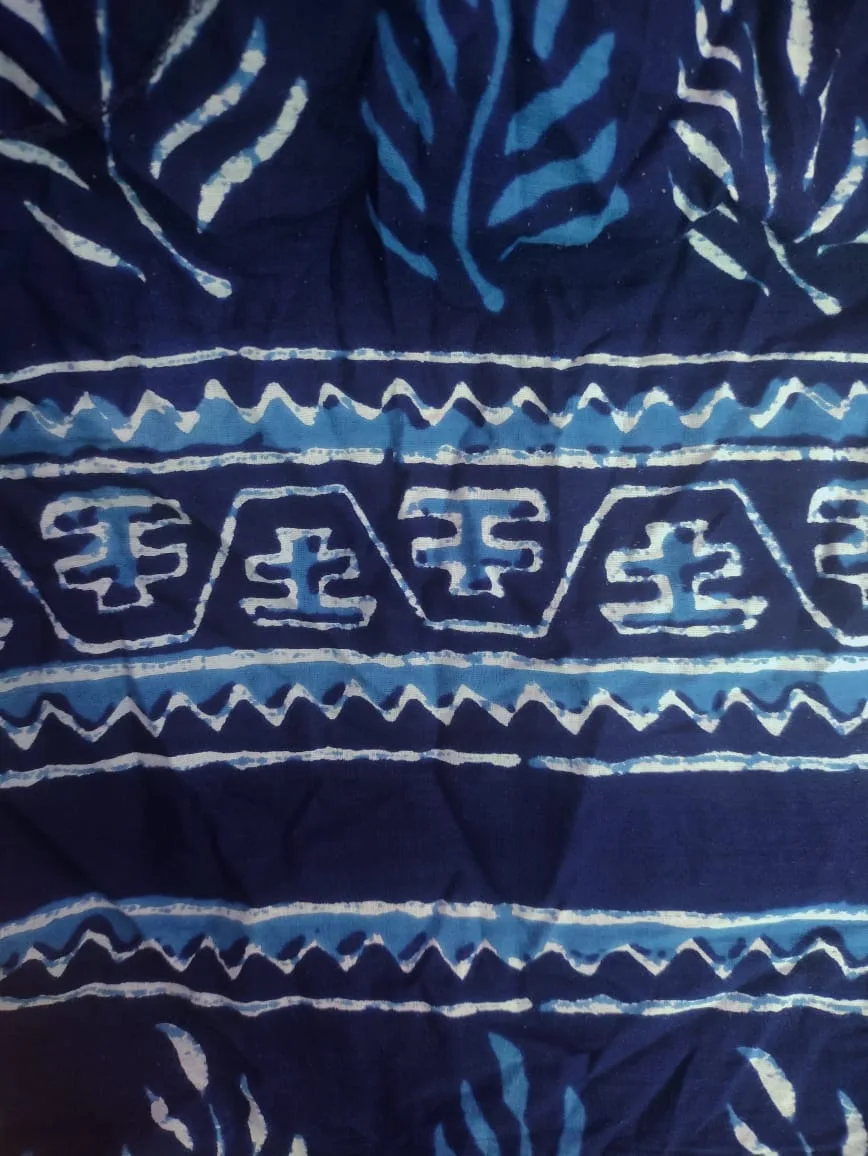
Akola, also called Chhipo ka Akola, is a village in Rajasthan’s Chittorgarh district. Visitors are drawn by its Dabu print, known across India.

Saheliyon-ki-Bari

63 km away · Udaipur district

Saheliyon-ki-Bari

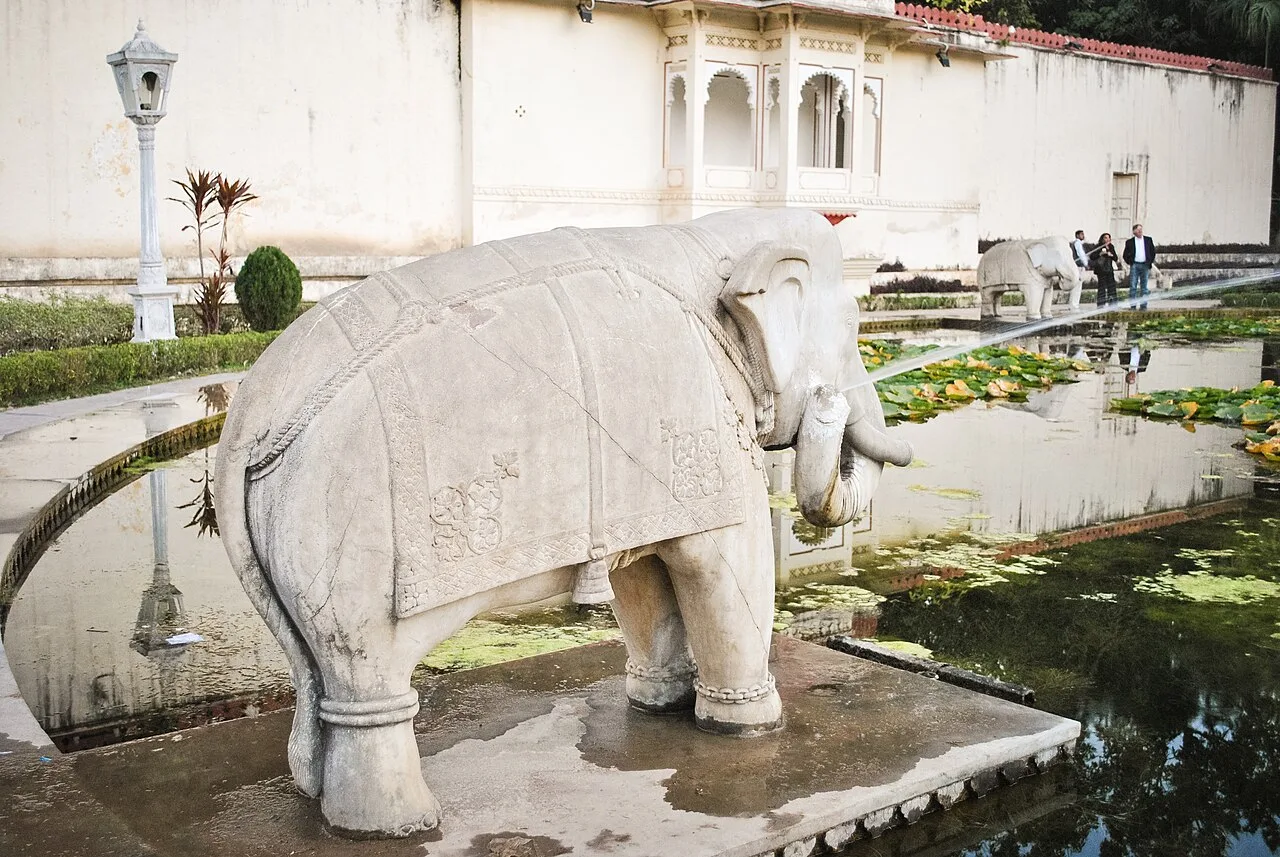
Saheliyon-ki-Bari is a garden in Udaipur, Rajasthan, where visitors can see fountains, a lotus pool and marble elephant figures, as well as a museum about Indian history.

Map

Kelwa on the map

  1. 1Rajsamand Lake
  2. 2Nathdwara
  3. 3Kumbhalgarh
  4. 4Haldighati
  5. 5Ranakpur Jain temple
  6. 6Eklingji
  7. 7Akola (Dabu Print Village)
  8. 8Saheliyon-ki-Bari

Rajasthan

Other cities to explore