Ghumoopedia — Explore, Discover, Experience
Sign in

City guide · Rajasthan

Tonk

Tonk is a historic city in southeastern Rajasthan and the administrative headquarters of Tonk district. Set near the right bank of the Banas River, it lies about 95 km by road south of Jaipur.

Famous for

  • Sunhari Kothi
  • Nawabi heritage
  • Shahi Jama Masjid
  • Arabic Persian Research Institute
  • Banas River
  • Bisalpur Dam
Plan a tripHotels near Tonk

Why Tonk matters

Tonk is a historic city in southeastern Rajasthan and the administrative headquarters of Tonk district. Set near the right bank of the Banas River, it lies about 95 km by road south of Jaipur. Its location makes it a regional centre for government services and a useful stop for exploring the surrounding towns and countryside.

Visitors come for the city’s distinctive architectural mix and its links to a former princely state. Sunhari Kothi, known for its richly ornamented interiors, and the Shahi Jama Masjid are among the best-known landmarks. The Arabic Persian Research Institute reflects Tonk’s long association with Persian and Urdu learning. Nearby attractions include Hathi Bhata and, farther afield in the district, Bisalpur Dam. Tonk also has a place in Hindi cinema: scenes for Kamal Amrohi’s film Razia Sultan were shot here in 1981–82. Together, these sights make Tonk especially appealing to travellers interested in history, architecture and regional culture.
Famous for: crafts, trade & products

Tonk is better known for its historic institutions and architecture than for a single signature textile or mass-produced craft. The Arabic Persian Research Institute is a notable centre for the study and preservation of Arabic and Persian manuscripts and related scholarship. Sunhari Kothi, with its elaborate decorative interiors, offers a glimpse of the skilled ornamentation associated with the city’s princely-era buildings.

The central bazaars, particularly around the Ghantaghar and older parts of town, are places to browse for everyday goods, clothing and regional Rajasthani handicrafts. Shoppers may find textiles, embroidered items, jewellery and household wares, though these are not exclusive to Tonk. The city is not widely identified with a specific GI-tagged product, nor should visitors expect a dedicated craft district or large textile market. For a more focused cultural visit, combine a walk through the old market streets with the Arabic Persian Research Institute and nearby heritage landmarks. The district’s identity is also tied to public administration and education, while Bisalpur Dam is an important regional water project rather than a city-made product.

History

Tonk’s history is closely associated with Nawab Muhammad Amir Khan, a military leader who established the princely state in the early nineteenth century. Following an agreement with the British in 1817, Tonk became the capital of a princely state under British rule. Unlike the neighbouring Rajput-ruled states, it was governed by a Muslim nawab, a distinction reflected in its architecture and cultural life. Mosques, residences and scholarly institutions developed alongside the town’s markets and administrative centre.

The princely state continued until the end of British rule in 1947, after which Tonk became part of the modern Indian state of Rajasthan. The city subsequently grew as the headquarters of Tonk district, with government offices, schools and transport links serving the surrounding region. Its older quarters retain important reminders of its nawabi past, including Sunhari Kothi and the Shahi Jama Masjid. In more recent cultural history, Tonk served as a filming location for Razia Sultan in 1981–82.

Food, festivals & culture

Tonk’s cultural life reflects its Rajasthani setting and its history as a nawabi centre. Hindi and Rajasthani are widely used, while Urdu has a visible literary and cultural presence. The Arabic Persian Research Institute is a reminder of the city’s scholarly traditions. In the older quarters, the Shahi Jama Masjid is an important place of worship; Hindu shrines such as the Annapurna Dungri Ganesh Temple serve local devotees.

Residents celebrate Eid and Muharram, as well as Hindu festivals including Diwali, Holi and Gangaur. Dates follow the lunar or regional calendar, so timings vary from year to year. Food commonly draws on broader Rajasthani and North Indian traditions: visitors can look for dal baati churma, kachori and seasonal sweets in local eateries and sweet shops, though menus vary. Folk music and dance associated with Rajasthan may be heard at community events and festive gatherings. A walk through the old city, especially around its mosques, temples and market streets, gives a sense of how these varied traditions share the same urban setting.

Visiting the city

The cooler months from October to March are generally the most comfortable for exploring Tonk. Jaipur International Airport is the nearest major airport. Tonk does not have a central railway station; Banasthali Niwai is a commonly used railhead for the city, with the remaining journey made by road. Jaipur is another useful transport hub.

Auto-rickshaws and local taxis can help with short trips, while buses and hired vehicles connect Tonk with nearby towns and district attractions. In town, explore the older central streets around Ghantaghar, Sunhari Kothi and the Shahi Jama Masjid. The Arabic Persian Research Institute is another worthwhile stop. Allow extra road time for places outside the city, such as Hathi Bhata or Bisalpur Dam.

Trips from the city

Nearest places to visit from Tonk

Our closest destination guides, by straight-line distance.

Ranthambore Fort

69 km away · Sawai Madhopur district

Ranthambore Fort

Set within Ranthambore National Park near Sawai Madhopur, this historic Rajasthan fort draws visitors for its past, elevated views over the park and UNESCO World Heritage status.

Ranthambore National Park

73 km away · Sawai Madhopur district

Ranthambore National Park

Ranthambore is a national park in Rajasthan’s Sawai Madhopur district, attracting visitors to its historic fort and its location between the Banas and Chambal rivers.

Birla Mandir

81 km away · Jaipur district

Birla Mandir

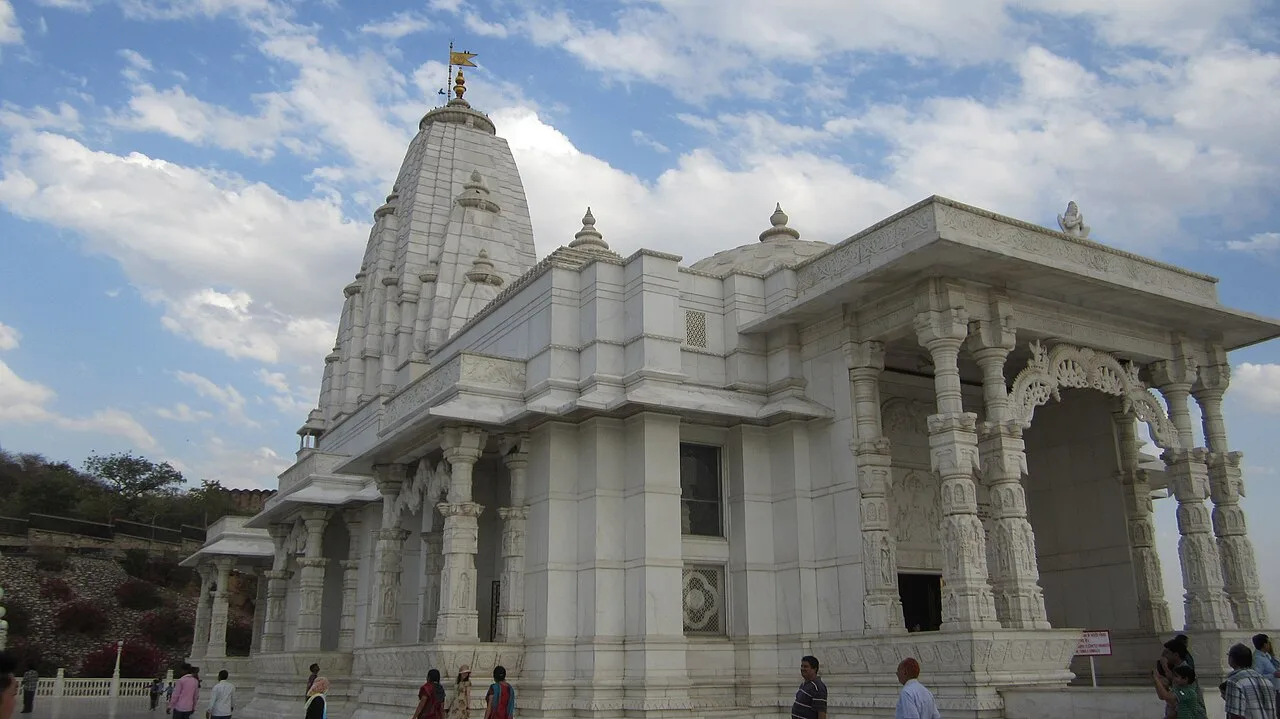
Birla Mandir, also known as Lakshmi Narayan Temple, is a Hindu place of worship in Jaipur, Rajasthan. Visitors come to worship and see its marble shrine and sacred images.

Taragarh Fort, Bundi

81 km away · Bundi district

Taragarh Fort, Bundi

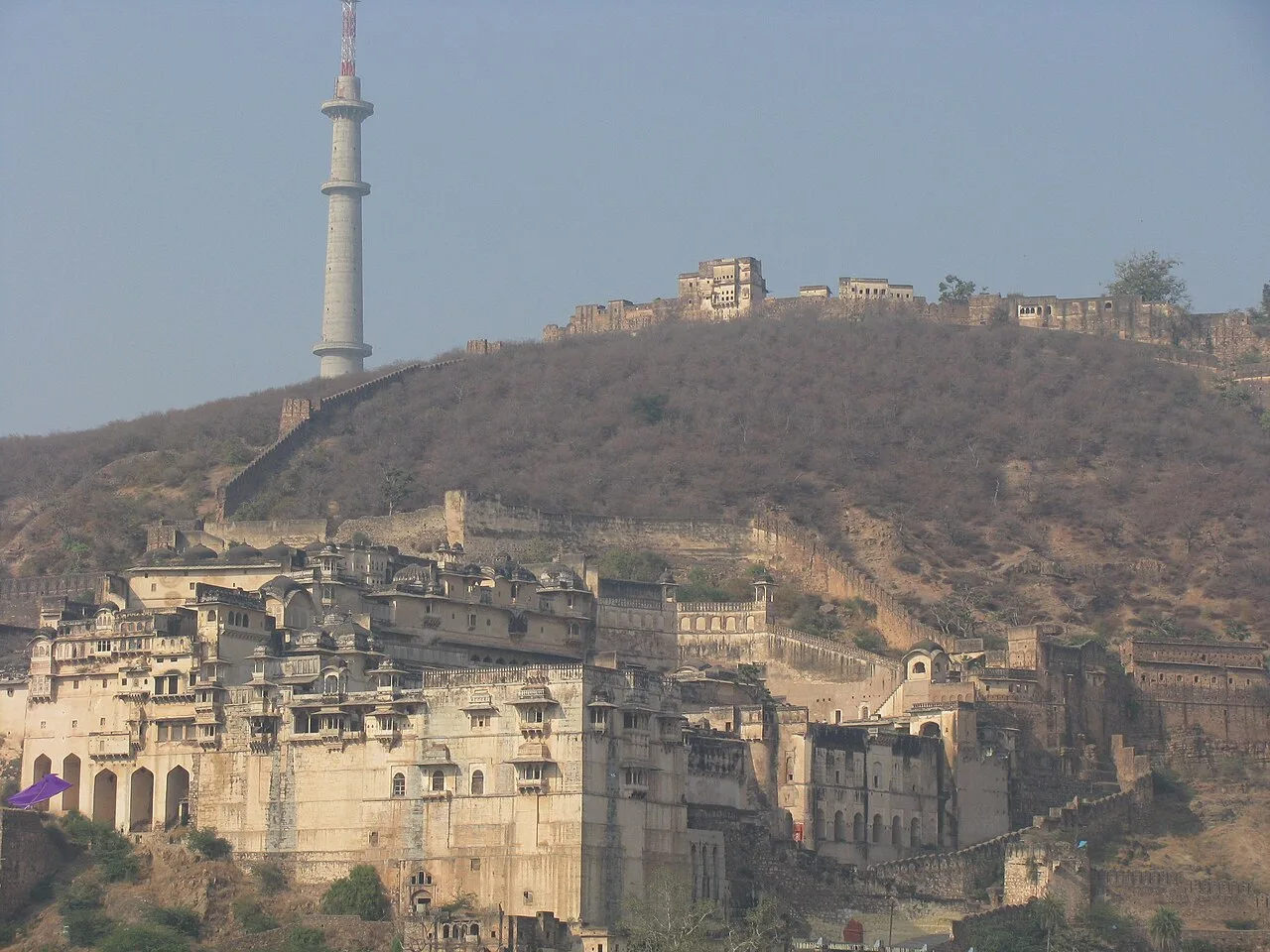
Taragarh Fort is a hilltop stronghold in Bundi, Rajasthan. Visitors come to see its Rajput architecture, elements influenced by Mughal design and passages made for wartime escape.

Bundi

82 km away · Bundi district

Bundi

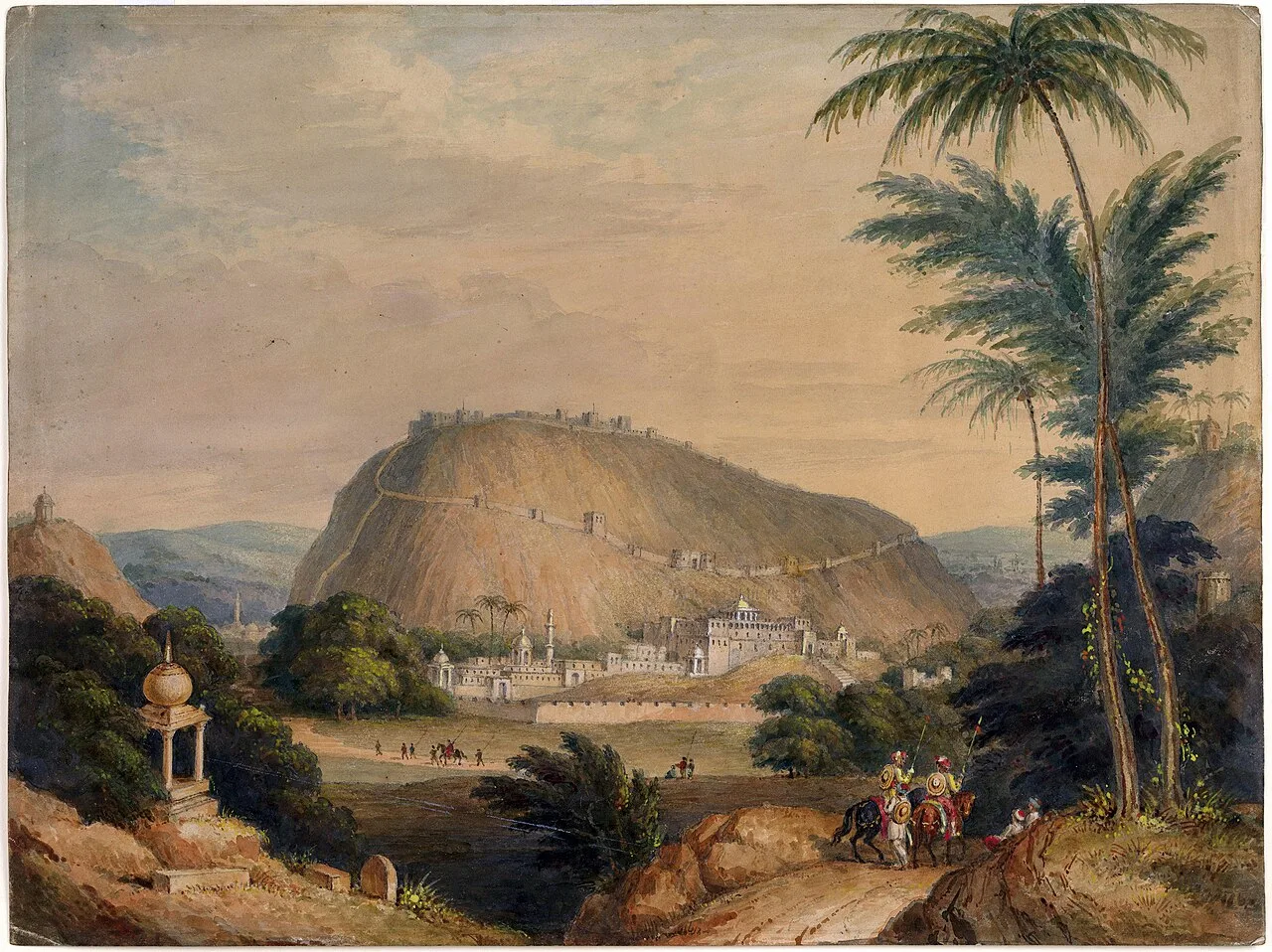
Bundi is a city in Rajasthan’s Hadoti region, within Bundi district. Visitors come to explore the city and its setting in north-western India.

Raniji ki Baori

82 km away · Bundi district

Raniji ki Baori

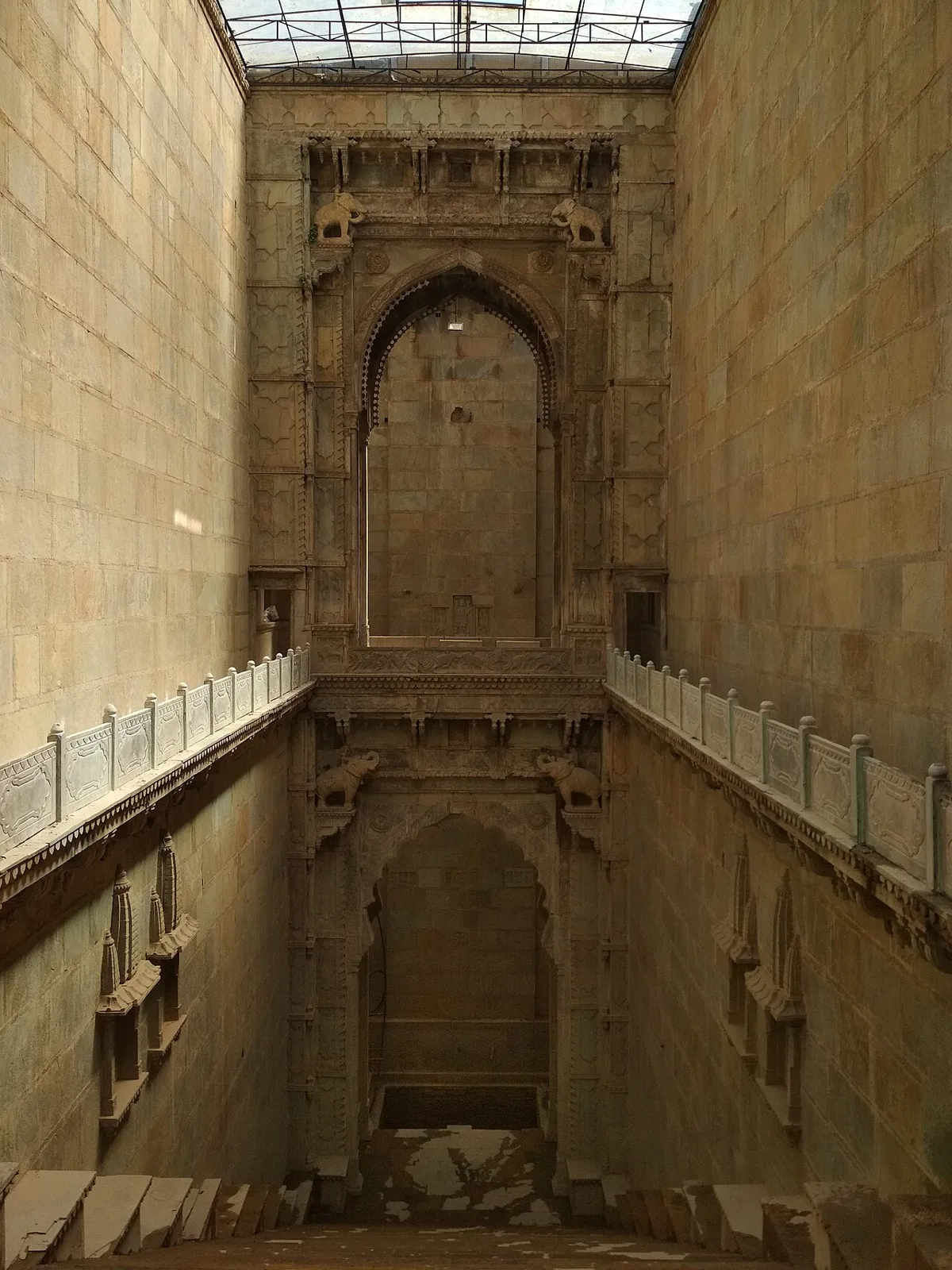
Raniji ki Baori is a multi-level stepwell in Bundi, Rajasthan, built by Rani Nathavati Solanki in 1699. Visitors come to see its deep stairwell, carved pillars and ornate arches.

Albert Hall Museum

83 km away · Jaipur district

Albert Hall Museum

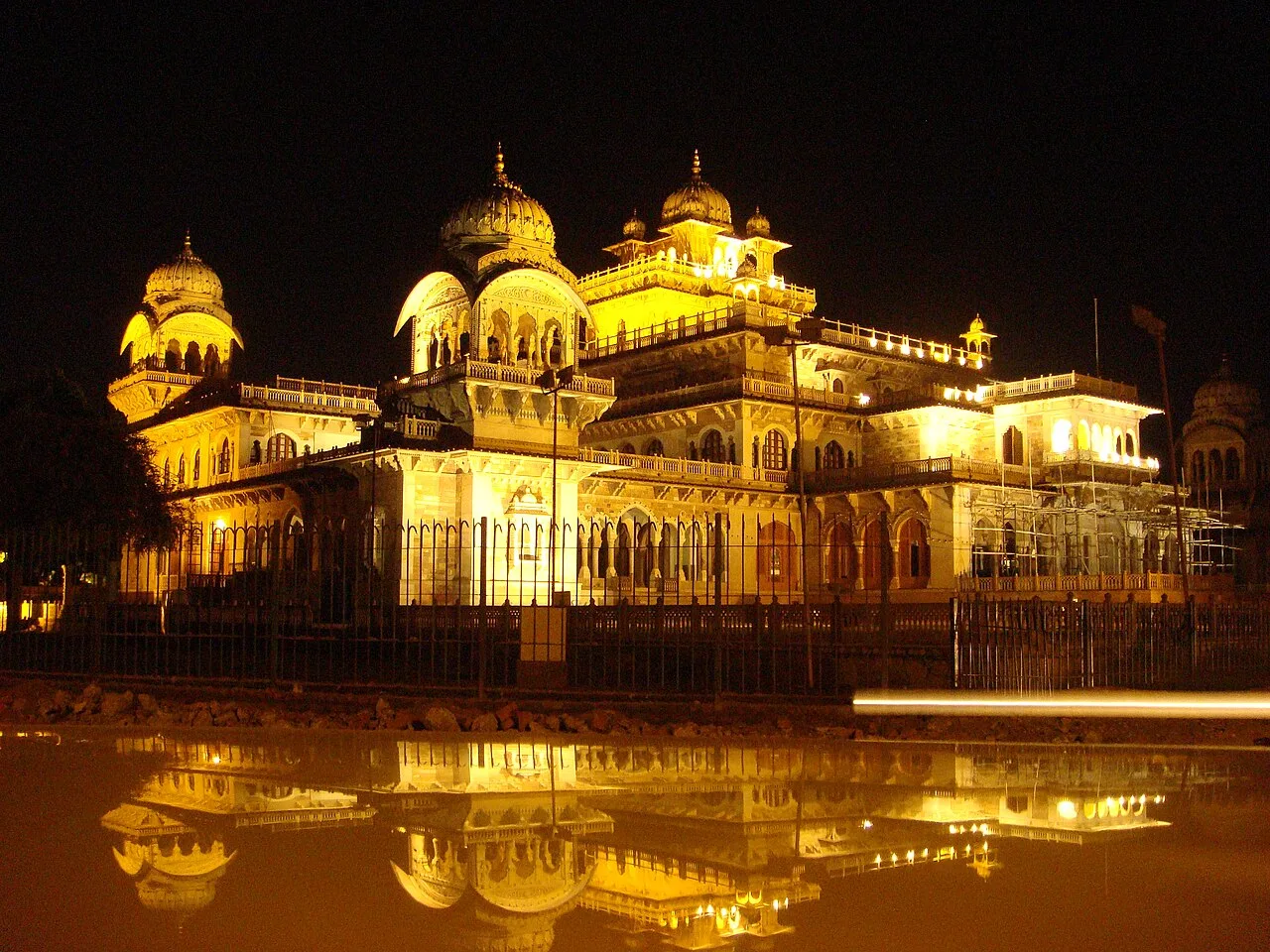
Set in Jaipur’s Ram Niwas Garden, Albert Hall Museum is Rajasthan’s state museum and its oldest museum. Visitors come to explore its varied collections and Indo-Saracenic architecture.

Hawa Mahal

84 km away · Jaipur district

Hawa Mahal

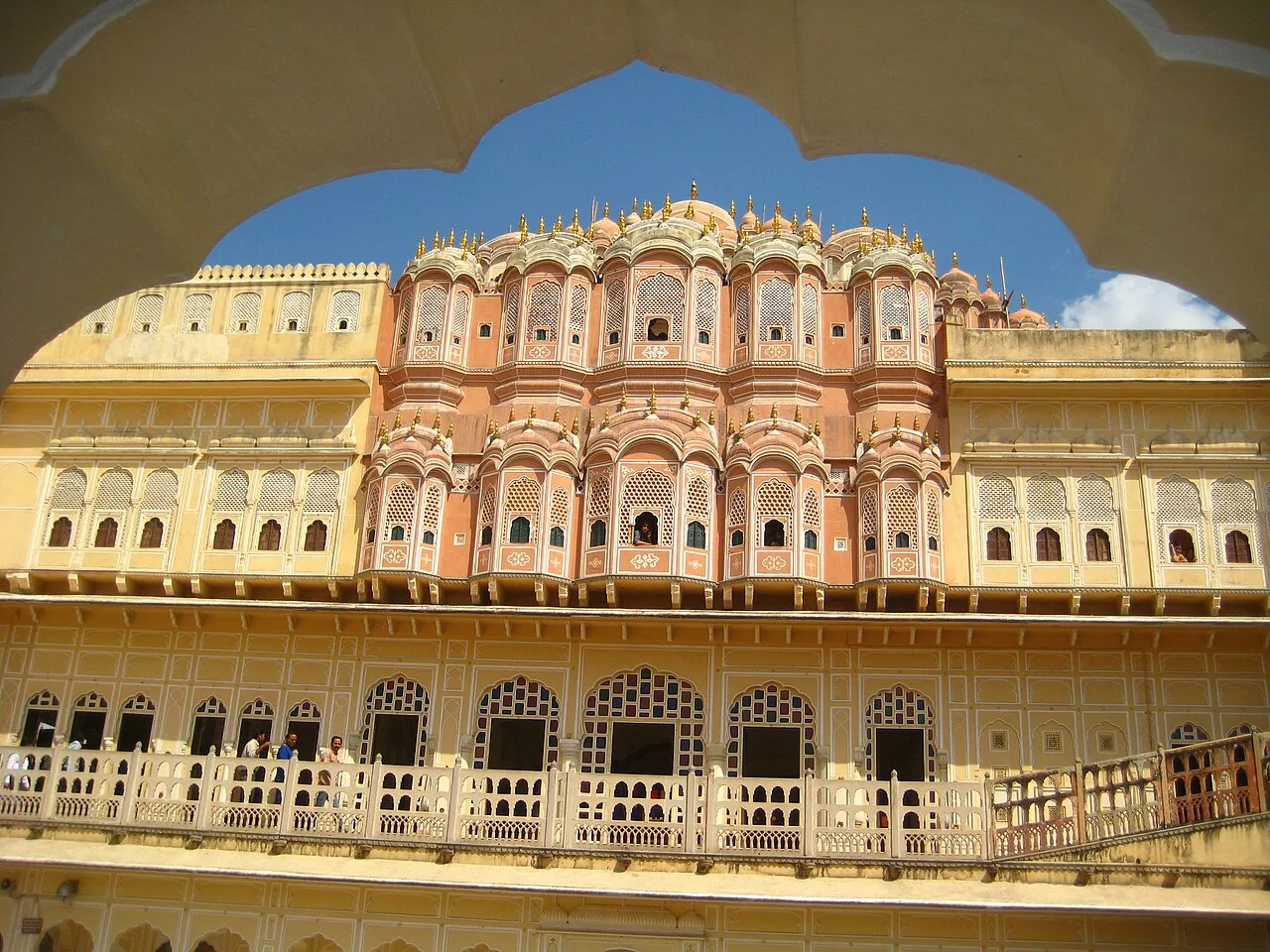
Hawa Mahal is a sandstone palace in Jaipur, recognised for its honeycomb façade and 953 lattice-screened jharokhas. Visitors come to see its distinctive design and learn how its openings provided privacy and ventilation.

Map

Tonk on the map

  1. 1Ranthambore Fort
  2. 2Ranthambore National Park
  3. 3Birla Mandir
  4. 4Taragarh Fort, Bundi
  5. 5Bundi
  6. 6Raniji ki Baori
  7. 7Albert Hall Museum
  8. 8Hawa Mahal

Rajasthan

Other cities to explore