Ghumoopedia — Explore, Discover, Experience
Sign in
Khatu Shyam Temple, near Khandela

City guide · Rajasthan

Khandela

Khandela is a historic town and municipality in Rajasthan’s Sikar district, within the wider Shekhawati cultural region. Its importance rests less on a single modern attraction than on its place in the area’s community history, local worship and everyday trade.

Famous for

  • Khandelwal community heritage
  • Shekhawat-era history
  • Shekhawati regional culture
  • Hindu and Jain traditions

Why Khandela matters

Khandela is a historic town and municipality in Rajasthan’s Sikar district, within the wider Shekhawati cultural region. Its importance rests less on a single modern attraction than on its place in the area’s community history, local worship and everyday trade. The town is particularly associated with Khandelwal communities, including Khandelwal Jains, Banias and Brahmins, and with traditions that connect their origins and clan identities to Khandela.

For visitors, Khandela offers a quieter experience of a working Rajasthani town: its central bazaar, older lanes and places of worship provide a glimpse of local life beyond the better-known tourist circuits. It can also serve as a stop while exploring Sikar district and the surrounding Shekhawati region. The town’s appeal is chiefly cultural and historical rather than based on a widely publicised resort or signature craft industry. Visitors interested in community traditions, regional architecture and the rhythms of a small-town market may find it a worthwhile, unhurried detour.
Famous for: crafts, trade & products

Khandela is best known for its community heritage, not for a widely documented signature textile, craft or GI-tagged product. Its name is closely associated with Khandelwal Jain and Vaishya traditions, as well as Khandelwal Brahmin identity. The town’s bazaars serve local residents and nearby settlements, with shops for everyday goods and the kinds of clothing, household items and regional provisions commonly found in Rajasthan’s smaller towns.

Visitors looking for locally made textiles or handicrafts should browse the central market and ask shopkeepers what is produced nearby; availability can vary, and Khandela is not generally identified as a major specialist craft centre. Regional Rajasthani fabrics and household goods may be sold, but should not be mistaken for a distinctive Khandela product. Local commerce and services are more apparent than large-scale visitor-facing industry. There is no single established shopping district or product institution to plan around, so a market walk is the most practical way to see what the town offers. For a wider selection of specialist crafts, visitors can compare offerings in larger towns across the region.

History

Khandela’s history is closely tied to Rajput rule and to the community traditions associated with its name. A local origin legend connects it to Khadaksen Kharwad, also known as Jadoun, and says that his 72 sons became founders of Khandelwal clans. This is a traditional account rather than a verifiable dynastic record. Khandela is also important in Khandelwal Jain history: a 17th-century text, Shravakotpatti Varnanam, relates a legendary account of the community’s 84 divisions.

The town developed as a centre under the Khandela branch of the Shekhawats, Rajput chiefs within the princely-state order of Jaipur. During British rule, the area remained part of that princely framework rather than becoming a directly administered British province. After Indian independence and the reorganisation of Rajasthan, Khandela became part of Sikar district. Its modern role is that of a municipality serving residents and surrounding settlements, while its older community associations remain central to its historical identity.

Food, festivals & culture

Everyday food in Khandela reflects the wider Sikar and Shekhawati region. Meals may include bajra roti, pulses, gatte ki sabzi and other familiar Rajasthani dishes; dal baati churma and seasonal preparations are also part of the broader regional repertoire. Sweets such as ghewar are associated with festive occasions across Rajasthan, though menus and availability vary from shop to shop. The local bazaar is the simplest place to sample everyday snacks and ask about seasonal specialities.

Hindi is widely used, alongside regional Rajasthani speech, including Shekhawati forms. Hindu festivals such as Holi, Diwali, Navratri, Gangaur and Teej are observed in the usual seasonal cycle, while Jain observances are significant for the town’s Khandelwal Jain connections. Worship is centred on local Hindu temples and Jain places of worship. Devotional songs and regional folk music form part of religious and festive gatherings; broader Rajasthani traditions of folk dance may also be seen at celebrations, rather than as a guaranteed scheduled performance for visitors.

Visiting the city

The cooler months, roughly October to March, are generally the most comfortable time to visit. Summers can be very hot, while the monsoon brings more humid conditions and occasional rain. Jaipur International Airport is the nearest major airport. Ringas Junction is a practical nearby railhead; Sikar Junction is another useful station for reaching the district. Check current onward connections before travelling, as local transport arrangements can vary.

Auto-rickshaws and locally arranged vehicles are useful for moving around town; confirm the route before setting out. Begin in the central bazaar and older lanes to experience everyday town life, and ask locally about accessible temples or historic buildings. Khandela is compact enough for a short visit, but a vehicle is helpful for exploring surrounding settlements. Modest dress and respectful conduct are appropriate at places of worship.

Trips from the city

Nearest places to visit from Khandela

Our closest destination guides, by straight-line distance.

Khatu Shyam Temple

28 km away · Sikar district

Khatu Shyam Temple

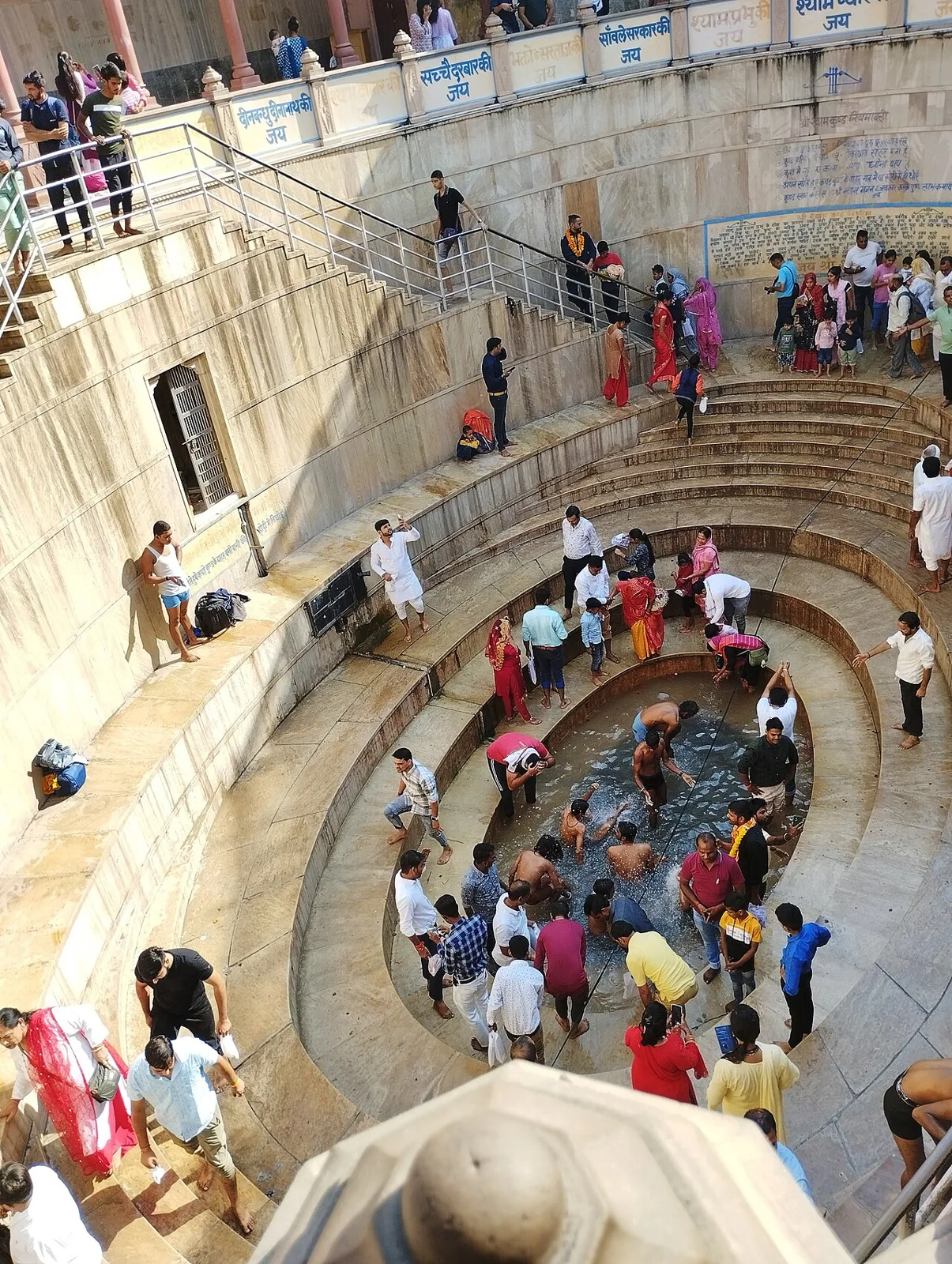
In KhatuShyamJi town, Rajasthan, this Hindu shrine honours Khatu Shyam, believed to be a divine manifestation of Barbareek from the Mahabharat. Pilgrims visit throughout the year, especially for the Falgun Mela.

Nawalgarh

35 km away · Jhunjhunu district

Nawalgarh

Nawalgarh is a heritage city in Rajasthan’s Shekhawati region, within Jhunjhunu district. Visitors are drawn by its heritage character, and it is 30.5 km from Sikar and 39.2 km from Jhunjhunu.

Samode

54 km away · Jaipur district

Samode

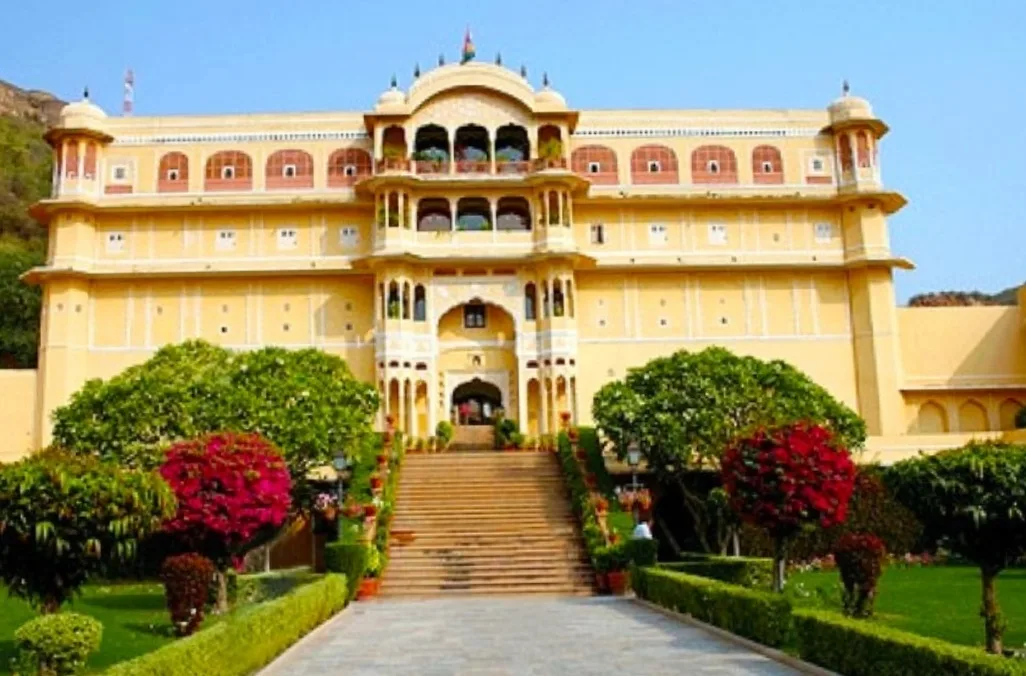
Samode is a village in Rajasthan’s Aravalli hills, north-west of Jaipur. Visitors come for its palace, haveli and garden, historic properties now operated as heritage hotels.

Mandawa

60 km away · Jhunjhunu district

Mandawa

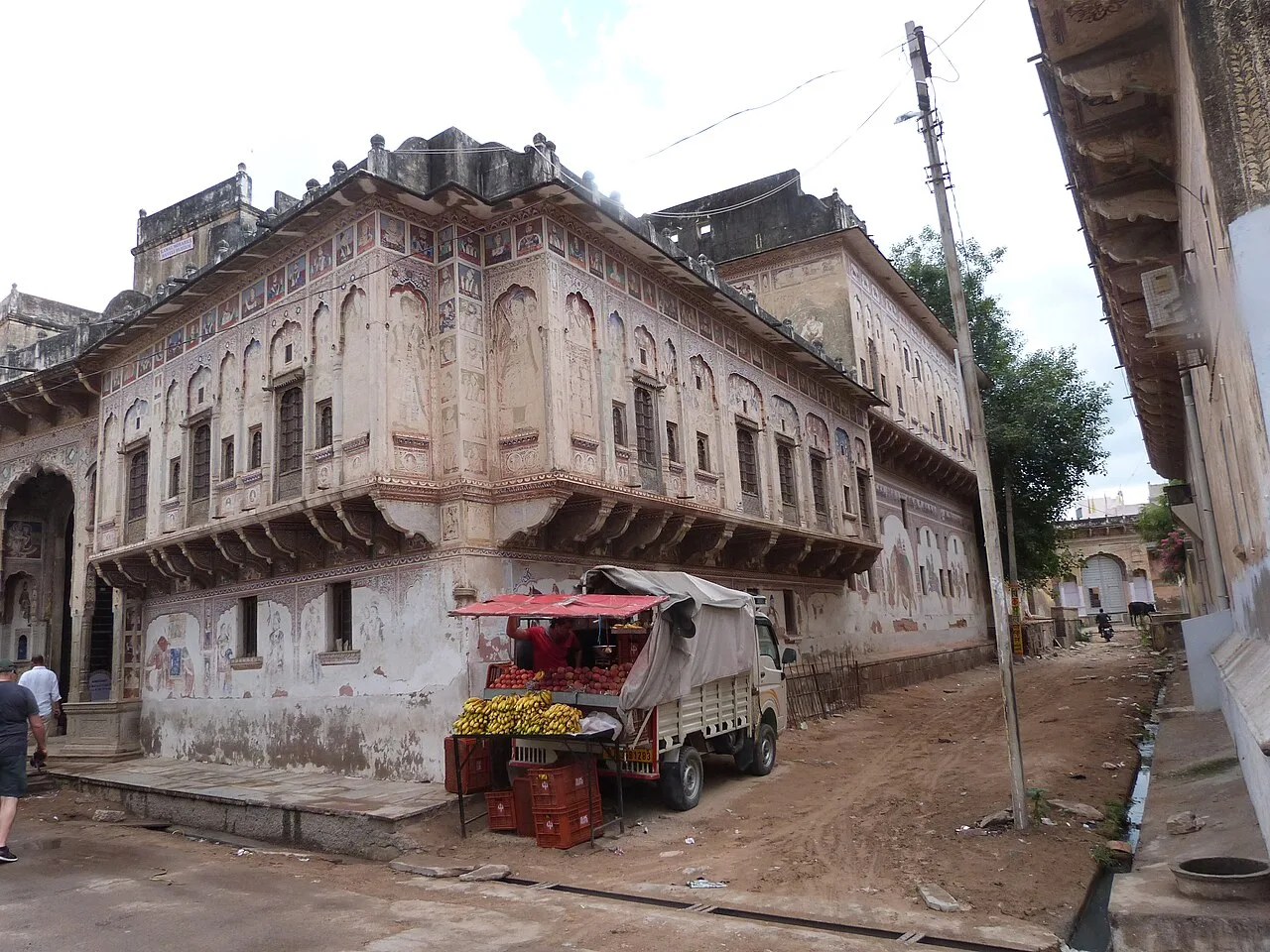
Mandawa is a town in Rajasthan’s Jhunjhunu district, within the Shekhawati region. Travellers visit it as part of journeys through the region and nearby Jhunjhunu.

Amber Fort

77 km away · Jaipur district

Amber Fort

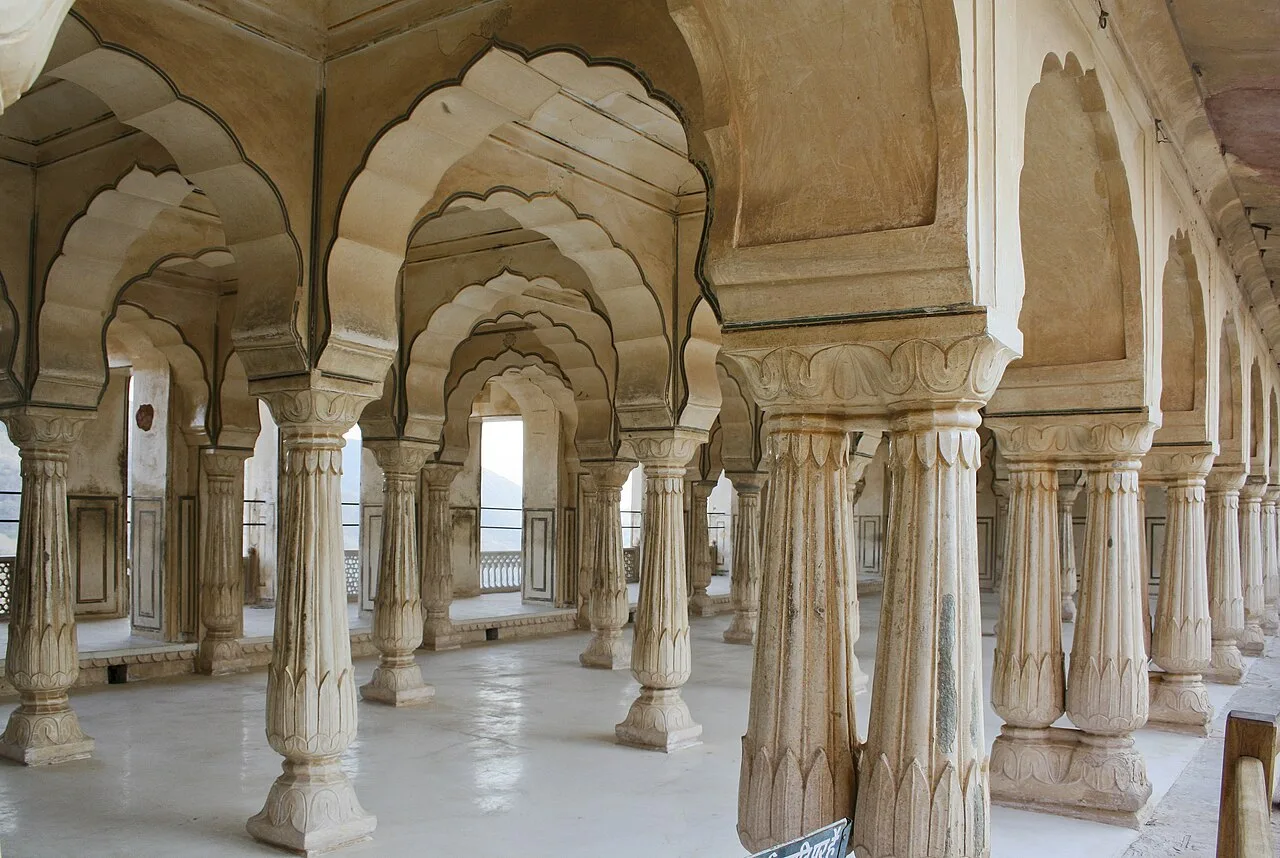
Amber Fort, also known as Amer Palace, is a hilltop fort in Amer, Rajasthan. Visitors explore its Rajput and Mughal-influenced design, palace halls and setting above Maota Lake.

Jaigarh Fort

77 km away · Jaipur district

Jaigarh Fort

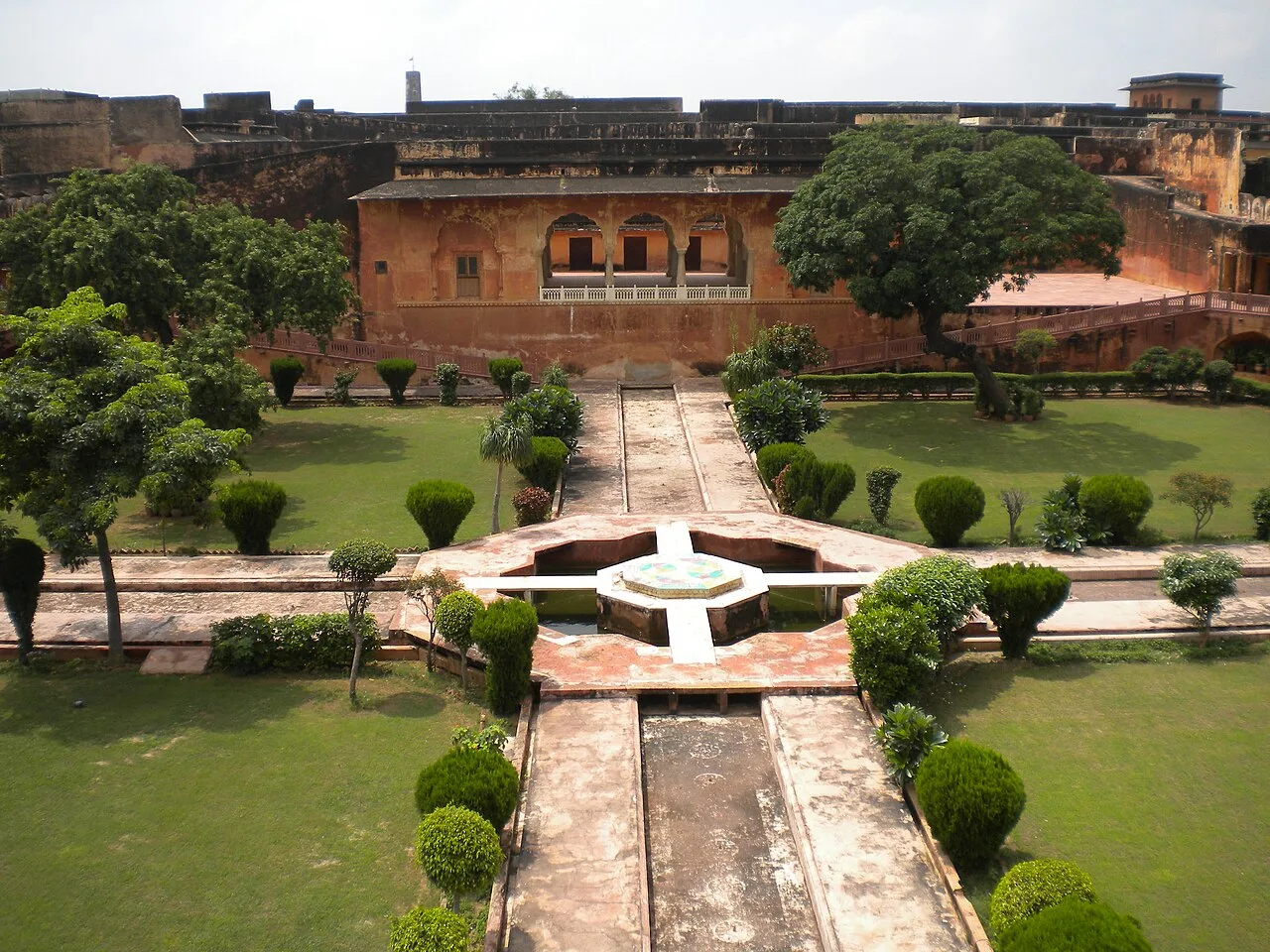
Near Amer in Rajasthan, Jaigarh Fort occupies a hilltop above Amer Fort and Maota Lake. Visitors come to see its historic fortifications, its connection to Amer Fort and the Jaivana cannon.

Jal Mahal

80 km away · Jaipur district

Jal Mahal

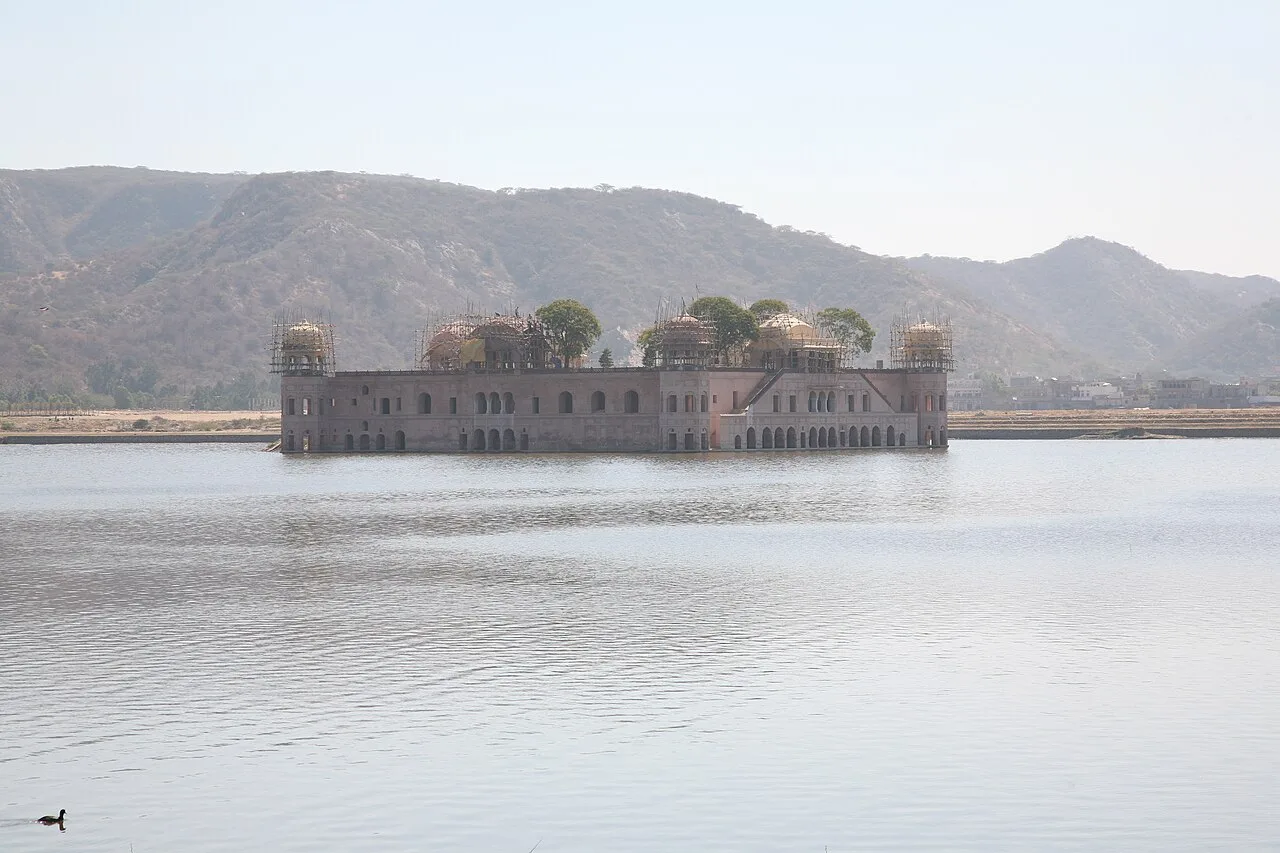
Jal Mahal is a historic palace set within Man Sagar Lake in Jaipur, Rajasthan. Visitors come to see the palace in its lake setting.

Nahargarh Fort

80 km away · Jaipur district

Nahargarh Fort

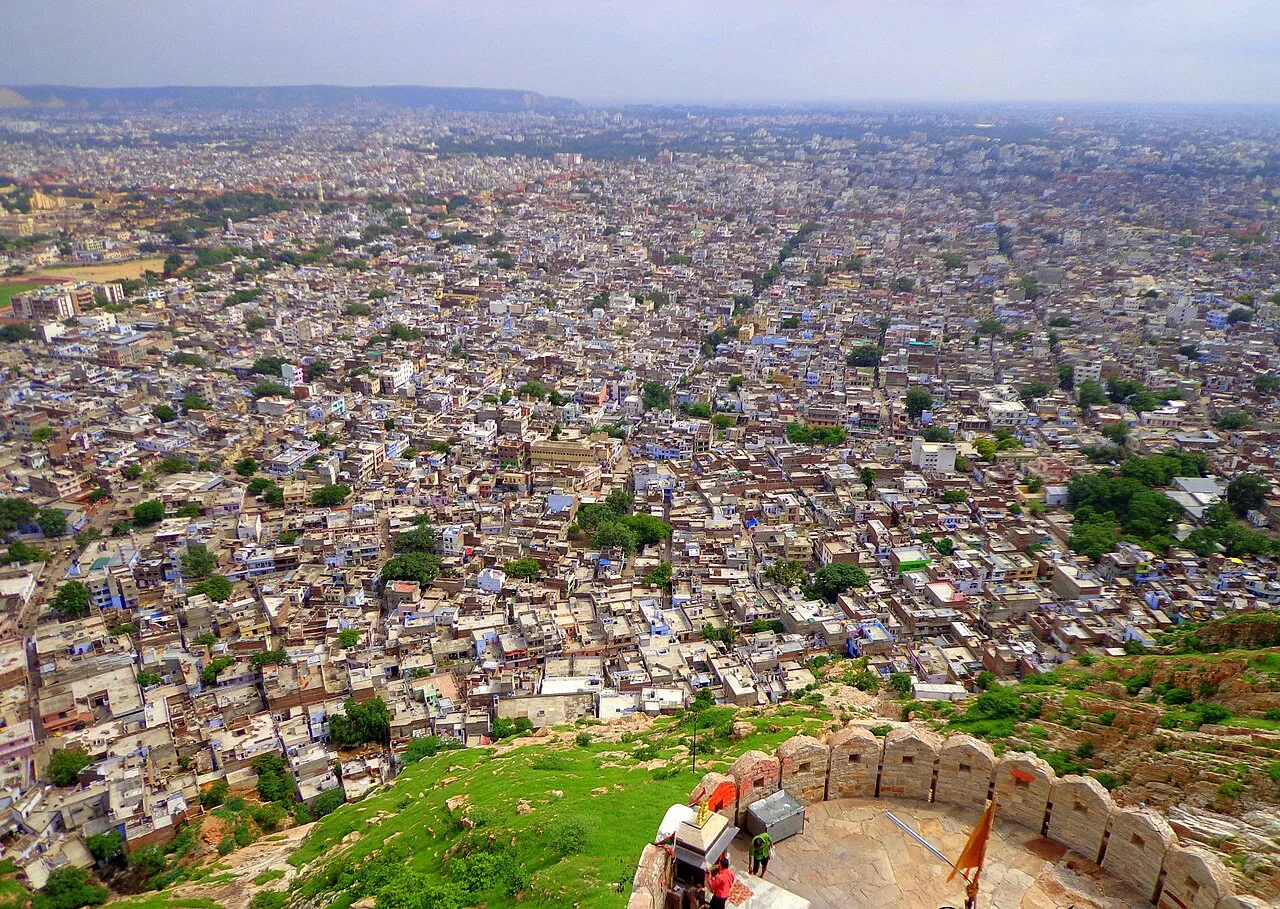
Nahargarh Fort is a historic stronghold in Jaipur, Rajasthan, overlooking the city from the Aravalli range. Visitors come for its elevated outlook and its role in Jaipur’s former defences.

Map

Khandela on the map

  1. 1Khatu Shyam Temple
  2. 2Nawalgarh
  3. 3Samode
  4. 4Mandawa
  5. 5Amber Fort
  6. 6Jaigarh Fort
  7. 7Jal Mahal
  8. 8Nahargarh Fort

Rajasthan

Other cities to explore