Ghumoopedia — Explore, Discover, Experience
Sign in
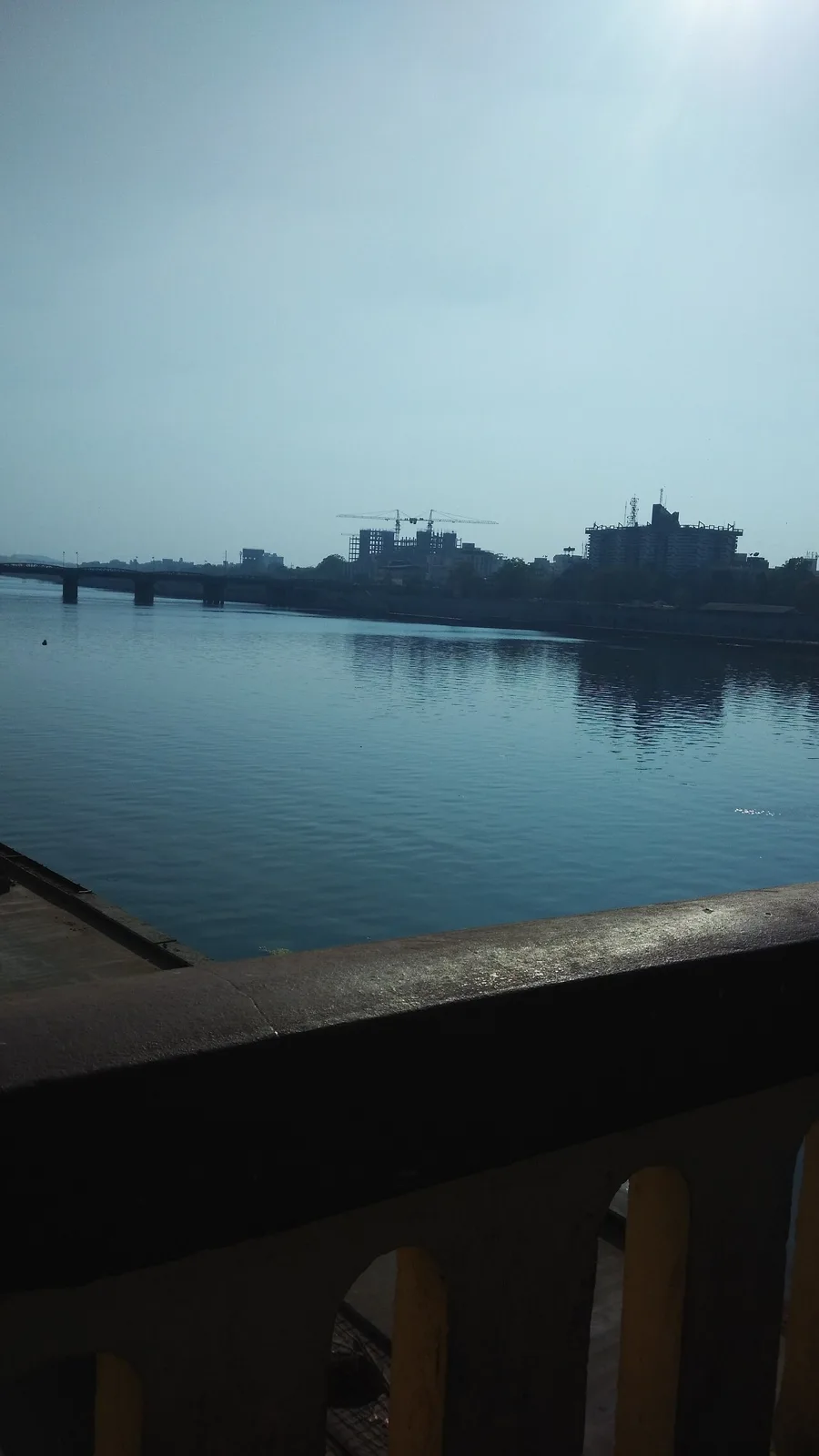
Dhebar Lake, near Bari Sadri

City guide · Rajasthan

Bari Sadri

Bari Sadri is a small municipality in Rajasthan’s Chittaurgarh district, with a place in the history of Mewar as one of its former Rajput estates. Its identity is closely associated with the Jhala clan, whose rulers held the title Raj Rana.

Famous for

  • Jhala Raj Rana heritage
  • Historic Mewar principality
  • Rural Chittaurgarh setting

Why Bari Sadri matters

Bari Sadri is a small municipality in Rajasthan’s Chittaurgarh district, with a place in the history of Mewar as one of its former Rajput estates. Its identity is closely associated with the Jhala clan, whose rulers held the title Raj Rana. That legacy gives the town interest for visitors exploring the lesser-known princely and feudal histories of southern Rajasthan.

Today Bari Sadri serves as a local centre for nearby villages, with shops and everyday services supporting the surrounding rural area. It is not a large resort town or a major destination for shopping, but it offers a quieter glimpse of life beyond the state’s best-known tourist circuits. Visitors may explore the old town, local places of worship and bazaar, or use Bari Sadri as a stop while travelling through the Mewar region. Its appeal lies chiefly in its historical associations and regional setting rather than in a widely known craft, product or landmark.
Famous for: crafts, trade & products

Bari Sadri is best recognised for its historic association with the Jhala rulers of Mewar, rather than for a nationally prominent textile, handicraft or food industry. The town is not widely identified with a GI-tagged product or a specialist saree tradition. Its commercial life is primarily local, serving residents and villages in the surrounding countryside.

The bazaar is the most practical place to look for everyday goods, household supplies and seasonal produce. Visitors may find familiar Rajasthani items in local shops, but should not expect a concentrated craft market or a dedicated souvenir district. For a broader choice of regional crafts, textiles and speciality products, travellers can look to larger towns and cities elsewhere in Rajasthan. Bari Sadri’s strongest point of distinction remains its heritage as a former estate within Mewar, and visitors interested in its past are more likely to value the town’s streets and historic setting than a particular commercial product.

History

Bari Sadri formed part of Mewar’s network of Rajput estates, traditionally described as one of sixteen Rajwadas into which the kingdom was divided. In the late fifteenth or early sixteenth century, Rana Raimal granted the estate to Ajja Jhala, a former ruler of Dhrangadhra. Thereafter, Jhala Rajputs governed Bari Sadri as a feudal state, and its rulers bore the title Raj Rana.

The estate continued under Jhala rule through the period of British paramountcy, when princely and feudal territories retained varying degrees of local authority. Bari Sadri’s ruling status ended in 1949, as Rajasthan’s princely states and estates were integrated into the newly formed Indian state. In modern administration, the town is part of Chittaurgarh district. Its development has since centred on municipal services and its role as a local hub for nearby settlements, while its historic identity remains tied to Mewar and the Jhala lineage.

Food, festivals & culture

Everyday food in Bari Sadri reflects the wider Mewar and Rajasthani kitchen. Meals commonly draw on wheat, lentils, pulses and seasonal vegetables, with dishes such as dal baati, gatte ki sabzi and ker sangri familiar across the region. Sweets such as ghevar and malpua are associated with festive occasions, though menus and availability vary between households and local eateries.

Holi and Diwali are widely observed, while Gangaur and Teej bring seasonal traditions associated with worship, songs and community gatherings. Hindi is widely understood; Rajasthani speech, including Mewari influences, is part of local everyday life. Folk music and dance traditions belong to the broader cultural landscape of Mewar, particularly during celebrations. Local temples and other places of worship serve as community gathering points, although Bari Sadri is not widely known for a single major pilgrimage site or annual cultural event.

Visiting the city

The cooler months, roughly October to March, are generally the most comfortable time to visit; summer can be very hot, and monsoon travel may bring rain. The nearest major airport is Maharana Pratap Airport near Udaipur. Bari Sadri has its own railway station; Mavli Junction is a useful larger rail interchange, while Chittaurgarh Junction offers wider connections. Check current transport links before setting out.

Auto-rickshaws and local taxis are practical for short journeys, and buses or road transport connect the town with nearby centres. Explore the old-town streets, bazaar and local places of worship on foot, then consider the surrounding countryside for a sense of the rural Mewar setting. Bari Sadri works best as a quiet heritage stop rather than a base for extensive sightseeing.

Trips from the city

Nearest places to visit from Bari Sadri

Our closest destination guides, by straight-line distance.

Dhebar Lake

51 km away · Udaipur district

Dhebar Lake

Dhebar Lake, also called Jaisamand, is a large reservoir in Rajasthan, known for its marble dam, islands and adjoining wildlife sanctuary. Visitors come to see its natural setting and historic links with Mewar.

Akola (Dabu Print Village)

56 km away · Chittorgarh district

Akola (Dabu Print Village)

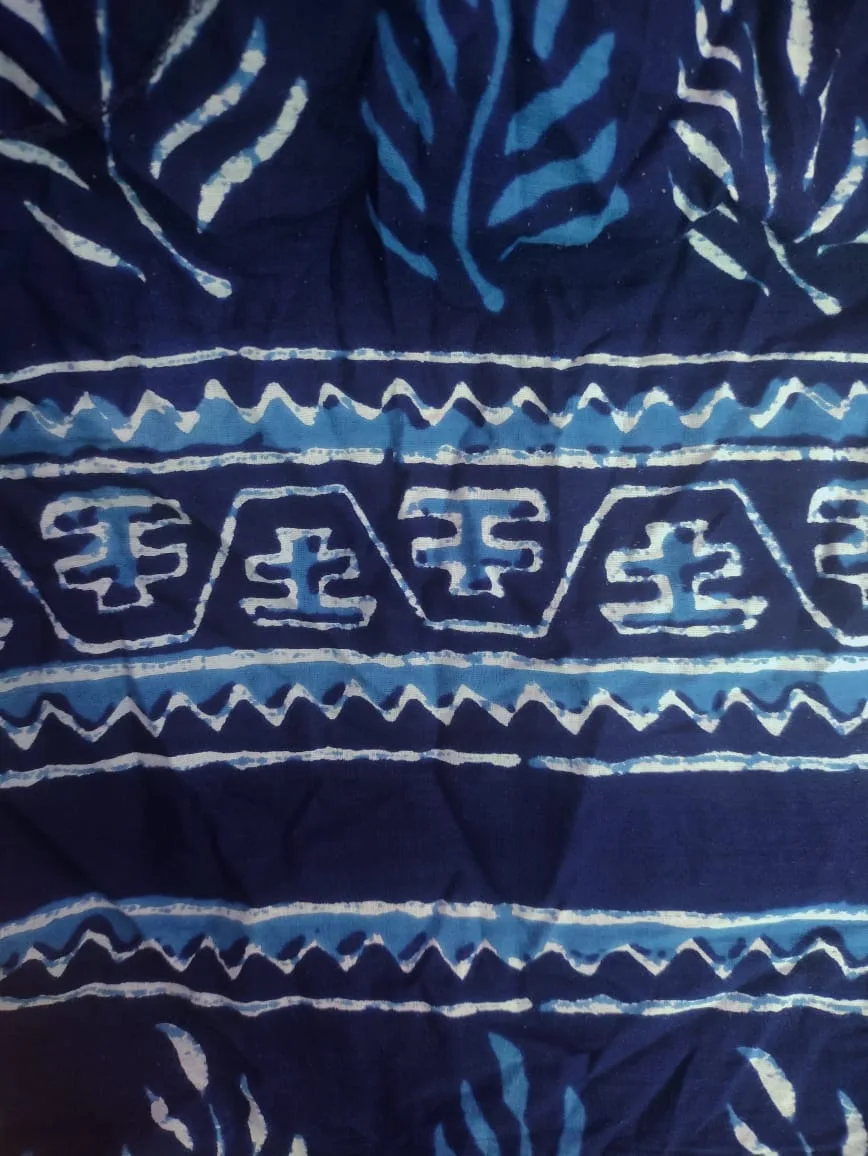
Akola, also called Chhipo ka Akola, is a village in Rajasthan’s Chittorgarh district. Visitors are drawn by its Dabu print, known across India.

Chittor Fort

56 km away · Chittorgarh district

Chittor Fort

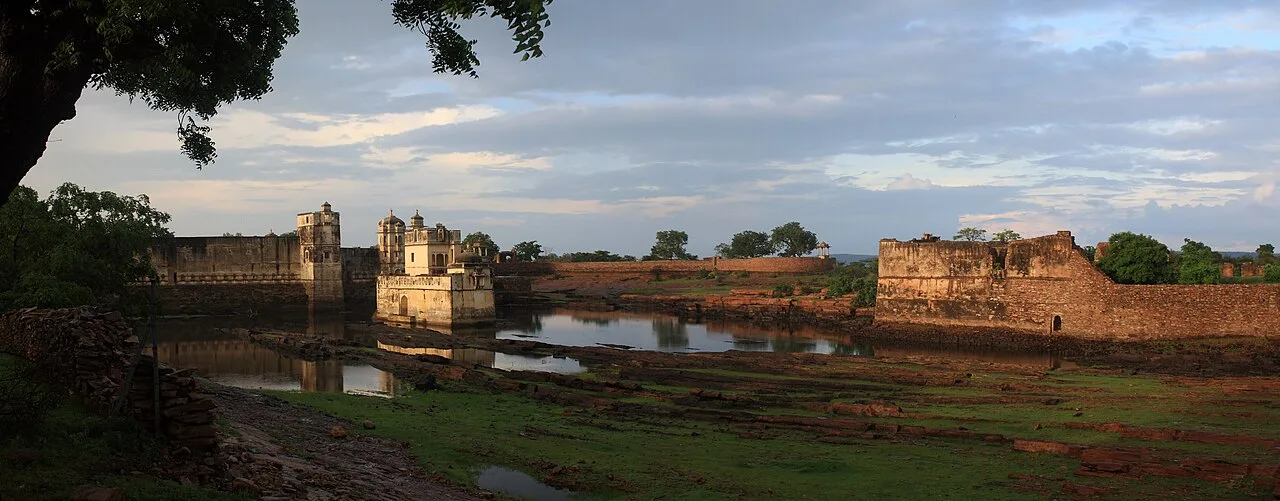
Chittor Fort, also called Chittod Fort, is among India’s largest forts and the former capital of Mewar. Visitors explore its historic palaces, temples, water bodies, memorials and towers.

Vijaya Stambha

56 km away · Chittorgarh district

Vijaya Stambha

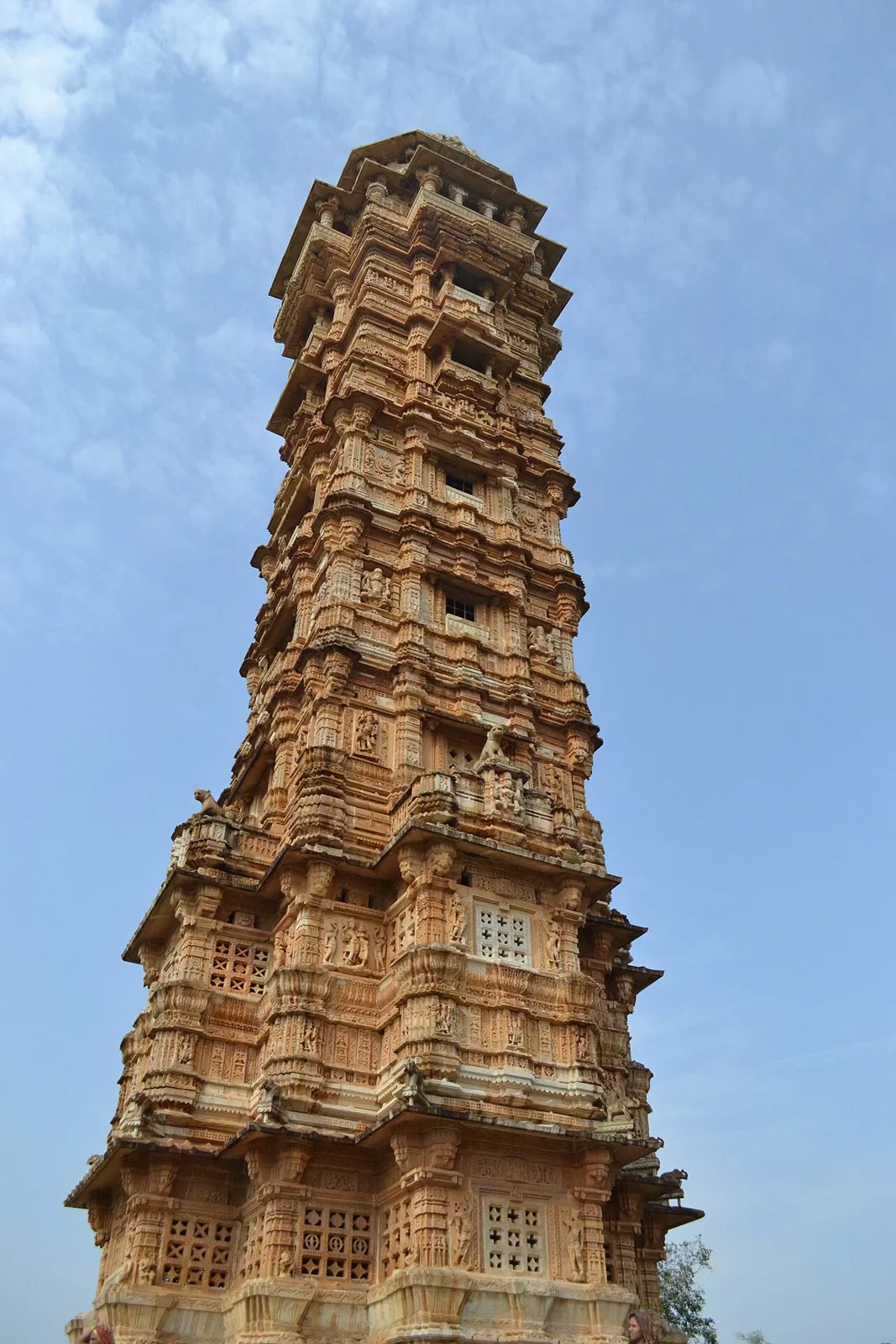
Vijaya Stambha is a victory tower in Chittor Fort, Chittorgarh district, Rajasthan. Visitors come to see its Rajput architecture and its association with Rana Kumbha’s 1448 triumph.

City Palace, Udaipur

82 km away · Udaipur district

City Palace, Udaipur

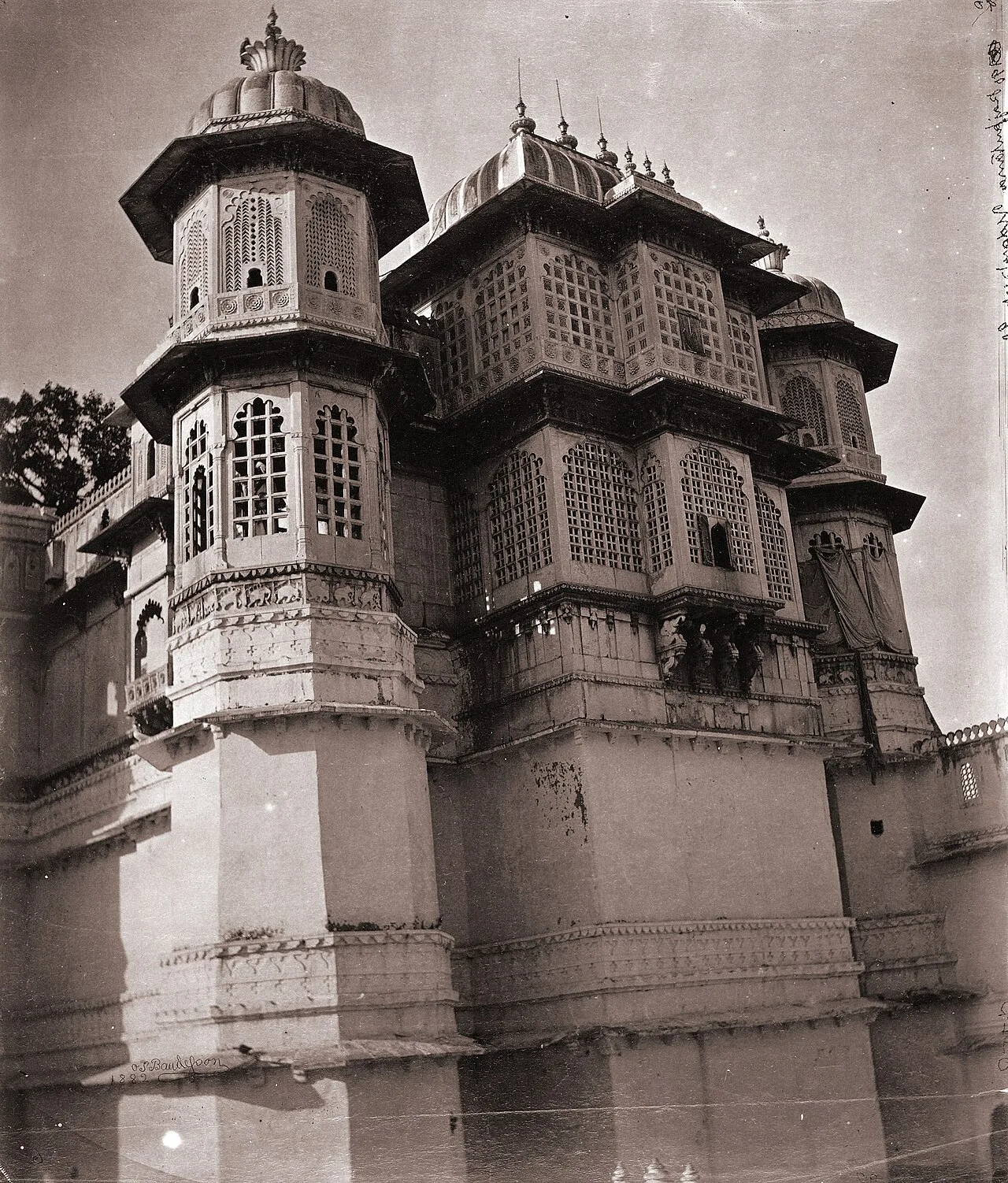
Udaipur’s City Palace is a historic royal complex shaped by successive Mewar rulers. Visitors come to see its architecture, hilltop setting and views over Lake Pichola.

Jag Mandir Palace

82 km away · Udaipur district

Jag Mandir Palace

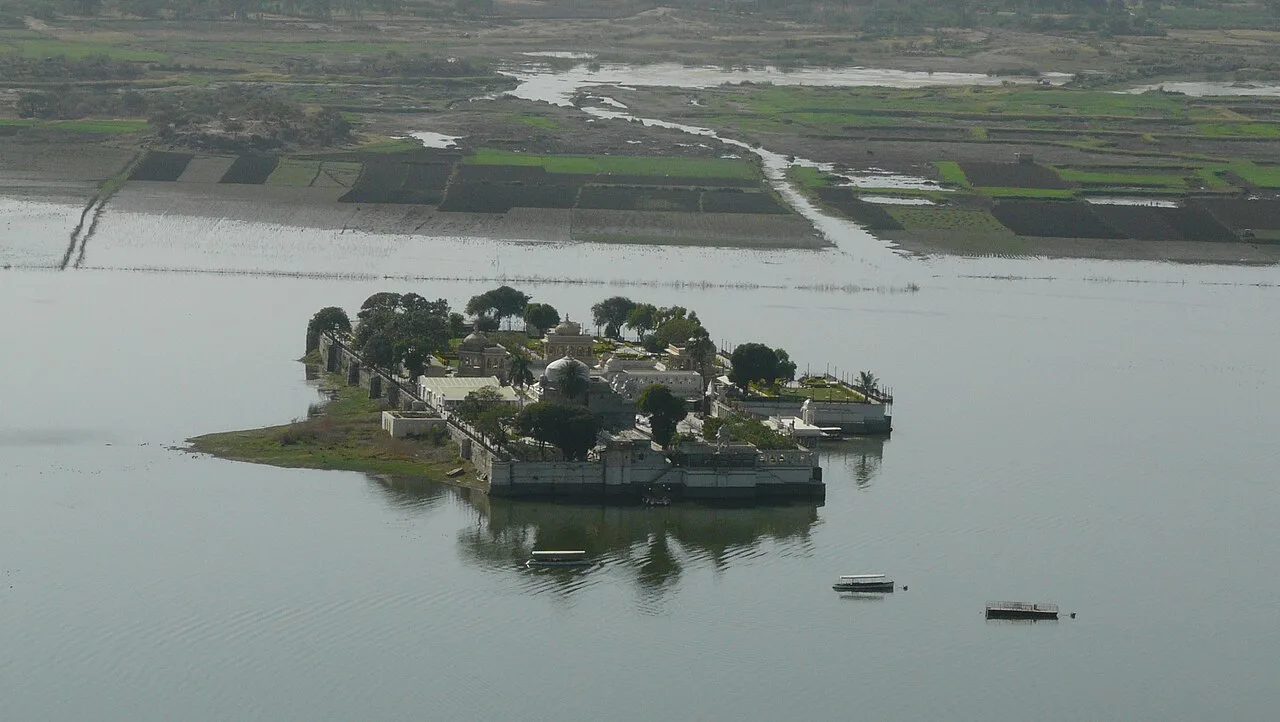
Set within Lake Pichola in Udaipur, Jag Mandir Palace is a royal island residence. Visitors are drawn to its history, Mughal-influenced design and past as a retreat, celebration venue and place of refuge.

Jagdish Temple

82 km away · Udaipur district

Jagdish Temple

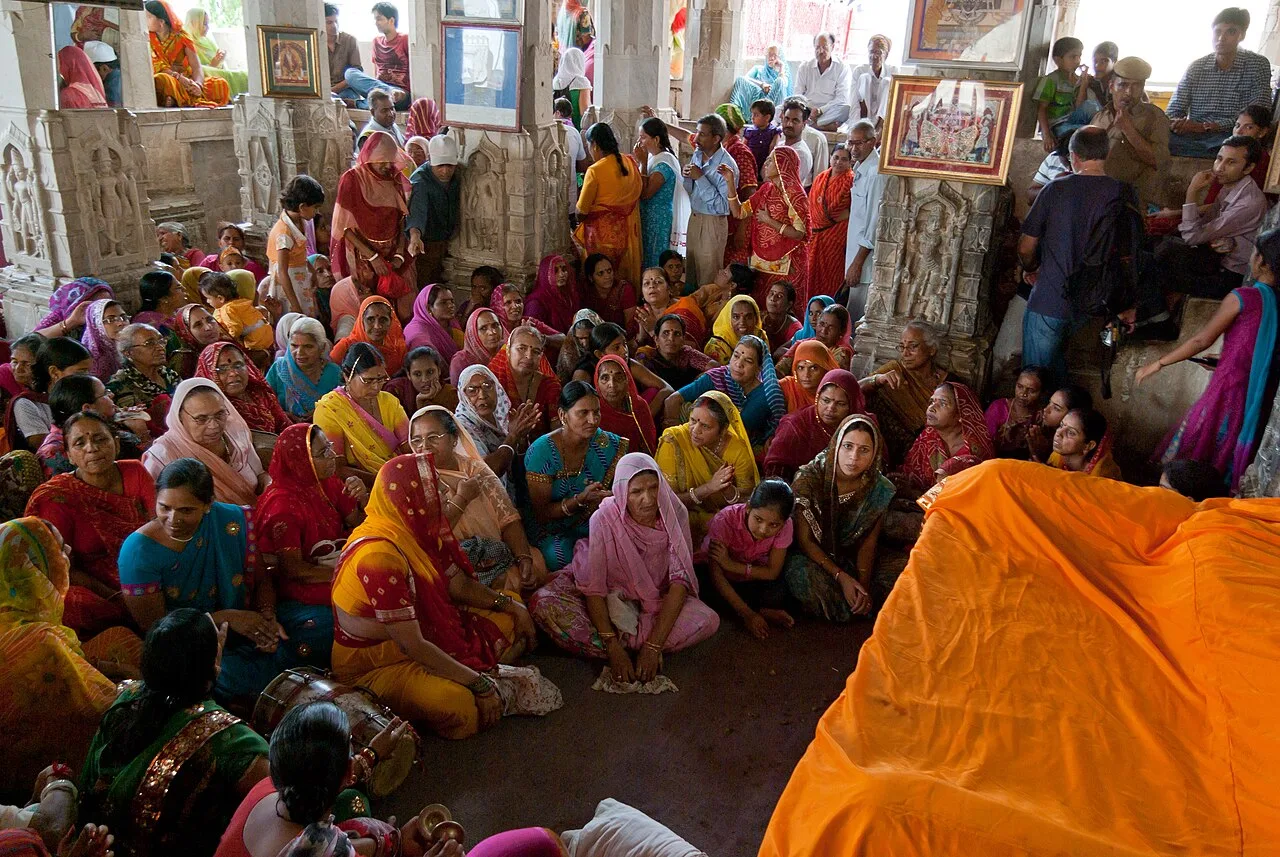
Jagdish Temple is a large Hindu place of worship in central Udaipur, Rajasthan, beside the royal palace. Visitors come to see this prominent city monument and its long-standing place of worship.

Lake Palace

82 km away · Udaipur district

Lake Palace

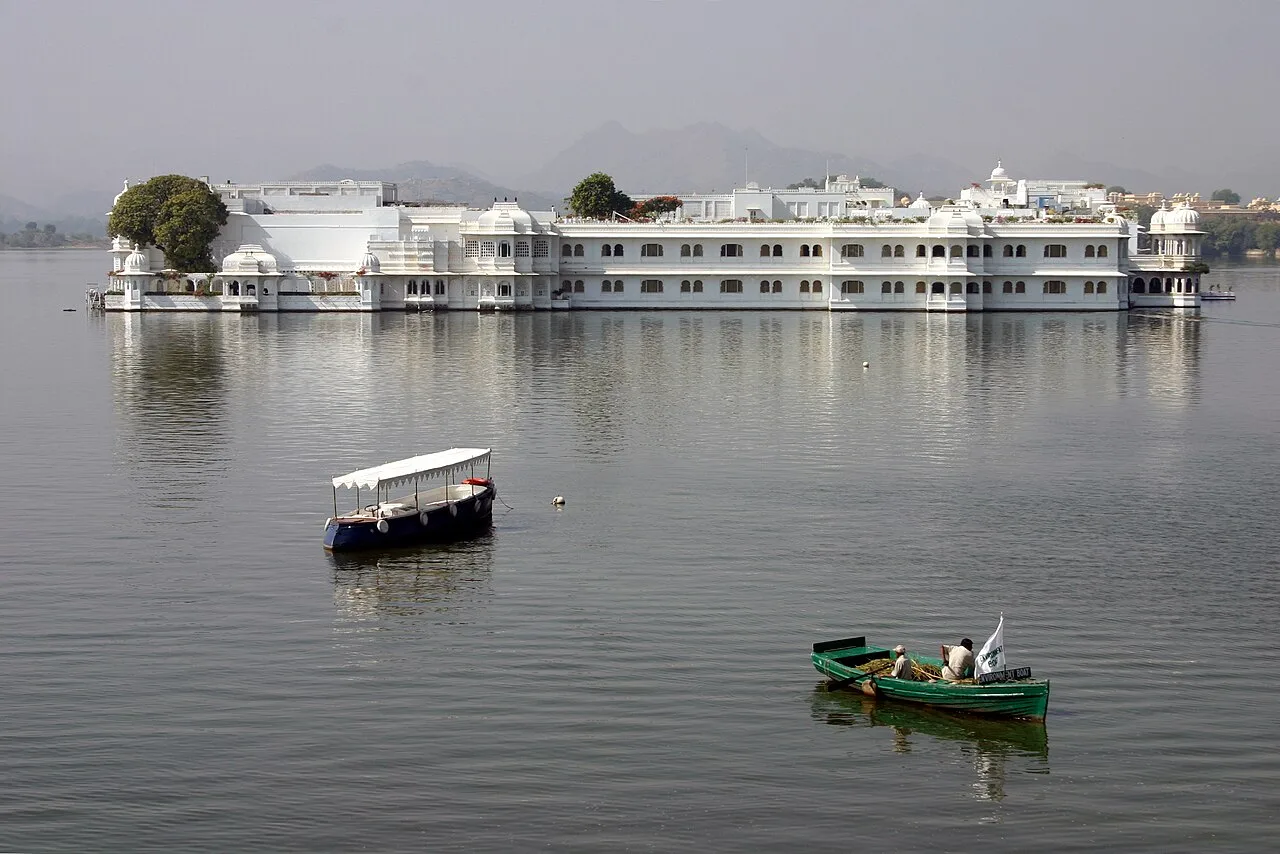
Lake Palace is a former Mewar royal summer residence on an island in Udaipur’s Lake Pichola, now a hotel. Visitors recognise it for its lake setting and appearances in several hit films.

Map

Bari Sadri on the map

  1. 1Dhebar Lake
  2. 2Akola (Dabu Print Village)
  3. 3Chittor Fort
  4. 4Vijaya Stambha
  5. 5City Palace, Udaipur
  6. 6Jag Mandir Palace
  7. 7Jagdish Temple
  8. 8Lake Palace

Rajasthan

Other cities to explore