Ghumoopedia — Explore, Discover, Experience
Sign in

City guide · Rajasthan

Anupgarh

Anupgarh is a small town in Rajasthan’s Sri Ganganagar district, about 123 km from Sri Ganganagar city. Its position close to the Pakistan border gives it a distinct place in the state’s north-western landscape, while its links with the district headquarters make it a local centre for nearby villages and everyday services.

Famous for

  • Anupgarh Fort
  • Bhati Rajput history
  • Pakistan borderland
  • Sri Ganganagar farming region

Why Anupgarh matters

Anupgarh is a small town in Rajasthan’s Sri Ganganagar district, about 123 km from Sri Ganganagar city. Its position close to the Pakistan border gives it a distinct place in the state’s north-western landscape, while its links with the district headquarters make it a local centre for nearby villages and everyday services. The surrounding region is associated with agriculture, supported in many parts of the district by canal irrigation.

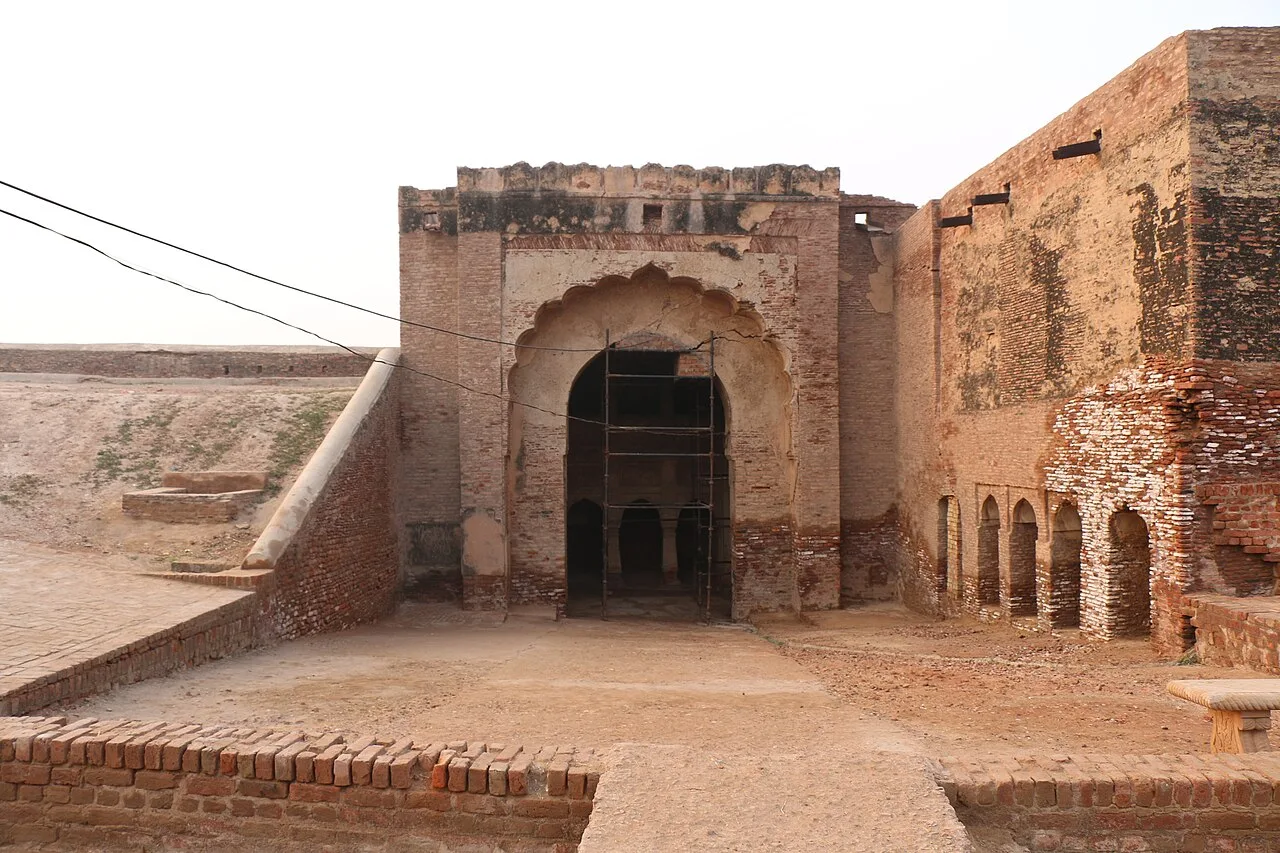
The town’s most notable historic landmark is Anupgarh Fort, built around 1689 during Mughal rule. Its story is connected with the Mughal governor’s efforts to quell resistance by local Bhati Rajputs. The fort and the town’s borderland setting are the main points of interest for visitors, rather than a large collection of developed tourist attractions. Anupgarh is best approached as a place to understand the history and rural character of northern Rajasthan. Visitors can combine a stop at the fort with a walk through the town’s market streets and a wider journey through the Sri Ganganagar region.
Famous for: crafts, trade & products

Anupgarh is not widely recognised for a signature textile, handicraft or GI-tagged product. Its identity is more closely tied to its historic fort, its role as a local service town and the agricultural economy of the surrounding part of Sri Ganganagar district. Farming across the region includes crops such as wheat, cotton and mustard, though the mix varies with season and local conditions.

For everyday shopping, visitors can look around the town’s central bazaar and general market streets, where shops serve residents and nearby villages with clothing, household goods, snacks and farm-related supplies. These are practical local markets rather than specialist craft destinations. The town does not have a prominent, well-documented crafts quarter or a major visitor-focused shopping district. Travellers seeking Rajasthan’s better-known textiles, jewellery or artisan wares will generally find broader choices in larger cities. In Anupgarh, the most meaningful local “products” to notice are those of an agricultural town: seasonal produce and goods connected to farming and daily trade.

History

Anupgarh’s best-known historic episode is represented by its fort. Built around 1689, during Mughal rule, the stronghold was intended to help the Mughal governor suppress a rebellion by local Bhati Rajputs. The fort provides a reminder that this frontier region was shaped by shifting political authority and local resistance. Its location near the present-day international border also gives the town a strategic setting, although the modern border should not be confused with the political boundaries of the fort’s time.

In the centuries that followed, Anupgarh developed as a settlement serving the surrounding countryside. The wider Sri Ganganagar region changed substantially with the expansion of irrigation and farming, drawing communities and commerce into northern Rajasthan’s canal-supported agricultural belt. Under British rule, irrigation works helped transform parts of the region; later, independent India continued to develop farming, roads and local services. Today Anupgarh functions as a town for nearby rural communities, while its fort remains its clearest link to the past.

Food, festivals & culture

Everyday food in Anupgarh reflects both Rajasthan’s dry-region cooking and the wider food traditions of northern India. Meals may include bajra roti, dal, gatte ki sabzi and seasonal preparations such as ker sangri, alongside wheat-based breads and familiar Punjabi-influenced dishes. Sweets such as ghevar are associated with Rajasthan, while local shops offer everyday mithai and snacks; availability varies by season and occasion.

Holi, usually celebrated in spring, and Diwali, in autumn, are important occasions, as are the Rajasthani festivals of Gangaur and Teej. Farming communities may also observe seasonal harvest celebrations, and Baisakhi is familiar in the broader region. Hindi and Rajasthani varieties are commonly heard, with Punjabi also present in this border district. Folk music and dance traditions are part of regional celebrations, though performances are not necessarily staged for visitors. Hindu temples and other neighbourhood places of worship serve local communities; ask locally for current access and any festival events.

Visiting the city

The cooler months, roughly October to March, are generally the most comfortable time to visit; summer can be very hot. Anupgarh Railway Station serves the town. For air travel, Bikaner Airport (Nal) is a nearby airport by region, but flight availability can be limited, so check current services and onward road connections before planning. Sri Ganganagar is the main nearby city for broader transport links and services.

Within Anupgarh, local auto-rickshaws and taxis can help with short trips, while the bazaar area is convenient to explore on foot. Allow time for Anupgarh Fort and the central market streets; the town’s quieter residential areas offer a glimpse of everyday life but few formal visitor facilities. The fort is an old structure, so check locally about access and take care around uneven surfaces. Carry water and plan road travel in daylight where possible.

Trips from the city

Nearest places to visit from Anupgarh

Our closest destination guides, by straight-line distance.

Kalibangan

95 km away · Hanumangarh district

Kalibangan

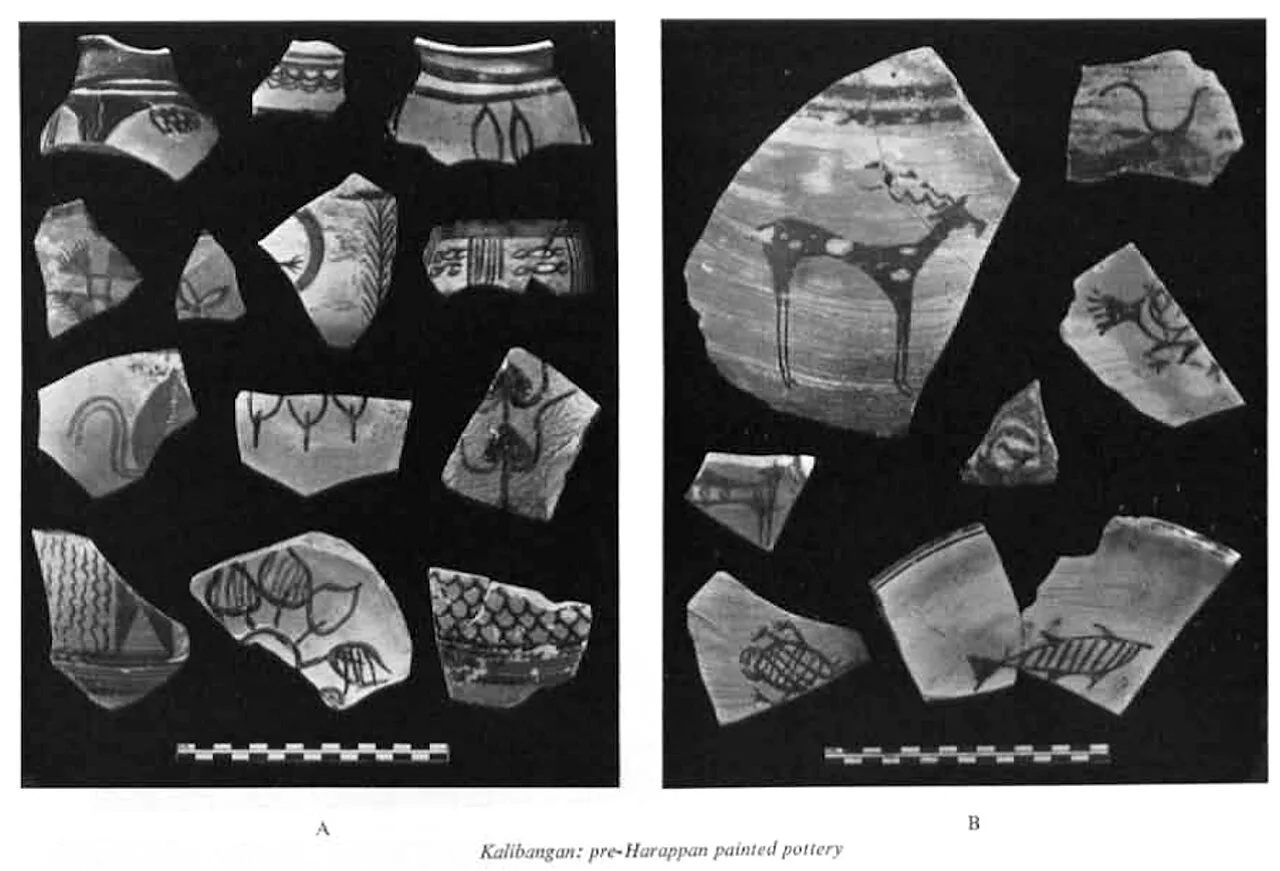
Kalibangan is an archaeological town in Hanumangarh district, Rajasthan, beside the Ghaggar. Visitors come to explore its Indus Valley Civilization remains, including fire altars and evidence of an ancient ploughed field.

Bhatner fort

117 km away · Hanumangarh district

Bhatner fort

Bhatner Fort is an ancient stronghold in Hanumangarh district, Rajasthan. Visitors are drawn by its association with the Bhati lineage, its believed age and its protected status.

Lalgarh Palace

128 km away · Bikaner district

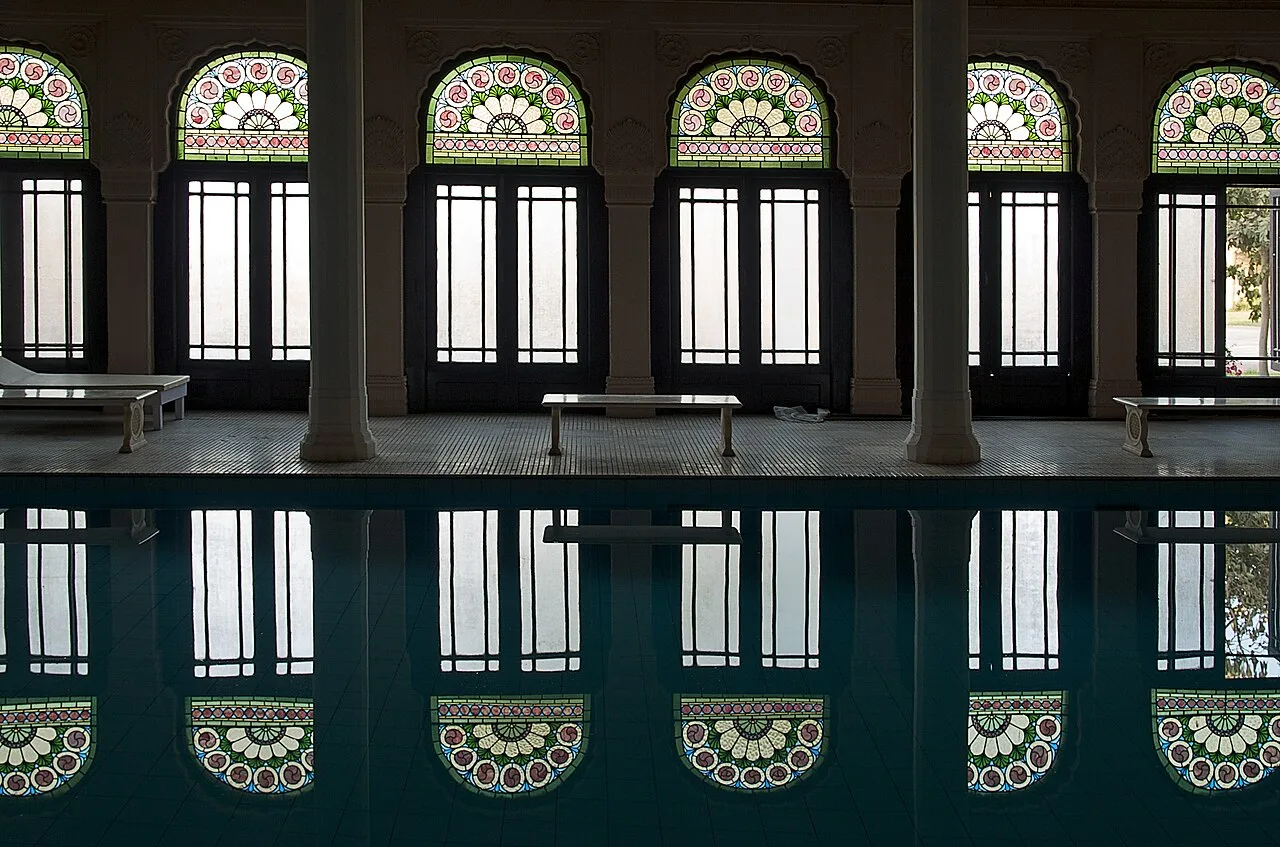
Lalgarh Palace

Lalgarh Palace is a palace and heritage-hotel property in Bikaner, Rajasthan, created for Maharaja Sir Ganga Singh. Visitors come to see the residence and its links to Bikaner’s royal history.

Junagarh Fort

130 km away · Bikaner district

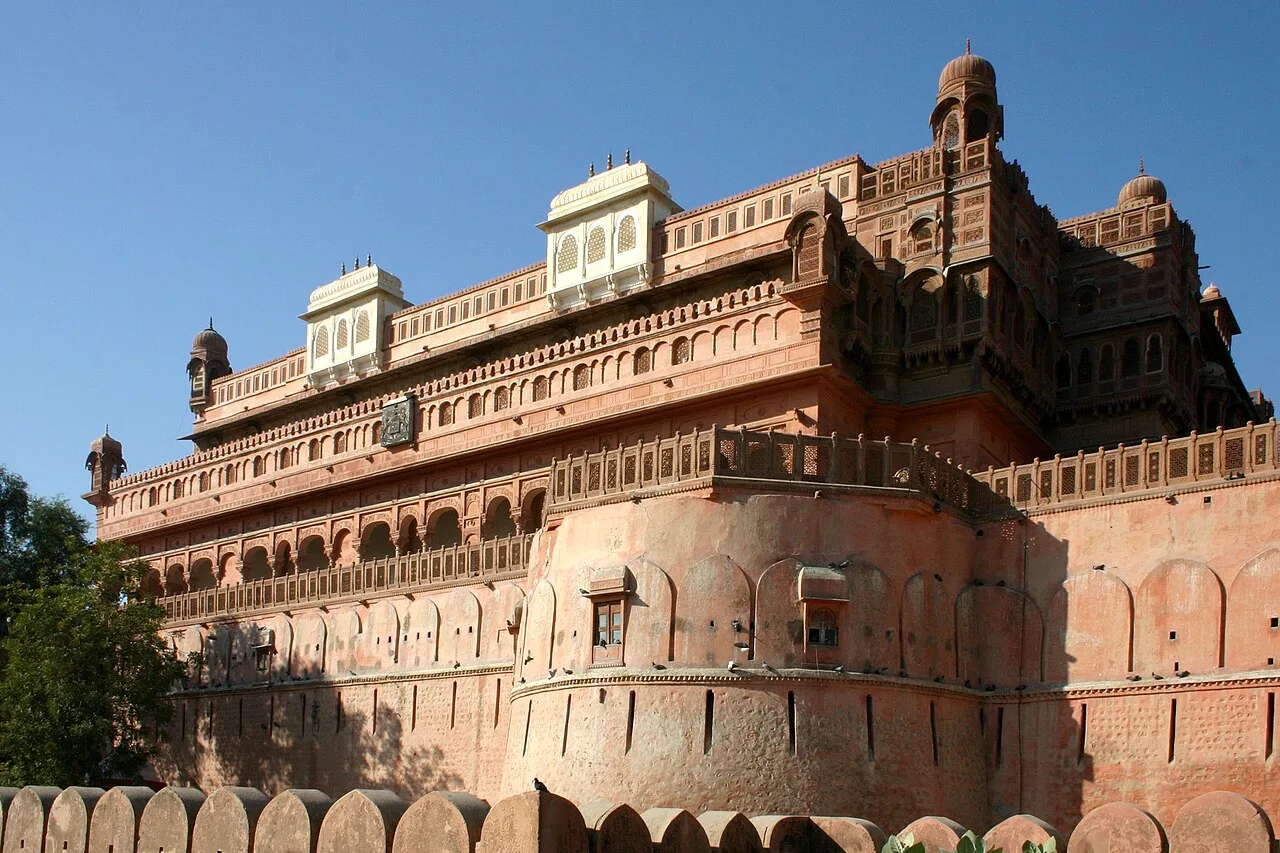
Junagarh Fort

Junagarh Fort is a historic complex in Bikaner, Rajasthan, known for its palaces, temples and pavilions. Visitors can explore its layered history and blend of architectural traditions.

Gajner Palace

139 km away · Bikaner district

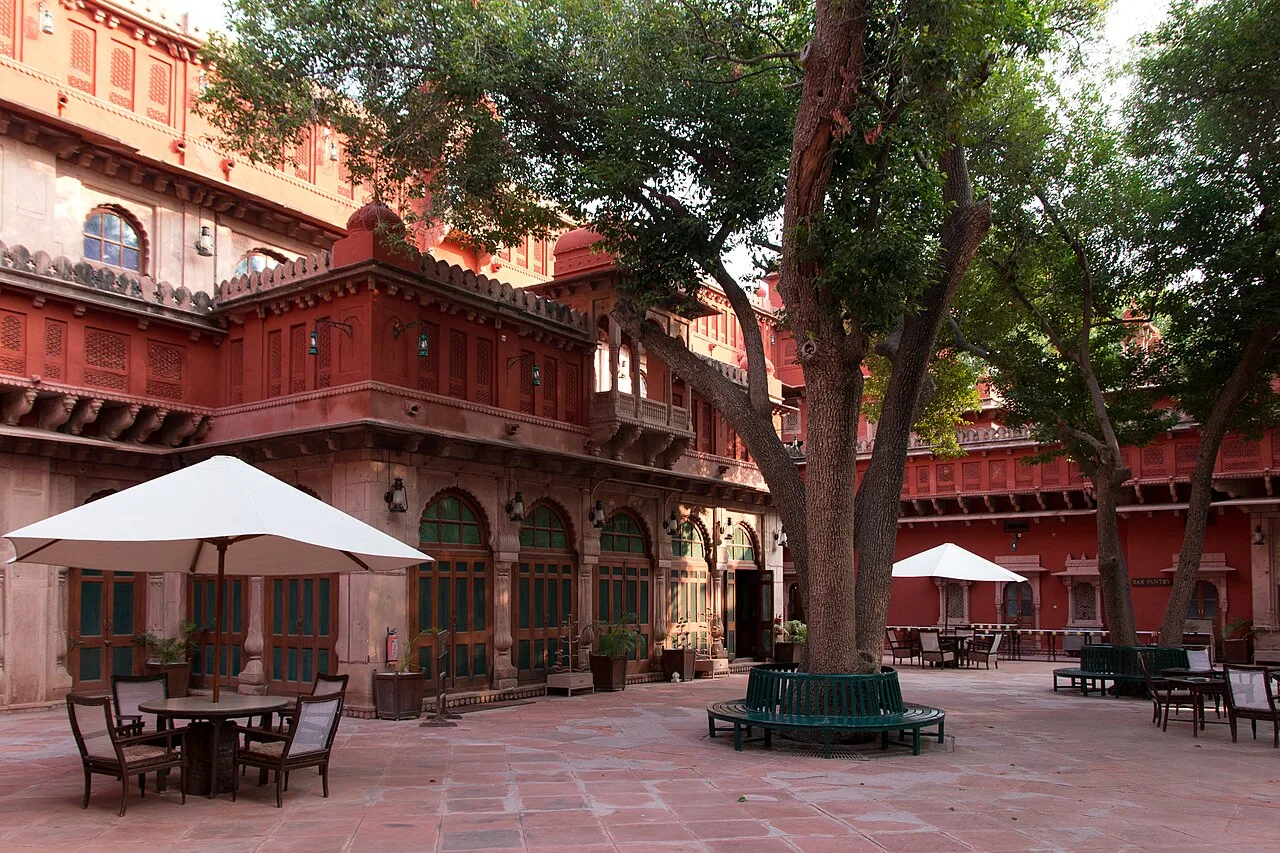
Gajner Palace

Gajner Palace, in Rajasthan’s Bikaner district, was used by the maharajas of Bikaner as a hunting lodge and now operates as a heritage hotel. Visitors come to stay at the palace.

Karni Mata Temple

156 km away · Bikaner district

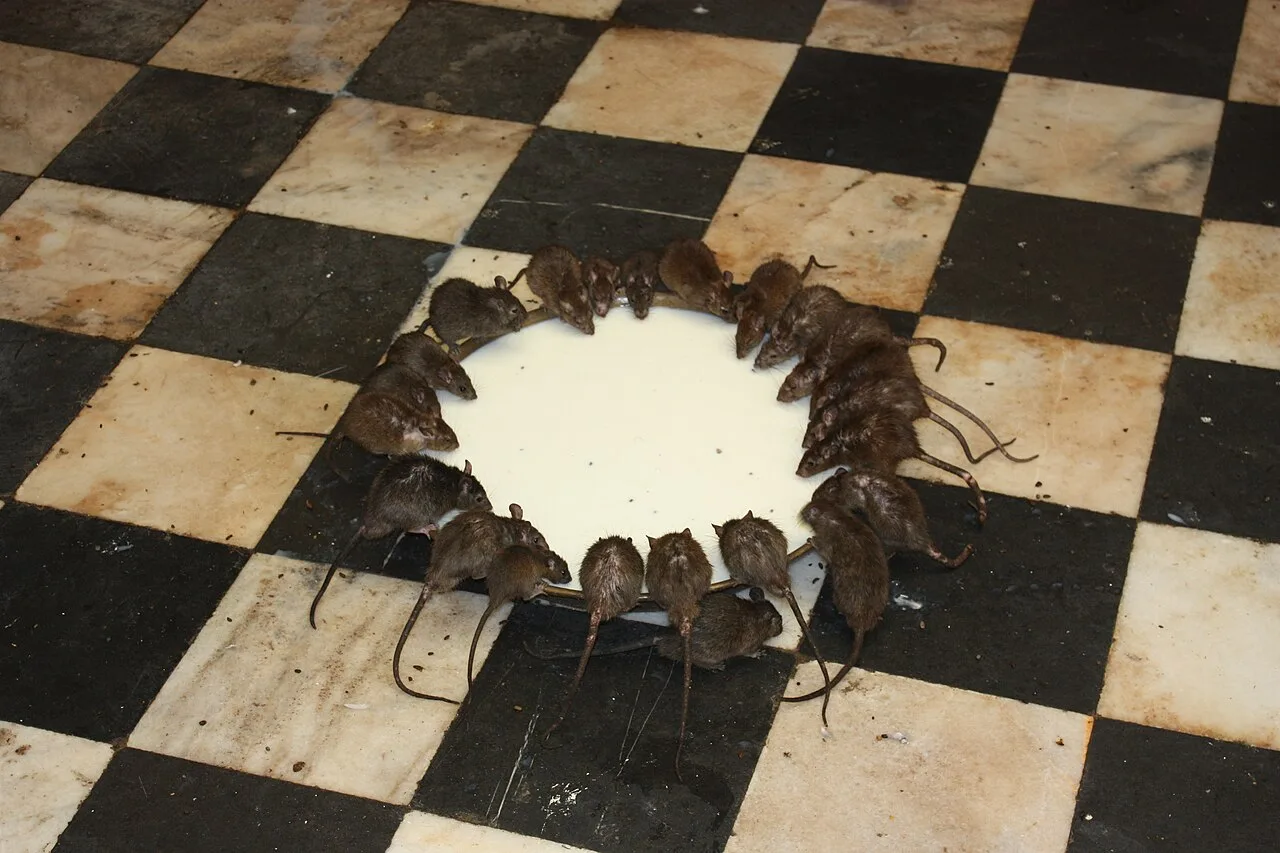
Karni Mata Temple

Karni Mata Temple is a Hindu shrine in Deshnoke, Rajasthan, associated with Karni Mata and sacred kābā rodents. Pilgrims seek blessings there, while visitors come to see its distinctive rat population.

Tal Chhapar Sanctuary

196 km away · Churu district

Tal Chhapar Sanctuary

Tal Chhapar is a wildlife sanctuary in Rajasthan’s Churu district, known for blackbucks and birdlife. Visitors come to see its wildlife in a setting near the Great Indian Desert.

Mandawa

228 km away · Jhunjhunu district

Mandawa

Mandawa is a town in Rajasthan’s Jhunjhunu district, within the Shekhawati region. Travellers visit it as part of journeys through the region and nearby Jhunjhunu.

Map

Anupgarh on the map

  1. 1Kalibangan
  2. 2Bhatner fort
  3. 3Lalgarh Palace
  4. 4Junagarh Fort
  5. 5Gajner Palace
  6. 6Karni Mata Temple
  7. 7Tal Chhapar Sanctuary
  8. 8Mandawa

Rajasthan

Other cities to explore