Ghumoopedia — Explore, Discover, Experience
Sign in
Nawalgarh, near Udaipurwati

City guide · Rajasthan

Udaipurwati

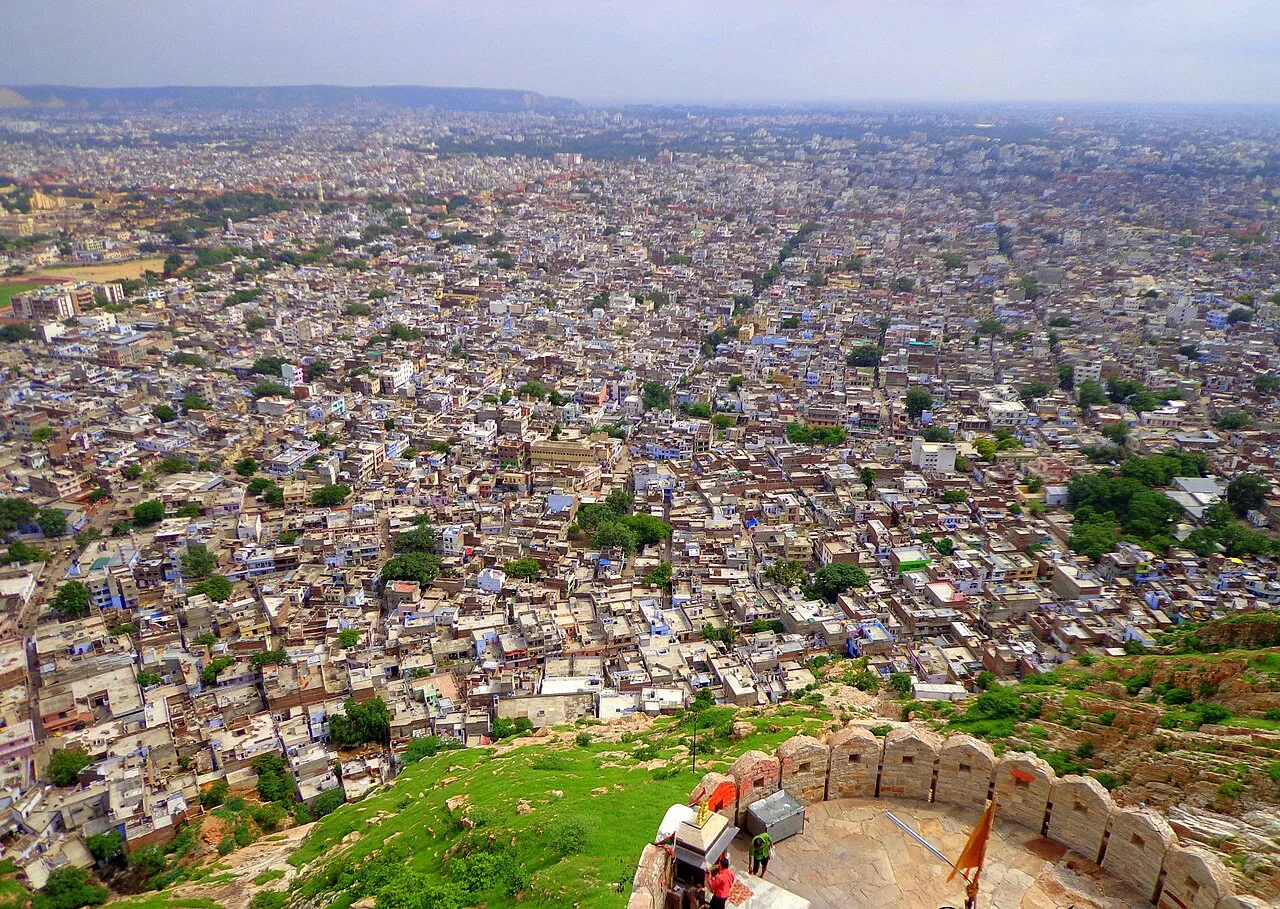
Udaipurwati is a municipality and tehsil headquarters in Jhunjhunu district, in Rajasthan’s Shekhawati region. Its importance today is mainly regional: it serves nearby villages with government, administrative, educational and everyday commercial services.

Famous for

  • Shekhawati regional heritage
  • Udarbhatika inscriptional reference
  • Nearby Shakambhari Mata shrine
  • Lohargal pilgrimage routes
  • Local market town

Why Udaipurwati matters

Udaipurwati is a municipality and tehsil headquarters in Jhunjhunu district, in Rajasthan’s Shekhawati region. Its importance today is mainly regional: it serves nearby villages with government, administrative, educational and everyday commercial services. Sikar is the nearest major city, while Jhunjhunu district’s towns and pilgrimage places shape much of the surrounding travel circuit.

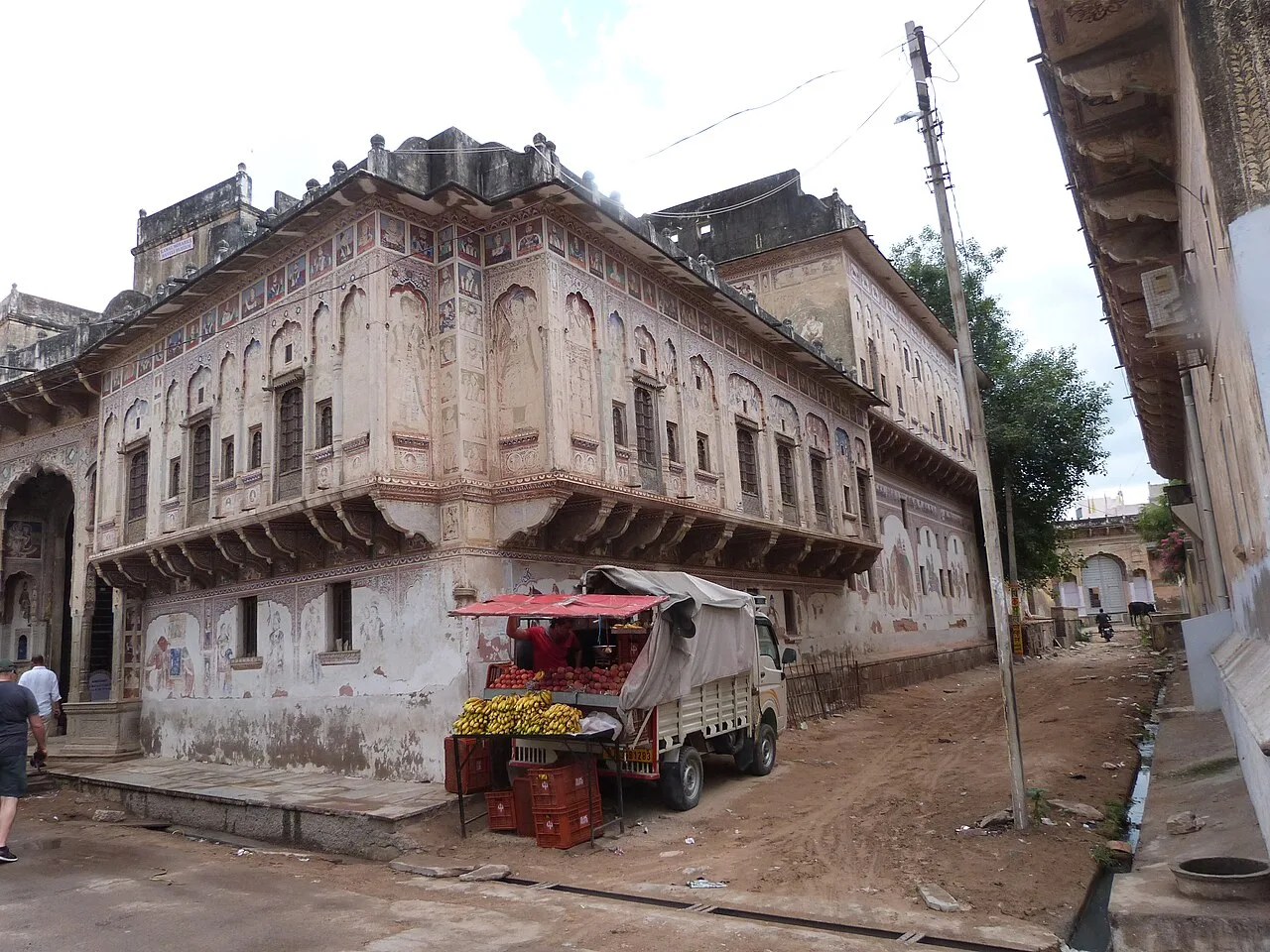
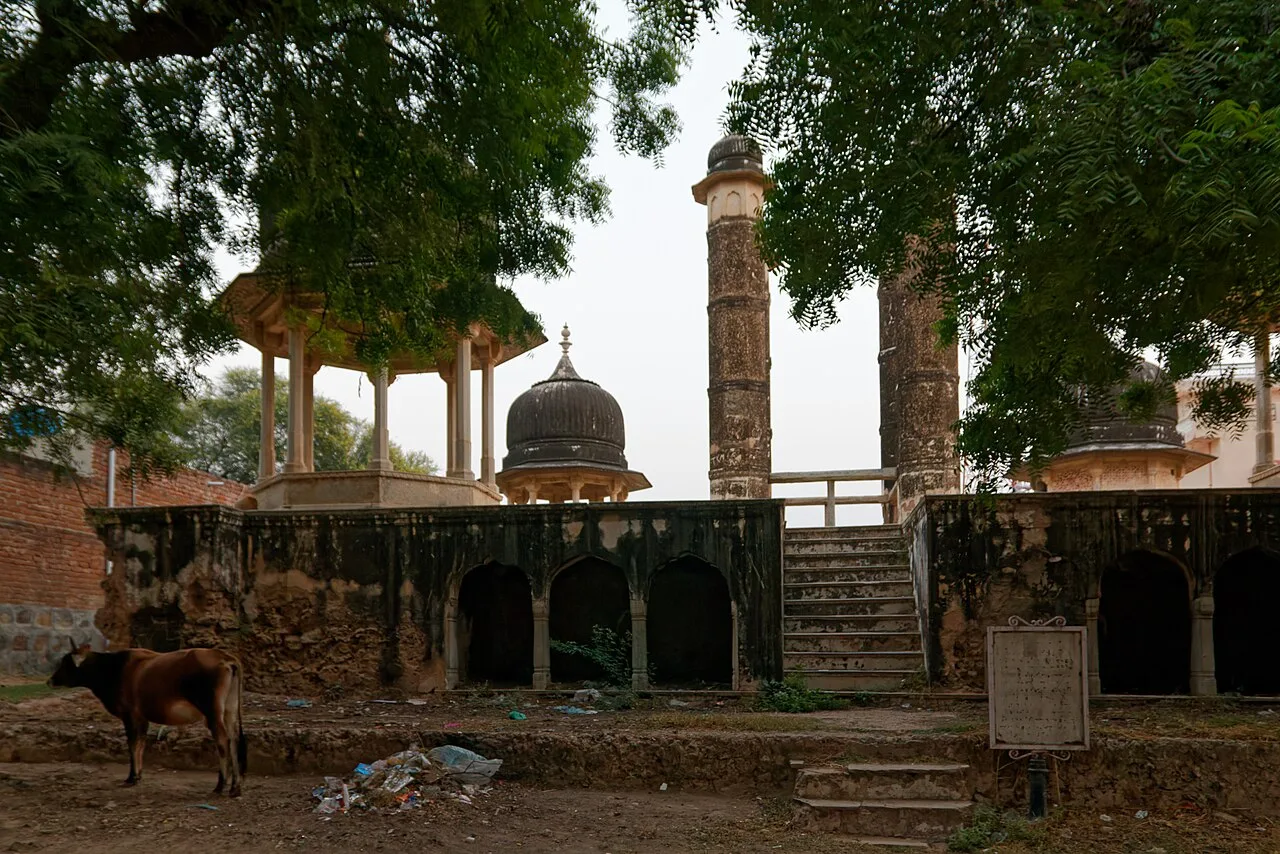
The town also interests visitors for its long history and its position near places of worship and heritage across Shekhawati. Nearby destinations include the Shakambhari Mata shrine and the pilgrimage area of Lohargal; these are excursions from town rather than attractions within its centre. The wider region is associated with historic merchant towns, painted havelis and Rajasthani traditions, though Udaipurwati is generally a quieter base than the better-known Shekhawati heritage stops. Its older name, Udarbhatika, appears in a 961 AD Harsha inscription, giving the town a notable place in the region’s recorded past. Visitors can combine a local market visit with nearby religious sites and journeys through the surrounding countryside.
Famous for: crafts, trade & products

Udaipurwati is best understood as a local service and trading centre rather than a major manufacturing or textile hub. Its bazaars cater chiefly to residents of the town and surrounding villages, with everyday provisions, clothing, household goods and seasonal needs. For visitors, the central market is the most practical place to browse local shops and sample snacks; it is not known as a specialist saree or handicraft market.

Rajasthani craft and painted-haveli traditions are part of the wider Shekhawati region, but a particular craft, textile or GI-tagged product should not be attributed to Udaipurwati without local confirmation. The town does not have a widely established city-specific GI product or nationally recognised shopping district. Travellers seeking a broader selection of regional goods can compare markets in larger nearby towns such as Sikar or Jhunjhunu. Local shops may carry customary Rajasthani clothing, household items and festival supplies, but stock varies. Ask locally about artisans or seasonal markets if seeking handmade work, and treat nearby heritage sites as regional excursions rather than as a single concentrated craft quarter.

History

Udaipurwati has a documented past reaching back at least to the early medieval period. Its ancient name, Udarbhatika, is recorded in a Harsha inscription dated 961 AD. This reference links the town’s history to a much older landscape of settlements and political centres in what is now northern Rajasthan.

In later centuries, Udaipurwati developed within Shekhawati, a region shaped by Rajput estates and the networks of market towns and villages that connected them. The wider area came under the influence of the Jaipur princely state; during the colonial era, Jaipur remained a princely state under British paramountcy. Trade, agriculture and local administration helped sustain settlements across the region, while the merchant wealth of Shekhawati contributed to the historic havelis found in several towns. After independence and the formation of Rajasthan, Udaipurwati continued as a local administrative and service centre. Today it is a municipality and a tehsil and sub-divisional headquarters in Jhunjhunu district, serving nearby rural communities as well as its own residents.

Food, festivals & culture

Daily food reflects the dry-climate cooking of Rajasthan and Shekhawati. Bajra roti, dal, gatte ki sabzi and ker sangri are familiar regional dishes; dal baati churma is also widely enjoyed. Sweets such as ghevar and other milk- or flour-based treats are more visible around festivals and family celebrations. The town’s small eateries and sweet shops are the simplest places to try local fare, though menus and availability vary.

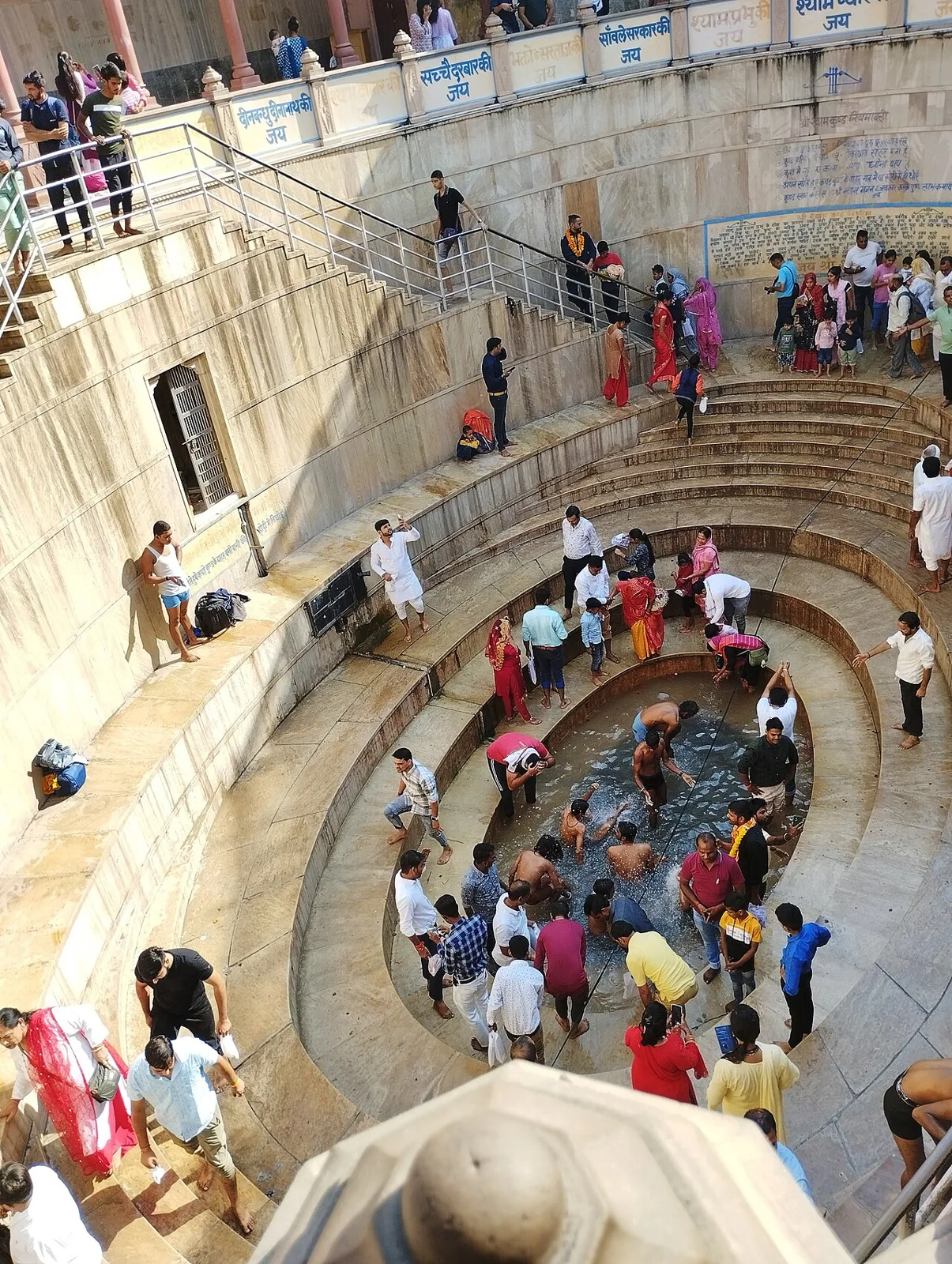
Gangaur and Teej, usually observed in spring and the monsoon season respectively, are important Rajasthani celebrations; Holi, Diwali and Navratri are also marked. Hindi is widely used, alongside Rajasthani speech, including local Shekhawati forms. Folk songs and devotional music accompany social and religious occasions, while dance traditions such as ghoomar belong to the broader regional culture. Temples in town and pilgrimage sites nearby draw worshippers throughout the year, with larger gatherings around religious occasions. Customs and celebrations may differ between the town and surrounding villages.

Visiting the city

The cooler months, roughly October to March, are generally the most comfortable for visiting; summer afternoons can be very hot, while monsoon weather may affect road journeys. Jaipur International Airport is the nearest major airport. For rail travel, Nawalgarh railway station is a useful nearby station; confirm the best connection for your route before setting out.

Udaipurwati is most easily reached by road from Sikar and other towns in Jhunjhunu district. Local travel is usually by taxi, auto-rickshaw or other locally available road transport; arrange a vehicle for excursions to nearby shrines and countryside sites. Explore the central bazaar and older parts of town on foot where practical, then use Udaipurwati as a base for regional visits such as Shakambhari Mata and Lohargal. Ask locally about road conditions and access, especially during the monsoon.

Trips from the city

Nearest places to visit from Udaipurwati

Our closest destination guides, by straight-line distance.

Nawalgarh

24 km away · Jhunjhunu district

Nawalgarh

Nawalgarh is a heritage city in Rajasthan’s Shekhawati region, within Jhunjhunu district. Visitors are drawn by its heritage character, and it is 30.5 km from Sikar and 39.2 km from Jhunjhunu.

Khatu Shyam Temple

40 km away · Sikar district

Khatu Shyam Temple

In KhatuShyamJi town, Rajasthan, this Hindu shrine honours Khatu Shyam, believed to be a divine manifestation of Barbareek from the Mahabharat. Pilgrims visit throughout the year, especially for the Falgun Mela.

Mandawa

48 km away · Jhunjhunu district

Mandawa

Mandawa is a town in Rajasthan’s Jhunjhunu district, within the Shekhawati region. Travellers visit it as part of journeys through the region and nearby Jhunjhunu.

Samode

66 km away · Jaipur district

Samode

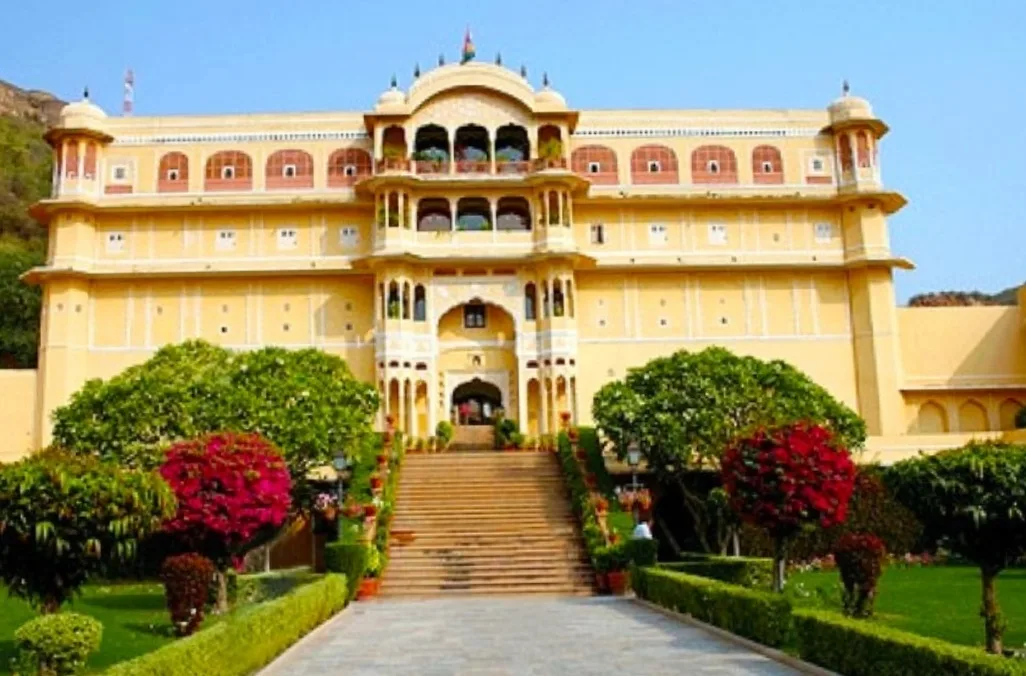
Samode is a village in Rajasthan’s Aravalli hills, north-west of Jaipur. Visitors come for its palace, haveli and garden, historic properties now operated as heritage hotels.

Amber Fort

90 km away · Jaipur district

Amber Fort

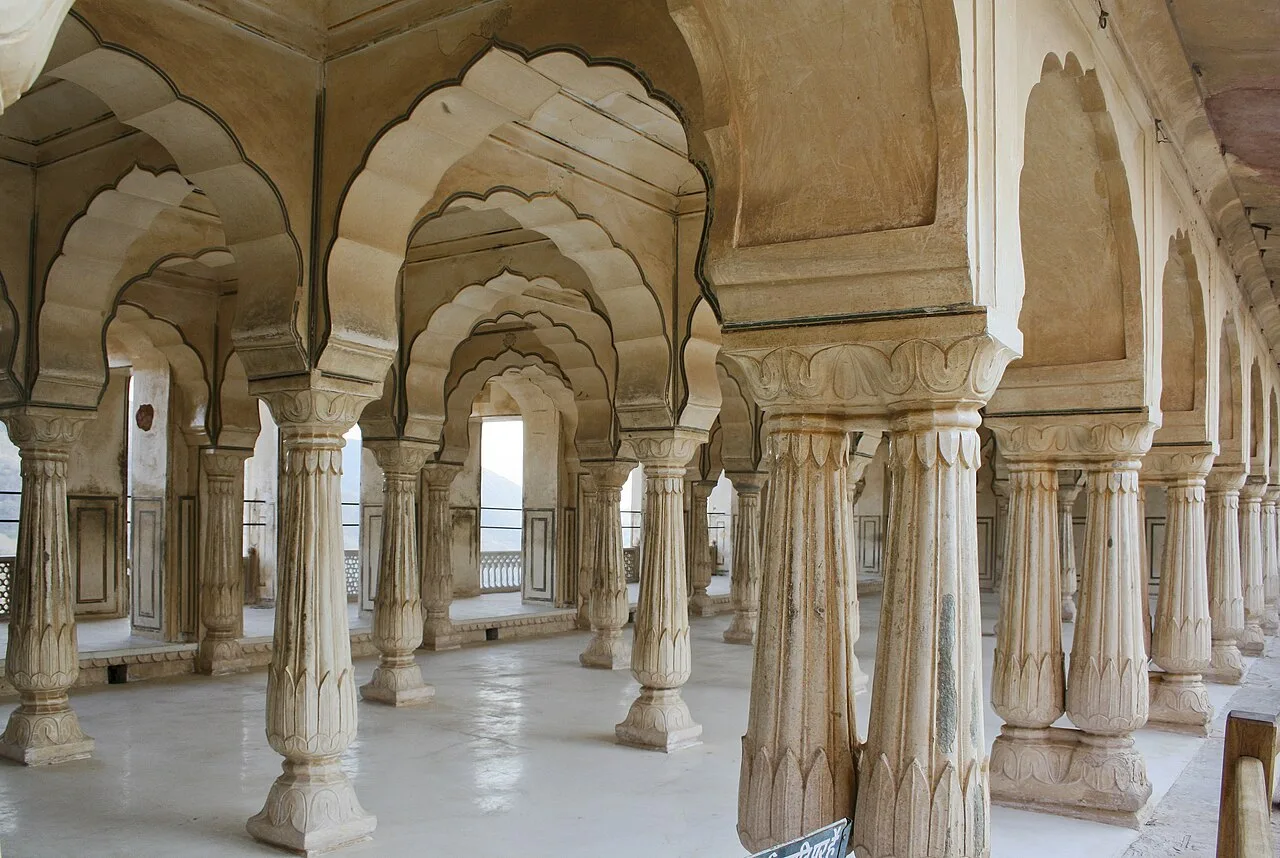
Amber Fort, also known as Amer Palace, is a hilltop fort in Amer, Rajasthan. Visitors explore its Rajput and Mughal-influenced design, palace halls and setting above Maota Lake.

Jaigarh Fort

90 km away · Jaipur district

Jaigarh Fort

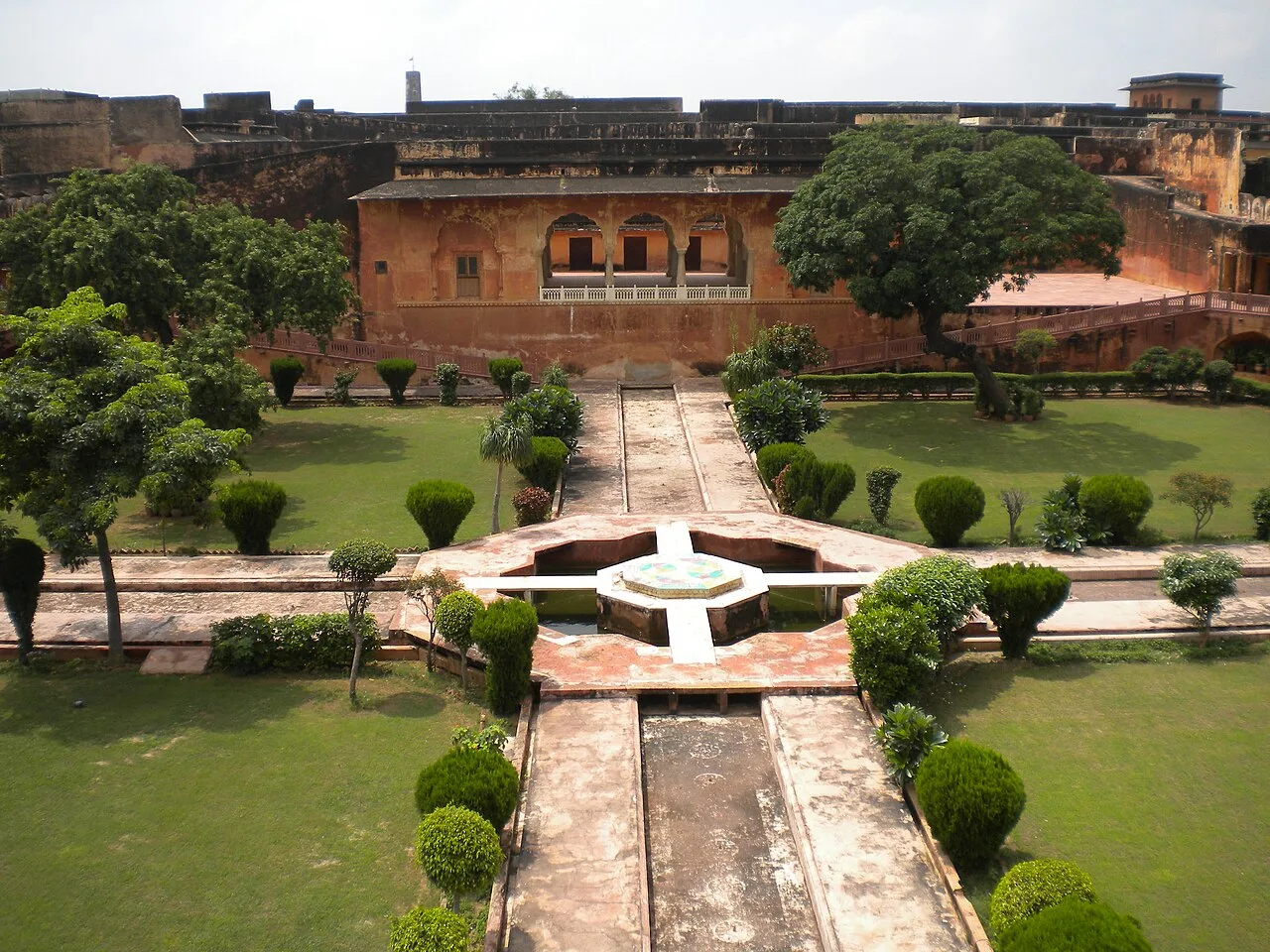
Near Amer in Rajasthan, Jaigarh Fort occupies a hilltop above Amer Fort and Maota Lake. Visitors come to see its historic fortifications, its connection to Amer Fort and the Jaivana cannon.

Jal Mahal

93 km away · Jaipur district

Jal Mahal

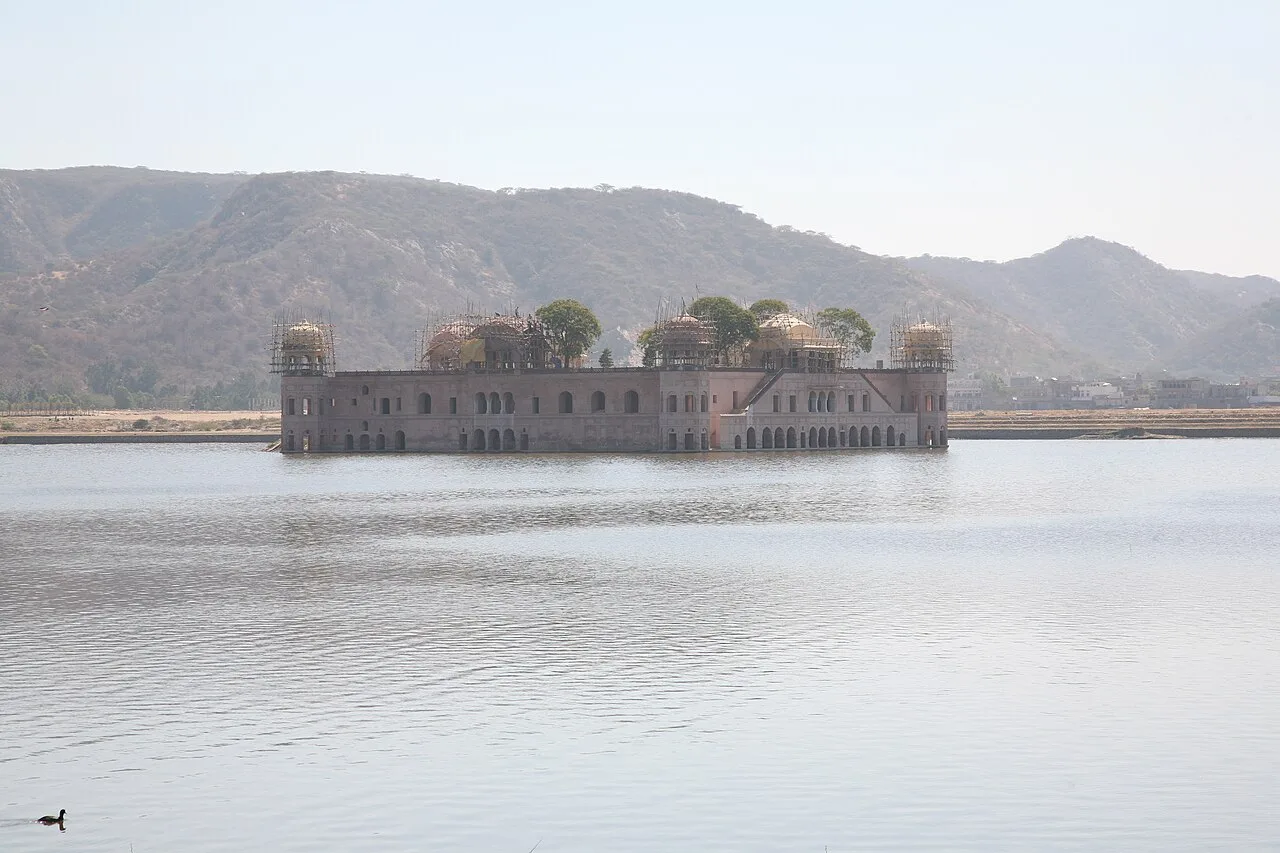
Jal Mahal is a historic palace set within Man Sagar Lake in Jaipur, Rajasthan. Visitors come to see the palace in its lake setting.

Nahargarh Fort

94 km away · Jaipur district

Nahargarh Fort

Nahargarh Fort is a historic stronghold in Jaipur, Rajasthan, overlooking the city from the Aravalli range. Visitors come for its elevated outlook and its role in Jaipur’s former defences.

Map

Udaipurwati on the map

  1. 1Nawalgarh
  2. 2Khatu Shyam Temple
  3. 3Mandawa
  4. 4Samode
  5. 5Amber Fort
  6. 6Jaigarh Fort
  7. 7Jal Mahal
  8. 8Nahargarh Fort

Rajasthan

Other cities to explore