Ghumoopedia — Explore, Discover, Experience
Sign in
Sariska Tiger Reserve, near Viratnagar

City guide · Rajasthan

Viratnagar

Viratnagar, also known historically as Bairat or Bairath, is a small town in Rajasthan’s Kotputli-Behror district with an unusually deep archaeological story. Its site is associated with Viratanagara, the capital of the ancient Matsya kingdom, one of the major states of early India.

Famous for

  • Ancient Matsya capital
  • Bijak-ki-Pahadi chaitya
  • Ashokan rock edicts
  • Buddhist archaeological remains
  • Mughal-era murals

Why Viratnagar matters

Viratnagar, also known historically as Bairat or Bairath, is a small town in Rajasthan’s Kotputli-Behror district with an unusually deep archaeological story. Its site is associated with Viratanagara, the capital of the ancient Matsya kingdom, one of the major states of early India. That past gives the town importance beyond its present-day role as a regional service centre.

Visitors come chiefly for its heritage remains. Bijak-ki-Pahadi preserves the ruins of an early Buddhist chaitya, while nearby archaeological sites include a monastery, a timber shrine and rock edicts associated with Emperor Ashoka. Mughal-era structures add another layer, including a chhatri with notable murals and a hunting lodge linked with Akbar. The remains are spread around a modest town rather than arranged as a large, modern museum complex, so Viratnagar suits travellers interested in history, archaeology and quieter inland Rajasthan. Its appeal lies less in shopping or resort amenities than in the chance to encounter several periods of Indian history in one setting.
Famous for: crafts, trade & products

Viratnagar is best known for its archaeological heritage rather than for a signature textile, saree, handicraft or food product. The Buddhist remains at Bijak-ki-Pahadi and the Ashokan edicts are its most distinctive cultural landmarks; the Mughal chhatri and hunting lodge are also notable. These sites make heritage visits the town’s clearest draw.

There is no widely established local GI-tagged product or major craft industry associated with Viratnagar. The town’s local bazaars mainly meet everyday needs, and visitors should not expect the specialised shopping districts found in larger Rajasthani cities. For a broad selection of regional textiles, handicrafts and souvenirs, travellers are more likely to find dedicated shops and markets in Jaipur or Alwar. In Viratnagar, small shops may offer routine provisions and locally made goods, but availability varies. The most reliable way to understand what the town is known for is to explore its historic sites and ask locally about any current artisan work or seasonal market activity rather than assume a particular craft tradition.

History

The town’s history reaches back to the Iron Age Matsya kingdom. Ancient Viratanagara is identified with present-day Bairat, and Matsya appears among the sixteen major states described in early Buddhist literature. The site later became part of the Mauryan Empire. Its Buddhist remains include the third-century BCE chaitya at Bijak-ki-Pahadi and rock edicts associated with Ashoka, making the area important to the study of early Buddhism and Mauryan rule.

Later centuries left further traces, including a Mughal hunting lodge associated with Akbar’s journeys to Ajmer and a chhatri decorated with murals. In the princely era, Bairat formed part of Jaipur State under British paramountcy. It subsequently became part of Rajasthan, and today Viratnagar is within Kotputli-Behror district. Modern growth has centred on its role as a local town and road-linked settlement, while its archaeological landscape remains the strongest reason for wider recognition.

Food, festivals & culture

Everyday food reflects the broader cuisine of northeastern Rajasthan: wheat or millet breads, lentils, seasonal vegetables and savoury gram-flour dishes are common regional choices. Dal baati churma, gatte ki sabzi and ker sangri are familiar Rajasthani dishes, though menus and home cooking vary. Sweets such as ghevar are associated with the wider region, especially around festive occasions; Viratnagar is not especially known for a single signature dish.

Hindi and local Rajasthani speech are used in daily life. Hindu festivals such as Holi and Diwali bring community gatherings, while Gangaur and Teej are observed in the spring and monsoon seasons respectively. Folk songs and devotional music form part of regional celebrations, alongside popular music. Local Hindu temples serve as places of worship; the Buddhist ruins are primarily archaeological heritage sites today. Visitors should be considerate at active shrines and check locally if a religious gathering affects access.

Visiting the city

The cooler months, roughly October to March, are generally the most comfortable for exploring the ruins; summers can be very hot, while the monsoon brings rain and greener surroundings. Jaipur International Airport is the nearest major airport. Alwar Junction is a useful major railway station for onward road travel, with Jaipur Junction another option depending on connections. Check current transport links before setting out.

Viratnagar is easiest to explore by road. Local road transport and hired vehicles can help reach sites beyond the town centre; arrange return transport in advance for outlying ruins. Focus on the archaeological area around Bijak-ki-Pahadi and the Ashokan edict sites, then explore the old town and its bazaar. The surrounding countryside and low hills offer a quieter contrast, but facilities may be limited.

Trips from the city

Nearest places to visit from Viratnagar

Our closest destination guides, by straight-line distance.

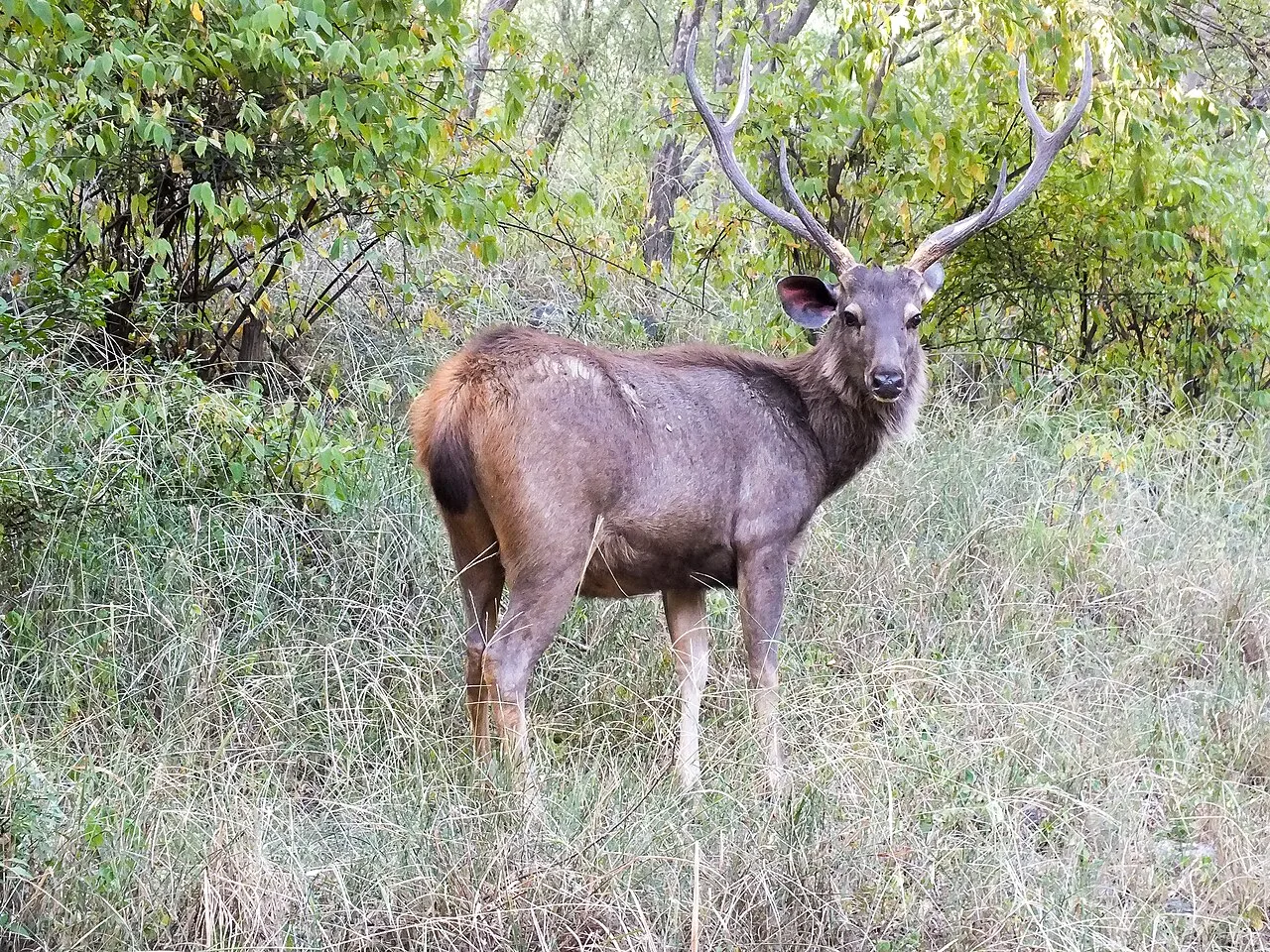
Sariska Tiger Reserve

28 km away · Alwar district

Sariska Tiger Reserve

Sariska Tiger Reserve, in Rajasthan’s Alwar district, is a protected area with tiger-reserve status and varied forest, grassland and rocky habitats. Visitors come to experience its wildlife and conservation setting.

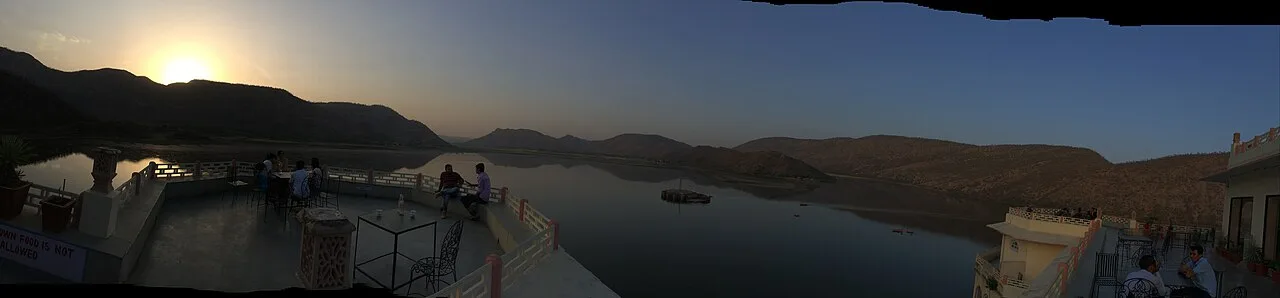
Siliserh Lake

36 km away · Alwar district

Siliserh Lake

Siliserh Lake is an artificial lake in Rajasthan, southwest of Alwar, with wooded banks and cenotaphs along its embankment that visitors come to see.

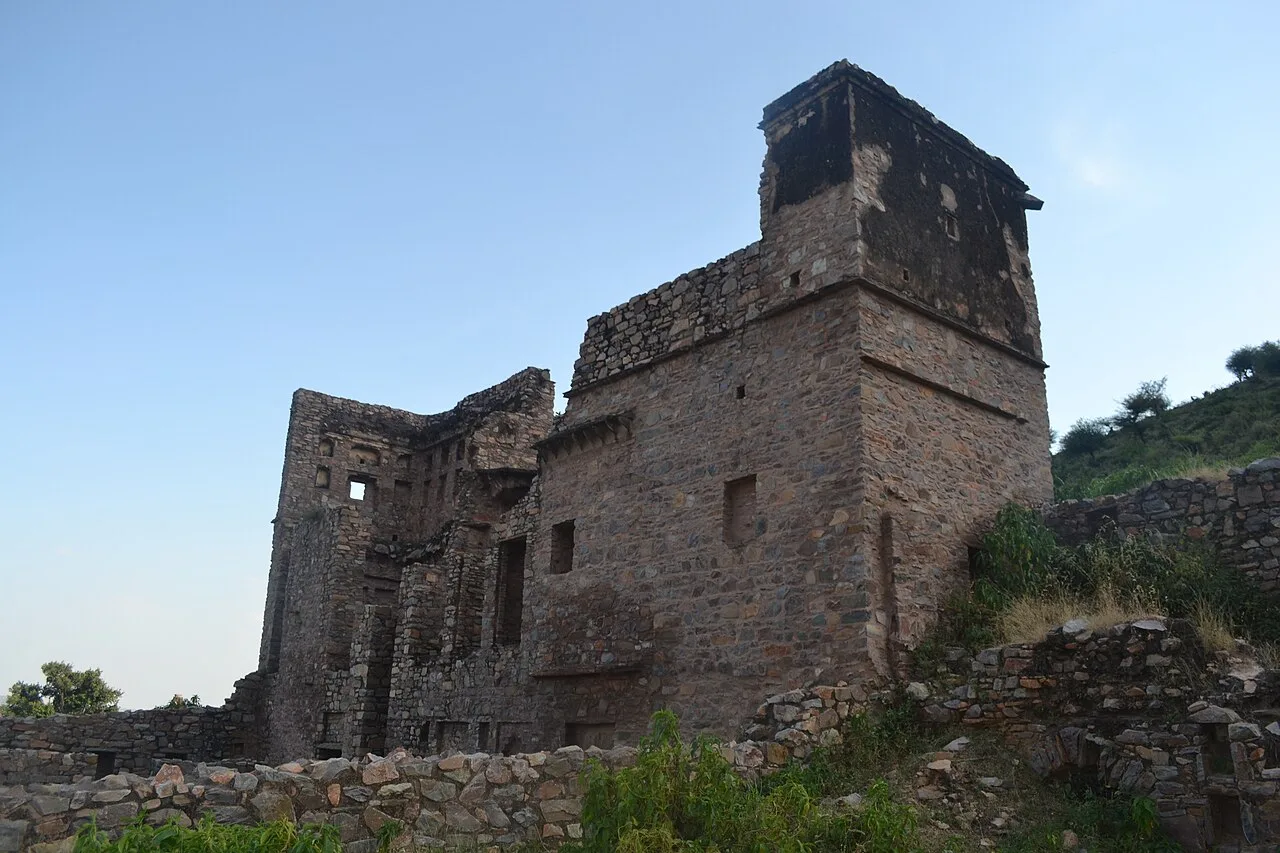
Bhangarh Fort

39 km away · Alwar district

Bhangarh Fort

Dating to the sixteenth century, Bhangarh Fort in Rajasthan is linked to Madho Singh’s residence. Visitors come to view the preserved fort and its surrounding precincts.

Samode

45 km away · Jaipur district

Samode

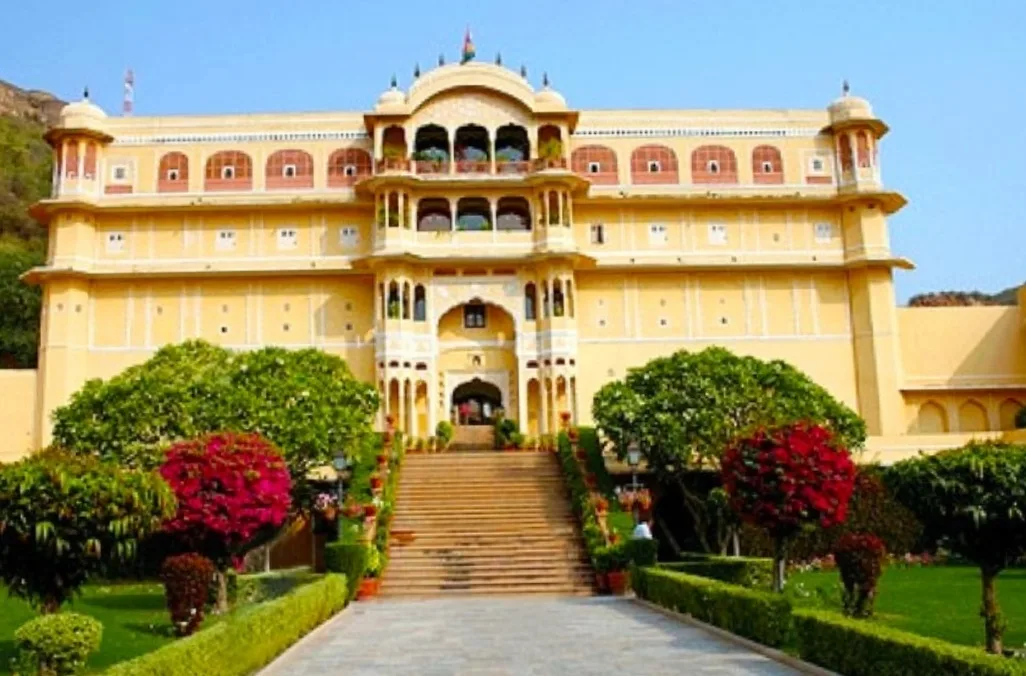
Samode is a village in Rajasthan’s Aravalli hills, north-west of Jaipur. Visitors come for its palace, haveli and garden, historic properties now operated as heritage hotels.

Amber Fort

60 km away · Jaipur district

Amber Fort

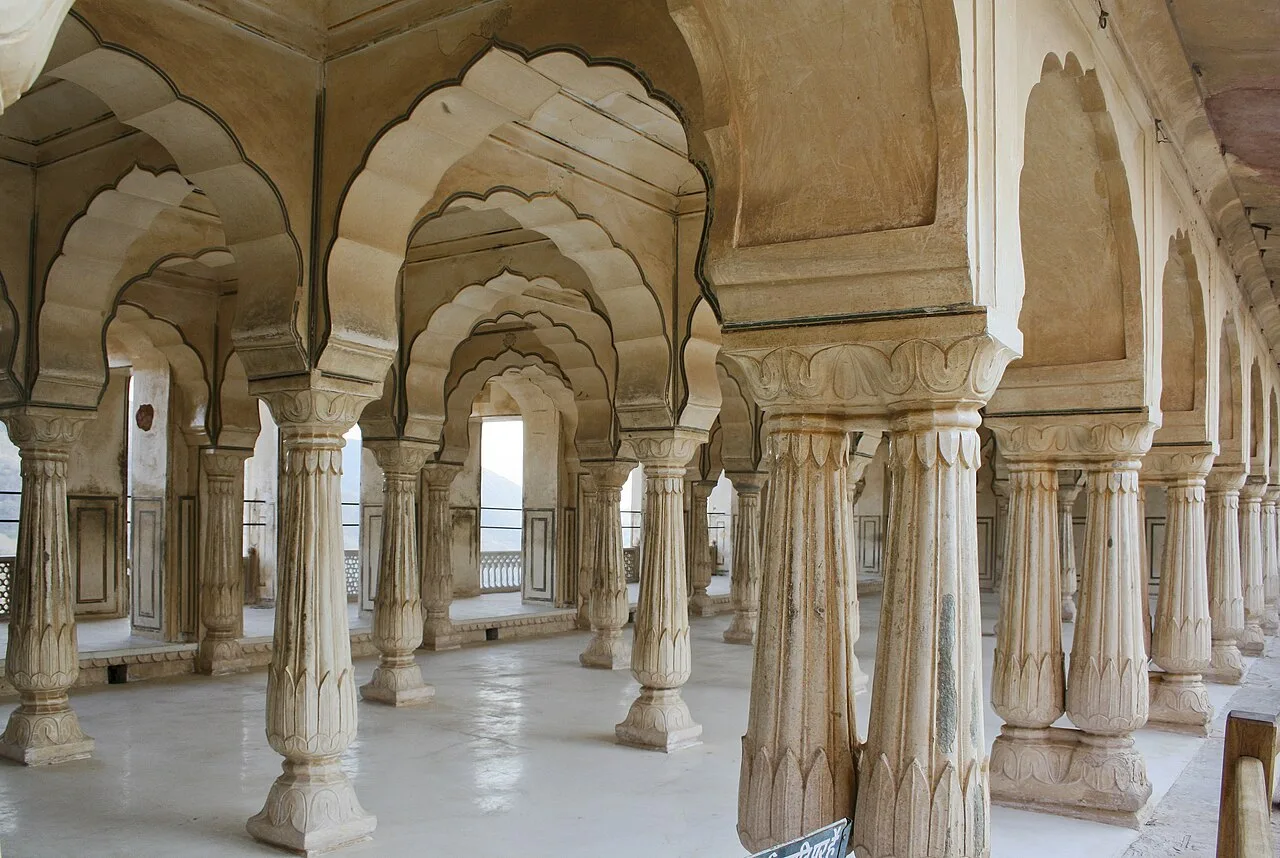
Amber Fort, also known as Amer Palace, is a hilltop fort in Amer, Rajasthan. Visitors explore its Rajput and Mughal-influenced design, palace halls and setting above Maota Lake.

Jaigarh Fort

60 km away · Jaipur district

Jaigarh Fort

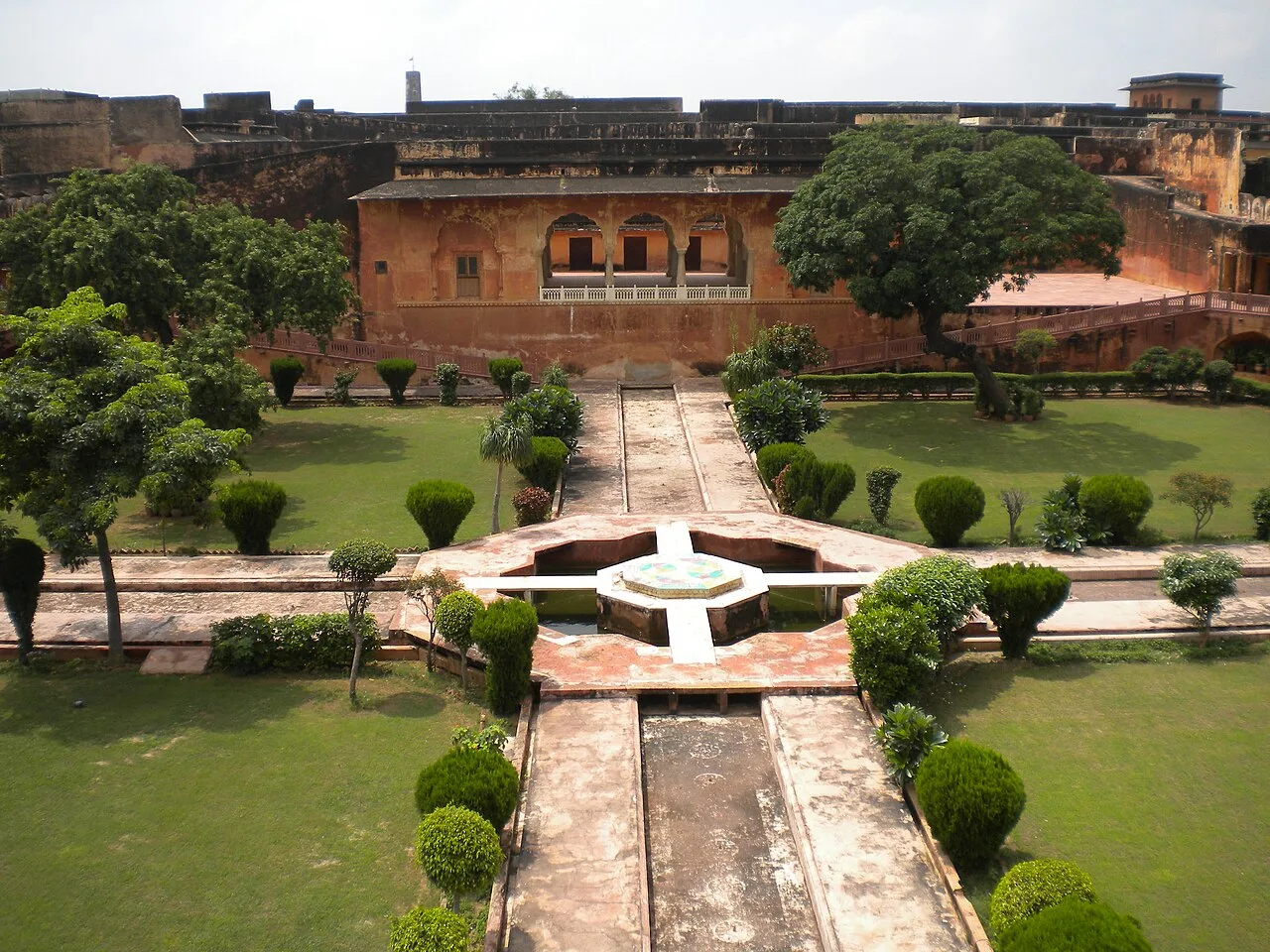
Near Amer in Rajasthan, Jaigarh Fort occupies a hilltop above Amer Fort and Maota Lake. Visitors come to see its historic fortifications, its connection to Amer Fort and the Jaivana cannon.

Galtaji

62 km away · Jaipur district

Galtaji

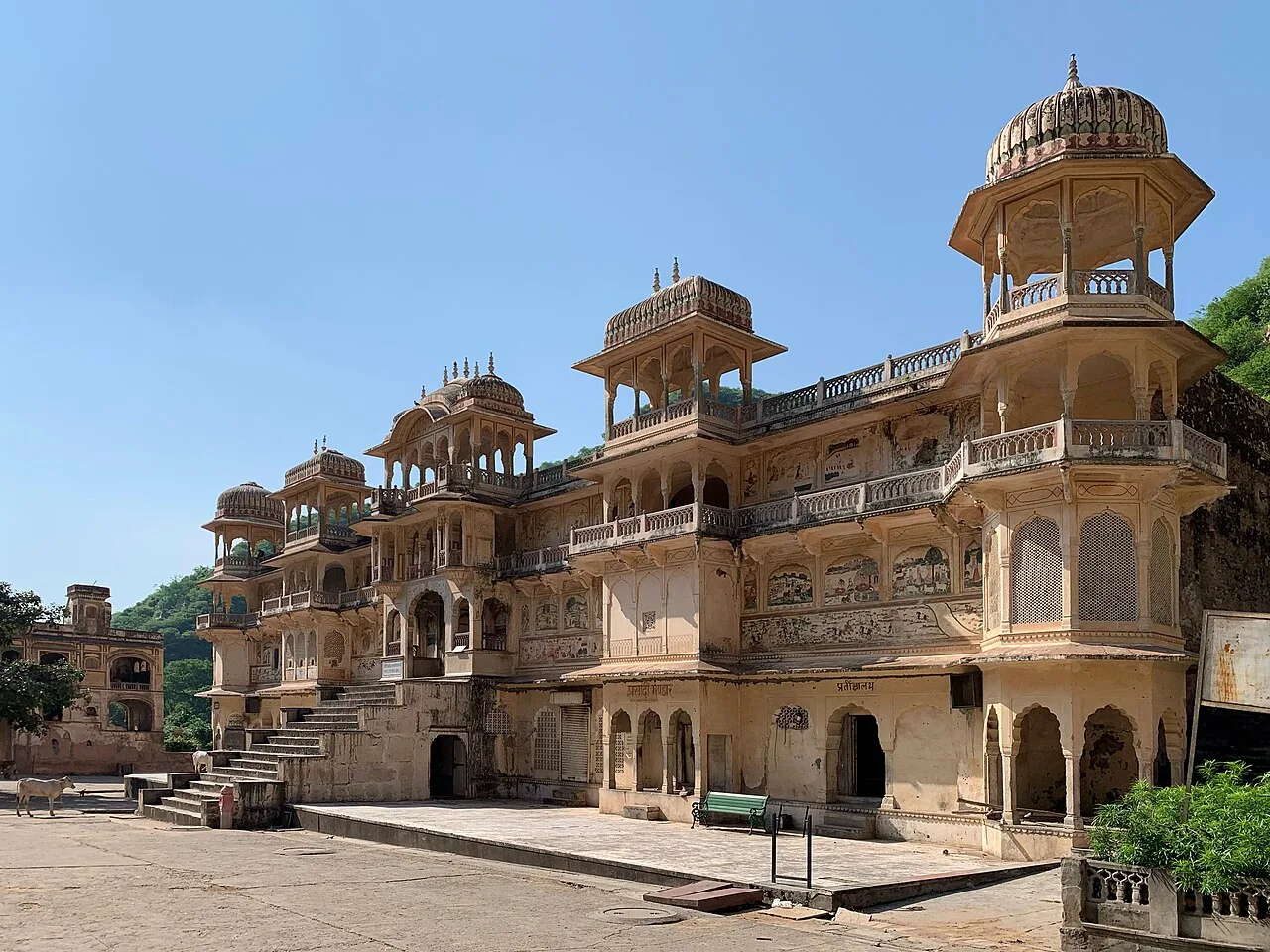
Galtaji is an ancient Hindu pilgrimage complex in Jaipur district, around 10 km east of Jaipur. Pilgrims visit its temples and bathe in tanks fed by a hillside spring.

Chand Baori

63 km away · Dausa district

Chand Baori

In Abhaneri, Chand Baori is a historic Rajasthan stepwell known for its depth and tiered stairways. Visitors come to see its inverted-pyramid layout and large reservoir.

Map

Viratnagar on the map

  1. 1Sariska Tiger Reserve
  2. 2Siliserh Lake
  3. 3Bhangarh Fort
  4. 4Samode
  5. 5Amber Fort
  6. 6Jaigarh Fort
  7. 7Galtaji
  8. 8Chand Baori

Rajasthan

Other cities to explore