Ghumoopedia — Explore, Discover, Experience
Sign in

City guide · Rajasthan

Harji

Harji is a village in Ahore tehsil of Jalore district, in western Rajasthan. Its setting on the road between Sirohi and Jalore gives it a practical connection to nearby towns, while its best-known distinction is a traditional craft: making horses used in religious and devotional contexts.

Famous for

  • Traditional sacred-horse craft
  • Handmade ritual horses
  • Sirohi–Jalore roadside setting

Why Harji matters

Harji is a village in Ahore tehsil of Jalore district, in western Rajasthan. Its setting on the road between Sirohi and Jalore gives it a practical connection to nearby towns, while its best-known distinction is a traditional craft: making horses used in religious and devotional contexts. This association gives Harji a place in the region’s living craft culture and is its clearest point of interest for visitors seeking local traditions rather than a large collection of urban attractions.

The village is also part of the rural landscape of the Jalore district, where everyday life is closely tied to local communities and the surrounding countryside. Travellers passing through can look for opportunities to learn about the horse-making tradition from local residents or makers, with visits best arranged respectfully and in advance where possible. Harji is not a major resort or city-break destination; its appeal lies in its distinctive craft, its location along a regional route and the chance to experience a quieter side of Rajasthan. Jalore and Sirohi provide useful reference points for planning a visit.
Famous for: crafts, trade & products

Harji is particularly associated with the traditional making of sacred or ritual horses. These objects are linked to devotional practice, and the craft is the village’s defining cultural product. A direct conversation with an artisan, if one can be arranged, is likely to offer more insight than looking for a dedicated shopping street.

Harji is not widely identified with a major textile, saree, industrial or GI-tagged product. Nor should visitors assume that a large handicrafts bazaar operates in the village. For broader shopping and everyday services, Jalore town is a practical nearby centre; the Sirohi–Jalore road also connects Harji with other settlements in the area. The village’s importance in the crafts context is therefore specific rather than commercial at a large scale: it is known for a local devotional art, while most other purchases are best sought in larger towns. Ask before photographing makers or their work, and confirm local availability during the visit.

History

Harji’s known profile is that of a village in Ahore tehsil, rather than a historic capital or major princely centre. Its development has been shaped by its rural setting and its position on the route linking Sirohi and Jalore. The traditional making of devotional horses points to a craft sustained through local religious and community practices, though a detailed chronology of the craft or of the village’s early growth is not established here.

The wider Jalore region has a deeper political history, and its towns and forts reflect the changing powers that held influence across western Rajasthan. During the colonial period, the area formed part of the princely-state landscape associated with Jodhpur; village administration and life were consequently shaped more by regional structures than by a large colonial settlement in Harji itself. After the integration of princely territories into modern Rajasthan, Harji continued as a rural settlement within Jalore district. Its contemporary identity rests on local community life, its road connection and its distinctive craft tradition.

Food, festivals & culture

Harji’s cultural character is rooted in village life and in the making of devotional horses, a craft associated with local religious practice. Marwari and other forms of Rajasthani are commonly used across the region, while Hindi is also understood. The most suitable places to encounter everyday worship are the village’s local temples and shrines; visitors should ask residents about customary practices and whether a particular site is appropriate to visit. No single named monument or annual fair should be assumed without checking locally.

The wider region observes major Hindu festivals such as Holi in spring, Teej during the monsoon season, and Diwali in autumn. Celebrations and observances can vary between families and communities. Food is generally in keeping with western Rajasthan’s home cooking: visitors may encounter dishes such as dal baati churma, gatte preparations or ker sangri, but these should not be treated as specialties unique to Harji. Folk and devotional singing are part of the broader cultural landscape of Rajasthan, though performances in the village are not guaranteed. Asking locally is the best way to learn what is taking place during a visit.

Visiting the city

The cooler months, roughly from October to March, are generally the most comfortable time to visit; summer can be very hot, while monsoon conditions vary. Jodhpur Airport is a practical major air gateway for the region. Jalore railway station is the main rail point to consider for reaching the district, with onward travel to Harji by road. Check current connections before setting out.

Harji lies on the road between Sirohi and Jalore, so a private vehicle or locally available taxi is useful for the final leg. Local transport options may be limited, and visitors should arrange onward travel in advance. In the village, explore the central settlement and ask respectfully about the sacred-horse craft and local places of worship. Jalore town can serve as a base for services and wider district excursions; Harji itself is best approached as a short, locally focused visit.

Trips from the city

Nearest places to visit from Harji

Our closest destination guides, by straight-line distance.

Ranakpur Jain temple

65 km away · Pali district

Ranakpur Jain temple

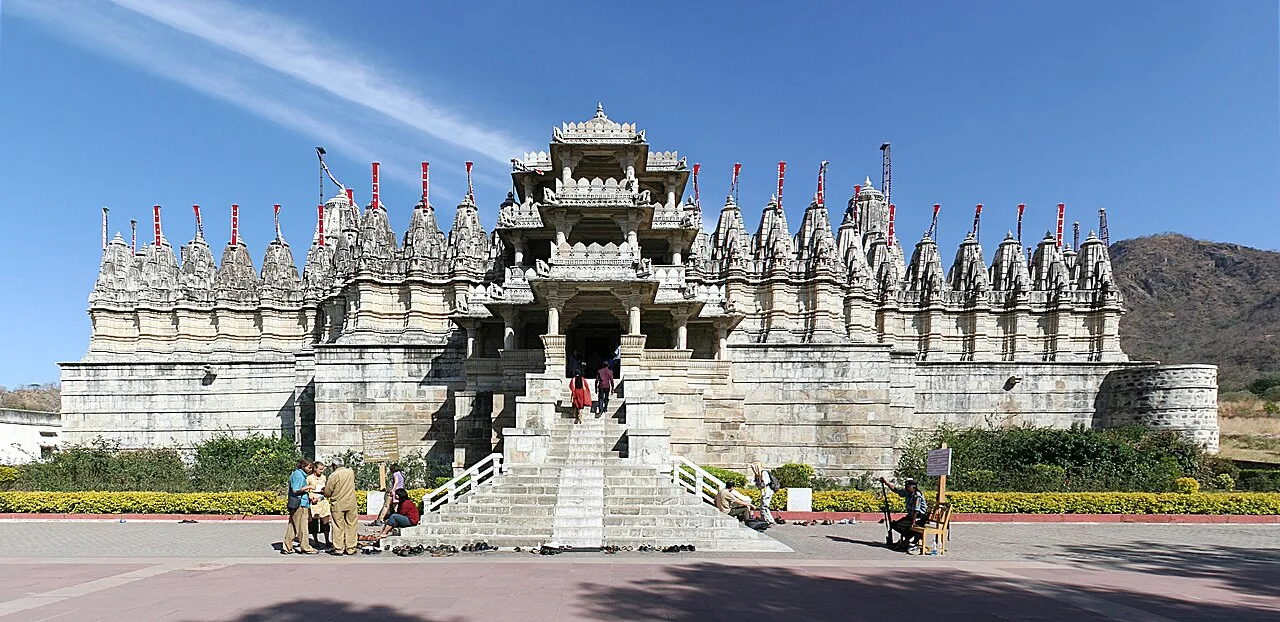
The Ranakpur Jain temple, also known as Chaturmukha Dharana Vihara, is a Śvētāmbara shrine devoted to Rishabhanatha. Jain pilgrims visit this important religious site and its group of associated temples.

Guru Shikhar

72 km away · Sirohi district

Guru Shikhar

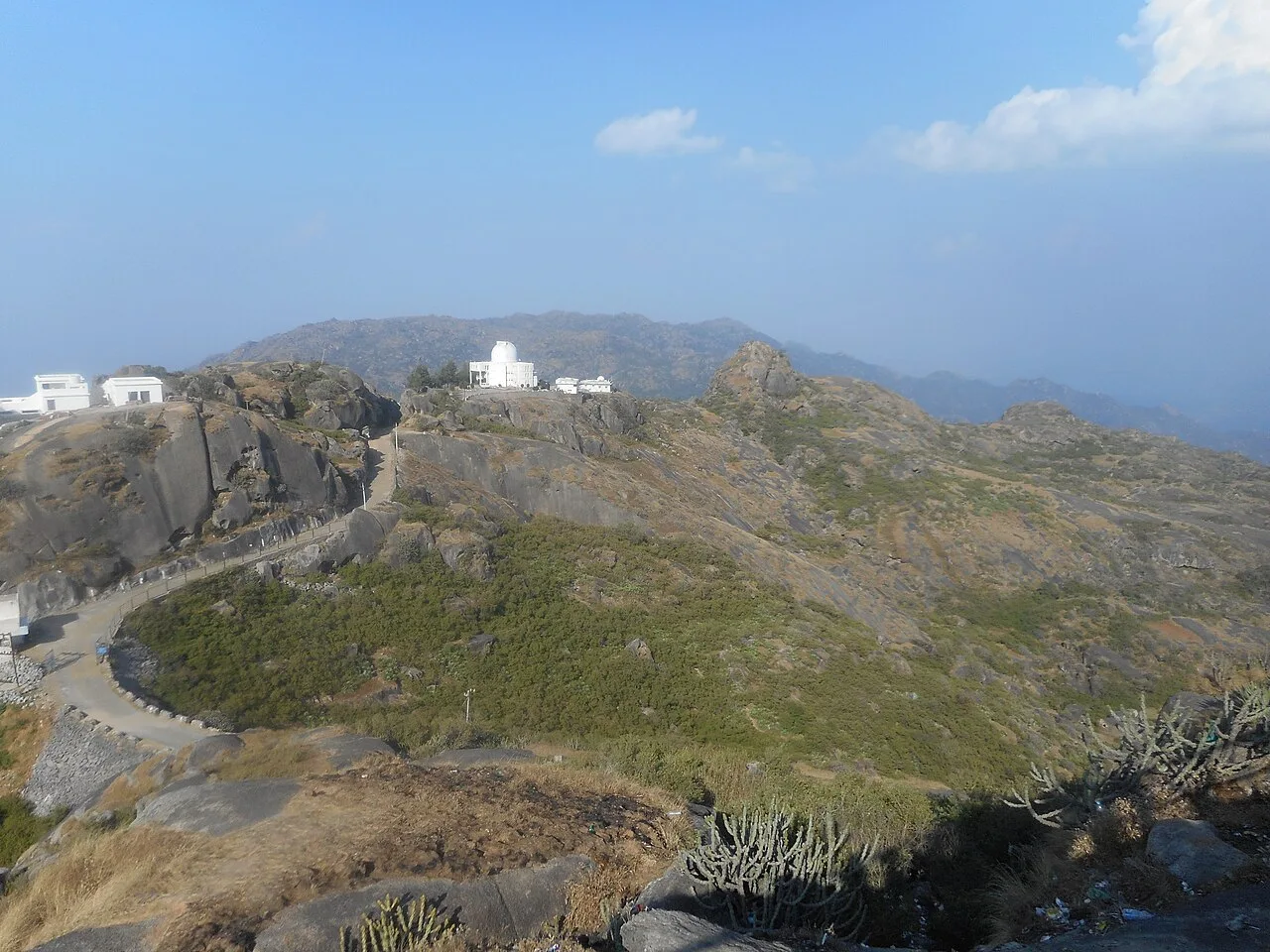
Guru Shikhar is a 1,722-metre summit in Rajasthan’s Arbuda Mountains, valued as the Aravalli Range’s highest point and visited for its hilltop shrines and nearby astronomical observatory.

Kumbhalgarh

74 km away · Rajsamand district

Kumbhalgarh

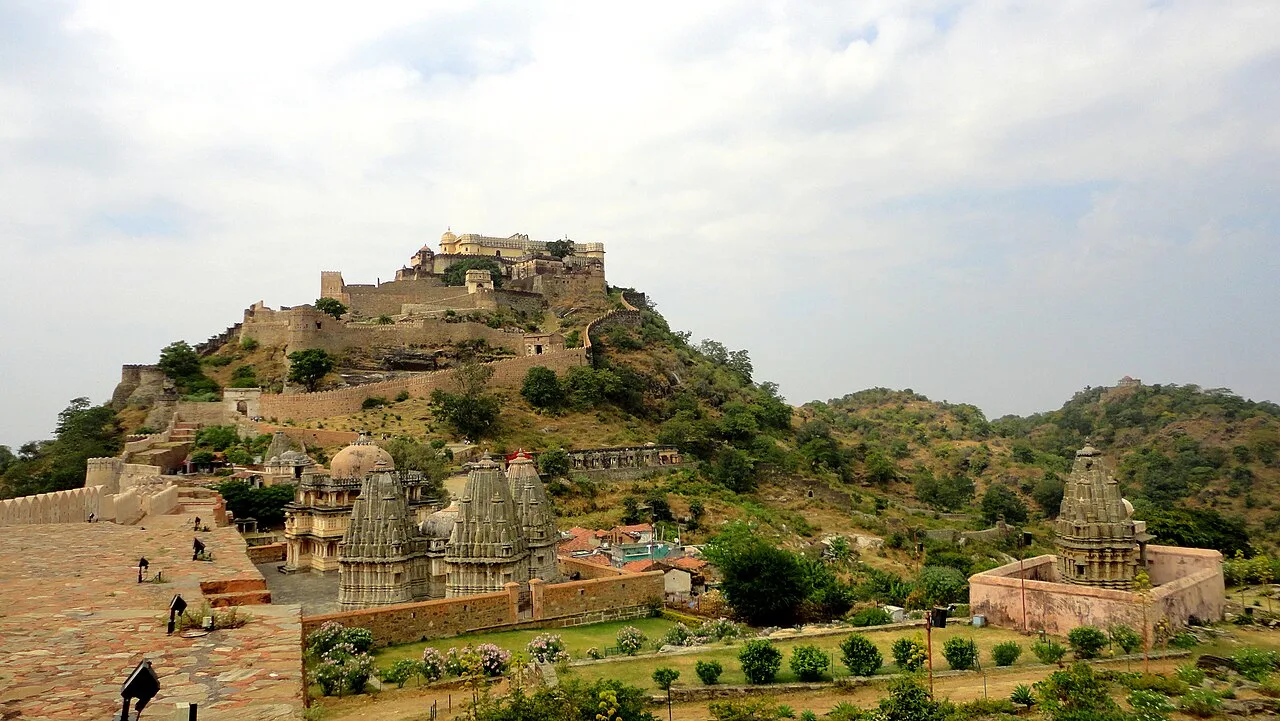
Kumbhalgarh, often called the Great Wall of India, is a 15th-century fortress in Rajasthan’s Aravalli Hills, visited for its fortifications, historical associations and UNESCO World Heritage status.

Dilwara Temples

77 km away · Sirohi district

Dilwara Temples

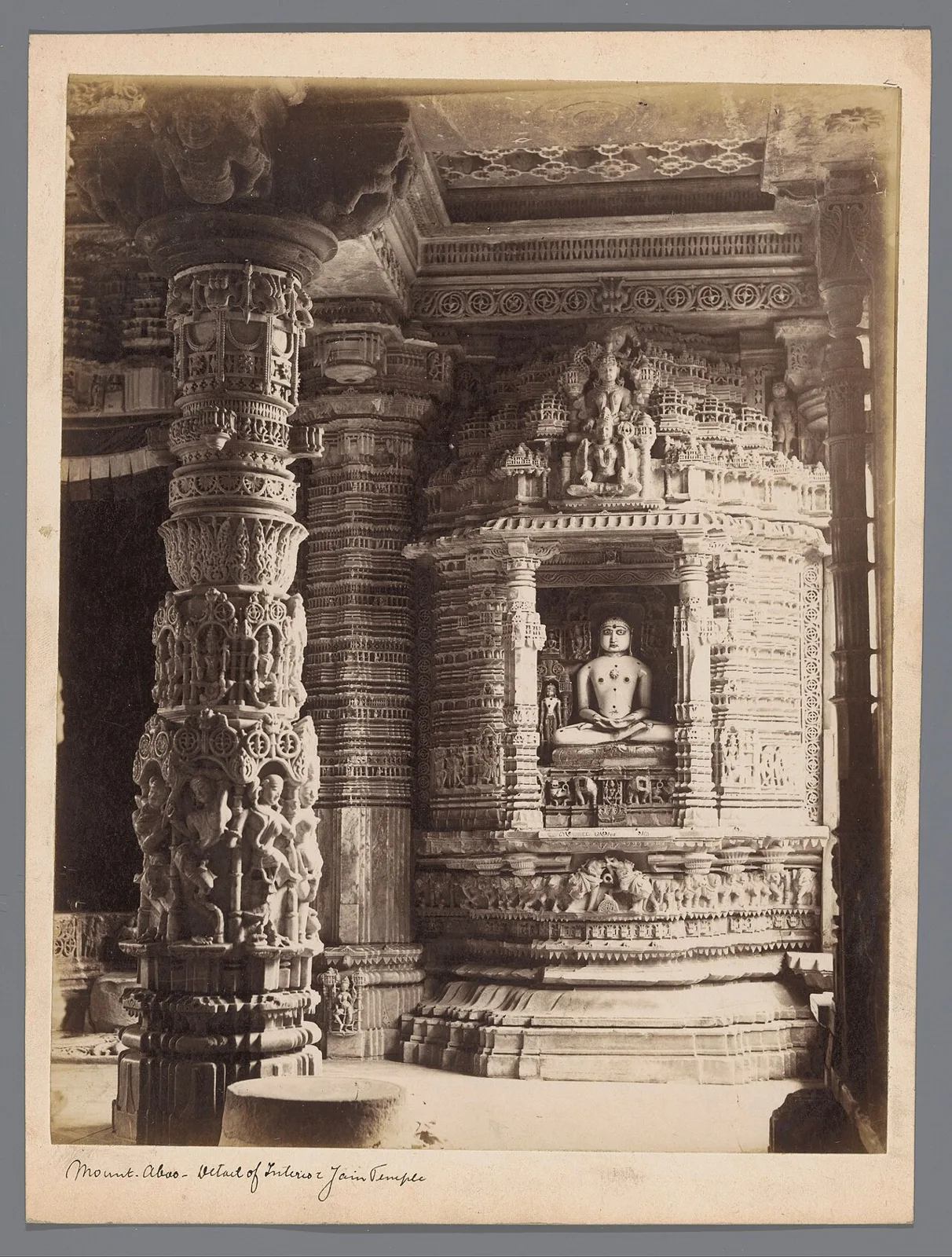
Dilwara Temples are a Śvetāmbara Jain complex near Mount Abu, Rajasthan, visited for pilgrimage and admired for their carved marble architecture.

Mount Abu

79 km away · Sirohi district

Mount Abu

In Rajasthan’s Sirohi district, Mount Abu, also known as Abu Raj, is a hill station on a rocky plateau. Visitors come for its water features, evergreen forests and Hindu and Jain temples.

Nakki Lake

79 km away · Sirohi district

Nakki Lake

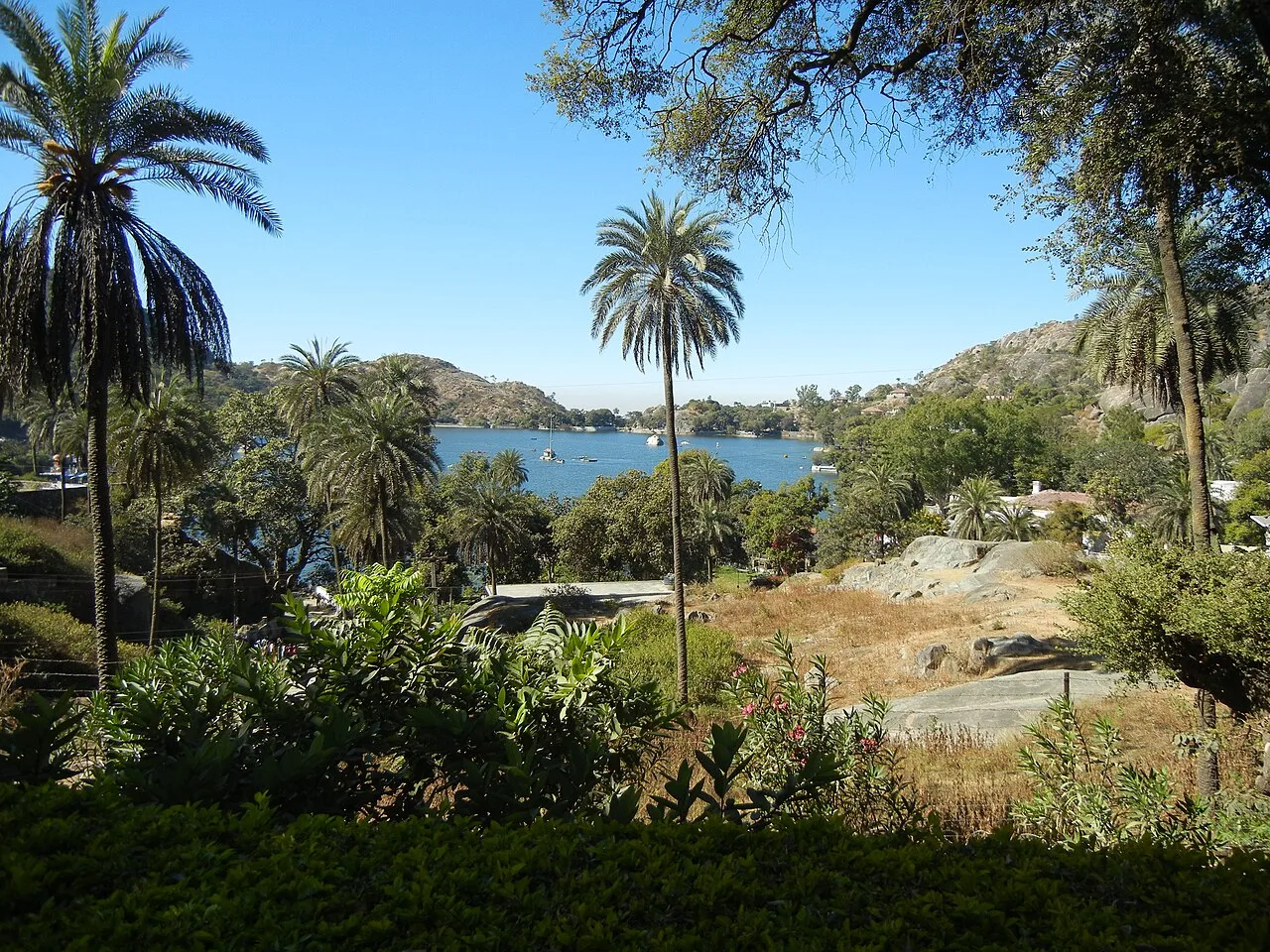
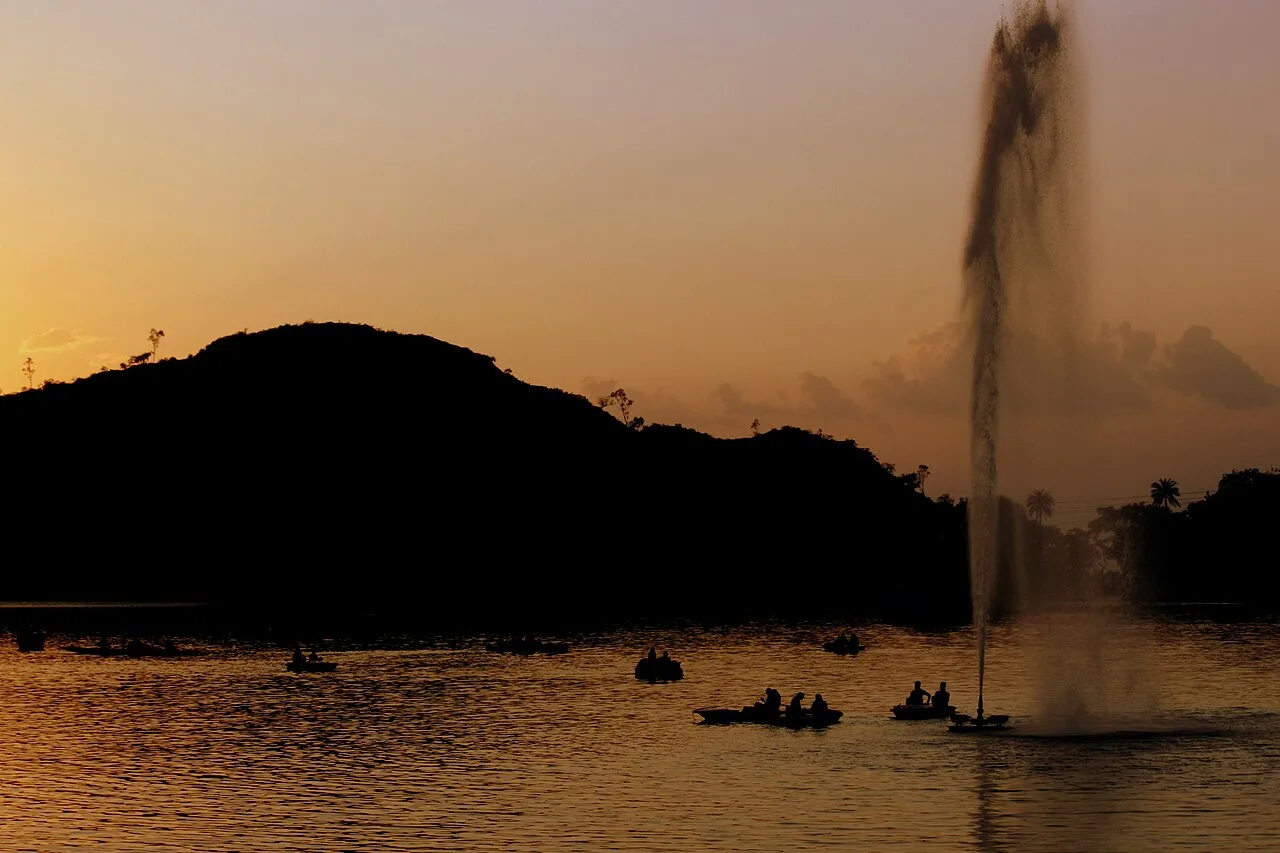
Nakki Lake is a lake at Mount Abu, a hill station in Rajasthan’s Sirohi district and the Aravalli range. Visitors come to see it while spending time at Mount Abu.

Pachpadra

91 km away · Barmer district

Pachpadra

Pachpadra is a town in Rajasthan’s Balotra district, near Balotra city. Visitors may see its salt-gathering lake, while the locality is also known for a large refinery and petrochemical complex.

Haldighati

95 km away · Rajsamand district

Haldighati

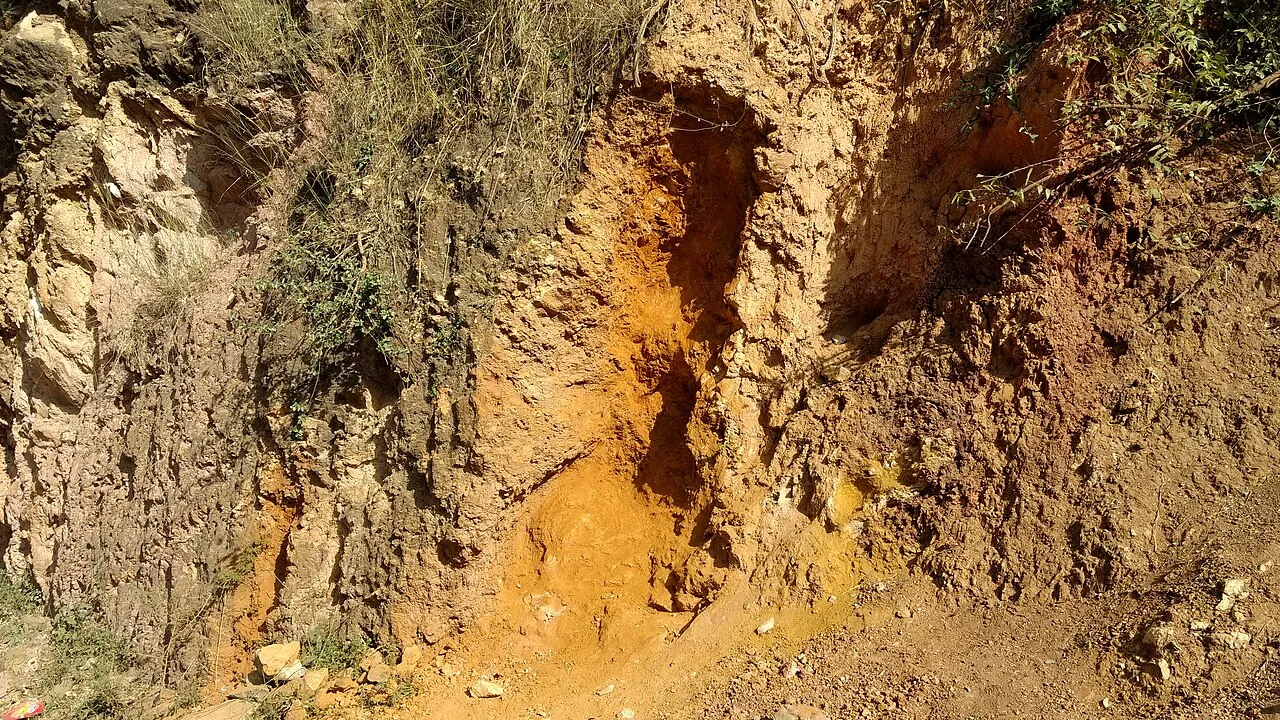
Haldighati is a historic route through Rajasthan’s Aravalli hills, connecting the Rajsamand and Udaipur districts. Visitors come to learn about its past and see the yellow soil associated with its name.

Map

Harji on the map

  1. 1Ranakpur Jain temple
  2. 2Guru Shikhar
  3. 3Kumbhalgarh
  4. 4Dilwara Temples
  5. 5Mount Abu
  6. 6Nakki Lake
  7. 7Pachpadra
  8. 8Haldighati

Rajasthan

Other cities to explore