Ghumoopedia — Explore, Discover, Experience
Sign in
Deeg Palace, near Kherli

City guide · Rajasthan

Kherli

Kherli is a municipality in Rajasthan’s Alwar district, known chiefly as a regional centre for agricultural trade. Its grain market has long been an important part of local commerce, and the older name “Ganj Kherli” preserves the town’s association with the mandi.

Famous for

  • Kherli grain mandi
  • Ganj Kherli name
  • Regional agricultural trade
  • Golden Triangle proximity

Why Kherli matters

Kherli is a municipality in Rajasthan’s Alwar district, known chiefly as a regional centre for agricultural trade. Its grain market has long been an important part of local commerce, and the older name “Ganj Kherli” preserves the town’s association with the mandi. Trade, everyday services and connections with surrounding villages give Kherli a practical role beyond its modest urban centre.

The town lies on the plains of eastern Rajasthan, with low hills to the west. Its position between Agra, Jaipur and Delhi places it within reach of three major travel and business hubs, although Kherli itself is quieter and less developed as a visitor destination. Travellers are most likely to stop for the market, local business or a look at everyday life in an agricultural town. Kherli is not known for a major monument, distinctive craft industry or large tourist attraction; its interest lies in its trading identity, regional setting and links to nearby cities.
Famous for: crafts, trade & products

Kherli’s best-established commercial identity is its grain mandi, commonly associated with the name Ganj Kherli. The market serves agricultural trade from the town and its surrounding countryside. Grain is the product most closely linked with Kherli’s public profile; there is not a similarly well-established reputation for a particular textile, saree, handicraft or GI-tagged product.

The mandi and nearby market streets are the most relevant places to see local commerce. The wholesale market is primarily a trading space, so visitors should not assume that every stall sells directly to the public. For everyday purchases, explore the central bazaar and ask locally about retailers dealing in regional produce. Kherli’s shops cater mainly to residents and nearby villages rather than to a specialist tourist market. Those looking for Rajasthan’s better-known crafts, textiles or branded products may find a broader selection in larger cities such as Jaipur or Agra. In Kherli, the market’s value is less about souvenir shopping and more about seeing the town’s continuing connection to agriculture and rural trade.

History

Kherli’s history is most visible in its long association with agricultural commerce. The name Ganj Kherli recalls the town’s identity as a grain-market centre, while its location among the plains and farming settlements of eastern Rajasthan helped make trade an enduring part of local life.

The wider Alwar region was shaped by princely rule before Rajasthan’s modern administrative structure took form. Kherli’s specific development under individual rulers or during the colonial period is not well established in commonly available local accounts, so claims of a particular founder or date should be treated cautiously. In modern times, Kherli has developed as a municipality and a service and trading centre for surrounding communities. Its links with larger cities have increased its regional accessibility, while the mandi remains central to its identity.

Food, festivals & culture

Daily life in Kherli reflects its role as a market town serving nearby rural communities. Hindi is widely used, alongside regional speech shaped by eastern Rajasthan and the neighbouring Braj area. Food is rooted in north Indian and Rajasthani home cooking; visitors may come across dishes such as dal baati churma, seasonal sweets and familiar snacks, though menus vary between households and shops. Kherli is not especially known for a signature dish or a distinct local food product.

Diwali and Holi are widely observed, while Teej and Gangaur bring seasonal traditions associated with Rajasthan. Family gatherings, temple visits and community celebrations are more characteristic than large visitor-focused festivals. Local religious life centres on neighbourhood temples and shrines, but Kherli is not known for a major pilgrimage site. Folk music and dance traditions belong to the wider region, though performances are generally tied to celebrations and community occasions rather than regular tourist programmes.

Visiting the city

The cooler months, roughly October to March, are generally the most comfortable time to visit; summer can be very hot, and the monsoon brings rain. Agra Airport is a nearby air option, while Jaipur International Airport offers another choice and a broader range of connections. Kherli railway station serves the town; check current services before setting out.

Within Kherli, local taxis, auto-rickshaws and other shared transport are practical options, with availability varying by time and destination. The central bazaar and grain-market area are the most useful places to explore for a sense of local trade. Visitors can also take in the surrounding agricultural plains, keeping in mind that farms and wholesale trading spaces are working areas. Kherli is best approached as a brief regional stop rather than a destination with a developed sightseeing circuit.

Trips from the city

Nearest places to visit from Kherli

Our closest destination guides, by straight-line distance.

Deeg Palace

40 km away · Bharatpur district

Deeg Palace

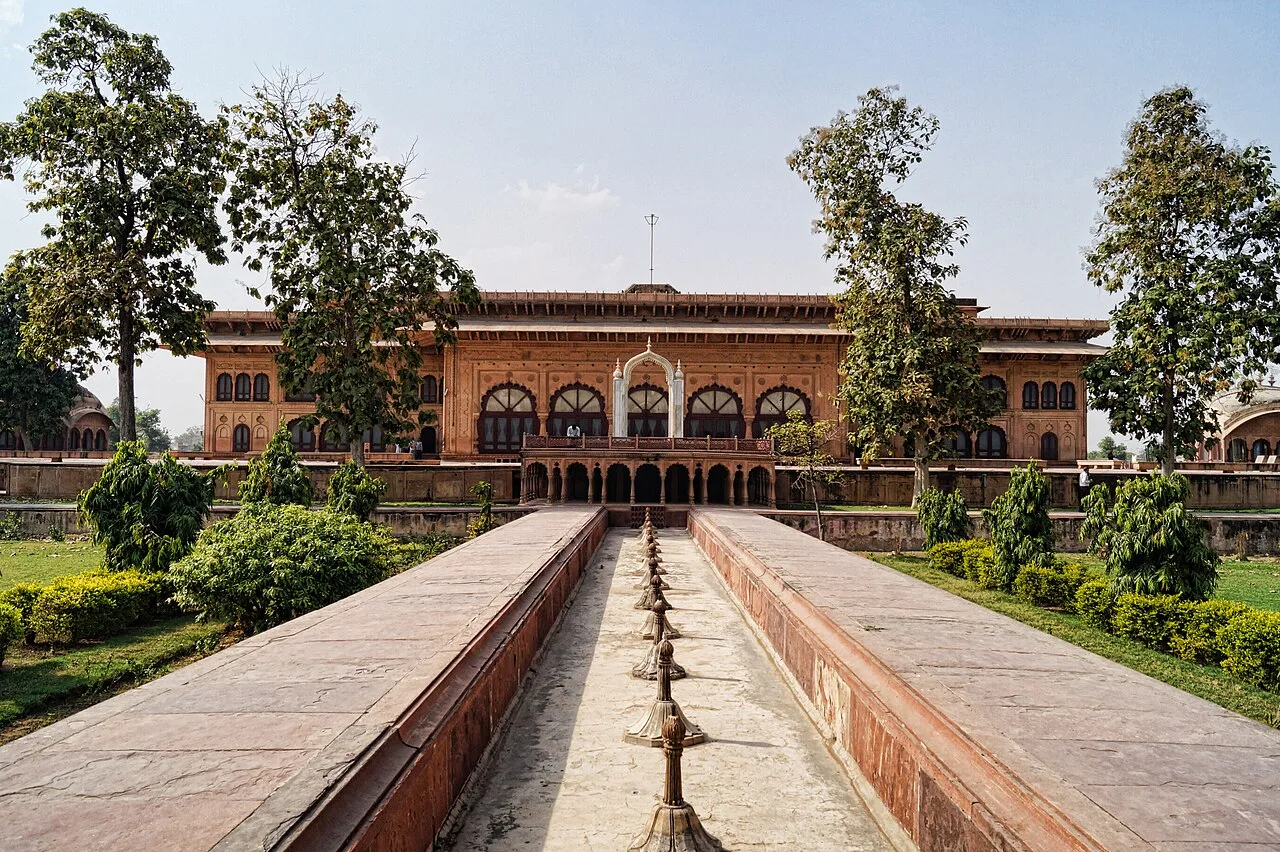
Deeg Palace is an eighteenth-century royal summer residence in Rajasthan; visitors come to see its Mughal and Rajput design and learn about its former defensive role.

Mehandipur Balaji Temple

42 km away · Dausa district

Mehandipur Balaji Temple

In Rajasthan’s Dausa district, Mehandipur Balaji Temple is a Hindu place of worship devoted to Hanuman. Pilgrims visit for its reputation for ritual healing and ceremonies to remove evil spirits.

Chand Baori

48 km away · Dausa district

Chand Baori

In Abhaneri, Chand Baori is a historic Rajasthan stepwell known for its depth and tiered stairways. Visitors come to see its inverted-pyramid layout and large reservoir.

Lohagarh Fort

51 km away · Bharatpur district

Lohagarh Fort

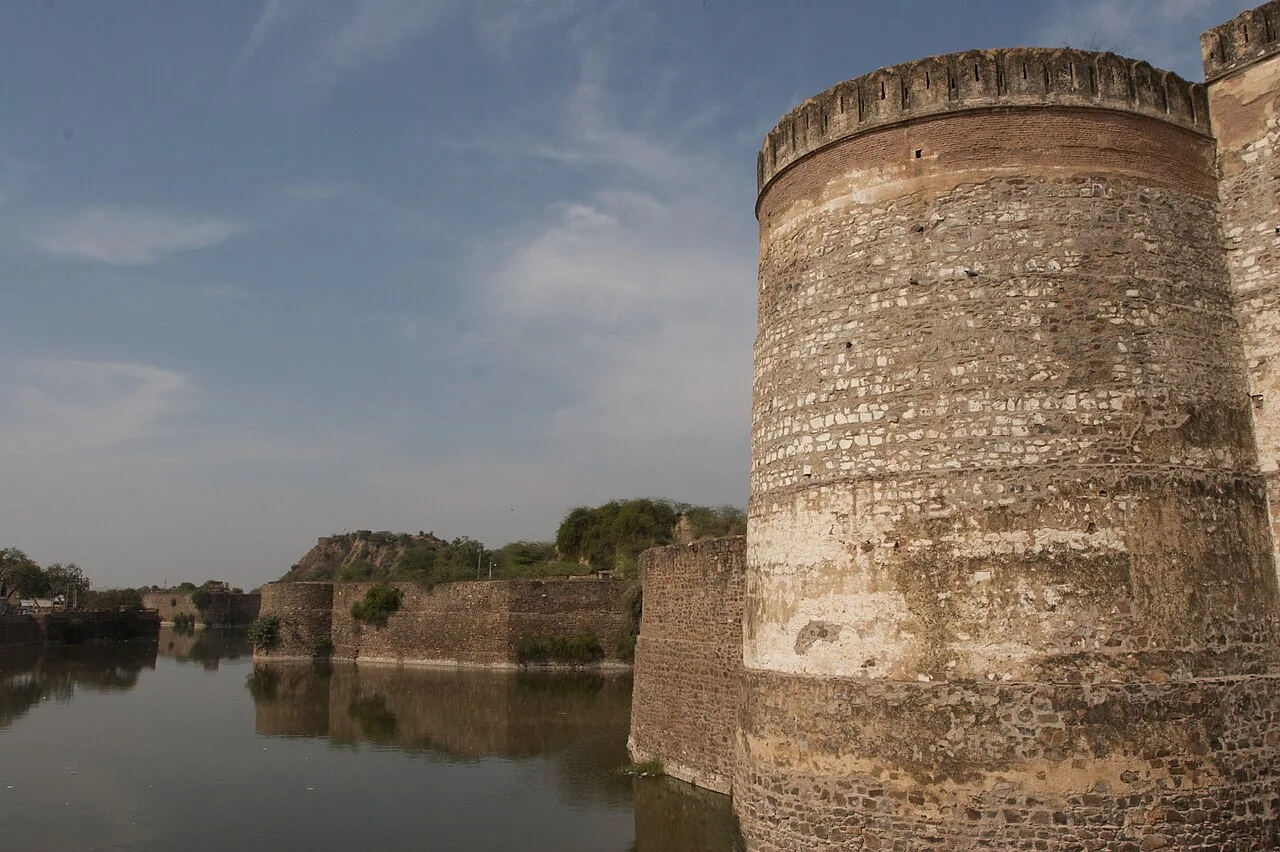
Lohagarh Fort is an eighteenth-century stronghold in Bharatpur, Rajasthan, commissioned by Maharaja Suraj Mal in 1732. Visitors learn about its resistance to British attacks and its eventual capture.

Siliserh Lake

53 km away · Alwar district

Siliserh Lake

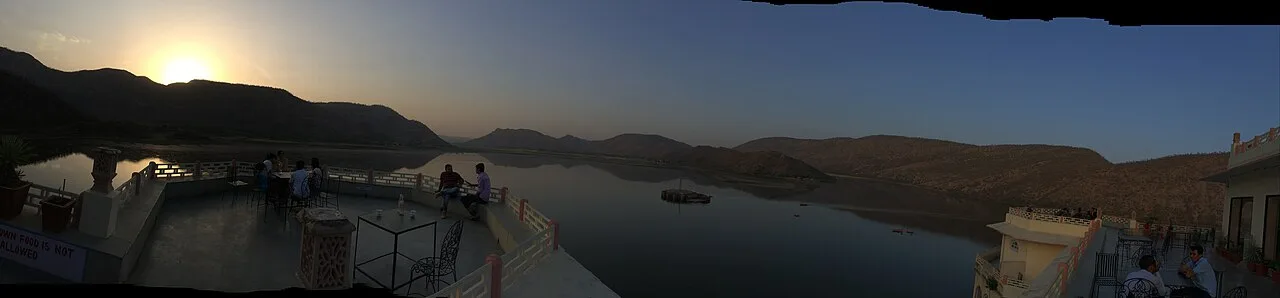
Siliserh Lake is an artificial lake in Rajasthan, southwest of Alwar, with wooded banks and cenotaphs along its embankment that visitors come to see.

Keoladeo National Park

54 km away · Bharatpur district

Keoladeo National Park

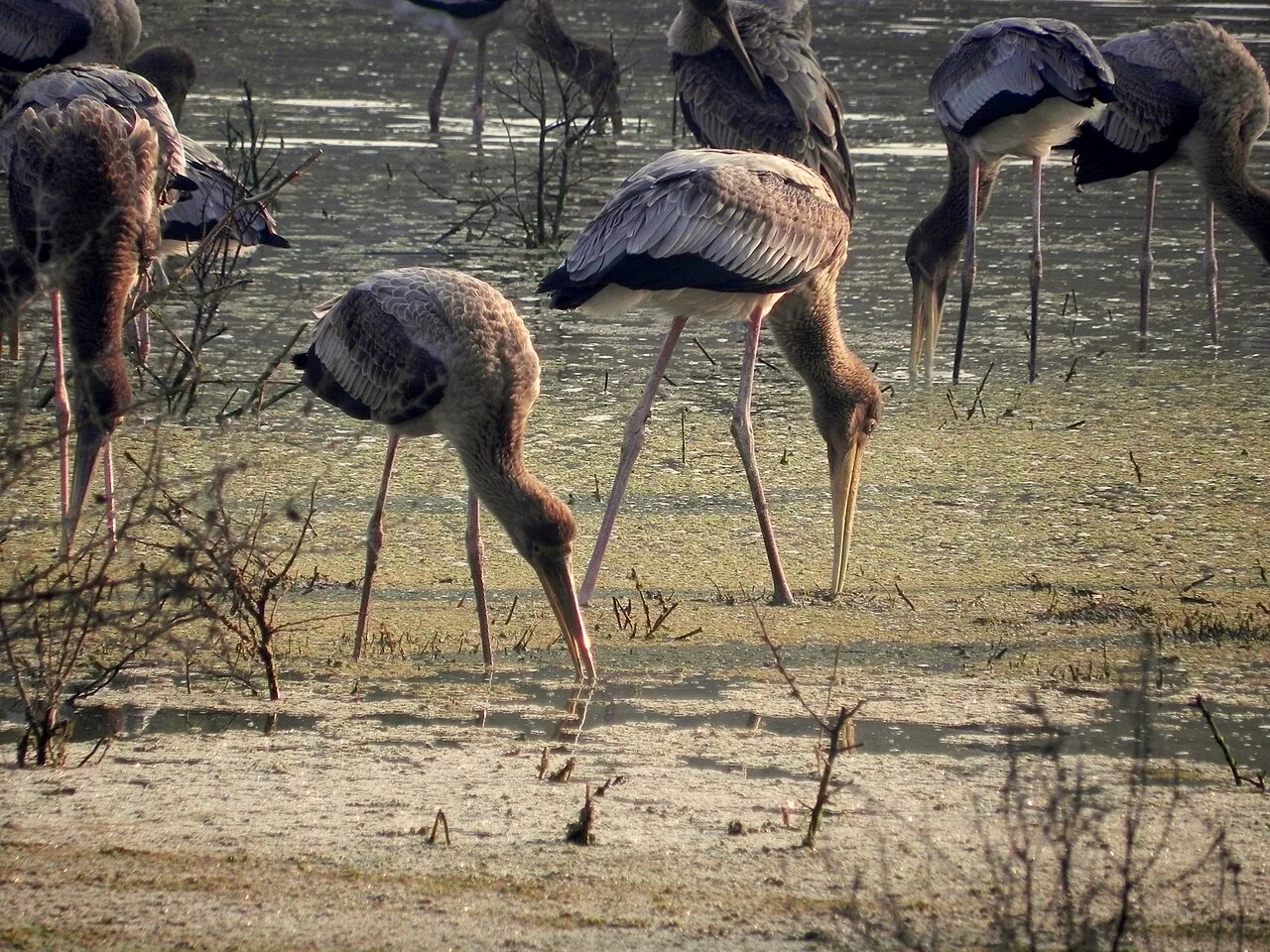
Keoladeo National Park is a wetland and wildlife reserve in Bharatpur district, Rajasthan. Visitors come to see its varied birdlife, particularly the many species that gather there during winter.

Sariska Tiger Reserve

54 km away · Alwar district

Sariska Tiger Reserve

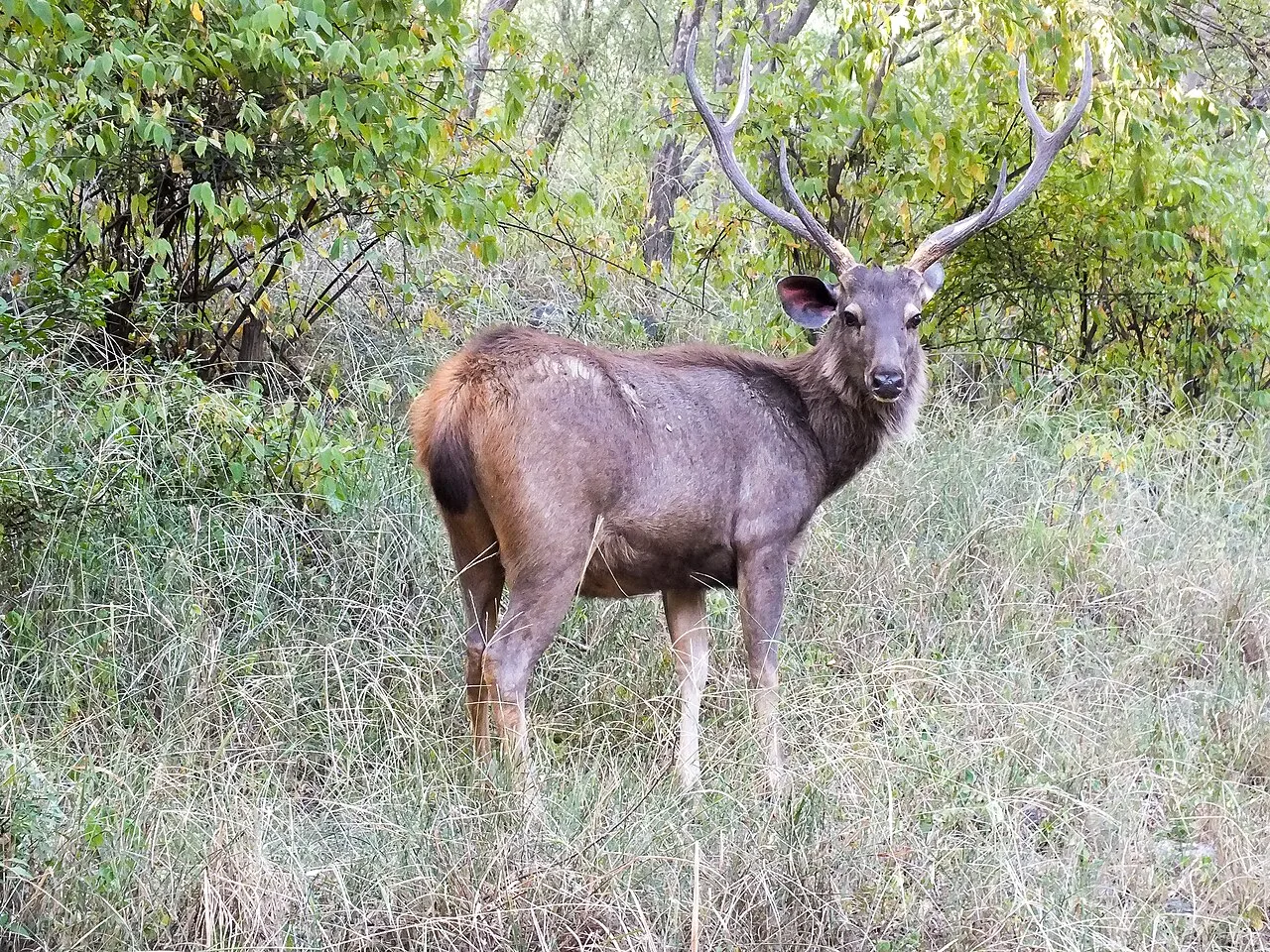
Sariska Tiger Reserve, in Rajasthan’s Alwar district, is a protected area with tiger-reserve status and varied forest, grassland and rocky habitats. Visitors come to experience its wildlife and conservation setting.

Bhangarh Fort

72 km away · Alwar district

Bhangarh Fort

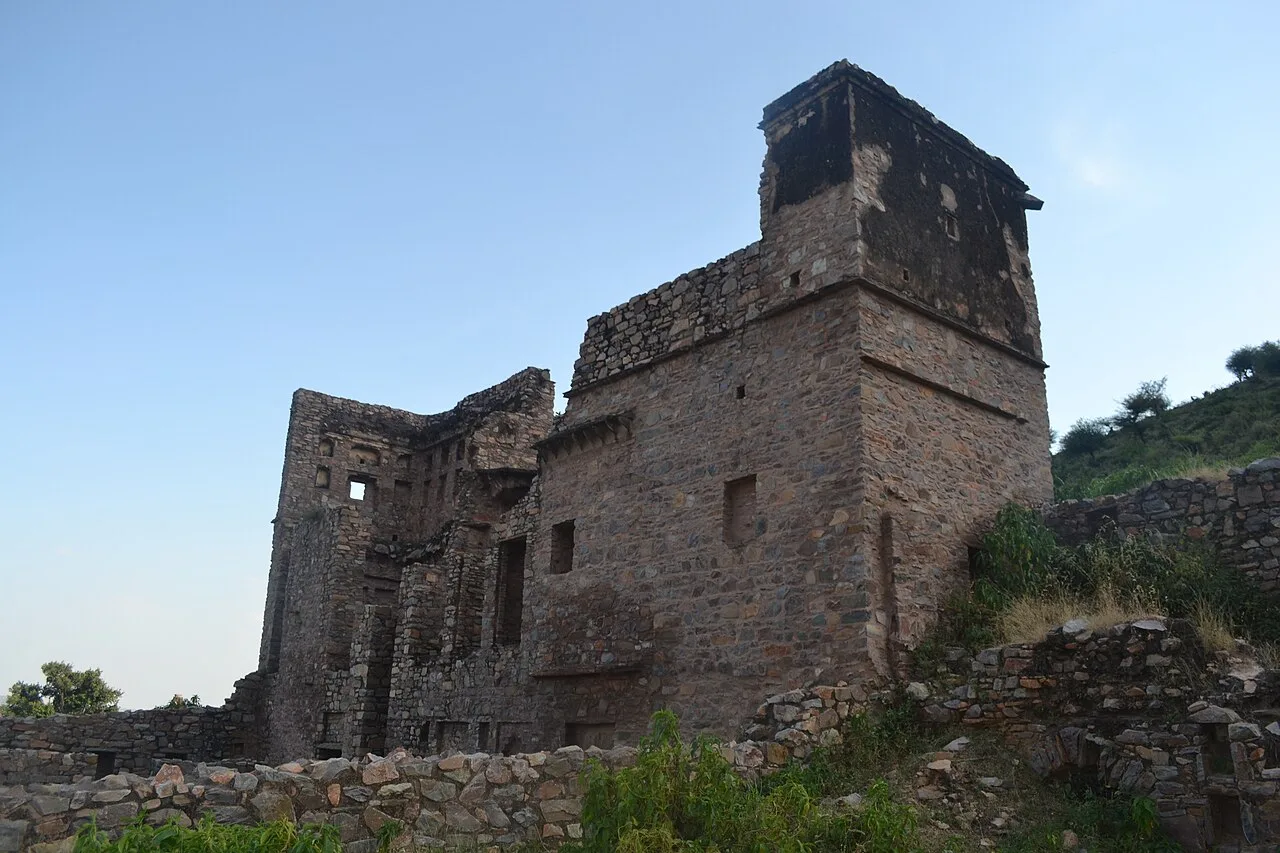
Dating to the sixteenth century, Bhangarh Fort in Rajasthan is linked to Madho Singh’s residence. Visitors come to view the preserved fort and its surrounding precincts.

Map

Kherli on the map

  1. 1Deeg Palace
  2. 2Mehandipur Balaji Temple
  3. 3Chand Baori
  4. 4Lohagarh Fort
  5. 5Siliserh Lake
  6. 6Keoladeo National Park
  7. 7Sariska Tiger Reserve
  8. 8Bhangarh Fort

Rajasthan

Other cities to explore