
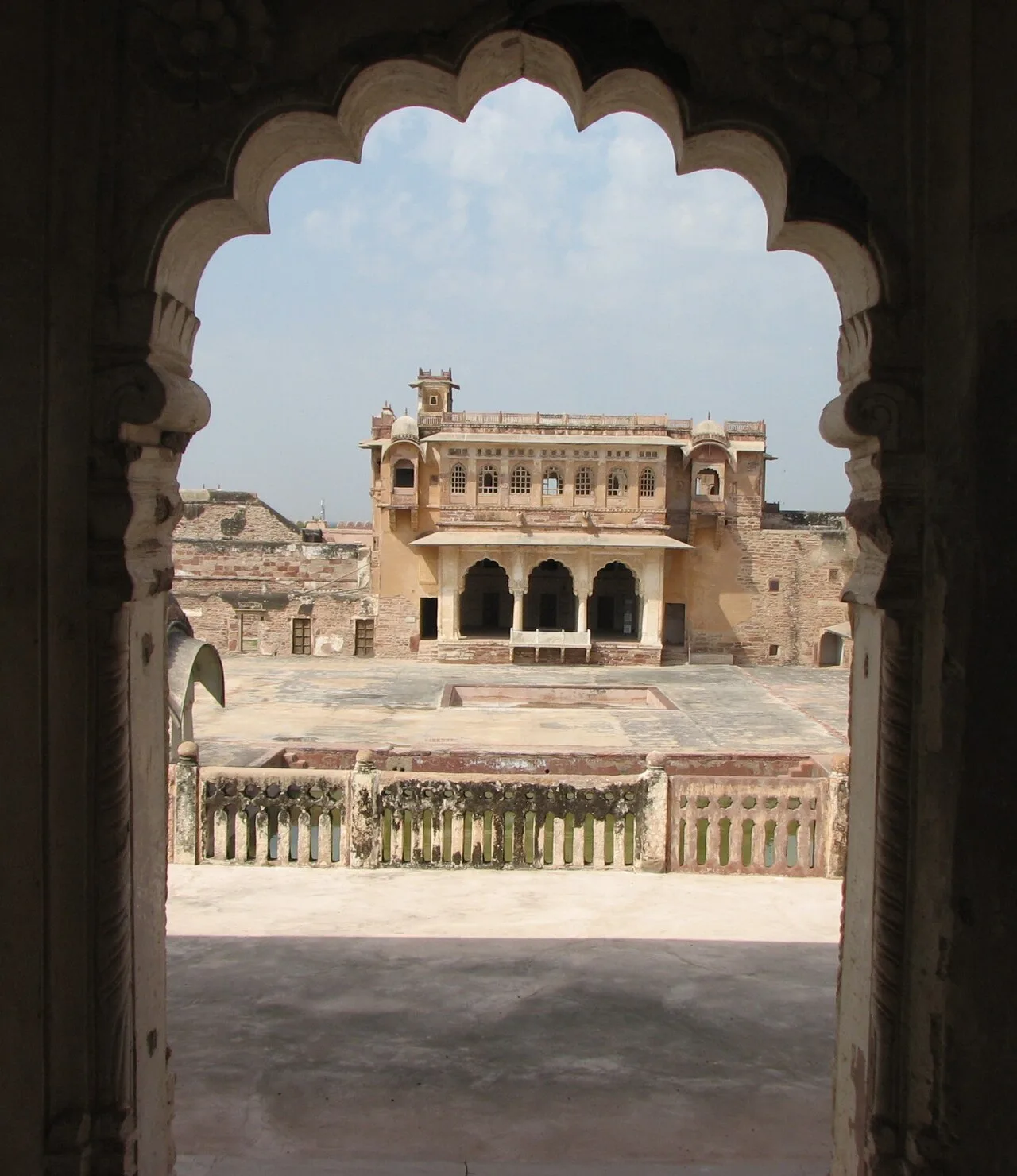
Nagaur Fort
Nagaur Fort is a fort in Rajasthan’s Nagaur district. Visitors come to see the fort and its setting within the district.
Key facts · verified by Ghumoopedia editors
- Type of place
- Heritage monument
- Best time to visit
- October to March
- Verified
- 21 Nov 2026
Nagaur Fort is identified as a fort located in Nagaur district, in the Indian state of Rajasthan. This gives its basic geographical setting: the fort is associated with the district named Nagaur, which forms part of Rajasthan. Its name and description identify both the kind of place and the district where it is situated. For visitors, the defining features given here are the fort itself and its position within Nagaur district. It can be described without adding details about its design or history: it is a fort in Rajasthan, with Nagaur district specifying its location. In brief, its identity rests on those two points, its type and its setting. Rajasthan is the land of Rajput forts and palaces, painted havelis, desert folk music, puppetry and colourful fairs such as the Pushkar camel fair. Rajasthan is very hot from April to June — often above 45 °C in the desert — with a short monsoon in July–September. Winter days are pleasant and nights are cold, especially in the Thar Desert. Mount Abu is the state's only hill station and stays cooler. The usual best time to visit is October to March. For official information, see Rajasthan Tourism at https://www.tourism.rajasthan.gov.in.
Why it matters
Nagaur Fort is a heritage monument in Nagaur district, Rajasthan, and is listed as a fort in Ghumoopedia’s Rajasthan index. The fort is part of the region’s built heritage, in a state widely associated with historic forts, palaces and walled towns.
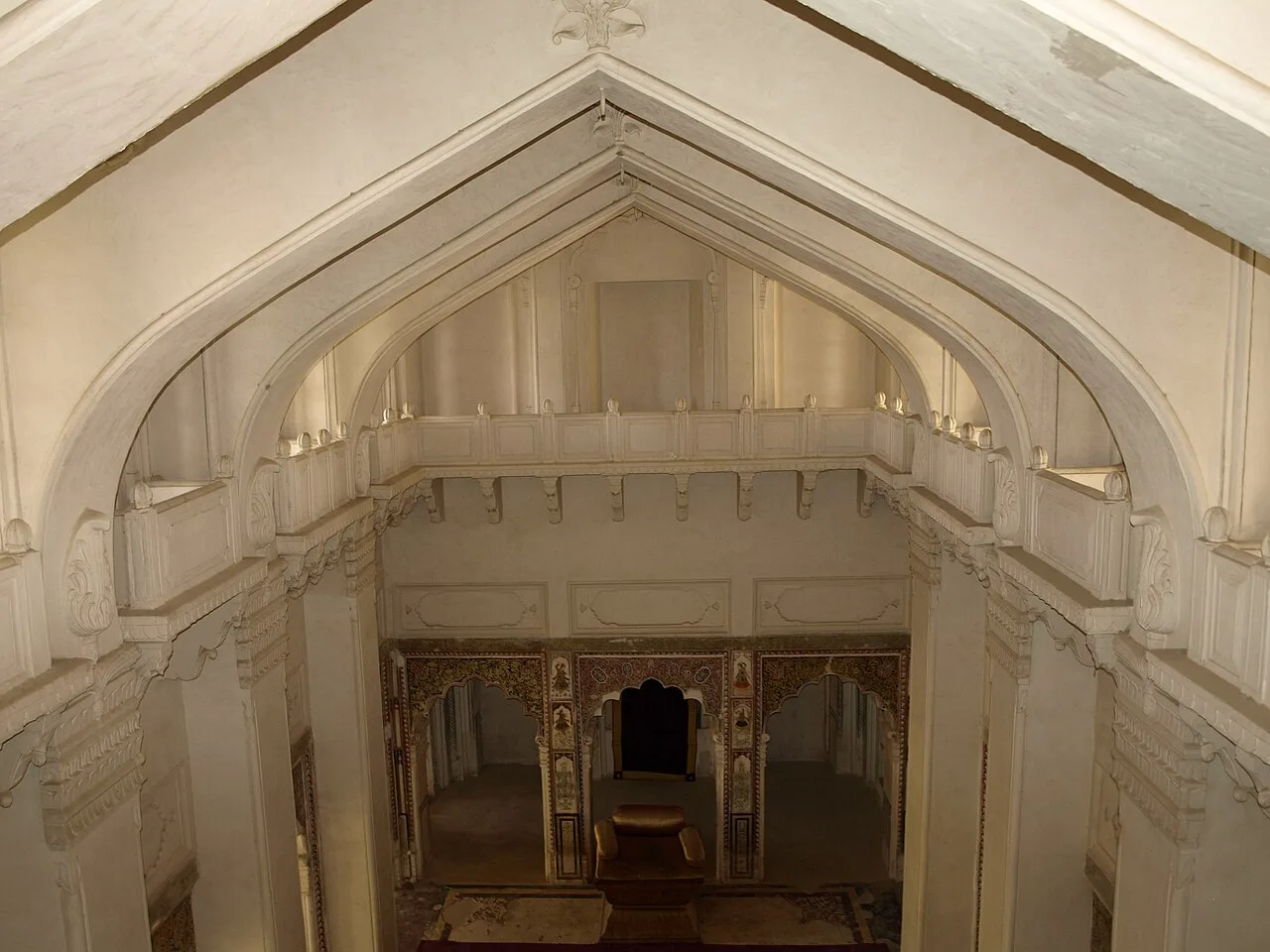
It does not verify the fort’s founding date, builders, successive rulers or a reliable sequence of alterations. Accounts of Rajasthan’s forts often describe centuries of rebuilding and changing use, yet those general patterns should not be treated as a documented history of this particular site. Before visiting, seek a current account from Rajasthan Tourism, the local administration or the monument’s managing authority. On site, interpretation boards or an authorised guide may provide a more reliable chronology and explain any documented phases of construction, repair or conservation. Check whether those materials are available before planning around them. The fort’s present condition, restoration history and access arrangements should also be confirmed locally; this guide cannot verify which areas are open or whether conservation work is under way.
Origin stories & folklore
Nagaur and the wider Rajasthan region have rich oral traditions, but stories told locally can vary and should be understood as tradition rather than established historical evidence. If a guide or resident shares a tale about the fort’s builders, hidden passages or past rulers, ask whether it is a documented account or a local belief. Listening respectfully can be part of a visit, while keeping the distinction between folklore and confirmed history clear. Do not enter sealed or restricted spaces in search of legendary features.
Architecture & design
As at other historic forts, visitors may encounter uneven surfaces, enclosed spaces and structures altered over time, but the form and condition of individual areas should be checked on site. Look for interpretation boards that identify architectural elements and any areas under conservation. An authorised guide can help distinguish original fabric from later repairs or additions, if that information is documented. Avoid touching fragile surfaces, climbing on walls or entering closed sections. The fort’s layout and accessible route may change with maintenance or site rules, so confirm current arrangements before setting out.
Important objects & sculptures
If displays or interpretation panels are available during your visit, check their labels for dates, provenance and whether objects belong to the site or are on loan. Do not assume that an object mentioned in an informal account is currently on view. Some historic features may be fragile or protected, so avoid touching carvings, writing on surfaces or using flash where it is prohibited. Ask an authorised guide or site staff which features are documented and open to visitors.
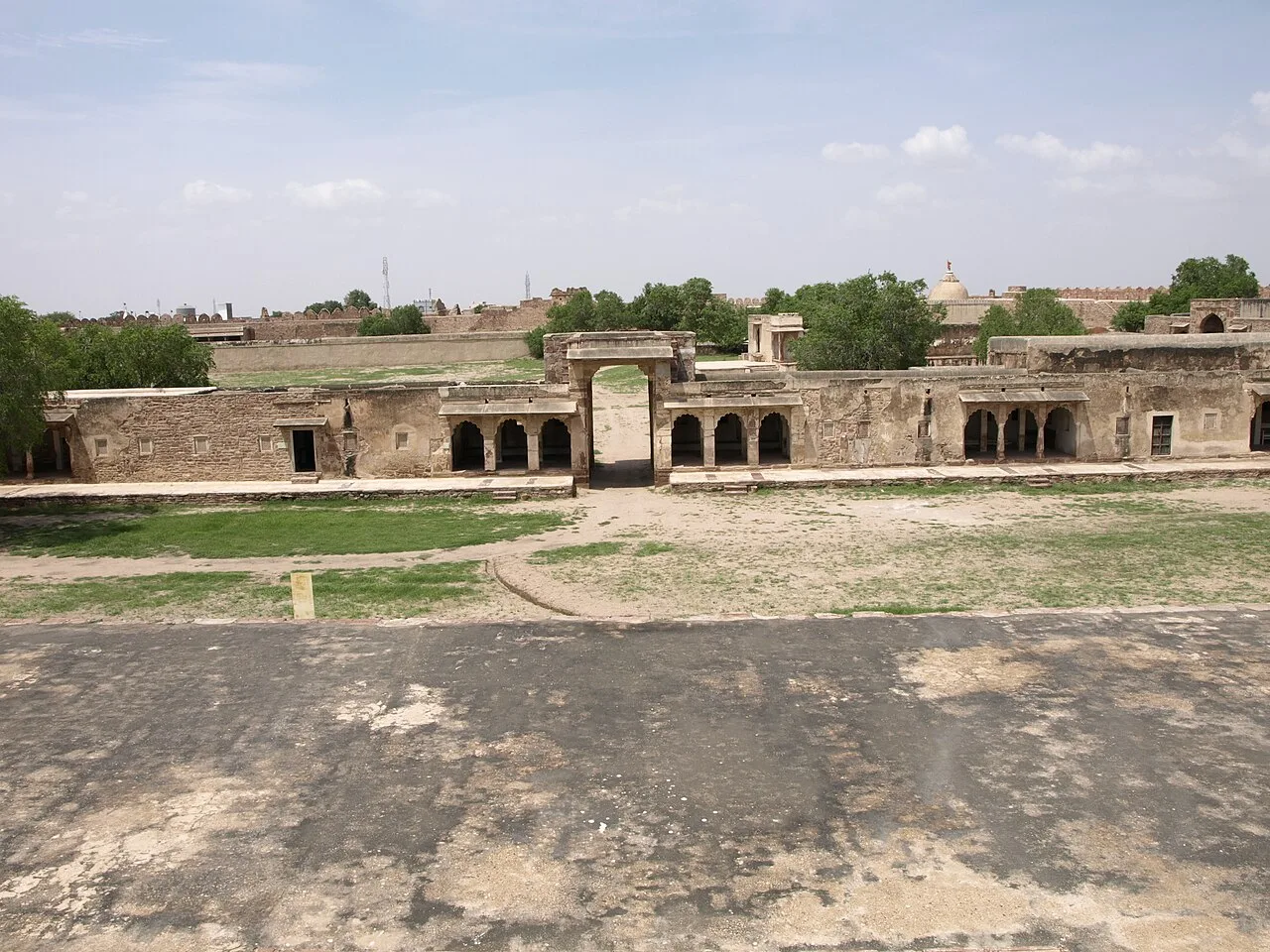
Explore Nagaur Fort slowly and read the interpretation boards, use the official audio guide where available or hire an authorised guide to understand its history. Check opening days, ticket counters and camera rules in advance; many monuments and museums close on one weekday and on some public holidays. Early morning gives softer light, cooler air and smaller crowds. A comfortable itinerary is one main visit in the morning, a local meal at midday and a short nearby stop before an afternoon return. Use the district list on this site to find other places in Nagaur, but check the route and its condition before combining stops. If a festival or fair is on, roads and stays can be busy — and the experience can be unforgettable. Leave no litter: many sites are protected by the communities around them.
Suggested itineraries
Half day: Confirm entry arrangements; spend 1–2 hours exploring open areas and interpretation; pause for a local meal; allow time to return. Full day: Visit the fort in the morning for 2–3 hours; have lunch in Nagaur town; choose a nearby town stop only after checking its route and access; return before evening. Gentler option: Arrange a vehicle drop-off as close as permitted, focus on a short, level route if available, take seated breaks and skip uneven or closed sections.
Nagaur sits within Rajasthan’s wider Marwari cultural region, where Hindi and Rajasthani speech are common and local customs vary between communities. Regional cultural life includes folk music, dance, craft traditions and busy town markets, though this guide cannot confirm that performances or demonstrations take place at the fort. Visitors may encounter local families, worshippers or workers using the surrounding area; be considerate and ask before photographing people. Dress modestly, particularly near places of worship, and follow any site-specific instructions. A guide familiar with Nagaur can help explain local context without treating varied community traditions as a single uniform culture.
Festivals & events
Nagaur is known for its cattle fair, generally associated with the cooler-season fair calendar; the programme and timing can vary from year to year. The fair is a regional event, not a confirmed activity within Nagaur Fort. If it coincides with a visit, expect busier roads and greater demand for accommodation and local services. Check current local announcements before travelling, and confirm whether any event affects access, parking or monument entry.
Local food in Rajasthan includes dal baati churma, gatte ki sabzi, ker sangri, laal maas, pyaaz kachori, mirchi vada, ghewar, mawa kachori and chaach (spiced buttermilk). Ask what is fresh that day; many small eateries cook a limited daily menu. Vegetarian travellers eat very well across this region, and most towns also have non-vegetarian options. Remote sites may have no restaurant at all. Carry water and snacks, eat a proper breakfast before long drives, and ask your accommodation for a packed lunch if you are heading out early. Try a home-cooked or dhaba meal when you can — it is often the best food on the route. Choose busy, clean places and carry your packaging back with you.
Shopping & local experiences
Nagaur town markets are a sensible place to look for regional crafts, textiles, household goods and local snacks, although particular products and sellers vary. Rajasthan is also known for colourful fabrics, jewellery and handicrafts; check the origin and materials of items before buying. Ask locally about Nagaur-area produce or seasonal specialities rather than assuming they are sold at the fort. Food is best sought in town, where you can ask about ingredients and preparation. Buy from responsible sellers, bargain courteously where customary, and avoid purchasing antiquities or objects claimed to have been removed from a protected site.
October to March
These figures are calculated from map coordinates — actual road distance is longer. Jaipur, Ajmer, Jodhpur, Udaipur and Kota are the main rail hubs, and Jaipur, Udaipur and Jodhpur have the most flights; Delhi is the usual gateway for the north-east of the state. For the final leg, Rajasthan State Road Transport Corporation (RSRTC) buses and private coaches link district towns; shared taxis usually leave early in the morning. A private taxi gives more flexibility for remote sites. When comparing train, bus and flight, count the complete door-to-door time: a flight saves the most time only if the onward road transfer is short, while an overnight train can save a hotel night. Book your return before you leave, because seats fill quickly on weekends, festivals and holidays. Current train numbers, timings, return services and fares are not listed here; check IRCTC and NTES for trains and the airline's own schedule for flights. No permit is needed to visit Rajasthan. Land close to the international border west of Jaisalmer and Barmer is restricted beyond certain points: places such as Tanot can be visited, but border outposts need Border Security Force permission. Forts and palaces charge entry and camera fees, and tiger-reserve safaris must be booked through the official forest department portal.
Getting around
Once in Nagaur town, ask your accommodation or a local information point to confirm the correct entrance and whether autos or taxis can reach it. Walking may be practical only if your starting point, route and weather make it comfortable; confirm the surface and distance locally. Ask about designated parking before driving, and do not block access roads or local activity. Local buses may serve town routes, but stops and service details should be checked on arrival. Carry water, especially in warm weather.
Hours, tickets & permissions
Check with Rajasthan Tourism or the local managing authority before travelling, and confirm current hours and fees directly. Ask whether advance booking, identification, permits or separate camera charges apply. Rules may differ for photography, groups, restricted areas and public holidays. Do not rely on older online listings, and follow notices at the entrance if they differ from general travel information.
Facilities
Check locally whether any are available and whether they are open on your visit day. Nagaur town is the more practical place to ask about meals, cash access and other services, but confirm locations before setting out. Carry drinking water and any personal supplies you need; do not assume a shop or refill point operates inside the monument. Ask in advance whether an authorised guide can be arranged.
Accessibility
Historic monuments can include uneven ground, steps, narrow passages and limited shade; check these conditions with the managing authority before visiting. Do not assume that ramps, lifts, handrails or wheelchair-accessible toilets are provided. Strollers may be difficult to use on rough or stepped surfaces. Older visitors and anyone with limited mobility may prefer a short visit, frequent rests and a companion, subject to what routes are open. In hot weather, plan for shade and water, and avoid pushing beyond a comfortable pace.
No permit is needed to visit Rajasthan. Land close to the international border west of Jaisalmer and Barmer is restricted beyond certain points: places such as Tanot can be visited, but border outposts need Border Security Force permission. Forts and palaces charge entry and camera fees, and tiger-reserve safaris must be booked through the official forest department portal. Carry a photo ID at all times and save the emergency number 112 and your accommodation's contact offline. Heat in summer and fog in winter are the main weather risks; carry water and allow extra travel time on foggy December–January mornings. Respect community rules, private property and posted instructions. Follow local guidance if access changes.
Photography
Early morning often offers softer light and more comfortable conditions, as noted in the regional travel guidance, but confirm that the site is open then. Do not use a drone without confirming current permissions and aviation rules. Avoid photographing people, worship or private activity without consent, and never touch or reposition historic objects for a shot. Stay on permitted paths and respect conservation barriers.
Choose a stay by the full journey to Nagaur Fort, not just the district name. Heritage havelis, fort hotels, state tourism (RTDC) hotels and desert camps offer distinctive stays; check that a desert camp is licensed and has proper toilets. In summer, check air-conditioning or coolers; in December and January, check heating and hot water. Book in advance for weekends, festivals and the peak season (October to March). Confirm the exact location, meals included, check-in time and cancellation terms in writing. Avoid sending money to unverified contacts or touts at stations. Carry some cash, as card and digital payments can be unreliable in remote areas.
Nagaur town is the most practical nearby place to combine with a fort visit for meals and local errands, though the exact route from the monument should be confirmed. Tarkeen Dargah is a known religious site in Nagaur; check its access arrangements and observe local customs before visiting. Khimsar Fort, in the wider Nagaur district, may be another regional heritage stop, but verify its opening arrangements and road conditions before combining it with Nagaur. Use current maps and local advice rather than assuming travel times or distances.
For couples, Nagaur Fort rewards a slow pace: arrive early for soft light and fewer crowds, share a local meal and keep the evening free. A heritage hotel or a lakeside sunset makes the trip memorable. Public displays of affection can be frowned upon in conservative communities and at religious sites, so be discreet. Keep a buffer in your itinerary, because weather and traffic can delay plans.
Q: How much time should I allow for Nagaur Fort? A: Allow a half day if entry is available and you want time to explore without rushing; the open route and interpretation should be confirmed locally. Q: When is a comfortable season to visit? A: October to March is generally the most comfortable season in Rajasthan. Summer can be extremely hot, and monsoon conditions vary. Q: Is there an entry ticket, and what are the hours? A: Check with Rajasthan Tourism or the managing authority before travelling. Q: Is the fort suitable for children and older visitors? A: Check access conditions and plan breaks. Q: Where should I stay nearby? A: Nagaur town is the practical base to investigate. Confirm current accommodation options and book ahead during fairs or busy travel periods.
Be the first to share photos, stories, advice or a helpful contact for Nagaur Fort.
Loading…