Ghumoopedia — Explore, Discover, Experience
Sign in

City guide · Rajasthan

Kushalgarh

Kushalgarh is a small town in southern Rajasthan, in Banswara district, about 65 kilometres south of Banswara city. Its importance comes from its position within the Vagad region, where Rajasthan meets the cultural landscapes of neighbouring Madhya Pradesh and Gujarat.

Famous for

  • Former Kushalgarh princely state
  • Bhil heritage and traditions
  • Kushala Bhil founding tradition
  • Banswara district market town

Why Kushalgarh matters

Kushalgarh is a small town in southern Rajasthan, in Banswara district, about 65 kilometres south of Banswara city. Its importance comes from its position within the Vagad region, where Rajasthan meets the cultural landscapes of neighbouring Madhya Pradesh and Gujarat. The town serves as a local centre for nearby villages and offers a quieter, less-travelled view of southern Rajasthan than the state’s major tourist cities.

Kushalgarh is especially notable for its Bhil heritage and its history as the centre of a former princely state. Local tradition connects its founding with King Kushala Bhil. Visitors interested in regional history and everyday life can explore the town’s bazaar and surrounding countryside, and experience the area’s distinct tribal and rural character. It is not a destination famed for a major monument or a nationally recognised craft, so it suits travellers looking for a regional stop rather than a packed sightseeing itinerary. Its location also makes it a useful base for exploring parts of Banswara district.
Famous for: crafts, trade & products

Kushalgarh is best known locally as a market and service centre for the surrounding villages, rather than as a major textile, handicraft or manufacturing hub. It does not have a widely recognised signature saree, GI-tagged product or specialist craft market. The town’s commercial life is centred on everyday shops and the bazaar, where visitors can look for household goods, clothing and seasonal produce used by local residents.

Bhil cultural traditions are an important part of the wider region’s identity, and handmade or locally produced items may be encountered in village markets, especially around community gatherings. What is available can vary, so visitors seeking a particular craft should ask locally rather than expect a permanent specialist outlet. Banswara district’s rural economy includes agriculture and trade in local produce, but Kushalgarh is not generally known as a destination for a particular packaged food or industrial product. For a sense of local commerce, walk through the central market, browse small shops and ask traders about market days and goods brought in from nearby villages.

History

Kushalgarh’s history is closely tied to the former princely state that bore its name. Local tradition credits King Kushala Bhil with founding the town, reflecting the longstanding Bhil presence and influence in this part of southern Rajasthan. The princely state continued to exist in the area until 1949, during the political changes that followed India’s independence and the integration of princely territories.

A municipality was established in Kushalgarh in 1903, marking the development of formal local administration. Its role as a small regional centre has since continued within Banswara district, serving residents of the town and nearby settlements. Modern Kushalgarh is primarily a local administrative and commercial hub; it has not grown into a major industrial city or a large-scale heritage tourism destination. Its historic significance is best understood through its former princely status, its Bhil associations and its place in the wider history of the Vagad region.

Food, festivals & culture

Kushalgarh’s culture reflects the Bhil communities and rural traditions of southern Rajasthan. Wagdi, Hindi and Bhili are heard in the wider area, alongside other languages used in local trade and travel. Everyday meals may include maize-based breads, lentils and seasonal vegetables; recipes and ingredients vary between households. Visitors can find familiar Rajasthani snacks and sweets in local shops, though the town is not particularly known for one signature dish.

Holi and Diwali are widely observed, while regional fairs and community celebrations bring together residents from surrounding villages. Bhil music, dancing and collective festivities are important across the region, with practices varying by community and occasion. Rather than a single performance venue, cultural life is often encountered during festivals, family events and village gatherings. Places of worship include local Hindu temples and community shrines; visitors should dress respectfully and ask before photographing people or ceremonies. The town’s cultural character is most apparent in its everyday market life and its connections with nearby villages.

Visiting the city

The cooler months, roughly October to March, are generally the most comfortable time to visit. Summers can be very hot, while the monsoon brings rain and greener countryside but may affect road journeys. Maharana Pratap Airport at Udaipur is a useful air gateway; onward travel to Kushalgarh is by road. Meghnagar is a nearby railway station, while Ratlam Junction is a larger rail interchange. Check current connections before setting out, as onward transport may require planning.

Buses and private vehicles connect the town with Banswara and other regional centres; within Kushalgarh, local transport or walking can cover central areas. Explore the bazaar and older parts of town, then take a locally arranged drive into the surrounding countryside for a broader sense of the district. Allow time for road travel and keep plans flexible.

Trips from the city

Nearest places to visit from Kushalgarh

Our closest destination guides, by straight-line distance.

Dhebar Lake

127 km away · Udaipur district

Dhebar Lake

Dhebar Lake, also called Jaisamand, is a large reservoir in Rajasthan, known for its marble dam, islands and adjoining wildlife sanctuary. Visitors come to see its natural setting and historic links with Mewar.

Jag Mandir Palace

171 km away · Udaipur district

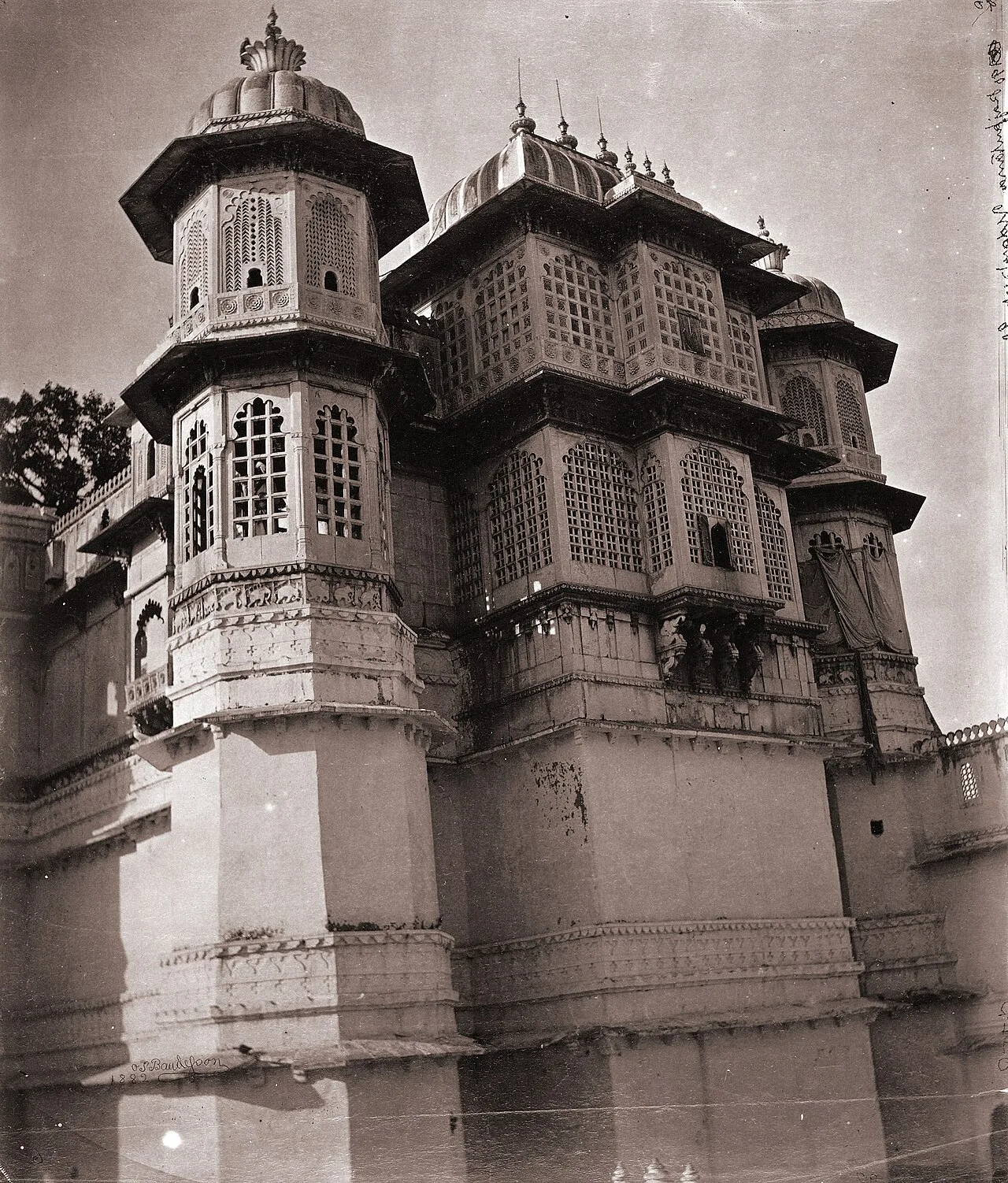
Jag Mandir Palace

Set within Lake Pichola in Udaipur, Jag Mandir Palace is a royal island residence. Visitors are drawn to its history, Mughal-influenced design and past as a retreat, celebration venue and place of refuge.

City Palace, Udaipur

172 km away · Udaipur district

City Palace, Udaipur

Udaipur’s City Palace is a historic royal complex shaped by successive Mewar rulers. Visitors come to see its architecture, hilltop setting and views over Lake Pichola.

Jagdish Temple

172 km away · Udaipur district

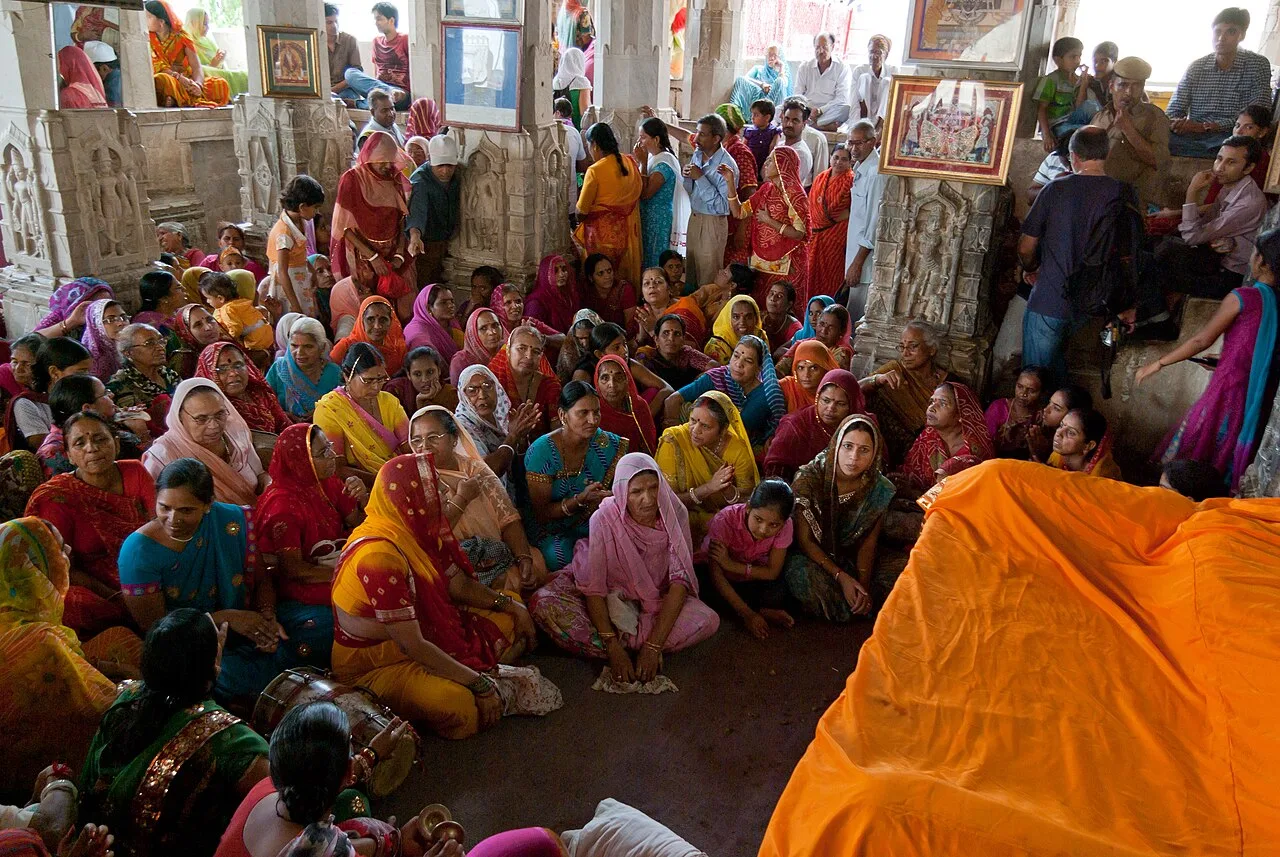
Jagdish Temple

Jagdish Temple is a large Hindu place of worship in central Udaipur, Rajasthan, beside the royal palace. Visitors come to see this prominent city monument and its long-standing place of worship.

Lake Palace

172 km away · Udaipur district

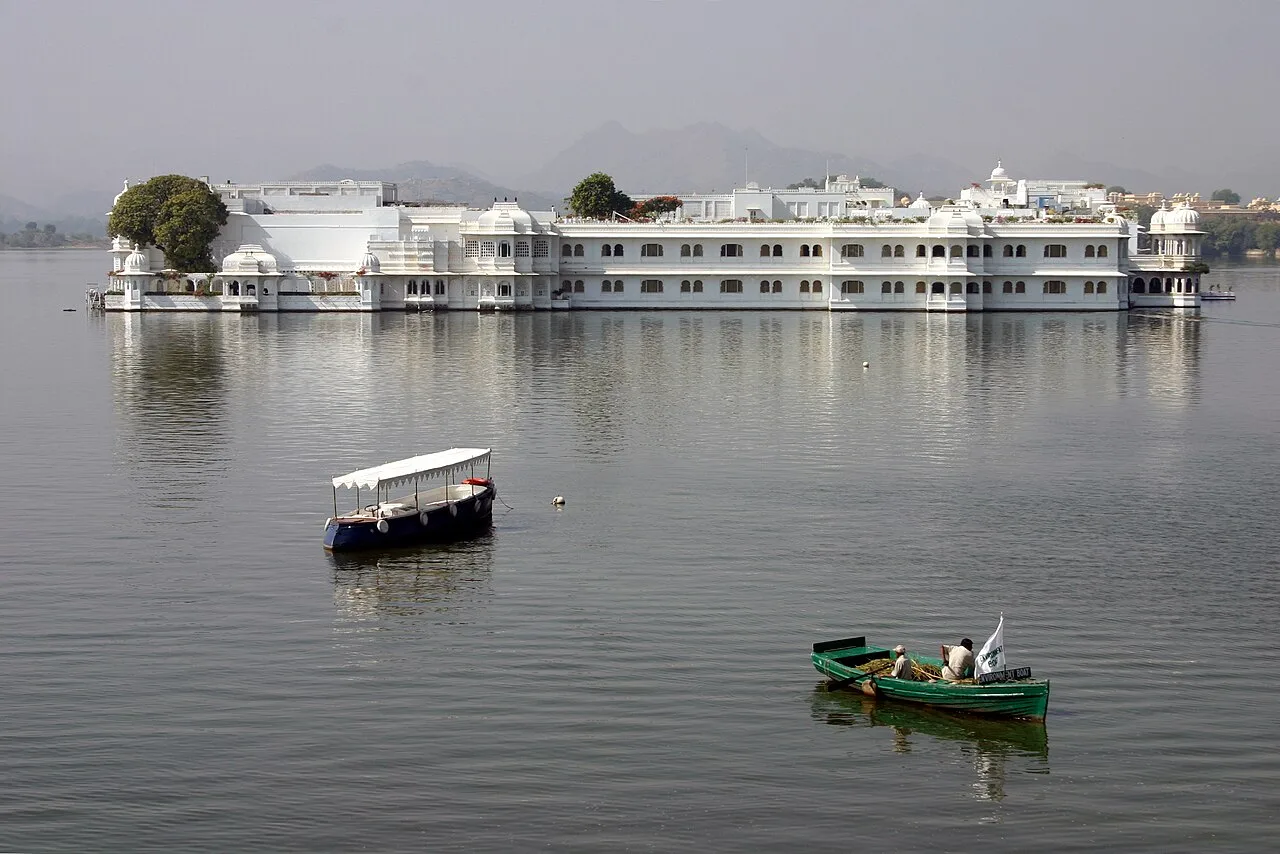
Lake Palace

Lake Palace is a former Mewar royal summer residence on an island in Udaipur’s Lake Pichola, now a hotel. Visitors recognise it for its lake setting and appearances in several hit films.

Lake Pichola

172 km away · Udaipur district

Lake Pichola

Lake Pichola, in Udaipur city in the Indian state of Rajasthan, is an artificial freshwater lake, created in the year 1362, named after the nearby Picholi village.

Saheliyon-ki-Bari

174 km away · Udaipur district

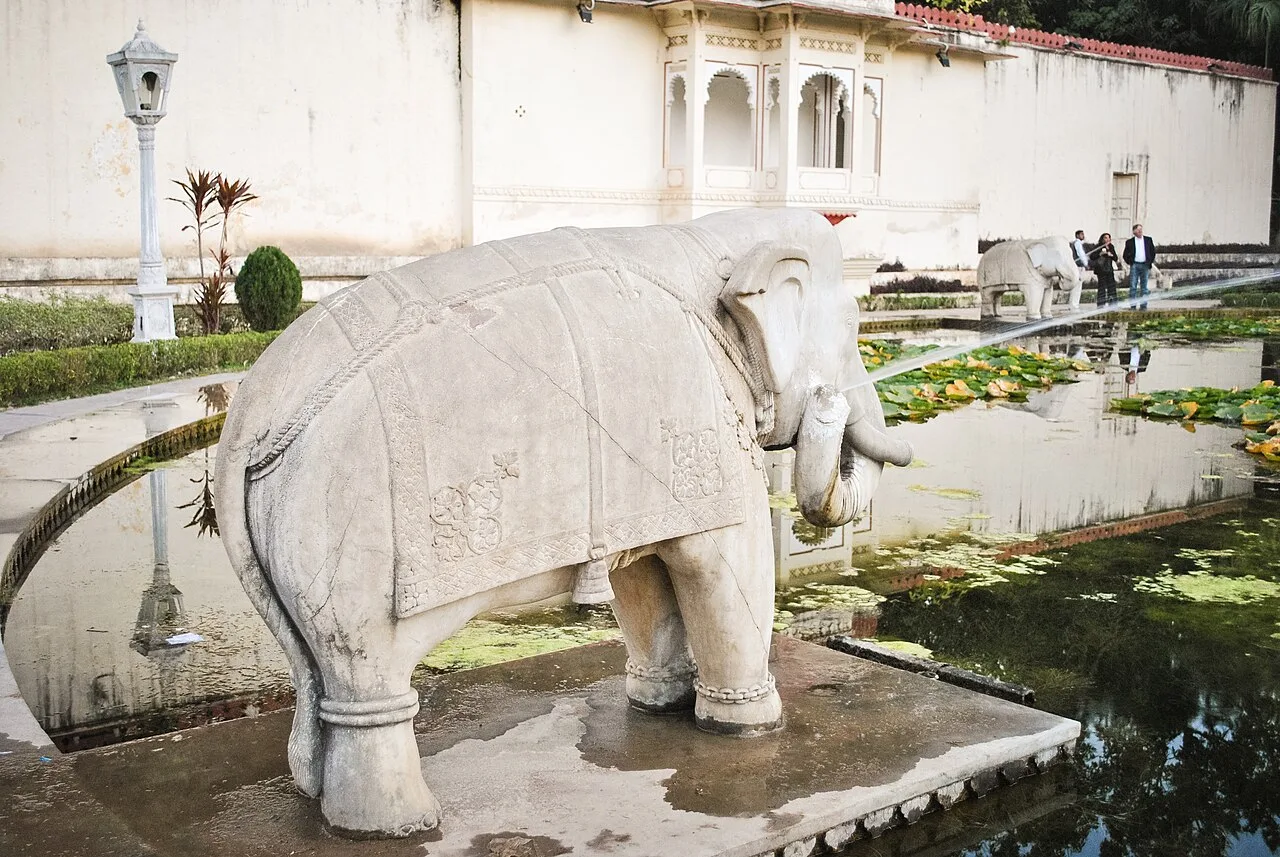
Saheliyon-ki-Bari

Saheliyon-ki-Bari is a garden in Udaipur, Rajasthan, where visitors can see fountains, a lotus pool and marble elephant figures, as well as a museum about Indian history.

Fateh Sagar Lake

175 km away · Udaipur district

Fateh Sagar Lake

Fateh Sagar Lake is an artificial lake in Udaipur, Rajasthan. Visitors come to see its three islands, including parkland and the Udaipur Solar Observatory, while the lake also serves several water needs.

Map

Kushalgarh on the map

  1. 1Dhebar Lake
  2. 2Jag Mandir Palace
  3. 3City Palace, Udaipur
  4. 4Jagdish Temple
  5. 5Lake Palace
  6. 6Lake Pichola
  7. 7Saheliyon-ki-Bari
  8. 8Fateh Sagar Lake

Rajasthan

Other cities to explore