Ghumoopedia — Explore, Discover, Experience
Sign in
Mandawa, near Mukundgarh

City guide · Rajasthan

Mukundgarh

Mukundgarh is a small town in Rajasthan’s Shekhawati region, a few kilometres from Nawalgarh in Jhunjhunu district. Its importance today rests chiefly on its historic streets, fort and old mansions, whose painted façades connect it to the region’s celebrated tradition of fresco art.

Famous for

  • Shekhawati fresco havelis
  • Mukundgarh Fort
  • Gangaur festival
  • Shekhawat-built temples
  • Ganesh Mahotsav

Why Mukundgarh matters

Mukundgarh is a small town in Rajasthan’s Shekhawati region, a few kilometres from Nawalgarh in Jhunjhunu district. Its importance today rests chiefly on its historic streets, fort and old mansions, whose painted façades connect it to the region’s celebrated tradition of fresco art. Mukundgarh Fort and the Ganeriwal, Kanodia and Saraf havelis are among the places that draw visitors interested in architecture and local history.

The town also serves as a quieter base for exploring this part of Shekhawati, with Nawalgarh close by. Temples including Natwar Naresh Ji, Shiv Ji and Gopinath Ji reflect the patronage of local Shekhawat rulers, while annual celebrations such as Gangaur and Ganesh Mahotsav bring residents together. Mukundgarh is not chiefly known as a large commercial centre or for a widely recognised product; its appeal is its combination of heritage buildings, worship places and living festival traditions. It remains a municipality and subdistrict within the wider Nawalgarh area.
Famous for: crafts, trade & products

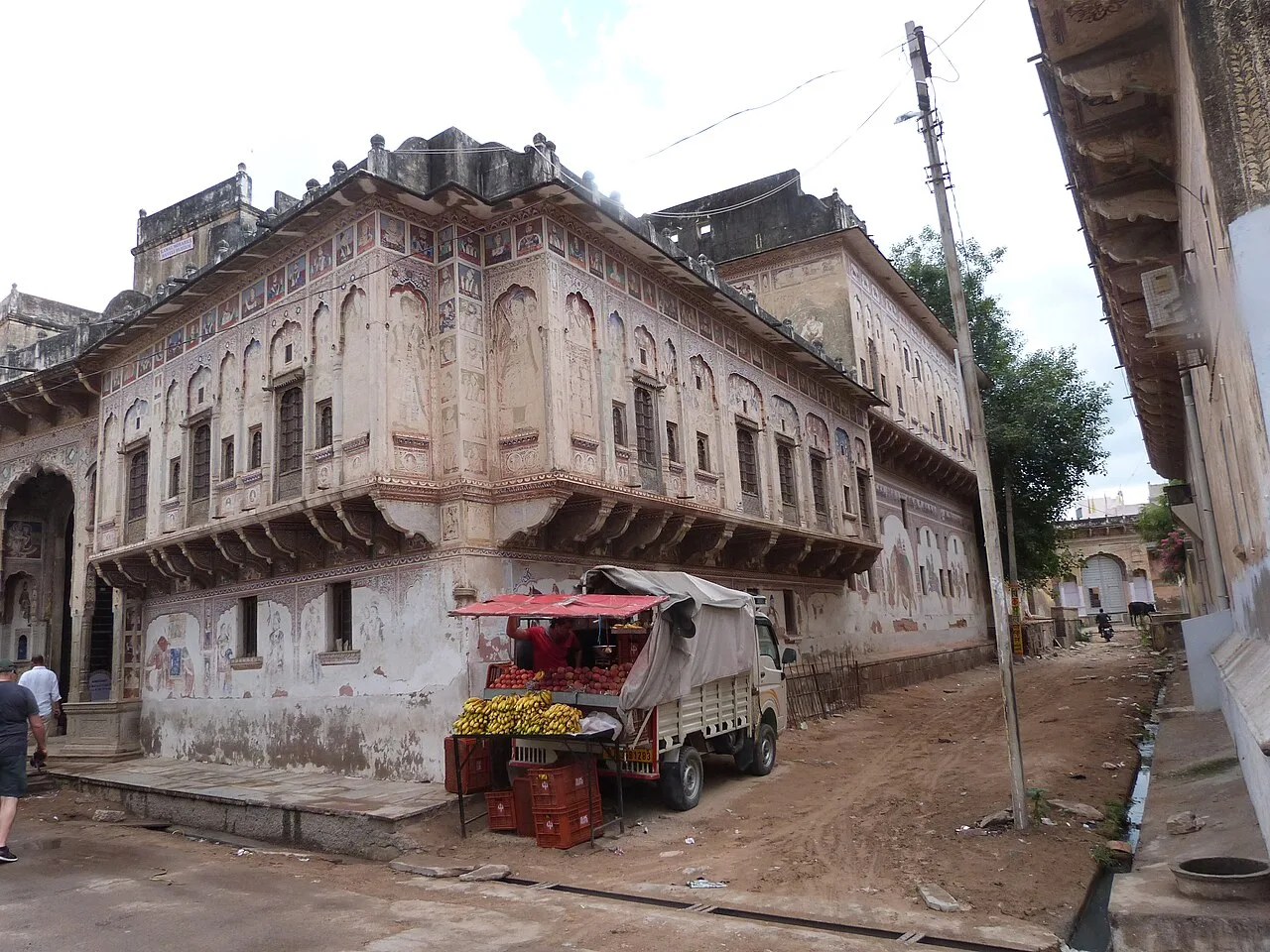
Mukundgarh is best known for its historic architecture rather than for a particular textile, handicraft, industrial product or GI-tagged good. Its most distinctive visual heritage is the fresco work on old havelis, including the Ganeriwal, Kanodia and Saraf mansions. These buildings are worth seeing for their painted walls and architectural details, though visitors should respect private property and check locally before entering.

The town’s bazaar serves local daily needs, but Mukundgarh is not widely identified with a specialised craft market or a signature product. Visitors looking for souvenirs can ask local shopkeepers about locally made goods, while treating any claims about a particular craft or provenance with care. The fort and havelis are the strongest reasons to browse the old town; they are cultural attractions, not retail outlets. Nearby Nawalgarh can also be included in a Shekhawati heritage visit.

History

Mukundgarh was established in the 18th century by Thakur Mukund Singh Saheb. The settlement was earlier known as Shahabsar and took its present name in association with its founder. Its fort and historic mansions reflect the authority and patronage of local Shekhawat rulers, while temples such as Natwar Naresh Ji, Shiv Ji and Gopinath Ji form part of the town’s religious heritage.

The surviving havelis, with their painted decoration, place Mukundgarh within the wider architectural story of Shekhawati. The town’s history is principally local; it is not especially associated with a documented major colonial-era event. Like other settlements in the region, it later became part of modern Rajasthan’s administrative system. Today Mukundgarh is a municipality and subdistrict in the Nawalgarh area of Jhunjhunu district. Its historic buildings remain central to how the town is understood and visited, even as it also serves the everyday needs of its surrounding communities.

Food, festivals & culture

Hindi and local Rajasthani speech, including the Shekhawati dialect, are heard in everyday life. Food follows regional Rajasthani tastes: visitors may find dishes such as dal baati churma, gatte ki sabzi and seasonal preparations, though menus vary between households and eateries. Folk songs and music are part of celebrations across the region; traditional Rajasthani dance forms may also feature at festive events.

Gangaur, held in spring, honours Goddess Parvati and is one of Mukundgarh’s notable annual celebrations. Ganesh Mahotsav begins on Ganesh Chaturthi and is observed locally over ten days, with community celebrations at several venues. During Ashwin Navratri, usually in September or October, residents establish Durga images for nine days. Temples are important places of worship, including Natwar Naresh Ji, Shiv Ji and Gopinath Ji. Shri Bawliya Baba temple is also noted for a burning wick that is visible from the left side outside the sanctum; it is not visible from within the sanctum itself.

Visiting the city

The cooler months, roughly October to March, are generally the most comfortable time to explore Mukundgarh; summer can be very hot. The nearest major airport is Jaipur International Airport. Mukundgarh has its own railway station, Mukundgarh railway station; check current connections before planning a journey. Nawalgarh, only a few kilometres away, is a useful nearby town and may offer additional transport options.

Auto-rickshaws and local road transport can help with short journeys, while walking is a practical way to see the compact historic centre and its havelis. Explore the area around Mukundgarh Fort, then visit the Ganeriwal, Kanodia and Saraf havelis and nearby temples. Allow time for Nawalgarh as part of a wider Shekhawati trip. Some heritage buildings may be privately owned, so ask locally about access and be considerate when taking photographs.

Trips from the city

Nearest places to visit from Mukundgarh

Our closest destination guides, by straight-line distance.

Mandawa

13 km away · Jhunjhunu district

Mandawa

Mandawa is a town in Rajasthan’s Jhunjhunu district, within the Shekhawati region. Travellers visit it as part of journeys through the region and nearby Jhunjhunu.

Nawalgarh

13 km away · Jhunjhunu district

Nawalgarh

Nawalgarh is a heritage city in Rajasthan’s Shekhawati region, within Jhunjhunu district. Visitors are drawn by its heritage character, and it is 30.5 km from Sikar and 39.2 km from Jhunjhunu.

Khatu Shyam Temple

68 km away · Sikar district

Khatu Shyam Temple

In KhatuShyamJi town, Rajasthan, this Hindu shrine honours Khatu Shyam, believed to be a divine manifestation of Barbareek from the Mahabharat. Pilgrims visit throughout the year, especially for the Falgun Mela.

Tal Chhapar Sanctuary

79 km away · Churu district

Tal Chhapar Sanctuary

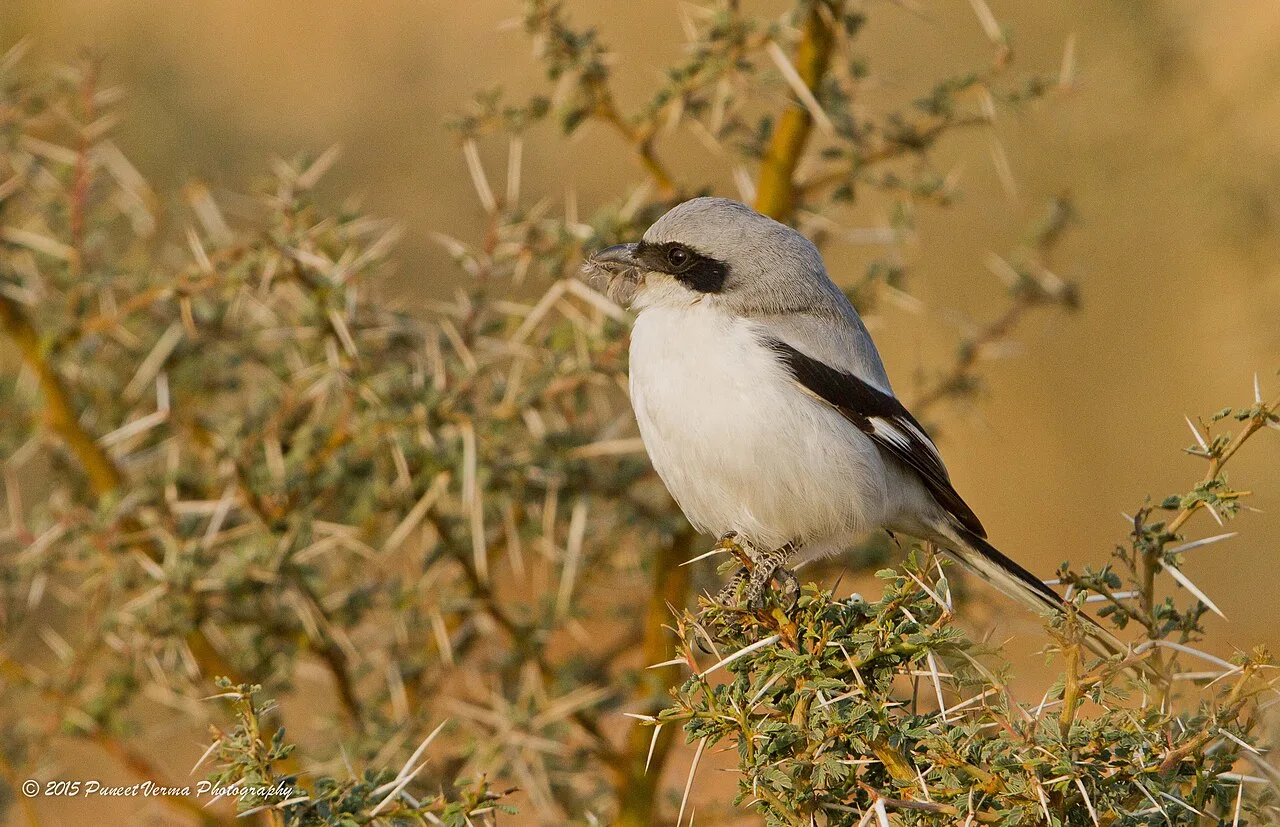
Tal Chhapar is a wildlife sanctuary in Rajasthan’s Churu district, known for blackbucks and birdlife. Visitors come to see its wildlife in a setting near the Great Indian Desert.

Samode

101 km away · Jaipur district

Samode

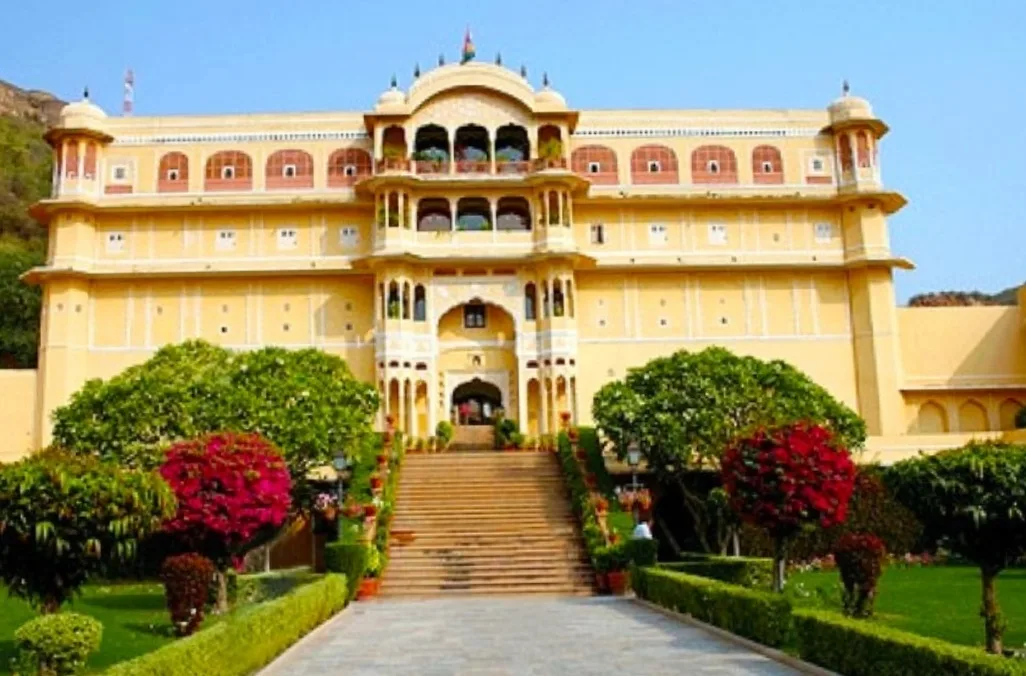
Samode is a village in Rajasthan’s Aravalli hills, north-west of Jaipur. Visitors come for its palace, haveli and garden, historic properties now operated as heritage hotels.

Sambhar Salt Lake

113 km away · Jaipur district

Sambhar Salt Lake

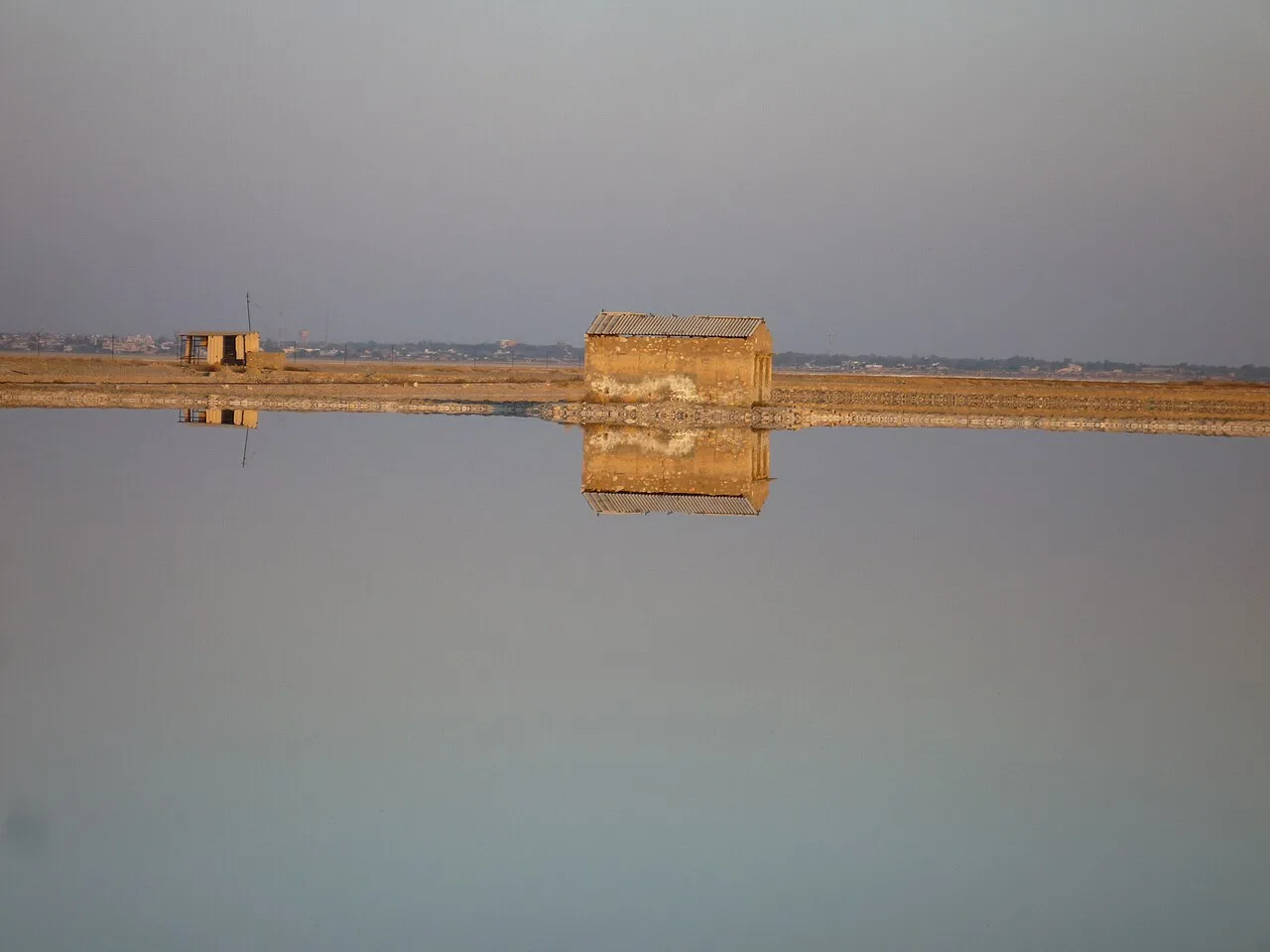
Sambhar Salt Lake is Rajasthan’s largest inland salt lake, in Jaipur district. Visitors come to see the lake and the historic settlement of Sambhar Lake Town, which it surrounds.

Amber Fort

124 km away · Jaipur district

Amber Fort

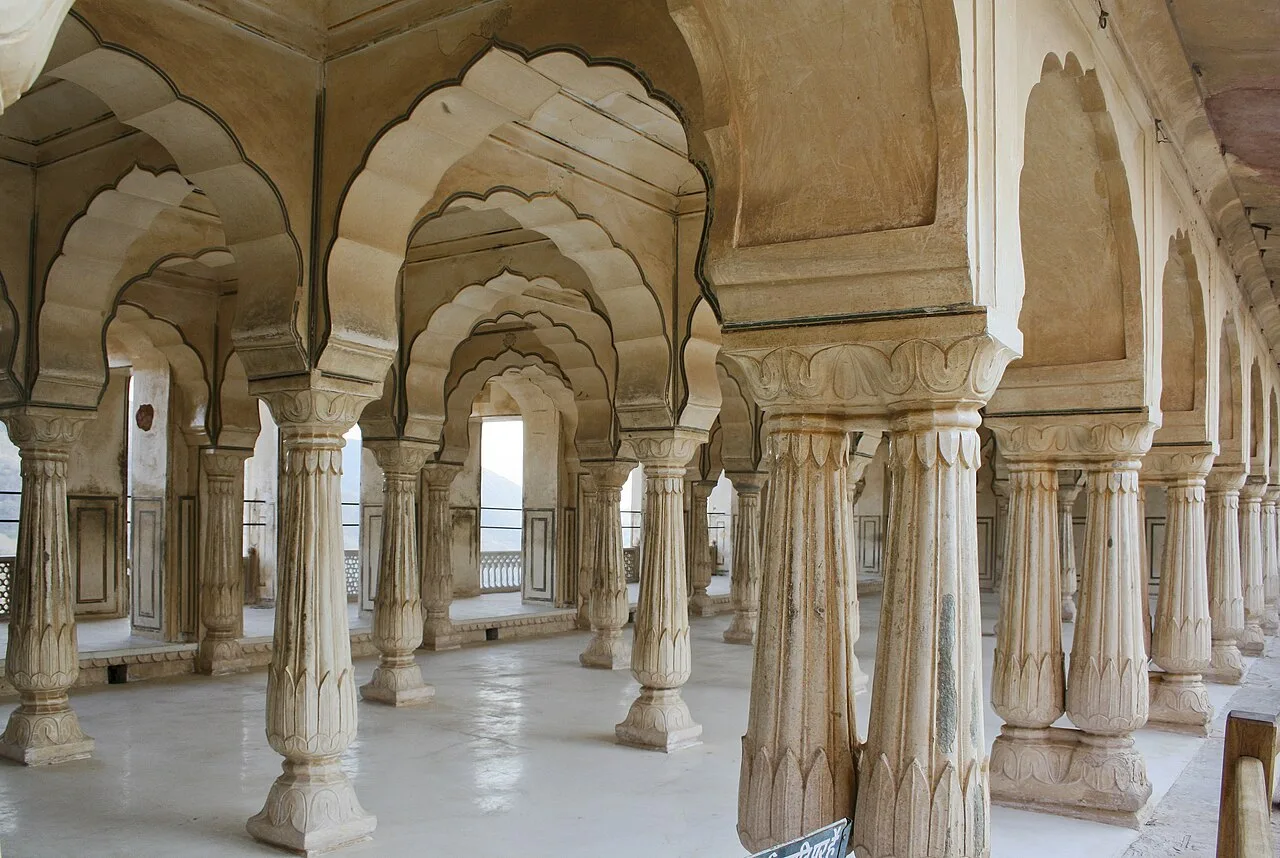
Amber Fort, also known as Amer Palace, is a hilltop fort in Amer, Rajasthan. Visitors explore its Rajput and Mughal-influenced design, palace halls and setting above Maota Lake.

Jaigarh Fort

124 km away · Jaipur district

Jaigarh Fort

Near Amer in Rajasthan, Jaigarh Fort occupies a hilltop above Amer Fort and Maota Lake. Visitors come to see its historic fortifications, its connection to Amer Fort and the Jaivana cannon.

Map

Mukundgarh on the map

  1. 1Mandawa
  2. 2Nawalgarh
  3. 3Khatu Shyam Temple
  4. 4Tal Chhapar Sanctuary
  5. 5Samode
  6. 6Sambhar Salt Lake
  7. 7Amber Fort
  8. 8Jaigarh Fort

Rajasthan

Other cities to explore