Ghumoopedia — Explore, Discover, Experience
Sign in
Lohagarh Fort, near Kumher

City guide · Rajasthan

Kumher

Kumher is a historic town in Rajasthan’s Deeg district, in the cultural region of Braj. Its earlier name is recorded as Kuber, and it has also been known as Kumbher.

Famous for

  • Kumher Fort
  • Jat-era history
  • Braj cultural region
  • Historic name Kuber

Why Kumher matters

Kumher is a historic town in Rajasthan’s Deeg district, in the cultural region of Braj. Its earlier name is recorded as Kuber, and it has also been known as Kumbher. The town’s most notable landmark is Kumher Fort, which recalls the rise of Jat power in the Bharatpur region and gives the settlement significance beyond its present-day size and local role.

Visitors come chiefly to see the fort and to explore a quieter part of the historic Bharatpur landscape. Kumher also works as a stop for travellers moving between Bharatpur, Deeg and nearby towns. Its everyday life is rooted in local markets and community institutions rather than large visitor-oriented attractions. The town is not especially known for a major textile, craft or food industry; its strongest identity is its history and its setting within Braj, where local speech and religious traditions connect it with the wider region. For a fuller historical itinerary, visitors can combine Kumher with other heritage sites around Deeg and Bharatpur.
Famous for: crafts, trade & products

Kumher is best known for its fort and historical associations, not for a widely recognised textile, handicraft or industrial product. There is no prominent GI-tagged product or nationally established craft tradition specifically identified with the town. Visitors looking for local goods can browse the central market for everyday provisions, clothing, household items and seasonal produce, but should not expect a specialist craft bazaar or a dedicated souvenir market.

The surrounding countryside supports ordinary agricultural trade, and local shops serve residents and nearby villages. These are useful places to experience the town’s routine commerce, rather than destinations for a particular branded product. Small food shops and sweet sellers may offer familiar regional snacks and sweets, though individual offerings vary. For a wider choice of shopping and services, travellers can look to Bharatpur or Deeg. Kumher’s most distinctive heritage experience remains a visit to the fort and its historic setting; it is sensible to check locally about access and conservation conditions before planning a detailed visit.

History

Kumher’s early name is given as Kuber, with Kumbher and Kumher appearing as later forms. The town’s historical importance grew with the expansion of Jat rule in the Bharatpur region. Kumher Fort is associated with the Jat rulers, including the period when Badan Singh and his successor, Maharaja Suraj Mal, strengthened their power in the area. In 1754, the fort became the focus of a major Maratha siege. Its defence is remembered as part of the wider contest for influence in northern India during the eighteenth century.

In the colonial era, Kumher formed part of the princely state of Bharatpur, rather than developing as a major British administrative centre. After India’s independence and the integration of princely states, it became part of Rajasthan. In more recent administration, Kumher has been included in Deeg district. Its growth today is chiefly that of a local town serving surrounding settlements, while the fort preserves a visible link to its earlier political importance.

Food, festivals & culture

Kumher shares much of the food and cultural life of the Braj–Bharatpur region. Everyday meals commonly draw on wheat, lentils, seasonal vegetables and dairy. Kachori and other savoury snacks, along with sweets such as peda, jalebi or seasonal ghewar, are familiar regional choices; they are not unique to Kumher, and what is available depends on the shop and season. Hindi is widely used, while Braj Bhasha is also part of local speech and cultural identity.

Holi is especially meaningful across Braj and is celebrated in spring, while Janmashtami, usually in the monsoon season, reflects the region’s Krishna traditions. Diwali in autumn and Teej during the monsoon are also observed. Family and community gatherings, temple visits and devotional singing form part of festival life. Folk music and dance belong to the wider regional tradition, though performances are generally occasion-based rather than a daily visitor attraction. Local temples and shrines serve residents; Kumher Fort is the town’s principal historic landmark.

Visiting the city

The cooler months, roughly October to March, are generally the most comfortable time to explore Kumher. The nearest major airport is Agra Airport (Kheria); Jaipur International Airport offers another option, though it is farther away. Bharatpur Junction is the main railway station for the area, with onward travel by road. Local auto-rickshaws and taxis can help with short journeys, while a hired car is convenient for combining Kumher with Deeg and Bharatpur.

Start with Kumher Fort and the surrounding town centre, including the central bazaar for a glimpse of everyday local life. Deeg’s historic attractions and Bharatpur’s heritage sites make useful regional additions. Confirm locally whether fort areas are accessible during your visit.

Trips from the city

Nearest places to visit from Kumher

Our closest destination guides, by straight-line distance.

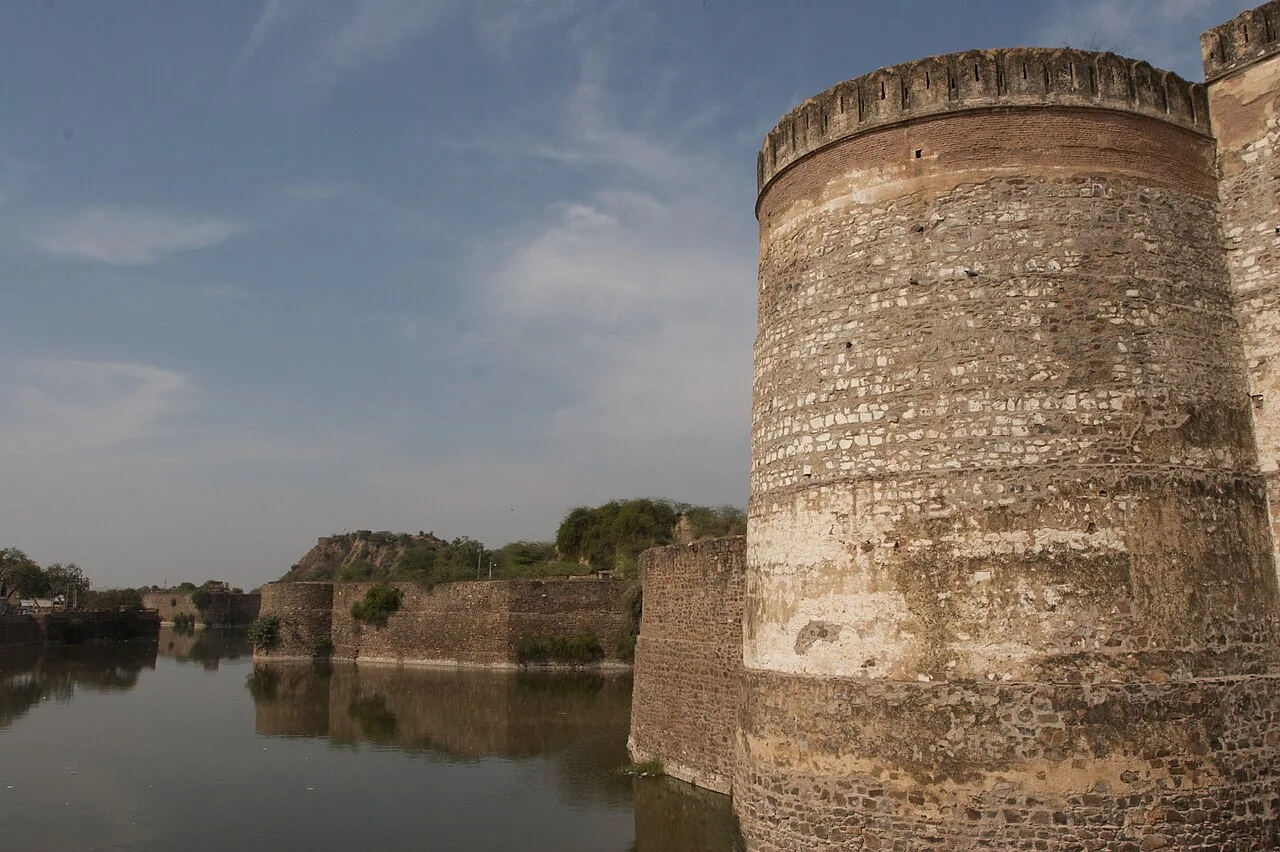
Lohagarh Fort

16 km away · Bharatpur district

Lohagarh Fort

Lohagarh Fort is an eighteenth-century stronghold in Bharatpur, Rajasthan, commissioned by Maharaja Suraj Mal in 1732. Visitors learn about its resistance to British attacks and its eventual capture.

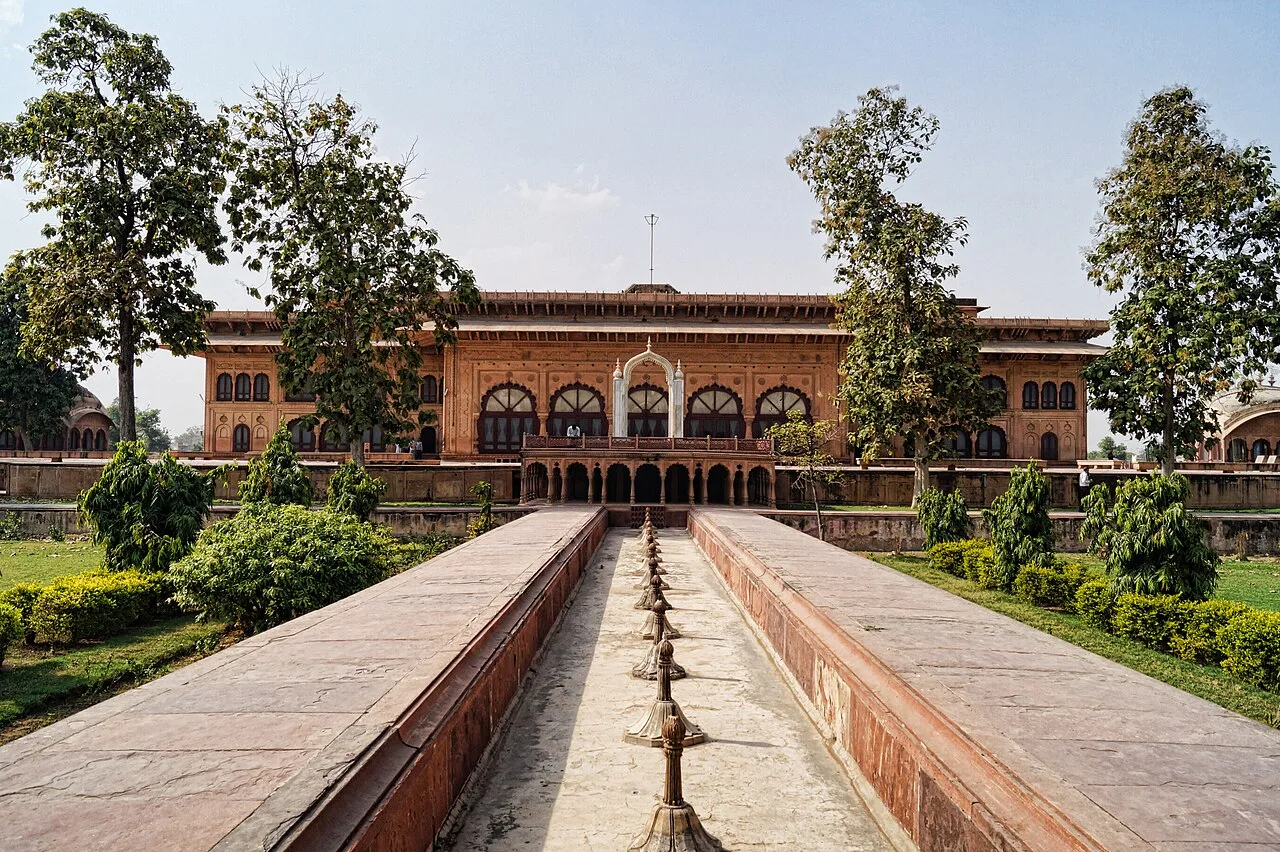
Deeg Palace

18 km away · Bharatpur district

Deeg Palace

Deeg Palace is an eighteenth-century royal summer residence in Rajasthan; visitors come to see its Mughal and Rajput design and learn about its former defensive role.

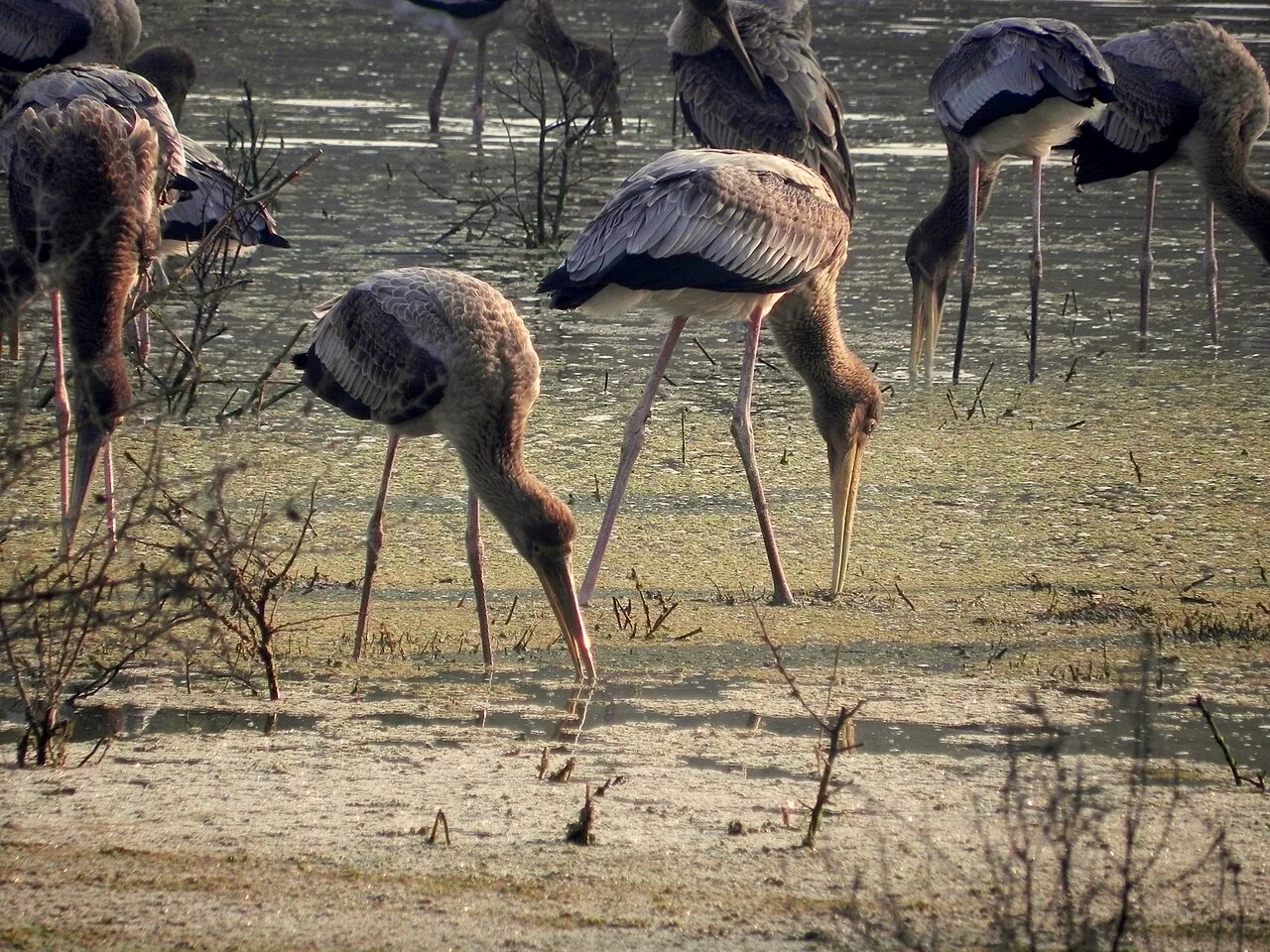
Keoladeo National Park

22 km away · Bharatpur district

Keoladeo National Park

Keoladeo National Park is a wetland and wildlife reserve in Bharatpur district, Rajasthan. Visitors come to see its varied birdlife, particularly the many species that gather there during winter.

Mehandipur Balaji Temple

71 km away · Dausa district

Mehandipur Balaji Temple

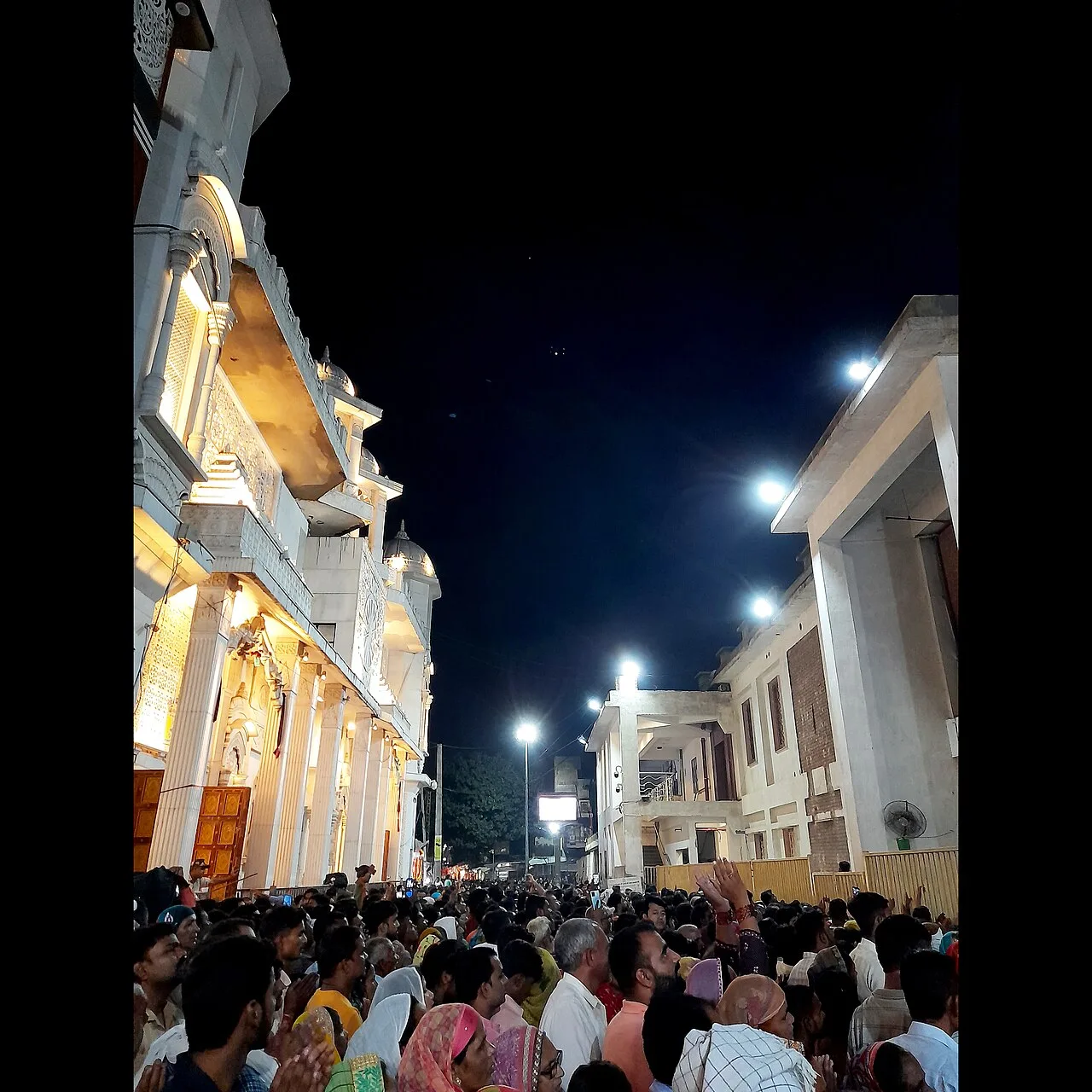
In Rajasthan’s Dausa district, Mehandipur Balaji Temple is a Hindu place of worship devoted to Hanuman. Pilgrims visit for its reputation for ritual healing and ceremonies to remove evil spirits.

Chand Baori

83 km away · Dausa district

Chand Baori

In Abhaneri, Chand Baori is a historic Rajasthan stepwell known for its depth and tiered stairways. Visitors come to see its inverted-pyramid layout and large reservoir.

Siliserh Lake

86 km away · Alwar district

Siliserh Lake

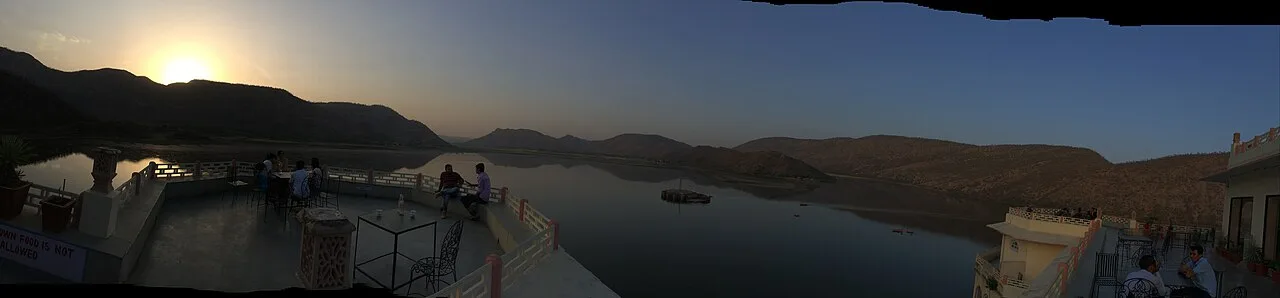
Siliserh Lake is an artificial lake in Rajasthan, southwest of Alwar, with wooded banks and cenotaphs along its embankment that visitors come to see.

Sariska Tiger Reserve

92 km away · Alwar district

Sariska Tiger Reserve

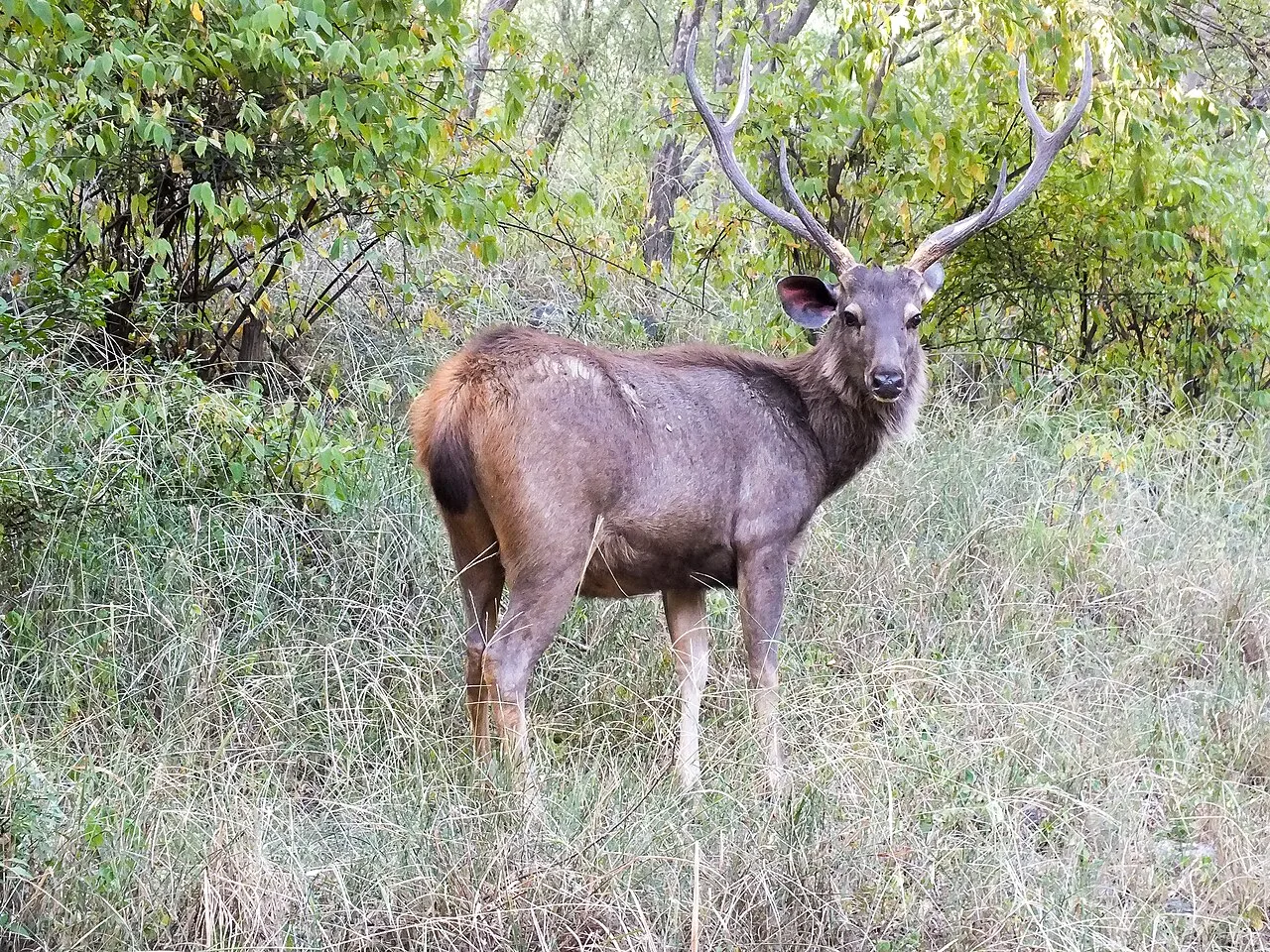
Sariska Tiger Reserve, in Rajasthan’s Alwar district, is a protected area with tiger-reserve status and varied forest, grassland and rocky habitats. Visitors come to experience its wildlife and conservation setting.

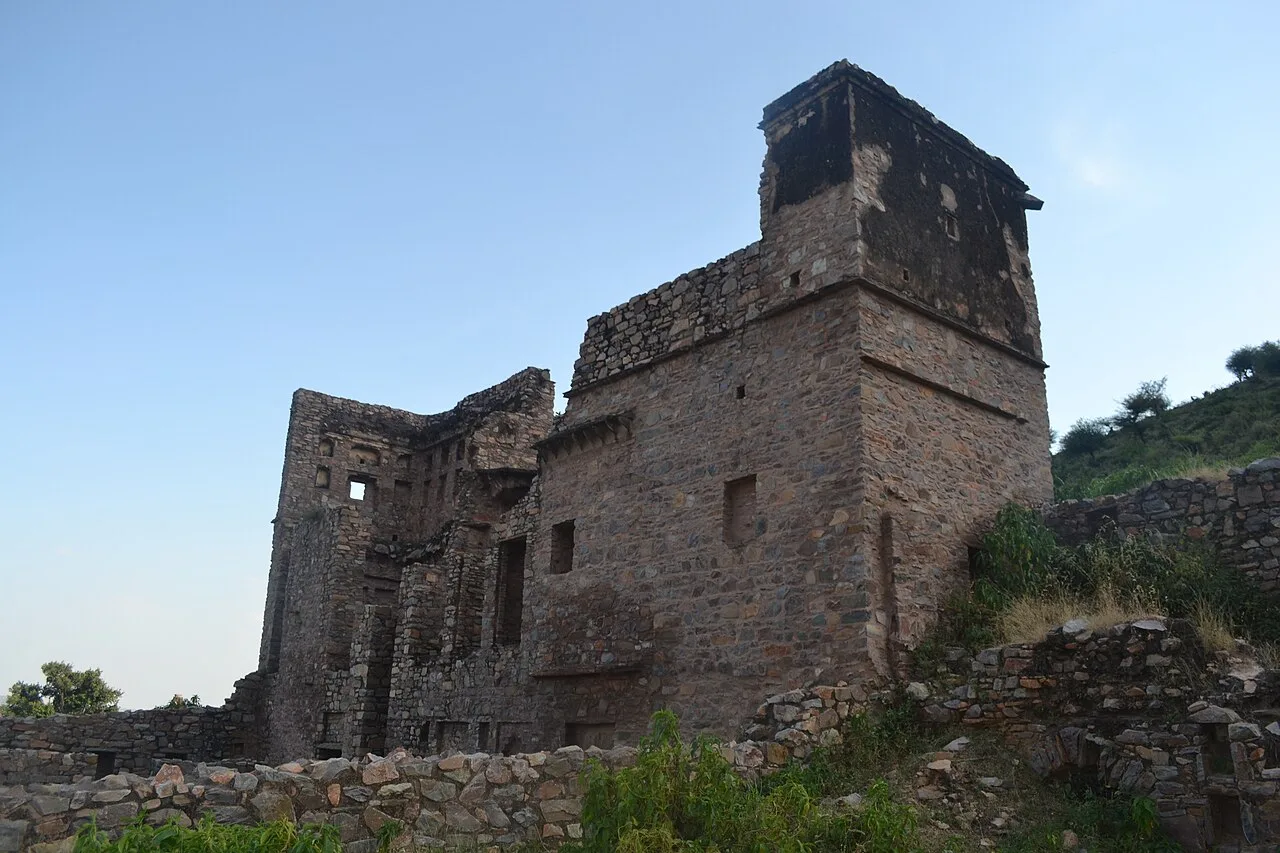
Bhangarh Fort

110 km away · Alwar district

Bhangarh Fort

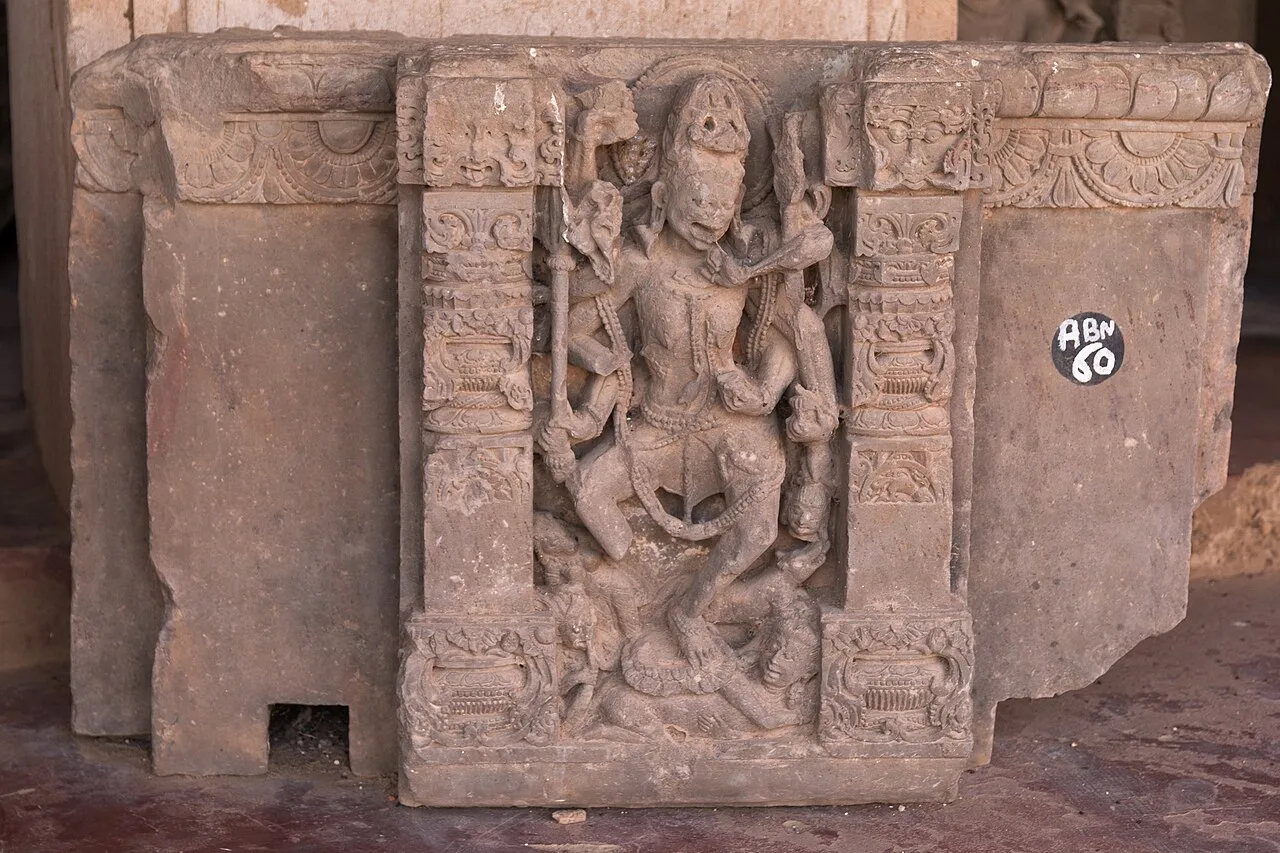
Dating to the sixteenth century, Bhangarh Fort in Rajasthan is linked to Madho Singh’s residence. Visitors come to view the preserved fort and its surrounding precincts.

Map

Kumher on the map

  1. 1Lohagarh Fort
  2. 2Deeg Palace
  3. 3Keoladeo National Park
  4. 4Mehandipur Balaji Temple
  5. 5Chand Baori
  6. 6Siliserh Lake
  7. 7Sariska Tiger Reserve
  8. 8Bhangarh Fort

Rajasthan

Other cities to explore